Learn whether dogs can eat chestnuts, which kinds are safe, and what to avoid. Covers sweet vs horse chestnuts, raw vs cooked, choking risk, and dangerous co...
Delishing
Can Cats Eat Chestnuts?

Maya Brooks
Maya Brooks is a dedicated home cook and the lead recipe developer at Delishing, where she shares practical, foolproof meals for everyday life. With over a decade of hands-on kitchen experience, she specializes in creating approachable dishes that fit a variety of dietary needs and modern cooking methods. Maya is passionate about helping busy people get delicious, stress-free food on the table without needing formal culinary training.
Every fall, chestnuts show up in grocery aisles and holiday recipes, and it is completely normal to wonder if your cat can have a tiny bite. Here is the calm, clear answer: plain, cooked sweet chestnuts are generally regarded as non-toxic to cats in very small amounts, but they are also not a great cat treat. Cats are obligate carnivores, so a starchy chestnut is nutritionally unnecessary and can be hard on some stomachs.
The bigger concern is that “chestnut” can mean a few very different things. Some are relatively benign in small amounts, and others should never be offered to pets.
If you are ever unsure, it is safest to treat it as a “no” and check with your veterinarian.
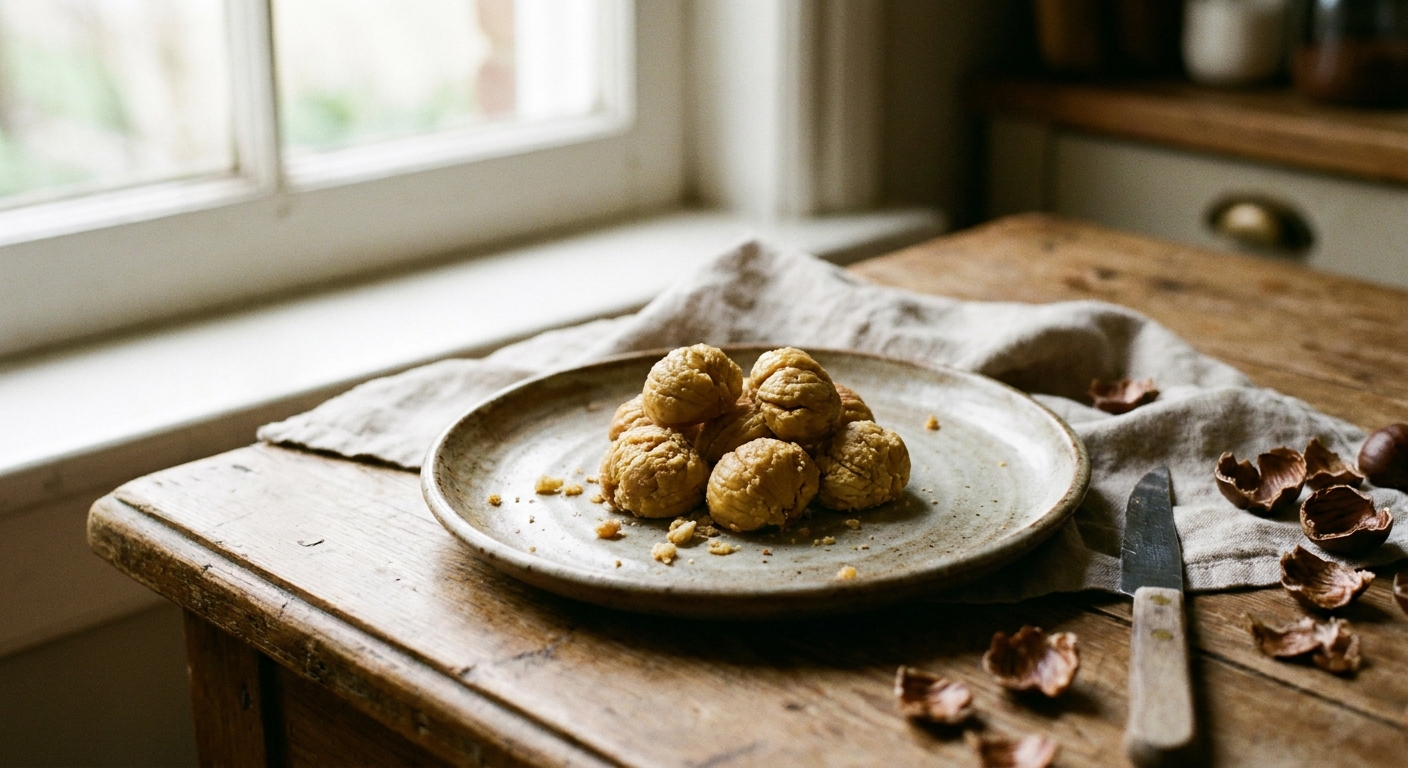
Quick answer
- Plain cooked sweet chestnuts: Generally considered non-toxic in tiny amounts, but not recommended as a regular treat. Even small tastes can cause vomiting or diarrhea in some cats.
- Raw chestnuts: Best avoided due to digestibility issues and choking risk.
- Horse chestnuts (conkers): Do not feed. Potentially toxic.
- Seasoned, candied, or chocolate-coated chestnuts: Do not feed. Added ingredients can be unsafe for cats.
If your cat ate chestnuts and seems unwell or is struggling to breathe, contact your veterinarian promptly.
Plain cooked sweet chestnuts
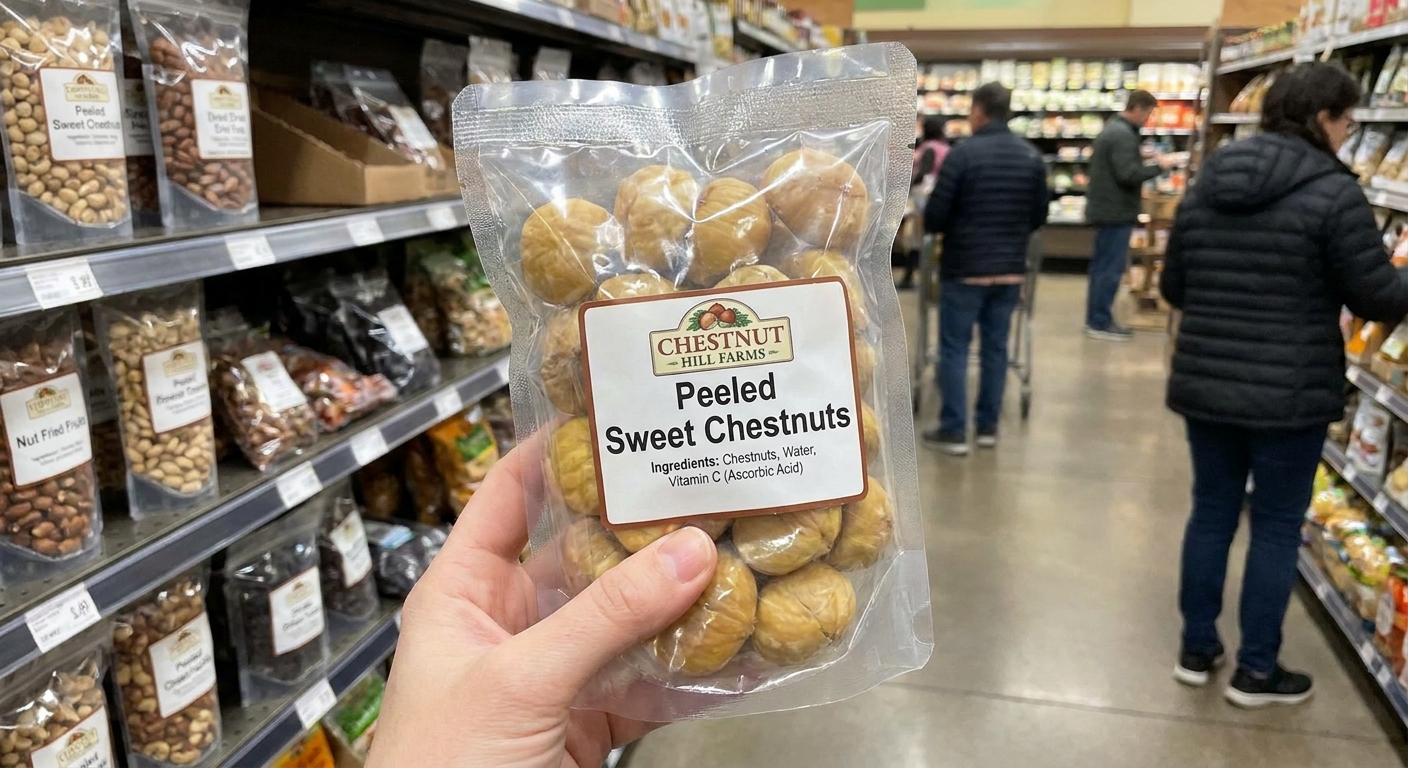
Sweet chestnuts (the edible kind people roast and bake with) are softer and starchier than most nuts. Because they are mild and not oily, some people assume they are a gentle snack for pets.
In reality, for cats, chestnuts are mostly just starch and fiber. A tiny taste is unlikely to be an emergency in many cases, but it can still lead to:
- Stomach upset (vomiting, diarrhea, gassiness)
- Choking if a piece is too large or swallowed quickly
- Digestive flare ups in cats with sensitive stomachs, especially when chestnuts are served with butter, cream, oils, or rich meats
If you are looking for safer, species-appropriate treats, it is usually better to stick with vet-approved cat treats or a small bite of plain cooked meat instead.
If you still want to offer a taste
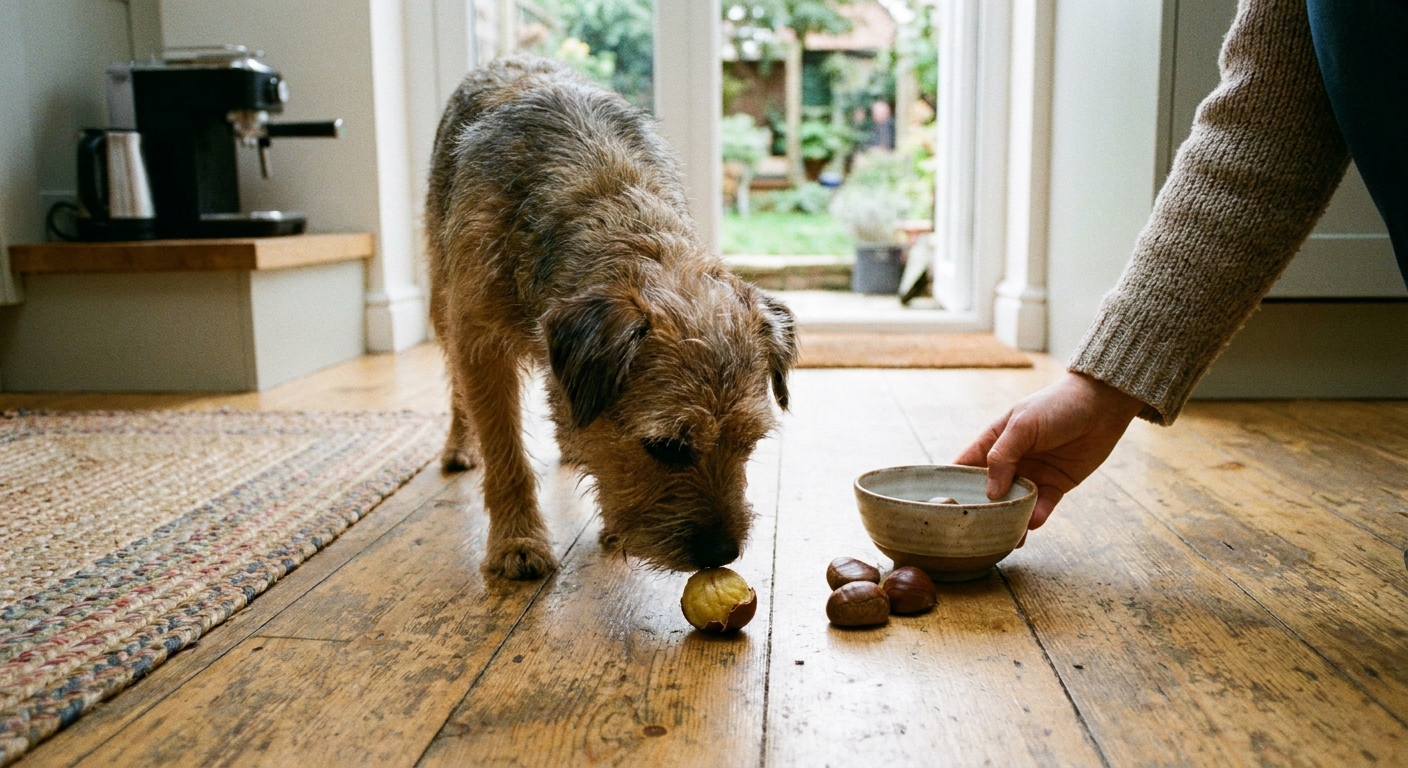
I get it. Some cats are determined to be part of whatever you are eating. If you insist on offering a taste, keep it boring and tiny:
- Offer one pea-sized piece of plain, fully cooked sweet chestnut.
- Make sure it is peeled. No shells, no husks, no spiky bits.
- Skip salt, butter, stuffing mix, and sweet coatings.
- Offer it once, then wait. If you see vomiting, diarrhea, or unusual lethargy, do not offer more.
Raw chestnuts
Even when the chestnut itself is the edible sweet kind, raw chestnuts are harder and tougher to chew. That makes them a bigger choking hazard and a bigger digestive challenge than cooked chestnuts.
Raw also increases the odds your cat will swallow a piece too quickly, especially curious cats that taste first and think later.
If you are curious about chestnuts in general, you can read Can You Eat Chestnuts Raw? for the human side of that question, but for cats, “skip it” is the simplest rule.
Horse chestnuts
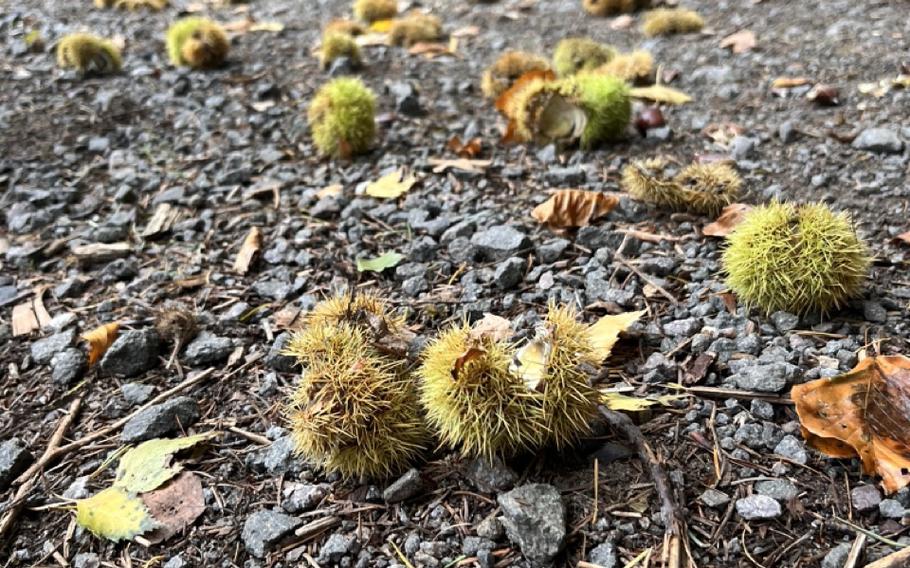
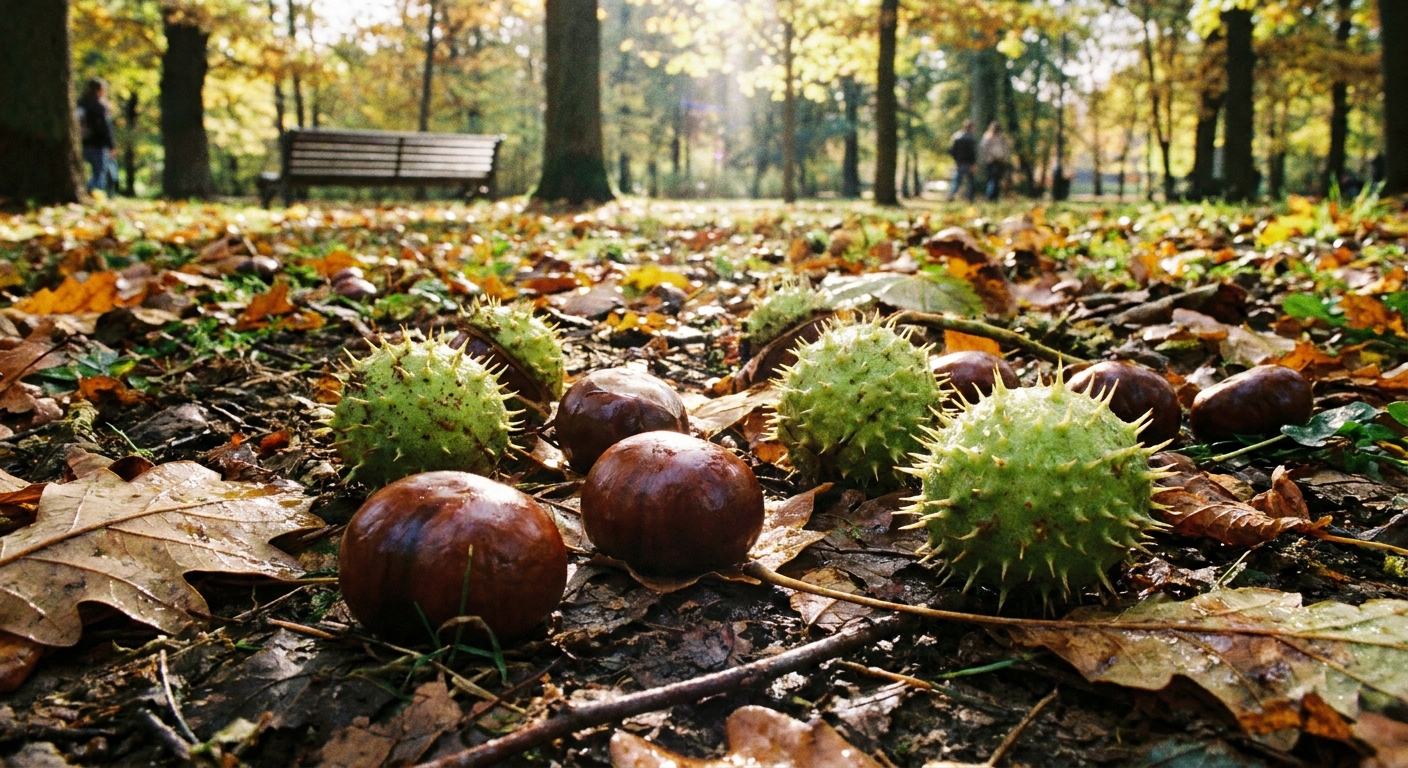
Horse chestnuts are not the same as sweet chestnuts. Horse chestnuts (often called conkers) contain compounds that can be harmful to people and animals, and they should never be offered to cats.
They are also the kind more likely to be found outdoors in yards and parks, which makes accidental exposure more common.
If you are unsure which type you have, treat it as unsafe and keep it away from your cat. For more background on the difference, see Horse Chestnuts vs Sweet Chestnuts.
Seasoned, candied, or chocolate
This is the category I worry about most, because it is what people actually have on a table during the holidays.
Seasoned chestnuts
Chestnuts in stuffing, buttery sides, or savory mixes may include ingredients that are not cat-friendly, such as:
- Onion or garlic (including powders)
- Too much salt
- Butter, cream, or oils (can trigger stomach upset)
- Spicy seasonings like heavy pepper, chili, or hot spice blends
Candied chestnuts
Sugar-heavy treats are not appropriate for cats and can cause digestive upset.
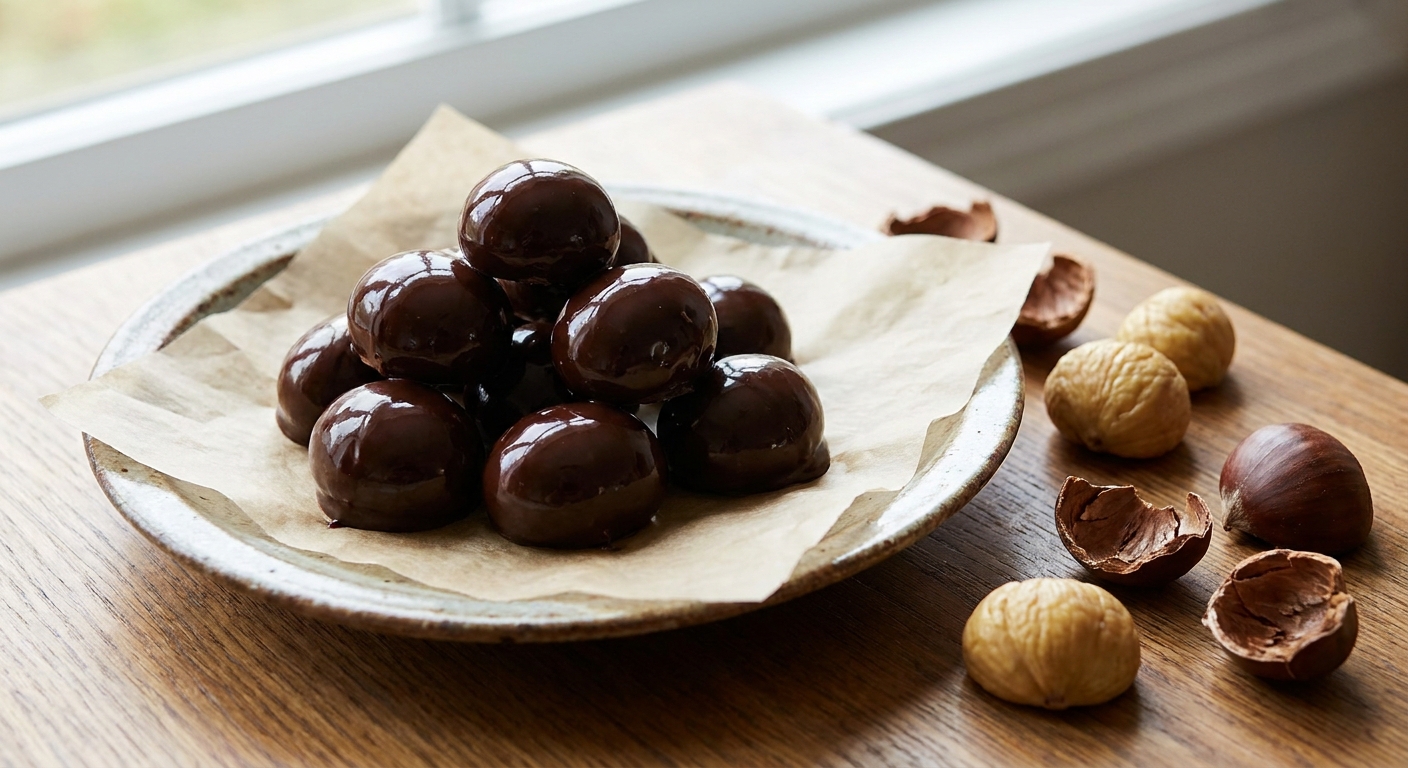
Chocolate-coated chestnuts
Chocolate is toxic to cats. How serious it is depends on the type and amount of chocolate and your cat’s size, but it is still a good reason to contact your veterinarian for guidance if any was eaten.
If you want to keep the human versions on your menu, enjoy them yourself and keep them well out of reach. Our Candied Chestnuts page is a good reminder of how sweet and rich these can be.
If your cat already ate chestnuts
If your cat ate a small amount of plain cooked sweet chestnut and is acting normal, many cats will be fine. Still, it is smart to monitor closely for the next 24 hours for stomach upset or signs of discomfort.
Contact your veterinarian promptly if you suspect your cat ate horse chestnuts, anything chocolate-coated, or a large amount of any chestnut dish.
Symptoms to take seriously include:
- Repeated vomiting or diarrhea
- Drooling
- Loss of appetite
- Lethargy or weakness
- Abdominal pain or hiding behavior
- Coughing, gagging, or trouble breathing (possible choking)
FAQ
Are chestnuts tree nuts?
Chestnuts are often grouped with nuts in the kitchen, but they are different from many high-fat tree nuts. If you are curious about classification, see Are Chestnuts Tree Nuts?. For cats, though, the practical takeaway stays the same: chestnuts are not a necessary food.
Are water chestnuts the same thing?
No. Water chestnuts are an aquatic vegetable (a corm), not a tree nut. They are a different ingredient entirely. If you want the culinary breakdown, check Chestnuts vs Water Chestnuts. Do not assume a food is pet-safe just because it shares a name.
Can chestnuts be a regular cat treat?
I would not make them a routine treat. Cats do best with protein-forward snacks, and chestnuts can cause digestive upset even when plain and cooked.