Not every “chestnut” you find is edible. Learn how to identify sweet chestnuts vs poisonous horse chestnuts using the husk, stem scar, shape, and safe handli...
Delishing
Can Dogs Eat Chestnuts?

Maya Brooks
Maya Brooks is a dedicated home cook and the lead recipe developer at Delishing, where she shares practical, foolproof meals for everyday life. With over a decade of hands-on kitchen experience, she specializes in creating approachable dishes that fit a variety of dietary needs and modern cooking methods. Maya is passionate about helping busy people get delicious, stress-free food on the table without needing formal culinary training.
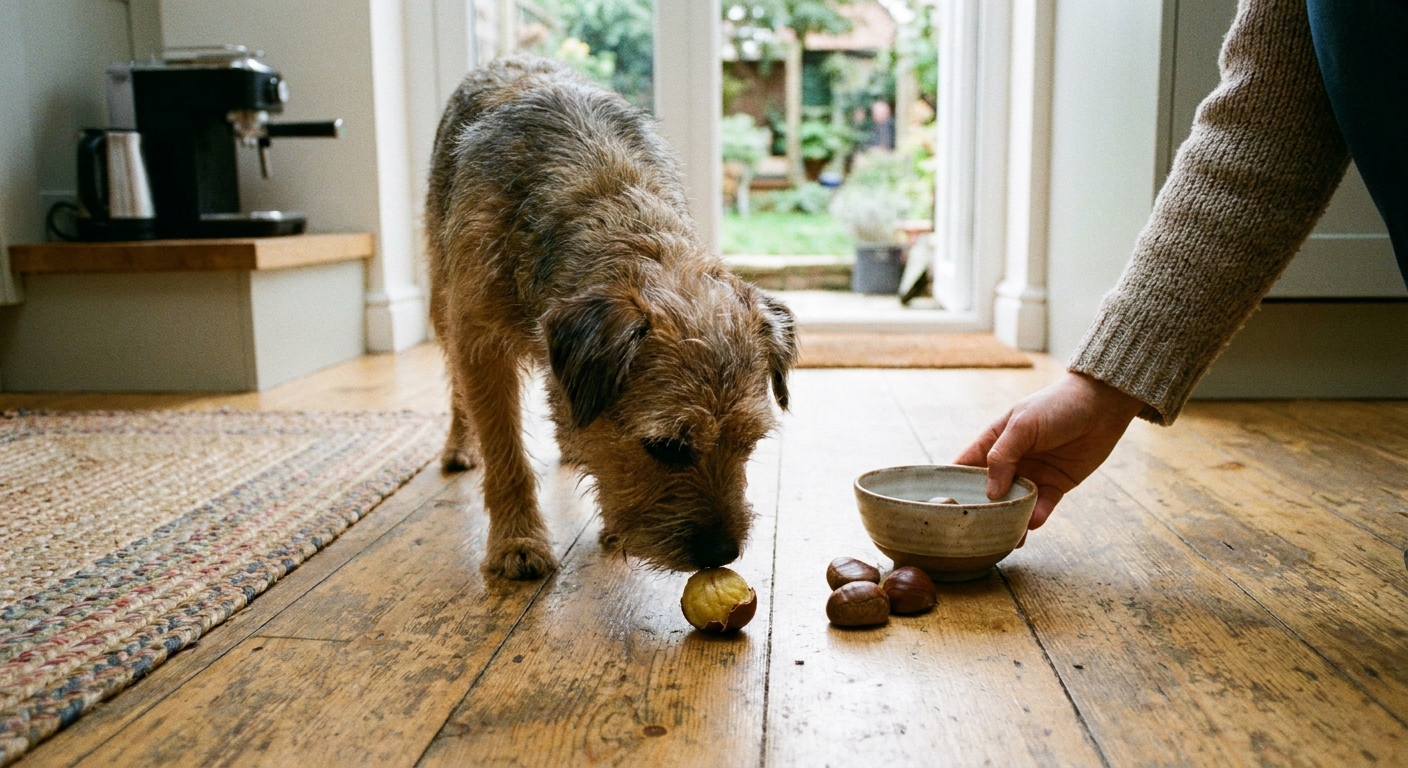
I get why this question comes up. Chestnuts smell sweet and cozy, and when you are snacking, those puppy eyes can be intense. The short version is this: plain, cooked sweet chestnuts are a food some people share with dogs in tiny amounts, but there are important exceptions. The biggest problems are horse chestnuts, plus chestnuts that are seasoned, sugar-coated, or chocolate-covered. And while raw sweet chestnuts are not the same as horse chestnuts, they are more likely to cause choking or stomach upset than cooked ones.
Sweet chestnuts vs horse chestnuts
People say “chestnuts” and mean different things. For dogs, that difference matters a lot.
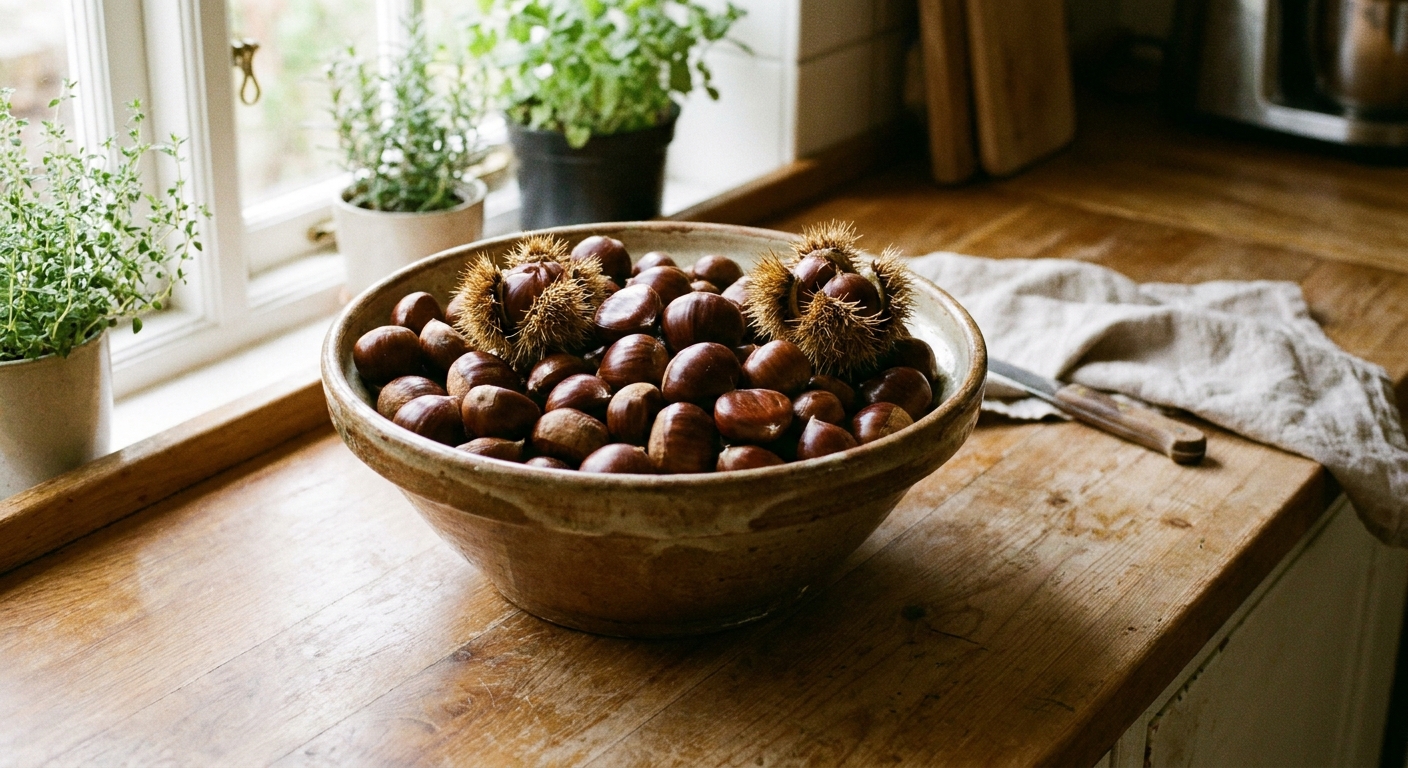
- Sweet chestnuts (the kind people roast and eat) are the edible ones used in holiday snacks and recipes.
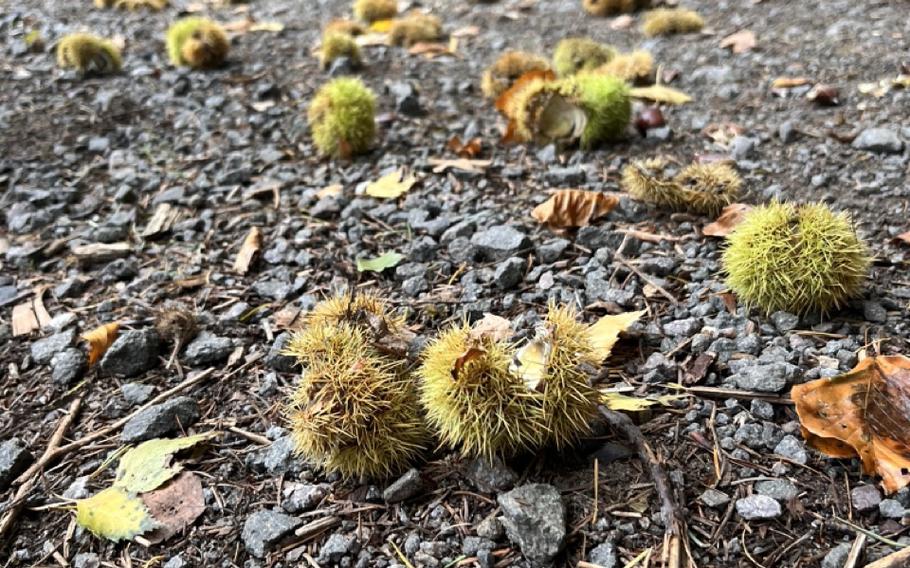
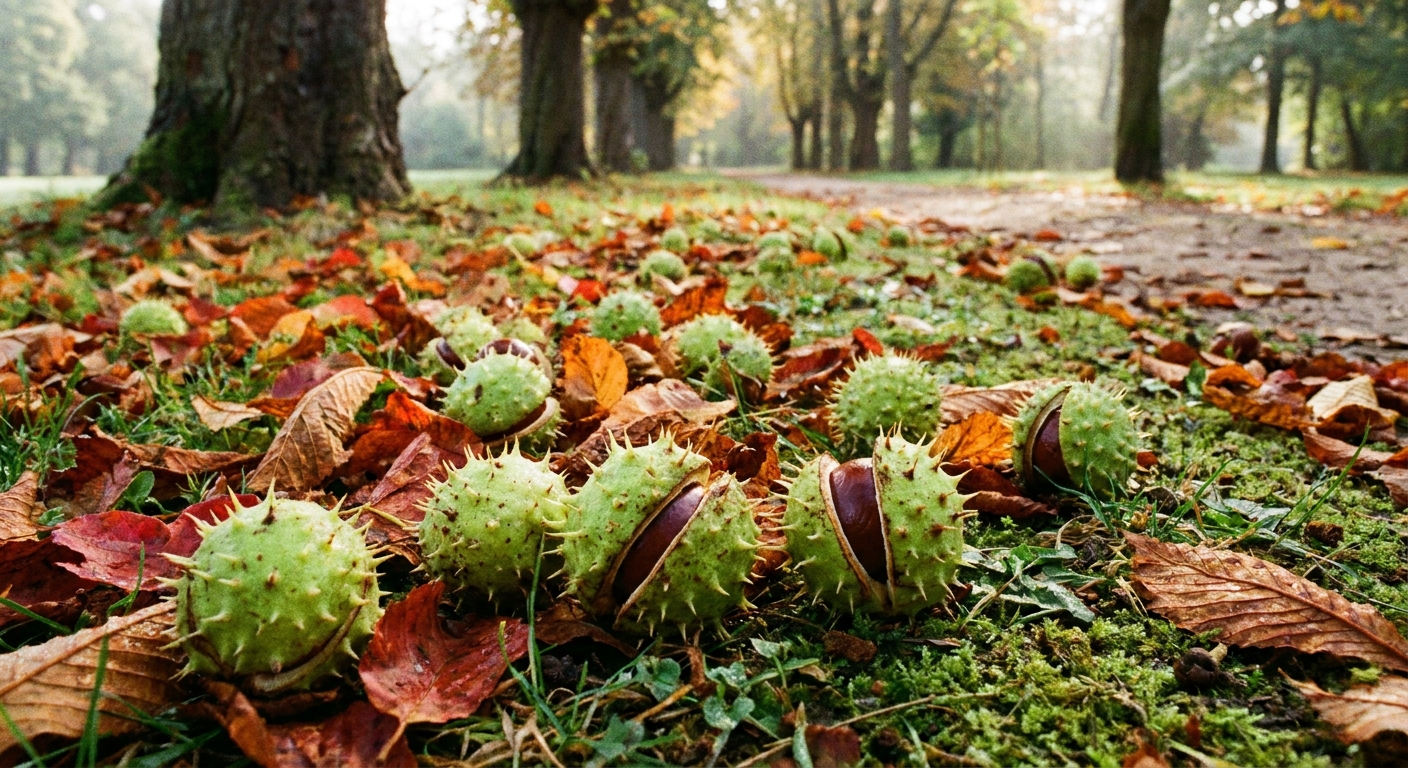
- Horse chestnuts (also called conkers) are not the edible chestnuts used in cooking and are considered toxic to pets.
If you are unsure what you have, do not offer any. When you want a clear breakdown of identification and safety for humans, see our guide on horse chestnuts vs sweet chestnuts.
Can dogs eat cooked sweet chestnuts?
Sometimes, yes, when they are sweet chestnuts and they are plain and fully cooked. Cooked sweet chestnuts are starchy and mildly sweet, which is why some dogs like them.
That said, even “safe” people foods can cause upset stomachs in some dogs. Chestnuts are starchy and calorie-dense, and that can be a little heavy for sensitive pups, especially if your dog is not used to them.
How to offer them more safely
- Keep it plain. No salt, no butter, no oil, no spices.
- Remove the shell and inner skin. Only offer the soft, peeled nut.
- Let them cool. Warm chestnuts can burn mouths.
- Serve small, dog-appropriate pieces. Cut into little bits so your dog is not trying to gulp a whole chestnut.
- Start tiny. The first time, offer a small taste and watch for any digestive upset.
How much is too much?
I cannot give a perfect number for every dog, but I treat chestnuts like a “sometimes treat,” not a snack you keep refilling. A practical rule of thumb is treats stay under about 10% of your dog’s daily calories. For many dogs, that looks like one small piece for small dogs and a few small pieces for larger dogs, then stop.
If you are cooking for yourself and want the human how-to, our step-by-step is here: How to Roast Chestnuts.
What about raw sweet chestnuts?
I would not share raw sweet chestnuts with dogs. They are tougher to chew, harder to digest, and more likely to cause gastrointestinal upset. They also create a choking risk, especially for small dogs or dogs who gulp.
For the human side of the question, we also cover raw chestnuts here: Can You Eat Chestnuts Raw?.
Horse chestnuts are a no
Do not feed horse chestnuts to dogs. They contain compounds that can be harmful, and ingestion can lead to serious illness.
If your dog may have eaten a horse chestnut, treat it as urgent: call your veterinarian or a pet poison hotline right away, especially if your dog shows symptoms.
Coatings and seasonings change the answer
This is where people get tripped up because many chestnuts are sold as treats, not plain nuts.
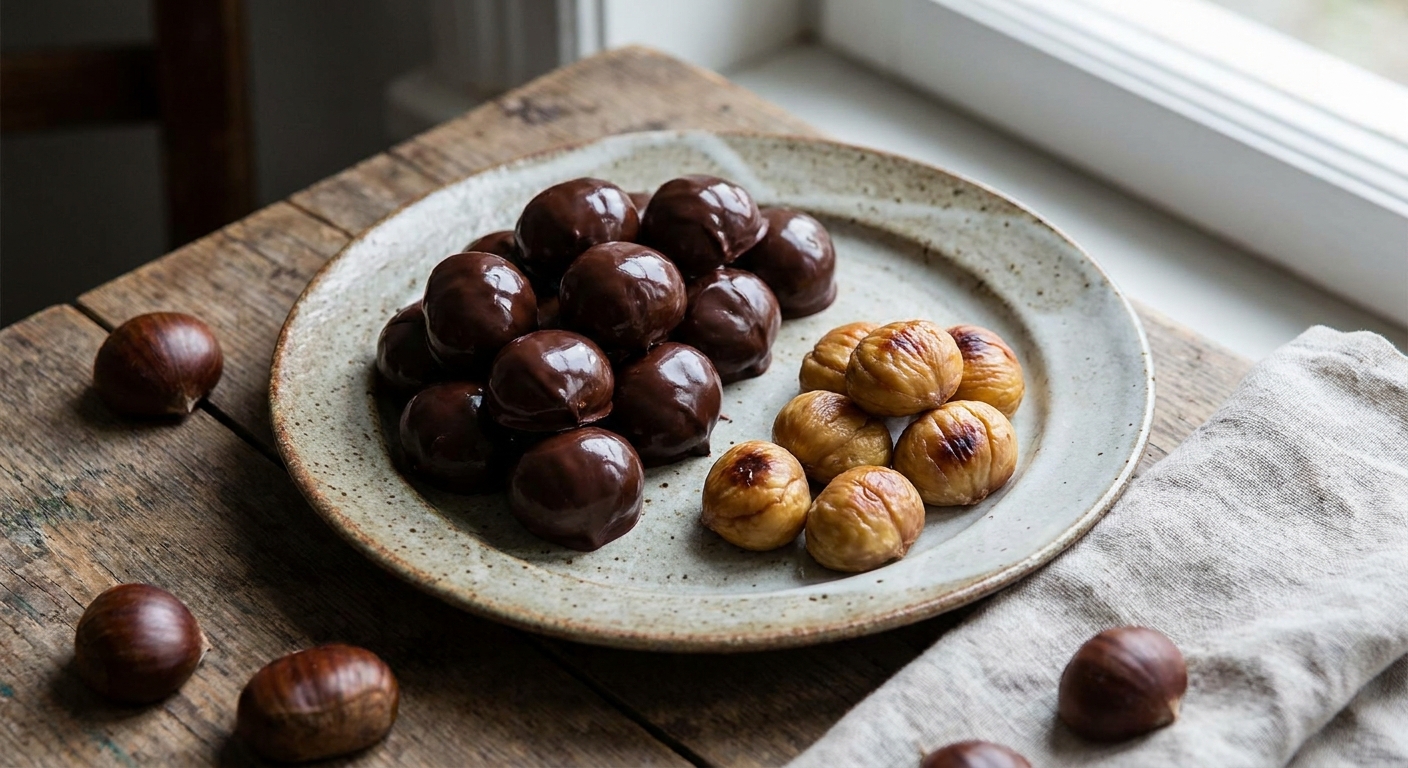
- Chocolate-covered chestnuts: Not safe for dogs. Chocolate is toxic to dogs.
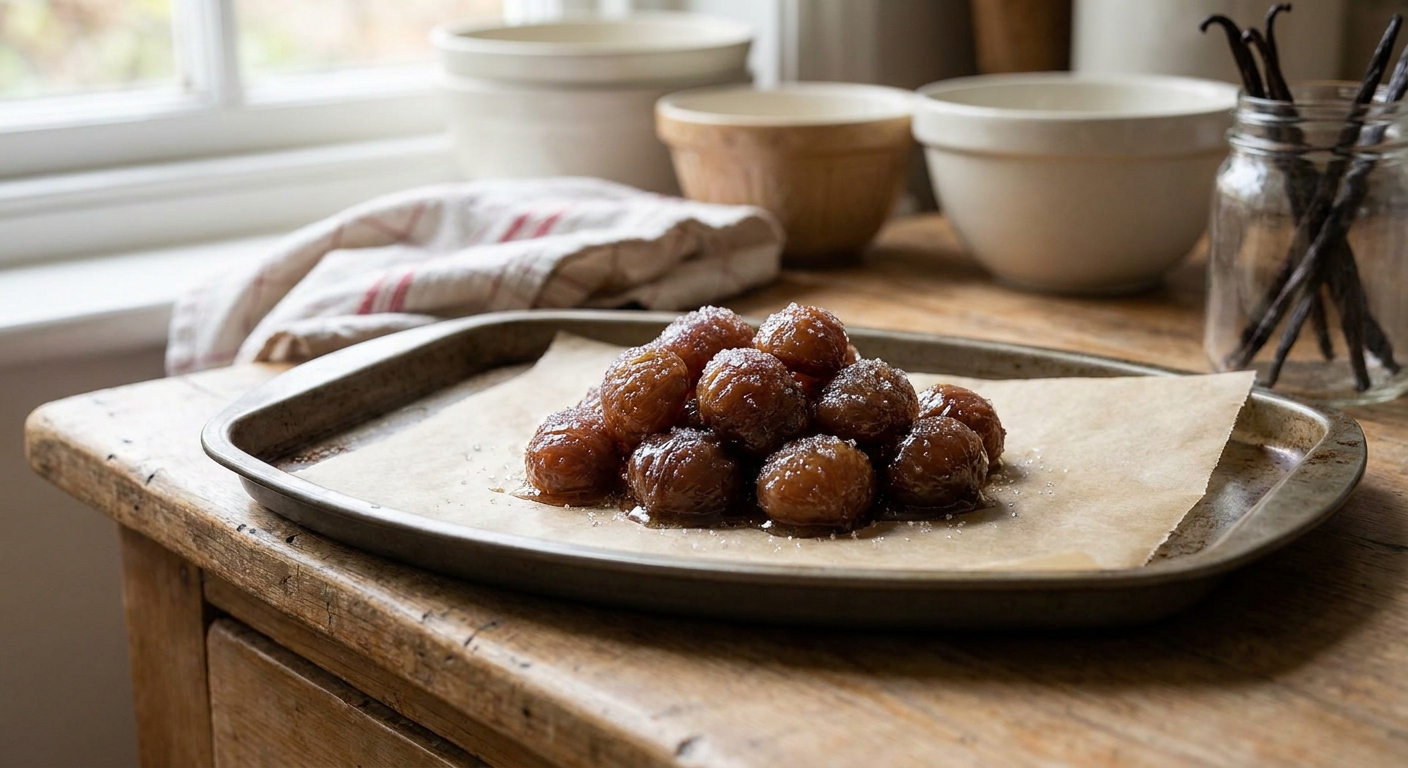
- Candied chestnuts: Often very high in sugar and may include ingredients that do not agree with dogs.
- “Sugar-free” desserts and candy: Watch for xylitol (sometimes labeled birch sugar), which is extremely dangerous for dogs.
- Salted, spiced, or savory chestnuts: Too much salt, fat, or seasoning can irritate a dog’s stomach and may be dangerous in larger amounts.
- Stuffings and prepared dishes: Chestnuts baked into stuffing or casseroles can include onions, garlic, lots of butter, and other high-fat add-ins like cream, sausage, or bacon, which can be unsafe for dogs.
Choking and portion risks
Even with cooked sweet chestnuts, the most common issues are practical ones.
- Choking: Whole chestnuts or large chunks can get stuck, especially for small dogs.
- Stomach upset: Starchy foods can cause vomiting or diarrhea in some dogs.
- Pancreatitis risk for sensitive dogs: This is usually more about the high-fat add-ins (butter, oils, cream, bacon, sausage) than the chestnut itself.
If your dog has a history of pancreatitis, food allergies, or a sensitive stomach, it is smartest to skip chestnuts altogether unless your vet has okayed them.
After any new food, keep an eye out for signs your dog is not tolerating it, like repeated vomiting, diarrhea, itching, or hives.
When to call a veterinarian
If your dog has eaten chestnuts and shows symptoms like vomiting, diarrhea, excessive drooling, lethargy, or belly pain, call your veterinarian promptly.
If you suspect horse chestnut ingestion, your dog ate chocolate-covered chestnuts, or you see red flags like trouble breathing, weakness, collapse, or severe swelling, treat it as an emergency and contact a veterinarian right away.
Quick FAQ
Are chestnuts toxic to dogs?
Sweet chestnuts are not typically considered toxic when plain and cooked, but they can still cause choking or stomach upset in some dogs. Horse chestnuts are toxic and should be treated as an emergency ingestion.
Can dogs eat roasted chestnuts?
Some dogs can have plain roasted sweet chestnuts in small amounts. Avoid any roasted chestnuts made with butter, salt, seasoning blends, or sugar coatings.
Can puppies eat chestnuts?
Puppies have more sensitive digestive systems and are more prone to choking. If you want to share, talk to your vet first and keep amounts extremely small, or skip it.
What about canned or jarred chestnuts?
Only consider them if they are plain with no added sugar, salt, or flavorings. Always read the ingredient list carefully.