Delishing
Tri-Tip Stroganoff

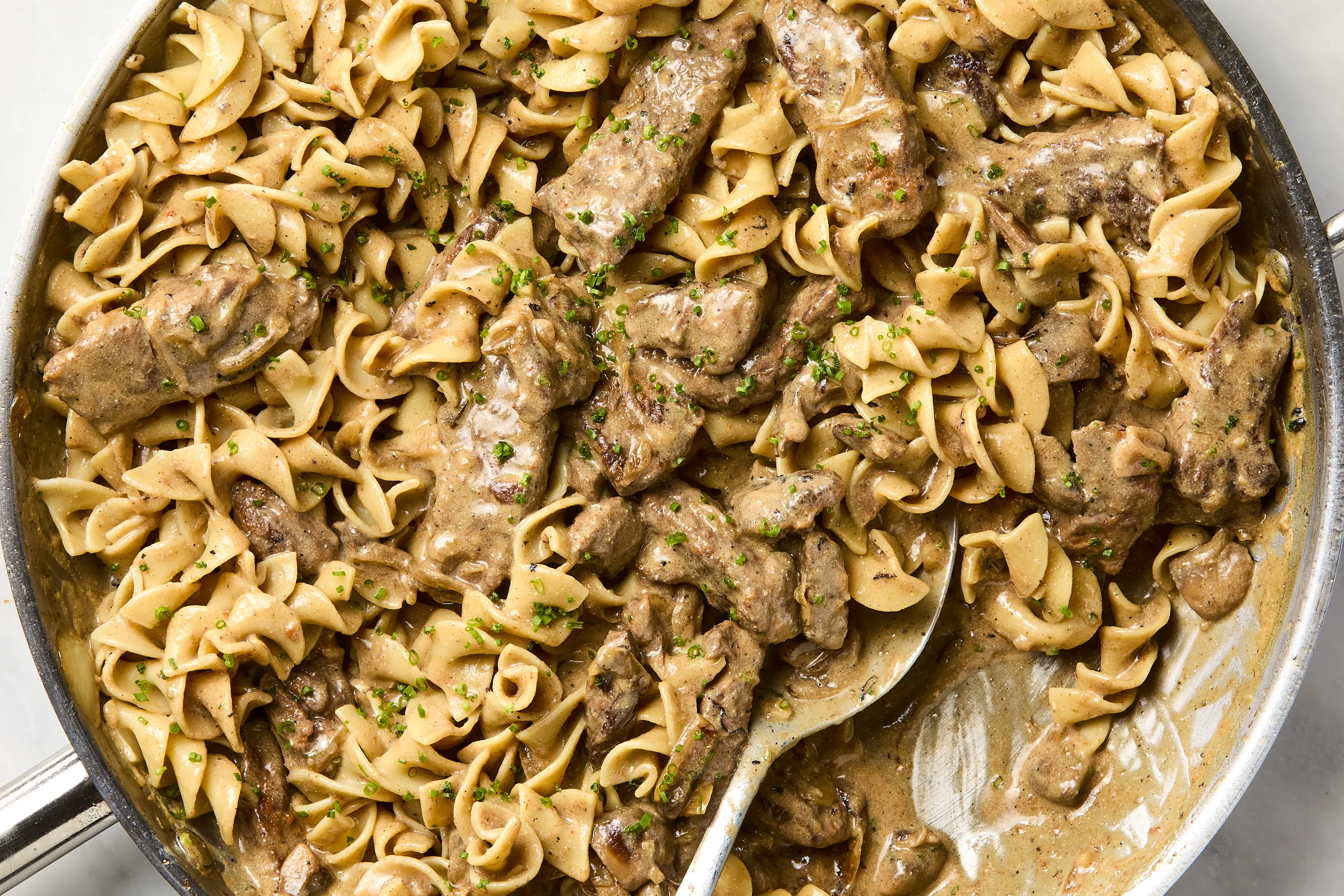
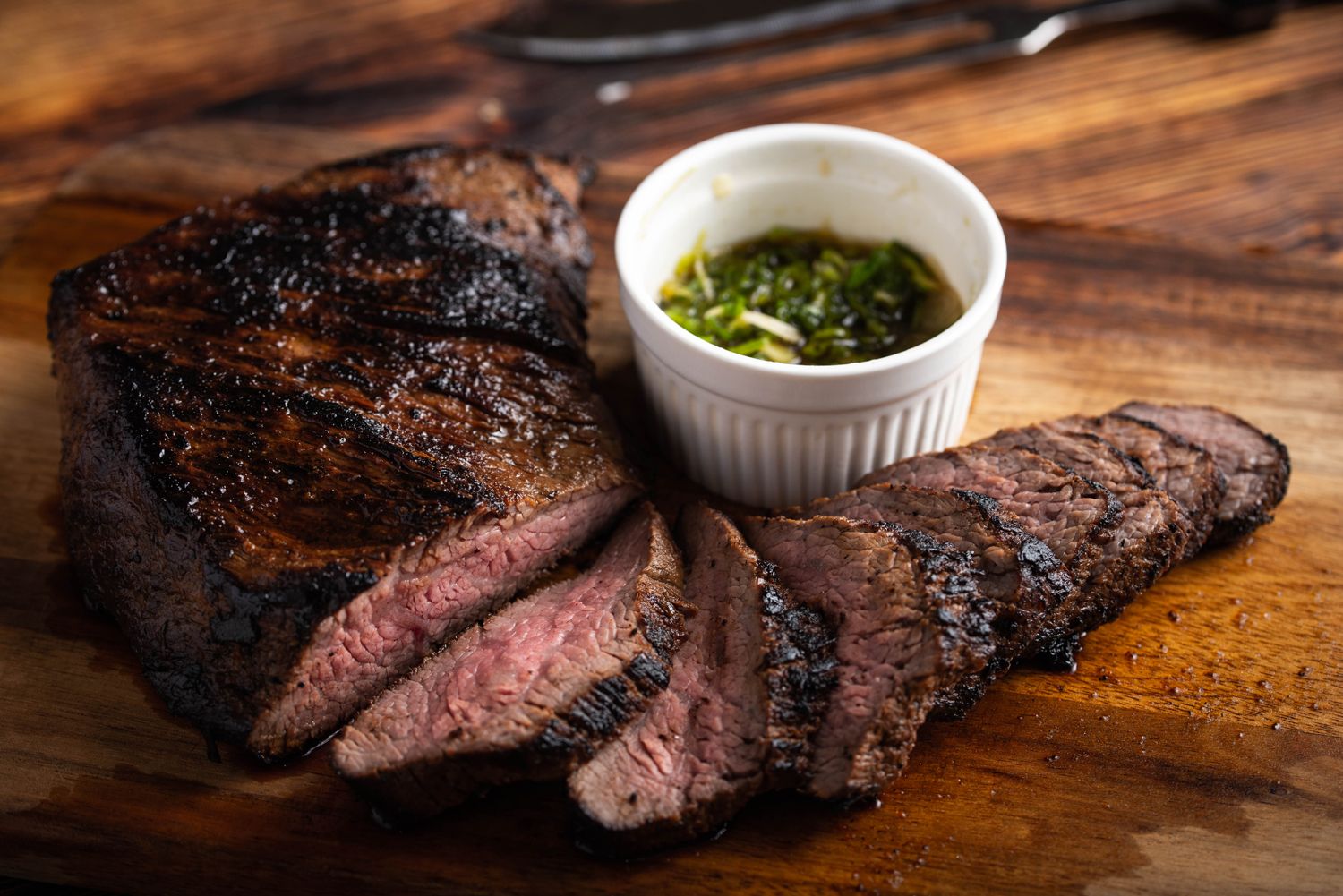
When I need a dinner that feels cozy but still moves fast, I reach for stroganoff. The classic version can be weeknight-friendly, but using tri-tip makes it extra satisfying without relying on a long braise. The trick is treating tri-tip like the lean, flavorful cut it is: slice it thin, sear it quickly, and keep it out of the pan while you build the sauce so it stays tender.
This tri-tip stroganoff is all about two make-or-break moments: (1) slicing across the grain even though the grain changes direction in a tri-tip, and (2) stirring in sour cream gently so it stays creamy, not curdled. I wrote this recipe to work whether you are starting with a raw tri-tip roast (or tri-tip steaks cut from it), or you are repurposing leftover tri-tip from last night. And if you want to switch up the base, it is just as good spooned over rice or mashed potatoes as it is over egg noodles.
If you are newer to tri-tip, it is worth a quick read on doneness and tenderness so your beef stays silky, not chewy. Delishing has a helpful guide on tri-tip internal temperature and a deep dive on why tri-tip turns tough.
What to expect
- Thin-sliced tri-tip, quickly seared so it stays tender
- Golden onions and mushrooms for that savory, almost sweet base
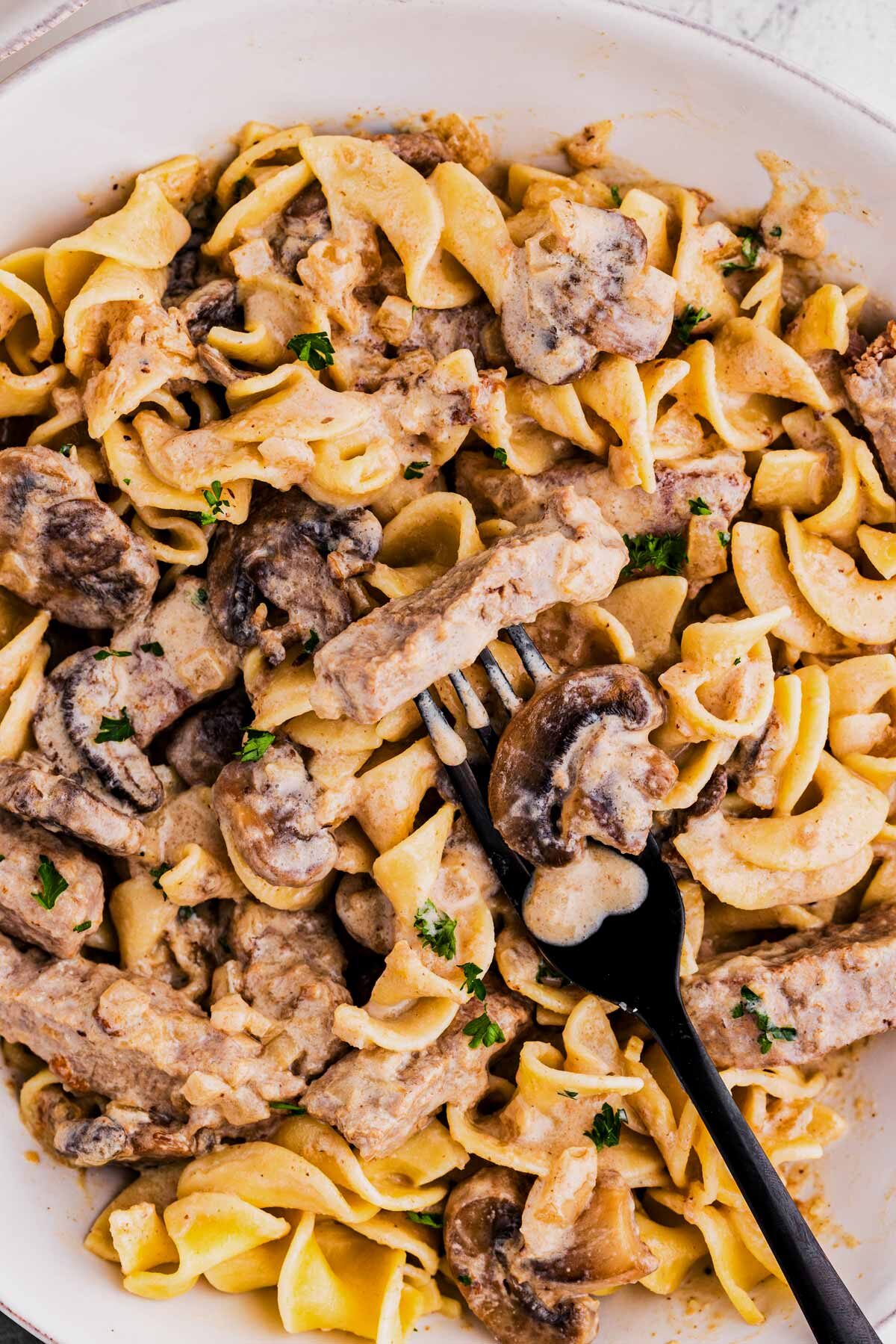
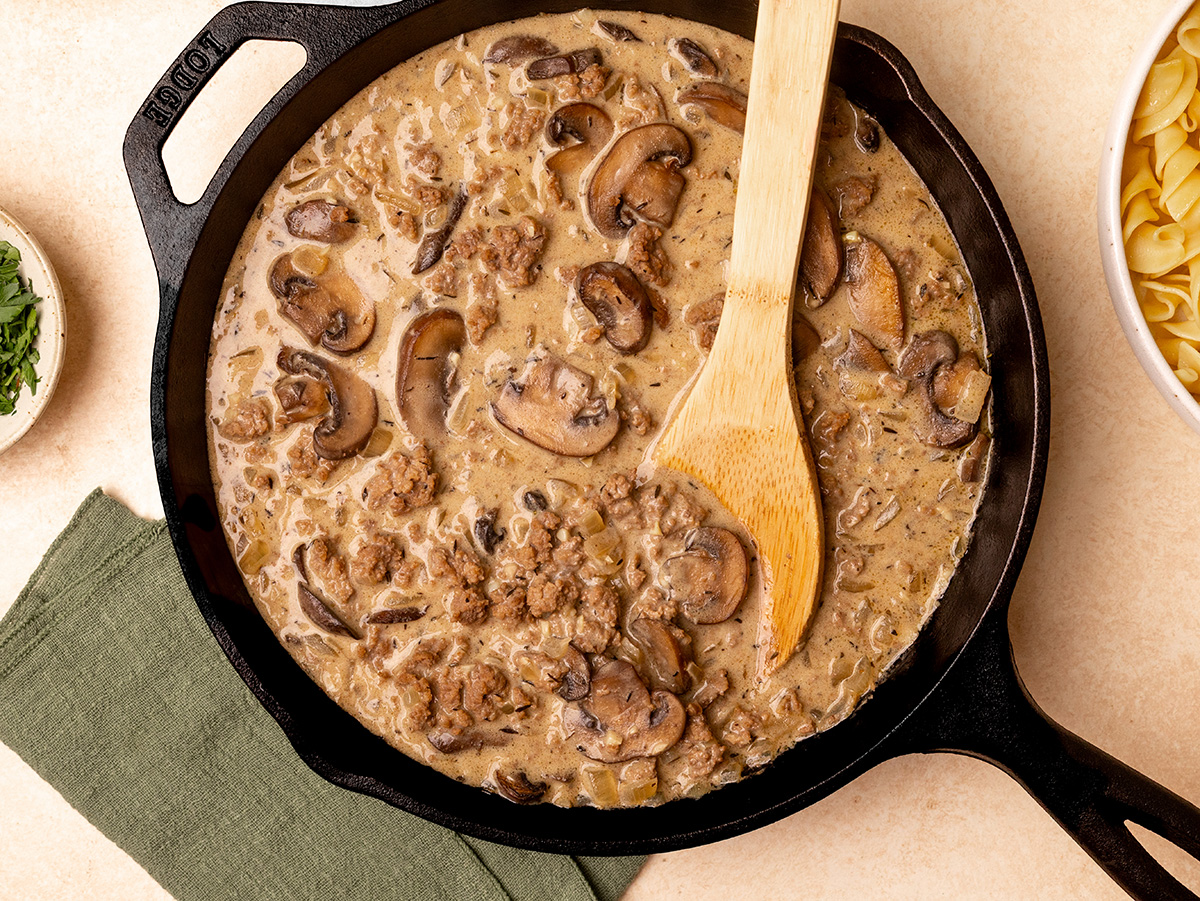
- A smooth sour cream sauce that tastes rich but not heavy
- Egg noodles that soak up every bit of sauce
Why it works
- Tri-tip is cooked like steak, not stew. Stroganoff is often made with tougher cuts that simmer a long time. Tri-tip does better with a fast sear and a short warm-through at the end.
- The changing grain gets handled on purpose. Tri-tip has two grain directions. Splitting it into two sections first makes it easy to slice each piece correctly.
- Sour cream goes in off the heat. Lower temperature plus a little flour-thickened base helps prevent curdling.
- Pan fond equals flavor. Those browned bits from searing beef and mushrooms dissolve into the sauce with broth and Worcestershire for depth.
Ingredient notes
- Tri-tip: You can use tri-tip steak, tri-tip roast cut into steaks, or leftover cooked tri-tip. For raw tri-tip, aim for thin slices so it sears in a minute or two.
- Mushrooms: Cremini (baby bella) are my go-to. White mushrooms work too. Slice them, do not chop, so they brown instead of steaming.
- Onion: Yellow onion gives the best balance of sweetness and savoriness.
- Garlic: Use fresh if you can. It perfumes the sauce quickly.
- Flour: A small amount thickens the sauce so it clings to noodles and cushions the sour cream.
- Beef broth: Low-sodium lets you control salt. If using regular broth, taste before adding extra salt.
- Worcestershire: A little adds that classic stroganoff backbone.
- Sour cream: Full-fat is the most stable in hot sauce. Let it come closer to room temp for smoother blending.
- Egg noodles: Wide egg noodles are traditional, but any egg noodle works.
Equipment
- Large skillet (12-inch is ideal)
- Pot for boiling noodles
- Sharp chef's knife and cutting board
- Tongs for quick searing
- Wooden spoon or silicone spatula
If you want to nerd out on pans, Delishing has a helpful roundup at Nonstick Pans Ranked Worst to Best.
Pro tips
- How to slice tri-tip across the changing grain: Look for the line where the grain direction shifts, then cut the roast into two pieces at that seam. Slice each piece thinly against its own grain. This one step is the difference between tender bites and chewy strips.
- Freeze briefly for cleaner slicing: For raw tri-tip, 15 to 20 minutes in the freezer firms it up so you can slice thinner.
- Brown mushrooms in a single layer: If your pan is crowded, mushrooms steam. Cook in two batches if needed.
- Temper your sour cream: Cold sour cream hitting a very hot pan is the most common curdling trigger. Let it sit on the counter while you cook the mushrooms and onions.
- Turn the heat down before adding sour cream: I like to take the skillet off the heat for 30 seconds, then stir it in.
- Do not simmer hard after sour cream: Keep it at a gentle warm-through. If it bubbles aggressively, it is too hot.
Substitutes
- No egg noodles: Serve over mashed potatoes, rice, or buttered pasta. If you want a potato moment, try this Microwave Baked Potato approach for an easy side or base.
- No sour cream: Use full-fat Greek yogurt for a tangier sauce. Add it off heat, same as sour cream.
- No Worcestershire: Use a splash of soy sauce plus a tiny squeeze of lemon.
- Gluten-free: Use a 1:1 gluten-free flour blend to thicken and swap in gluten-free noodles.
- No beef broth: Chicken broth works in a pinch, but you may want an extra splash of Worcestershire for depth.
Variations
- Leftover tri-tip stroganoff: Skip the raw-beef sear. Add sliced leftover tri-tip at the very end, just long enough to warm through so it stays tender.
- Extra mushroomy: Add a mix of cremini and shiitake.
- Mustard kick: Stir 1 to 2 teaspoons Dijon into the sauce before the sour cream.
- Herby finish: Fresh parsley is classic, but dill is also great here.
- One-pan feel: Toss drained noodles directly into the skillet with a splash of reserved pasta water to make it glossy.
Serving ideas
- Simple veggie sides: Try Roasted Broccoli or Garlic Roasted Vegetables.
- Fresh crunch: A green salad with a sharp vinaigrette balances the creamy sauce.
- Cozy add-on: Serve with Cast-Iron Skillet Cornbread if you want something warm to mop up sauce.
Storage
- Refrigerate: Store in an airtight container for up to 3 days.
- Reheat: Warm gently in a skillet over low heat with a splash of broth or water. Avoid boiling so the sauce stays smooth and the beef stays tender.
- Freeze: Creamy sour cream sauces can separate when frozen. If you must freeze, do it knowing the texture may be slightly grainy after thawing. Thaw overnight in the fridge and reheat low and slow.
Common mistakes
- Slicing with the grain: Tri-tip has a real chew when sliced wrong. Split it where the grain changes, then slice each piece against the grain.
- Overcooking the beef: Thin slices need 60 to 90 seconds per side, not minutes. You will finish warming it in the sauce.
- Adding sour cream over high heat: High heat encourages curdling. Lower the heat or go off heat, then stir in.
- Skipping the mushroom browning: Pale mushrooms taste watery. Give them time and space to brown.
- Salting too early without tasting: Broth and Worcestershire both bring salt. Taste at the end and adjust.
FAQ
Can I use leftover tri-tip roast?
Yes, and it is honestly one of my favorite ways to use leftovers. Slice it thin against the grain and add it at the end, just to warm through. If you have leftovers and need a refresher, Delishing also covers how to reheat tri-tip without drying it out.
How do I keep the sour cream from curdling?
Use full-fat sour cream, let it sit out for a few minutes so it is not ice-cold, and stir it in off heat or over very low heat. Then keep the sauce at a gentle warm-through, not a boil.
What cut is tri-tip, and why does it get chewy?
Tri-tip is a lean cut from the bottom sirloin. It is tender when cooked to the right doneness and sliced correctly, but it can turn chewy if overcooked or cut with the grain. If yours often comes out tough, read Why Is My Tri-Tip Tough? for the most common fixes.
Can I make stroganoff without mushrooms?
You can. Swap in extra onions plus a sliced bell pepper, or try zucchini. You will lose some of the classic flavor, so add a little extra Worcestershire and black pepper.
Is this the same as classic beef stroganoff?
The flavors are classic, but the technique is tailored to tri-tip: quick sear, then finish in sauce briefly so the beef stays tender.
Recipe
Tri-Tip Stroganoff is a creamy, mushroom-and-onion skillet dinner made with thin-sliced tri-tip and a smooth sour cream sauce, served over egg noodles. Includes an option for using leftover tri-tip.
Prep Time: 15 minutes
Cook Time: 20 minutes
Total Time: 35 minutes
Servings: 4
- 10 oz wide egg noodles
- 1 1/4 lb tri-tip steak or tri-tip roast (see notes for leftover option)
- 1 1/2 tsp kosher salt, divided, plus more to taste
- 1/2 tsp black pepper, plus more to taste
- 2 tbsp olive oil, divided
- 1 tbsp unsalted butter
- 1 medium yellow onion, thinly sliced
- 12 oz cremini mushrooms, sliced
- 3 cloves garlic, minced
- 2 tbsp all-purpose flour
- 1 1/2 cups low-sodium beef broth
- 1 tbsp Worcestershire sauce
- 1 tsp Dijon mustard (optional)
- 3/4 cup full-fat sour cream
- 2 tbsp chopped fresh parsley (optional, for serving)
- Boil the noodles. Bring a large pot of salted water to a boil. Cook egg noodles according to package directions until just tender. Reserve 1/2 cup pasta water, then drain and set aside.
- Slice the tri-tip correctly. Pat the tri-tip dry. Find where the grain changes direction and cut the tri-tip into 2 pieces at that seam. Slice each piece thinly (about 1/4 inch) against its own grain. Season the slices with 1 teaspoon kosher salt and 1/2 teaspoon black pepper.
- Sear the beef fast. Heat 1 tablespoon olive oil in a large skillet over medium-high heat. Add half the beef in a single layer and sear 60 to 90 seconds per side, just until browned. Transfer to a plate. Repeat with remaining beef, adding the second tablespoon olive oil if the pan looks dry. Transfer all beef to the plate.
- Cook onions and mushrooms. Reduce heat to medium. Add butter to the skillet. Add onions and cook 3 to 4 minutes, stirring, until softened. Add mushrooms and cook 6 to 8 minutes, stirring occasionally, until they release their moisture and begin to brown. Stir in garlic and cook 30 seconds.
- Build the sauce base. Sprinkle flour over the mushroom mixture and stir constantly for 1 minute to cook off the raw flour taste. Slowly pour in beef broth while stirring, scraping up any browned bits from the bottom of the pan. Stir in Worcestershire and Dijon if using. Simmer 2 to 3 minutes, until slightly thickened.
- Add sour cream without curdling. Reduce heat to low. Take the skillet off the heat for 30 seconds. Stir in sour cream until smooth. Do not let the sauce boil.
- Finish the beef gently. Add the seared tri-tip and any juices back to the skillet. Stir and warm for 1 to 2 minutes, just until the beef is heated through. Taste and adjust salt and pepper.
- Toss and serve. Add drained noodles to the skillet and toss to coat. If the sauce feels too thick, add a splash of reserved pasta water until glossy. Serve warm, topped with parsley if you like.
Leftover tri-tip option: Skip the searing step. Slice leftover cooked tri-tip thinly against the grain. Make the sauce as written, then stir in the sliced beef at the end for 30 to 60 seconds, just to warm through.
Doneness note: Tri-tip is lean. For best texture, avoid cooking the slices past medium once they are in the pan. Quick sear now, gentle warm-through later.
Sour cream tip: Full-fat sour cream is more stable. Keep heat low when adding it, and never hard-boil the sauce after it goes in.