Delishing
Cast-Iron Skillet Cornbread

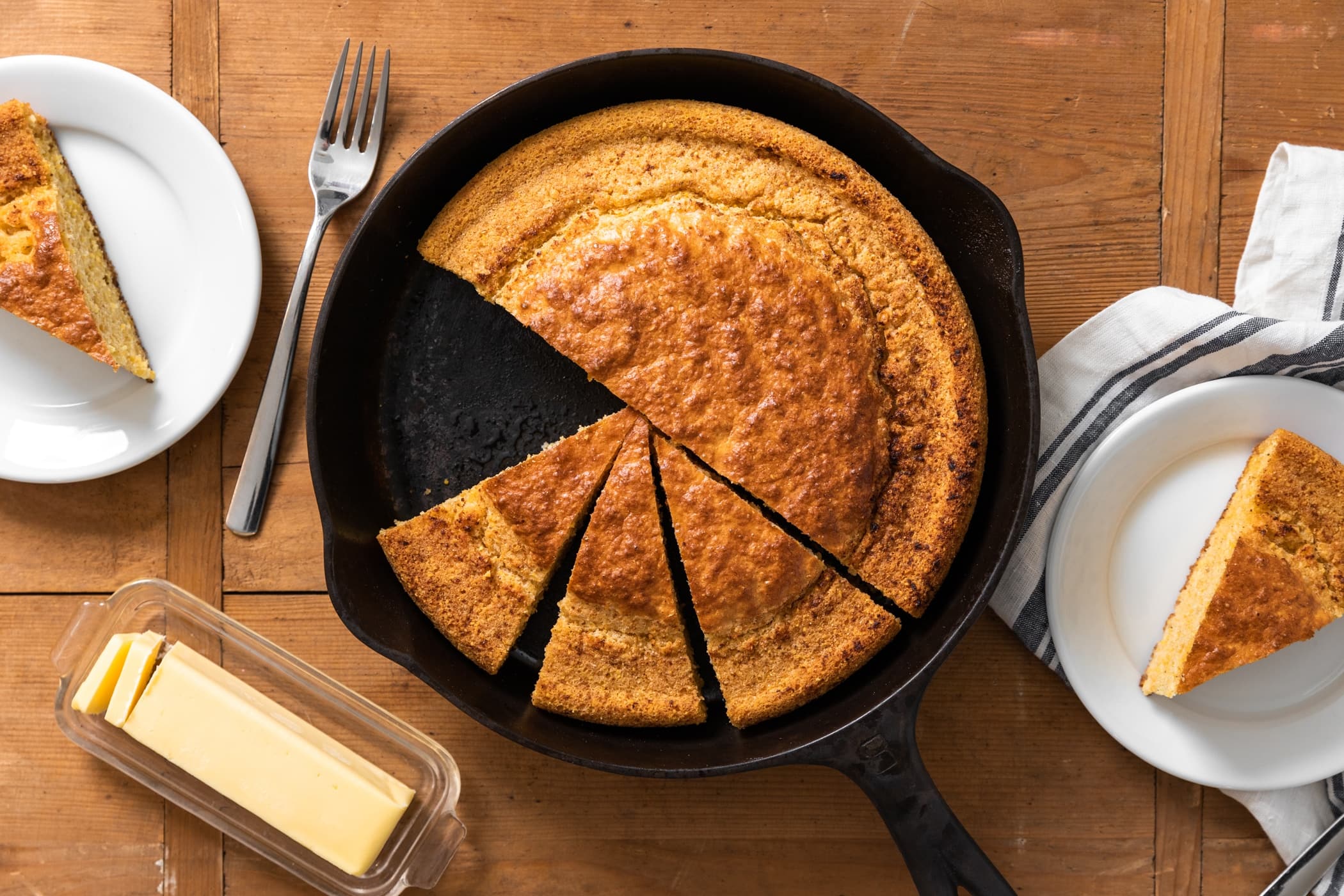
Skillet cornbread that delivers
If you’ve ever made cornbread that baked up pale, dry, or weirdly crumbly, I have been there. The fix that changed everything in my kitchen notebook was simple: preheat the cast-iron skillet in the oven. That hot pan gives you the dramatic crispy edge, while the inside stays tender and sliceable.
This recipe is intentionally flexible because cornbread is personal. Some families want it sweet enough to feel like a treat. Others want it savory and peppery to sit next to chili without stealing the show. You can go either direction with one base batter, plus you can use buttermilk or regular milk depending on what is in your fridge.
In the sections below, I will walk you through the crumb choices, mix-ins like corn or jalapeño, and the exact doneness cues I use so you do not have to guess.
What to expect
- Edges: crisp, browned, and buttery from the preheated skillet
- Center: moist and tender, not cakey and not gritty
- Flavor control: a clear sweet option or a savory option without rewriting the whole recipe
- Easy add-ins: corn kernels, cheddar, scallions, jalapeños, or bacon
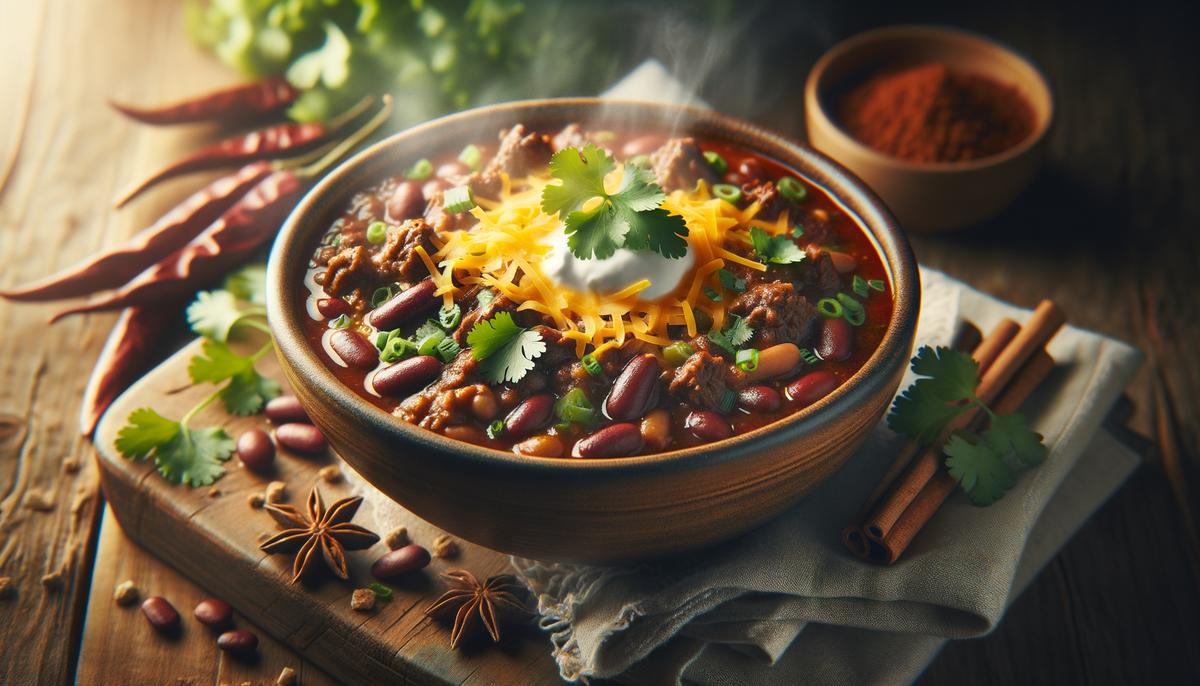
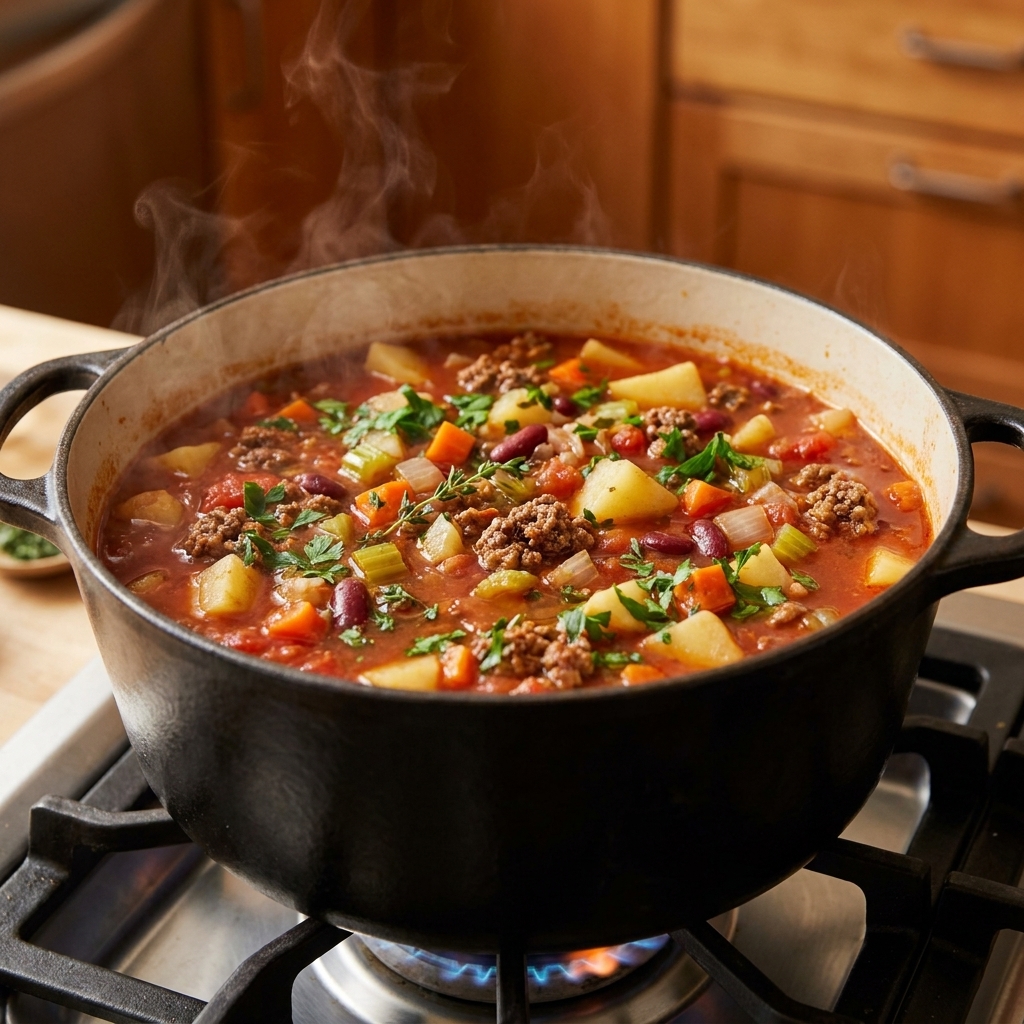
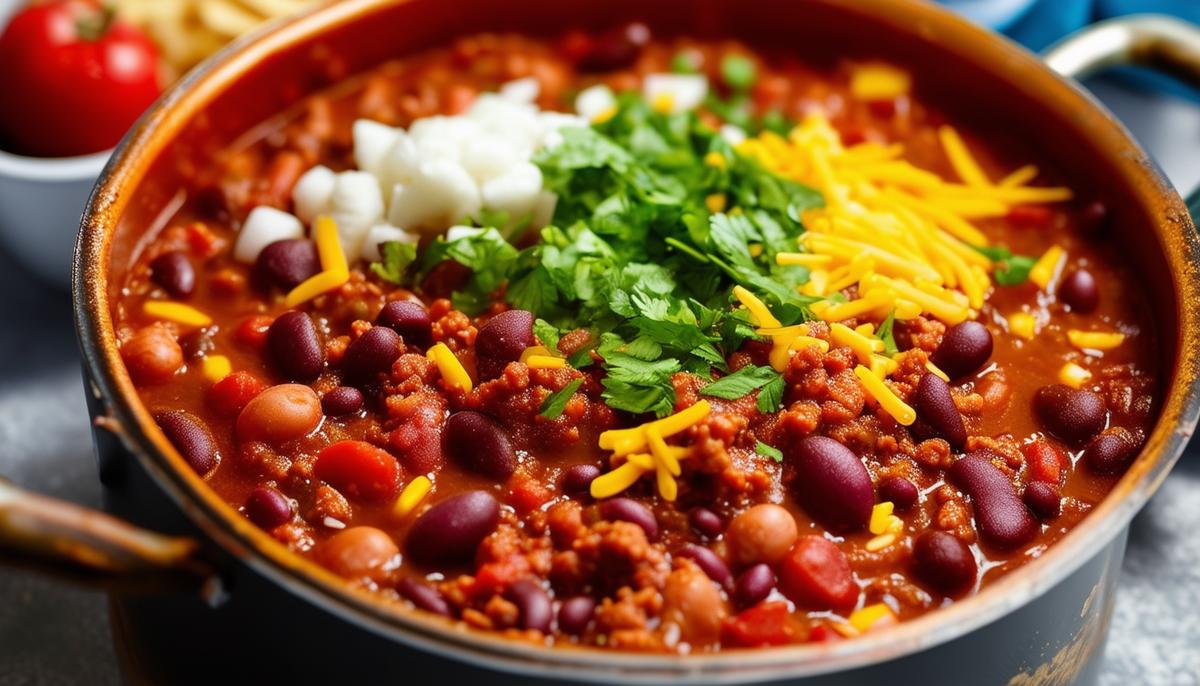
Serving this with something cozy is the move. I love it with beef and bean chili or alongside hamburger soup on nights when dinner needs to be fast and comforting.
Crumb choices
Cornbread texture comes down to two things: your cornmeal and how long it gets to sit before it hits the hot skillet. I keep the batter in that sweet spot where it pours easily, bakes up tender, and still tastes like corn, not like yellow cake.
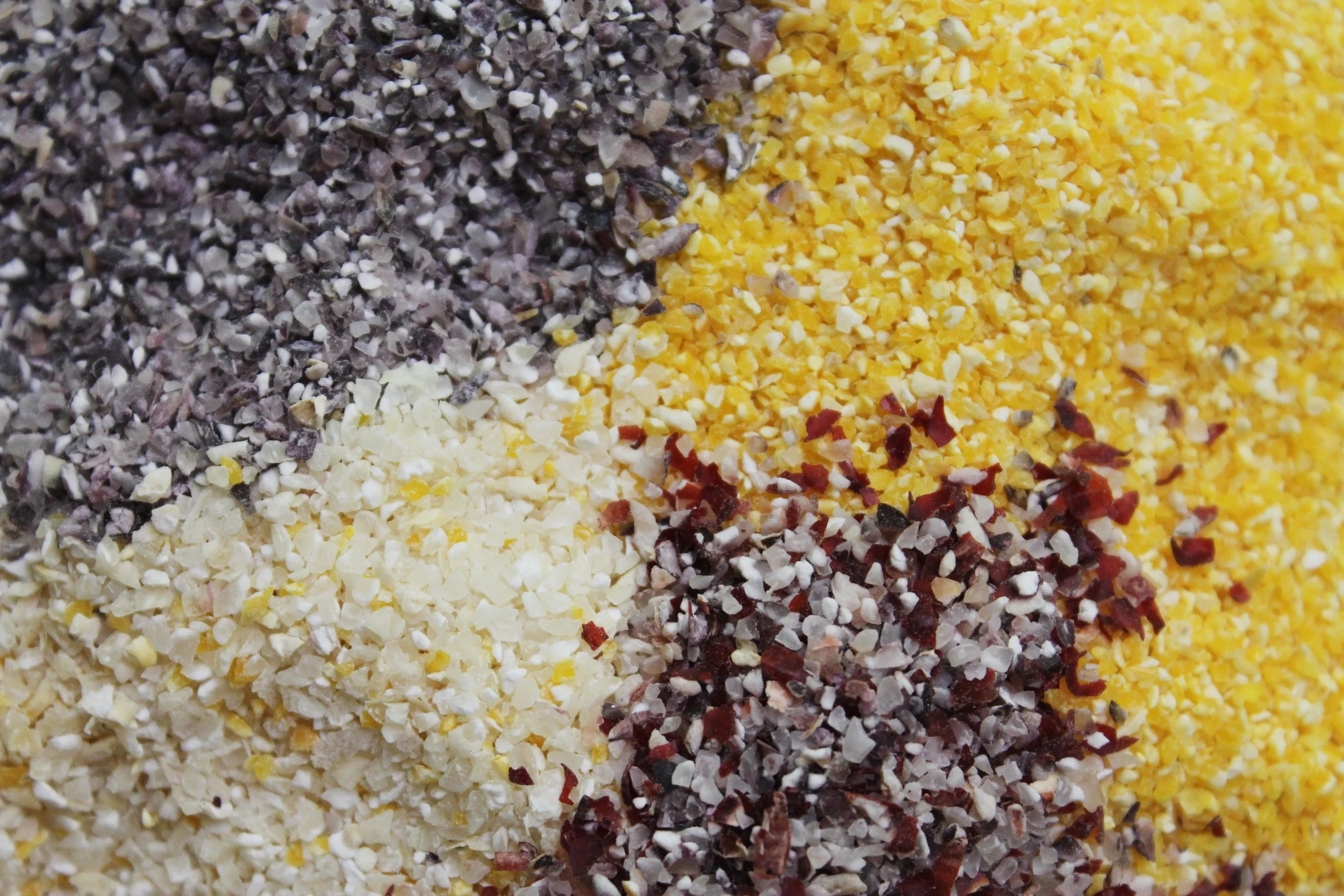
Cornmeal grind
- Medium-grind: my everyday pick. It gives you that classic cornbread bite without feeling sandy.
- Fine-grind: softer and more cake-like. If that is your household style, it works, but the texture will be smoother and less rustic.
- Stone-ground: delicious, a little more old-school, and sometimes more thirsty depending on the brand. If the batter looks thicker after resting, a small splash of milk loosens it right back up.
Why the batter rest matters
That quick rest before baking isn’t fussy. It is how you avoid gritty cornbread. The cornmeal gets a chance to hydrate, and the crumb bakes up more cohesive and sliceable.
Mix-ins without a heavy middle
Mix-ins are fun, but they can turn a tender center into a dense one if you get carried away. My rule is keep total add-ins to about 1 cup, pick one or two, fold them in at the end, and stop stirring as soon as you do not see dry flour. Overmixing tends to make the crumb less tender.
One more little guardrail: do not skip the fat in the skillet. Butter, oil, or bacon fat helps the crust crisp up and keeps sticking to a minimum.
Doneness cues
I still set a timer, but I do not trust the timer. I trust the cues. When you know what you are looking for, you pull the skillet at the exact moment the center is tender and the edges are deeply browned.
- Edge pull: the edges look browned and start to pull slightly away from the skillet.
- Top set: the top is firm, with no jiggly, wet-looking center when you gently shake the pan.
- Toothpick test: a toothpick in the center comes out clean or with a few moist crumbs. Wet batter means it needs a few more minutes.
- Press test: the center springs back lightly when pressed, not squishy and not stiff.
- Temperature (optional): if you like numbers, look for around 200°F in the center, give or take a few degrees depending on your oven and pan.
The last cue is the smell. When it is done, the kitchen smells like toasted corn and browned butter, and it is hard not to cut into it immediately. Give it that short rest so the crumb sets and your wedges stay clean.
One quick safety note from someone who has absolutely grabbed the handle on autopilot: once that skillet is preheated, the handle stays screaming hot for a long time.
Why it works
- Preheated cast iron: the batter sizzles on contact, creating that signature crisp crust and better rise.
- Balanced fats: butter adds flavor, and a little oil helps keep the crumb tender even after cooling.
- Two mixing bowls, minimal stirring: cornbread turns dense and less tender when overmixed. A few lumps are your friend.
- Buttermilk option: the acidity helps tenderness and gives a subtle tang. Regular milk works too with a small tweak.
Ingredient notes
Cornmeal
Medium-grind cornmeal gives the most classic texture: some pleasant nubbiness, not gritty. Fine-grind will bake up more cake-like. Stone-ground cornmeal can be more absorbent depending on the brand, so the crumb may be slightly more rustic and you may need an extra tablespoon or two of milk if the batter looks very thick.
Flour
A little all-purpose flour keeps the cornbread from crumbling into sand. This is a skillet slice-and-serve style, not a dry, crumbly wedge.
Buttermilk or milk
Buttermilk: best flavor and tenderness. Regular milk: works great. If using regular milk, the recipe includes an acid option (lemon juice or vinegar) to mimic buttermilk.
Sweet versus savory
This batter has a base level of seasoning, then you choose your lane. For sweet, you add more sugar (and optional honey). For savory, keep sugar low and lean into mix-ins like cheddar and jalapeño.
Eggs
Eggs give structure so slices hold together, especially with mix-ins.
Equipment
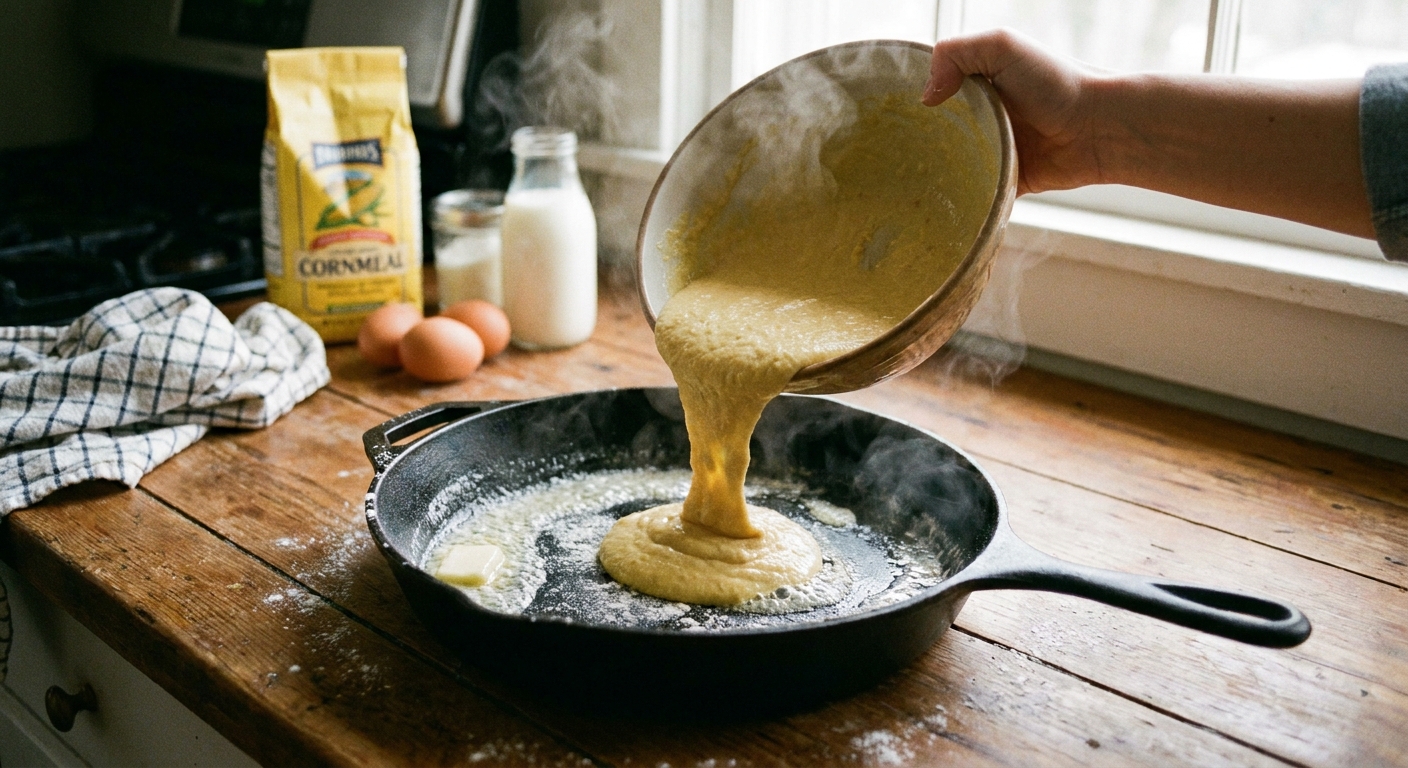
- 10-inch cast-iron skillet: ideal for tall-ish slices and crisp edges. A 12-inch skillet works too, but the cornbread will be thinner and may bake faster.
- Mixing bowls: one for dry ingredients and one for wet.
- Whisk and spatula: whisk the wet, then fold gently.
- Oven mitts: the skillet handle stays dangerously hot for a long time.
Pro tips for the best crumb and crust
- Get the skillet truly hot: I preheat the skillet in the oven while it heats. When the butter hits the pan, it should melt immediately and foam.
- Do not overmix: stir just until you stop seeing dry flour. Lumps are normal and good.
- Let the batter sit 5 minutes: cornmeal hydrates and the crumb turns more tender. If it thickens a lot, splash in 1 to 2 tablespoons milk.
- Use doneness cues, not just time: look for browned edges pulling slightly from the pan and a center that springs back when lightly pressed.
- Rest before slicing: 10 minutes in the pan helps it set so you get clean wedges.
Substitutes
No buttermilk?
Use regular milk plus acid: stir 1 tablespoon lemon juice or white vinegar into 1 1/2 cups milk and let it sit 5 minutes, then use as buttermilk.
No cast iron?
You can bake this in an 8-inch square metal pan or a 9-inch cake pan. You will still get good cornbread, but the crust will be less dramatic. Preheat the pan with a little butter or oil if it is oven-safe.
Gluten-free
Swap the all-purpose flour for a cup-for-cup gluten-free flour blend. Keep the gentle mixing rule and watch doneness cues closely since browning can vary.
Dairy-free
Use an unsweetened plant milk plus 1 tablespoon vinegar to sour it, and use a neutral oil instead of butter. The crust will be slightly less buttery, but still crisp if the skillet is hot.
Variations and mix-ins
Sweet cornbread
- Add the higher sugar amount listed in the recipe card.
- Optional: add 2 tablespoons honey for a softer, more dessert-like sweetness.
Savory cornbread
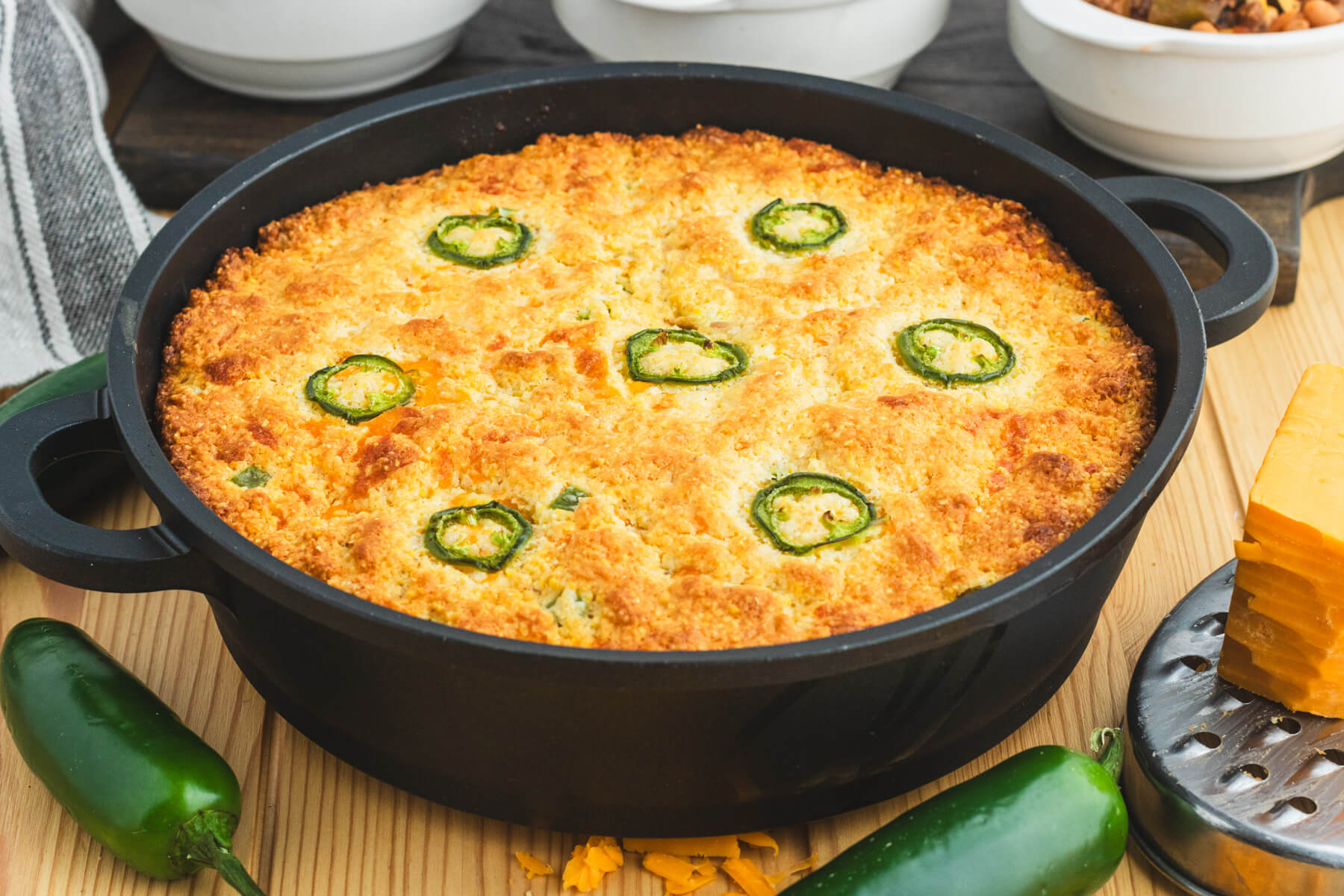
- Keep sugar low and add 1 cup shredded cheddar plus 1 diced jalapeño (seeded for mild).
- Or fold in 1/2 cup cooked crumbled bacon and 2 sliced scallions.
Corn kernel cornbread
Fold in 3/4 cup drained canned corn or thawed frozen corn. Pat it dry first so the crumb does not get gummy.
Extra-crispy edge trick
After adding butter to the hot skillet, tilt the pan so the butter coats the sides. That is where the best crunch happens.
Serving ideas
- With chili, always: try it with beef and bean chili or vegetarian chili.
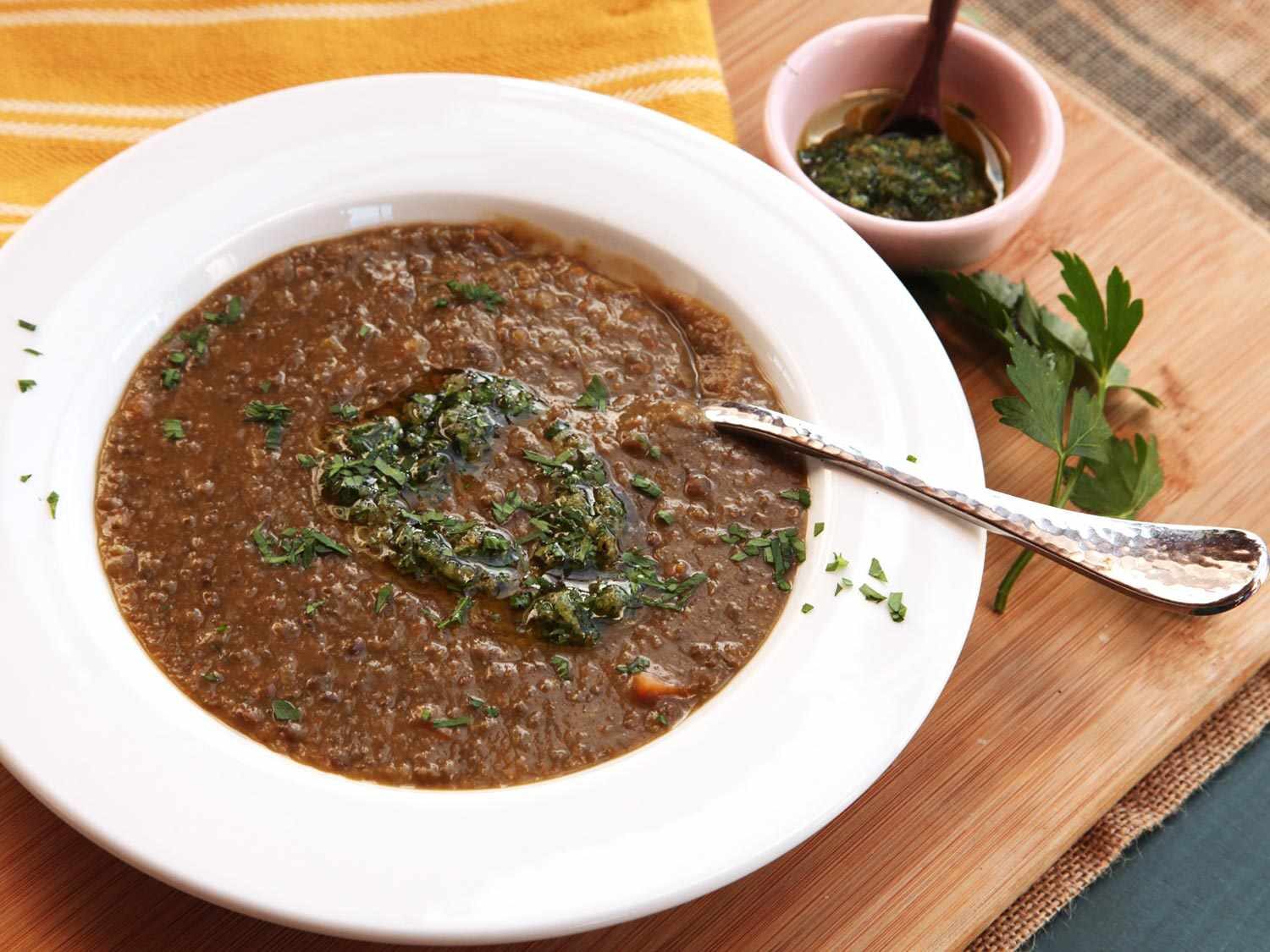
- With soup: especially lentil soup or hamburger soup.
- Breakfast twist: warm a slice and top with butter and honey, or serve next to hard-boiled eggs for an easy protein add-on.
- Potluck side: split and toast wedges, then serve with whipped honey butter.
Storage and reheating
Room temperature
Wrap tightly and keep at room temperature for up to 2 days.
Refrigerator
Refrigerate up to 5 days. Rewarm before serving for the best texture.
Freezer
Freeze wedges in a single layer, then transfer to a freezer bag once solid. Freeze up to 3 months.
Reheating
- Oven: 325°F until warmed through, about 10 to 15 minutes.
- Skillet: toast slices cut-side down over medium-low heat to bring back the crust.
- Microwave: fastest, but it softens the edges. I do 15 to 25 seconds per slice, then toast if I have time.
Common mistakes (and how to fix them)
- Dry, crumbly cornbread: usually too much cornmeal, overbaking, or overmixing. Next time, pull it when the center just springs back and the edges are deeply golden.
- Gritty texture: the cornmeal did not hydrate. Let the batter rest 5 minutes before baking.
- Pale crust: the skillet was not hot enough. Preheat it in the oven, then add butter right before pouring in batter.
- Dense middle: old baking powder or too much stirring. Use fresh leavening and fold gently.
- Sticks to the pan: not enough fat in the skillet or the skillet was not seasoned. Use the full amount of butter or oil and swirl to coat.
FAQ
How do I know when cornbread is done?
Look for three cues: the edges are browned and pulling slightly from the skillet, the top is set and lightly golden, and a toothpick inserted in the center comes out clean or with a few moist crumbs. If you have an instant-read thermometer, look for around 200°F in the center.
Should cornbread batter be thin or thick?
It should be pourable, like a thick pancake batter. If it looks scoopable like cookie dough, add milk 1 tablespoon at a time.
Can I make it sweet without making it cake?
Yes. Use the sweet option in the recipe card, but do not add extra flour. Sweetness comes from sugar and honey, not more dry ingredients.
Can I add jalapeños and cheese?
Absolutely. Fold them in at the end and keep stirring minimal. For the cleanest slices, let the cornbread rest 10 minutes before cutting.
What size skillet should I use?
A 10-inch cast-iron skillet is my favorite. If you use a 12-inch skillet, start checking for doneness a few minutes earlier.
Classic Cast-Iron Skillet Cornbread
Crisp-edged, tender-in-the-middle cornbread baked in a preheated cast-iron skillet. Choose sweet or savory, and use buttermilk or regular milk with one simple tweak.
Ingredients
- 2 tablespoons unsalted butter (for the skillet)
- 1 cup yellow cornmeal (medium grind preferred)
- 1 cup all-purpose flour
- 1 tablespoon baking powder
- 1/2 teaspoon baking soda (only if using buttermilk or soured milk)
- 1 teaspoon fine salt
- 2 large eggs
- 1 1/2 cups buttermilk, or regular milk (see note for souring)
- 1/4 cup unsalted butter, melted and slightly cooled
- 2 tablespoons neutral oil (like avocado, canola, or vegetable)
- Sweet option: 1/3 cup granulated sugar (plus 2 tablespoons honey optional)
- Savory option: 1 to 2 tablespoons granulated sugar
- Optional mix-ins (choose 1 to 2): 3/4 cup corn kernels (well drained and patted dry), 1 cup shredded cheddar, 1 diced jalapeño (seeded for mild), 2 sliced scallions, 1/2 cup cooked crumbled bacon
Instructions
- Preheat the oven and skillet: Place a 10-inch cast-iron skillet in the oven and preheat to 425°F.
- Mix dry ingredients: In a large bowl, whisk together the cornmeal, flour, baking powder, baking soda (if using), and salt.
- Mix wet ingredients: In a medium bowl, whisk the eggs, buttermilk (or milk), melted butter, oil, and sugar amount for your sweet or savory choice.
- Combine gently: Pour wet ingredients into dry ingredients. Fold with a spatula just until no dry flour remains. The batter will look slightly lumpy. Let the batter rest 5 minutes. If it thickens a lot, stir in 1 to 2 tablespoons milk to loosen.
- Add mix-ins (optional): Fold in your chosen mix-ins with as few strokes as possible.
- Butter the hot skillet: Carefully remove the hot skillet from the oven. Add the 2 tablespoons butter and swirl to coat the bottom and sides as it melts.
- Bake: Immediately pour the batter into the skillet (it should sizzle). Bake until the top is set and golden and a toothpick in the center comes out clean or with a few moist crumbs, 18 to 22 minutes.
- Rest and serve: Let rest in the skillet for 10 minutes, then slice into wedges. Serve warm.
Notes
- Using regular milk: For a buttermilk-like swap, mix 1 tablespoon lemon juice or white vinegar into 1 1/2 cups milk and let sit 5 minutes. Use as the buttermilk in the recipe.
- Baking soda: Use it when your milk is acidic (buttermilk or soured milk). If using plain milk without souring, you can omit the baking soda.
- 12-inch skillet adjustment: Cornbread will be thinner and may bake in 14 to 18 minutes. Start checking early.