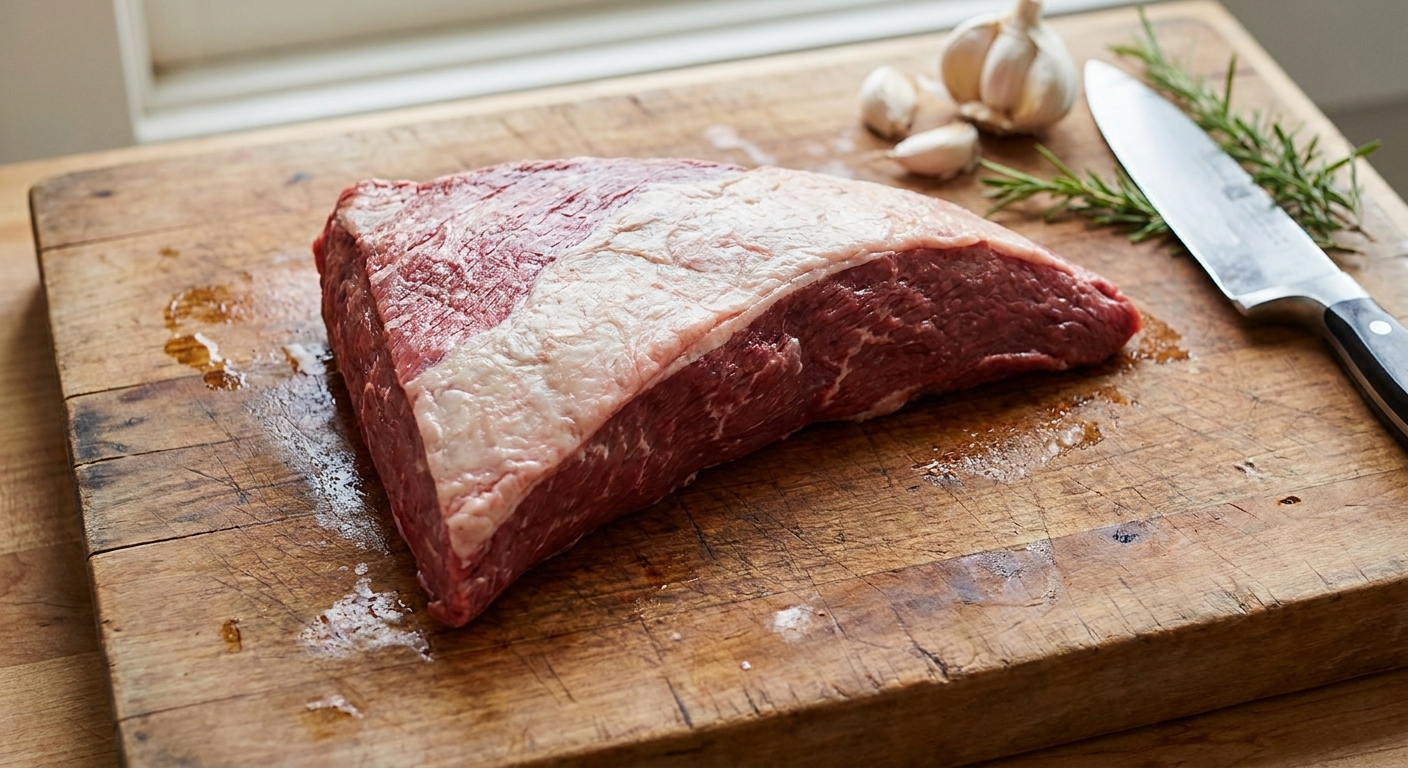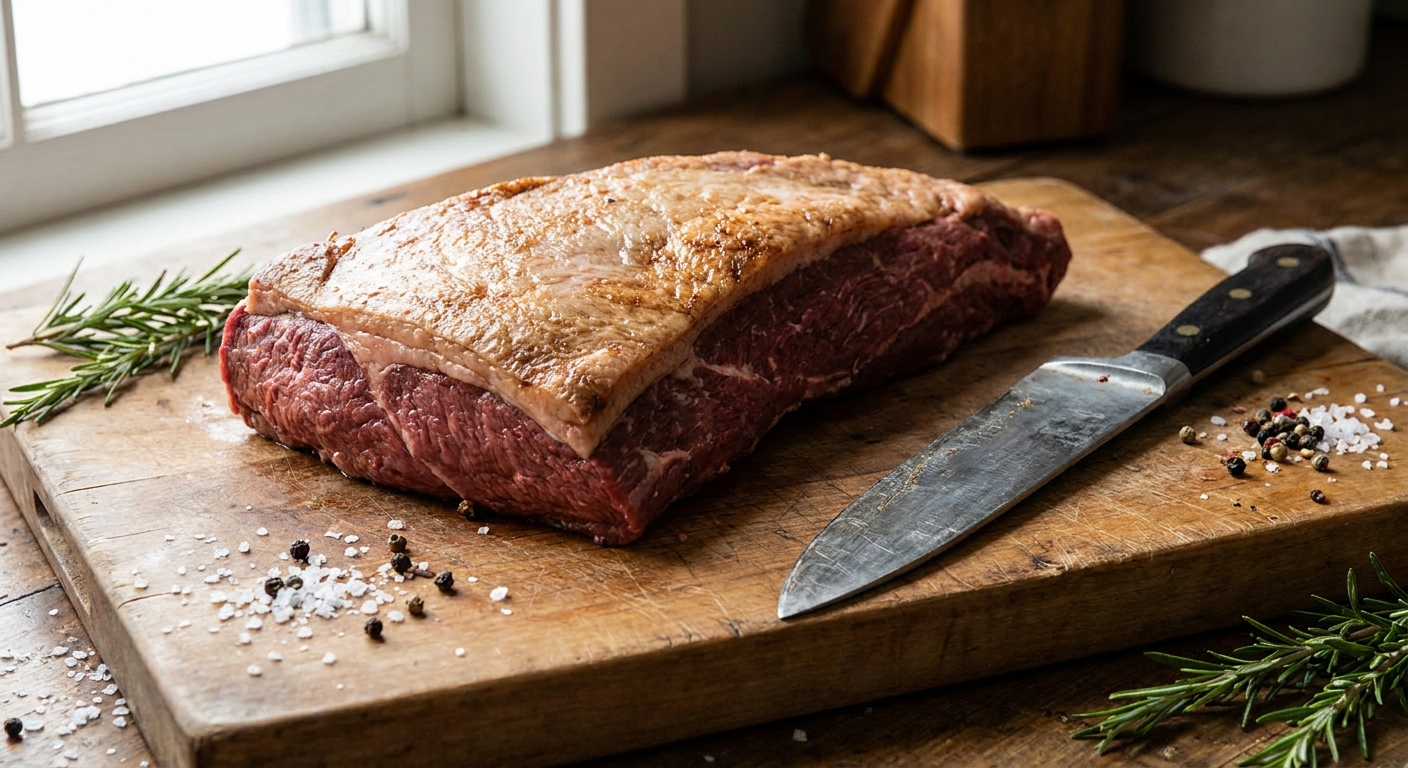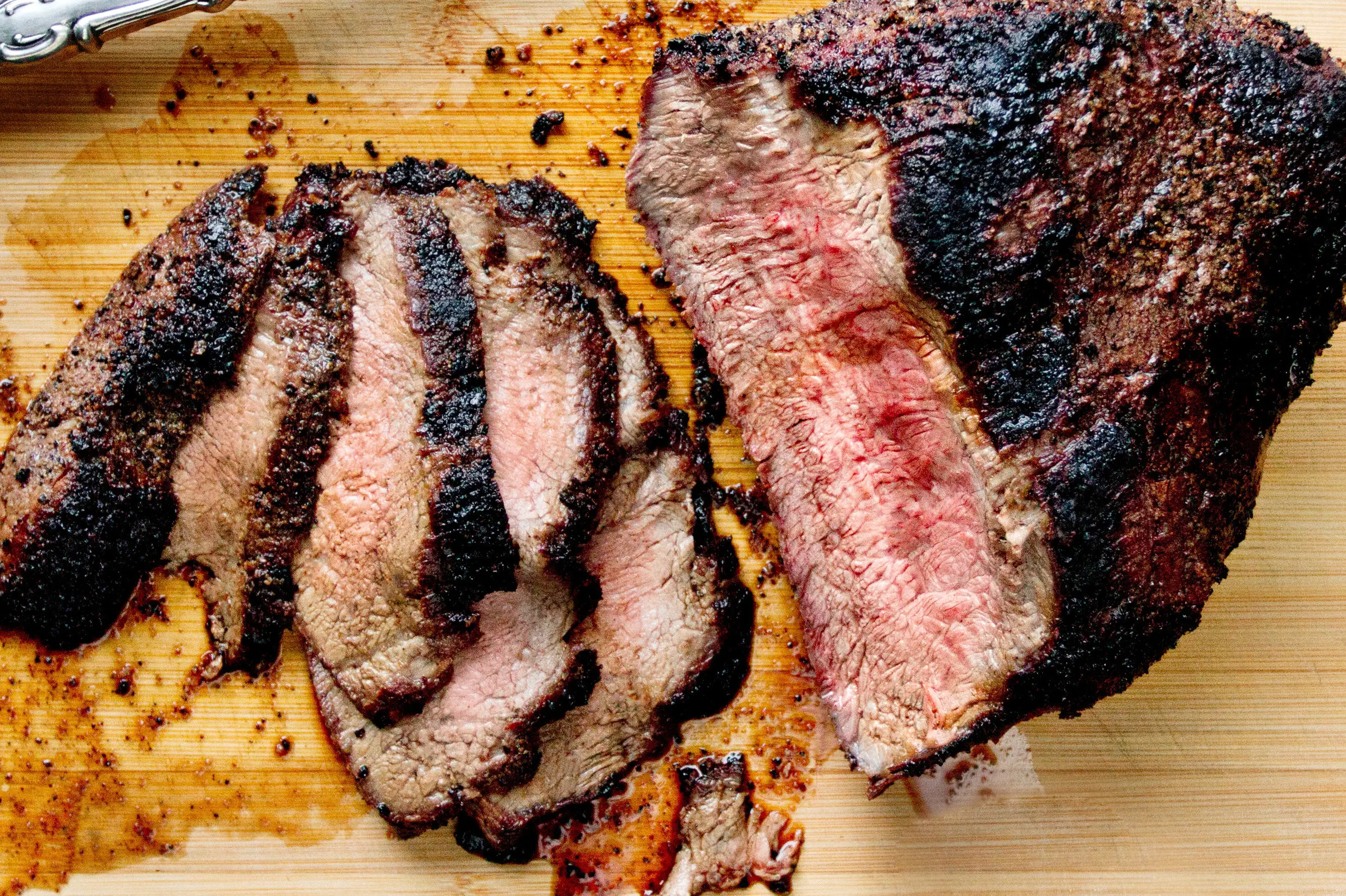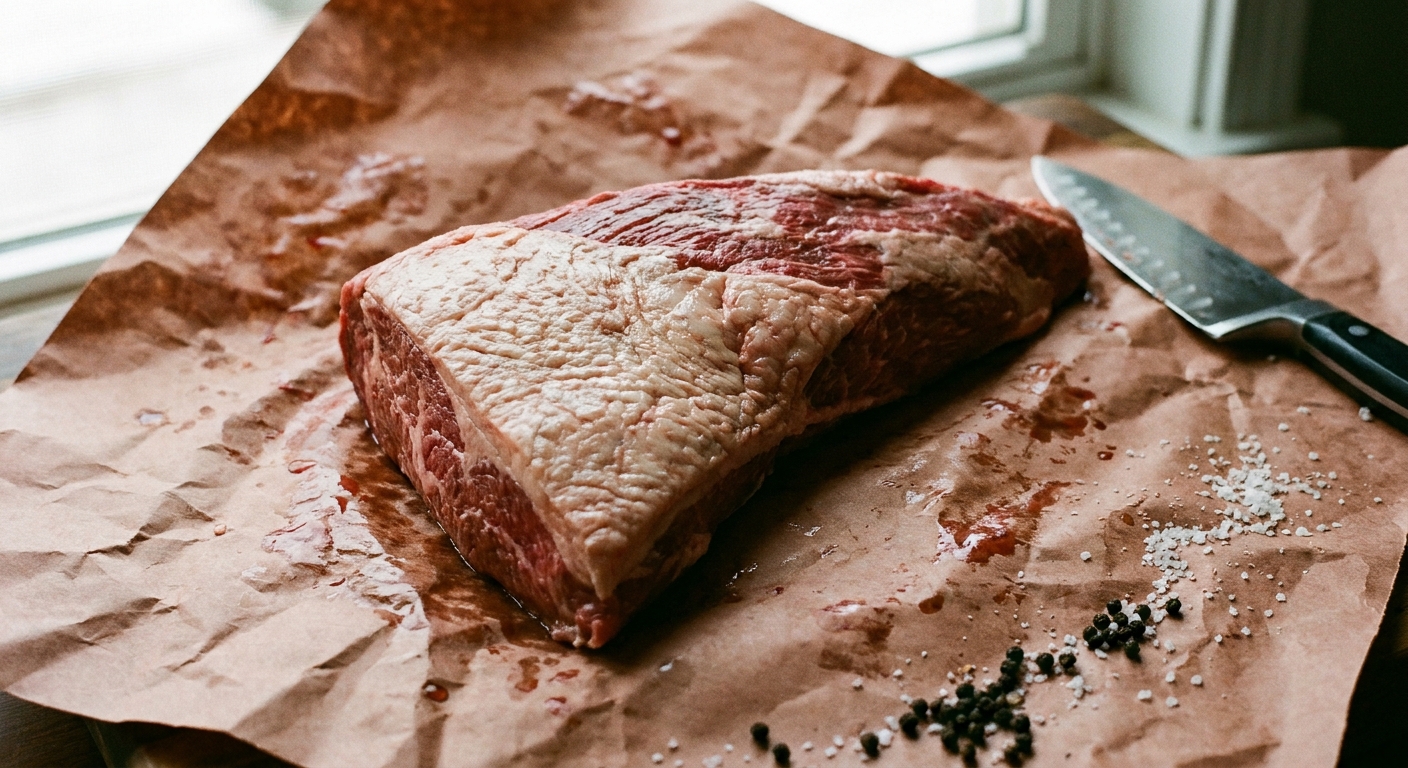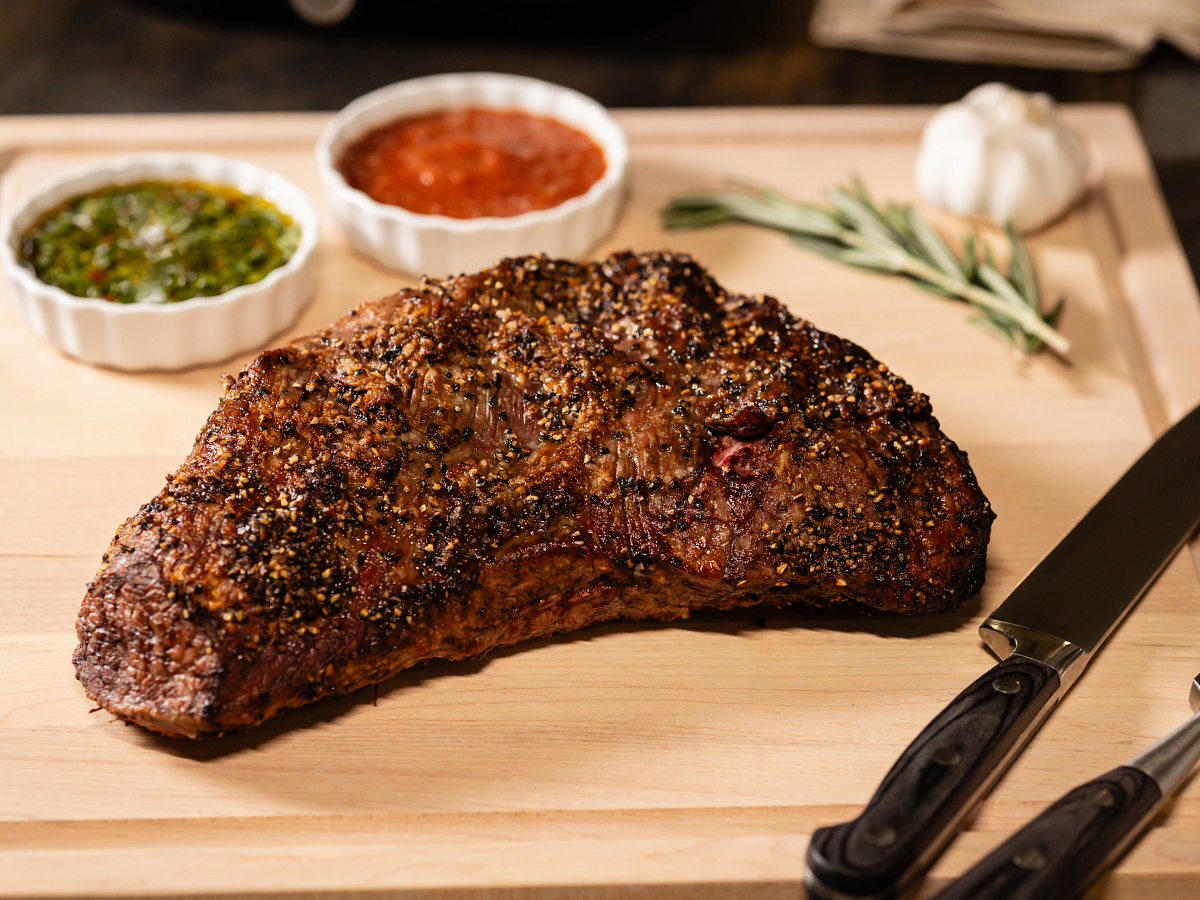
Tri-tip comes from the bottom sirloin near the hip. Learn why it’s naturally triangular, why the grain changes direction, and how to slice it against the gra...
Delishing
Tri-Tip Nutrition

Maya Brooks
Maya Brooks is a dedicated home cook and the lead recipe developer at Delishing, where she shares practical, foolproof meals for everyday life. With over a decade of hands-on kitchen experience, she specializes in creating approachable dishes that fit a variety of dietary needs and modern cooking methods. Maya is passionate about helping busy people get delicious, stress-free food on the table without needing formal culinary training.
Tri-tip is one of those cuts I lean on when I want steakhouse vibes without steakhouse prices. It is flavorful, satisfying, and very doable for weeknights, especially if you have a doneness target in mind. The nutrition question usually comes next: how many calories are in a serving, and what do the protein and fat look like once it is cooked?
Below is a clear, cook-and-eat view of tri-tip nutrition using a typical cooked portion at medium doneness, plus a practical comparison to a few other popular steaks.
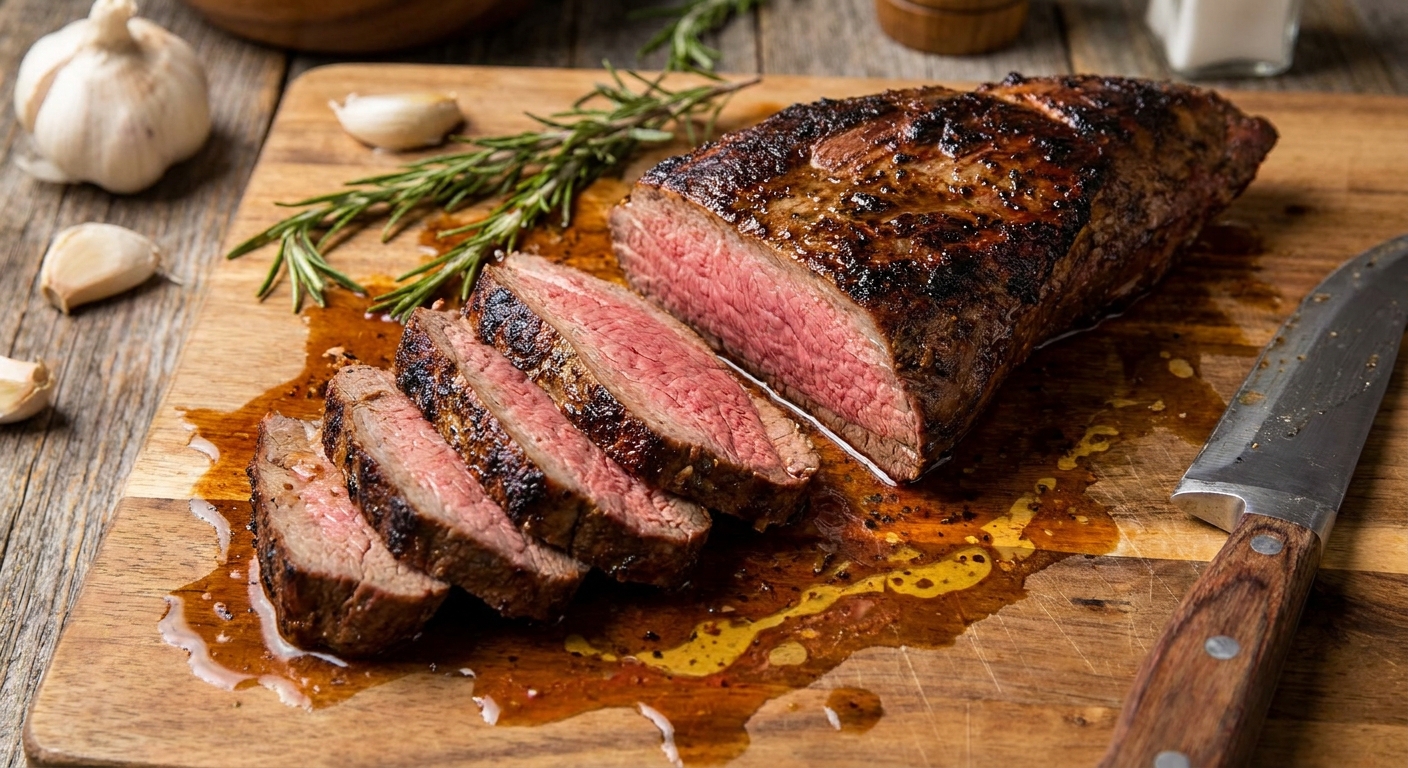
Tri-tip nutrition (cooked, medium)
Typical serving weight: 4 ounces cooked (about 113 g), sliced.
What “medium” means here: roughly 140 to 145°F in the center after resting. (Some people call 135°F medium-rare. Either way, this range is useful for planning.)
Assumption: values below are for plain cooked tri-tip (no sugary glaze). Seasonings like salt, pepper, garlic, and most spice rubs add minimal calories. Added oil, butter, or pan drippings served on top can change the numbers quickly.
Data basis: these are common USDA FoodData Central style averages for cooked beef in the bottom sirloin family, adjusted to a practical “what you will commonly see” estimate. Your exact numbers will vary by trimming and how much fat you actually eat.
Reality check: Tri-tip nutrition varies a lot by trim level and fat cap. A common range you will see for 4 oz cooked is roughly 220 to 280 calories, with protein usually landing in the mid-20s in grams of protein and fat shifting the most. The numbers below are a reasonable middle-of-the-road estimate for a typical cooked portion.
| Per 4 oz cooked (113 g), medium | Amount |
|---|---|
| Calories | ~240 kcal |
| Protein | ~27 g |
| Total fat | ~14 g |
| Carbohydrates | 0 g |
Quick takeaway: Tri-tip is a high-protein, moderate-fat steak option. If you are tracking macros, most of the calories come from fat, but you still get a substantial protein hit per portion.
One more macro note: saturated fat will rise and fall with trimming and grade, and sodium depends heavily on how aggressively you salt, whether your rub includes salt, and what sauces you serve alongside.
Why the numbers vary
If you have ever seen tri-tip calories listed with a huge range, you are not imagining it. In my own recipe testing notes, the “same” cut can eat very differently depending on a few details:
- How much exterior fat is left on: Some tri-tips are sold with a thicker fat cap. Trimming more fat lowers calories and fat per serving.
- Doneness and moisture loss: As beef cooks, it loses water. That means 4 ounces cooked is more concentrated than 4 ounces raw.
- Added cooking fat: Grilling without added oil usually adds very little. Pan searing, basting with butter, or finishing with oil can add calories fast.
- Sauce served with it: Chimichurri, garlic butter, creamy horseradish, and barbecue sauce can shift the total meal more than the meat itself.
If you want the most consistent number for tracking, weigh your portion after cooking, then use cooked nutrition estimates like the ones above.
Raw vs cooked portions
If you portion meat before cooking, here is the most helpful mental math: to end up with 4 ounces cooked, you often need about 5 to 6 ounces raw, depending on how much moisture cooks off and how much fat gets rendered or trimmed. If you cook closer to medium-rare, you often lose a little less moisture than if you push into well done.
Tri-tip vs other steaks
Here is a practical comparison using the same portion size: 4 ounces cooked. These are intentionally estimates because trimming, grade, and exact cut all matter. Ribeye can swing the most.
| Steak (cooked) | Calories (per 4 oz) | Protein | Fat |
|---|---|---|---|
| Tri-tip (bottom sirloin) | ~220 to 280 | ~24 to 29 g | ~11 to 18 g |
| Top sirloin | ~190 to 240 | ~25 to 29 g | ~8 to 14 g |
| Flank steak | ~180 to 230 | ~25 to 30 g | ~7 to 12 g |
| Ribeye | ~280 to 370 | ~20 to 26 g | ~20 to 30 g |
| Filet mignon (tenderloin) | ~200 to 260 | ~24 to 29 g | ~9 to 16 g |
How to use this: If you love the richness of ribeye but want something a little leaner most nights, tri-tip can feel like a happy middle. If you are aiming for lower fat, flank steak and top sirloin usually come in lighter per cooked ounce.
Also, remember the whole plate matters. A tablespoon or two of sauce, a buttery side, or a sugary barbecue glaze can add more calories than the difference between two similar cuts of steak.
Serving size without a scale
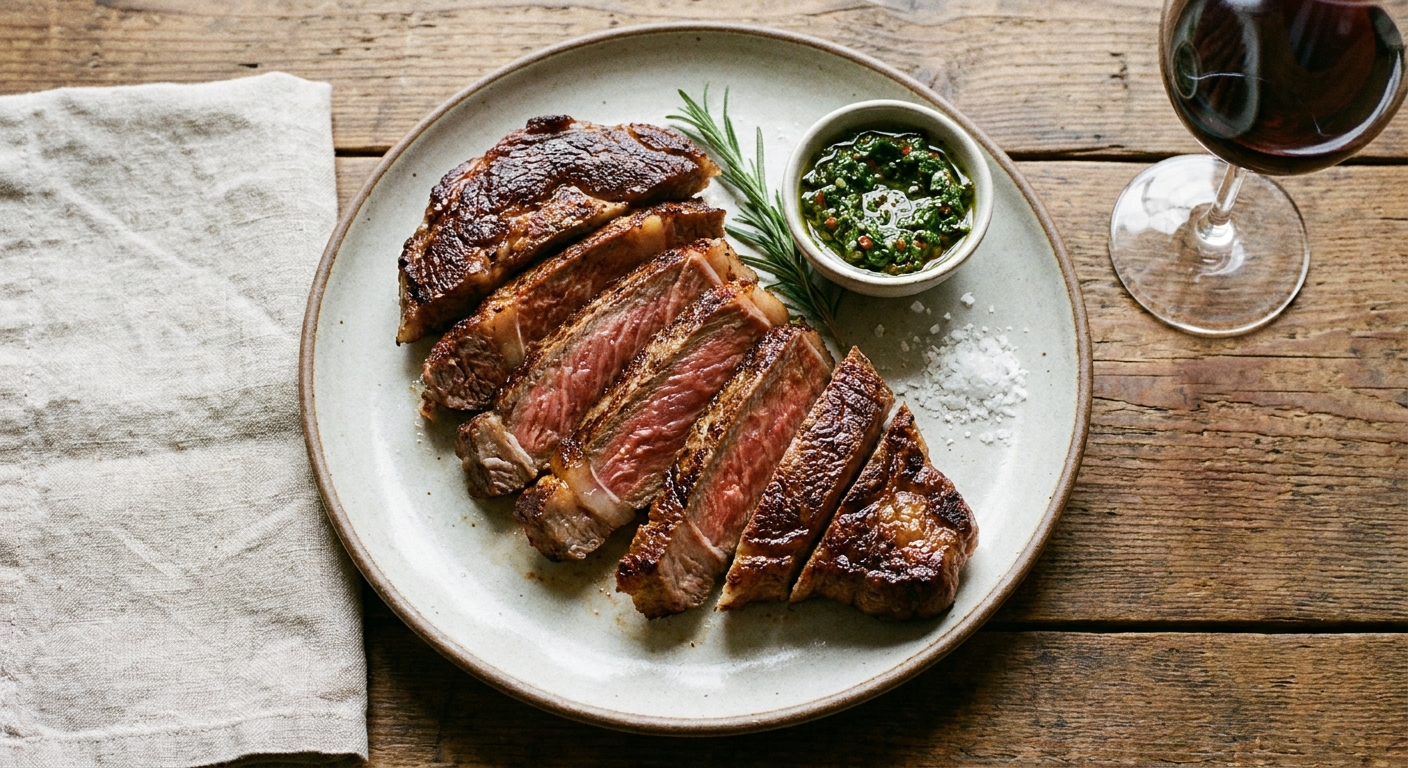
I am a scale person, but I also live in the real world where it is 5:00 PM and you just want dinner on plates. A 4-ounce cooked serving of tri-tip is roughly:
- About a deck of cards plus a little
- Or a palm-size portion (not including fingers), about 1 inch thick when unsliced
If you are slicing tri-tip thin, it looks like “more food” on the plate, even though the weight is the same. That is one reason it is such a satisfying cut for family-style dinners.
Tri-tip nutrition FAQs
Is tri-tip lean or fatty?
Tri-tip is typically moderate, not ultra-lean and not as rich as ribeye. If it is sold with a fat cap, trimming that back before cooking will make the final servings leaner.
Does cooking tri-tip longer reduce calories?
Not in a meaningful way. Cooking longer mainly reduces water content, which can make the meat more calorie-dense per ounce. What changes calories most is how much fat is left on and whether you add oil or butter.
How much protein is in tri-tip?
A typical 4-ounce cooked serving has about 27 grams of protein, with some normal variation depending on the fat level and how it is trimmed.
What is tri-tip, exactly?
Tri-tip comes from the bottom sirloin area. If you want the full cut breakdown, see our explainer: What part of the cow is tri-tip?
Related tri-tip guides
- Tri-Tip Roast
- How to Trim a Tri-Tip
- How Much Tri-Tip Per Person
- Tri-Tip vs Flank Steak
- Tri-Tip vs Top Sirloin