Confused by “tip” roasts? Learn the key differences between tri-tip and sirloin tip—where they come from, what to look for in the package, and how to cook, r...
Delishing
Tri-Tip vs Top Sirloin

Maya Brooks
Maya Brooks is a dedicated home cook and the lead recipe developer at Delishing, where she shares practical, foolproof meals for everyday life. With over a decade of hands-on kitchen experience, she specializes in creating approachable dishes that fit a variety of dietary needs and modern cooking methods. Maya is passionate about helping busy people get delicious, stress-free food on the table without needing formal culinary training.
I have definitely stood at the meat case at 5:12 PM, squinting at labels like they are written in code, wondering if I am about to buy the perfect dinner or the “why is this so chewy?” version. Tri-tip and top sirloin can get mixed up, especially when the label is vague and you are shopping fast. But once you know what to look for, they usually do not look the same in the package.
This guide will help you spot the difference quickly based on what you can actually see: shape, thickness, fat, and typical package weight. Then I will tell you which label to pick when you want individual steaks versus a whole wedge-shaped roast.
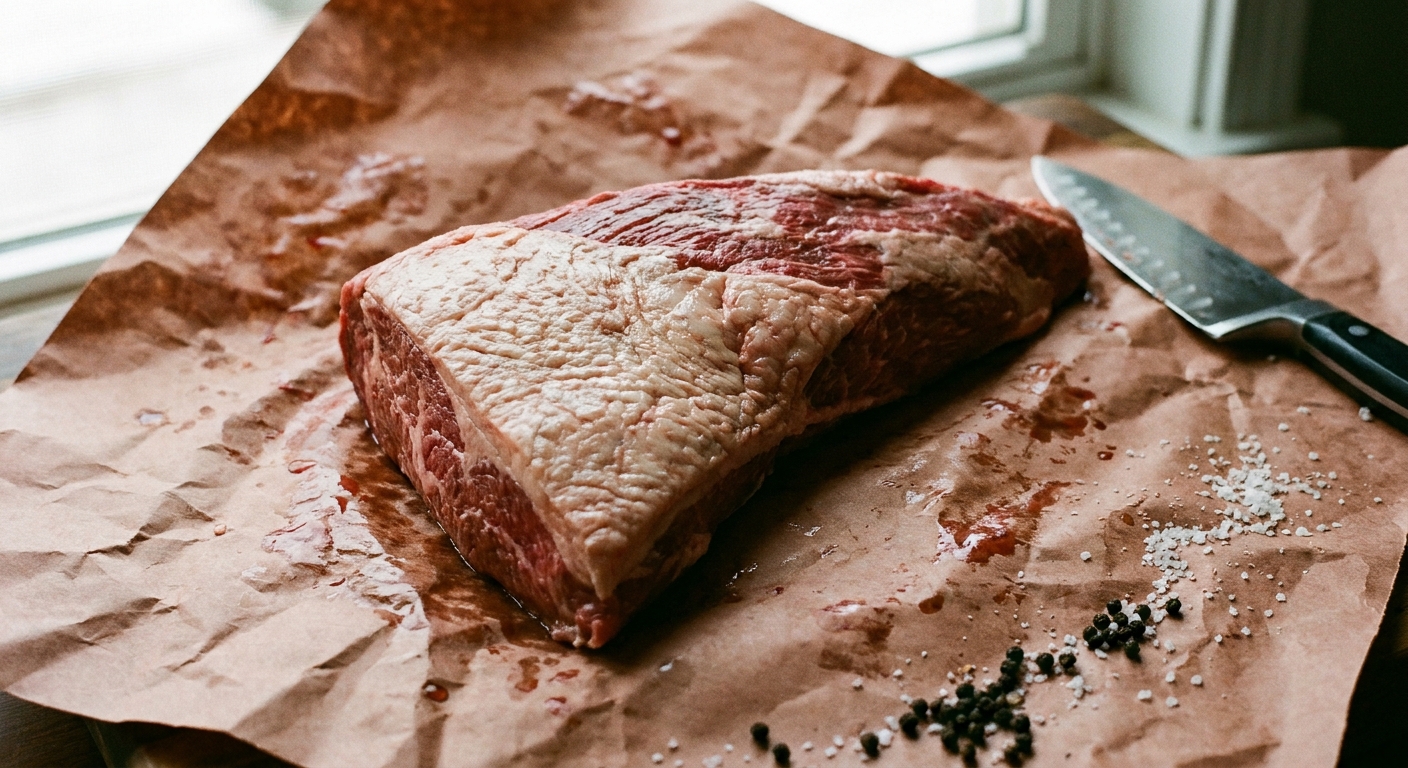
At-a-glance: how to tell them apart
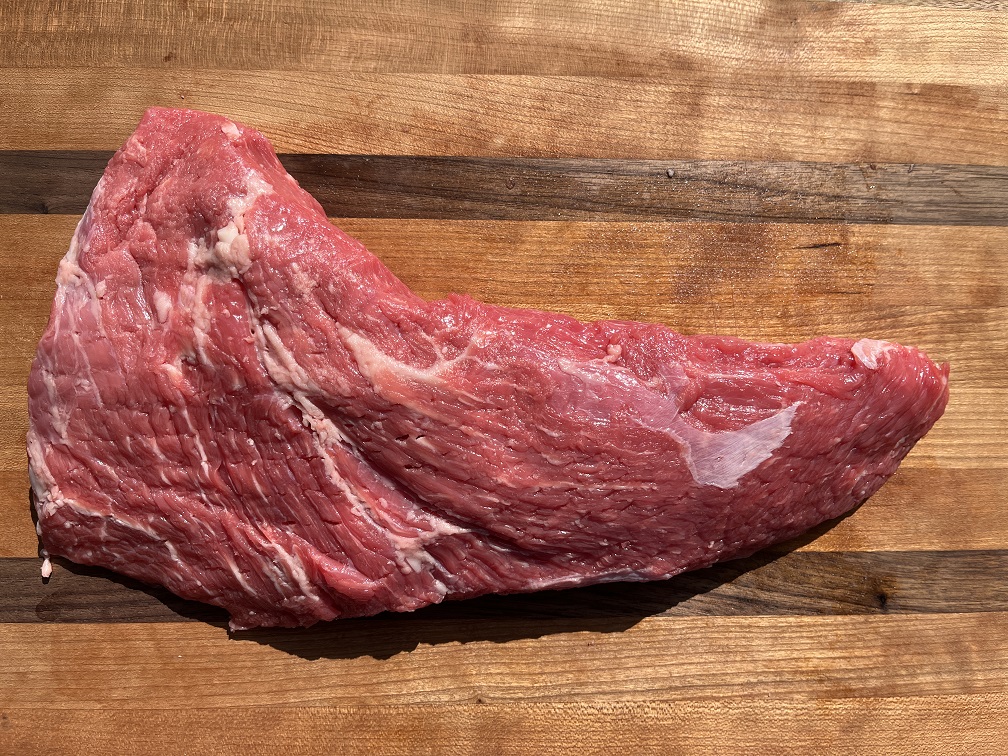
- Tri-tip: usually a single triangular or wedge-shaped roast, thicker at one end, often with a fat cap, commonly sold around about 1.5 to 3.5 pounds (but it varies by store and trimming).
- Top sirloin: usually sold as individual steaks or a small roast with a more uniform, blocky shape, little external fat, commonly 8 to 16 ounces per steak (cut thickness varies a lot) or 2 to 4 pounds for a roast.
Quick reality check: butchers trim differently and stores label differently, so treat weights and shapes as clues, not ironclad rules.
Shape: wedge roast vs steak-shaped
Tri-tip shape
Tri-tip is the one that looks like it was named by a regular person. It is typically triangular or wedge-shaped. In a vacuum pack, you will often see it folded a bit, so it may not look like a perfect triangle with three sharp corners, but the overall “big wedge” silhouette is usually there.
Top sirloin shape
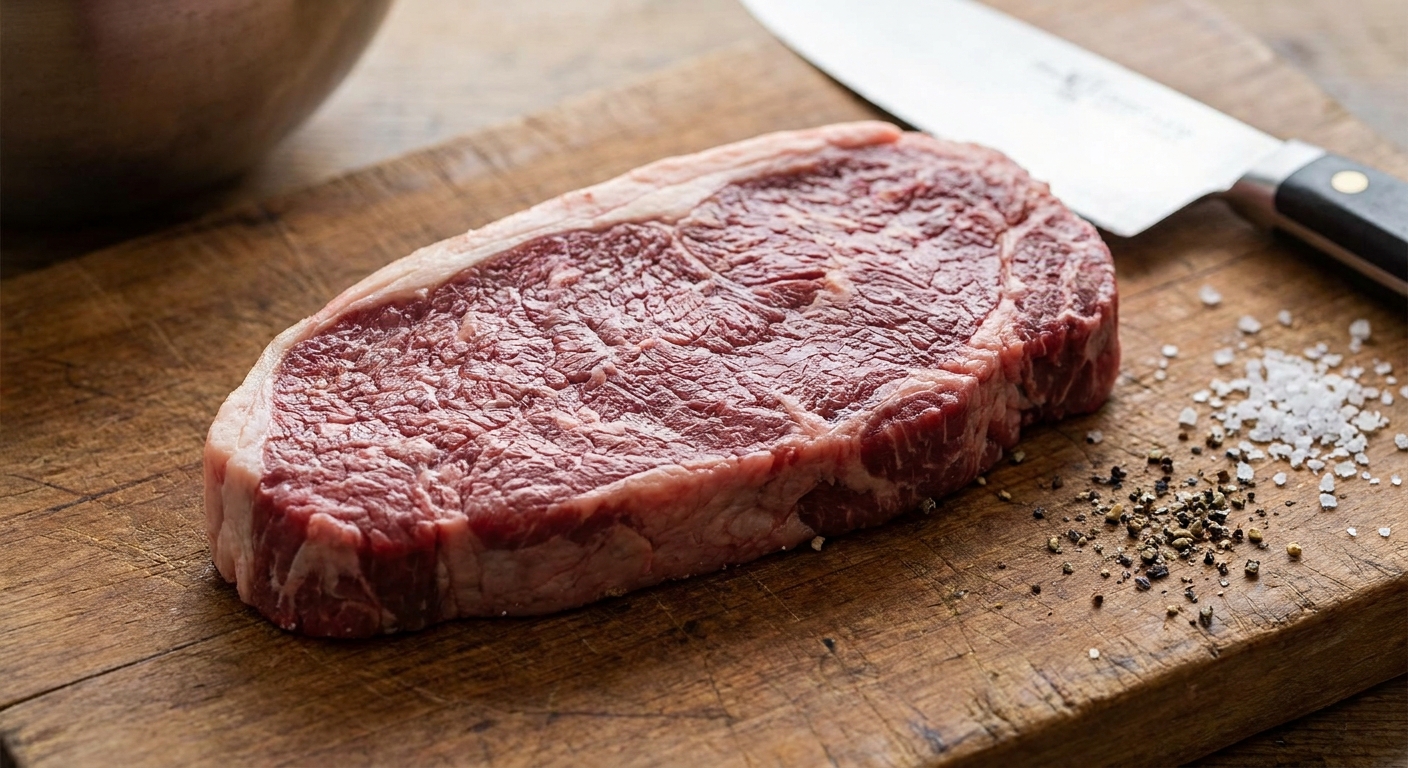
Top sirloin is usually cut into steaks that look oval or more rectangular, sometimes with slightly squared edges. If it is a roast, it tends to look like a compact, even log rather than a wedge.
Thickness: tapered vs even
Tri-tip thickness
Tri-tip is not the same thickness end to end. One side is noticeably thicker, and it tapers down toward a thinner point. That taper is one reason tri-tip can cook a little unevenly if you do not plan for it.
Top sirloin thickness
Top sirloin steaks are typically fairly uniform in thickness, often around 1 to 1.5 inches depending on how they are cut. That consistency is one reason they work well for weeknight steaks.
Fat: tri-tip often has a cap
Tri-tip fat
Many tri-tips are sold with a fat cap still attached on one side. It can be a thin layer or a thicker blanket, depending on how the butcher trimmed it. Even trimmed tri-tip often shows more obvious external fat than top sirloin.
Top sirloin fat
Top sirloin is usually leaner on the outside, with minimal external fat. You might see a small fat edge or a couple of seams, but it typically does not come with a dramatic, single-sided fat cap.
My quick shopping rule: if you see a wedge-shaped roast with a clear fat layer on one side, it is probably tri-tip.
Typical package weight: what you will see
Tri-tip package weight
Tri-tip is commonly sold as a single roast around about 1.5 to 3.5 pounds (sometimes smaller, sometimes larger). It is usually one piece per package.
Top sirloin package weight
Top sirloin is frequently packaged as:
- Single steaks around 8 to 16 ounces each (sometimes bigger)
- Multi-pack steaks totaling about 1.5 to 3 pounds
- Top sirloin roast often around 2 to 4 pounds for a roast.
This is why the mix-up happens. A 2.5-pound pack could be a tri-tip roast or multiple sirloin steaks. The shape is usually the giveaway.
Labels: what it might say
Stores are not always consistent, so it helps to know the usual alternate names you might see on the sticker.
Tri-tip label words
Tri-tip may show up as “Tri-Tip”, “Tri-Tip Roast”, or sometimes “Triangle Roast” (often described as bottom sirloin). If the package is one wedge-shaped roast, you are in the right neighborhood.
Top sirloin label words
Top sirloin is often labeled “Top Sirloin Steak” or just “Sirloin Steak”. In some markets you may also see sirloin cuts labeled coulotte or sirloin cap. Those are still sirloin cuts, but they can look different than the typical top sirloin steak, so lean on the shape and thickness cues above.
One more common trap: “sirloin tip” is a different cut than top sirloin. If you are comparing those two, my tri-tip vs sirloin tip breakdown can help.
Which label to pick
If you want individual steaks
Pick a package labeled “Top Sirloin Steak” (you may also see “Sirloin Steak” or “Top Sirloin”). You are looking for separate, evenly thick portions that will cook in roughly the same amount of time.
If your plan is fast grilling or a quick cast-iron dinner, top sirloin is usually the safer bet.
If you want a whole roast to slice
Pick a package labeled “Tri-Tip” or “Tri-Tip Roast”. You are looking for that single wedge-shaped piece, thicker at one end, often with a fat cap.
If you already have the roast and want help cooking it, head to my tri-tip roast guide for the method and timing.
How they cook differently
Tri-tip: roast it, then slice thin
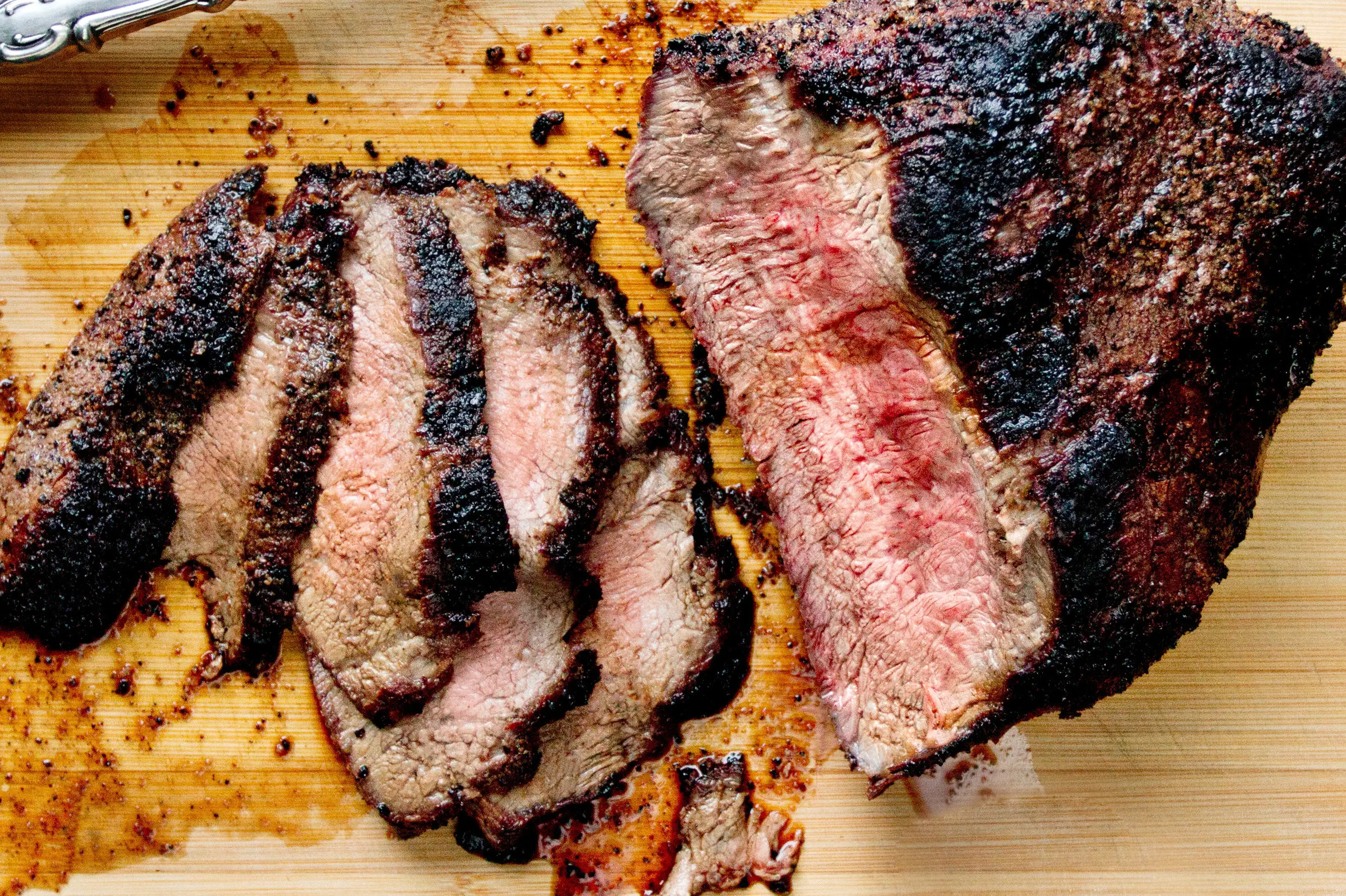
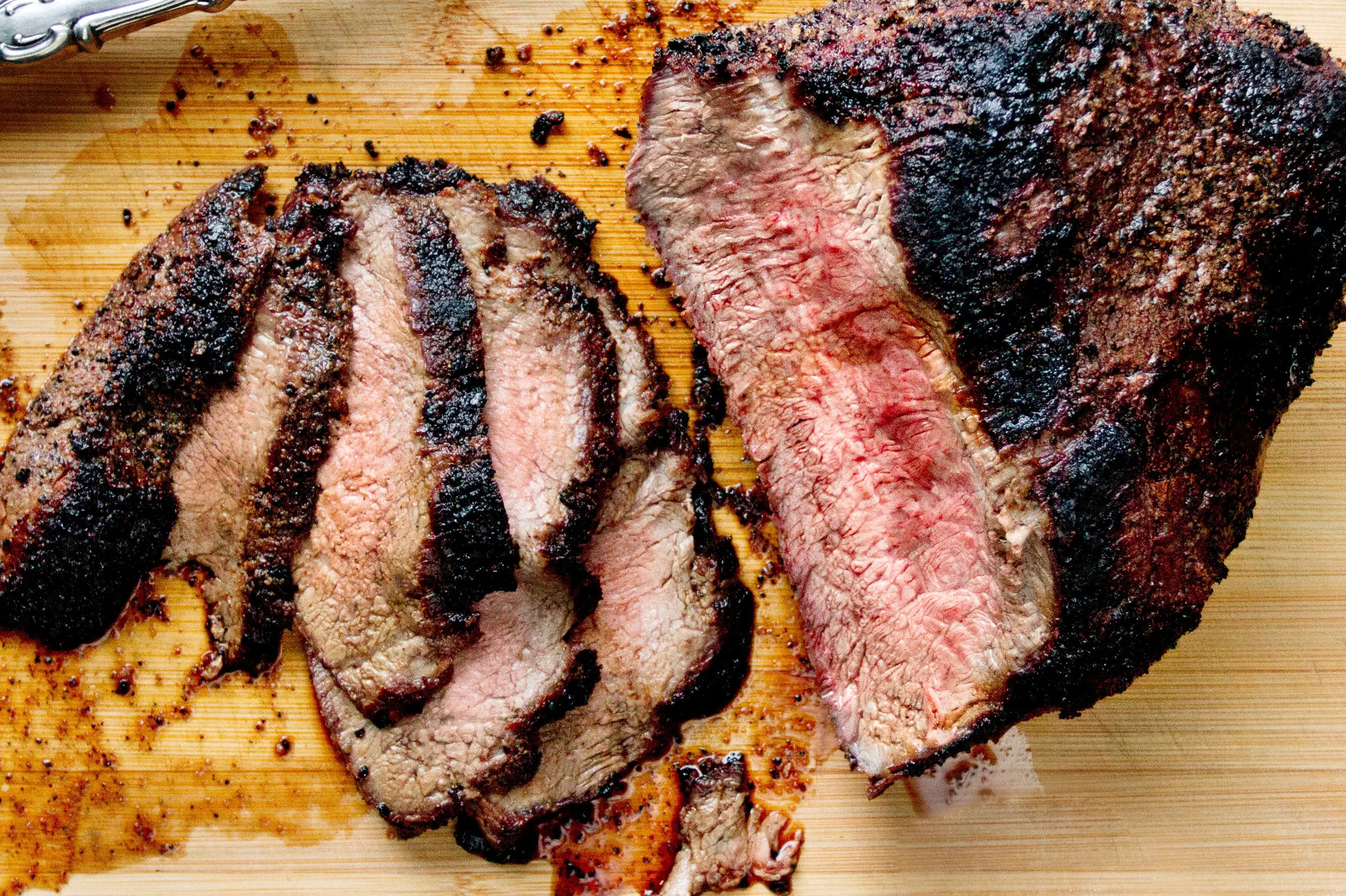
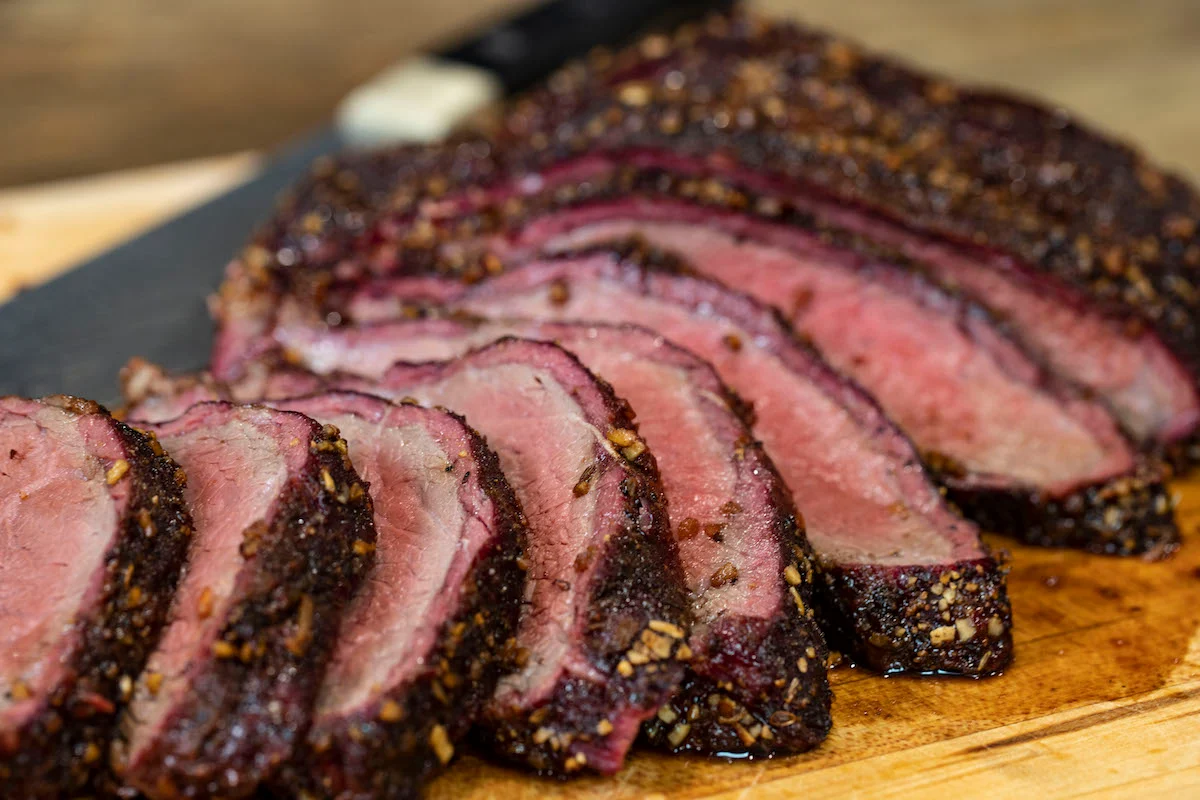
Tri-tip shines when you cook it as a single piece, then slice thin. Because it has changing thickness and shifting grain direction, it is most forgiving when you aim for medium-rare to medium and then slice properly.
If you are using alternative methods, I also have options for air fryer tri-tip and smoked tri tip.
Top sirloin: quick, hot, and rested
Top sirloin steaks do best with high heat and a shorter cook, then a rest. They are lean enough that overcooking shows up fast, so a thermometer helps if you are still getting comfortable.
Common mix-ups to avoid
- “Sirloin” is a big neighborhood. “Top sirloin” and “tri-tip” are different cuts, even though both live in the sirloin area of the cow.
- Do not rely on price alone. Either cut can be on sale, and pricing varies by region.
- Look for the wedge. One solid wedge-shaped roast points to tri-tip. Even, portioned steaks point to top sirloin.
FAQ
Is tri-tip the same thing as top sirloin?
No. They are different cuts. They can taste similarly beefy, but they come in different shapes and cook best with different approaches.
Can I substitute top sirloin steaks for tri-tip roast?
You can use the flavor profile in a pinch, but do not use a tri-tip roast recipe timing for sirloin steaks. Steaks cook much faster and can dry out if treated like a roast.
Why does tri-tip sometimes have two grains?
Tri-tip has grain that shifts across the roast. That is why slicing matters so much. If you want slicing guidance and serving amounts, see how much tri-tip per person.
What if the label just says “sirloin”?
Use what you can see. If it is a single wedge-shaped roast, it is likely tri-tip. If it is one or more evenly cut steaks, it is likely top sirloin steaks (or another sirloin steak cut). When in doubt, ask the butcher counter for confirmation before you buy.