Tri-tip doesn’t have to be intimidating. Get a deeply seasoned crust, a juicy medium-rare center, and step-by-step grill or oven directions—plus how to slice...
Delishing
Tri-Tip vs Sirloin Tip

Maya Brooks
Maya Brooks is a dedicated home cook and the lead recipe developer at Delishing, where she shares practical, foolproof meals for everyday life. With over a decade of hands-on kitchen experience, she specializes in creating approachable dishes that fit a variety of dietary needs and modern cooking methods. Maya is passionate about helping busy people get delicious, stress-free food on the table without needing formal culinary training.
If you have ever grabbed a “tip” roast at the store thinking it was tri-tip, you are not alone. The names sound like cousins, the packages can look similar at a glance, and the cooking results can be wildly different if you treat them the same. Here is the simple truth: tri-tip is a bottom sirloin cut built for hot, fast cooking, while sirloin tip is commonly a round-side roast in many stores and usually does better with a gentler approach to stay tender and sliceable.
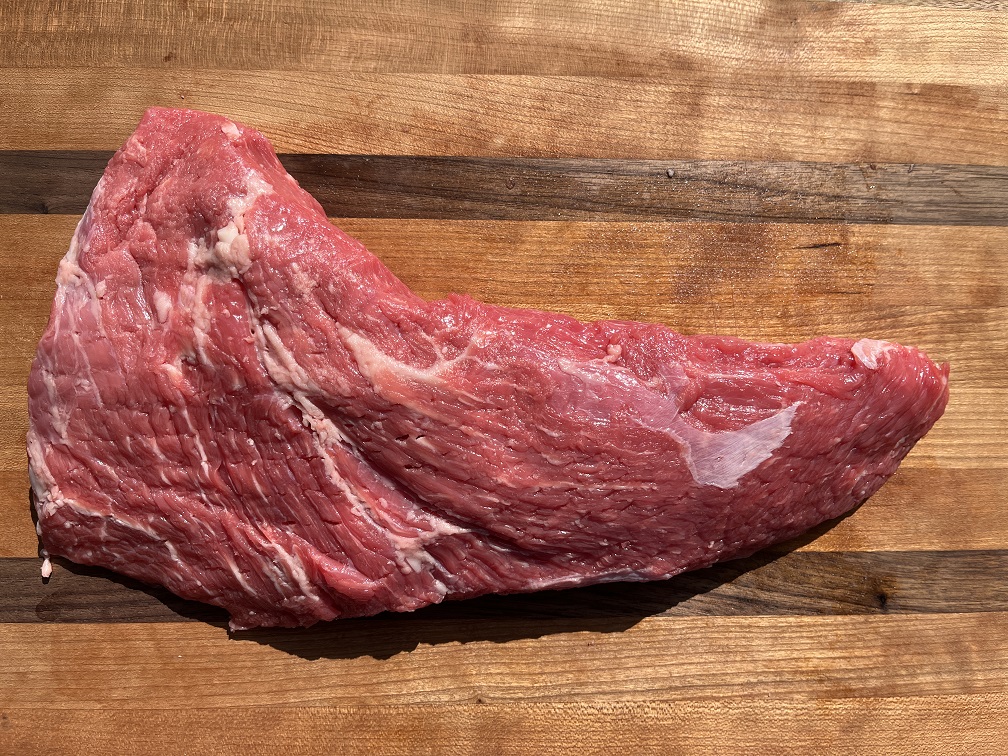
At a glance
When I am standing at the meat case, I am not just reading the label. I am looking for shape, fat, and grain direction. Those three clues tell you more than the name on the sticker.
| Cut | Where it comes from | Typical package look | Fat | Natural tenderness | Best cooking style |
|---|---|---|---|---|---|
| Tri-tip (bottom sirloin triangle) | Bottom sirloin, near the hip | Triangular roast, 1 piece | Often has a clear fat cap on one side | Moderately tender, beefy | Hot grill, high heat roast, reverse sear |
| Sirloin tip (often sold as round tip in many stores) | Often from the round (hind leg area), but naming varies by store | More oval or football-shaped roast | Very lean, minimal exterior fat | Lean and firmer, can get tough if overcooked | Gentle oven roast, slice very thin, or braise/slow cook |
Where the cuts come from
Tri-tip: bottom sirloin
Tri-tip comes from the bottom sirloin. It is a hardworking area, but not as intensely exercised as the leg. That is why you can cook it like a quick roast that eats like steak if you keep it around medium-rare to medium and slice it correctly.
Sirloin tip: often linked to the round
Sirloin tip roast is often associated with the round (hind leg) in many retail markets, and it is commonly tied to the knuckle or round tip in a lot of stores. The tricky part is that retail naming is not perfectly consistent everywhere, so I treat the texture as the final clue. Round muscles are lean and built for movement, which means they can turn chewy if cooked too hot or taken too far past medium.
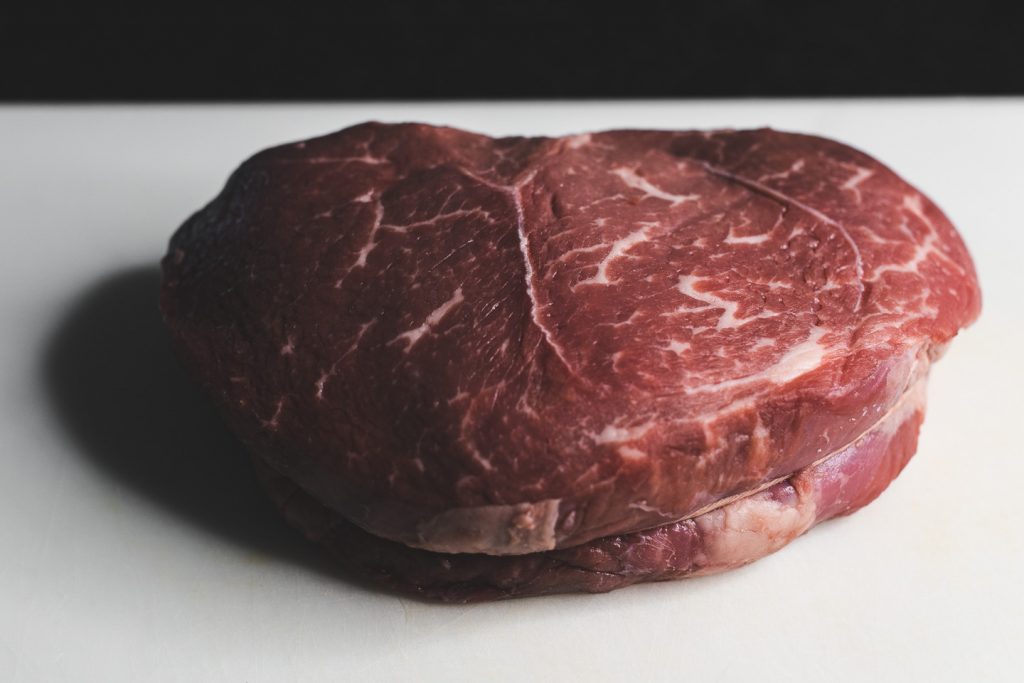
How to spot the right package
I rely on two quick tells: shape and fat.
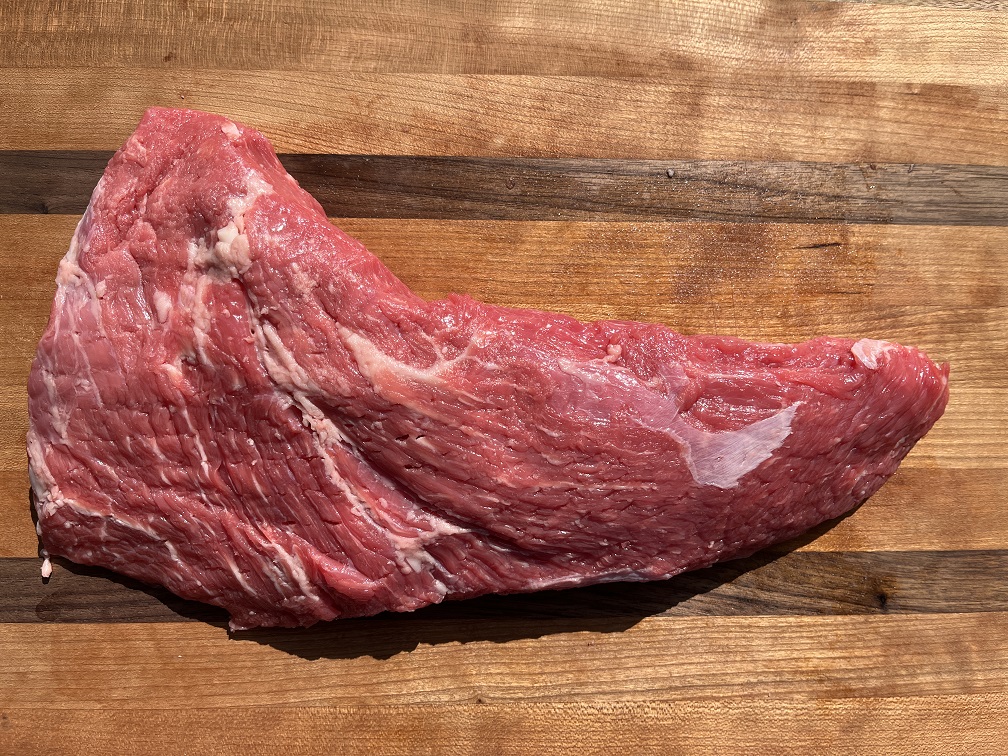
Tri-tip clues
- Shape: noticeably triangular, like a wedge.
- Fat cap: often yes. One side may have a thicker, smooth layer of fat.
- Marbling: typically more internal marbling than you will see on most round cuts.
- Labels you might see: tri-tip roast, bottom sirloin tri-tip, triangle roast.
- Other names: sometimes “bottom sirloin butt” shows up in butcher-speak, which can add to the confusion.
Sirloin tip clues
- Shape: oval, oblong, or a compact roast that looks like it could be sliced into deli-style roast beef.
- Fat cap: usually very little. The outside may look almost too lean and uniform.
- Marbling: minimal. It is a noticeably lean cut.
- Labels you might see: sirloin tip roast, tip roast, beef tip roast, round tip roast (naming varies by store).
Maya’s quick sanity check: if it is clearly triangular with a fat cap, odds are strong it is tri-tip. If it is very lean and oval, you are likely looking at sirloin tip or another round cut sold under a similar name.
Sizes you will commonly see
Tri-tip
Most tri-tips I see are about 1.5 to 3 pounds. That smaller, flatter shape is one reason it works so well on a grill. You can build great browning fast without the outside drying out before the center is done.
Sirloin tip
Sirloin tip roasts often show up around 2 to 4 pounds, sometimes larger depending on how the butcher breaks it down. Because it is lean and often thicker, it benefits from a method that lets the center cook evenly without over-browning the outside before the center is ready.
Best cooking method for each
Tri-tip: hot and fast (then rest)
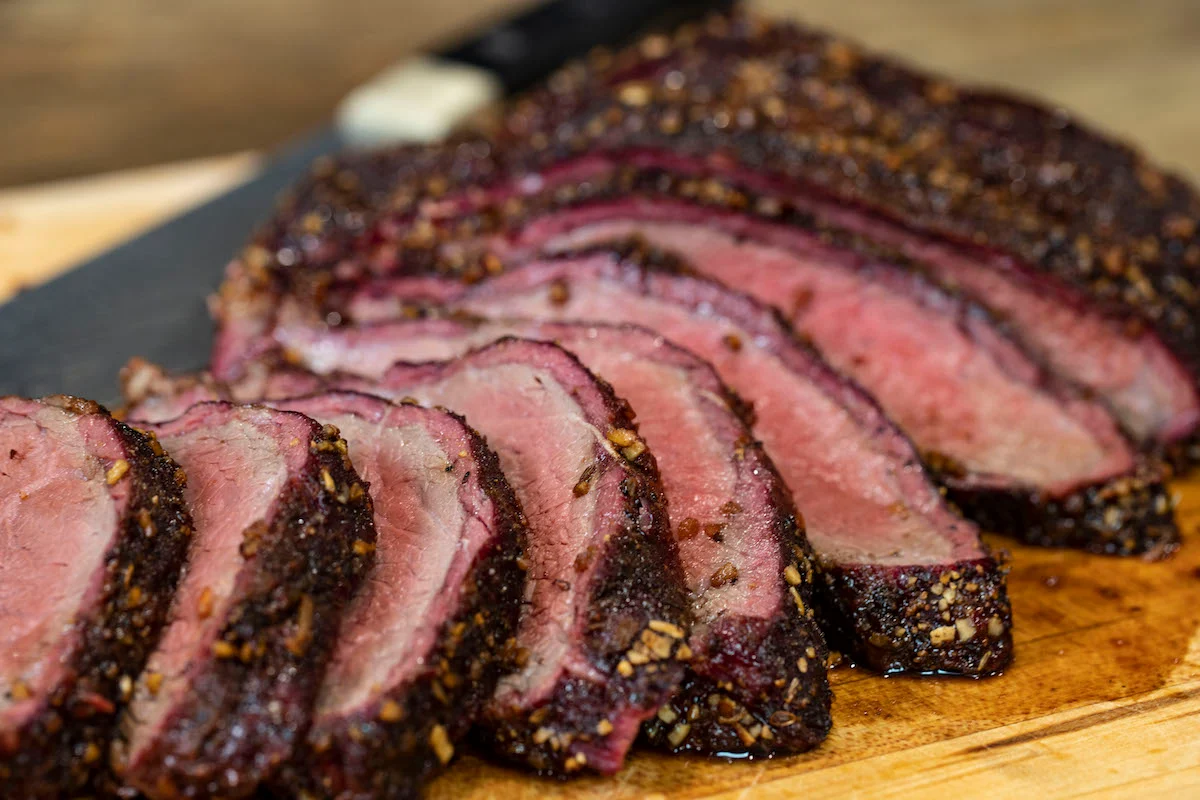
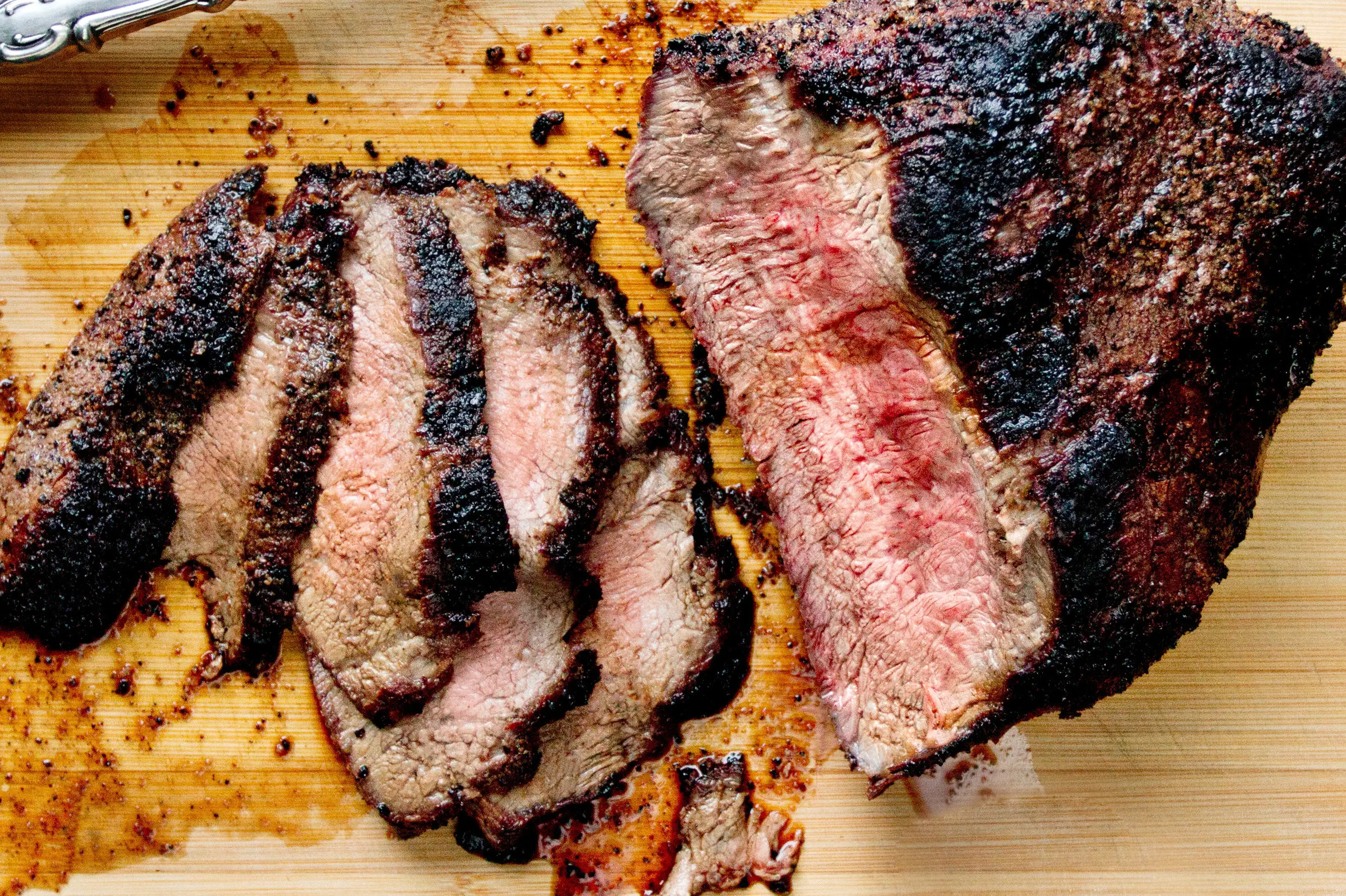
Tri-tip is my pick for grilling because it loves high heat. You get that steakhouse crust, and the interior stays juicy when you aim for medium-rare to medium.
- Best when: you want bold char, quicker cook time, and slices that eat like steak.
- Target temperature: I usually pull tri-tip around 125 to 130 F for medium-rare, or 135 F for medium, then let carryover finish the job.
- Rest time: 10 to 15 minutes makes a noticeable difference.
- Key move: slice against the grain. Tri-tip has changing grain directions, so you may need to rotate the roast as you slice.
For step-by-step timing, resting, and slicing, see our Tri-Tip Roast guide. If you want a set-it-and-forget-it vibe, we also have methods for Slow Cooker Tri-Tip and Smoked Tri-Tip.
Sirloin tip: gentle roast (or braise), slice very thin
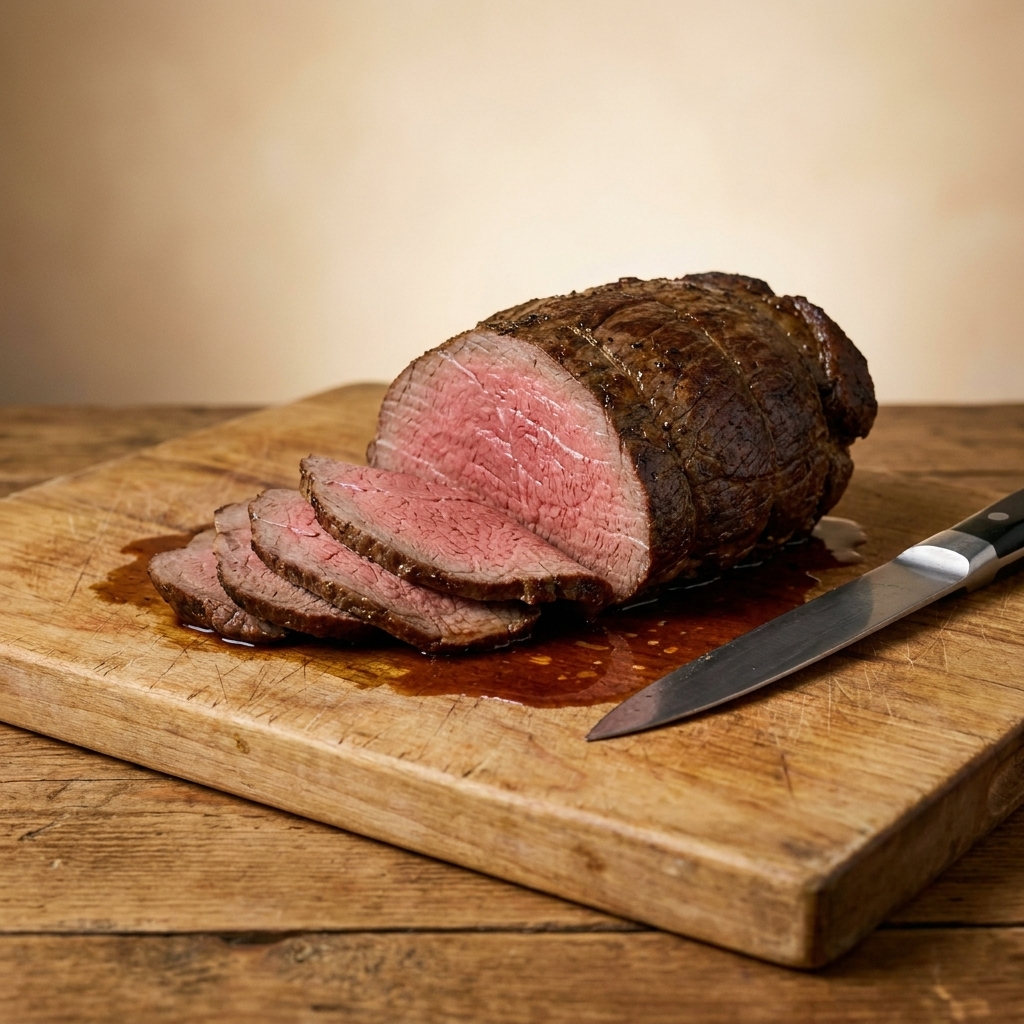
Sirloin tip is lean, so my goal is not “fall-apart tender.” My goal is sliceable and juicy. You can absolutely roast it to medium-rare and enjoy it as roast beef, as long as you do not overcook it and you slice it thin across the grain.
- Best when: you want a lean roast for sandwiches, meal prep, or a budget-friendly roast dinner.
- Target temperature (roast beef style): pull around 125 to 130 F for medium-rare, or 135 F for medium, then rest. With lean cuts like this, “medium” can eat dry if you slice it thick.
- Watch the finish: thinner or smaller roasts can climb fast near the end, so I keep a close eye once it gets within 10 degrees of my target.
- Rest time: 15 to 20 minutes helps the slices stay moist.
- Slice it like deli meat: for best tenderness, go thinner than you think you need, especially for sandwiches.
- When to braise: if your roast is especially lean, you prefer well-done beef, or you want extra insurance, a braise or slow cooker approach can help.
For the full oven approach, head to our Sirloin Tip Roast page.
If the label just says “tip roast”
“Tip roast” is one of those labels that can mean different things depending on the store and region. If it does not explicitly say tri-tip or bottom sirloin, use the meat itself as your guide:
- Triangular with a fat cap: likely tri-tip.
- Oval and very lean: likely sirloin tip or another round cut.
- When in doubt: ask the butcher which primal it came from. The question I use is, “Is this from the bottom sirloin or from the round?”
Slicing and resting
I have made both cuts taste tougher than they should simply by slicing wrong when I was tired and rushing dinner. Two rules save the day:
- Rest first: resting helps juices redistribute so your slices stay moist.
- Slice against the grain: this shortens muscle fibers and makes every bite feel more tender.
With tri-tip, look closely because the grain often changes direction partway through the roast. I typically cut it into two sections where the grain shifts, then slice each section against its own grain. With sirloin tip, the grain is usually more straightforward, but it rewards you for going very thin with your slices.
FAQ
Is tri-tip the same as sirloin tip?
No. Tri-tip is a bottom sirloin cut shaped like a triangle. Sirloin tip is a different cut that is often associated with the round in many stores, and it is much leaner.
Which is more tender?
Tri-tip is generally more naturally tender and forgiving, especially when cooked to medium-rare or medium and sliced correctly. Sirloin tip can be tender too, but it relies more on careful temperature control, resting, and very thin slicing.
Can I substitute one for the other?
You can, but you should also switch the cooking method. If you swap sirloin tip into a tri-tip grilling plan, expect a firmer, chewier result. If you swap tri-tip into a longer, gentler roast plan, it can still be delicious, but you may lose some of the steak-like texture that makes tri-tip special.