This London broil recipe turns a budget-friendly cut into a steakhouse-style dinner: a bold marinade, high-heat broiler or grill, precise temps, and thin sli...
Delishing
Tri-Tip vs London Broil

Maya Brooks
Maya Brooks is a dedicated home cook and the lead recipe developer at Delishing, where she shares practical, foolproof meals for everyday life. With over a decade of hands-on kitchen experience, she specializes in creating approachable dishes that fit a variety of dietary needs and modern cooking methods. Maya is passionate about helping busy people get delicious, stress-free food on the table without needing formal culinary training.
If you have ever stood in the meat aisle holding a package that says “London broil” and thinking, “Wait, is this just tri-tip with a different name?”, you are not alone. These two get mixed up all the time because one is a cut and the other is usually a method (or a store label). Once you know what you are actually buying, everything about thickness, marinade, and cook time makes a lot more sense.
The quick answer
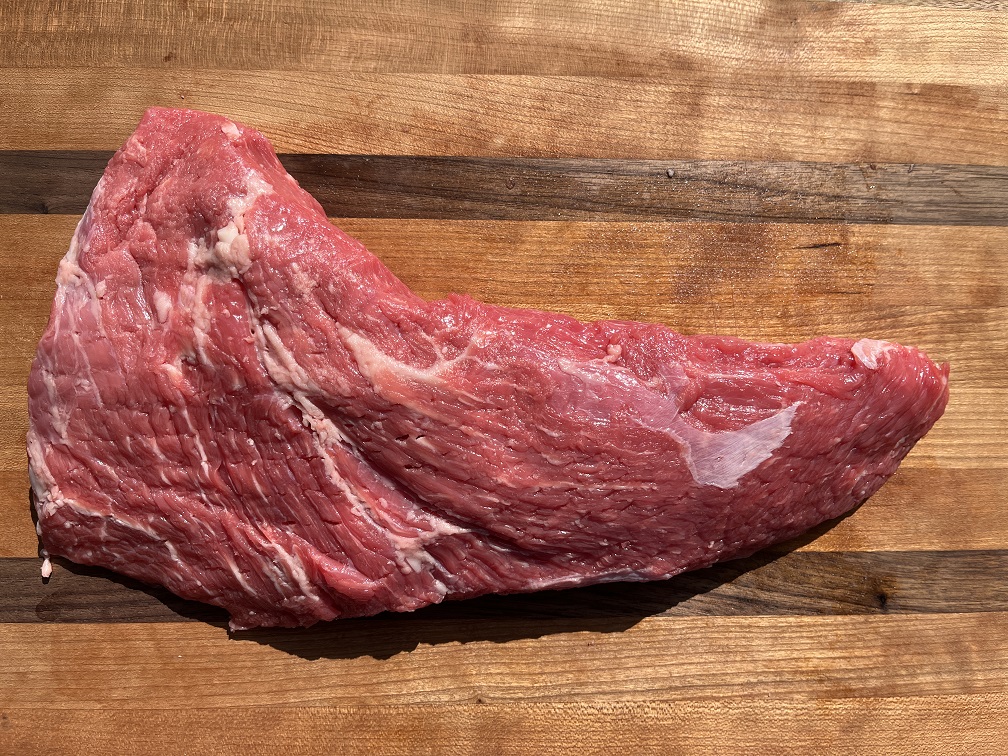
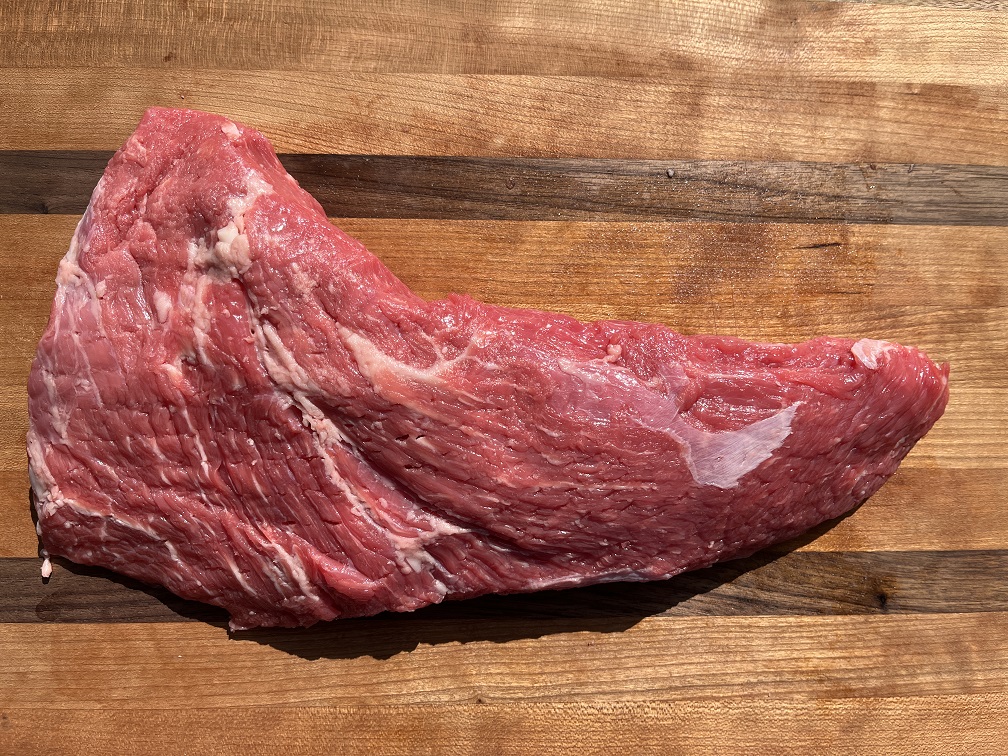
Tri-tip is a specific cut of beef: one muscle from the bottom sirloin (triangular in shape).
London broil is most often a label for a high-heat cooking method (marinate, broil or grill hot, then slice thin) that is commonly applied to a lean, tougher steak. In many U.S. stores, that is top round most of the time, and sometimes flank steak.
So no, they are not “the same thing,” even though stores sometimes label them in confusing ways.
What tri-tip is
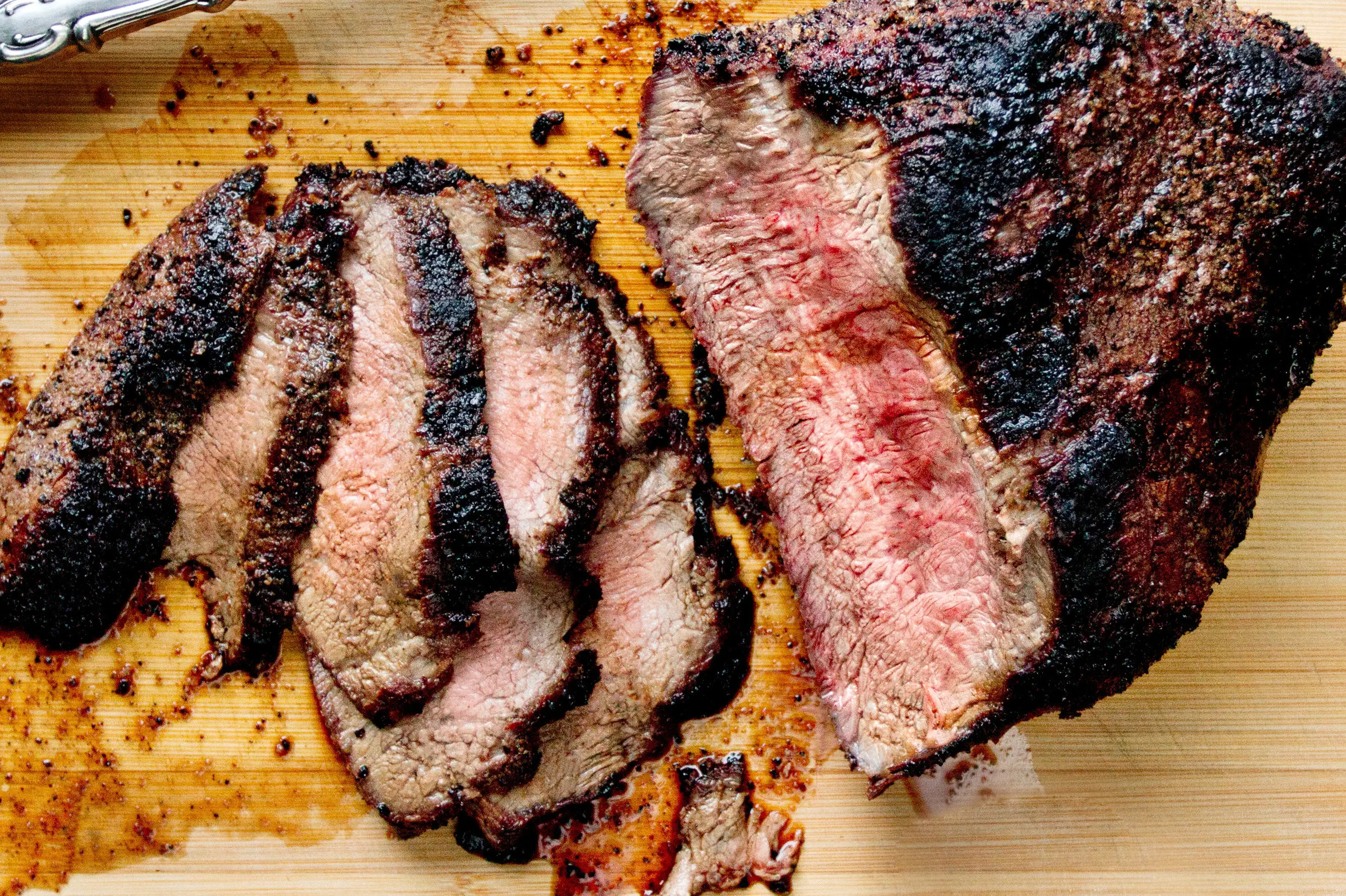
Tri-tip is a single, triangular muscle cut from the bottom sirloin. It usually comes as a small roast, often 1.5 to 3 pounds. The grain runs in more than one direction, which matters later when you slice it.
What to expect when you buy it
- Shape: distinctly triangular.
- Thickness: roast-like, thicker in the center.
- Fat: often has a noticeable fat cap on one side.
- Texture: beefy and tender when cooked to medium-rare or medium and sliced properly.
Tri-tip shines with simple seasoning and a roast-style approach, then a rest, then careful slicing. If you want a walk-through for this exact cut, head to our Tri-Tip Roast page.
What London broil is
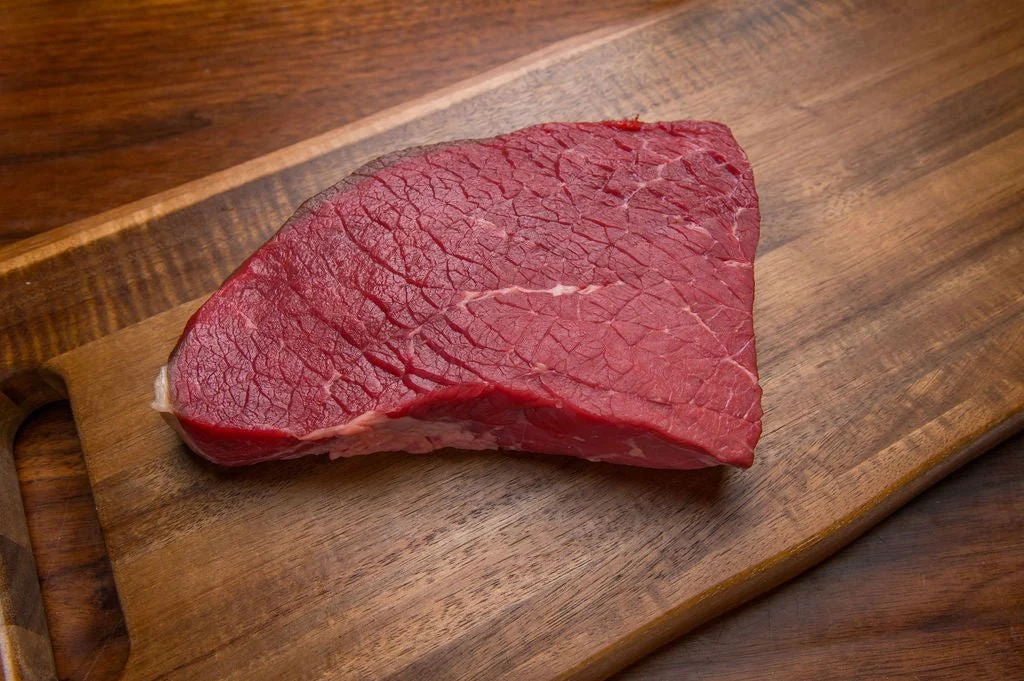
Here is the twist: “London broil” is not a single official cut. In many U.S. grocery stores, “London broil” is used as a retail label for a lean, larger steak that is intended for broiling or grilling and then slicing thin across the grain.
Most often, that steak is top round from the round (hindquarter), which is lean and can be a little chewy if cooked like a tender steak.
What to expect when you buy it
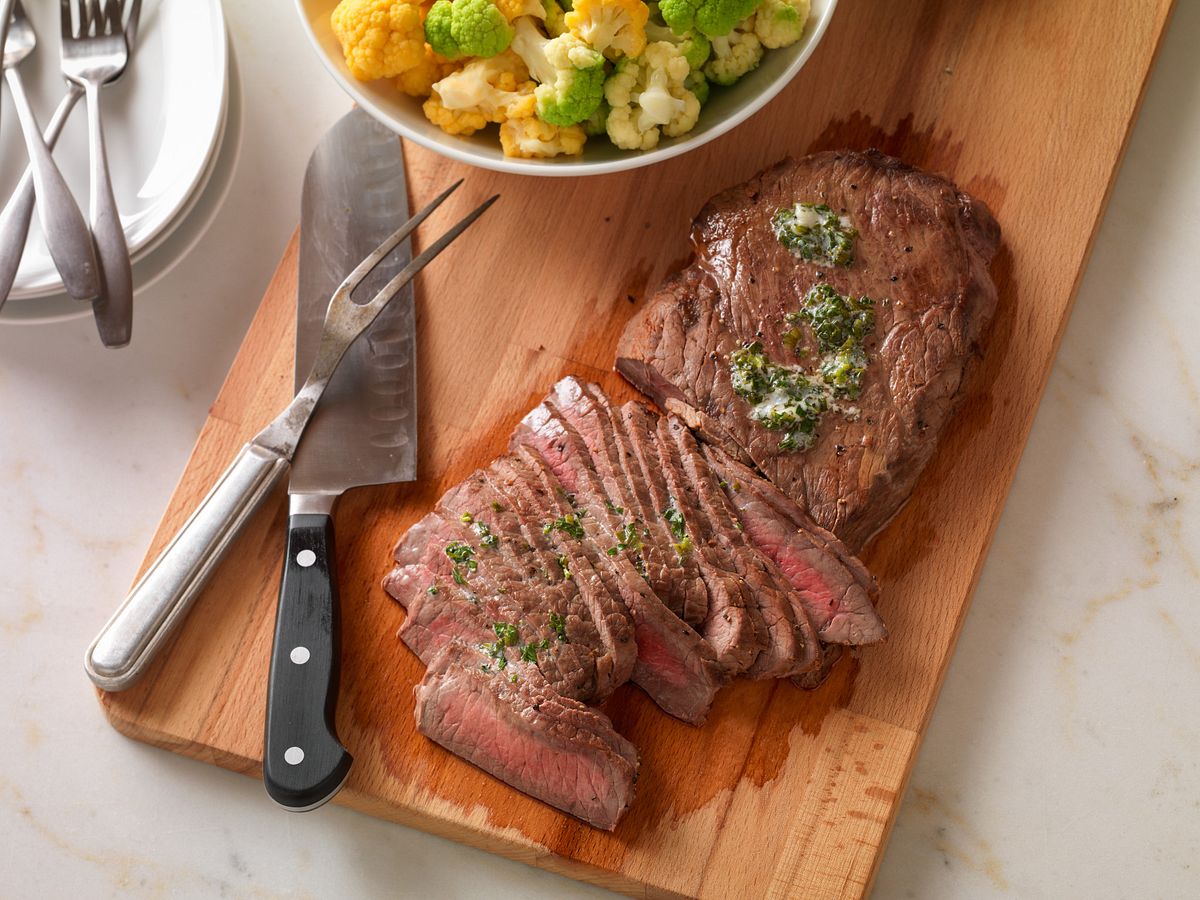
- Shape: wide, fairly uniform slab of beef.
- Thickness: usually 1 to 2 inches, but broad and flat rather than triangular.
- Fat: very little marbling, minimal exterior fat.
- Texture: benefits from marinating and thin slicing across the grain.
For a London broil style approach, see our London Broil Recipe page.
Why labels get mixed up
I have seen this firsthand in my own testing notes: the same store will label one week’s tri-tip clearly as “tri-tip roast,” then another week you will see “London broil” slapped on a different cut that is meant for the same general weeknight use case.
Here are the most common reasons it happens:
- “London broil” is a marketing label. Stores use it to signal “cook this hot and slice it thin,” not to identify a precise muscle.
- Regional naming differences. Tri-tip is much more common and consistently labeled on the U.S. West Coast, but it is not always stocked everywhere.
- Stores label for intention. If a cut is lean and steak-shaped, it may get tagged “London broil” even if it is technically top round or flank.
My rule: trust the cut name (tri-tip, top round, flank) more than the words “London broil.” If the label only says “London broil,” look for a smaller line that says what the cut actually is.
How to tell them apart
If you have already bought the meat and the label is not helping, use what you can see.
Signs you have tri-tip
- It is a compact roast with a triangular shape.
- One side may have a thicker fat cap.
- It is thicker in the center than at the edges.
Signs you have a London broil style steak
- It is a broad, flat steak, more like a plank than a roast.
- It is fairly even in thickness from edge to edge.
- It looks very lean with little visible fat.
Time, temp, and slicing
Quick temp targets
- Tri-tip: pull around 130 to 135 F for medium-rare, or 140 to 145 F for medium, then rest.
- London broil style cuts (often top round): aim for medium-rare to medium for best texture, then rest and slice thin.
What “across the grain” means
Look for the long lines running through the meat (the muscle fibers), then slice perpendicular to those lines. Shorter fibers equal a more tender bite.
London broil method
When a recipe says “London broil,” the classic game plan is about making a lean steak feel more tender and flavorful.
The hallmarks
- Marinate first. Mainly for flavor, though acidic ingredients can slightly affect the surface over time.
- High heat, short cook. Broil or grill hot to get a good crust without drying out the interior.
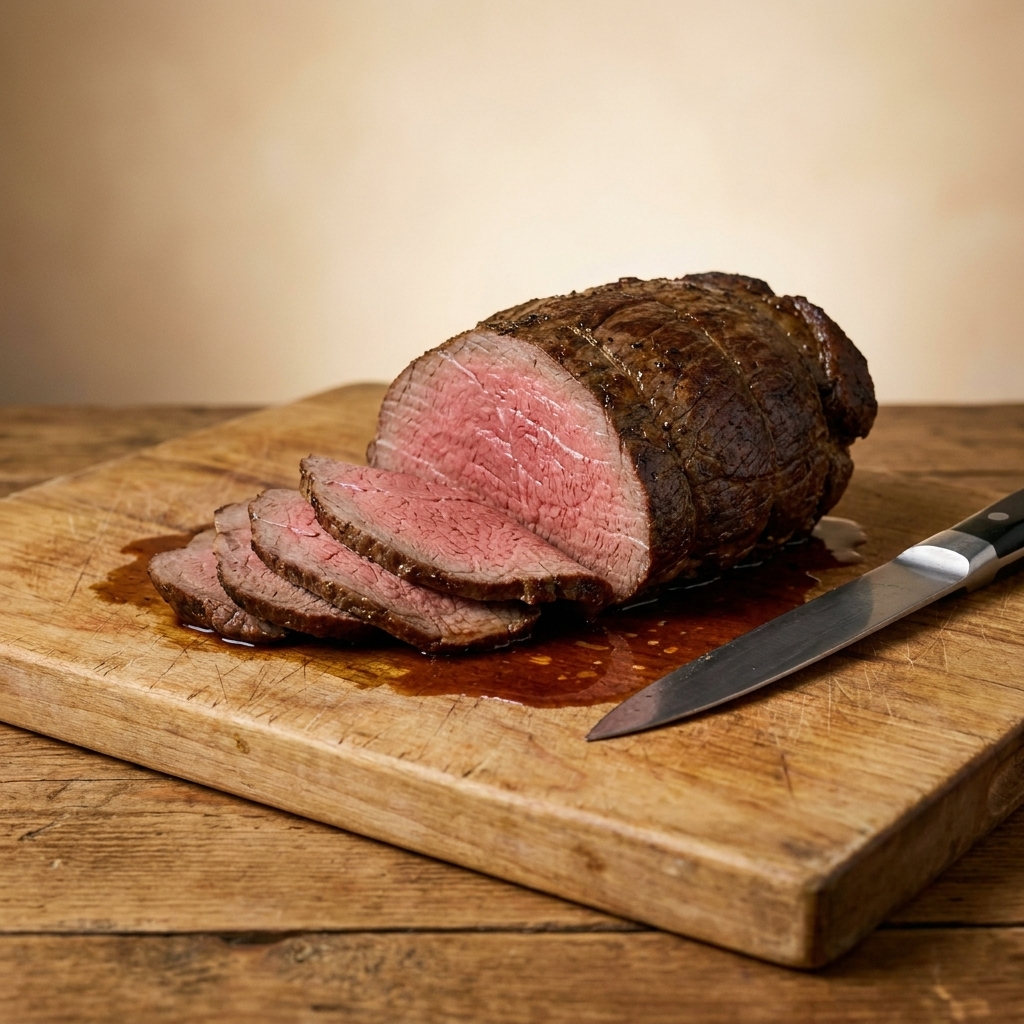
- Rest, then slice thin across the grain. This is strongly recommended for a lean cut like top round.
If you do all of the above with a lean top round steak, you get that classic London broil result: bold flavor, rosy center, thin slices that eat tender.
Tri-tip method
Tri-tip is naturally more forgiving than top round, and it is often treated more like a small roast.
What fits best
- Season boldly. Dry rubs and simple salt and pepper work beautifully.
- Cook like a roast (or reverse sear). Many cooks aim for an even medium-rare to medium interior, then finish with a good sear.
- Rest well. Tri-tip is thick, so resting helps the juices redistribute.
- Slice with the grain change in mind. Tri-tip’s grain shifts direction, so you may need to rotate the roast as you slice to keep cutting across the grain.
Tri-tip can be marinated too, but it does not need a marinade in the same way a London broil style top round does. With tri-tip, seasoning plus proper doneness usually gets you to a great place faster.
If you swap them
You can absolutely cook either one deliciously, but you want to match the method to the meat.
If you treat top round like tri-tip
- It can turn out chewier, especially if cooked past medium and sliced thick.
- You miss the advantage of a marinade and very thin slicing.
If you treat tri-tip like London broil
- It will still be tasty, but broiling a thick roast can mean overbrowned outside and undercooked center if you go all-in on high heat.
- You can make it work by using a two-stage approach: start at a gentler oven temp, then finish under the broiler for the crust.
- You might slice it wrong and blame the meat when it is really the grain direction.
Shopping cheat sheet
- Want a small roast with rich beefy flavor and easy tenderness for a few people? Buy tri-tip.
- Want a lean steak you will marinate, broil or grill hot, and slice thin for serving? “London broil” is often top round, and that method fits.
- If the label only says “London broil,” look for the fine print: top round is the most common.
FAQ
Is London broil a cut of meat?
Not usually. It is a name commonly used for a cooking method and, in stores, a label applied to certain lean steaks (often top round).
Can tri-tip be labeled London broil?
Occasionally, yes. Some stores use “London broil” loosely to mean “a big piece of beef meant for high heat and slicing.” That is why the cut name on the label matters more than the headline wording.
Which one needs a marinade?
Lean London broil style steaks (like top round) benefit the most from marinating and thin slicing. Tri-tip can be marinated, but it is also excellent with just a well-seasoned crust and proper doneness.
Which one is more tender?
Tri-tip is typically more naturally tender than top round. With London broil, tenderness comes mostly from method: doneness, resting, and slicing thin across the grain.