Delishing
Tri-Tip Burgers

If you love the beefy, steakhouse-style flavor of tri-tip but want it in an easy, weeknight-friendly format, these tri-tip burgers are my go-to move. The trick is simple: tri-tip is relatively lean compared with typical burger blends, especially once it is trimmed, so when you grind it you usually want to add beef fat back in. Aim for a classic burger-style mix (think around 80/20) and you get a patty that tastes rich and “special” without being fussy.
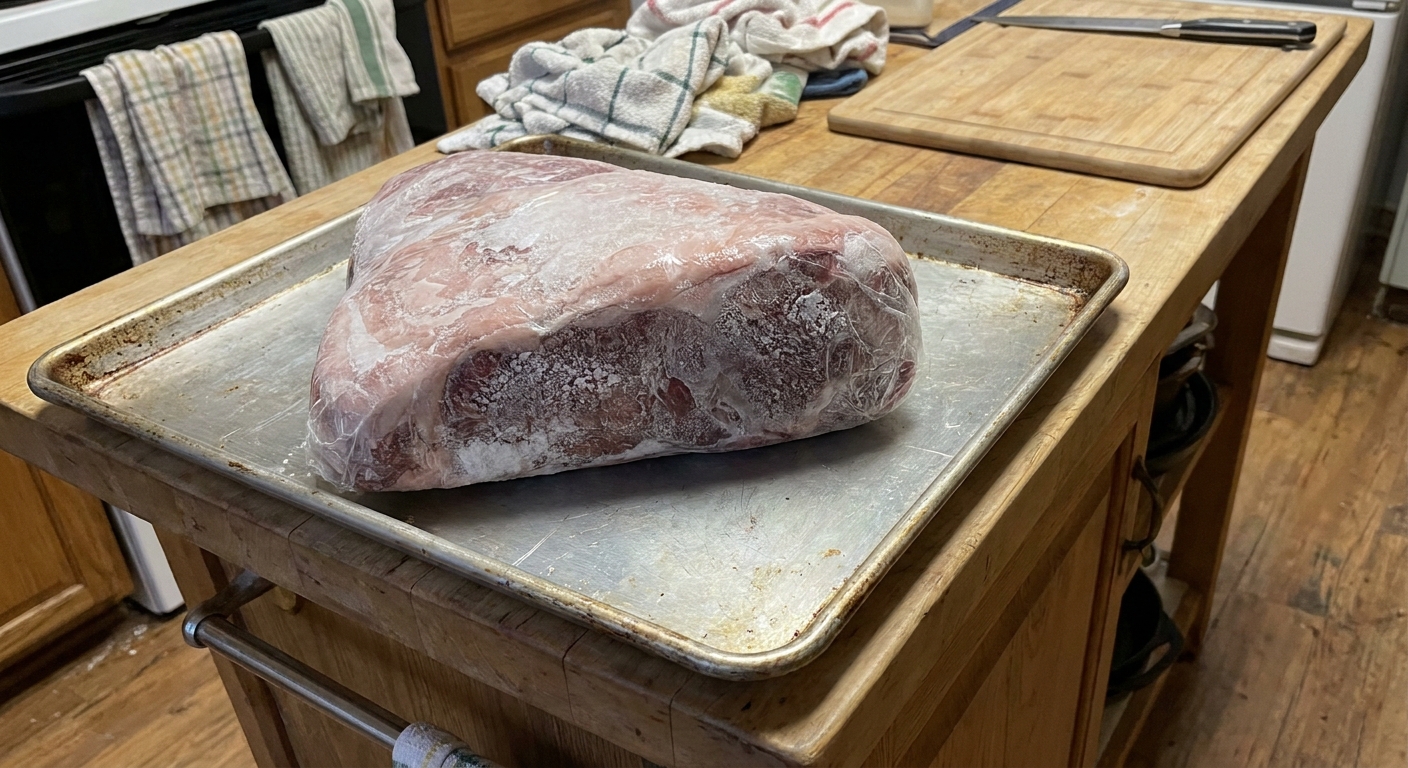
I started making these when I had leftover tri-tip from the freezer and zero energy for a full roast situation. Grinding it into burgers felt like cheating, until I learned the one rule that matters: control the fat ratio. Once I began blending in beef fat (or a fattier cut like chuck), the burgers stopped turning dry and started tasting like the ones you daydream about at 5:00 PM.
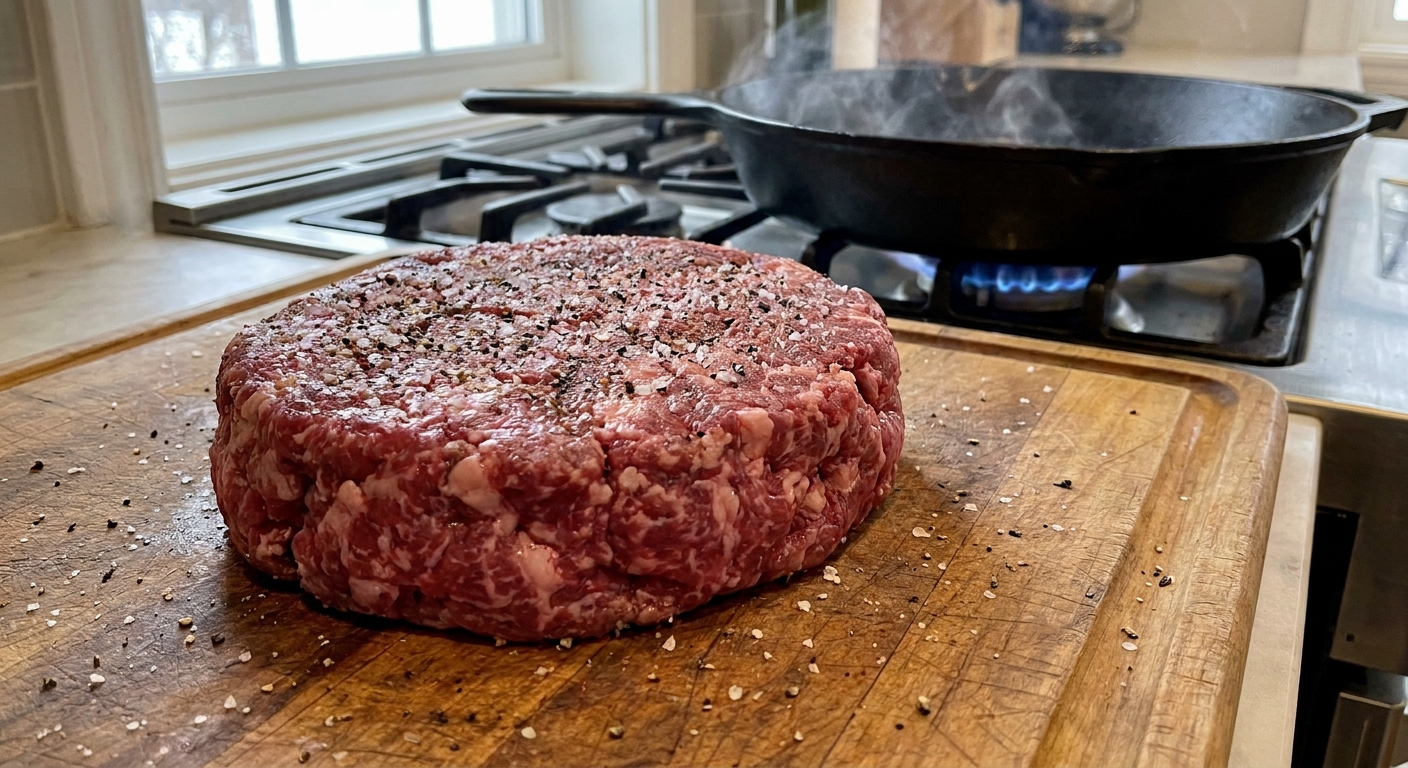
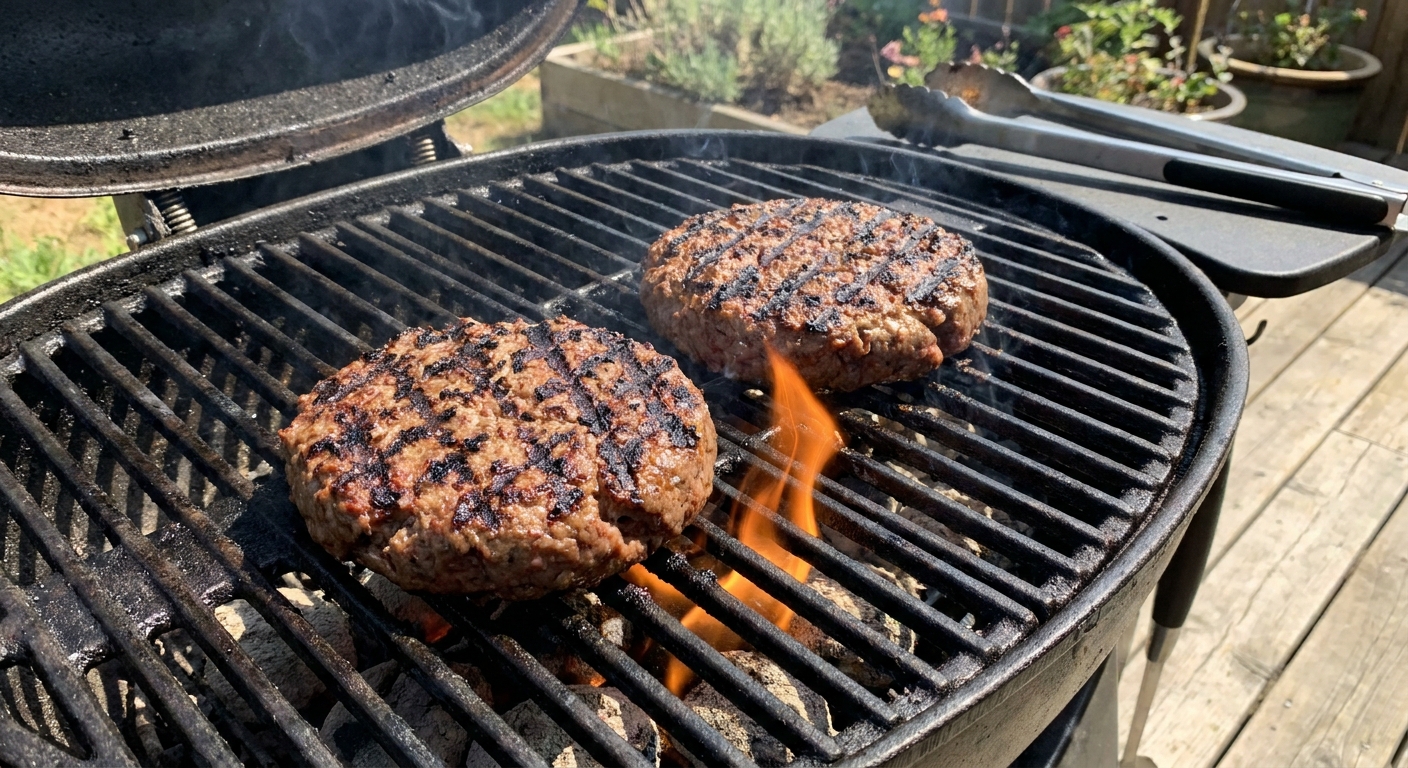
You can cook these on the grill or in a skillet. Either way, you will get a great crust. Just remember: for food safety, ground beef should reach 160°F internal temperature.
If you want more tri-tip ideas, you might also like my Tri-Tip Roast for the classic whole-roast route, or Reverse Sear Tri-Tip when you want extra control over doneness.
Why this works
- Added beef fat keeps tri-tip juicy. Tri-tip has great flavor but not always enough fat on its own for burger-level tenderness, so we blend in fat for a more reliable bite.
- A coarse grind improves texture. Using a larger grind (or a “chili grind” if your butcher offers it) gives you a steakier, less compact patty.
- Thick patties stay moist. A thicker patty buys you time to build a crust without squeezing out every last drop of juice.
- High heat sear equals big flavor. A ripping-hot skillet or grill creates the browned crust that makes a burger taste like a burger.
Ingredient notes
Tri-tip
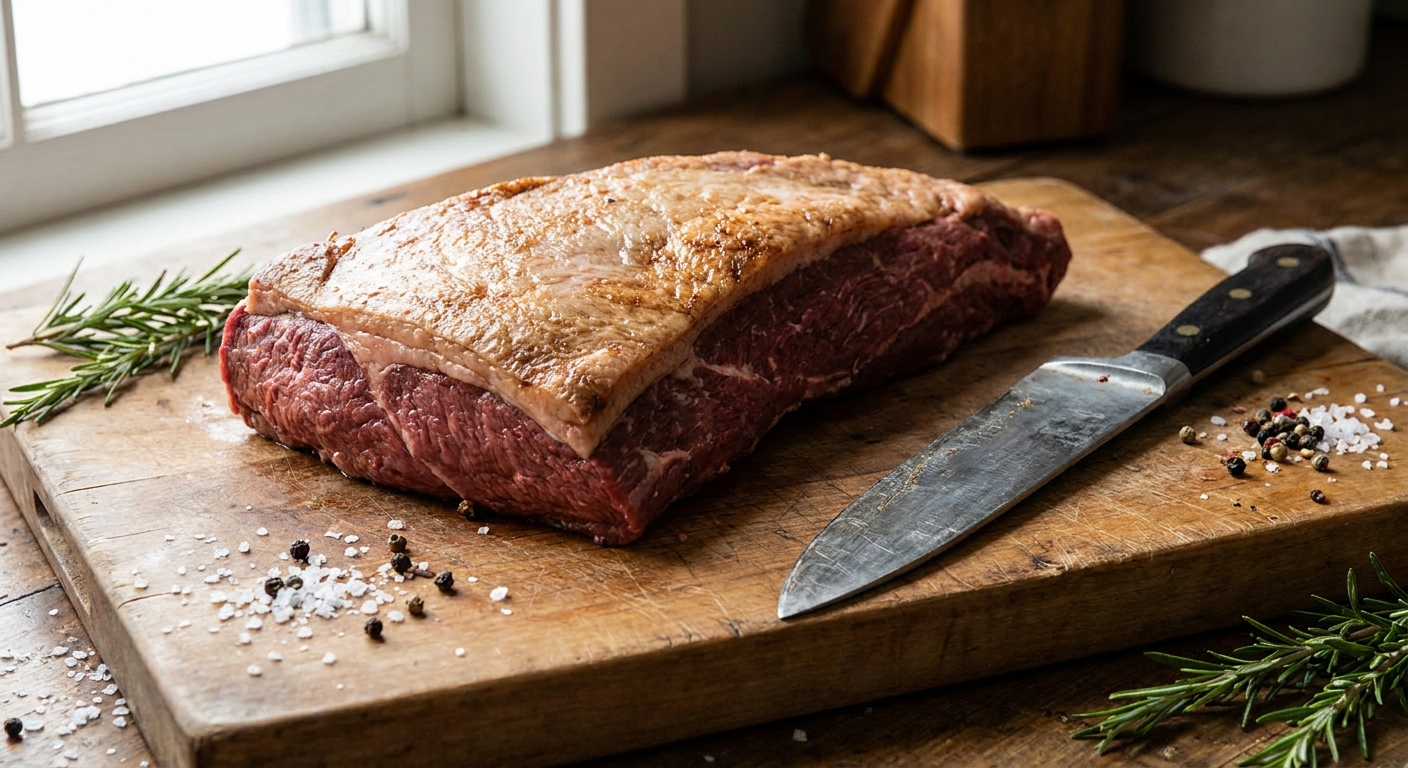
Start with raw tri-tip roast or tri-tip steaks. Trim off silver skin and any tough connective tissue. Some exterior fat is fine, but tri-tip is still lean enough that you will want added fat.
Beef fat (or a fatty cut)
Ask the butcher for beef fat trimmings, or use a fattier cut to blend in (chuck works well). Your goal is a mix that lands around 80% lean and 20% fat for a classic juicy burger.
Salt and pepper
Keep the seasoning simple so the tri-tip flavor shines. Salt right before cooking for the best crust and texture.
Optional mix-ins
Garlic powder, onion powder, Worcestershire sauce, and smoked paprika all play nicely, but do not overdo it. Too many wet mix-ins can make patties bouncy and dense.
Equipment
- Meat grinder (stand mixer attachment or dedicated grinder) or a butcher willing to grind for you
- Kitchen scale for consistent patty sizes
- Instant-read thermometer (non-negotiable for ground beef)
- Cast iron skillet or heavy stainless skillet, or a grill
- Sheet pan for chilling patties
Pro tips
- Chill everything before grinding. Cold meat and cold fat grind cleanly. If things warm up, the fat smears and your burger can turn dense.
- Go coarse for burgers. Use a larger grind plate if you have one. If you are asking a butcher, request a coarse grind.
- Do not overmix. Mix just until the fat looks evenly distributed. Overworking ground meat makes burgers tight and tough.
- Press a dimple in the center. A shallow thumbprint helps prevent the burger from doming up.
- Cook to 160°F for safety. If you are used to steak temps, this is the biggest mental shift with ground tri-tip.
- Rest briefly. Two minutes on a plate helps the juices settle so your first bite is not a flood.
Substitutes
- No beef fat available: Blend tri-tip with a fatty cut like chuck to reach a juicier fat level.
- No grinder: Ask the butcher counter to grind tri-tip and fat together. If they will only grind once, request a coarse grind.
- No grill: Use a cast iron skillet or heavy stainless pan and sear over medium-high heat.
- Gluten-free: Use gluten-free buns or lettuce wraps. The patties themselves are naturally gluten-free as written.
Variations
- Santa Maria-style: Season patties with garlic powder, onion powder, black pepper, and a pinch of paprika.
- Cheddar and onion: Top with cheddar and a spoonful of skillet caramelized onions.
- Spicy: Add minced pickled jalapeños to the burger topping lineup, or mix a pinch of cayenne into the seasoning.
- Bunless burger bowl: Serve over chopped romaine with tomatoes, pickles, and a burger sauce drizzle.
Serving ideas
- Classic burger plate with roasted broccoli on the side, using Roasted Broccoli.
- Cookout-style spread with Classic Creamy Potato Salad.
- Weeknight comfort combo with Skillet Fried Potatoes.
- Turn it into a sandwich board with toasted buns, pickles, sliced onions, and simple condiments.
Storage
Refrigerate
Store cooked patties in an airtight container for up to 3 to 4 days.
Freeze
Freeze raw patties on a sheet pan until firm, then transfer to a freezer bag with parchment between layers. Freeze up to 3 months for best quality.
Reheat
Reheat gently in a covered skillet with a splash of water, or in a low oven until hot throughout. Avoid blasting in the microwave if you can, since leaner ground beef can toughen quickly.
Common mistakes
- Skipping the added fat: Tri-tip flavor is wonderful, but without extra fat your burger is likely to eat dry.
- Grinding warm meat: Warm fat smears and makes a pasty texture. Chill first and work fast.
- Overmixing the ground meat: Mix just enough to combine. Think gentle, not kneading.
- Pressing down while cooking: Smashing with a spatula forces juices out. Let the sear happen naturally.
- Guessing doneness: Use a thermometer. Ground beef should reach 160°F internal.
FAQ
What grind size is best for tri-tip burgers?
A coarse grind gives you the best burger texture. If you grind at home, use a larger plate. If you buy it ground, ask for coarse ground.
How thick should I make the patties?
I like patties about 3/4-inch thick. Thick enough to stay juicy, but not so thick that you struggle to hit 160°F without over-browning the outside.
Do tri-tip burgers taste different than chuck burgers?
Yes. Tri-tip has a slightly steak-like, beef-forward flavor. When you add enough fat, you get a burger that tastes richer and a little more “premium” than basic ground beef.
Can I cook these medium-rare?
For food safety, ground beef should be cooked to 160°F internal temperature. This is different from cooking a whole tri-tip roast, where you can cook and slice it like steak.
Skillet or grill?
Both work. A cast iron skillet gives you the most dependable crust. A grill adds smoke and char. Pick the method that matches your night.
Recipe: Tri-Tip Burgers
Coarse-ground tri-tip blended with beef fat for juicy, beefy burgers, cooked with a skillet or grill sear and brought to a safe 160°F internal temperature.
- Prep time
- 25 minutes
- Cook time
- 10 minutes
- Total time
- 35 minutes
- Servings
- 4 burgers
Ingredients
- 1 1/4 lb raw tri-tip, trimmed and cut into 1-inch cubes
- 1/4 lb beef fat trimmings (or fatty beef such as chuck), cut into 1-inch pieces
- 1 1/4 tsp kosher salt (plus more to taste)
- 1/2 tsp black pepper
- 1 tbsp neutral oil (for skillet cooking), optional
- 4 burger buns, toasted (optional)
- Toppings as desired (lettuce, tomato, onion, pickles, cheese)
Instructions
- Chill the meat and fat: Spread cubed tri-tip and beef fat on a plate or small sheet pan. Freeze 15 to 20 minutes until very cold and slightly firm on the outside. This helps you get a clean grind.
- Grind (coarse): Grind the tri-tip and beef fat together using a coarse plate. If your grinder struggles, alternate handfuls of meat and fat as you feed it through.
- Form patties gently: Portion into 4 equal piles (about 6 oz each). Shape into patties about 3/4-inch thick. Press a shallow dimple in the center of each patty.
- Season right before cooking: Sprinkle both sides with the kosher salt and black pepper.
- Skillet method: Heat a cast iron or heavy skillet over medium-high heat until very hot. Add oil if the pan looks dry. Add patties and sear 3 to 5 minutes per side, flipping once, until deeply browned and the center reaches 160°F on an instant-read thermometer.
- Grill method: Preheat a grill to medium-high heat and clean the grates. Grill patties 3 to 5 minutes per side, flipping once, until well-seared and the center reaches 160°F.
- Add cheese (optional): In the last 1 to 2 minutes, top each patty with cheese and cover the skillet or close the grill lid to melt.
- Rest: Transfer patties to a plate and rest 2 minutes.
- Serve: Build burgers on toasted buns with your favorite toppings and serve immediately.
Notes
- Fat ratio matters: This recipe uses about 20% fat for a juicy burger. If you change the ratio, expect a change in juiciness.
- Food safety: Ground beef should reach 160°F internal temperature.
- Make-ahead: You can form patties and refrigerate (covered) up to 24 hours before cooking. For best texture, season right before cooking.