Delishing
Santa Maria Rub

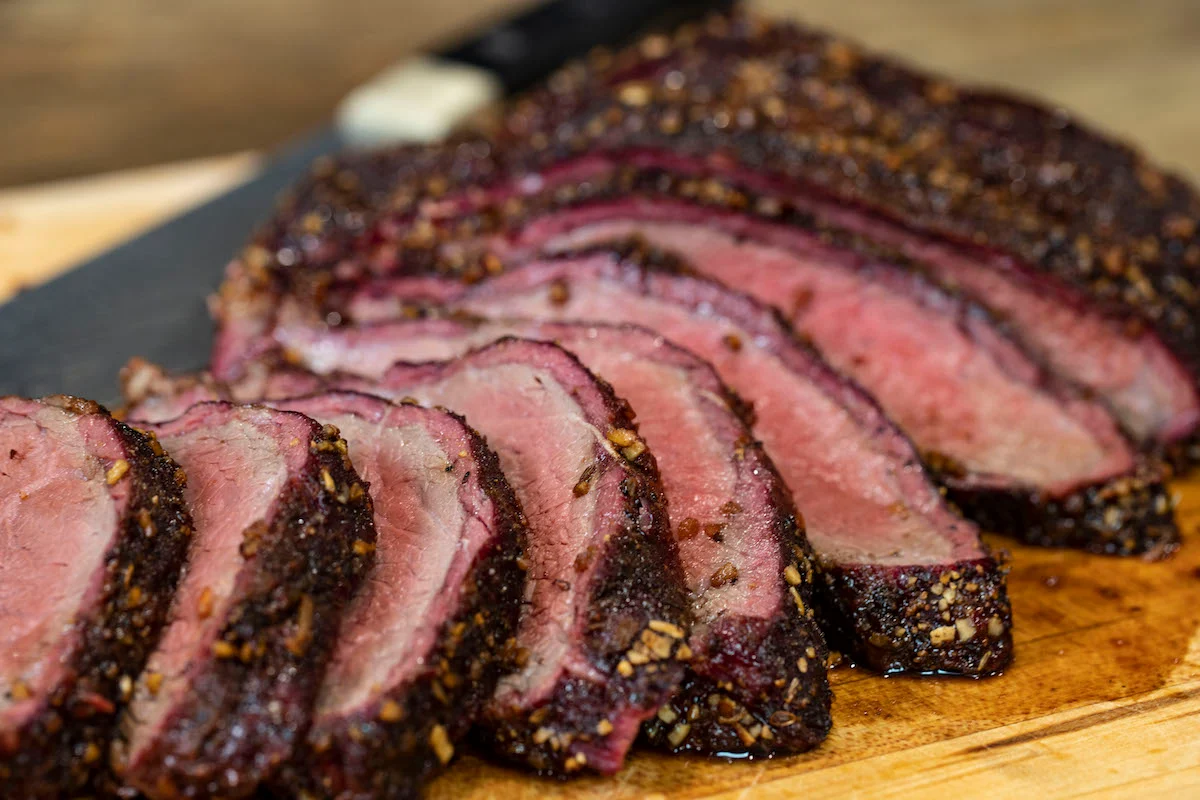
Santa Maria rub is one of those back-pocket seasonings I reach for when I want beef to taste like beef, only louder. Depending on the cook, the butcher, and the part of the Central Coast you are standing in, the “classic” version can vary, but it almost always comes back to the same three-player band: salt, black pepper, and garlic (usually powder or granulated, sometimes garlic salt).
That said, you will see plenty of versions out in the wild, and this is my house blend. I keep the core classic and then treat paprika and parsley as optional extras when I want a little color and that classic barbecue-rub look. If you skip them, you are still very much in Santa Maria territory.
I started mixing this blend when my weeknights got busy and I needed a no-fuss plan for tri-tip and steaks that did not require a marinade, a blender, or an hour of cleanup. I keep a jar in the pantry, and when the 5:00 PM dinner panic hits, all I have to do is pat the meat dry and season until the surface looks evenly coated.
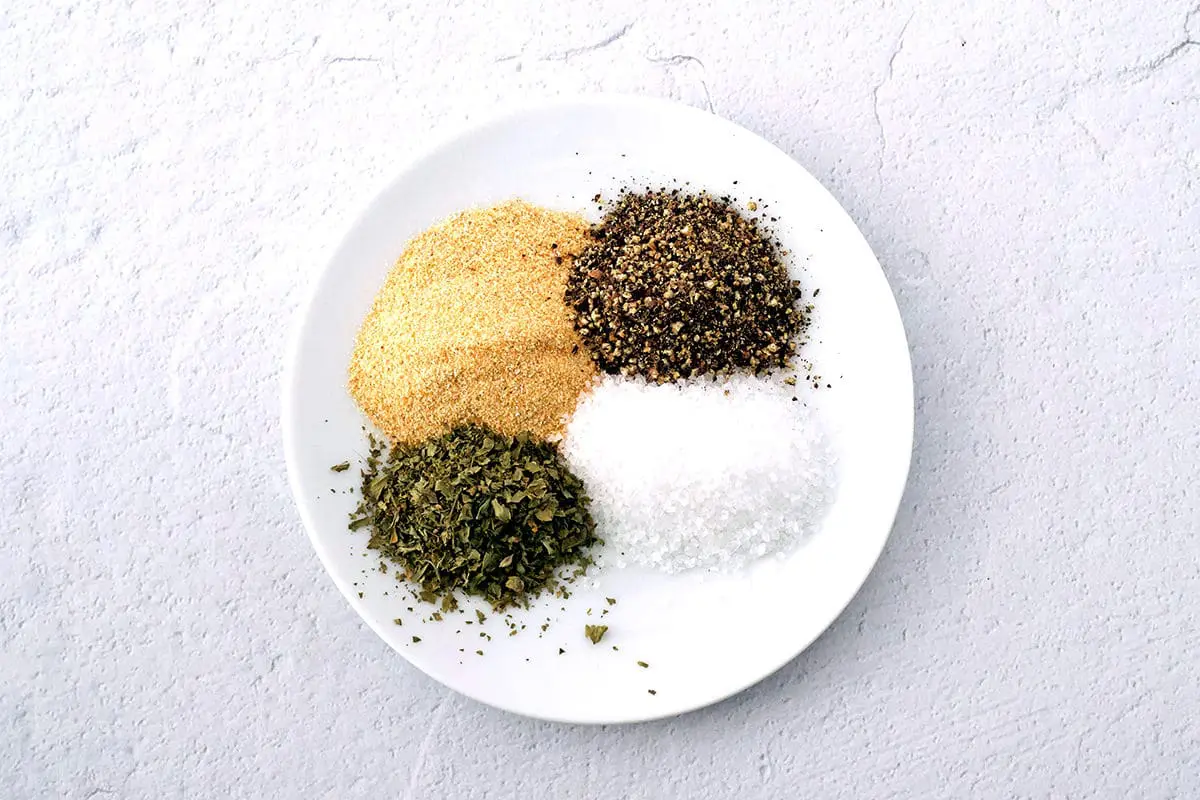
Below you will find a reliable ratio for one tri-tip roast and a smaller batch for steaks, plus timing tips (from right-before cooking to overnight) and a quick breakdown of how a dry blend plays differently than a wet marinade. No cooking method here, just the part that makes the meat taste right.
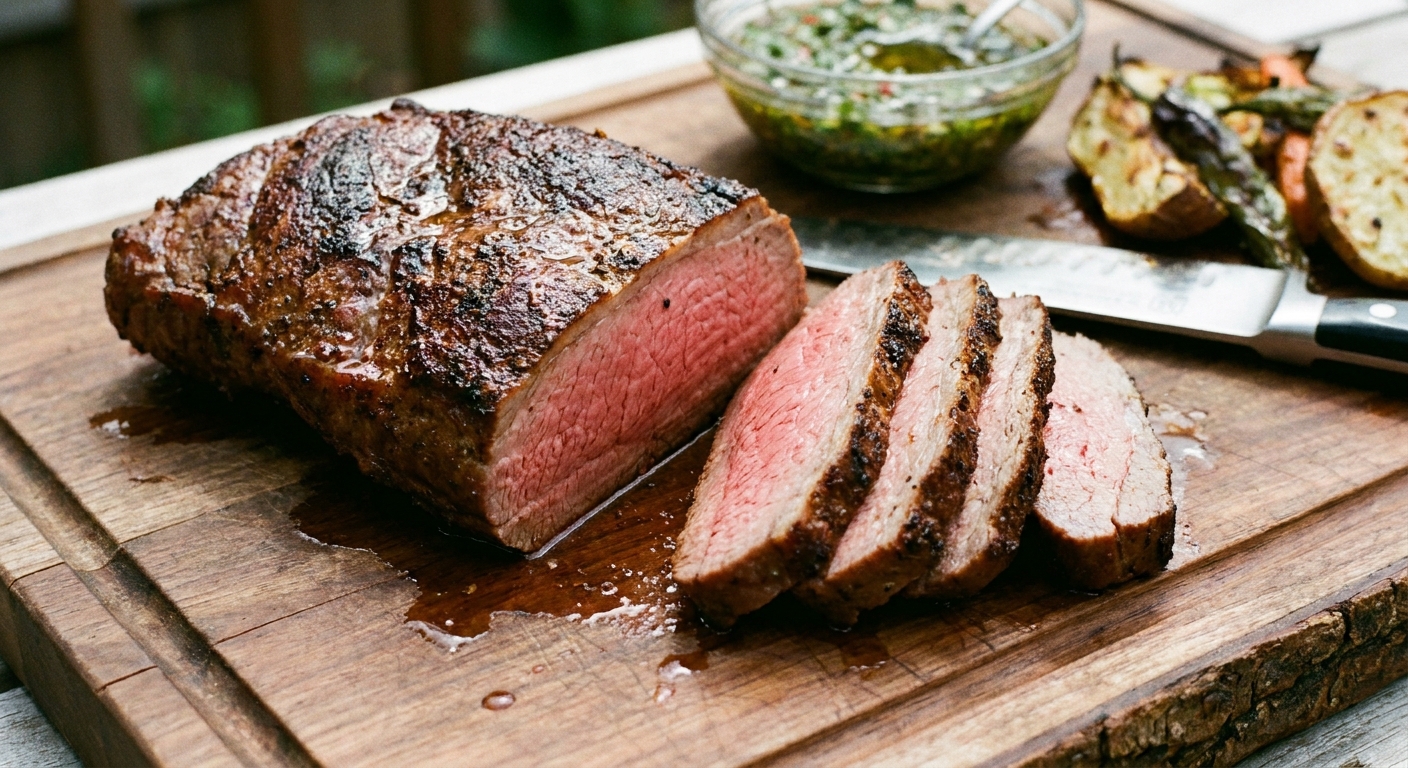
If you are planning a full tri-tip dinner, you might also like my guides on what to serve with tri-tip and tri-tip marinade for when you want a wet option instead.
Why this Santa Maria rub works
- It is built on a proven ratio. Salt delivers seasoning into the meat, pepper adds bite, and garlic powder gives that classic steakhouse savor without burning like fresh garlic can.
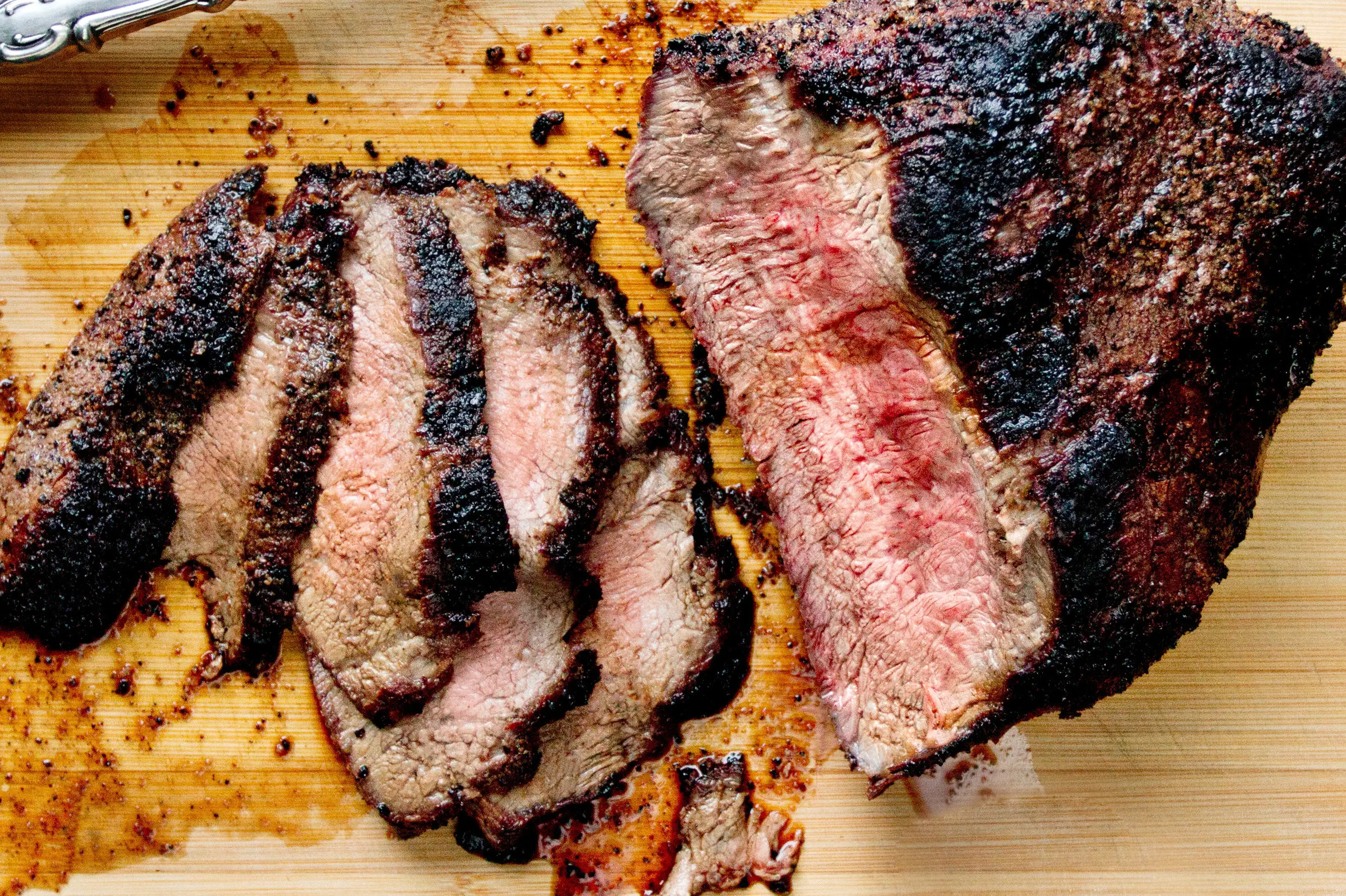
- It forms a better surface. A dry rub helps the exterior stay drier, which encourages deeper browning when you cook later.
- It is flexible. Use it on tri-tip, sirloin, ribeye, flank, burgers, or even roasted potatoes. The base is neutral enough to fit lots of sides and sauces.
- It is fast. You can season right before cooking, or salt ahead for even better flavor and texture.
Ingredient notes
Kosher salt
Use kosher salt for the rub ratio below. If you only have fine table salt, reduce the amount by about half so you do not over-salt.
Coarsely ground black pepper
Santa Maria seasoning is pepper-forward. Freshly cracked pepper tastes noticeably brighter, but pre-ground still works.
Garlic powder
Garlic powder gives a consistent flavor and spreads evenly. Avoid garlic salt here, since you already have salt in the blend.
Optional paprika
Paprika adds color and a gentle sweetness. It is not required, but I like it for visual payoff on roasts and steaks.
Optional dried parsley
Parsley is mostly for a classic “BBQ rub” look. Flavor-wise, it is subtle, so treat it as a bonus, not a must.
Equipment
- Small bowl
- Measuring spoons
- Fork or small whisk for mixing
- Airtight jar or spice container for storage
- Paper towels for patting meat dry
Pro tips
How far ahead to apply
- Best flavor and texture: Season with the rub (especially the salt) 12 to 24 hours ahead, place the meat on a plate or rack, and refrigerate uncovered. This acts like a dry brine.
- Solid weeknight option: Season 45 to 60 minutes ahead at room temperature, if food safety and timing allow. This gives the salt a head start.
- Fastest option: Season right before cooking. You will still get great surface flavor.
How much rub to use
For tri-tip, I use the full recipe below for one roast and apply it generously on all sides. For steaks, I aim for an even coat that looks like a light sandy layer, not a thick paste.
Pat the meat dry first
Moisture is the enemy of browning. A quick pat with paper towels helps the rub cling and sets you up for a better crust later.
Press, do not just sprinkle
After seasoning, use your palms to press the rub in. This helps it adhere so it does not fall off on the cutting board.
Substitutes
- No kosher salt: Use fine salt, but cut the amount roughly in half.
- No garlic powder: Use granulated garlic. Avoid fresh minced garlic in a dry rub blend for storage because it can spoil.
- No paprika: Skip it, or use smoked paprika for a gentle smoky note if that fits your menu.
- No dried parsley: Skip it. If you want a little herbal lift later, add fresh chopped parsley after cooking instead.
Variations
- Spicy Santa Maria: Add 1/4 to 1/2 teaspoon cayenne to the tri-tip batch.
- Herby Santa Maria: Add 1 teaspoon dried oregano for a subtle California-style BBQ feel.
- Less salty: Keep the pepper and garlic the same, but reduce salt by 25 percent. This is helpful if you will finish with a salty sauce.
Serving ideas
- Use this rub on beef you plan to slice thin for sandwiches, like a Santa Maria tri-tip sandwich.
- Pair Santa Maria-seasoned beef with classic sides like Santa Maria pinquito beans.
- Season beef for tacos or bowls, then build around quick sides like homemade salsa and a simple salad.
Storage
For a mixed batch of rub
Store the blended rub in an airtight jar in a cool, dark pantry. For best flavor, use within 6 months. It will not suddenly “go bad” after that, but the pepper and garlic lose punch over time.
If you seasoned meat ahead
Once the rub is on the meat, keep it refrigerated. For the best results, use within 24 hours.
Common mistakes
- Over-salting by swapping salts. Fine salt packs more tightly than kosher salt. If you use table salt at the same volume, the rub can come out too salty.
- Not using enough seasoning. Big cuts like tri-tip need more than a light sprinkle. Coat all sides and press it in.
- Skipping rest time when you can spare it. Even 45 minutes helps the salt start working its way in. Overnight is even better.
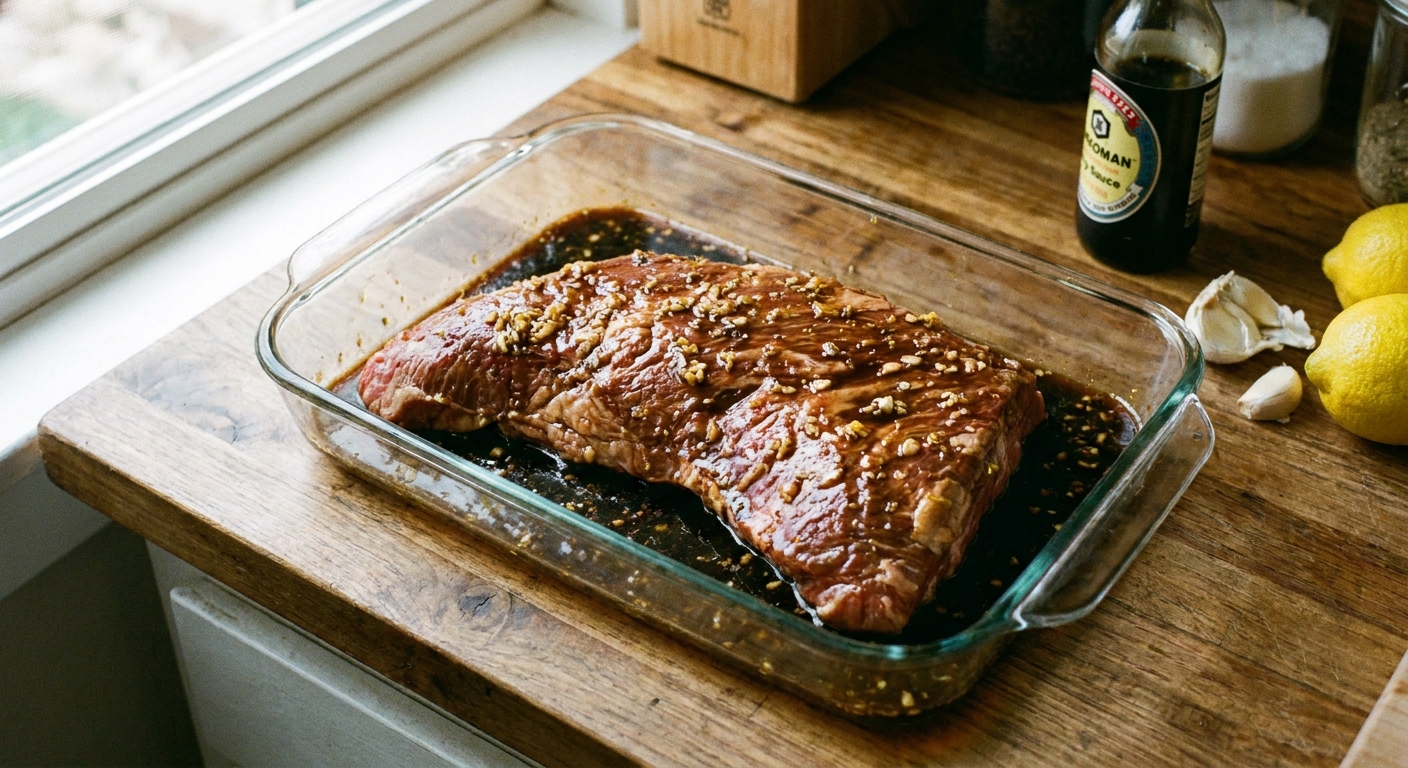
- Expecting a rub to act like a marinade. A dry rub seasons the surface and, with time, the salt penetrates. It does not tenderize the same way an acidic marinade can.
FAQ
What is in Santa Maria rub?
The classic core is salt, black pepper, and garlic (often garlic powder or granulated garlic, and sometimes garlic salt). Many home cooks also add paprika for color and parsley for a traditional look.
How is a dry rub different from a wet marinade?
A dry rub is a blend of dry seasonings that coats the outside of meat. It mainly builds surface flavor and helps create a tasty crust. If applied ahead of time, the salt can also penetrate and improve juiciness.
A wet marinade includes liquid, often oil plus an acid like vinegar or citrus, sometimes with soy sauce or Worcestershire. Marinades can add flavor, and depending on the ingredients and time, they can also change the meat’s texture. For a wet option, see my tri-tip marinade.
Can I apply Santa Maria rub the night before?
Yes, and it is my favorite way to do it for tri-tip. Season 12 to 24 hours ahead and refrigerate uncovered if possible. This helps the exterior dry slightly, which improves browning later.
Does Santa Maria rub have sugar?
Traditional versions are usually sugar-free. This recipe does not include sugar, which keeps it versatile and less likely to scorch at higher heat.
Can I use this on steaks?
Absolutely. For steaks, you can use the smaller batch below or make the tri-tip batch and keep extra in a jar.
Santa Maria Rub Recipe
A classic Santa Maria-style dry seasoning blend for tri-tip and steaks: salt, black pepper, garlic powder, plus optional paprika and parsley. Includes suggested make-ahead timing and pantry storage.
Ingredients
- For 1 tri-tip roast (about 2 to 3 pounds):
- 1 tablespoon kosher salt
- 1 tablespoon coarsely ground black pepper
- 1 tablespoon garlic powder
- 1 teaspoon paprika (optional)
- 1 teaspoon dried parsley (optional)
- For steaks (about 4 steaks total, depending on size):
- 2 teaspoons kosher salt
- 2 teaspoons coarsely ground black pepper
- 2 teaspoons garlic powder
- 1/2 teaspoon paprika (optional)
- 1/2 teaspoon dried parsley (optional)
Instructions
- In a small bowl, combine the salt, black pepper, garlic powder, and optional paprika and parsley. Mix well with a fork until evenly blended.
- Pat the beef dry with paper towels.
- Apply the rub evenly on all sides, then press it in with your hands so it adheres.
- If time allows, refrigerate the seasoned meat uncovered for 12 to 24 hours for the best flavor and texture. Otherwise, let it rest 45 to 60 minutes at room temperature, or cook soon after seasoning.
- Transfer any extra rub to an airtight jar and store in a cool, dark pantry for up to 6 months for best flavor.
Notes
- Salt swap: If using fine table salt instead of kosher salt, reduce the amount by about half.
- Make a larger batch: This rub scales up easily. Keep the ratio the same for consistent results.
- No cooking method included: This recipe covers only mixing and applying the rub.