Delishing
Japanese Chestnut Rice (Kuri Gohan)

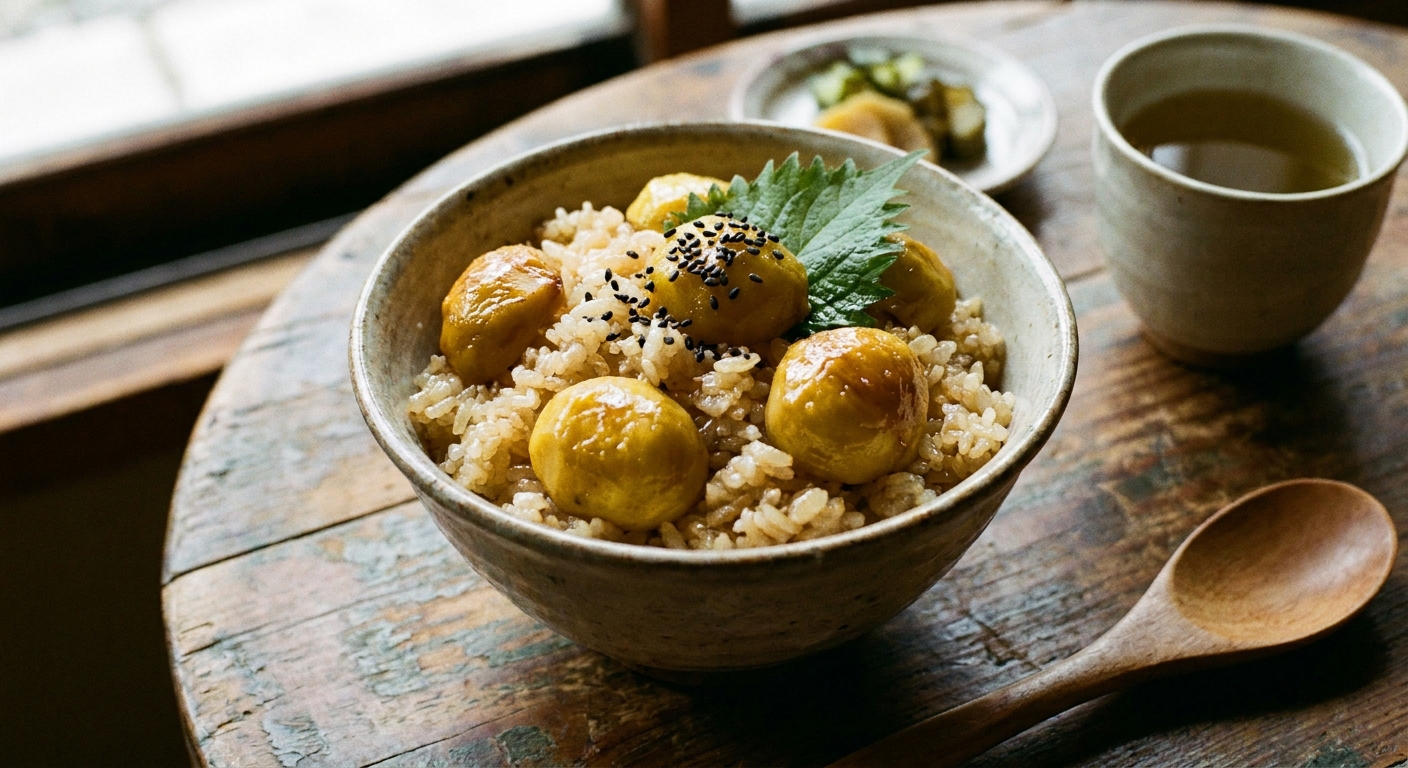
A calm, cozy pot of rice
Kuri gohan is traditional Japanese chestnut rice, an early fall kind of comfort food that feels like it should be complicated, but it is really just a smart, gentle way to cook short-grain rice with chestnuts and a light hand with seasoning. You get tender, glossy rice with a subtle sweetness and little pockets of creamy chestnut. The flavor leans lightly savory and aromatic, more salt and a whisper of soy and sake than anything bold.
I started making chestnut rice during a stretch of busy weeknights when I needed something that felt special without requiring a second pan. This is that kind of recipe: rinse rice, measure your liquid, add chestnuts, then let the pot do its thing. Whether you make it in a rice cooker or on the stovetop, the goal is the same: steady heat, no fuss, and a proper rest at the end.
What to expect when it is done
The rice should be tender and cohesive, with that classic short-grain stickiness, but not mushy or wet. The chestnuts should hold their shape and feel soft and creamy when you press one with a spoon. Color can vary a bit depending on the variety and whether the chestnuts were roasted or steamed, so I focus more on texture than shade.
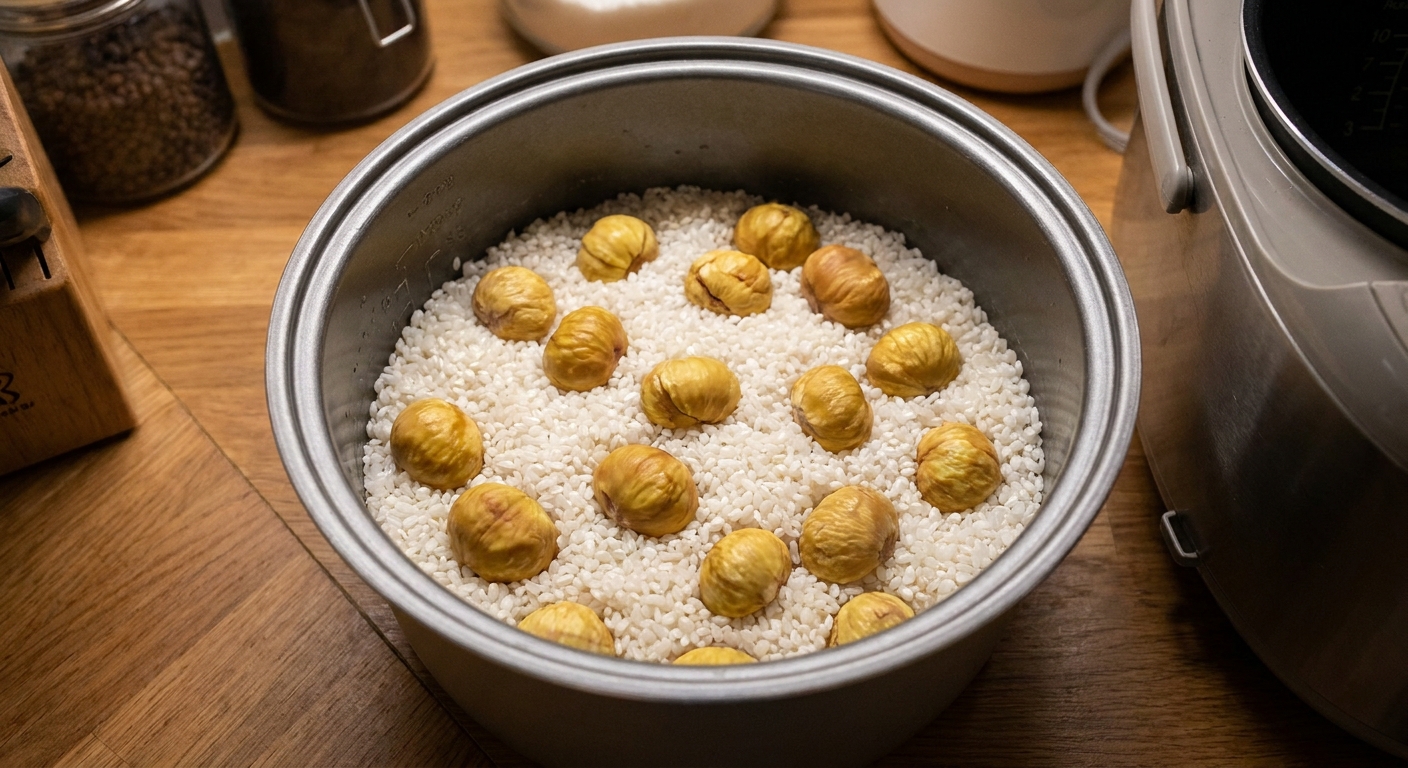
Choosing chestnuts
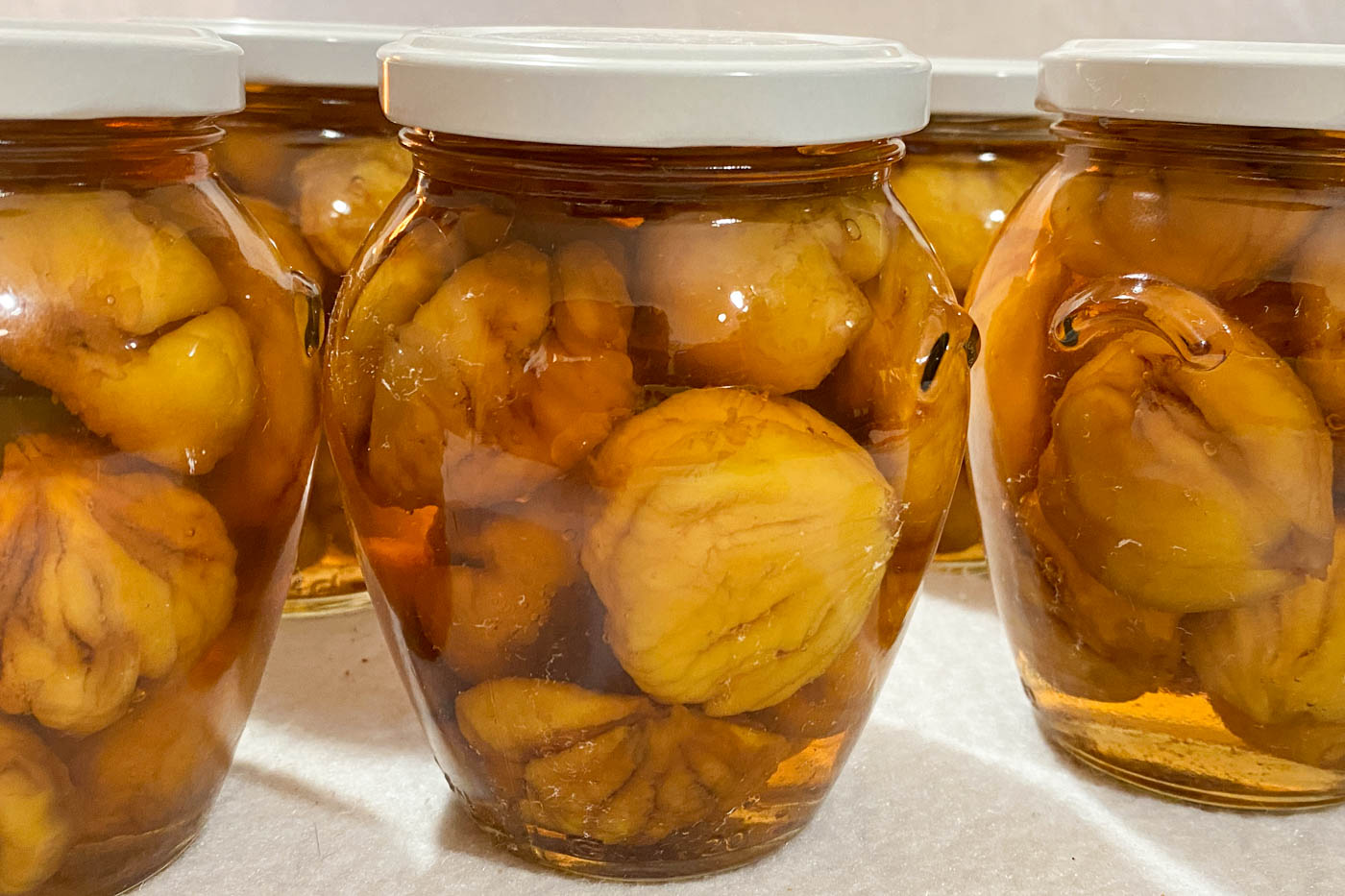
If you have freshly roasted and peeled sweet chestnuts, they are wonderful here. If you are short on time, vacuum-packed or jarred peeled chestnuts can work beautifully too. Many packaged chestnuts are already fully cooked, which means they can be more delicate. I keep them whole, avoid stirring before cooking, and fluff gently at the end so they stay in those nice little pockets instead of melting into the rice. If your packaged chestnuts seem especially soft or crumbly straight out of the package, you can still use them, just handle them gently and do not overmix.
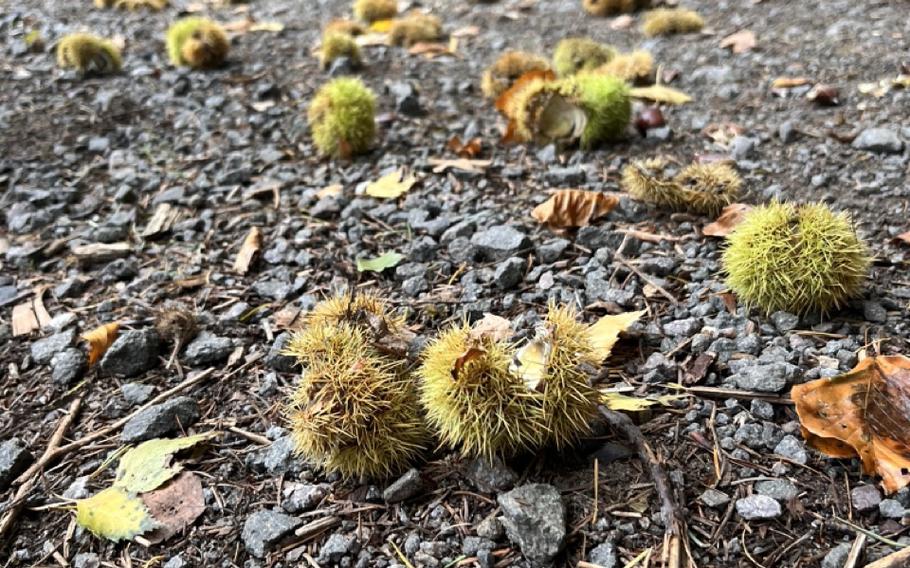
Skip anything candied or syrupy, since it throws off the savory, lightly seasoned balance. And just as a safety note, only use edible sweet chestnuts, not horse chestnuts. If you need help with prep, my How To Roast Chestnuts walkthrough is the route I use when I am starting from scratch, and How To Cook Jarred Chestnuts is handy if you are using store-bought.
Why this works
- Correct water ratio for short-grain rice: the rice cooks plush and sticky in the good way, not wet or soupy.
- Chestnuts steam gently with the rice: they turn tender and creamy without falling apart.
- A rest after cooking: this is the quiet step that fixes so many rice problems by letting moisture redistribute.
- Simple seasoning: salt is essential, and a splash of sake or soy gives depth without masking the chestnuts.
Ingredient notes
Short-grain Japanese rice
Use Japanese short-grain rice (sometimes labeled sushi rice). It is what gives kuri gohan its signature texture. Medium-grain can work in a pinch, but the result is a little less cohesive.
Peeled chestnuts
Use peeled chestnuts that are already cooked (roasted, boiled, or packaged cooked). If your chestnuts are very large, halve them so they distribute more evenly.
Salt
Do not skip it. Chestnuts are mild, and a little salt keeps the rice from tasting flat.
Sake (optional)
A small splash adds gentle sweetness and aroma. If you cook alcohol-free, just use water.
Soy sauce (optional)
Use a small amount for color and savoriness. Think lightly seasoned rice, not soy rice.
Equipment
- Rice cooker or a heavy-bottomed pot with a tight-fitting lid
- Fine-mesh strainer (for rinsing)
- Measuring cup
- Rice paddle or silicone spatula
Pro tips
- Rinse until the water is mostly clear: this helps the rice cook up clean and tender instead of gummy.
- Do not stir before cooking: nestle the chestnuts on top of the rice so they steam gently.
- Rest means lid stays on: keep the lid closed for the full rest so the rice finishes steaming.
- Go by texture, not color: chestnuts vary, but they should be easy to split with a spoon and creamy inside.
Substitutes
- No sake: replace with water.
- No soy sauce: leave it out, or use a small pinch more salt to taste after cooking.
- No Japanese short-grain rice: medium-grain rice is the closest substitute. Avoid long-grain, which changes the dish entirely.
Variations
- Sesame finish: sprinkle toasted sesame seeds on top after fluffing.
- Kelp infused: add a small piece of kombu on top of the rice while cooking, then remove before fluffing.
- Mushroom addition: add a small handful of sliced shiitake on top with the chestnuts for an earthier pot of rice.
Serving ideas
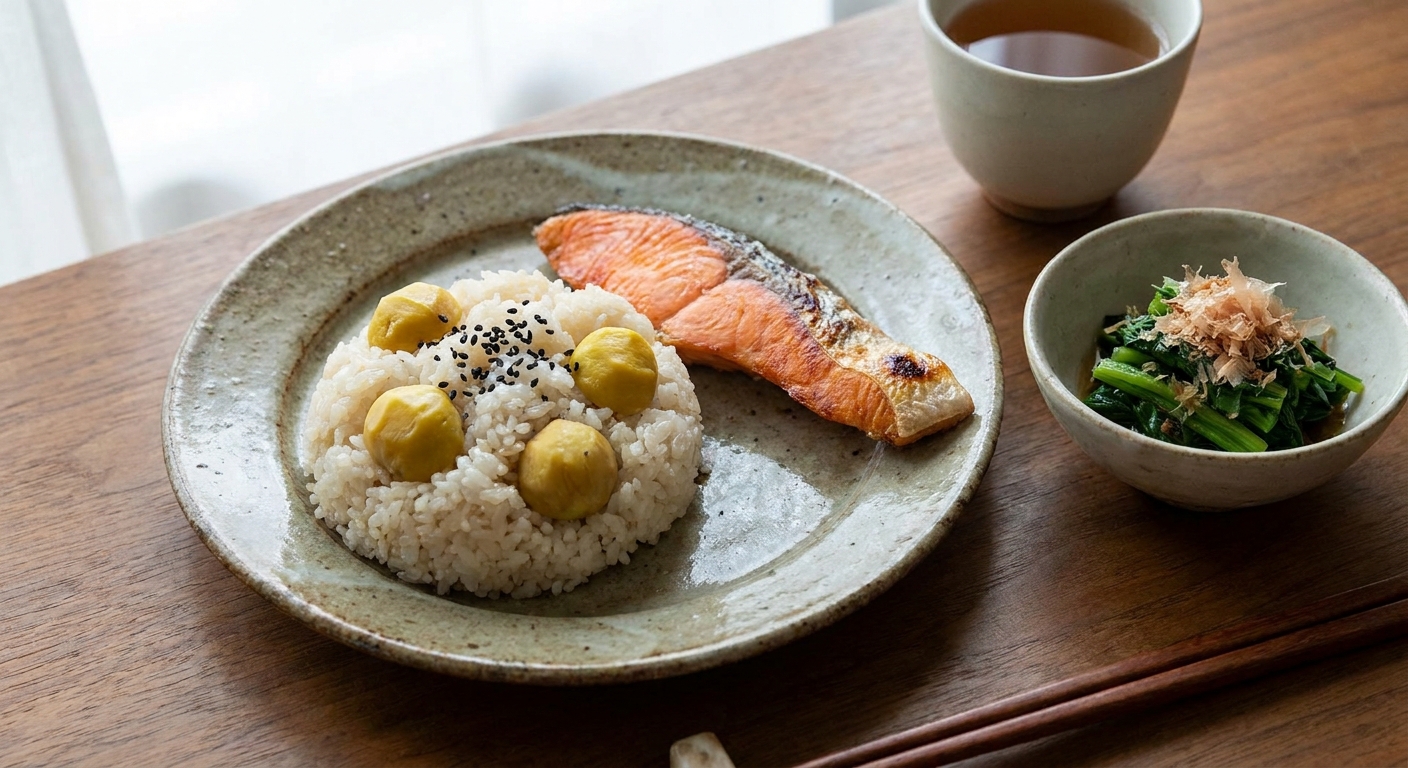
- Serve with a simple protein like salmon. If you need inspiration, see Air Fryer Salmon Mastery.
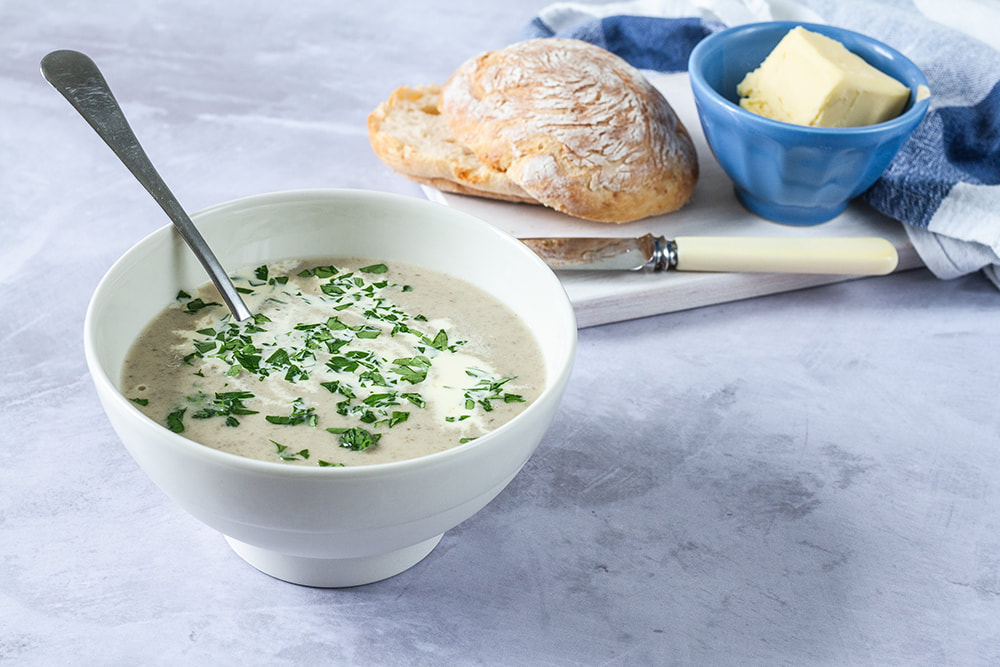
- Add a bowl of soup for a cozy meal. Chestnut Soup makes a fun seasonal pairing if you are all-in on chestnuts.
- Pack for lunch with quick pickles or a simple cucumber salad.
Storage
- Refrigerate: cool completely, then store in an airtight container for up to 4 days.
- Reheat: sprinkle a little water over the rice, cover, and microwave in short bursts until hot. This helps restore the soft texture.
- Freeze: portion into freezer-safe containers, press flat, and freeze for up to 2 months. Thaw overnight in the fridge before reheating, or reheat from frozen with a tablespoon or two of water.
Common mistakes
My rice is too wet
This usually means the water was measured too high, or the rice was not drained well after rinsing. Next time, drain for a full minute. If it is already cooked, let it sit uncovered for 5 to 10 minutes, then gently fluff to release steam.
My rice is hard or undercooked
Too little water or too short of a cook time. Add 2 to 3 tablespoons water, cover, and steam on very low heat for 5 to 8 minutes, then rest again.
The chestnuts are still firm in the middle
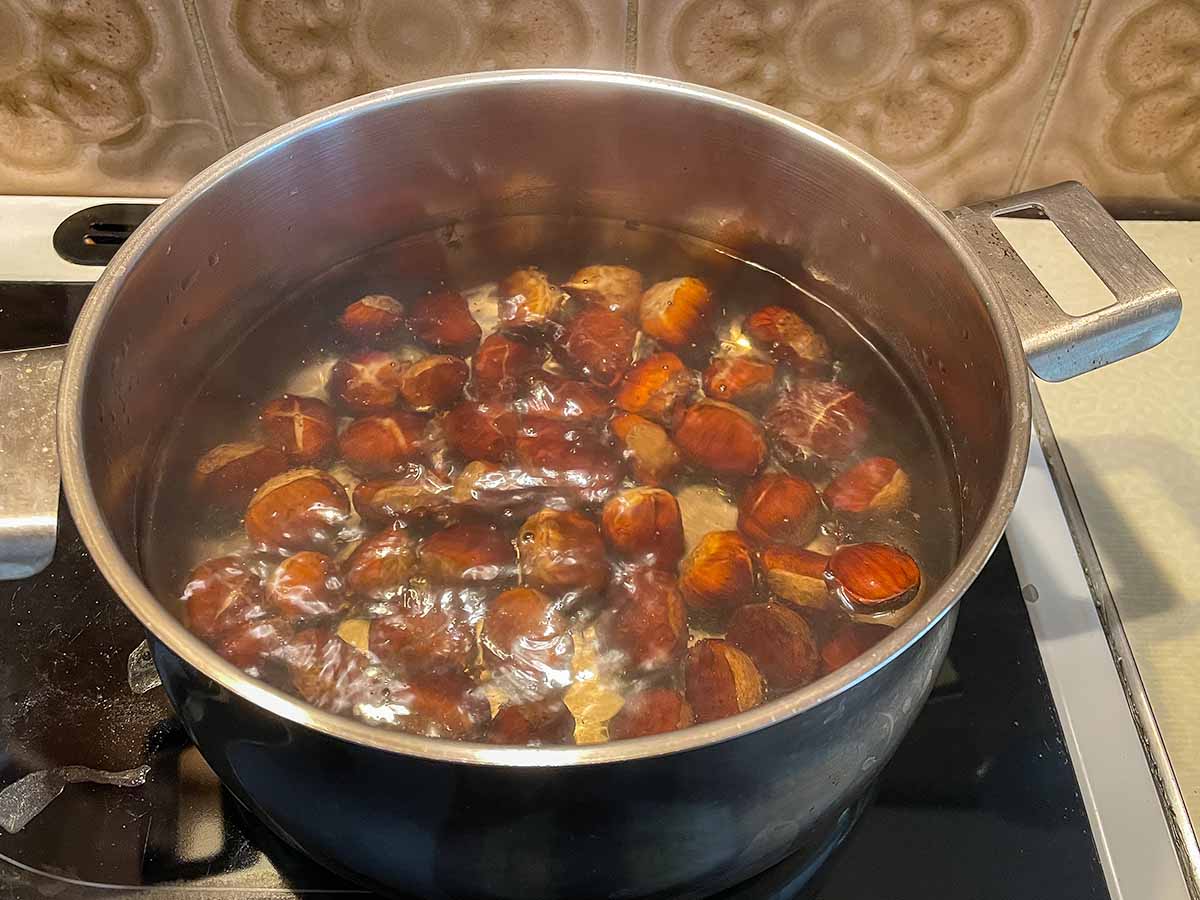
They likely started too dry or not fully cooked. Next time, use cooked chestnuts, or briefly simmer peeled chestnuts in water for 5 minutes before adding them.
The chestnuts fell apart
They were very soft to begin with, or got stirred too aggressively. Nestle them on top before cooking and fluff gently afterward.
FAQ
What is the water ratio for kuri gohan?
For this recipe, use 1 1/2 cups water for 1 cup short-grain rice, plus small optional amounts of sake or soy sauce that count toward the total liquid.
Do I need a rice cooker?
No. A small heavy pot with a tight lid works great. The biggest rule is: once it starts simmering, keep the heat low and do not peek.
Should I soak the rice?
It helps, especially if you are cooking on the stovetop. A short soak (about 20 minutes) lets the grains hydrate evenly.
How should the chestnuts look when the rice is done?
They should be intact and distributed throughout the rice. When pressed with a spoon, they should split easily and look creamy inside.
Recipe
Japanese chestnut rice (kuri gohan) made with short-grain rice, tender peeled chestnuts, and simple seasoning. Includes a proper rest for fluffy, evenly cooked rice.
- 1 cup Japanese short-grain rice
- 1 1/2 cups water, plus more for rinsing
- 1/2 teaspoon fine sea salt
- 1 cup peeled cooked chestnuts (whole or halved if large)
- 1 tablespoon sake (optional)
- 1 teaspoon soy sauce (optional)
- Rinse the rice. Place the rice in a bowl, cover with cool water, swish with your hand, then drain. Repeat until the water is mostly clear, 4 to 6 rinses. Drain well in a fine-mesh strainer for 1 minute.
- Add rice and liquid. Add the drained rice to a rice cooker bowl or a heavy pot. Add the water and salt. If using sake and or soy sauce, add them now and keep the total liquid the same. In other words, subtract the sake and soy from the 1 1/2 cups water so the combined liquid stays at 1 1/2 cups.
- Soak (recommended). Let the rice soak in the liquid for 20 minutes at room temperature for more even cooking.
- Add chestnuts. Scatter the peeled chestnuts over the top of the rice. Do not stir.
- Cook.
- Rice cooker: Cook on the regular white rice setting.
- Stovetop: Cover with a tight lid. Bring to a gentle simmer over medium heat. Once you hear steady simmering, reduce heat to low and cook for 15 minutes. Turn off the heat and keep the lid on.
- Rest. Let the rice rest, covered, for 10 minutes (rice cooker: keep it on warm). This step finishes steaming the center of the pot.
- Fluff and serve. Gently fluff with a rice paddle, lifting from the bottom and folding the chestnuts through without crushing them. Serve warm.
Notes
- Chestnut doneness cue: when the rice is done, chestnuts should stay mostly whole. They should split easily and be creamy inside when pressed with a spoon.
- Flavor balance: this dish should taste lightly seasoned. If you want it saltier, adjust after cooking rather than adding much more soy up front.