Delishing
Tilapia Fillet Recipe (Baked or Pan-Seared)

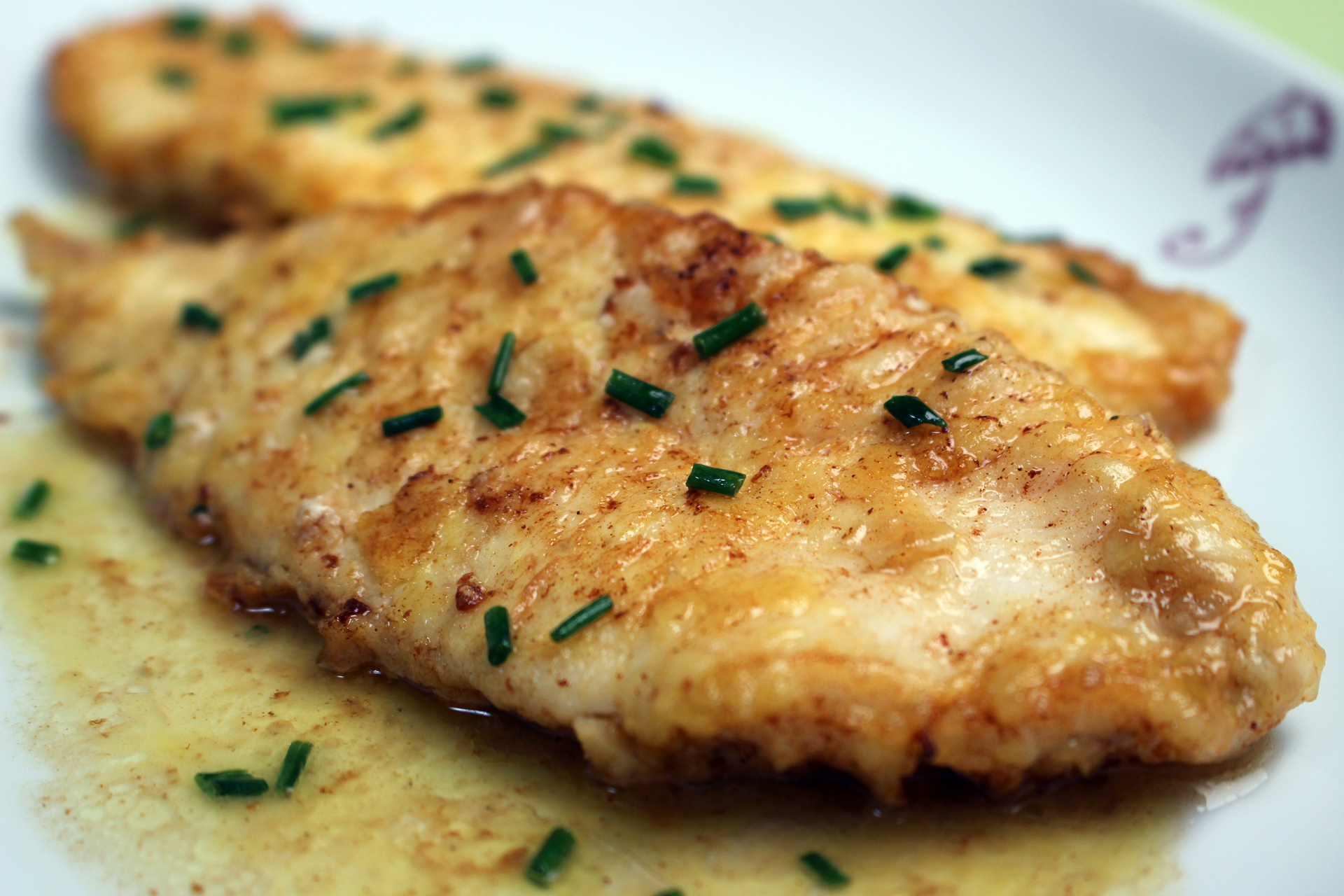
Tilapia is my weeknight reset button. It is mild, cooks quickly, and takes on whatever flavors you’re craving, which is exactly what I need when the 5:00 PM dinner panic hits. I have also learned the hard way that tilapia can go from tender to dry in what feels like one distracted text message. The fix is simple: pat it dry, season boldly, then cook based on thickness and pull it right at doneness.
In this recipe, you get two reliable options in the recipe card below:
- Oven-bake when you want hands-off cooking and easy cleanup
- Quick pan-sear when you want crisp edges and dinner even faster
Either way, the goal is the same: a simple seasoning (think salt, pepper, garlic powder, and paprika) and a clean finish like lemon-butter or a garlic-herb drizzle.
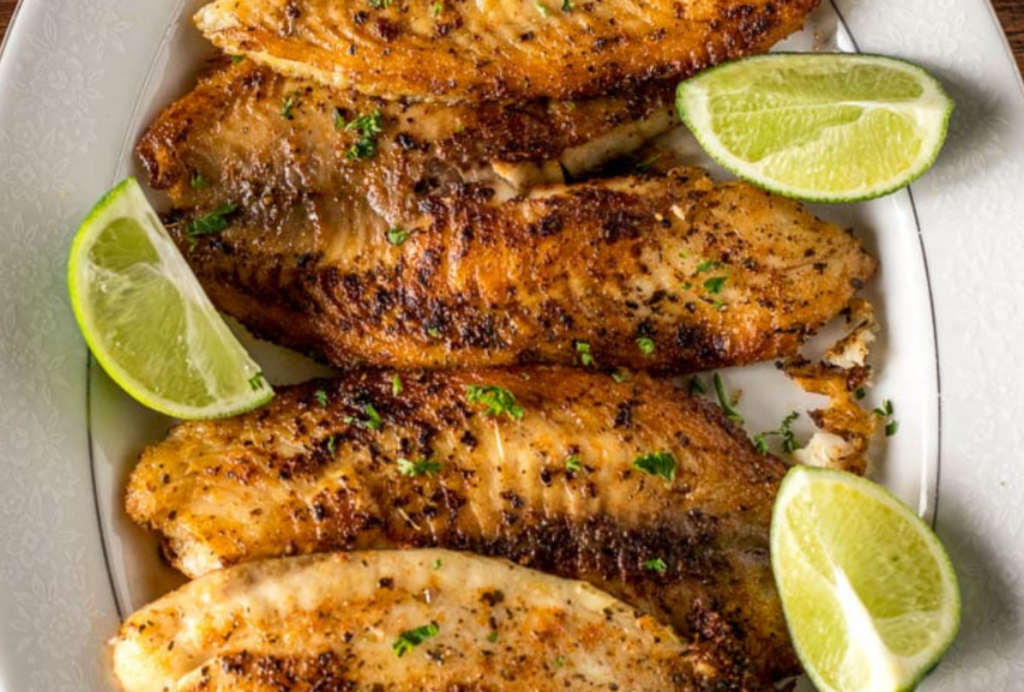
How to tell when it is done
I use two checks, and you can use either or both:
- Temperature: 145°F at the thickest part.
- Flake test: Insert a fork into the thickest area and twist gently. If it flakes into moist chunks, looks opaque, and the center is no longer translucent, it is ready.
If your fillets are uneven, use the thickest section to guide cook time. Thin edges will always cook first, which is another reason I love a quick butter finish at the end.
Thickness matters
Tilapia fillets vary widely. Some are thin and delicate, others are thick and meaty. Instead of chasing an exact minute count, aim for a range and watch the fish:
- Thin fillets (about 1/2 inch at thickest): cook fast and can overdo in minutes
- Medium (about 3/4 inch): the most forgiving
- Thick (1 inch or more): needs a little more time, especially in the oven
If a fillet is very thin, I usually prefer the oven method because it is gentle and less likely to over-brown before the center cooks through. That said, pan-searing works too if you keep the heat at medium to medium-high and let the fish cook without fussing with it.
What to serve with tilapia
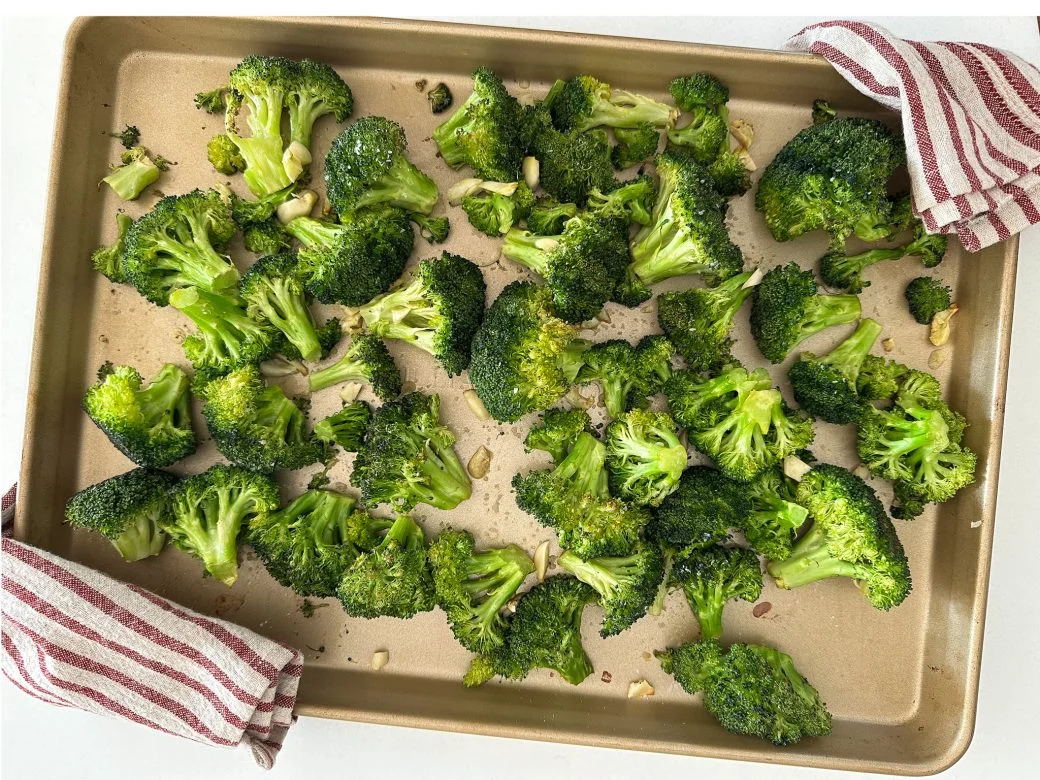
Tilapia is a blank canvas, so I lean into sides with texture and color. For a cozy meal, I love it next to roasted broccoli or garlic roasted vegetables. If you want something lighter, pair it with a simple salad like couscous salad with feta and olives.
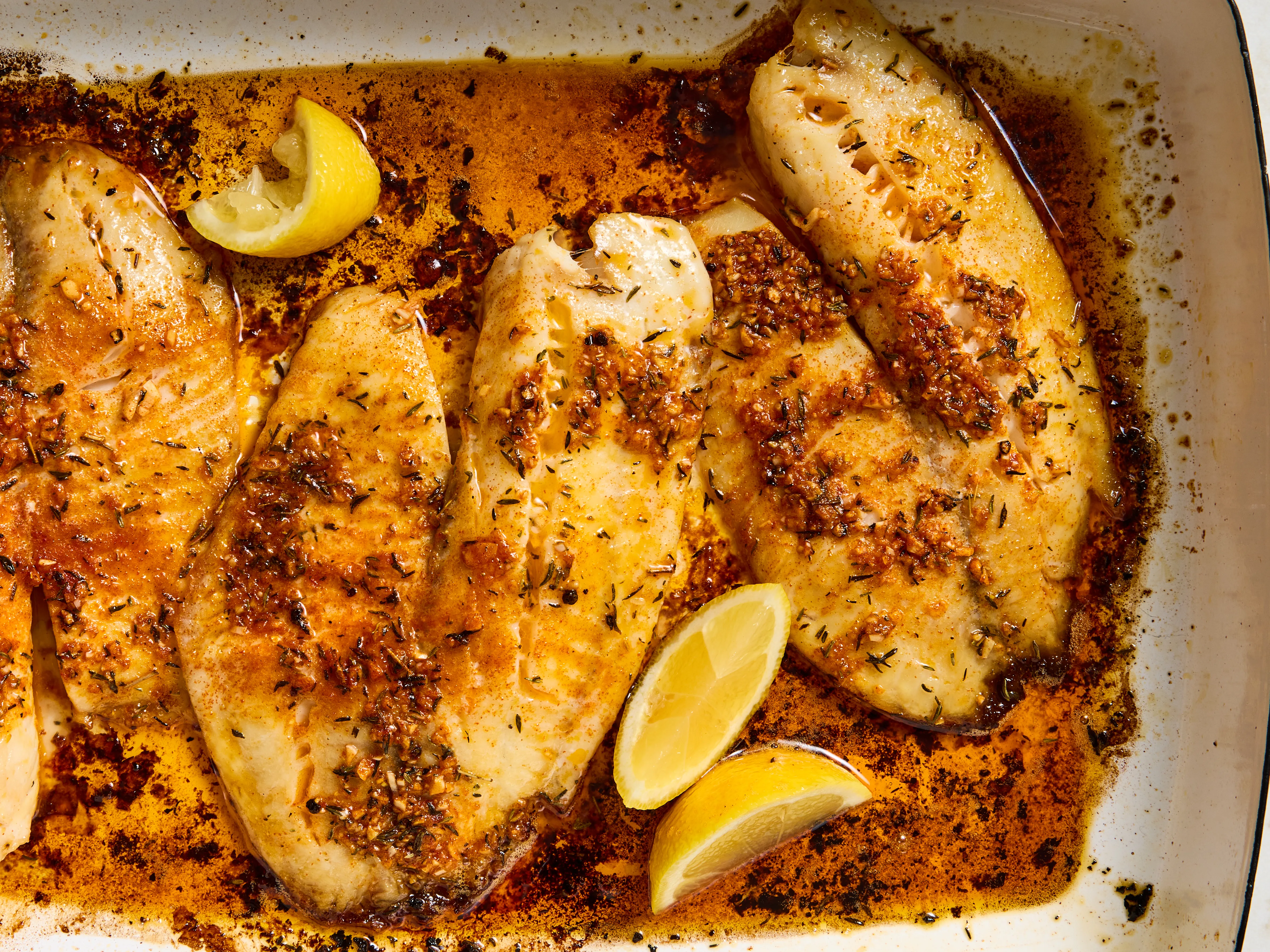
Why it works
- Patting the fish dry helps seasoning stick and improves browning so the surface does not steam.
- Cooking by thickness prevents the most common tilapia problem: overcooking.
- Simple seasoning complements mild fish without overpowering it.
- Finishing with butter, lemon, and herbs adds richness and moisture at the exact moment tilapia needs it most.
Ingredient notes
Tilapia fillets
Fresh or frozen both work. If using frozen, thaw in the refrigerator overnight, then pat very dry before seasoning. Thin fillets cook extremely fast, so keep an eye on them.
Butter
Butter is the fastest way to make tilapia taste restaurant-level. Use unsalted if you have it so you control the salt, but salted is fine. Just go lighter with added salt.
Lemon
Lemon brightens mild fish and balances butter. If you only have bottled lemon juice, use it in a pinch, but fresh tastes cleaner.
Garlic and herbs
Fresh garlic plus parsley or dill gives you that classic fish-house flavor. Dried herbs work too, but use a lighter hand since they are more concentrated.
Equipment
- Instant-read thermometer: the easiest way to hit 145°F without overcooking
- Rimmed sheet pan (for baking) and parchment or foil for easy cleanup
- Large skillet (nonstick or well-seasoned cast iron works great)
- Fish spatula (optional but very helpful for flipping delicate fillets)
- Paper towels for drying the fish
Pro tips
- Dry first, season second: I pat both sides dry, then season right away so salt does not pull moisture out while it sits.
- Do not crowd the pan: If pan-searing, cook in batches so the fish sears instead of steaming.
- Let the fish release: If it sticks when you try to flip, give it 30 to 60 more seconds. It usually releases once a crust forms.
- Pull at 140 to 145°F: Carryover heat is small with thin fillets, but it is still real. If you wait until the fish looks dry, it is already past perfect.
- Finish off heat: Add lemon-butter or garlic-herb sauce after cooking so it stays fresh and does not burn.
Substitutes
- Fish: Swap tilapia for flounder or cod, adjusting cook time for thickness. If you like a similar skillet method, you might also enjoy my pan-seared flounder with lemon butter.
- Butter: Use olive oil for a dairy-free option. Add extra lemon and herbs to keep the flavor lively.
- Lemon: Lime works nicely, especially if you are going for taco flavors.
- Herbs: Parsley, dill, chives, and basil all work. Use what you will actually finish.
Variations
Smoky paprika
Add smoked paprika to the seasoning for a deeper, slightly smoky flavor. Great with roasted veggies.
Cajun-style
Use a Cajun seasoning blend in place of paprika and Italian seasoning. Finish with lemon for balance.
Garlic-parmesan baked
After baking, sprinkle with a little finely grated Parmesan and broil briefly just until melted. Watch closely to avoid overcooking.
Taco-ready
Season with cumin and chili powder, then flake into tortillas. For a full taco night, check out my gluten-free fish tacos for topping ideas and a simple slaw.
Serving ideas
- Simple plate: tilapia + rosemary roasted sweet potatoes + a green veggie
- Rice bowl: serve over rice with cucumbers, tomatoes, and a spoon of classic hummus on the side
- Pasta night: pair with tomato basil pasta and extra lemon
- Soup and fish: make a lighter dinner with classic vegetable soup and a small piece of fish
Storage
Refrigerate
Store leftover tilapia in an airtight container for up to 3 days. Keep any sauce separate if possible so the fish does not get too soft.
Reheat
My favorite way is gently in a skillet over low heat with a splash of water and a lid just until warmed through. You can also reheat in a 300°F oven for a few minutes. Microwave works, but use short bursts to avoid turning it rubbery.
Freeze
Cooked tilapia can be frozen, but the texture is best fresh. If freezing, cool completely, wrap well, and freeze up to 2 months. Thaw overnight in the fridge.
Common mistakes
- Skipping the paper towels: Wet fish steams and tastes bland. Pat dry thoroughly before seasoning.
- Overcooking just to be safe: Tilapia dries out fast. Use the 145°F target and pull it as soon as it flakes easily.
- Cooking on heat that is too high: High heat can burn the outside before the inside is done. Medium to medium-high is your friend for pan-searing.
- Moving it too much: Leave it alone long enough to build a crust, then flip once.
- Under-seasoning: Tilapia is mild. Salt plus a little paprika and garlic powder makes a huge difference.
FAQ
Do I need to rinse tilapia before cooking?
No. Rinsing can spread bacteria around your sink and it does not improve texture. Just pat the fillets dry with paper towels.
What temperature should tilapia be cooked to?
145°F at the thickest part. It should look opaque, the center should no longer be translucent, and it should flake easily with a fork.
Can I bake tilapia from frozen?
You can, but results vary. For the most reliable texture, thaw first, then pat dry. If you must cook from frozen, expect a longer bake and more moisture in the pan.
Why did my tilapia fall apart when I flipped it?
Usually it either stuck (needed more time) or it was very thin. Use a thin spatula, flip gently, and consider the oven method for ultra-thin fillets.
Is tilapia gluten-free?
Plain tilapia is naturally gluten-free. Seasonings and sauces can add gluten, so check labels if you are sensitive or cooking for someone who is.
Recipe
Seasoned Tilapia Fillets (Baked or Pan-Seared)
Two quick, foolproof ways to cook tilapia: hands-off oven-baked or fast pan-seared, finished with lemon-butter or garlic-herb sauce. Cook by thickness and pull at 145°F for tender, flaky fish.
Prep Time: 10 minutes
Cook Time: 8 to 14 minutes
Total Time: 18 to 24 minutes
Servings: 4
- 4 tilapia fillets (about 4 to 6 ounces each), thawed if frozen
- 1 1/4 teaspoons kosher salt, plus more to taste
- 1/2 teaspoon black pepper
- 1 teaspoon garlic powder
- 1 teaspoon paprika (sweet or smoked)
- 1 tablespoon olive oil (for baking) or 2 tablespoons olive oil (for pan-searing)
- 3 tablespoons unsalted butter
- 2 teaspoons lemon zest (from 1 lemon)
- 2 tablespoons fresh lemon juice (from 1 lemon), plus lemon wedges for serving
- 2 cloves garlic, finely minced (optional for garlic-herb finish)
- 2 tablespoons chopped fresh parsley or dill
- Pinch of red pepper flakes (optional)
- Prep: Heat oven to 400°F for the baked method, or set a large skillet over medium-high heat for the pan-seared method. Pat tilapia fillets very dry on both sides with paper towels.
- Season: In a small bowl, mix salt, pepper, garlic powder, and paprika. Season both sides of the fillets evenly.
- Choose your cooking method:
- Oven-bake: Line a rimmed sheet pan with parchment or foil. Brush or drizzle 1 tablespoon olive oil over the pan, then arrange fillets in a single layer. Bake until the thickest part reaches 145°F and the fish is opaque and flakes easily, about 8 to 12 minutes depending on thickness.
- Quick pan-sear: Add 2 tablespoons olive oil to the hot skillet. Place fillets in a single layer and cook until golden and the fish releases easily, about 2 to 4 minutes per side depending on thickness. Cook until the thickest part reaches 145°F and the fish is opaque and flakes easily.
- Make the finish: While the fish cooks or right after, melt butter in a small saucepan or in the empty skillet over low heat. Stir in lemon zest and lemon juice. For a garlic-herb finish, add minced garlic and cook 30 seconds just until fragrant, then remove from heat. Stir in herbs and a pinch of red pepper flakes if using.
- Finish and serve: Spoon the lemon-butter or garlic-herb butter over the hot tilapia. Rest 2 minutes, then serve with lemon wedges. If you like, taste and add a final pinch of salt.
Notes: Cook time depends on thickness. If your fillets are uneven, use the thickest section for your thermometer check. For the juiciest tilapia, pull it as soon as it reaches 145°F and flakes easily, then finish with the butter sauce off heat.