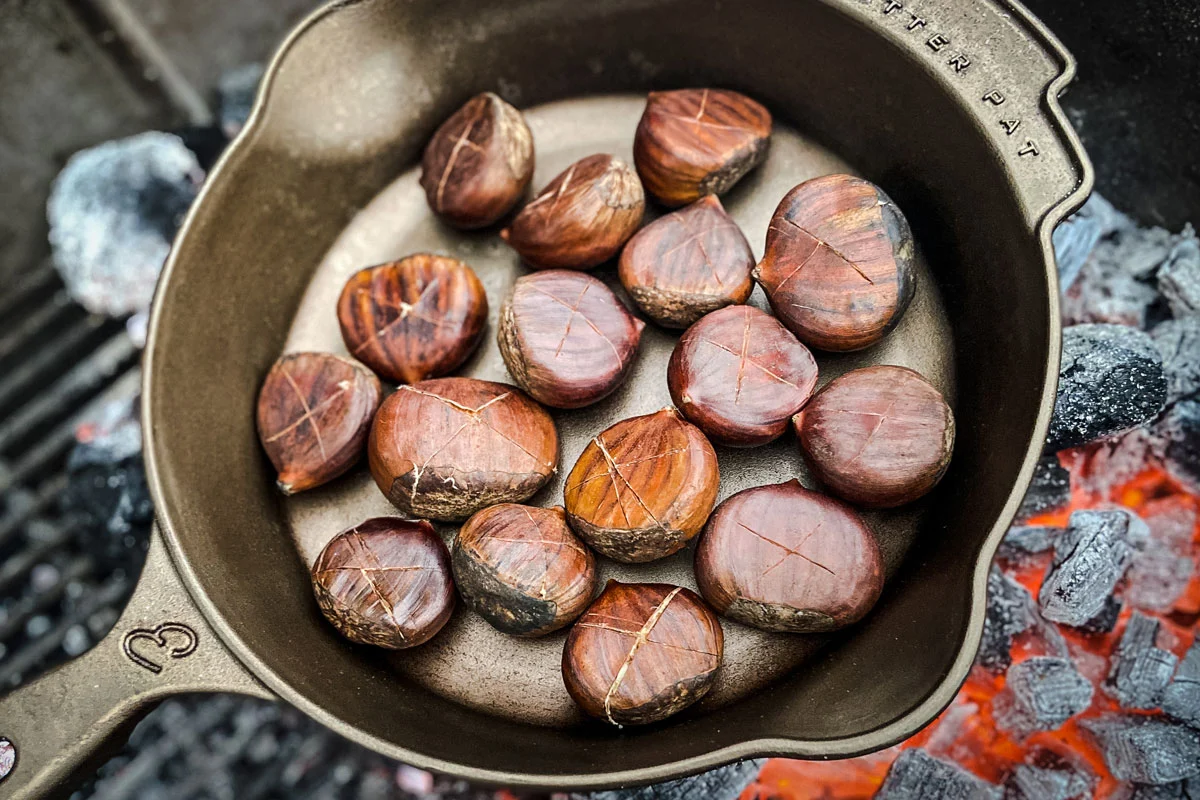
Roast chestnuts the easy way with oven or skillet directions, safe scoring tips, and the steam-and-peel trick for shells that actually come off. Includes sto...
Delishing
Roasted Chestnut Nutrition

Maya Brooks
Maya Brooks is a dedicated home cook and the lead recipe developer at Delishing, where she shares practical, foolproof meals for everyday life. With over a decade of hands-on kitchen experience, she specializes in creating approachable dishes that fit a variety of dietary needs and modern cooking methods. Maya is passionate about helping busy people get delicious, stress-free food on the table without needing formal culinary training.
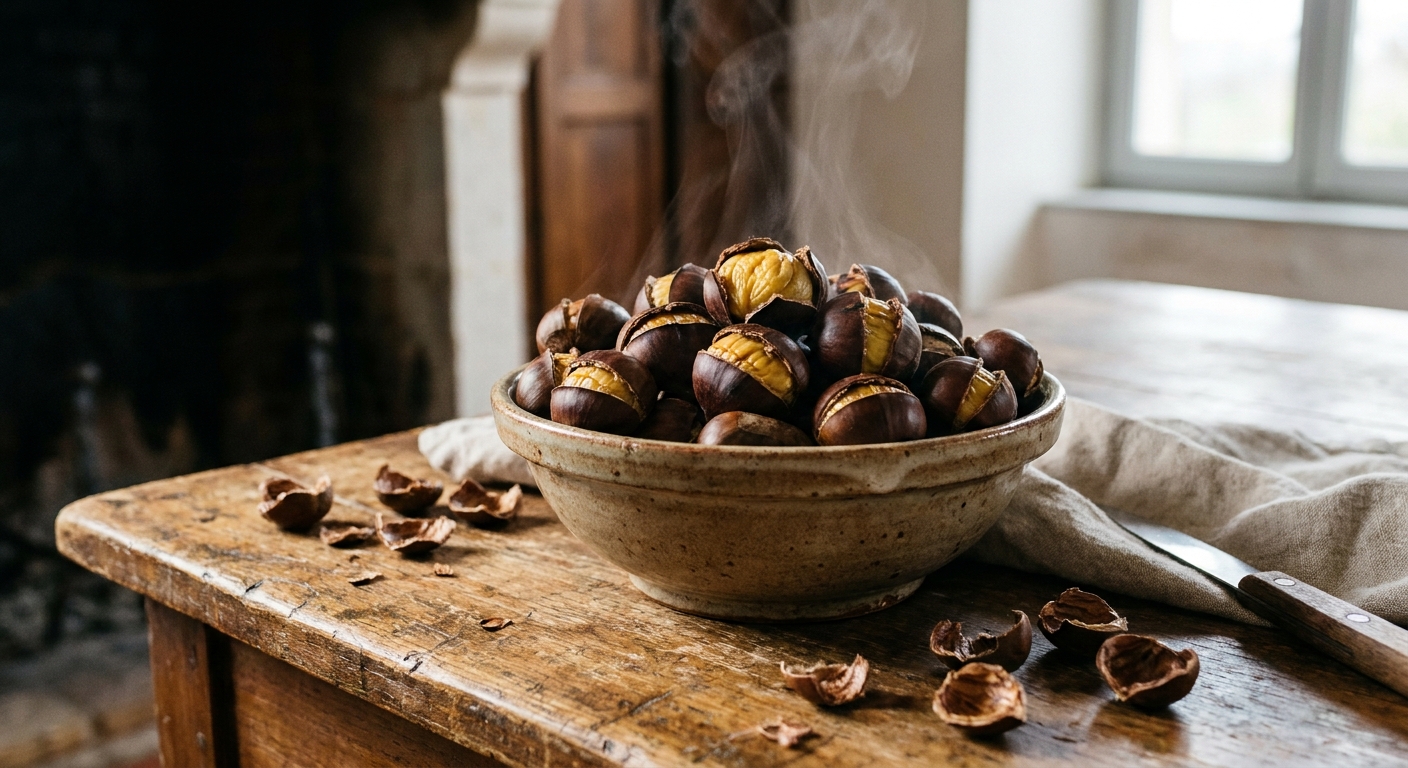
When I keep roasted chestnuts around, I treat them like a cozy snack that still feels like real food. They are naturally sweet, starchy, and surprisingly filling. If you have ever wondered what a handful actually adds up to nutritionally, here is a clear, label-style snapshot.
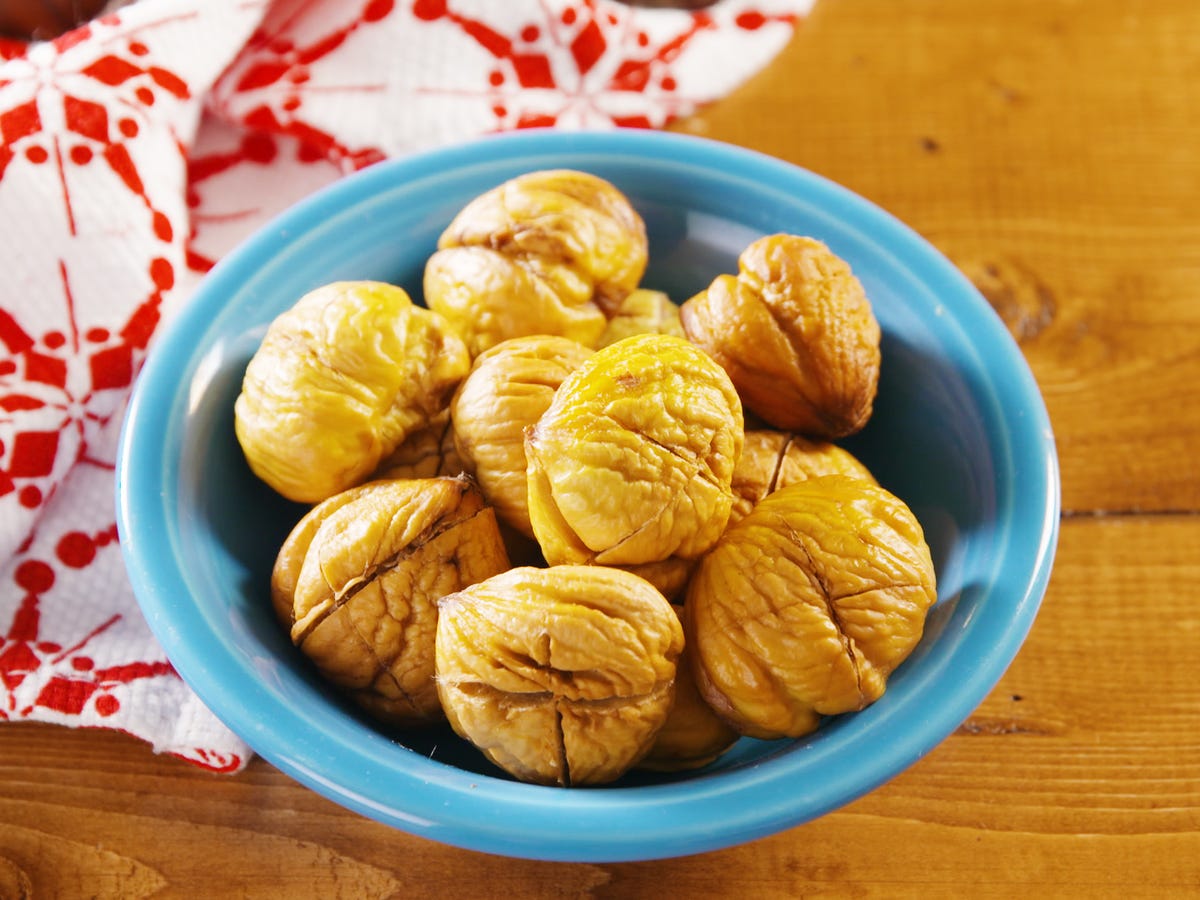
Food-label snapshot
Typical snack portion: about 50 g roasted, peeled sweet chestnuts. Depending on chestnut size and how whole they are, that is often around 1/2 cup (roughly 45 to 60 g).
About what you get in that portion (plain roasted chestnuts):
- Calories: ~110 to 125 kcal
- Carbohydrate: ~22 to 26 g
- Fiber: ~4 to 5 g
- Protein: ~1 to 2 g
- Fat: ~1 g
Chestnuts read more like a starchy vegetable than most nuts on a nutrition label. They are much higher in carbs and much lower in fat than almonds, walnuts, or cashews. That is why they feel “bready” and satisfying, even without butter or sugar.
Important note: Nutrition varies by variety (European vs Chinese chestnuts), exact roast method, and how thoroughly they are peeled and trimmed. Packaged roasted chestnuts can also differ from homemade, and sodium can vary if they are salted. Think of the numbers above as a dependable estimate for plain roasted chestnuts.
Roasted vs boiled vs puree
To keep this apples-to-apples, the comparisons below use the same 50 g portion of plain sweet chestnuts in three forms. The biggest swing is usually water content, which changes how concentrated the macros look per bite.
- Roasted, peeled (50 g): Roasting cooks off moisture, so the chestnuts you weigh out tend to be more “dense” in solids. In practice, roasted portions often land a little higher in calories and carbs than boiled for the same weight, but it can vary.
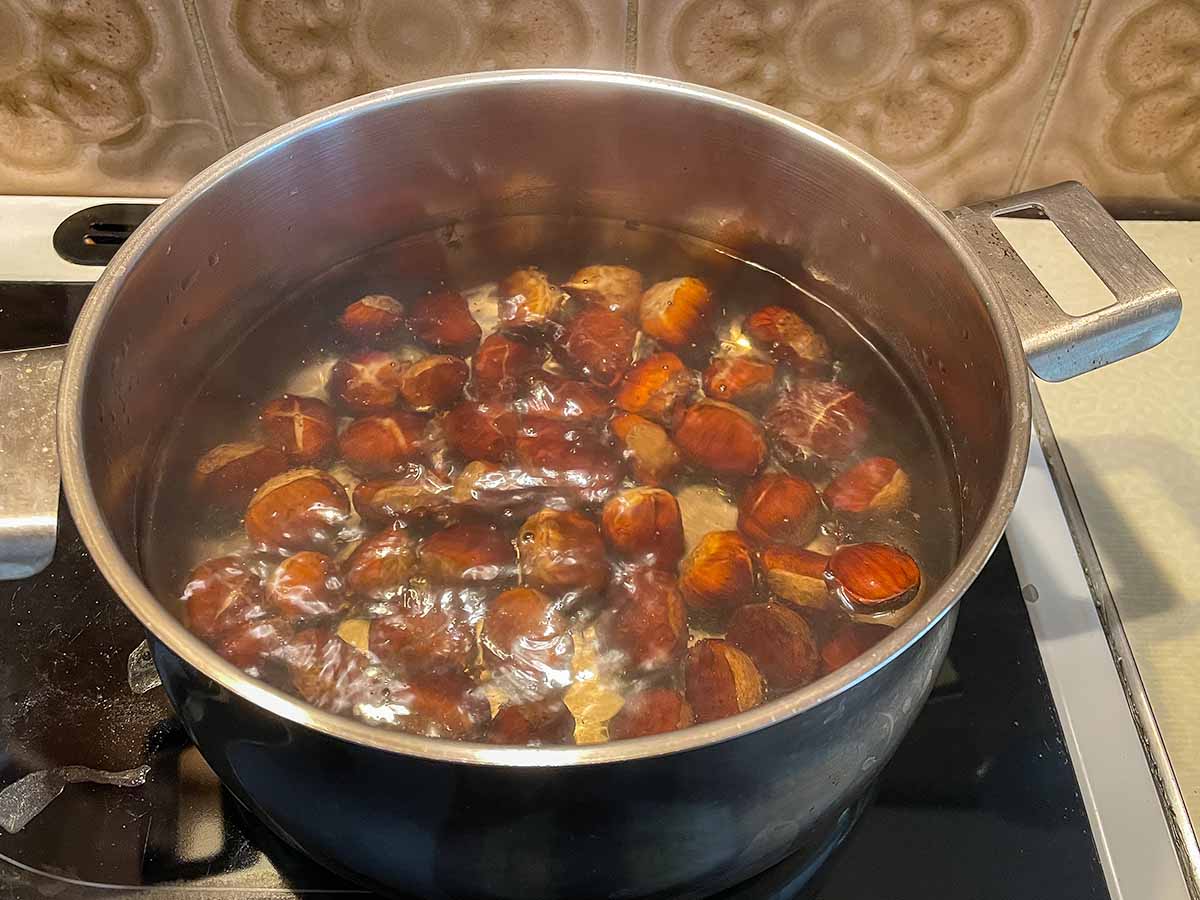
- Boiled, peeled (50 g): Boiled chestnuts can hold more water, especially if they are not drained and dried well. That often nudges calories and carbs a bit lower per 50 g compared with roasted, while fiber and protein are usually in a similar neighborhood.
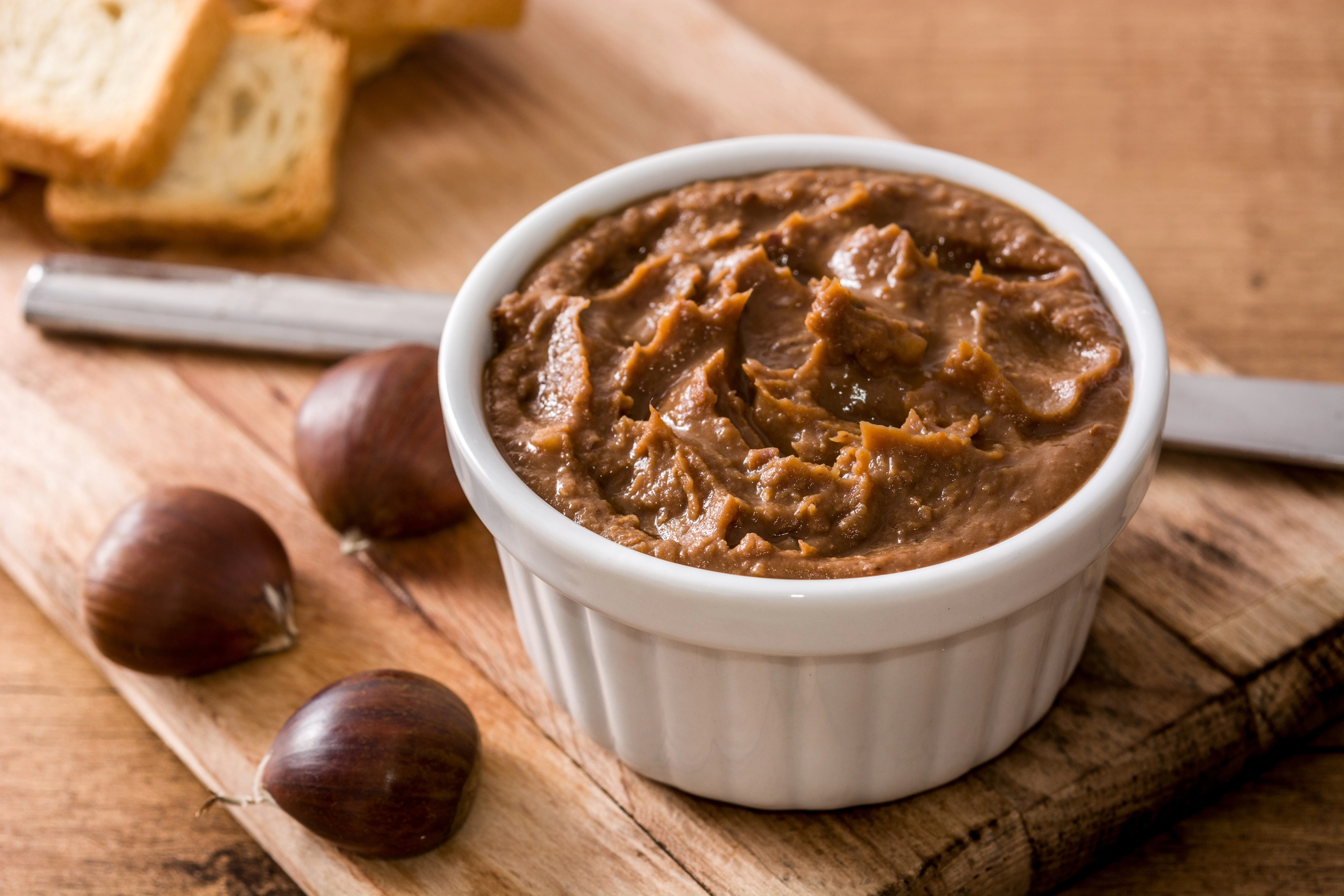
- Chestnut puree (50 g): Puree is where labels really matter. If it is unsweetened and basically chestnuts plus water, it can look similar to boiled. If it is sweetened or enriched (sugar, cream, butter), calories and carbs can climb quickly.
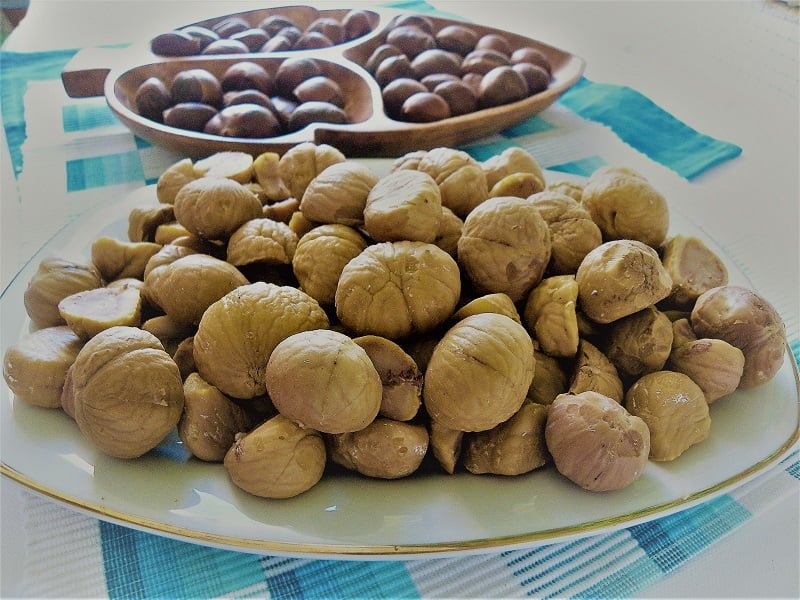
Quick comparison table
These are practical estimates for plain sweet chestnuts prepared without added sugar, butter, or cream.
| Preparation (50 g) | Calories | Carbs | Fiber | Protein | Fat |
|---|---|---|---|---|---|
| Roasted, peeled | ~110 to 125 kcal | ~22 to 26 g | ~4 to 5 g | ~1 to 2 g | ~1 g |
| Boiled, peeled | ~95 to 115 kcal | ~20 to 25 g | ~3 to 5 g | ~1 to 2 g | <1 to 1 g |
| Puree, unsweetened | ~95 to 120 kcal | ~20 to 26 g | ~3 to 5 g | ~1 to 2 g | <1 to 1 g |
If you are using a sweetened chestnut puree, the carbs and calories can be significantly higher than the range above. That is one of those rare chestnut moments where I always check the ingredient list.
What it means for snacking
They are carb-forward
Chestnuts are naturally higher in carbohydrates than other nuts, which is why they feel like a cross between a nut and a potato. For many people, that makes them a great afternoon snack because they are steady and satisfying.
Fiber helps
A few grams of fiber in a small handful is one reason roasted chestnuts can feel so snackable even though they are not high in protein. Many people find that fiber is part of what makes them feel filling for their size.
Protein is modest
If you want a more protein-forward snack, pair chestnuts with something protein-rich. Think yogurt, a little cheese, or a few slices of turkey alongside.
Micronutrients, briefly
Chestnuts are also known for providing potassium, and they can contribute small amounts of several vitamins and minerals. Vitamin C is more notable in raw chestnuts and can drop with cooking, so do not treat roasted chestnuts as a major vitamin C source.
FAQ
Are chestnuts “nuts” nutritionally?
On a label, sweet chestnuts behave more like a starchy plant food: higher carbs, low fat. But from an allergen and culinary standpoint, they are commonly treated as a tree nut. If you need the allergen details, see Are Chestnuts Tree Nuts?.
What is a typical serving of roasted chestnuts?
For snacking, I find about 50 g peeled is a realistic portion. In cups, that is commonly around 1/2 cup, but it varies. If you are buying for a group, the number-per-person math is different because shells add weight. How Many Chestnuts Per Person breaks that down.
Does roasting change the macros?
Roasting does not create carbs or fiber, but it reduces water, which can make the nutrition look more concentrated. That is why roasted chestnuts often look a bit higher per gram than boiled, depending on moisture and draining.
Is chestnut puree the same as roasted chestnuts mashed?
Sometimes. Homemade puree can be as simple as cooked chestnuts blended with water. Many store-bought purees are sweetened or blended with other ingredients, so the numbers can vary a lot. If you are making it at home, you might also like Chestnut Pure for a straightforward approach.
Dig deeper
- How To Roast Chestnuts for technique and peeling tips
- Boiled Chestnuts if you prefer a softer bite
- Chestnuts vs Water Chestnuts if you are comparing nutrition and kitchen uses