Delishing
Chestnut Hummus

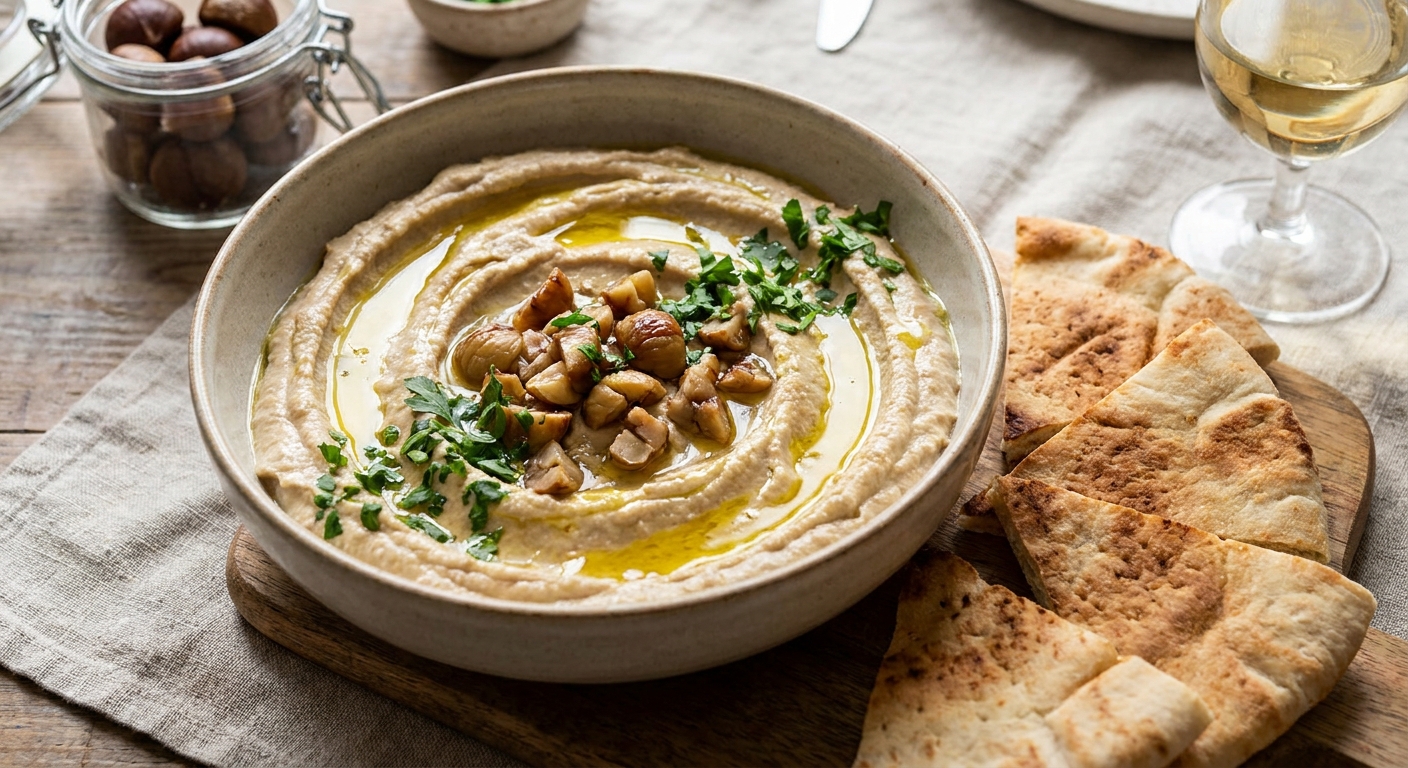
If you love the cozy, slightly sweet flavor of chestnuts but want something savory and snackable, chestnut hummus is the move. It is really a hummus-style dip: creamy, lemony, and perfect for dipping, but the base is cooked chestnuts instead of chickpeas. The result is silkier, a little sweeter, and honestly kind of elegant for how little work it takes.
I started making this when I had leftover cooked chestnuts and zero energy to turn them into anything fancy. A quick blitz with tahini, garlic, lemon, and salt turned into a dip I wanted to put on everything. If your chestnuts are already cooked and peeled, you can have it on the table in about 10 minutes, depending on how dry they are and how powerful your processor or blender is.
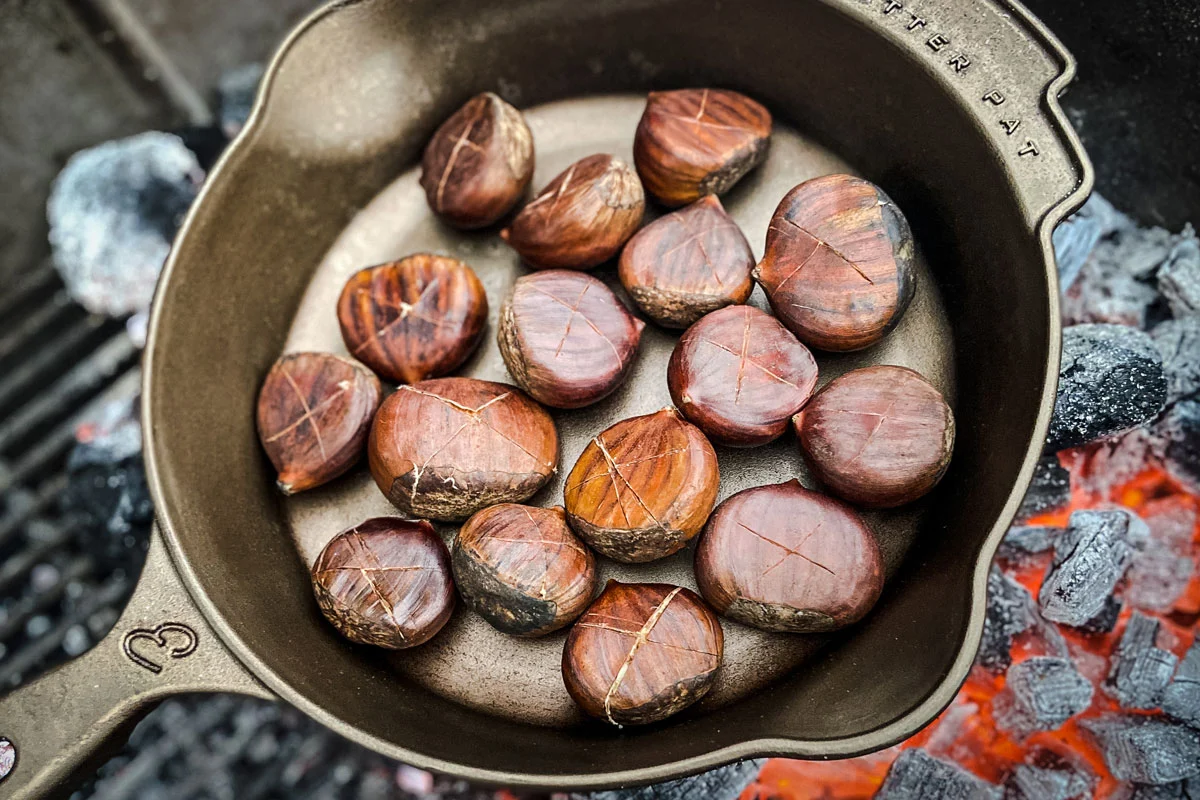
Below you will find the texture cues I rely on, plus my quick fixes for the usual blender drama. If you still need to cook your chestnuts, start with How To Roast Chestnuts, then come right back here.
Texture cues
Chestnuts vary a lot in moisture. Some are fluffy and dry, others are soft and almost creamy. That is why I make this by feel.
- At first it will look sandy. Keep going and scrape down the sides. Chestnuts need a little time to turn into something creamy.
- Warm water gets things moving. It loosens the mix without making it heavy or greasy, especially if your chestnuts are on the dry side.
- Olive oil finishes the texture. Water gives you movement. Oil adds richness and helps it feel smoother and more emulsified.
- Food processor vs blender: a food processor usually needs more stopping and scraping. A high-speed blender tends to get it silkier, but you may need a bit more warm water to help it circulate.
- Taste, then balance. If it tastes flat, add salt first, then lemon. Garlic comes last so it does not take over.
Quick fixes
- Too thick: Add warm water a splash at a time, then blend longer than you think you need to.
- Too sweet: More lemon and a pinch more salt usually pulls it right back into savory territory. A little cumin or smoked paprika helps too.
- Too bitter: This is often the tahini, but old or sprouted garlic can also read bitter. Try a bit more lemon and salt, then a small drizzle of olive oil to round it out. If it still tastes harsh, swap in a different tahini or use roasted garlic next time.
- Too garlicky: Chill it for 30 minutes. Garlic calms down as it sits. Next time, start smaller or use roasted garlic.
- Grainy: Keep blending, scrape down the sides, and add a small splash of warm water. Chestnuts sometimes just need time to fully puree.
Serving and storage
This is a dip, a spread, and a snack-board situation all at once. I love it with pita wedges, but it is also great swiped on toast, tucked into a wrap, or dolloped onto roasted vegetables. If you want a more traditional baseline to compare against, Classic Hummus is a great reference point.
Store it in an airtight container in the fridge for up to 4 days. It will thicken as it chills, and the garlic flavor usually mellows a bit too. Right before serving, stir well, then stir in a teaspoon or two of warm water or olive oil to bring it back to creamy.
Why this works
- Chestnuts blend smooth. Cooked chestnuts puree into a naturally creamy base with a subtle sweetness that plays well with lemon and garlic.
- Warm water is the secret. A few tablespoons of warm water helps the mixture emulsify and loosen without making it greasy.
- Tahini adds structure. It gives the dip that classic nutty backbone and helps it stay creamy in the fridge.
- Easy to balance. If it tastes flat, you can bring it to life with a little more salt and lemon before you change anything else.
Ingredient notes
Cooked chestnuts
This recipe assumes your chestnuts are already cooked and peeled. Home-roasted chestnuts work beautifully, but packaged cooked chestnuts work too. If your chestnuts feel a bit dry, do not worry. Warm water will fix most texture issues.
If you are starting from scratch, use our How To Roast Chestnuts guide first.
Tahini
Use well-stirred tahini (the kind that separates is totally fine). If your tahini is thick or bitter, start with a smaller amount and add more after tasting.
Lemon juice
Fresh lemon juice gives the cleanest flavor. Start with 2 tablespoons, blend, taste, then add more. Lemon is what keeps chestnut hummus from tasting dessert-like.
Garlic
Chestnuts are mild, so raw garlic can take over fast. I usually start with 1 small clove, then add more only if I want a sharper bite.
Olive oil
Olive oil helps with mouthfeel and makes the hummus glossy. You can blend some in and also drizzle on top right before serving.
Spices
Cumin leans classic hummus. Smoked paprika leans party snack. A pinch of cinnamon sounds odd, but it can be lovely if you keep it truly tiny and still prioritize lemon and salt.
Equipment
- Food processor for a thicker, rustic-creamy hummus
- High-speed blender if you want it extra silky
- Rubber spatula to scrape down the sides, especially with chestnuts
- Microplane or garlic press for evenly distributed garlic
Both a blender and a food processor work. The blender usually needs a little more warm water to get moving, but the payoff is a smoother finish.
Pro tips
- Start with less liquid than you think. You can always thin it out, but you cannot easily bring it back if it gets soupy.
- Use warm water, not cold. Warm water helps the puree turn creamy faster and keeps the olive oil from tightening the mixture.
- Blend, rest, then re-blend. If you have 5 extra minutes, let the hummus sit, then blend again. Chestnuts hydrate and soften, and the texture improves.
- Balance in this order: salt first, then lemon, then garlic. That order keeps you from over-lemoning to compensate for low salt.
- For ultra-smooth hummus: blend longer than you think you need, scraping down frequently.
Substitutes
- No tahini: use extra olive oil, or a mild nut or seed butter like cashew butter or sunflower seed butter (start with less, they vary in strength).
- No lemon: use a smaller amount of red wine vinegar or apple cider vinegar. Add slowly, it is sharper than lemon.
- No raw garlic: use roasted garlic for a sweeter, softer flavor, or a pinch of garlic powder in a pinch.
- Want it lighter: blend in plain Greek yogurt for a tangy, creamy dip (not vegan, but very good).
If you need a chickpea-based classic for comparison or a more traditional vibe, our Classic Hummus is a great staple to keep in rotation.
Variations
Smoky paprika
Add 1/2 teaspoon smoked paprika and finish with another pinch on top.
Herby lemon
Blend in a handful of parsley, plus extra lemon zest for a brighter flavor.
Spicy
Add 1/4 teaspoon cayenne or a spoonful of chili crisp, then taste and adjust. Chestnuts mellow heat, so you might need a touch more than usual.
Rosemary
Add 1/2 teaspoon finely chopped fresh rosemary or a pinch of dried. Rosemary and chestnuts are best friends, but keep it restrained so it does not taste piney.
Serving ideas
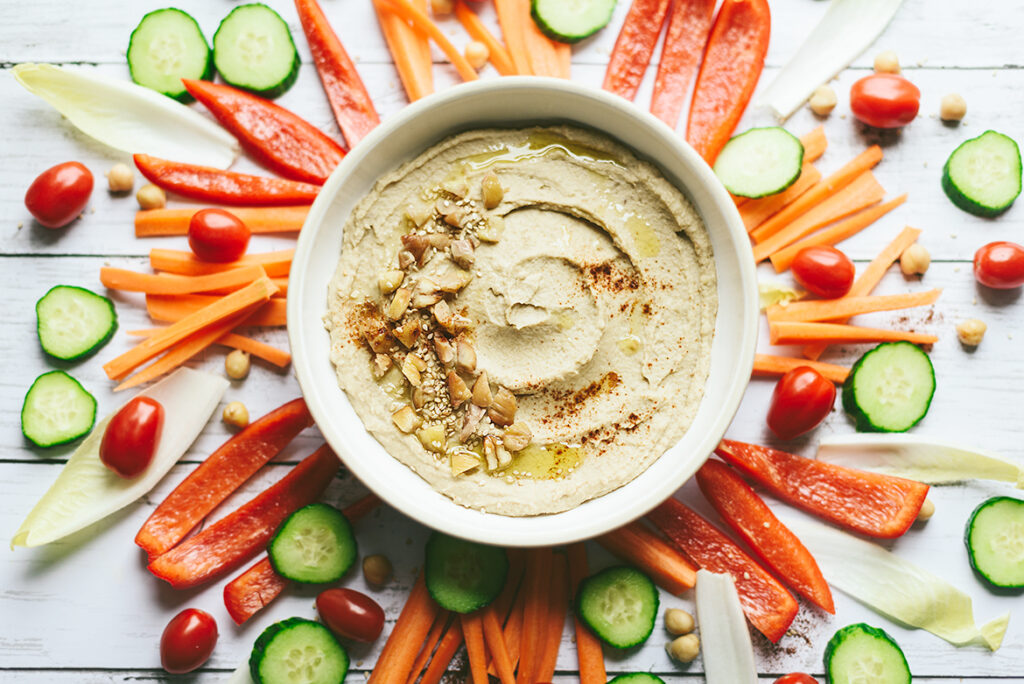
- Dip situation: pita, crackers, pretzels, or a crunchy crudites tray.
- Sandwich spread: smear on toast, a wrap, or a veggie sandwich for instant creaminess.
- Snack plate: pair with olives, sliced cucumbers, and a handful of roasted nuts.
- On warm vegetables: dollop onto roasted broccoli or other sheet pan veggies for a creamy finish (try our Roasted Broccoli).
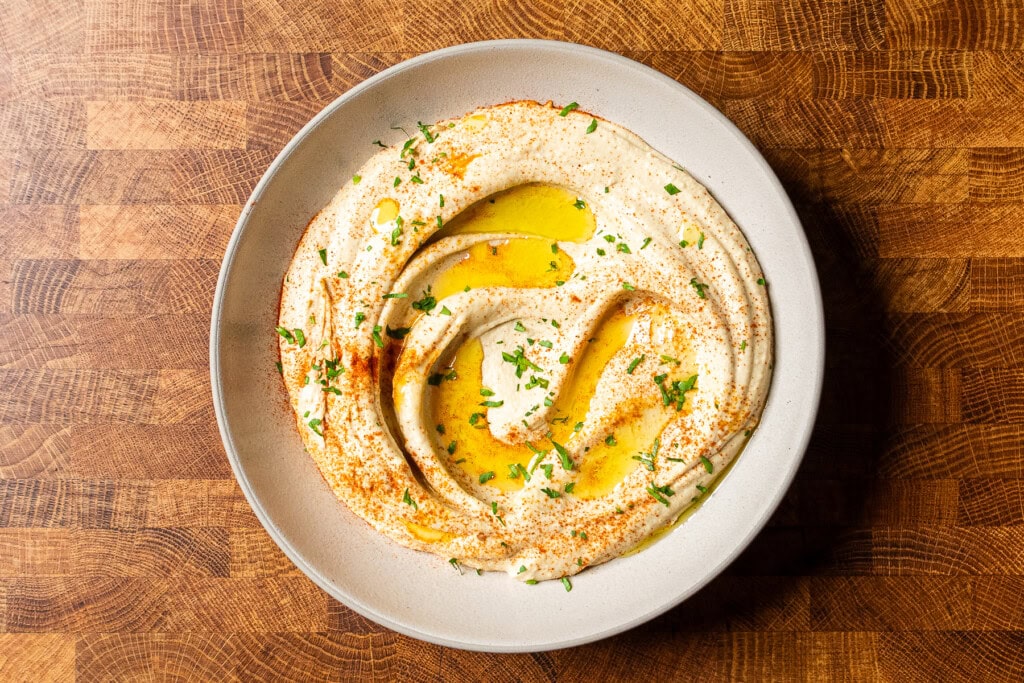
- Party upgrade: swirl the top, drizzle olive oil, then sprinkle chopped chestnuts and smoked paprika.
Storage
Store chestnut hummus in an airtight container in the refrigerator for up to 4 days.
- To prevent drying: smooth the surface and drizzle a thin layer of olive oil on top before sealing.
- If it thickens in the fridge: stir well, then stir in 1 to 2 teaspoons warm water or olive oil until creamy again.
I do not love freezing this one. The texture can turn a bit grainy after thawing, especially if you used a lot of tahini.
Common mistakes
It is too thick and the blender will not move
Add 1 tablespoon warm water at a time, scraping down between additions. Chestnuts need a little help to get flowing.
It tastes bland
Add salt first. Then add a bit more lemon. Chestnut hummus needs slightly more seasoning than you might expect because the flavor is gentle.
It tastes bitter
This is often the tahini, but sharp, older garlic can also do it. Balance with a little more lemon, a touch more salt, and if needed, an extra drizzle of olive oil.
It tastes too sweet
Add more lemon juice and a pinch of cumin or smoked paprika to steer it savory.
It is gritty
Blend longer, and add a small splash of warm water. If your chestnuts are a bit dry, that hydration time really matters.
FAQ
Does chestnut hummus taste like regular hummus?
It is in the same family, creamy, garlicky, and lemony, but chestnuts make it milder and slightly sweet. Think cozy and nutty rather than bean-forward.
Can I make it without tahini?
Yes. Use olive oil to replace the richness, and consider adding a spoonful of yogurt or a mild nut butter if you want that thicker, hummus-like body.
How do I make it extra smooth?
Use a high-speed blender, start with warm water, and blend longer than you think. Scrape down frequently. A short rest, then a second blend, helps too.
Can I use jarred or packaged cooked chestnuts?
Absolutely. Just make sure they are plain cooked chestnuts, not sweetened. If they seem dry, you will likely need a bit more warm water.
Is chestnut hummus gluten-free?
The dip itself is typically gluten-free, but always check your tahini and any packaged chestnuts for labeling if gluten is a concern. For more chestnut specifics, see Are Chestnuts Gluten-Free?.
Recipe: Chestnut Hummus
A creamy, savory hummus-style dip made from cooked chestnuts blended with tahini, lemon, garlic, and olive oil. Use warm water to dial in the texture, then serve as a dip, sandwich spread, or snack-board centerpiece.
Ingredients
- 2 cups cooked, peeled chestnuts (about 10 to 12 ounces)
- 1/4 cup tahini, well stirred
- 2 to 3 tablespoons fresh lemon juice, plus more to taste
- 1 small garlic clove, finely grated or pressed
- 3/4 teaspoon kosher salt, plus more to taste
- 1/2 teaspoon ground cumin (optional)
- 3 to 6 tablespoons warm water, as needed for blending
- 2 to 4 tablespoons extra-virgin olive oil, plus more for serving
- Smoked paprika or Aleppo-style pepper, for serving (optional)
- Chopped parsley and chopped chestnuts, for serving (optional)
Instructions
- Add the cooked chestnuts, tahini, 2 tablespoons lemon juice, garlic, salt, and cumin (if using) to a food processor or high-speed blender.
- Blend, stopping to scrape down the sides as needed. The mixture will look sandy at first.
- With the machine running, add warm water 1 tablespoon at a time until the hummus starts to turn creamy and move freely through the blade. Expect to use 3 to 6 tablespoons depending on how dry your chestnuts are.
- Drizzle in 2 tablespoons olive oil and blend until smooth. For a looser, silkier texture, blend in 1 to 2 more tablespoons olive oil.
- Taste and adjust. Add more lemon juice for brightness and more salt if the flavors feel muted. Blend again briefly after each adjustment.
- Spoon into a bowl. Swirl the top with the back of a spoon, drizzle with olive oil, and finish with smoked paprika, chopped parsley, and chopped chestnuts if you like. Serve right away, or chill for 30 minutes for a thicker, more set texture.
Notes
- Texture control: Warm water makes it creamy without making it oily. Olive oil makes it richer and glossier. Use a mix of both for the best mouthfeel.
- Garlic intensity: Start with 1 small clove. You can always add more, but you cannot take it out once it is blended.
- Make-ahead: This is great made a day ahead. It will thicken in the fridge. Stir in a teaspoon of warm water to loosen before serving.