Delishing
Chestnut Gravy

Chestnut gravy is the kind of sauce that makes a simple roast feel like a holiday, even if it is just a Tuesday. It is nutty, gently sweet, and velvety in a way that my usual weeknight gravy does not always hit. The best part is that it does not require any fancy technique. Chestnut purée does a lot of the heavy lifting for texture, and a quick flour-and-butter base keeps it smooth, stable, and reliably spoon-coating.
I started making versions of this when I was in my peak 5:00 PM panic era. I wanted something that felt special over chicken or pork, but I also needed it to be fast and predictable. Chestnuts were my answer because they add body and richness without needing a cream finish. Once you learn the texture cue, you can stop it at “pourable gravy” every single time instead of accidentally landing in the two classic danger zones: too thin or a little pasty.
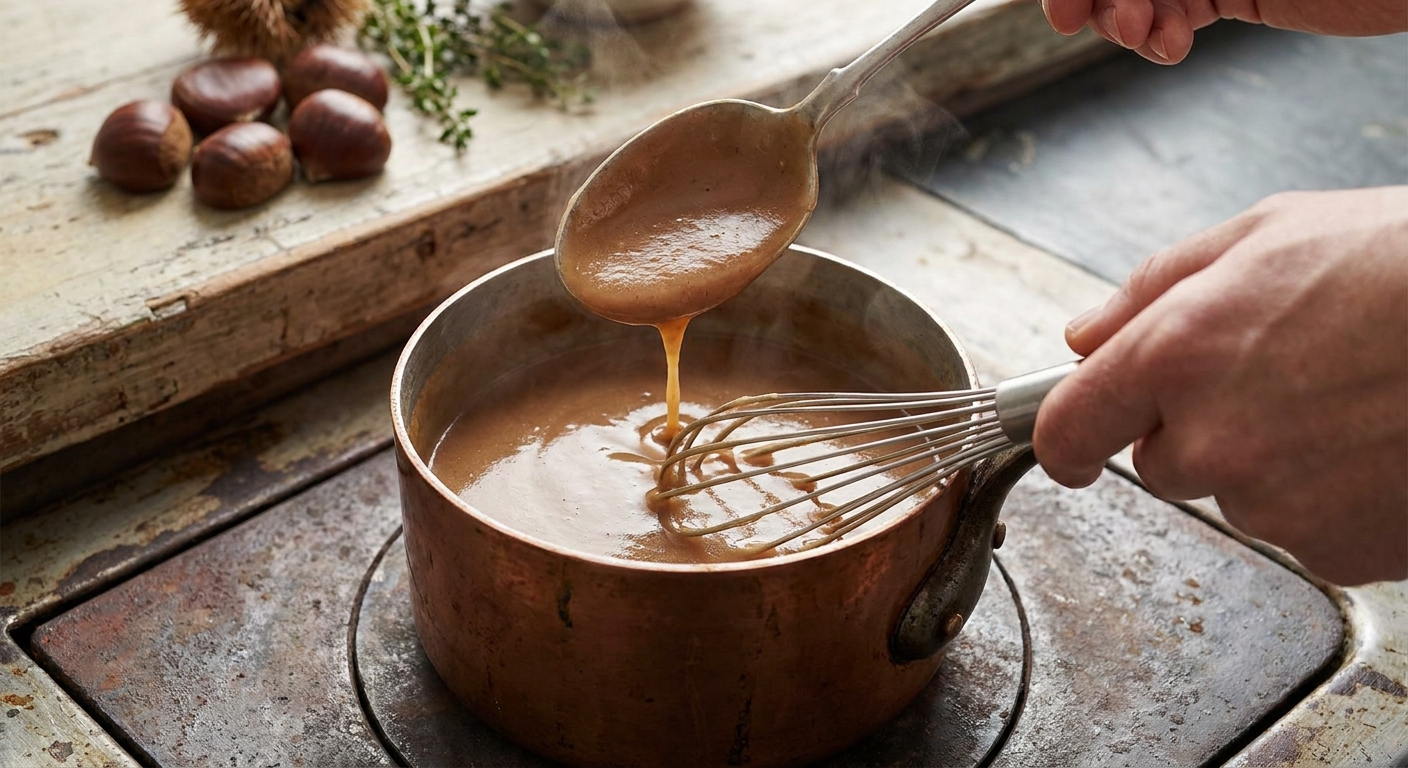
In the recipe below, I give you two paths: a straightforward stock-based gravy and a pan-dripping option for when you have roasted meat and want that extra depth. One quick note before you start: look for unsweetened chestnut purée (sweetened versions can push the gravy in a dessert direction), and keep the heat gentle. Chestnut-based sauces can thicken quickly and can scorch if you walk away, so plan to whisk and add a splash of warm stock if it tightens up.
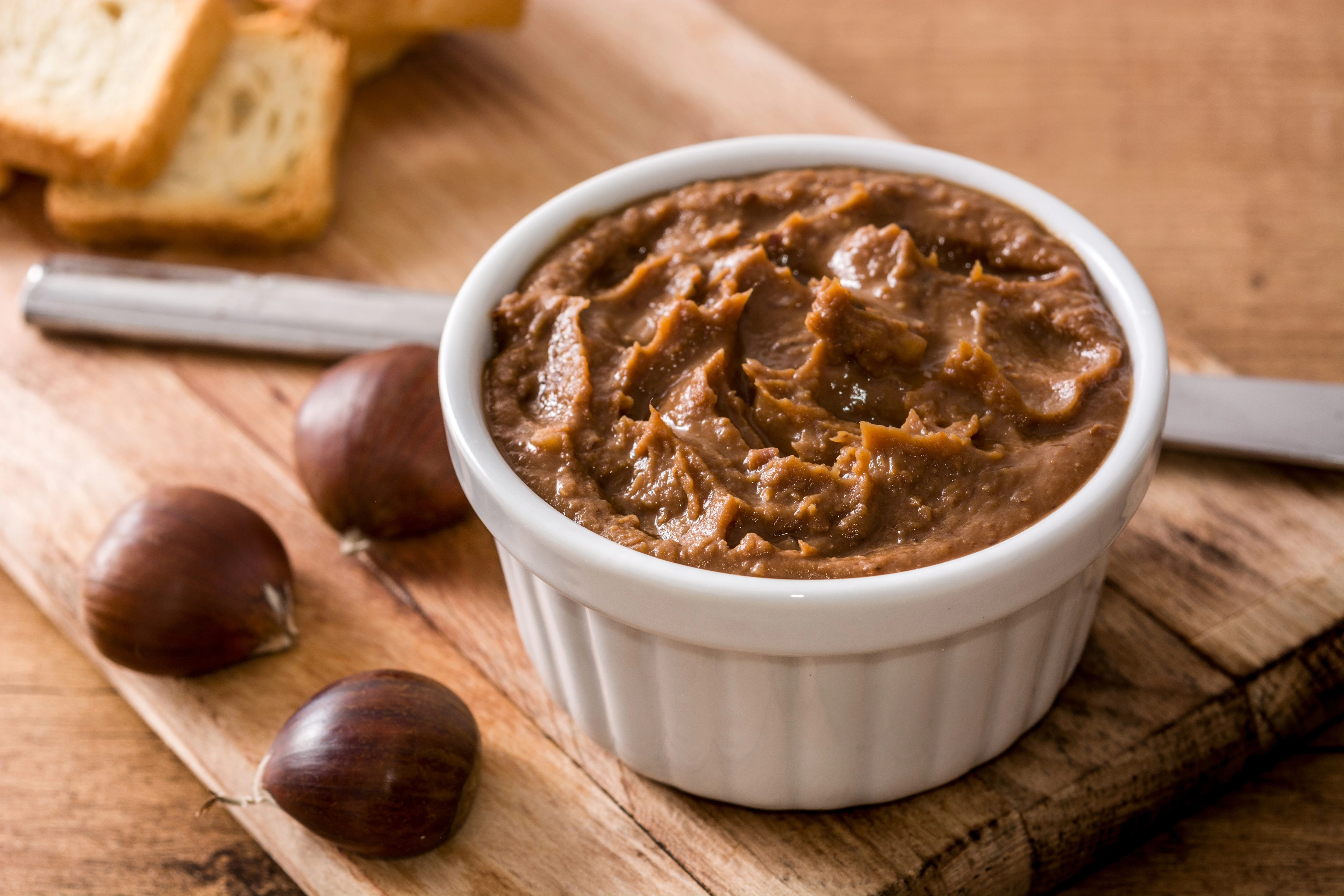
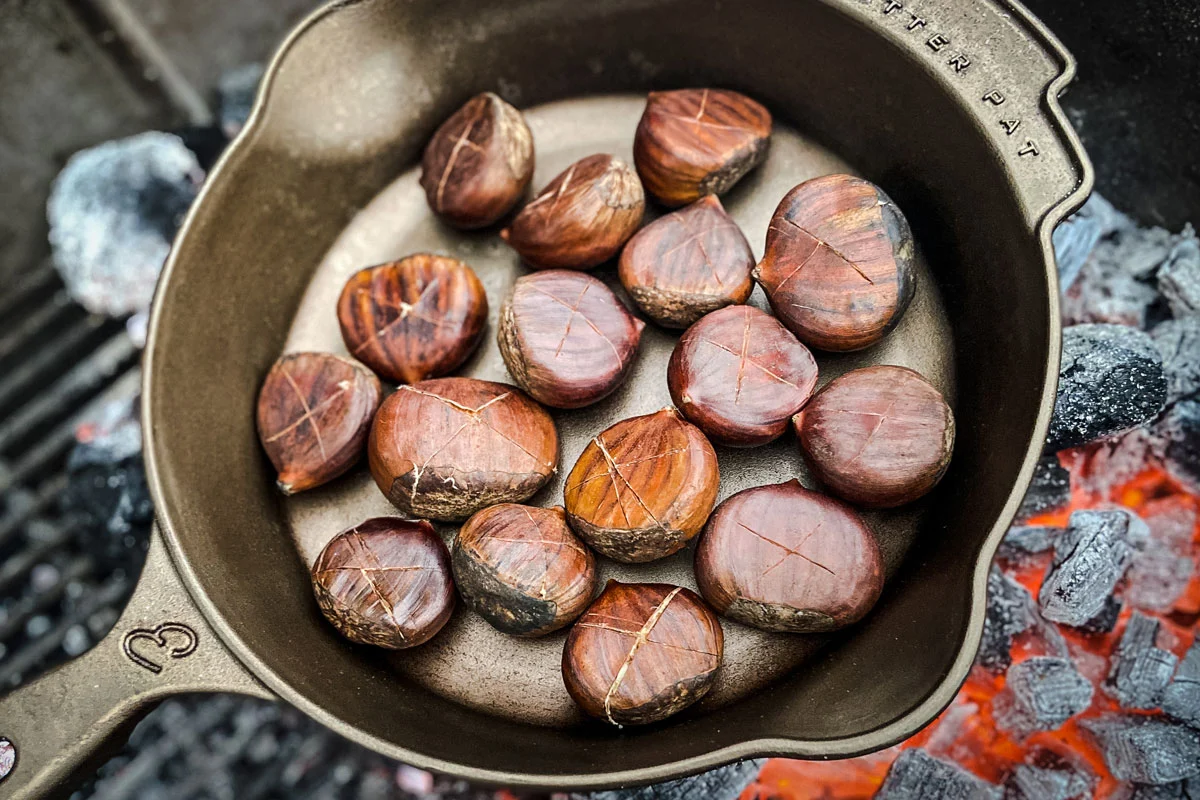
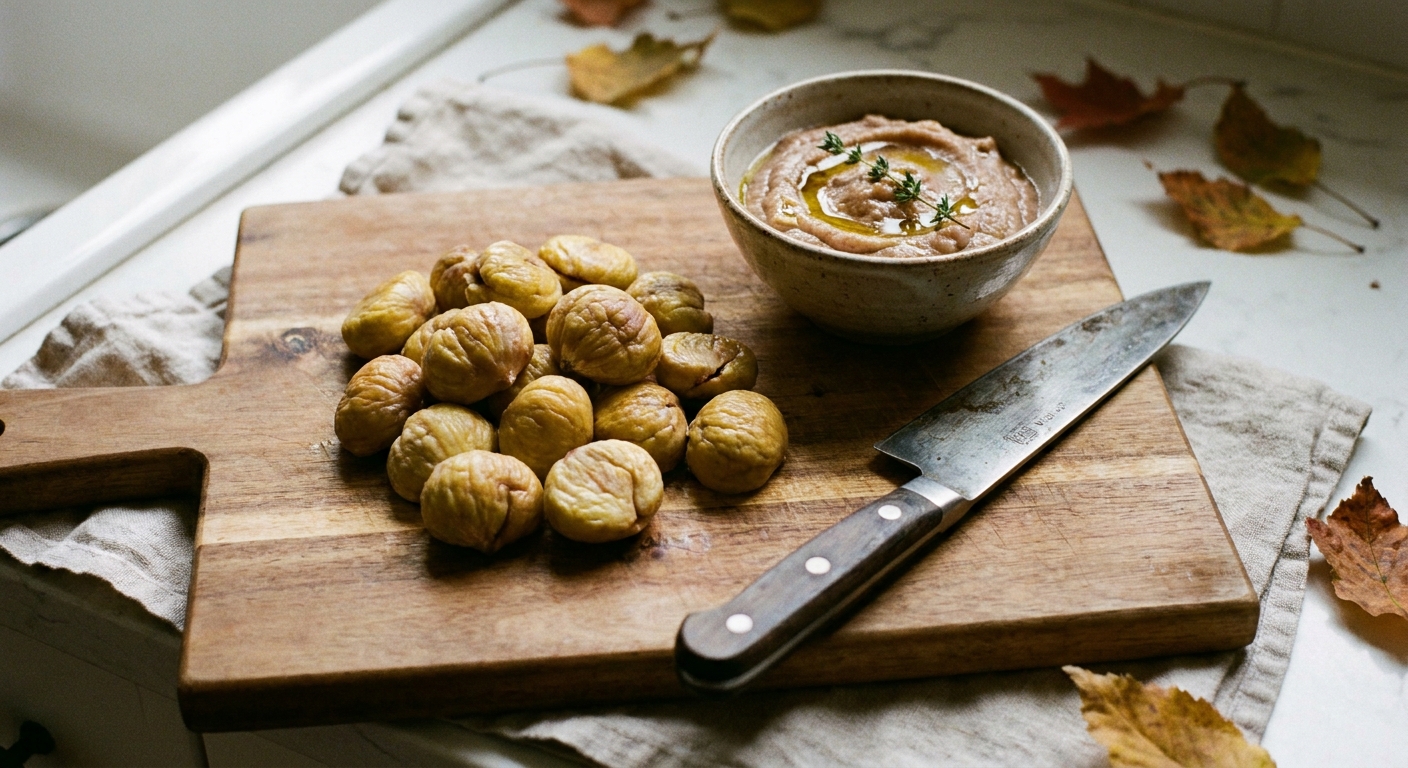
If you already have roasted chestnuts, check out How To Roast Chestnuts. And if you are starting from a store-bought or homemade base, Chestnut Purée is a helpful primer on getting it smooth.
Why it works
- Chestnut purée thickens naturally. Instead of relying only on flour, the purée gives you a gravy that feels plush and spoon-coating without turning gluey.
- Onion builds savory backbone. Chestnuts lean sweet, so sautéed onion helps keep the sauce firmly in gravy territory.
- Salt at the end keeps you in control. Stocks and pan drippings can vary wildly in saltiness, so finishing seasoning prevents an over-salted sauce.
- Texture cues prevent soup or paste. You simmer until the gravy coats a spoon, then stop. That one habit fixes most gravy problems.
Ingredient notes
- Chestnut purée: Use unsweetened. If you are using jarred or vacuum-packed cooked chestnuts, blend them with a splash of warm stock until smooth before starting. Any small bits can be strained out for a restaurant-smooth finish.
- Stock or broth: Chicken stock is classic with poultry. Beef stock is great with steak or roast beef. Vegetable stock works nicely for vegetarian plates.
- Onion: Yellow onion gives the best balanced sweetness. Shallot is a little fancier and cooks faster.
- Butter or drippings: Butter gives clean flavor. Pan drippings add savory roasted notes. If your drippings are very fatty, you can spoon off excess fat and use just a little for flavor.
- Flour (optional but helpful): A small amount stabilizes the gravy so it reheats well and stays silky rather than separating.
- Finishers: A tiny splash of apple cider vinegar or lemon juice at the end can brighten the whole pot, especially if your stock is very rich.
Equipment
- Medium saucepan
- Whisk
- Measuring cups and spoons
- Blender or immersion blender (if making purée from whole chestnuts)
- Fine-mesh strainer (optional, for ultra-smooth gravy)
Pro tips
- The spoon-coating cue: Dip a spoon in the gravy, lift it, and run a finger through the sauce on the back of the spoon. If the line stays and the sauce looks glossy, you are done. If it runs back together quickly, simmer 1 to 2 minutes more.
- Keep it a sauce: Chestnut purée thickens more as it cools. Stop slightly looser than you think you want.
- Whisk in warm stock: Adding cold liquid to a flour and fat base can invite lumps. Warm stock keeps everything smooth.
- Strain if needed: If you want a perfectly silky gravy for a holiday table, push it through a fine-mesh strainer after simmering.
- Season last: Especially if you use pan drippings, taste first, then add salt a pinch at a time.
Substitutes
- Dairy-free: Use olive oil or a plant-based butter instead of butter.
- Gluten-free: Swap the flour for a gluten-free all-purpose flour blend, or skip flour and thicken with a cornstarch slurry (see FAQ for how).
- No chestnut purée: Blend cooked chestnuts with warm stock until very smooth, then measure for the recipe.
- No pan drippings: Add a little extra butter plus a splash of soy sauce or tamari for deeper savory notes.
Variations
- Herb chestnut gravy: Simmer with a sprig of thyme or rosemary, then remove before serving.
- Garlic chestnut gravy: Add 1 minced garlic clove with the onion, but do not let it brown.
- Wine-finished: Deglaze the pan with 1 to 2 tablespoons dry white wine before adding stock, then simmer for 30 seconds to cook off the sharpness.
- Extra-rich: Stir in 1 to 2 tablespoons heavy cream at the end (skip if you want dairy-free).
Serving ideas
- Spoon over roast chicken, turkey, pork loin, or sliced beef
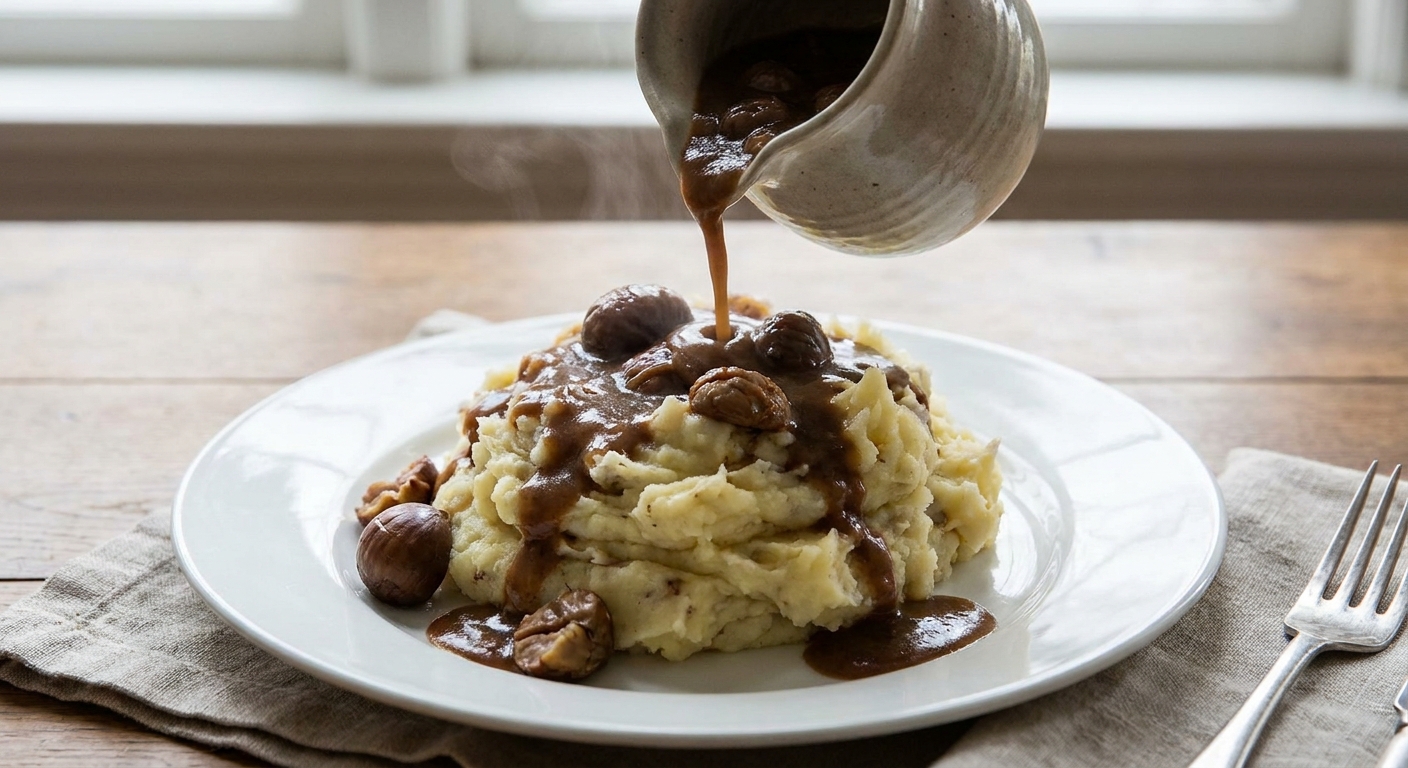
- Pour over mashed potatoes or roasted potatoes
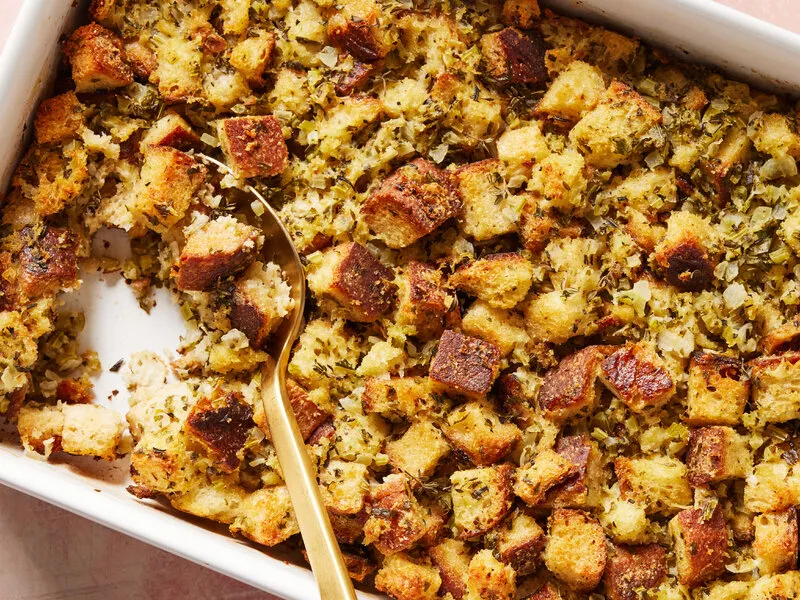
- Serve with stuffing and roasted vegetables for a vegetarian-friendly holiday plate
- Try it with a cozy roast like The Coziest Oven Pot Roast
Storage
- Refrigerate: Cool, then store in an airtight container for up to 4 days.
- Reheat: Warm gently in a saucepan over low heat, whisking often. Add a splash of stock or water to loosen, since it thickens as it sits.
- Freeze: Freeze up to 2 months. Thaw overnight in the fridge, then reheat slowly and whisk well. If it looks slightly separated, an immersion blender brings it right back.
Common mistakes (and quick fixes)
- It turned too thick: Whisk in warm stock 1 tablespoon at a time until it is pourable again.
- It is more like soup: Simmer uncovered a few minutes longer. If you skipped flour, you can also whisk in a small slurry (cornstarch plus cold water) and simmer 1 minute.
- Lumps: Whisk vigorously and simmer, or blend briefly with an immersion blender. Strain if needed.
- Too sweet: Add a pinch more salt and a tiny splash of vinegar or lemon juice. You can also add a little more pan drippings or a spoonful of Dijon mustard.
- Too salty: Add unsalted stock or water to dilute. If you have it, an extra spoonful of unsalted chestnut purée can help rebalance.
FAQ
How do I know when chestnut gravy is done?
When it coats a spoon. Dip a spoon, lift it, and the gravy should cling in a thin, glossy layer. If you draw a line with your finger on the back of the spoon, the line should hold for a moment.
Can I make this with pan drippings?
Yes. Replace some or all of the butter with drippings and use stock to make up the liquid volume. If your drippings are salty, wait until the end to season.
Can I make it gluten-free without flour?
Yes. Skip the flour and thicken at the end with a cornstarch slurry: mix 1 teaspoon cornstarch with 1 tablespoon cold water, whisk it in, then simmer 1 minute. Add more in small amounts if needed.
Will chestnut gravy taste like dessert?
No, not if you keep the base savory. Onion, stock, and proper salting pull it firmly into gravy territory. The chestnuts read as nutty and rich, not sugary.
What is the smoothest way to do it?
Use very smooth purée, whisk steadily as you add stock, and strain at the end if you want a perfectly silky finish.
Summary
A silky, pourable chestnut gravy made by simmering onion, stock, and chestnut purée until it coats a spoon. Includes a pan-dripping option and texture cues so it stays a sauce.
Ingredients
- 2 tablespoons unsalted butter (or 2 tablespoons pan drippings, see note)
- 1/2 cup finely chopped yellow onion (about 1/2 small onion)
- 2 tablespoons all-purpose flour
- 1 1/2 cups stock (chicken, turkey, beef, or vegetable), preferably warm
- 1/2 cup unsweetened chestnut purée
- 1 teaspoon chopped fresh thyme (optional)
- 1 to 2 teaspoons apple cider vinegar or lemon juice (optional, to brighten)
- Kosher salt, to taste (start with 1/4 teaspoon and adjust)
- Freshly ground black pepper, to taste
Instructions
- Sauté the onion. In a medium saucepan over medium heat, melt the butter (or warm the drippings). Add the chopped onion and cook, stirring often, until softened and translucent, 4 to 6 minutes. Do not brown.
- Make a quick roux. Sprinkle in the flour and stir constantly until the flour looks absorbed and smells lightly toasty, about 1 minute.
- Whisk in the stock. Slowly pour in the warm stock while whisking to prevent lumps. Bring to a gentle simmer.
- Add the chestnut purée. Whisk in the chestnut purée until fully smooth. If using thyme, add it now.
- Simmer to spoon-coating. Simmer gently, whisking often, until the gravy thickens enough to coat the back of a spoon, 3 to 6 minutes. Keep it pourable. If it gets too thick, whisk in more warm stock 1 tablespoon at a time.
- Finish and season. Remove thyme stems if you used sprigs. Turn heat to low. Add vinegar or lemon juice if using. Season with salt and pepper to taste.
- Serve warm. Serve right away, or keep warm over very low heat, whisking occasionally.
Notes
Pan-dripping option: If you have drippings from roasted turkey, chicken, pork, or beef, you can use them in place of butter. If your drippings are very fatty, spoon off some fat first. If your drippings are salty, wait until the end to add salt, and you may need less than usual.
Ultra-smooth finish: For a perfectly silky gravy, strain through a fine-mesh strainer after simmering, then return to the pan and warm gently.
Texture cue: This gravy thickens as it cools. Stop cooking when it is just slightly looser than your ideal serving thickness.