Delishing
Chestnut Gnocchi

If classic potato gnocchi feels like the ultimate cozy dinner, chestnut gnocchi is the fall and winter version I make when I want something a little nutty, a little sweet, and still totally weeknight-friendly. The chestnut flavor is subtle in the best way, more warm and toasty than dessert-sweet, and it pairs perfectly with browned butter and sage.
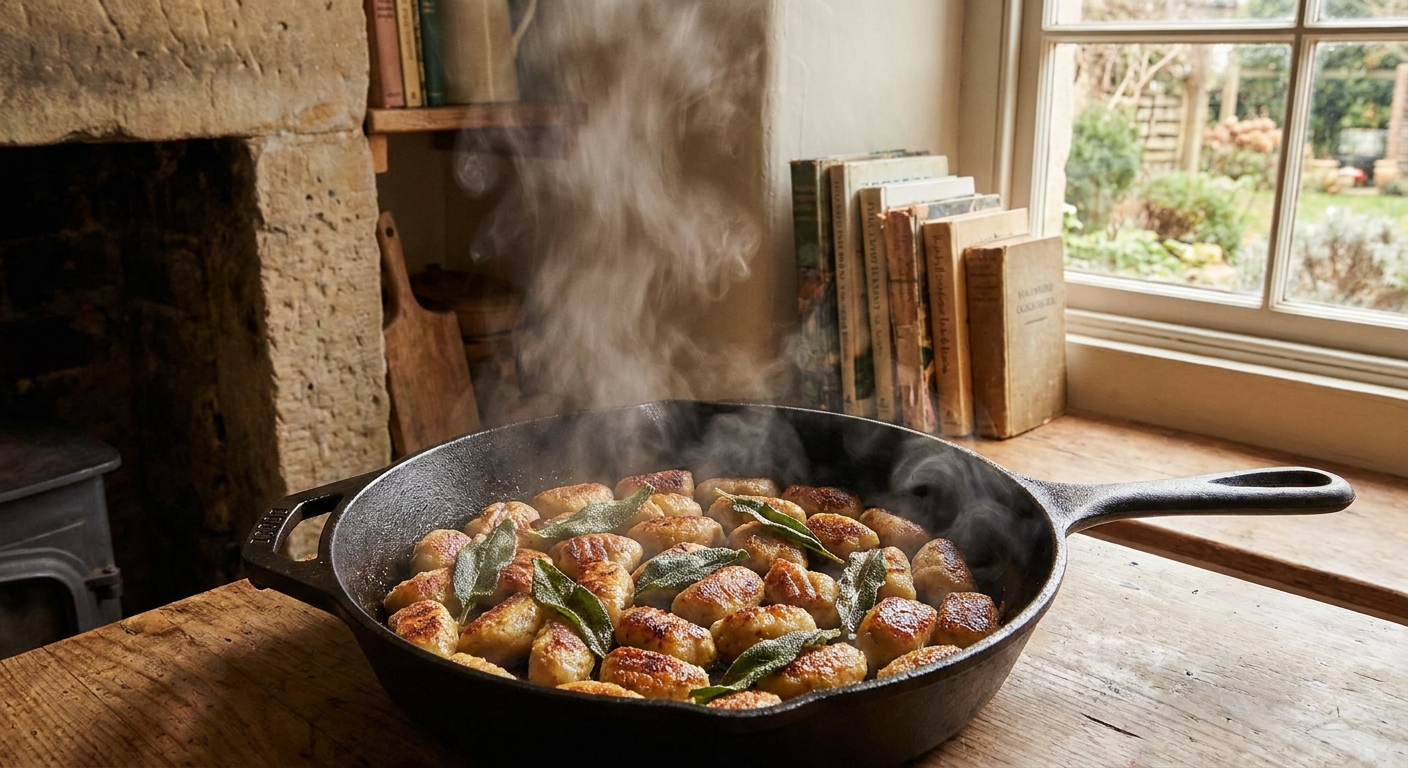
This recipe is built for real life: you will make a simple potato dough, fold in a measured amount of chestnut flour (or a little chestnut puree), roll it into ropes, cut, boil, then do the one step that makes everyone think you trained in an Italian kitchen: a quick pan-brown in butter with sage until the edges go golden and crisp.
Two promises before you start: I tell you exactly how much chestnut flour or puree the dough can handle before it turns fragile (and when those max amounts are most realistic), and I give you a doneness cue for boiling that I trust more than a timer alone.
One more thing that makes this nearly foolproof: I always do a quick one-piece gnocchi test in simmering water before I shape the whole batch. It takes two minutes and saves a lot of heartbreak.
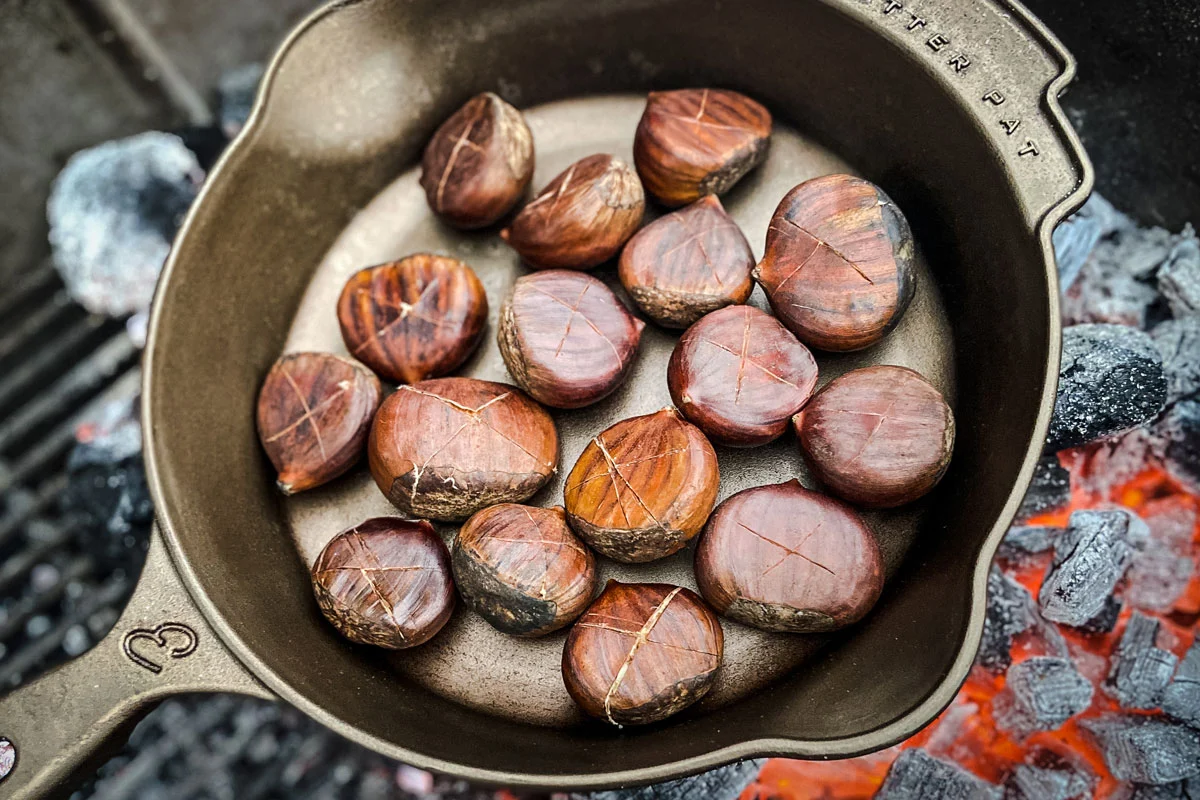
If you need to prep the chestnuts first, start with my How To Roast Chestnuts, or use prepared chestnuts and turn them into a smooth mash using my Chestnut Puree method.
What chestnuts do to the dough
Chestnuts bring flavor, but they also change the structure. Great gnocchi is mostly about potato starch, using as little flour as you can get away with, and handling the dough gently so it stays tender. Chestnut flour has no gluten, and chestnut puree adds moisture and natural sweetness. If you go too chestnut-heavy, or if your potatoes are a little wet (or you work the dough too much), the dough can turn soft and the gnocchi are more likely to crumble in the pot.
- Chestnut flour: adds nutty flavor without extra moisture, but too much can make the dough sandy and fragile.
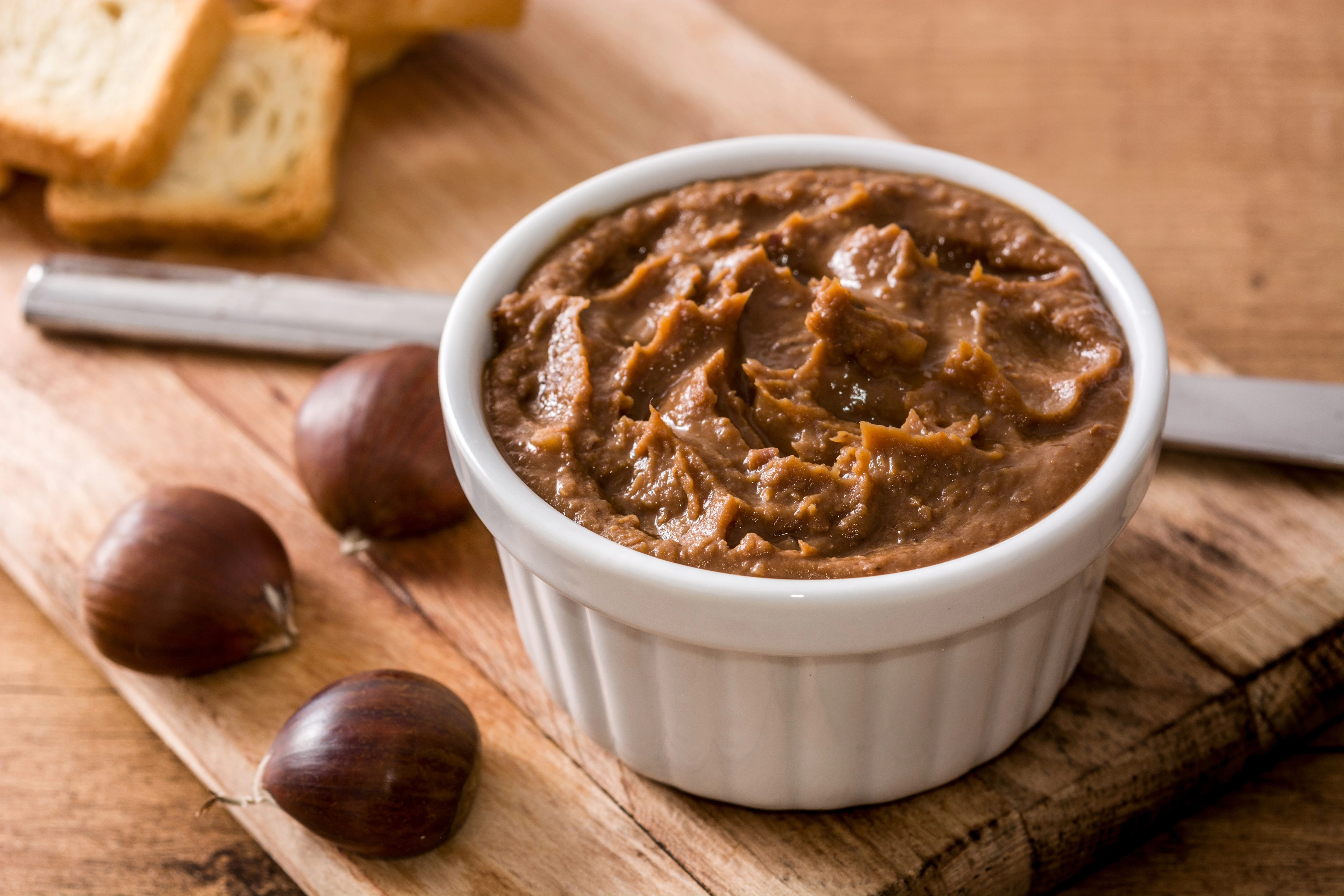
- Chestnut puree: brings a rounder roasted chestnut flavor, but it loosens the dough quickly. Use unsweetened puree for gnocchi, and aim for a thick texture that mounds on a spoon instead of pouring.
Flour vs puree
If you want the easiest dough to shape and boil cleanly, choose chestnut flour. If you want the most roasty chestnut flavor and you have a thick, unsweetened puree, use puree, but keep it restrained.
- Best for beginners: chestnut flour. I like starting at 1/4 cup, then going up only if the dough still feels strong. With very well-dried potatoes, the practical ceiling for this batch is up to 1/2 cup (60 g).
- Puree guideline: start with 1/4 cup thick, smooth puree per 1 pound of potatoes. If your potatoes are dry and your puree is very thick (it holds its shape on a spoon), you can usually go up to 1/2 cup (about 120 g). If it is looser than that, stay lower.
- Not a 1:1 swap: flour and puree behave differently. Puree almost always means you will adjust flour by feel.
Visual cues you can trust
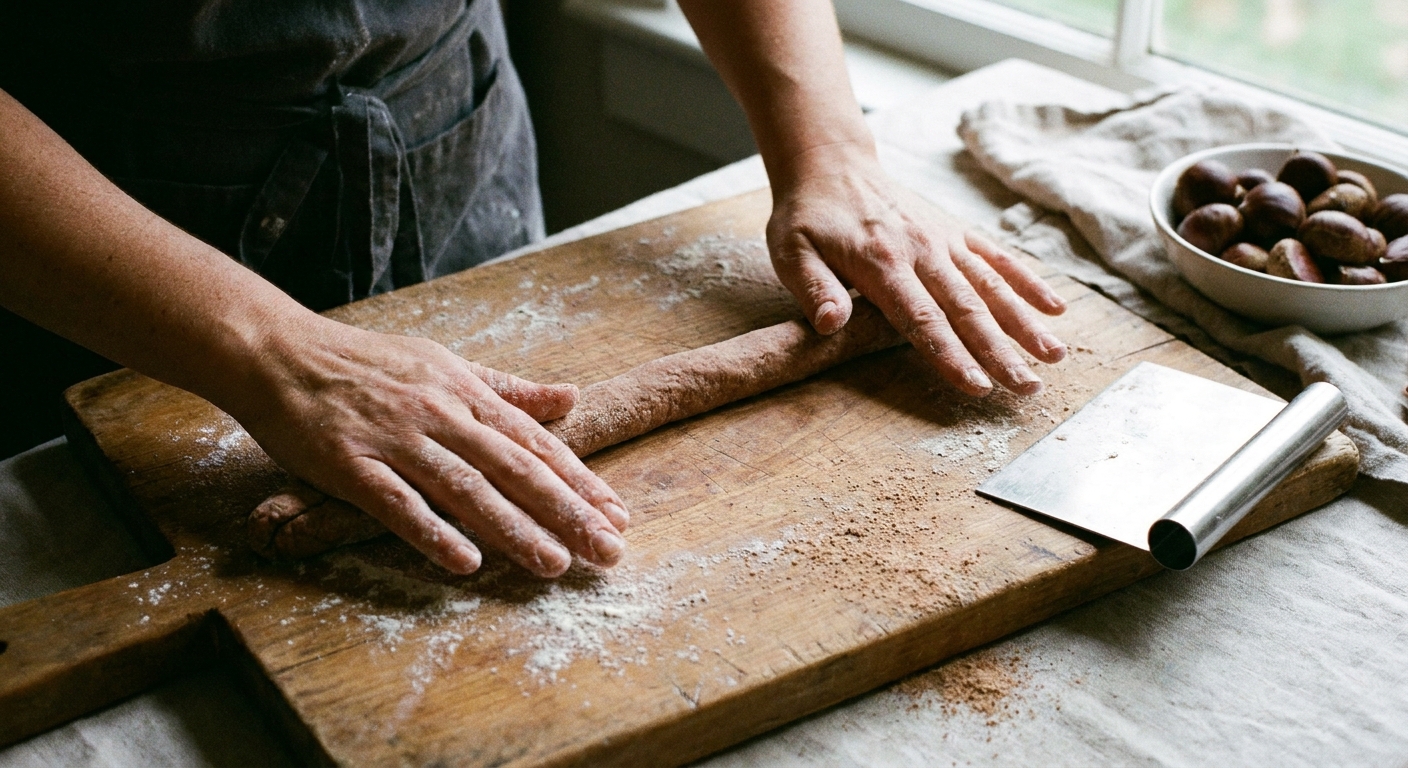
- Dough feel: soft like playdough and only lightly tacky. If it clings stubbornly to your hands and smears, it needs a bit more flour. If it cracks as you roll, it is too dry.
- Quick test cue: simmer one little test gnocchi. If it breaks apart, the dough needs a touch more flour, then test again.
- Boil cue (my go-to): gnocchi is ready when it floats and stays floating. For medium-sized gnocchi like this, I start checking at 20 to 30 seconds after they float, and almost always pull them by 60 seconds. If you are unsure, pull one and cut it in half. It should look cooked through and feel tender, not gummy.
- Pan-brown cue: look for light golden edges and a few deeper brown spots. That is flavor.
Why it works
- Potatoes first, chestnut second: Keeping the potato as the backbone gives you gnocchi that hold together through boiling.
- Clear chestnut guardrails: Chestnut flour and puree are delicious, but too much makes gnocchi break apart. This recipe stays inside the safe zone and gives you a smart starting point.
- Float plus a quick check: Floating tells you they are close, and a short hang-time plus a taste test keeps you from overcooking.
- Boil then brown: Boiling cooks them gently, and a quick butter-sage sauté adds the restaurant finish without complicated sauce work.
Ingredient notes
Potatoes
Use starchy potatoes like russets for the driest mash. Extra moisture is the fastest way to need extra flour, and extra flour is the fastest way to get heavy gnocchi.
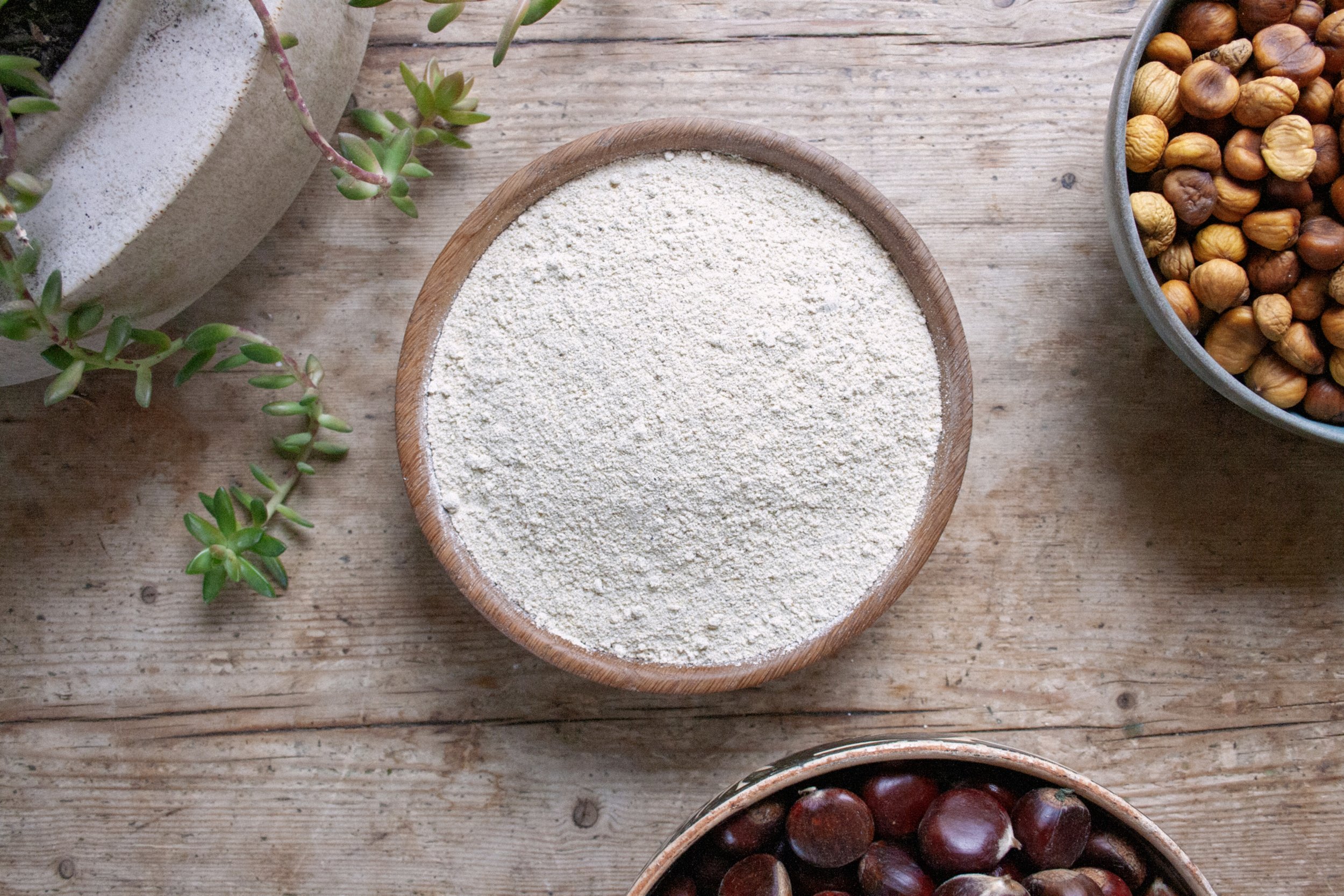
Chestnut flour (recommended)
For structure, cap chestnut flour at about 25% of the total flour. In practical terms for this recipe, that means no more than 1/2 cup (about 60 g) chestnut flour alongside 1 1/2 cups (about 180 g) all-purpose flour. Beyond that, the dough tends to crack during rolling and the finished gnocchi can crumble in the pot.
Chestnut puree (optional swap)
Chestnut puree varies a lot. For gnocchi that still hold together, use thick, unsweetened puree and keep it to 1/2 cup (about 120 g) per 1 pound of potatoes. Thick means it mounds on a spoon rather than pouring. If your puree is looser, you will need more flour to compensate, and that can make the gnocchi dense.
Egg
One egg helps bind the dough, especially important when adding chestnut flour or puree. If you are used to egg-free gnocchi, you can do it, but chestnut versions behave better with the egg.
Butter and sage
Browned butter plus sage is classic for a reason. The butter picks up nutty notes that echo the chestnuts, and sage keeps it savory.
Equipment
- Potato ricer or food mill (best texture, least gluey)
- Large pot for boiling
- Slotted spoon or spider strainer
- Bench scraper or knife for cutting
- Large skillet for browning in butter and sage
Pro tips
- Dry the potatoes: After draining, return potatoes to the hot pot for 1 to 2 minutes, shaking, to steam off excess moisture.
- Rice while hot: Rice the potatoes while they are hot, then let the steam escape for a few minutes before mixing the dough.
- Use the least flour that works: Add flour gradually. The moment the dough stops sticking badly and can be rolled, stop.
- Test one gnocchi: Before shaping everything, boil one small piece. If it falls apart, knead in 1 to 2 tablespoons flour and test again.
- Do not overcrowd the pot: Boil in batches so the water stays at a gentle boil and the gnocchi have room to float.
- Reserve a splash of cooking water: A tablespoon or two in the skillet helps the browned butter coat every piece.
Substitutes
- Chestnut flour substitute: If you cannot find chestnut flour, skip it and make classic potato gnocchi, then add toasted chopped chestnuts to the butter-sage finish for chestnut flavor.
- Gluten-free: A 1:1 gluten-free baking blend can work, but the dough is more fragile. Keep the chestnut flour lower, around 1/3 cup, and do the single-gnocchi boil test before shaping all of them. For more gluten-free inspiration, browse Gluten-Free Recipes.
- No sage: Rosemary or thyme are great with chestnuts. Use a smaller amount since both are stronger than sage.
Variations
- Mushroom version: Sauté sliced mushrooms in the butter before adding gnocchi, then finish with black pepper.
- Cheesy finish: Toss with grated Parmesan or pecorino and a squeeze of lemon to brighten the browned butter.
- Crispier gnocchi: After boiling, spread gnocchi on a sheet pan for 5 minutes to dry, then pan-brown. Less surface moisture equals better browning.
Serving ideas
- Serve with a simple green salad and a bright vinaigrette.
- Pair with cozy soup for a full fall dinner. If you love chestnuts, try Chestnut Soup another night.
- For a holiday side dish moment, serve alongside Roast Turkey With Cranberry Sauce.
Storage
Refrigerate
Cooked gnocchi keeps well in an airtight container for up to 3 days. Reheat in a skillet with butter or olive oil until hot and lightly crisp.
Freeze (best option)
Freeze shaped, uncooked gnocchi on a parchment-lined sheet pan until solid, then transfer to a freezer bag. Boil from frozen. Do not thaw. Expect an extra 30 to 60 seconds after they float.
Common mistakes
- Using watery potatoes: Yukon Golds can work, but they are moister. If you use them, be extra strict about drying the potatoes after draining.
- Overworking the dough: Too much mixing makes gnocchi tough. Mix just until it comes together.
- Adding too much chestnut flour: Once chestnut flour climbs above about 25% of the flour blend, the dough tends to crack and crumble.
- Relying on float alone: Some gnocchi float early. For medium-sized gnocchi, start tasting 20 to 30 seconds after they float, and do not automatically wait a full minute if they are small.
- Skipping the pan-brown: The boil cooks them, but the butter-sage browning is where the flavor turns special.
FAQ
How much chestnut flour can I add before gnocchi falls apart?
In testing, the reliable ceiling is about 25% chestnut flour in the flour portion. For this recipe that is up to 1/2 cup (60 g) chestnut flour with 1 1/2 cups (180 g) all-purpose flour. Above that, the dough becomes more crumbly and the boiled gnocchi are more likely to break, especially if your potatoes are a bit wet.
How much chestnut puree can the dough hold?
For a dough that still shapes and boils cleanly, stay at 1/2 cup (about 120 g) chestnut puree per 1 pound of potatoes, and only if the puree is thick and unsweetened (it should mound on a spoon, not pour). If it is looser, start closer to 1/4 cup.
What is the best doneness cue when boiling gnocchi?
When the gnocchi float and remain floating, they are typically close. For medium-sized gnocchi, I start checking around 20 to 30 seconds after they float, and they are usually done by 60 seconds. If you are unsure, cut one open. The center should look uniform and feel tender, not doughy.
Why did my gnocchi dissolve in the water?
Most often the dough was too wet or too chestnut-heavy. Next time, dry the potatoes more, keep chestnut flour at or below 1/2 cup, and do the single-piece boil test before shaping the whole batch.
Do I need a gnocchi board?
No. You can press lightly with the back of a fork for ridges, or skip ridges entirely. Browning in butter gives plenty of texture.
Recipe
Homemade chestnut gnocchi made with potato and chestnut flour (or puree), boiled until they float and stay afloat, then browned in butter with sage for crisp edges and cozy flavor.
- 1 lb russet potatoes, peeled and cut into 2-inch chunks
- 1 1/2 tsp kosher salt, divided, plus more for the pasta water
- 1 large egg, lightly beaten
- 1 1/2 cups (180 g) all-purpose flour, plus more for dusting
- 1/2 cup (60 g) chestnut flour (do not exceed this amount for a sturdy dough)
- 1/8 tsp freshly grated nutmeg (optional)
- 6 tbsp unsalted butter
- 10 to 14 fresh sage leaves
- 1/2 cup finely grated Parmesan, plus more to serve (optional)
- Freshly ground black pepper, to taste
- 1 to 2 tbsp reserved gnocchi cooking water (optional, to help sauce cling)
- Cook the potatoes. Add potatoes to a large pot and cover with cold water by 1 inch. Add 1 tsp kosher salt. Bring to a boil, then reduce to a steady simmer and cook until potatoes are very tender, 12 to 15 minutes. Drain well.
- Dry and rice. Return drained potatoes to the hot pot and shake over low heat for 1 to 2 minutes to steam off moisture. Rice the potatoes (or mash very thoroughly) onto a clean work surface or into a wide bowl. Let steam for 5 minutes.
- Make the dough. Sprinkle the riced potatoes with chestnut flour, all-purpose flour, remaining 1/2 tsp salt, and nutmeg (if using). Drizzle over the beaten egg. Gently mix and knead just until a soft dough forms. It should be smooth and pliable, not sticky or wet. If it is sticking badly, knead in 1 to 2 tablespoons all-purpose flour.
- Boil-test one piece. Pinch off a small piece of dough, shape into a mini gnocchi, and simmer it in salted water for 2 to 3 minutes. If it falls apart, knead 1 to 2 tablespoons flour into the dough and test again.
- Shape. Divide dough into 4 pieces. On a lightly floured surface, roll each piece into a rope about 3/4-inch thick. Cut into 3/4-inch pillows. Optional: press each piece gently with a fork to create ridges.
- Boil the gnocchi. Bring a large pot of well-salted water to a gentle boil. Cook gnocchi in batches. Stir once gently after adding to prevent sticking. When they float, let them cook 30 to 60 seconds longer, then lift out with a slotted spoon to a sheet pan or large plate. Reserve 1/2 cup cooking water.
- Brown butter and sage. In a large skillet over medium heat, melt butter. Add sage leaves and cook until butter smells nutty and turns golden brown, 3 to 5 minutes. Reduce heat to medium-low if butter is browning too fast.
- Pan-brown the gnocchi. Add boiled gnocchi to the skillet. Cook, tossing occasionally, until lightly golden with a few crisp edges, 3 to 6 minutes. Add 1 to 2 tablespoons reserved cooking water if needed to help the sauce coat.
- Finish and serve. Season with black pepper. Toss in Parmesan (if using). Serve hot with extra cheese on top.
Notes
- Chestnut puree option: Instead of chestnut flour, you can use up to 1/2 cup (about 120 g) smooth chestnut puree. If using puree, reduce the flour as needed and add it gradually, because puree adds moisture. For the most reliable structure, chestnut flour is easier to balance.
- Chestnut limit reminder: For sturdy gnocchi, keep chestnut flour at or below 1/2 cup (about 60 g) in this batch. More can make the dough crack and the gnocchi crumble.
- Doneness cue: Float plus 30 to 60 seconds is my most consistent indicator for medium-sized gnocchi. If your gnocchi are smaller, start tasting closer to 20 to 30 seconds after they float. If your water is at a rolling boil, reduce to a gentler boil to keep the gnocchi intact.