Delishing
Chateaubriand

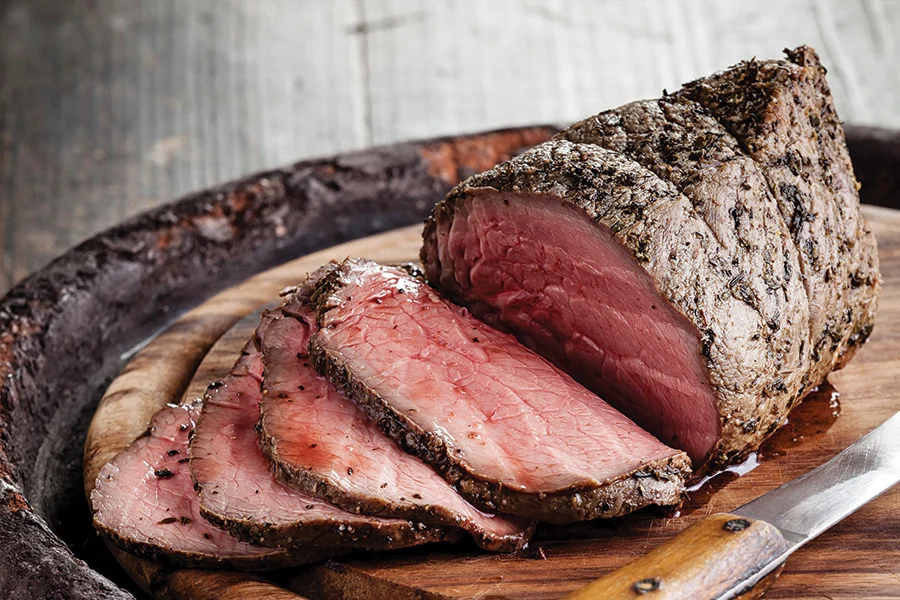
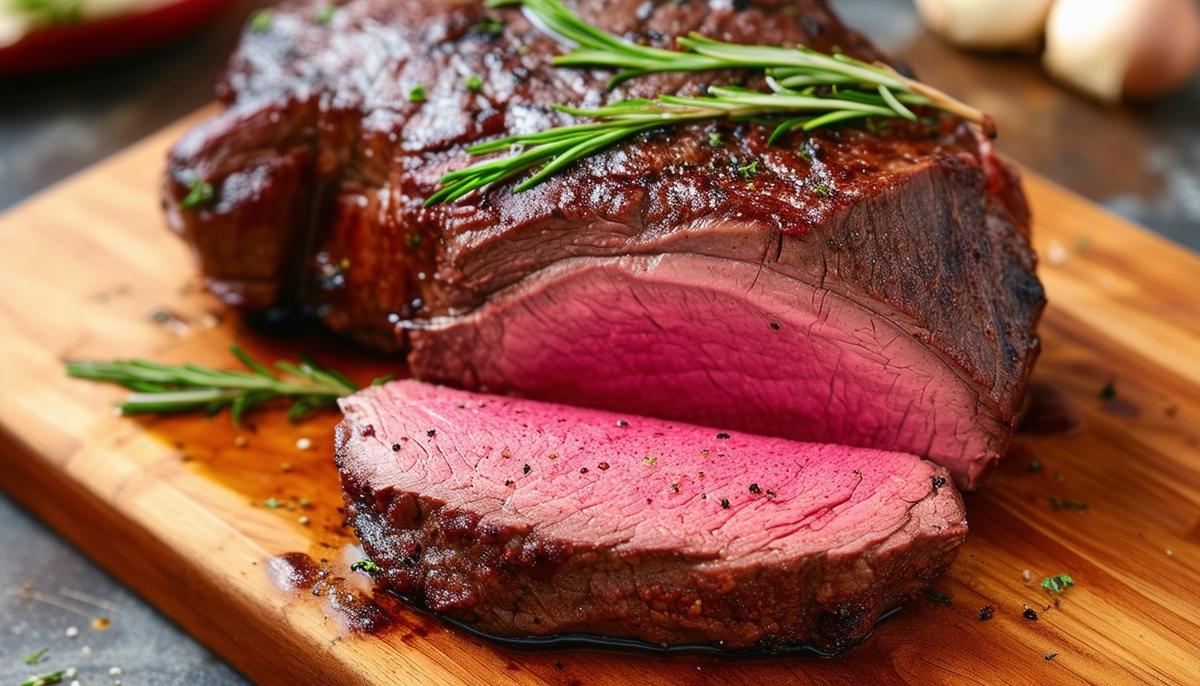
Chateaubriand is the kind of dinner that feels like a celebration, even if it is just a regular Tuesday and you are trying to make something special for two. It is a thick, center-cut piece of beef tenderloin that cooks like a small roast, but slices like the most tender steak you have ever had.
My favorite part is how predictable it can be once you treat it like a two-stage cook: a hard sear for flavor, then a gentle oven finish for an evenly rosy center. I have overcooked tenderloin before by chasing “one more minute” in the pan, so this method is my stress-free fix.
In this guide, you will get the big picture: what cut to buy, how to size it for two, the sear plus oven approach (I use a 400 F oven), and the key internal temperatures so you can pull it at the right moment. The recipe card below has the full details, including exact steps, timing ranges, and a simple pan sauce that makes it feel restaurant-level without adding chaos.
What it is
Traditionally, chateaubriand refers to the thick center portion of beef tenderloin cooked and served for two. Think of it as a tenderloin roast scaled for sharing. It is lean, extremely tender, and mild in flavor, which is why browning and a simple sauce go such a long way.
If you see “chateaubriand” sold at the butcher counter, it is usually a center-cut section of tenderloin that is thicker and more uniform than the tapered ends.
How to buy it
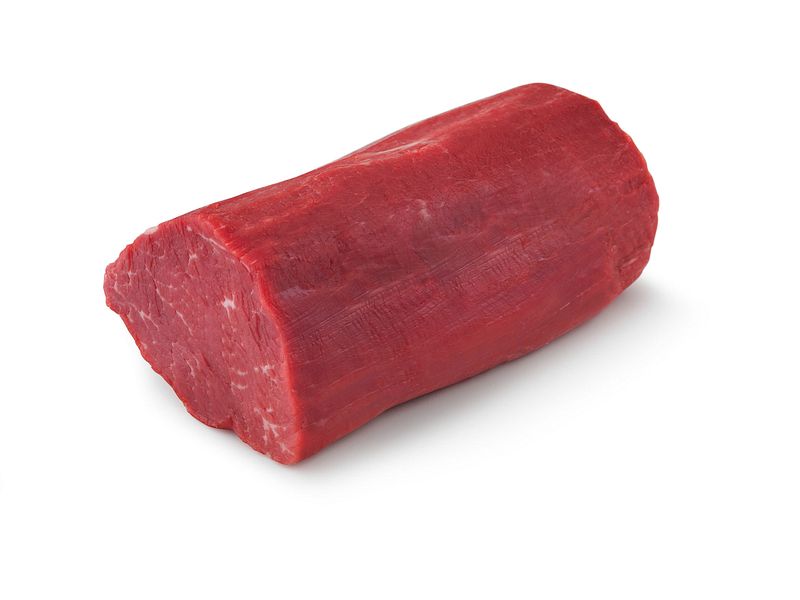
- Look for even thickness: A uniform cylinder cooks more evenly, which is the whole point here.
- Plan on 6 to 8 ounces per person: Tenderloin is rich (and pricey), and that classic steakhouse portion is usually plenty, especially with sides.
- Ask for the center cut: If you are buying a whole tenderloin, the middle is your chateaubriand. The thinner tail is better for filets.
- Any marbling is a bonus: Tenderloin is naturally lean, so a little marbling helps with flavor.
The cooking plan
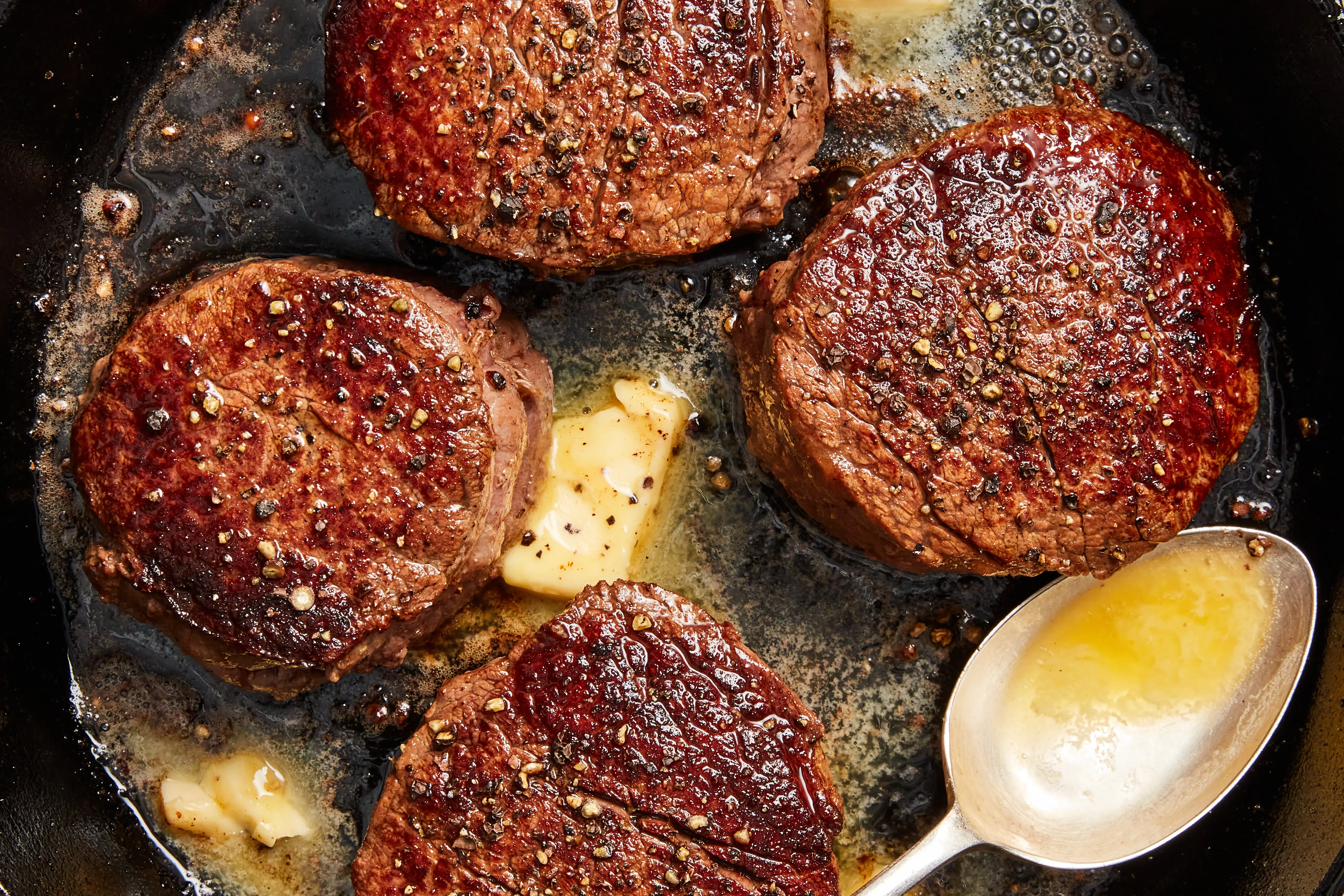
The idea is simple: build flavor with a fast, high-heat sear, then finish in the oven at 400 F so the center cooks evenly instead of turning into a bullseye.
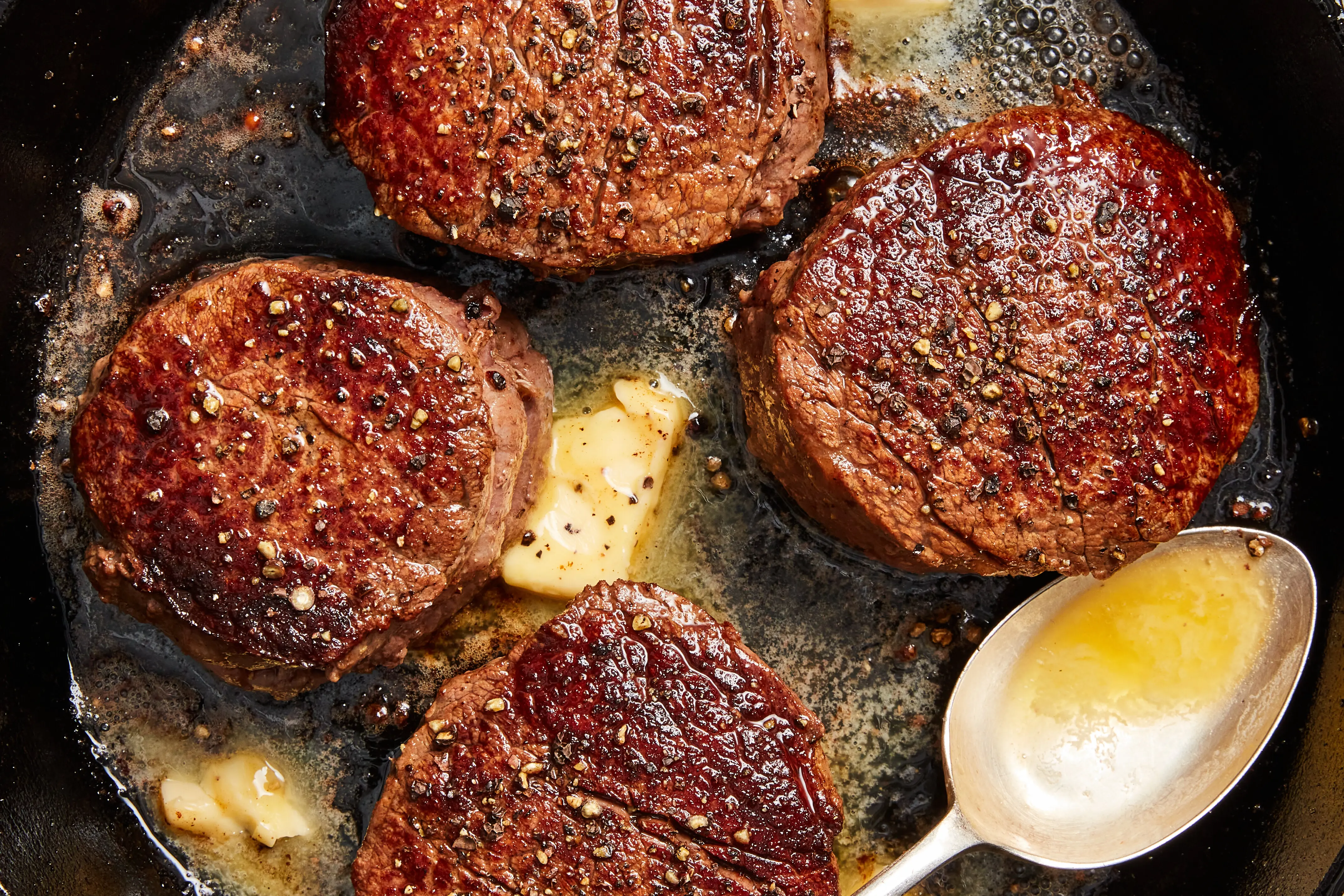
If you already love cooking steaks in a skillet, the searing part will feel familiar. For that style of crust-building, see Pan-Seared Filet Mignon, then come back here for the roast approach and serving flow.
What matters most
Chateaubriand goes from perfect to overdone fast, so an instant-read thermometer is the difference between “wow” and “well, it is still expensive.” If you like it medium-rare, you are in the right neighborhood for tenderloin.
Why it works
- Center-cut tenderloin equals even cooking: The thick, uniform shape makes it far easier to hit your target doneness.
- Sear plus oven finish: You get a deeply browned crust without overcooking the center.
- Thermometer-driven doneness: Time varies by thickness, pan, and starting temp. Temperature does not.
- Resting locks in juices: A short rest keeps slices moist and tender instead of leaking onto the board.
Ingredient notes
- Beef tenderloin center-cut: Look for a thick, evenly shaped piece, about 1.5 to 2 pounds for two hungry people or three lighter servings.
- Kosher salt: The best all-purpose option for seasoning meat evenly. If using fine salt, use a bit less.
- High smoke-point oil: Avocado, grapeseed, or canola help you sear hard without burning.
- Butter: Adds richness, especially important because tenderloin is lean.
- Garlic and herbs: Optional, but basting with thyme and smashed garlic makes the kitchen smell incredible.
- Shallot, wine, Dijon: The fast track to a glossy pan sauce that tastes like you tried harder than you did.
Equipment
- Oven-safe skillet: Cast iron is ideal for searing and transferring to the oven.
- Instant-read thermometer: Essential for tenderloin.
- Butcher’s twine: Helps the roast cook evenly.
- Tongs: For turning the roast and searing the sides.
- Cutting board and sharp knife: A long slicing knife makes cleaner medallions.
If you are shopping for cookware upgrades, start with our round-up on nonstick pans ranked, and consider adding a cast iron or stainless skillet for high-heat searing tasks like this.
Pro tips
- Dry the surface thoroughly: Pat the roast dry right before it hits the pan. Moisture fights browning.
- Do not crowd the pan: Use a skillet large enough that the roast has breathing room.
- Sear the ends too: Stand it up with tongs for 30 to 60 seconds per end for a better crust.
- Pull early and rest: Carryover cooking is real. Pulling 5 to 10 F before your final temp keeps you safe.
- Slice thick: Thin slices cool quickly. Medallions stay warm and feel special.
Substitutes
- No red wine: Use beef broth plus 1 teaspoon balsamic vinegar for a similar depth in the sauce.
- No shallot: Use finely minced yellow onion, and cook it a little longer to soften.
- No Dijon: Use a small spoonful of whole grain mustard, or skip it and finish with lemon.
- No twine: You can cook without tying, but expect less even doneness. Watch your thermometer closely.
Variations
- Peppercorn sauce vibe: Add 1 to 2 teaspoons cracked black pepper to the pan sauce and finish with a splash of cream.
- Garlic-herb butter: Mix softened butter with minced garlic, parsley, and lemon zest. Melt over slices right before serving.
- Au poivre-ish crust: Press cracked pepper into the outside after salting, then sear as directed.
Serving ideas
- Classic steakhouse sides: Try skillet fried potatoes or classic creamy potato salad if you want something make-ahead friendly.
- Easy vegetables: roasted broccoli is my weeknight answer, even for fancy mains.
- Something cozy: A starter like creamy stovetop mushroom soup makes dinner feel like a night out.
Storage
- Refrigerate: Store leftover slices airtight for up to 3 days.
- Reheat gently: Warm in a low oven (around 250 F) just until heated through, or slice thin and briefly warm in a skillet with a little butter. Avoid high heat, which can overcook it fast.
- Sauce: Store separately if possible. Rewarm slowly, whisking in a splash of broth or water if it tightens up.
Common mistakes
- Skipping the thermometer: Tenderloin is too expensive to guess.
- Under-searing: Pale tenderloin tastes bland. Commit to the crust.
- Cooking only in the pan: The center overcooks before you get good browning. Sear, then oven.
- Slicing immediately: You lose moisture and the slices seem drier than they should.
- Going past medium: Chateaubriand is lean. Overcooking reads as dry, not “more done.”
FAQ
Is chateaubriand the same as filet mignon?
They come from the same cut, the tenderloin. Filet mignon is typically cut into individual steaks, often from the narrower end. Chateaubriand is a thick center-cut piece cooked as a small roast and sliced to serve.
How big should chateaubriand be for two people?
A 1.5 to 2 pound center-cut tenderloin roast is a comfortable size for two, with possible leftovers depending on appetites and sides.
What oven temperature is best?
I like 400 F after a hard sear. It finishes quickly without drying out, and it is easy to manage with a thermometer.
Should I bring it to room temperature first?
You do not have to. I usually let it sit for 20 to 30 minutes while the oven preheats, then cook based on internal temperature. If it is fridge-cold, it may take a few extra minutes in the oven.
How do I slice it so it looks restaurant-style?
Remove the twine, then slice into thick medallions and fan them on a warmed platter. Finish with flaky salt and spoon over the pan sauce.
Chateaubriand for Two (Sear and Oven Finish)
A thick center-cut beef tenderloin roast, seared for a deep crust and finished in the oven for an evenly rosy center. Includes a simple shallot pan sauce.
Prep time: 15 minutes
Cook time: 25 to 35 minutes
Total time: 45 to 60 minutes
Servings: 2
Ingredients
- 1 center-cut beef tenderloin roast (chateaubriand), 1 1/2 to 2 pounds, about 2 to 3 inches thick
- 1 1/2 teaspoons kosher salt, plus more to finish
- 1/2 teaspoon black pepper
- 1 tablespoon high smoke-point oil (avocado, grapeseed, or canola)
- 3 tablespoons unsalted butter, divided
- 2 garlic cloves, smashed (optional)
- 4 sprigs fresh thyme or rosemary (optional)
- 1 small shallot, finely minced (about 2 tablespoons)
- 1/2 cup dry red wine or beef broth
- 1 teaspoon Dijon mustard
- 1 to 2 teaspoons lemon juice or red wine vinegar, to taste (optional)
Instructions
- Preheat the oven: Set oven to 400 F. Place a rack in the middle position.
- Trim and tie (recommended): Pat the tenderloin dry. Trim any silverskin. Tie with butcher’s twine every 1 to 1 1/2 inches to form an even cylinder.
- Season: Season all over with kosher salt and black pepper. (If you have time, salt it 45 minutes ahead, or up to 24 hours ahead and refrigerate uncovered, then pat dry again before searing.)
- Sear: Heat an oven-safe skillet over medium-high heat until very hot. Add oil. Add the roast and sear until deeply browned, 2 to 3 minutes per side. Use tongs to sear the ends for 30 to 60 seconds each.
- Baste (optional but delicious): Reduce heat to medium. Add 2 tablespoons butter, garlic, and herbs. Tilt the pan and spoon the foaming butter over the roast for 30 to 60 seconds.
- Oven finish: Transfer the skillet to the oven. Roast until the thickest center reaches your pull temperature: 125 to 130 F for medium-rare, 135 F for medium, 15 to 25 minutes depending on thickness and starting temperature.
- Rest: Transfer the roast to a cutting board and tent loosely with foil. Rest 10 to 15 minutes. (The temperature will rise 5 to 10 F.)
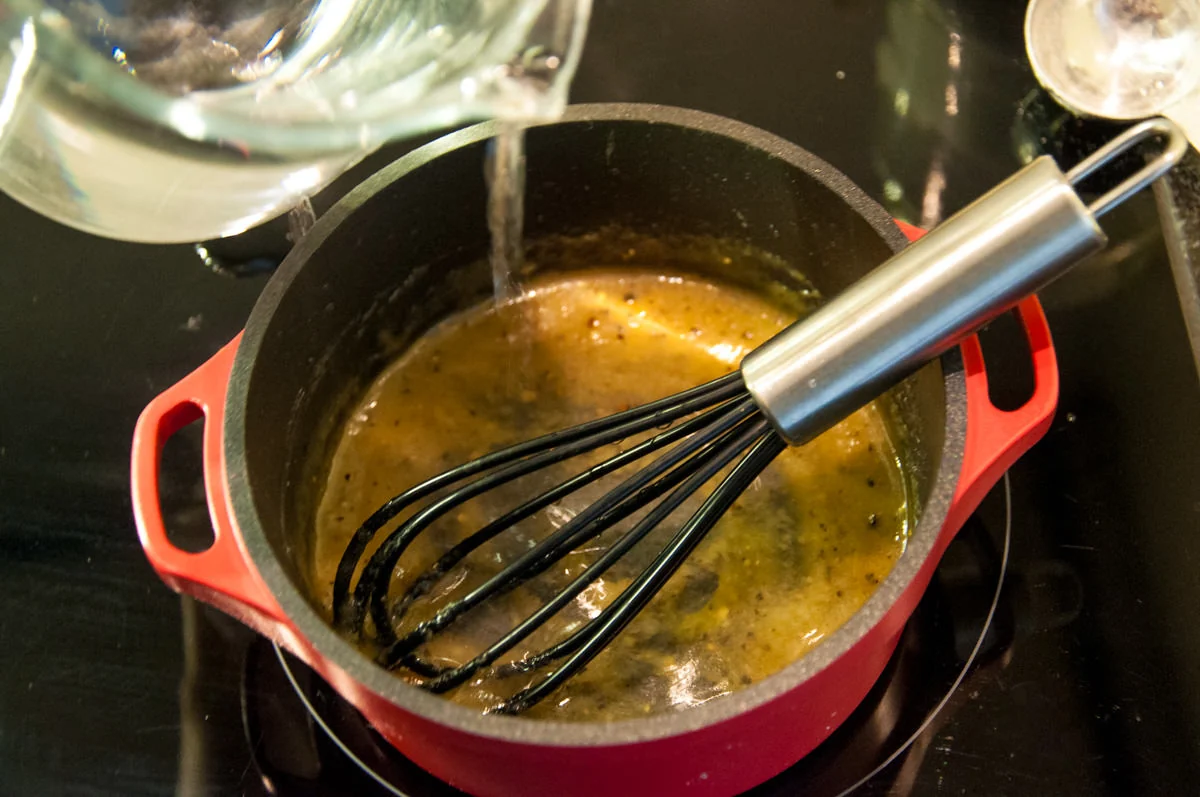
- Make the pan sauce: While the roast rests, carefully pour off excess fat, leaving browned bits in the skillet. Set skillet over medium heat, add shallot, and cook 1 to 2 minutes until softened. Add wine or broth and scrape up the browned bits. Simmer until reduced by about half, 3 to 5 minutes. Whisk in remaining 1 tablespoon butter and Dijon until glossy. Taste and brighten with lemon juice or vinegar if desired. Season with a pinch of salt if needed.
- Carve and serve: Snip and remove twine. Slice across the grain into 1 to 1 1/2 inch medallions. Spoon sauce over the top and finish with a pinch of flaky salt.
Notes
- Best doneness: Medium-rare is the sweet spot for tenderloin texture.
- Thermometer tip: Insert into the very center of the thickest part from the side for the most accurate read.
- Sauce swap: If using broth instead of wine, a small splash of balsamic at the end adds depth.