Delishing
Peppercorn Sauce

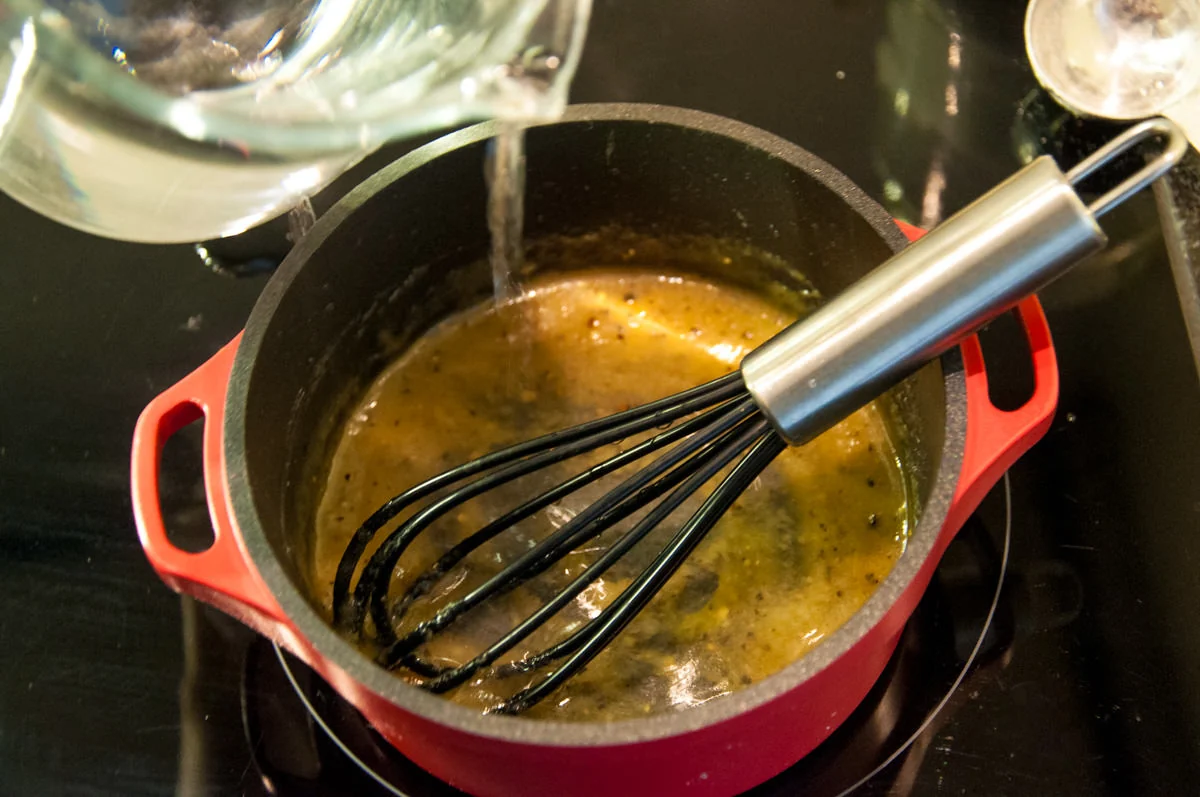
When I want a steakhouse-style dinner without turning my kitchen into a full production, I make peppercorn sauce. It is creamy, peppery, and feels fancy, but it comes together fast in the same pan you used to cook your protein. The trick is simple: lightly crush the peppercorns so they perfume the sauce without turning it gritty, then deglaze the pan, reduce, and finish with cream until it clings to the back of a spoon.
This page stays focused on the sauce itself. If you are looking for the steak method, head over to our Pan-Seared Filet Mignon guide and come right back here for the finishing touch.
What to expect
- Crushing peppercorns: the easiest no-mess ways, plus how coarse to go
- Deglazing: cognac or brandy for classic flavor, or stock when you want to skip alcohol
- Reducing with cream: what “thick enough” actually looks like
- Make-ahead: how to reheat so it stays silky
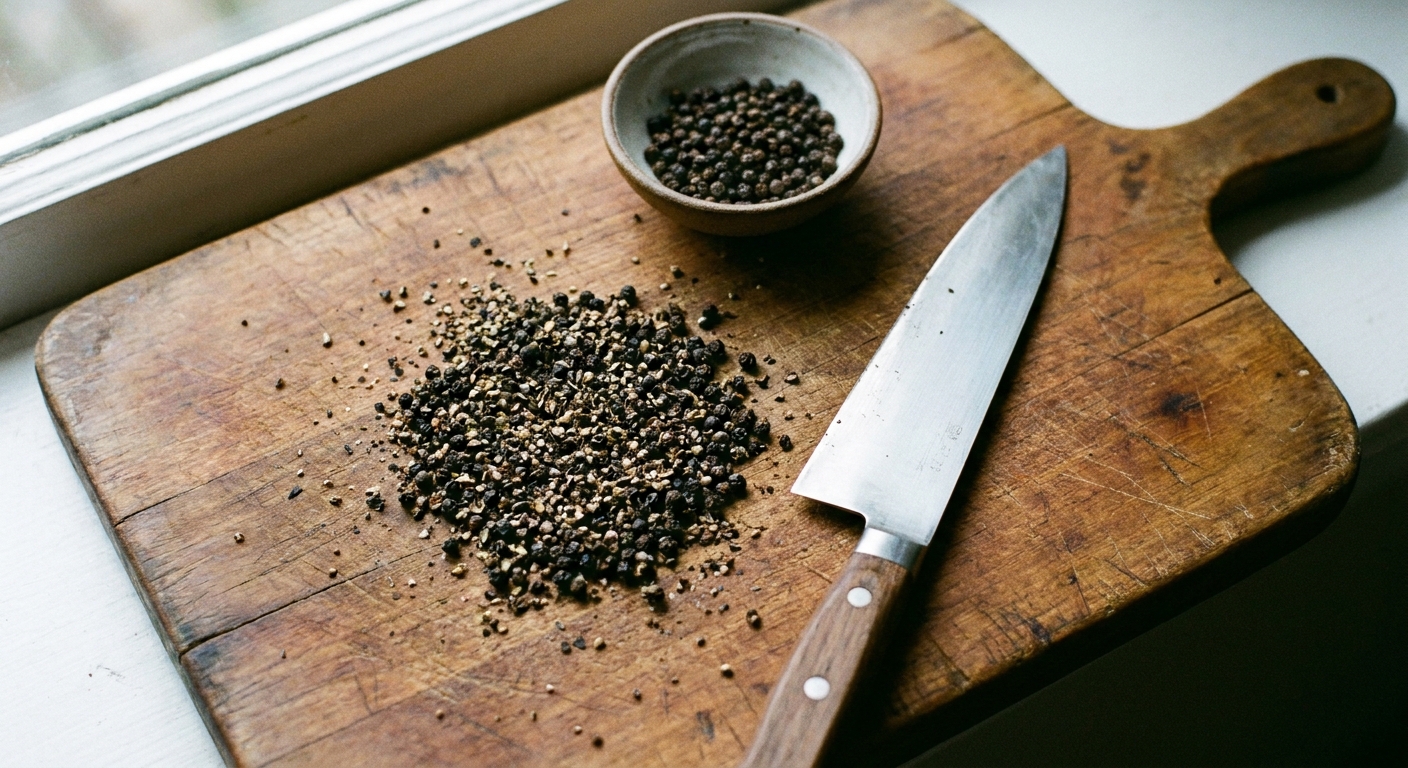
Crushing peppercorns: You are not trying to make pepper dust. Think cracked, not ground. My go-to is the zip-top bag method because it is tidy and controllable. A few firm whacks get you uneven, coarsely cracked pieces, which is exactly what you want for that warm, perfumed pepper flavor. If you crush too fine, the sauce can read harsh and a little sandy. If you crush too large, you get random crunchy bites. The sweet spot is about the size of coarse sea salt.
Deglazing: This is where peppercorn sauce starts tasting like it came from a white-tablecloth place. Once the shallot is soft and the pepper is fragrant, you add your liquid and scrape like you mean it. Cognac or brandy gives that classic steakhouse vibe, but stock absolutely works and is still delicious. The key is to let that first splash loosen every browned bit on the bottom of the pan, then give it a minute to simmer so the sharp edge cooks off and the flavor concentrates.
Reducing with cream: Reduction is the difference between silky and soupy. After you deglaze, you want the liquid to look slightly syrupy before the cream goes in. Once you add cream, keep the bubble gentle, not aggressive. “Thick enough” looks like this: the sauce coats the back of a spoon, and if you run a finger through it, the line stays put instead of filling in right away. It will also thicken a touch as it sits off the heat, so do not chase a gravy-thick texture in the pan.
Make-ahead: Peppercorn sauce reheats well as long as you treat it gently. Chill it, then warm it over low heat while whisking. If it tightens up in the fridge (it will), just loosen it with a small splash of stock, water, or cream until it turns glossy again. The one thing to avoid is boiling it hard on reheat, which can make a cream sauce split or turn greasy and a little grainy.
Quick troubleshooting: If the sauce gets too thick, whisk in a tablespoon of stock or cream at a time over low heat until it relaxes. If it is too thin, keep it at a gentle simmer for a few more minutes to reduce. If it looks like it is starting to separate, pull it off the heat and whisk in a small splash of cold cream, then return it to the lowest heat just to bring it back together.
Why it works
- Crushed, not ground: Cracking peppercorns releases their aroma while keeping the heat clean and balanced. Finely ground pepper can make the sauce harsh and dusty.
- Deglazing builds flavor fast: Cognac, brandy, or stock dissolves the browned bits in the pan, which is where the deep, savory flavor lives.
- Reduction does the thickening: Simmering concentrates the liquid before the cream goes in, so the sauce turns velvety without needing flour or cornstarch.
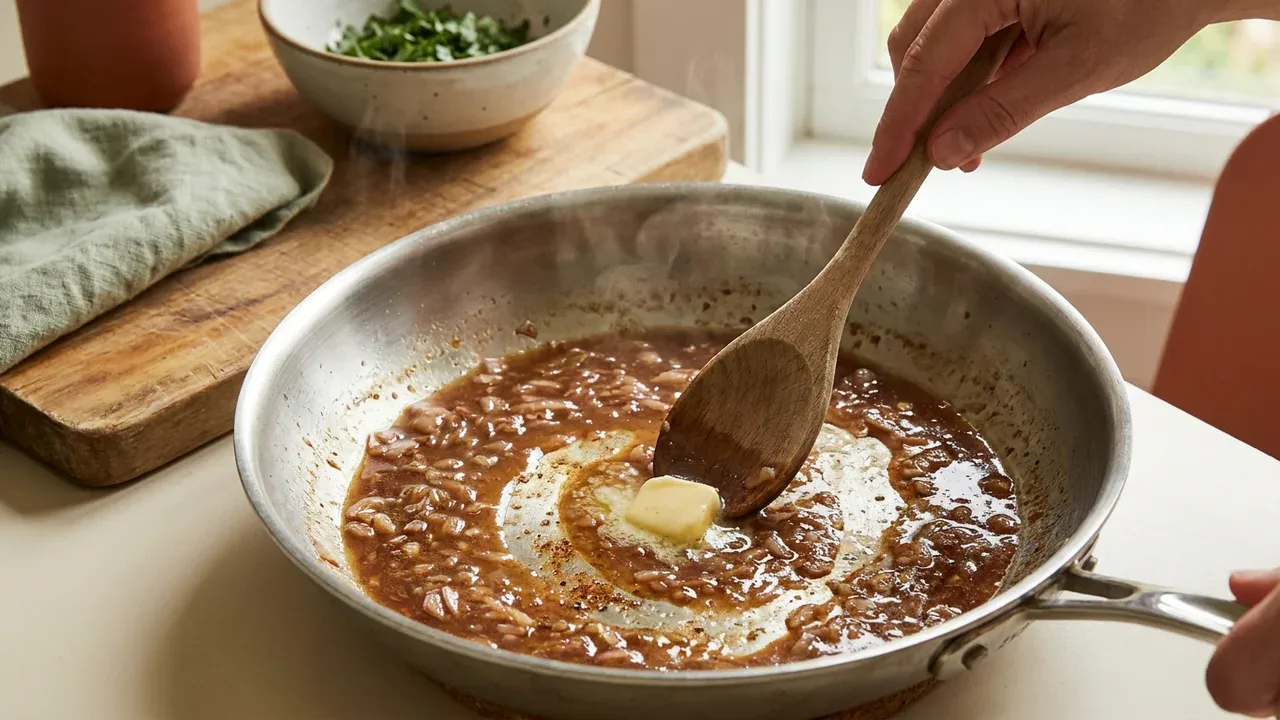
- Butter at the end: A small knob whisked in off heat rounds the sharp edges and gives you that glossy restaurant finish.
Ingredient notes
These are small ingredients with big jobs. If you have to pick where to splurge, choose whole peppercorns and decent cream.
Peppercorns
Whole black peppercorns are the classic choice. You want them coarsely crushed, not pulverized. If you love a softer heat, do a mix of black and green peppercorns, but keep at least half black for that traditional bite.
Shallot
Shallot gives gentle sweetness without overpowering the pepper. Mince it fine so it melts into the sauce.
Cognac, brandy, or stock
Cognac or brandy brings the signature steakhouse flavor. If you prefer no alcohol, use beef stock or chicken stock. Either way, the goal is to loosen the browned bits and then reduce.
Heavy cream
Heavy cream is the most forgiving. It reduces without breaking and turns silky. Half-and-half can work in a pinch, but it will be thinner and more likely to split if boiled hard.
Butter
A small amount at the end gives a glossy finish and softens the pepper heat. Use unsalted if possible so you control the salt.
Salt
Season at the end, after the sauce reduces. Reduction concentrates salt quickly.
Equipment
- Skillet: Stainless steel or cast iron is ideal for building flavorful browned bits. Nonstick works, but you will get a milder sauce.
- Small saucepan (optional): Helpful if your main pan is busy or you want to hold the sauce warm.
- Meat mallet, rolling pin, or heavy mug: For crushing peppercorns in a bag.
- Wooden spoon or spatula: For scraping up browned bits during deglazing.
- Fine grater or knife: To mince shallot very finely.
If you are shopping for pans, our nonstick pan ranking can help you decide what belongs in your kitchen long-term.
Pro tips
How to crush peppercorns
- Zip-top bag method: Put peppercorns in a zip-top bag, press out air, seal, then gently smack with a mallet or rolling pin. Aim for pieces about the size of coarse sea salt.
- Bottom of a skillet: Scatter peppercorns on a cutting board and press down firmly with the flat bottom of a heavy pan. This gives you great control.
- Mortar and pestle: Two or three twists is enough. Stop before it turns into powder.
Deglaze like you mean it
Once the shallot is soft, add the brandy or stock and scrape the pan well. You should see the browned bits lift easily, turning the liquid a deeper color.
Thickness cues you can trust
- Nappe test: The sauce should coat the back of a spoon. Drag a finger through it and the line should stay visible.
- Visual cue: Bubbles go from large and loose to smaller and slower as it thickens.
- Remember carryover thickening: It will thicken slightly as it cools off the heat.
Keep the sauce warm, not boiling
Once cream is in, you want a gentle simmer. A hard boil can make the sauce split or turn greasy.
Substitutes
- No cognac or brandy: Use beef stock, chicken stock, or mushroom stock. If you want a hint of brightness, add 1 teaspoon lemon juice at the end.
- No shallot: Use a small amount of finely minced onion. Cook it a touch longer so it becomes very soft.
- No heavy cream: Half-and-half works, but reduce the stock a little more before adding it, and keep the simmer very gentle. For best texture, do not boil.
- Dairy-free option: Use a rich, unsweetened oat cooking cream or cashew cream. You will lose some classic flavor, but you can bring back richness with a little olive oil whisked in at the end.
- Whole peppercorns only: If all you have is pre-ground black pepper, use less than you think and whisk it in at the end. The flavor will be sharper, and the texture can be slightly sandy.
Variations
- Cognac cream sauce: Swap brandy for cognac for a slightly more aromatic finish.
- Green peppercorn sauce: Use half crushed black peppercorns and half drained green peppercorns (brined). Add green peppercorns near the end so they stay plump.
- Mushroom peppercorn sauce: Sauté sliced mushrooms after the shallot, then continue with deglazing and cream.
- Mustard peppercorn sauce: Whisk in 1 to 2 teaspoons Dijon mustard at the end for extra tang.
- Extra luxe: Finish with a small splash of cream plus a cold pat of butter off heat for a glossier, richer sauce.
Serving ideas
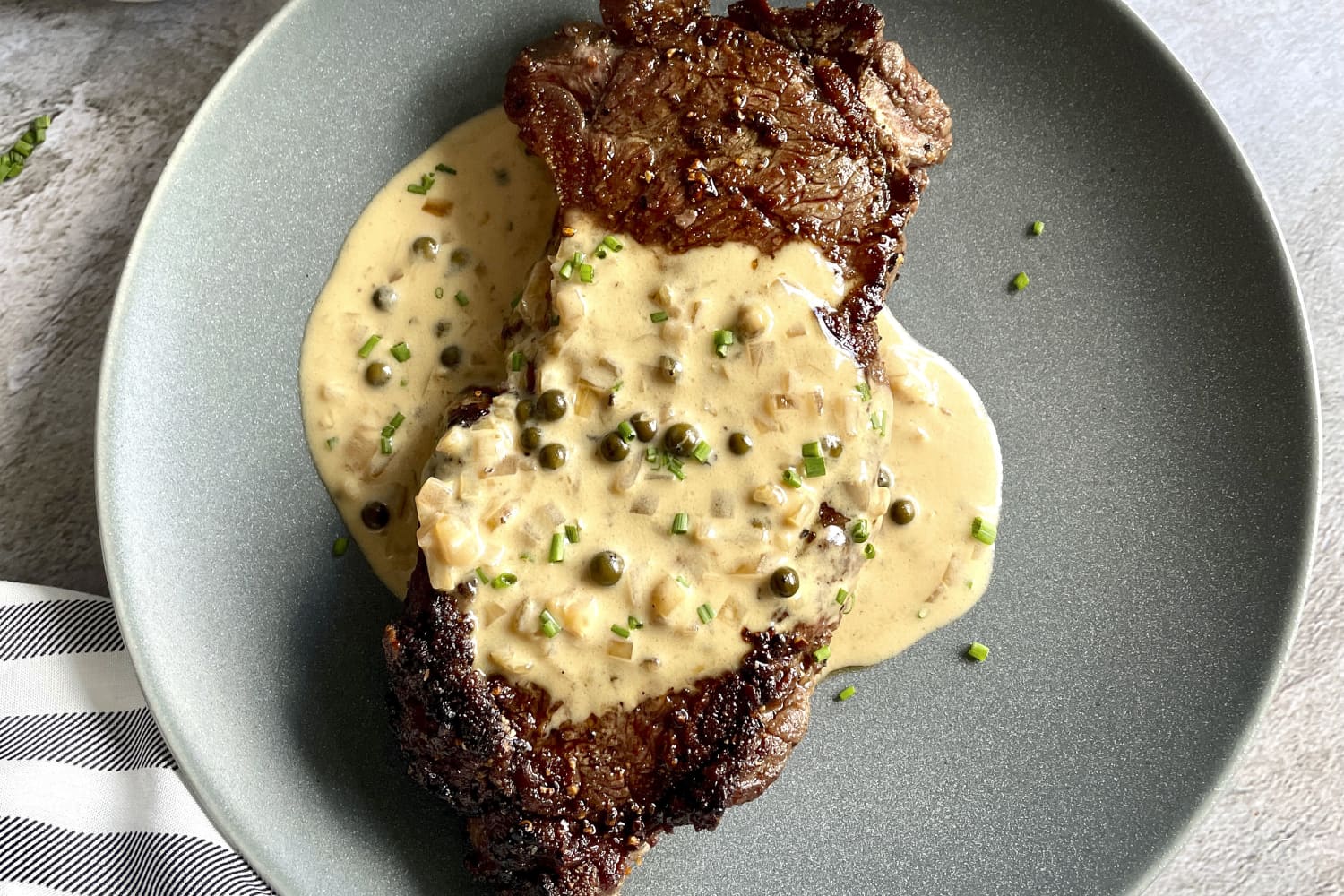
This sauce is famous on steak, but it also makes busy-weeknight food feel special.
- Chicken: Spoon over roasted or pan-seared chicken and serve with something simple like roasted broccoli.
- Pork: Great with pork tenderloin. Pair with skillet fried potatoes to catch every drop.
- Vegetarian: Try it over roasted mushrooms, cauliflower steaks, or a baked potato like our baked potato.
- Date-night plate: Add a green veg and a carb and call it done. If you want a steak walkthrough, use this filet mignon method and finish with the sauce from this page.
Storage and make-ahead
Make-ahead
You can make peppercorn sauce up to 3 days ahead. It thickens in the fridge, which is normal.
How to reheat
- Warm in a small saucepan over low heat, stirring often.
- If it is too thick, whisk in a splash of stock, water, or cream, 1 tablespoon at a time, until silky again.
- Avoid boiling during reheat.
Freezing
Cream sauces can separate after freezing and thawing. If you do freeze it, thaw overnight in the fridge and reheat gently while whisking. The texture may be slightly less smooth, but it is still tasty.
Common mistakes (and quick fixes)
Grinding the pepper too fine
What happens: The sauce tastes harsh and looks speckled in a dusty way.
Fix: Next time crush more coarsely. If it is already made, mellow the bite with an extra tablespoon of cream and a small pat of butter.
Not reducing before adding cream
What happens: The sauce tastes flat and watery.
Fix: Simmer longer to reduce. Use the spoon-coating test to judge thickness.
Boiling the sauce hard
What happens: Split, greasy, or slightly grainy texture.
Fix: Pull it off the heat and whisk briskly. If needed, whisk in 1 to 2 tablespoons cold cream to help smooth it out, then return to very low heat.
Over-salting
What happens: Too salty after reduction.
Fix: Add a splash of water or unsalted stock and a bit more cream, then gently simmer again. Taste after each adjustment.
FAQ
How coarse should the crushed peppercorns be?
Think coarse sea salt. You want pieces large enough to give little pops of pepper, but not so big they feel crunchy and aggressive.
Can I make peppercorn sauce without alcohol?
Yes. Use beef stock or chicken stock to deglaze. You still get a flavorful sauce from the pan drippings and reduction.
How do I know when it is thick enough?
The best cue is the back-of-a-spoon test. If you draw a line through the sauce on a spoon and it stays open, you are there. Remember it thickens a little as it cools.
My sauce is too thick. What now?
Whisk in a splash of stock, water, or cream, 1 tablespoon at a time, over low heat until it loosens.
My sauce is too thin. Can I fix it?
Yes. Simmer gently a few more minutes to reduce. Keep it at a low bubble so the dairy stays smooth.
How do I fix a sauce that starts to split?
Take the pan off the heat and whisk until it smooths out. If needed, whisk in 1 to 2 tablespoons cold cream, then return to very low heat just to warm through. Avoid a hard boil.
Can I strain the peppercorns out?
You can, especially if you want a smoother sauce. Strain through a fine-mesh sieve, then taste and add a pinch of fresh cracked pepper at the end for aroma.
Recipe
A classic creamy peppercorn sauce made with crushed peppercorns, shallot, a quick brandy or stock deglaze, and heavy cream. Silky, peppery, and ready fast.
Prep Time: 5 minutes
Cook Time: 10 minutes
Total Time: 15 minutes
Servings: Makes about 3/4 cup (4 servings)
- 2 teaspoons whole black peppercorns
- 1 tablespoon unsalted butter
- 1 small shallot, finely minced (about 2 tablespoons)
- 1/3 cup brandy or beef stock
- 1/2 cup beef stock (or chicken stock)
- 3/4 cup heavy cream
- 1/4 teaspoon kosher salt, plus more to taste
- Crush the peppercorns. Put the peppercorns in a zip-top bag, press out the air, seal, and gently crush with a rolling pin or meat mallet until coarsely cracked (about the size of coarse sea salt). Set aside.
- Sauté the shallot. In a skillet over medium heat, melt the butter. Add the minced shallot and cook, stirring, until softened and fragrant, 1 to 2 minutes. Do not brown.
- Toast the pepper. Add the crushed peppercorns to the pan and stir constantly for 30 seconds to 1 minute, just until very aromatic.
- Deglaze. Carefully pour in the brandy (or 1/3 cup stock). Stir and scrape the bottom of the pan with a wooden spoon to loosen any browned bits. Simmer until the liquid is reduced by about half, 1 to 2 minutes.
- Add stock and reduce. Pour in the remaining 1/2 cup stock and simmer until reduced again, about 2 to 3 minutes. You are building a concentrated base before the cream goes in.
- Add cream and simmer gently. Reduce heat to medium-low and pour in the heavy cream. Simmer at a gentle bubble, stirring often, until the sauce thickens enough to coat the back of a spoon, 3 to 6 minutes.
- Season and serve. Stir in the salt, then taste and adjust. If you want it looser, add a splash of stock or cream. Serve warm.
Make-ahead: Cool, cover, and refrigerate up to 3 days. Reheat over low heat, whisking often. If the sauce gets too thick, whisk in stock, water, or cream 1 tablespoon at a time.
Pan sauce note: If you are making this in the same pan you cooked meat in, pour off excess fat first, leaving about 1 tablespoon of drippings. Then start at Step 2.