Delishing
Classic Beef Wellington

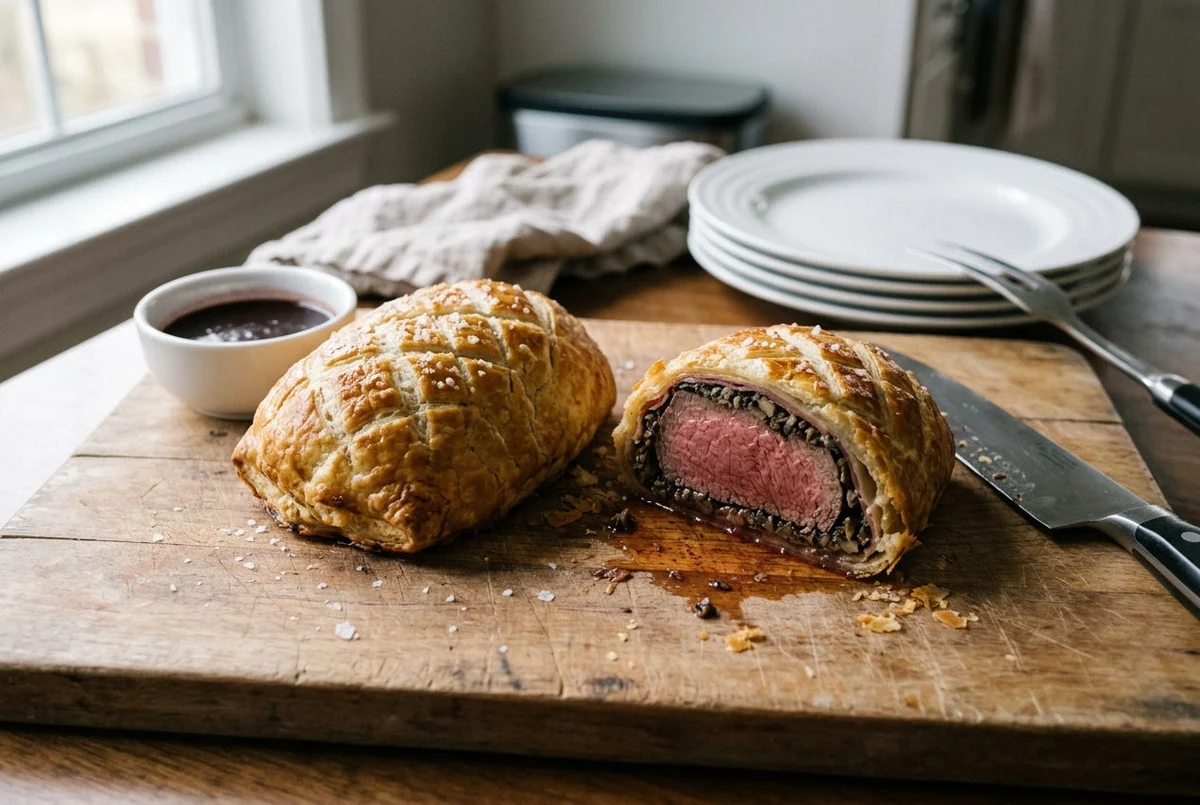
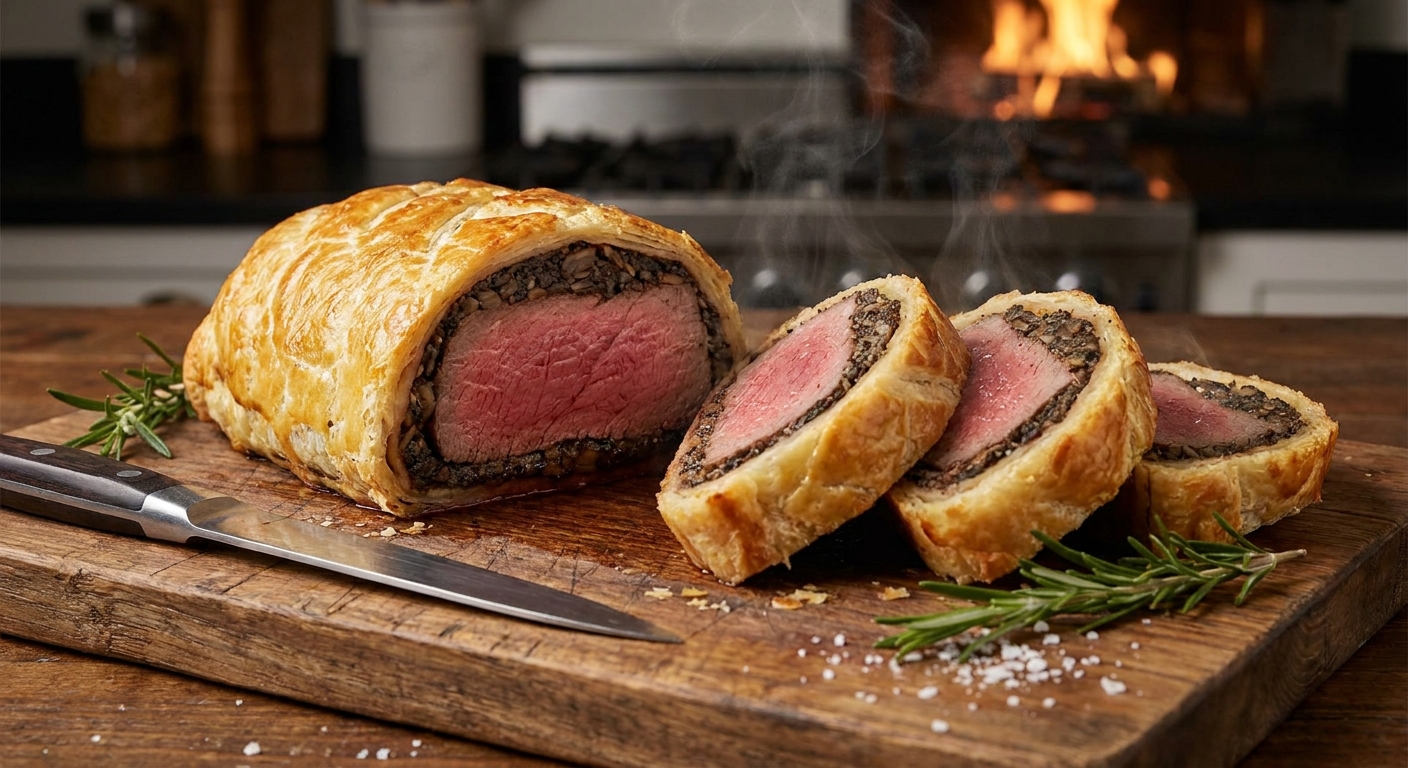
Beef Wellington is one of those dishes that looks like it requires a chef coat and a stress nap, but it is really just a series of simple steps with a couple of non-negotiable rules: keep things cold, keep the mushroom layer dry, and cook to temperature instead of guessing.
I started making Wellington when I needed a truly special dinner that still fit my weeknight brain, meaning simple, repeatable steps I could actually follow after a long day. The first time, I wrapped everything while the duxelles was still a little warm and I paid for it with soggy pastry. After a few notebook tweaks (a drier duxelles, longer chills, and a tighter wrap), this version became my foolproof go-to: seared beef tenderloin, intensely savory mushroom duxelles, prosciutto plus a thin crêpe barrier for insurance, then a tight puff pastry wrap with a good chill before baking.
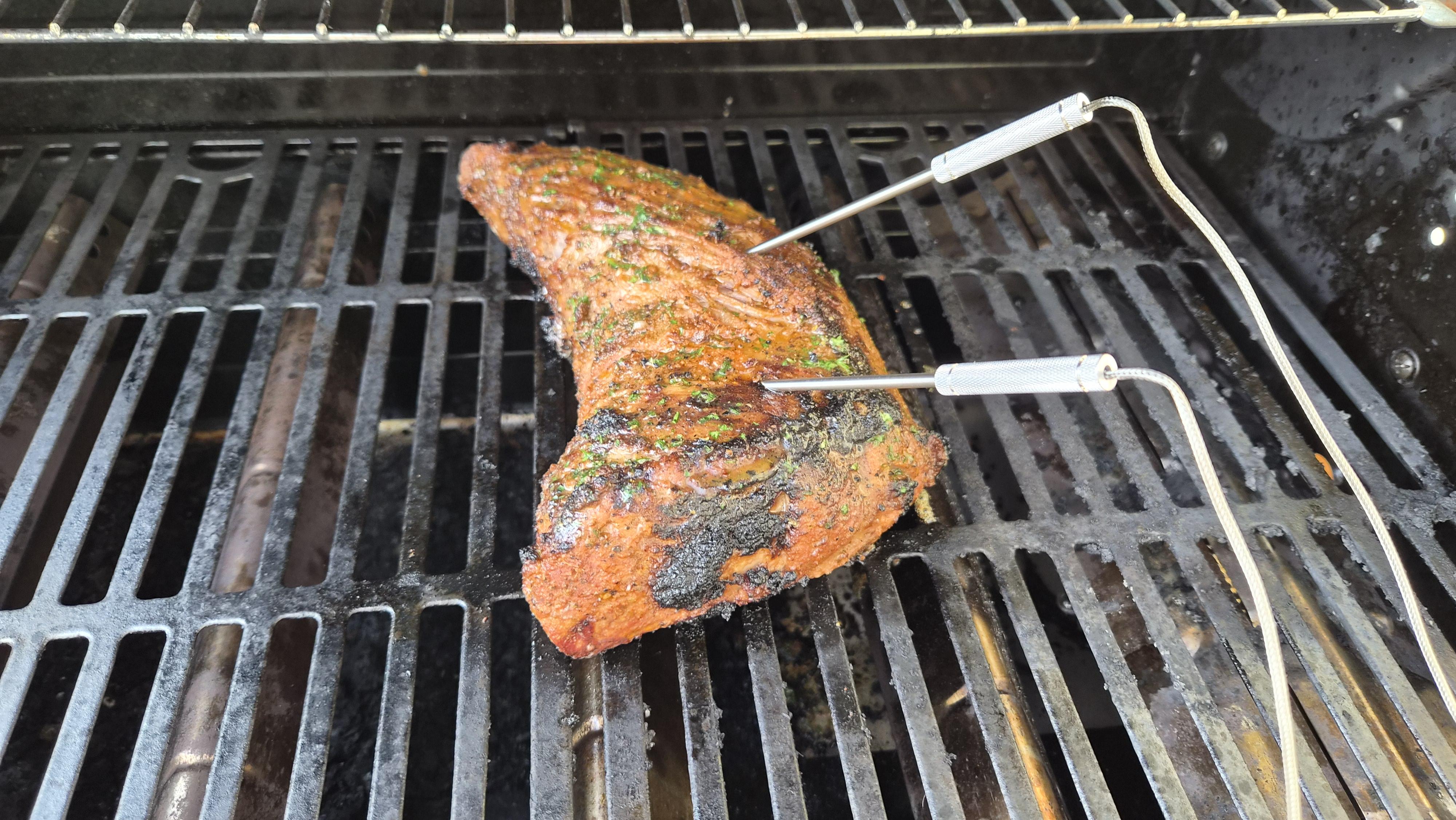
In this recipe, I will walk you through the entire build from searing and chilling the tenderloin to getting that clean slice with a medium-rare center. If you are newer to cooking beef by doneness, the same doneness principles apply across cuts. This guide is for tri-tip, but the temperature mindset is the same: tri-tip internal temperature. For Wellington specifically, I typically pull it around 125 to 130 F for medium-rare, then let carryover finish the job while it rests.
Make-ahead game plan
This is the secret to making Wellington feel calm. The components hold well in the fridge, and doing them ahead keeps your pastry crisp and your dinner timeline sane.
- 1 to 2 days ahead: Make the duxelles and refrigerate. You can also mix the crêpe batter and refrigerate it.
- 1 day ahead: Sear the tenderloin, cool completely, brush with Dijon, then refrigerate. Cook the crêpes and refrigerate stacked with parchment.
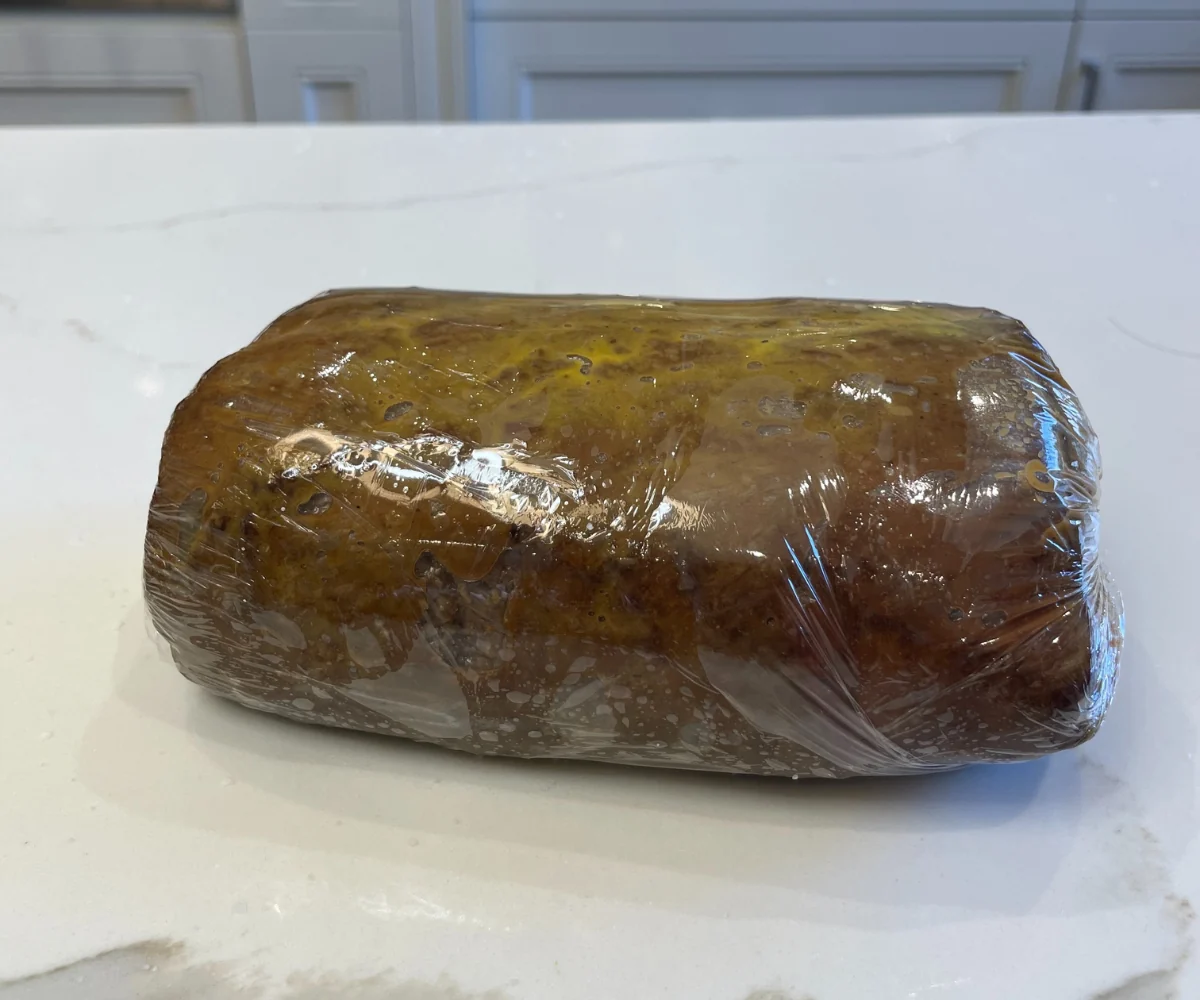
- Up to 24 hours ahead: Assemble the Wellington through the pastry wrap step, then refrigerate the fully wrapped log lightly covered (plastic wrap works well). If you prefer a short uncovered chill to firm the shape, do it for 15 to 30 minutes, then cover to prevent drying and fridge odors. Egg wash right before baking.
- Freeze option: You can freeze the fully wrapped, unbaked Wellington until firm, then wrap tightly and freeze for up to 1 month. For the best pastry texture, thaw overnight in the fridge before baking. If you bake from frozen, it can work, but watch the crust closely and be ready to tent with foil or lower the oven temperature if the pastry browns before the center reaches your target temp. Always use the thermometer as the final judge.
Why this recipe works
- A hard sear plus a full chill gives you deep flavor without overcooking the center, and the chill helps the pastry stay defined.
- Very dry mushroom duxelles is the difference between crisp pastry and a soggy bottom. We cook out moisture until it is almost paste-like.
- Prosciutto and a thin crêpe barrier add flavor and create a moisture shield between beef and pastry.
- A tight plastic wrap roll compresses the layers so you get neat slices instead of gaps.
- Thermometer baking takes the guesswork out of a pricey cut of meat.
Ingredient notes
Beef tenderloin
Look for a center-cut tenderloin roast, sometimes labeled chateaubriand. Even thickness matters more than a specific weight. Ask the butcher to trim the silverskin if you want to save time.
Mushrooms
Cremini or baby bella mushrooms give great flavor. White mushrooms work too. The key is chopping very finely and cooking until dry.
Prosciutto
Prosciutto is traditional and acts like an edible wrap. If you only have thinly sliced ham, it can work, but prosciutto is less watery.
Crêpes
A thin crêpe layer is my favorite safety net. It is subtle, not bready, and it helps protect the pastry from juices.
Puff pastry
Use all-butter puff pastry if you can find it for the best flavor. Thaw in the fridge, not on the counter. Warm pastry gets sticky fast.
Dijon mustard
Brushing the beef while warm adds tang and helps the duxelles adhere. English mustard or whole grain also work.
Egg wash
Egg plus a splash of water or cream creates shine and encourages browning.
Equipment
- Large skillet or cast iron pan for searing
- Food processor (optional) for finely chopping mushrooms
- Fine-mesh sieve or clean kitchen towel (optional) to squeeze mushrooms if needed
- Plastic wrap for rolling tight layers
- Rimmed baking sheet
- Parchment paper
- Instant-read thermometer
- Pastry brush
If you are shopping for cookware upgrades, our guide to nonstick pans can help you pick the right pan for mushrooms and crêpes: nonstick pans ranked worst to best.
Pro tips
- Dry duxelles is everything. Keep cooking until the pan looks dry and the mushrooms hold together like a thick paste. If you can smear it and it stays put, you are there.
- Chill at each stage. Warm filling melts pastry. If your kitchen is hot, pop components in the fridge more often.
- Wrap it tight. Use plastic wrap to roll the prosciutto, duxelles, crêpe, and beef into a firm log. Tight layers slice cleanly.
- Vent the pastry. A few small slits on top let steam escape so the crust stays flaky.
- Trust the thermometer. Pull the Wellington when the center reaches your target temp, then rest. Carryover cooking is real.
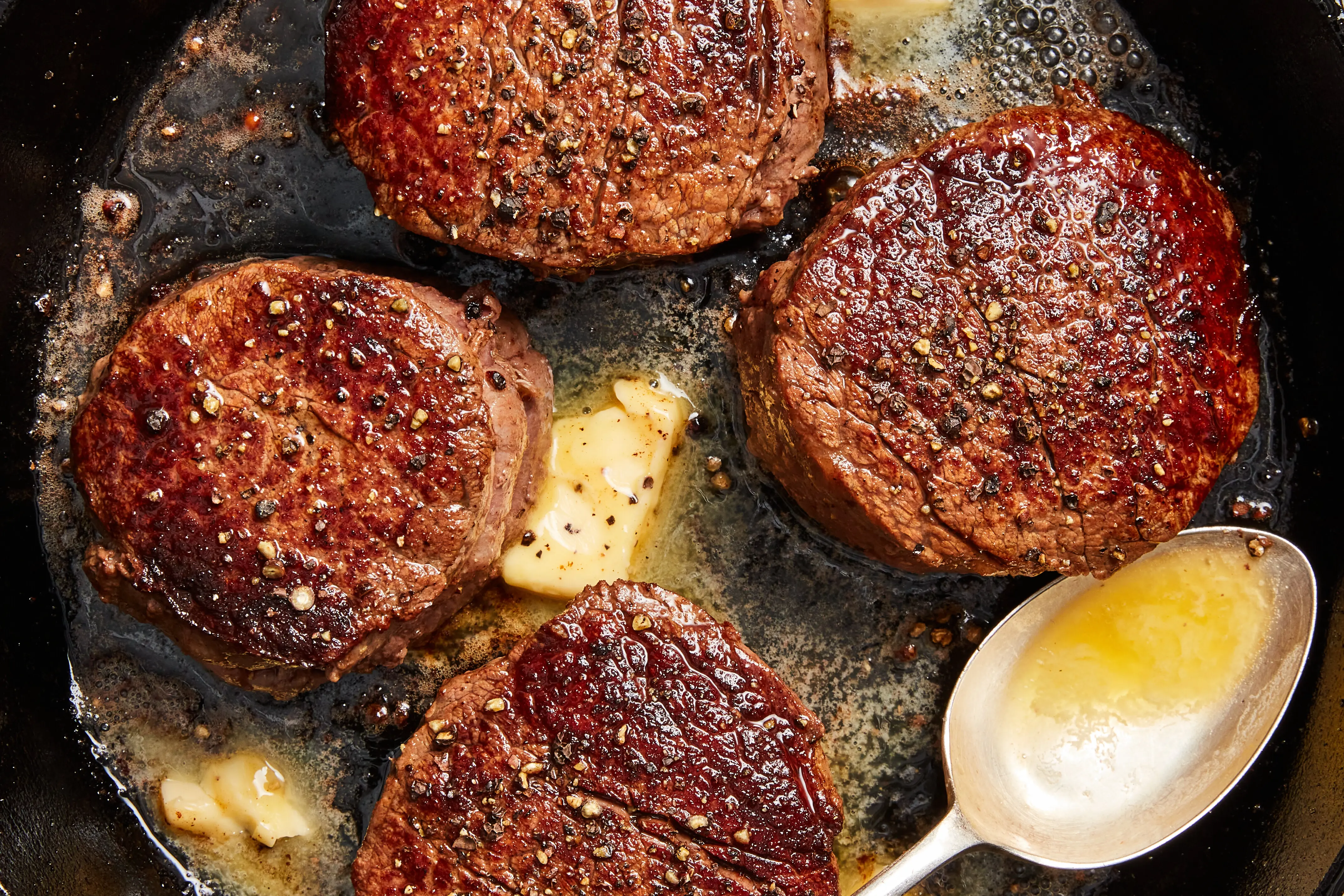
For another beef searing technique refresher, you might like our pan-seared filet mignon recipe, because the same principles apply here.
Substitutes
- No prosciutto: Thinly sliced Parma ham or even very thin deli ham can work, but choose the driest option you can.
- No crêpes: Use a very thin omelet, or skip the barrier and be extra strict about drying the duxelles and chilling before baking.
- Mushroom swap: A mix of cremini and shiitake is delicious. Avoid very watery mushrooms unless you are willing to cook them down longer.
- Mustard swap: Whole grain mustard or a thin layer of horseradish cream works if you like a sharper kick.
- Gluten-free: Gluten-free puff pastry is available in some stores. Work very cold, because it can be more delicate.
Variations
- Mini Wellingtons: Slice the seared tenderloin into thick medallions, wrap each one, and bake as individual portions. Start checking temp earlier.
- Herb-forward duxelles: Add thyme, chives, or tarragon to the mushroom mix.
- Madeira pan sauce: While the Wellington rests, simmer stock with Madeira or red wine, then whisk in butter for a glossy sauce.
- Extra luxe: Add a thin layer of pâté or foie gras between the prosciutto and duxelles.
Serving ideas
- Simple veg: Try roasted broccoli or garlic roasted vegetables.
- Potato side: A classic baked potato keeps dinner easy.
- Starter: A small bowl of classic vegetable soup feels restaurant-y without fuss.
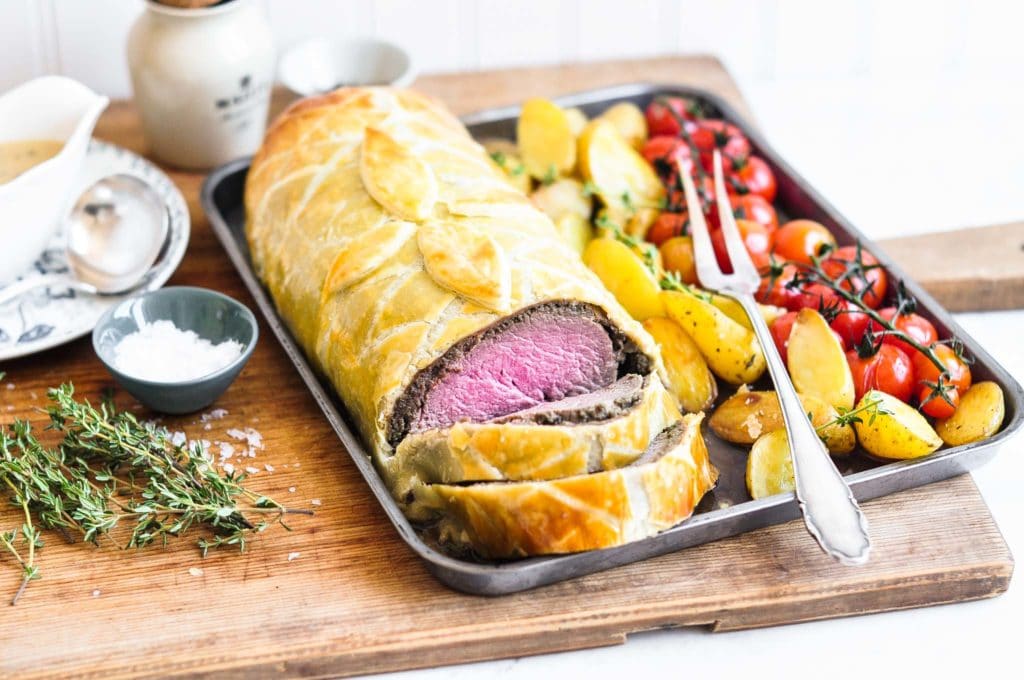
- Sauce: Serve with a red wine reduction or a creamy mushroom sauce if you want extra richness.
Storage and reheating
Refrigerate
Store leftover slices in an airtight container for up to 3 days. The pastry will soften in the fridge, but it is still delicious.
Reheat
For the best texture, reheat slices on a parchment-lined baking sheet at 350 F until warmed through. Avoid the microwave if you want the pastry to stay crisp.
Freeze leftovers
You can freeze slices tightly wrapped for up to 2 months. Thaw overnight in the fridge before reheating in the oven.
Common mistakes to avoid
- Not drying the duxelles enough: This is the #1 reason for soggy pastry. Cook longer than you think you need to.
- Skipping the chill: If the beef or filling is warm, steam builds and the pastry slides.
- Over-searing the tenderloin: You want color, not a cooked-through roast before it is wrapped.
- Loose wrapping: Air gaps lead to uneven slices and a messy cross-section.
- Baking without a thermometer: The crust can look perfect while the center is overcooked.
- Slicing too soon: Resting lets juices settle so they do not flood the pastry.
FAQ
What temperature should Beef Wellington be inside?
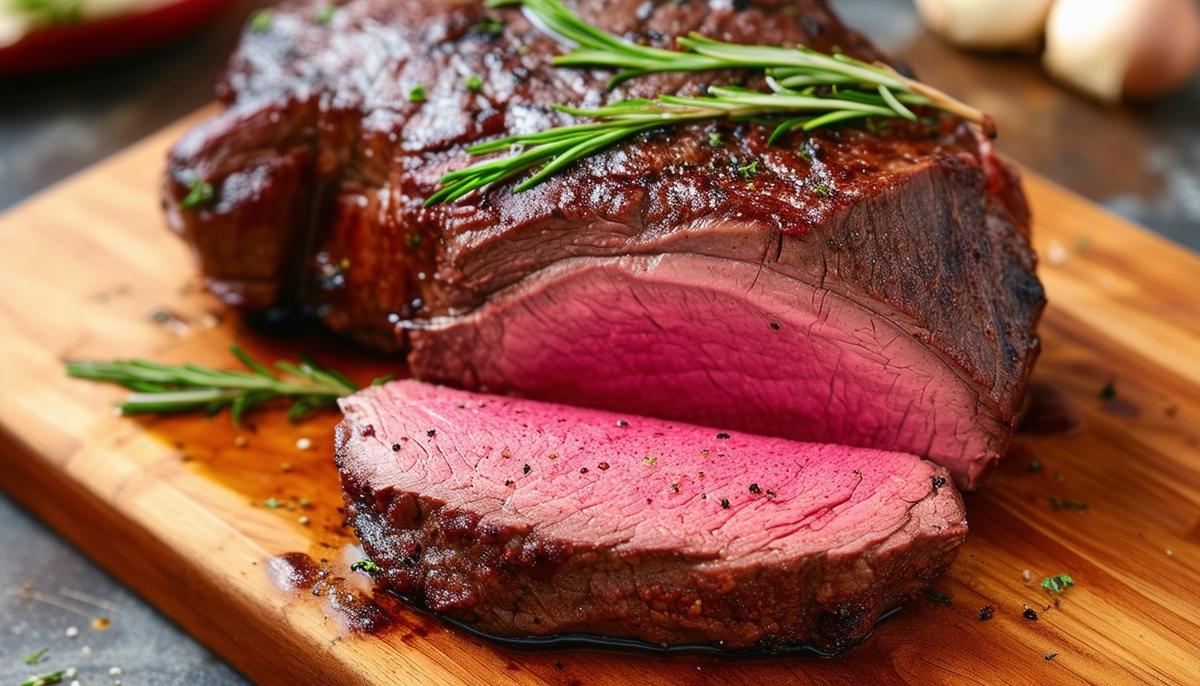
It depends on your preferred doneness. For a classic result, I aim for medium-rare. Pull the Wellington from the oven a little before your final doneness because carryover cooking continues as it rests.
- Rare: pull around 120 to 125 F
- Medium-rare: pull around 125 to 130 F
- Medium: pull around 135 F
Rest 10 to 15 minutes before slicing.
What oven temperature is best?
A hot oven helps the puff pastry spring and brown. This recipe uses 425 F, then you simply bake to internal temperature.
Do I really need the crêpe layer?
No, but it makes the whole process more forgiving. If you skip it, be extra strict about cooking the duxelles dry and chilling the wrapped log before baking.
Can I assemble Beef Wellington the day before?
Yes. Fully assemble and wrap, then refrigerate lightly covered. Egg wash right before baking for the best shine.
Why did my pastry get soggy?
Usually it is moisture from the mushrooms or slicing too soon. Make sure the duxelles is very dry, chill the Wellington well before baking, and rest after baking before cutting.
Recipe
Classic Beef Wellington with seared beef tenderloin, mushroom duxelles, prosciutto, and a thin crêpe barrier, wrapped in puff pastry and baked until golden and perfectly pink in the center.
- Prep Time
- 1 hour 15 minutes
- Cook Time
- 40 minutes
- Total Time
- 3 hours 15 minutes
- Servings
- 6
- 1 center-cut beef tenderloin roast (about 2 to 2 1/2 pounds), trimmed
- 2 1/2 teaspoons kosher salt, divided, plus more to taste
- 1 teaspoon black pepper, divided, plus more to taste
- 2 tablespoons high-heat oil (avocado, canola, or grapeseed)
- 2 tablespoons Dijon mustard
- 1 1/2 pounds cremini mushrooms, very finely chopped
- 2 medium shallots, finely minced
- 3 cloves garlic, finely minced
- 2 tablespoons unsalted butter
- 2 tablespoons fresh thyme leaves (or 2 teaspoons dried thyme)
- 2 tablespoons dry sherry or dry white wine (optional)
- 10 to 12 thin slices prosciutto
- 2 to 3 thin crêpes (8 to 10 inches wide), homemade or store-bought
- 1 sheet puff pastry (about 14 ounces), thawed in the refrigerator
- 1 large egg
- 1 tablespoon water or heavy cream
- 2 teaspoons flour, for dusting (optional)
- Sear the tenderloin. Pat the tenderloin very dry. Season all over with 2 teaspoons kosher salt and 1/2 teaspoon black pepper. Heat oil in a large skillet over medium-high heat until shimmering. Sear the tenderloin on all sides until deeply browned, 2 to 3 minutes per side, including the ends. Transfer to a plate and cool 10 minutes.
- Mustard and chill. While the beef is still slightly warm, brush all over with Dijon mustard. Chill uncovered in the refrigerator until cold and firm, at least 30 minutes (or up to 24 hours).
- Make the duxelles. In the same skillet, melt butter over medium heat. Add shallots and cook 2 minutes. Add garlic and cook 30 seconds. Add mushrooms, thyme, remaining 1/2 teaspoon salt, and remaining 1/2 teaspoon pepper. Cook, stirring often, until the mushrooms release liquid and then the pan goes nearly dry and the mixture becomes thick and paste-like, 12 to 18 minutes. If using, add sherry and cook until fully evaporated, 1 to 2 minutes more. Spread on a plate and refrigerate until completely cold, at least 30 minutes.
- Set up for wrapping. Lay a large sheet of plastic wrap on the counter. Arrange prosciutto slices in an overlapping rectangle large enough to wrap the tenderloin.
- Add duxelles and crêpes. Spread the cold duxelles evenly over the prosciutto in a thin layer, leaving a 1/2-inch border. Lay 2 to 3 crêpes over the duxelles to cover it, trimming or overlapping as needed so you have a continuous thin layer.
- Roll the beef tight. Place the chilled tenderloin near the bottom edge of the prosciutto rectangle. Use the plastic wrap to roll the layers up and over the beef, tightening as you go to form a compact log. Twist the ends of the plastic wrap like a candy wrapper to compress. Refrigerate the wrapped log at least 30 minutes (or up to 24 hours).
- Wrap in puff pastry. Lightly flour the counter if needed. Roll the puff pastry into a rectangle large enough to fully wrap the beef log with a 1-inch overlap. Unwrap the chilled beef log and place it seam-side down near one edge of the pastry. Roll the pastry around it, brushing a little water at the overlap to seal. Fold the ends like wrapping a present, sealing with a little water. Place seam-side down on a parchment-lined baking sheet. Refrigerate at least 20 minutes while the oven heats.
- Heat the oven. Preheat to 425 F (220 C). Position a rack in the middle of the oven.
- Egg wash and vent. Whisk egg with water or cream. Brush the Wellington all over. Cut 3 to 5 small slits on top for venting.
- Bake to temperature. Bake until the pastry is deep golden brown and an instant-read thermometer inserted into the center reads 125 to 130 F for medium-rare, 30 to 40 minutes. If the pastry browns too quickly, loosely tent the top with foil.
- Rest and slice. Rest 10 to 15 minutes before slicing with a sharp serrated knife or very sharp chef's knife. Serve warm.
Notes
- Target doneness: Pull at 120 to 125 F for rare, 125 to 130 F for medium-rare, and about 135 F for medium. Resting will raise the temperature a few degrees.
- Make ahead: You can fully assemble the Wellington (through the puff pastry wrap) up to 24 hours ahead and refrigerate. Egg wash right before baking.
- Freeze: Freeze the fully wrapped, unbaked Wellington until firm, then wrap tightly and freeze up to 1 month. For best pastry results, thaw overnight in the refrigerator before baking. If baking from frozen, watch browning and tent with foil as needed, and cook by thermometer.
- Clean slicing: Resting helps. Wipe the knife between slices for the neatest cross-sections.