Delishing
Venison Stew

Venison stew is one of those dinners that feels like it should be “set it and forget it”… until you remember venison is lean, really lean. The first time I made it like I would a beef stew, I let it bubble away while I folded laundry and it came out dry at the edges and weirdly chalky in the middle. My notebook got a big red circle around one line: stop earlier than you think.
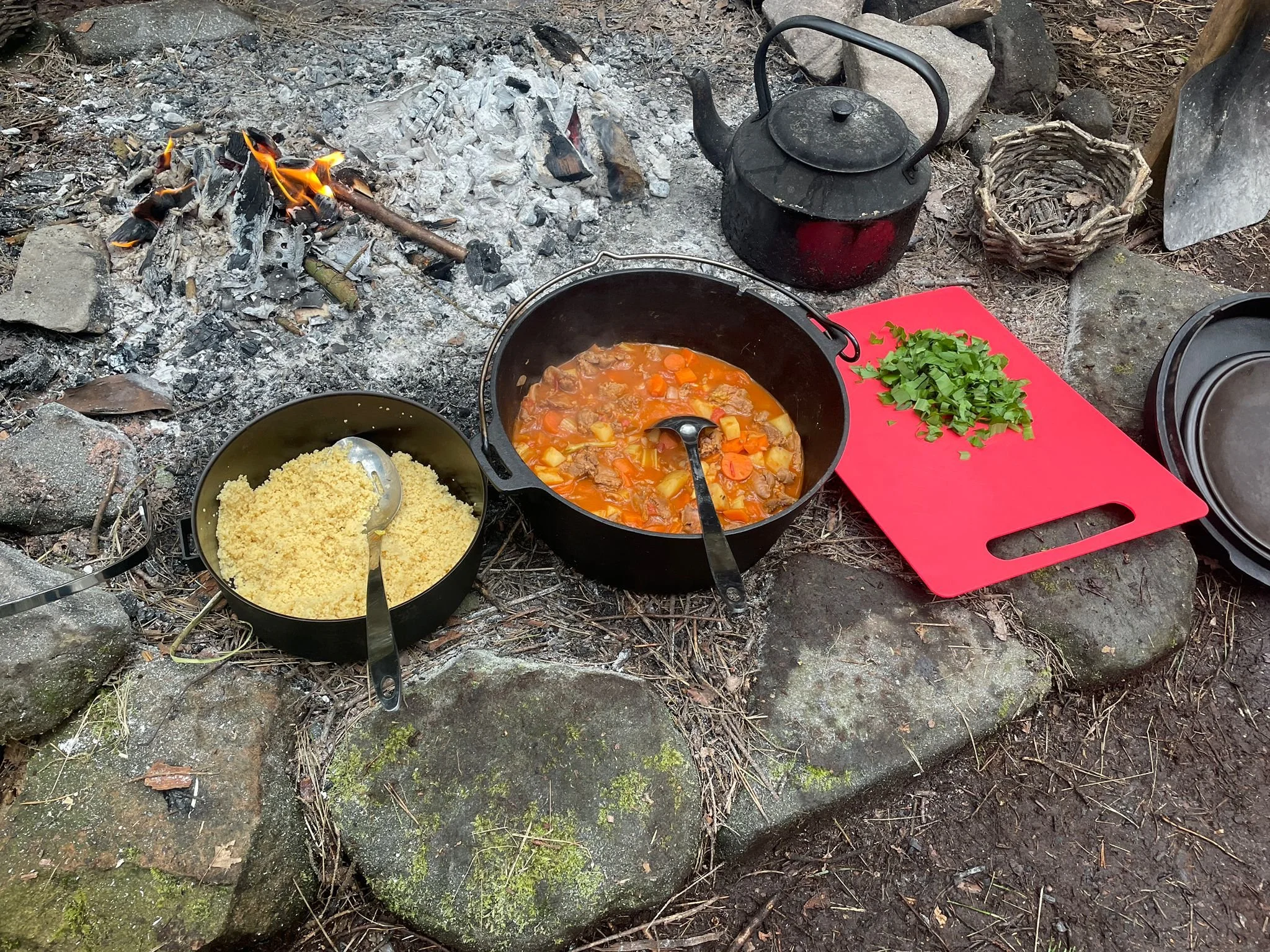
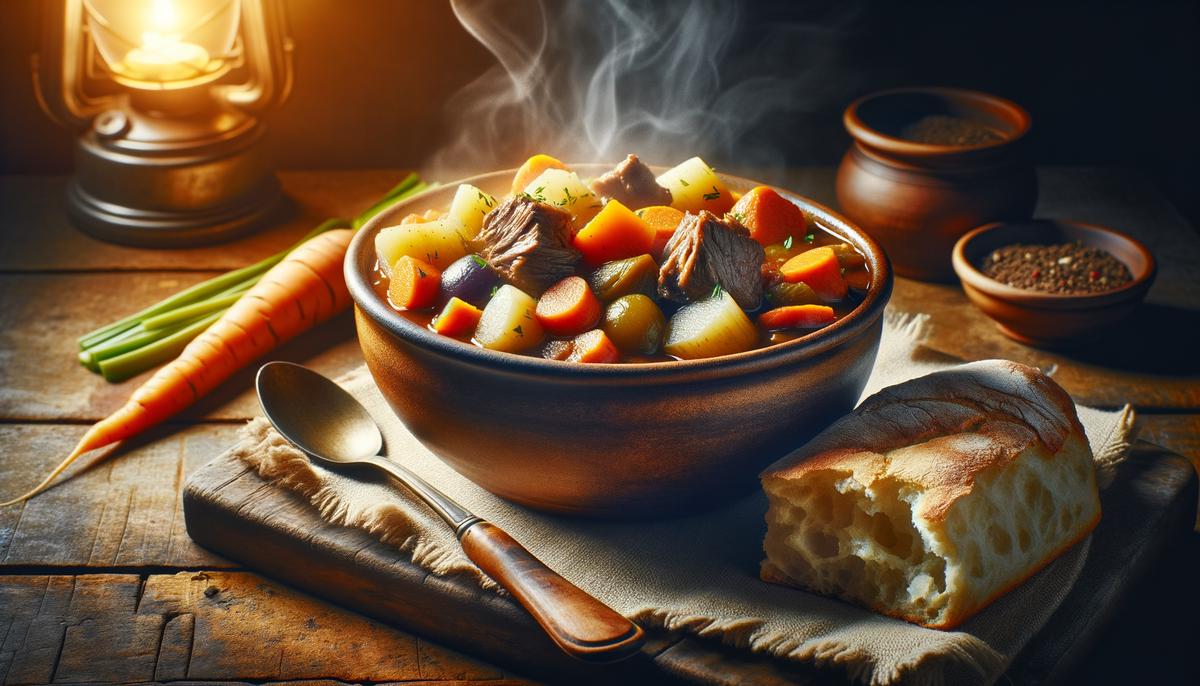
This recipe is built specifically for venison stew cuts (think shoulder, neck, or shank) cut into roughly 1 to 1 1/2 inch cubes: a hard sear for flavor, enough liquid to protect the meat, and a low simmer that gives tough pieces time to turn tender without cooking them into sawdust. It is a true one-pot meal with onion, carrot, and potato, and it finishes with a simple flourish that makes it taste like you cooked all day.
One key promise: I am giving you a real stop point. Once the venison cubes are fork-tender, you are done. Do not keep simmering “just because stew can.” With venison, extra time quickly goes from tender to dry, especially with very lean cuts.
On my stove, the sweet spot is usually 60 to 90 minutes of gentle simmering after the liquid goes in, when I am using typical stew cuts and 1 to 1 1/2 inch cubes. If your cubes are bigger, your deer was older, or you are working with a more heavily used muscle, it can take longer. Either way, trust the texture, not the clock. And when I say “gentle simmer,” I mean a few lazy bubbles, not a rolling boil.
If you are looking for a classic beef version, go to Cozy Beef Stew. For a different (and naturally richer) gamey stew profile, Lamb Stew with Root Vegetables is its own thing with its own timing.
Why it works
- Hard sear first: Venison is lean, so we build flavor on the outside with high heat before we baby it with a gentle simmer.
- Enough liquid: A broth-forward stew helps prevent the meat from drying out while it tenderizes.
- Low simmer, not a boil: Boiling can tighten lean muscle fibers fast. A lazy simmer keeps the texture tender.
- Vegetables go in at the right time: Potatoes and carrots cook until tender without turning to mush from an overly long braise.
- A clear stop point: When the venison turns fork-tender, you stop. Past that, it can go from juicy to chalky in as little as 20 to 30 minutes.
Ingredient notes
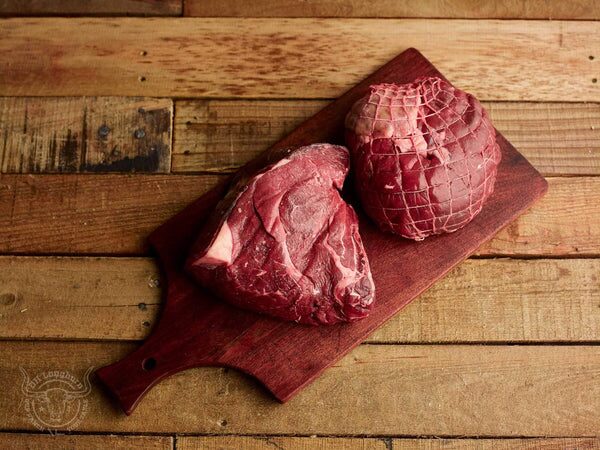
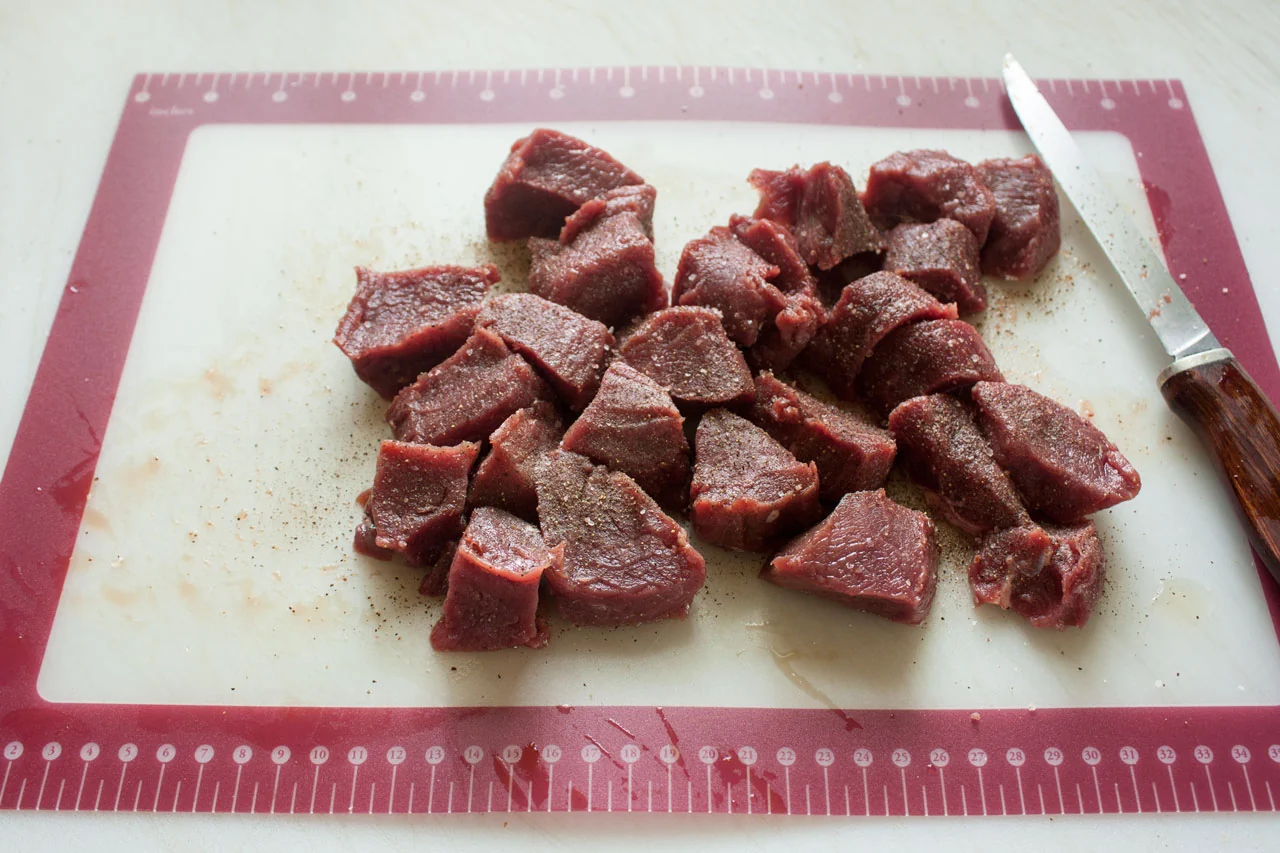
Venison stew meat: Use shoulder, neck, or hindquarter trimmed into 1 to 1 1/2 inch cubes. Trim silverskin and any waxy fat. Venison fat can taste stronger and can turn unpleasantly firm in stew.
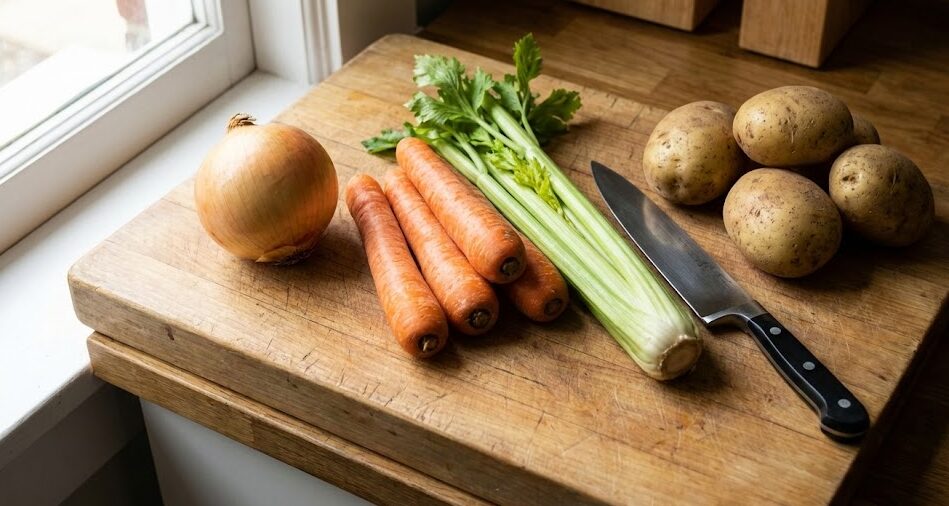
Onion, carrot, potato: This is the cozy base. Yukon Gold potatoes hold their shape nicely; russets soften more and thicken the broth.
Tomato paste: A small amount deepens color and gives the broth a savory backbone without making it taste tomato-y.
Flour: Lightly coats the meat and helps thicken the stew. You can skip it, but the broth will be looser.
Broth: Beef broth is classic and easy. If you have venison stock, use it. Low-sodium is ideal so you can control seasoning.
Red wine (optional): Adds richness and balances venison’s earthy flavor. If you do not cook with wine, just use more broth.
Worcestershire and bay leaf: Tiny additions that make the stew taste like it simmered longer than it did.
Equipment
- Heavy-bottomed Dutch oven or large soup pot with a lid (5 to 7 quarts)
- Tongs for turning the meat
- Wooden spoon for scraping browned bits
- Sharp knife and cutting board
Pro tips for tender venison
- Pat the meat very dry: Moisture is the enemy of browning. Dry cubes sear faster and better.
- Sear in batches: Crowding steams the meat. You want deep brown edges, not gray cubes.
- Keep the simmer gentle: Look for a few small bubbles, not a rolling boil. If it starts boiling, turn it down.
- Start checking early: Begin checking tenderness at 50 to 60 minutes of simmering. Venison can go from perfect to chalky if you forget it for too long.
- The “chalky” window: Once venison is tender, it can comfortably sit at a very low simmer for about 20 to 30 minutes. Beyond that, the outside edges often start to dry out. If dinner is delayed, turn the heat off and keep the lid on, then rewarm gently.
- Finish with acidity: A teaspoon or two of vinegar at the end makes the flavors pop and tames any lingering gaminess.
Substitutes
- Gluten-free: Replace flour with a gluten-free all-purpose blend, or skip flour and thicken at the end with a cornstarch slurry (1 tablespoon cornstarch mixed with 1 tablespoon cold water).
- No wine: Use more broth plus 1 teaspoon balsamic vinegar or 1 teaspoon red wine vinegar at the end.
- No Worcestershire: Use 1 to 2 teaspoons soy sauce (or tamari) for similar savory depth.
- Lower carb: Swap potatoes for turnips or cauliflower florets, added later so they do not overcook.
Variations
- Mushroom venison stew: Add 8 ounces sliced mushrooms with the onions for extra earthiness.
- Herb-forward: Add 1 teaspoon dried thyme with the broth, then finish with chopped fresh parsley.
- Smoky: Add 1/2 teaspoon smoked paprika with the flour step.
- Spicy-warm: Add a pinch of crushed red pepper with the garlic.
Serving ideas
- Ladle into bowls and top with chopped parsley.
- Serve with warm rolls like my Homemade Bread Rolls to soak up the broth.
- For a cozy side, try Cast-Iron Skillet Cornbread.
- Want greens on the table? Garlic Roasted Vegetables work well, especially if you lean heavier on carrots and mushrooms in the stew.
Storage and reheating
- Refrigerate: Cool, then store in an airtight container for up to 3 to 4 days.
- Freeze: Freeze up to 3 months. Potatoes can soften slightly after freezing, but the flavor is still great.
- Reheat gently: Warm on the stove over low heat until steaming. Avoid a hard boil, which can toughen venison that was tender on day one.
Common mistakes (and how to avoid them)
- Boiling the stew: Keep it at a low simmer. Boiling pushes lean venison toward dryness.
- Overcooking “because stew takes forever”: Venison does not always need the same time as beef. Check early, stop when tender.
- Using backstrap or loin: Those cuts are too lean and tender for a long simmer. Save them for quick cooking and use shoulder, neck, or shank here.
- Adding potatoes too soon: They can fall apart if they simmer for hours. Add them after the first tenderizing phase begins.
- Not trimming silverskin: It stays chewy. Take an extra minute to trim before cubing.
- Under-seasoning: Stew needs salt. Add in layers and adjust at the end.
FAQ
How long should venison stew simmer?
Plan for about 60 to 90 minutes at a gentle simmer once the liquid goes in for typical stew cuts (shoulder, neck, shank) cut into 1 to 1 1/2 inch cubes. Start checking at 50 to 60 minutes. The correct endpoint is texture, not the clock: when the cubes are fork-tender, stop.
Why did my venison turn dry or chalky?
Usually it is one of two things: the stew boiled instead of simmered, or it cooked past the tender stage. Venison can go chalky surprisingly fast once it is done. After it turns tender, try to keep any additional simmering to 20 to 30 minutes, or turn the heat off and hold it covered.
Should I marinate venison before making stew?
You can, but you do not have to. A strong sear plus aromatics plus a bay leaf and Worcestershire gives plenty of flavor. If you want, a quick 1 to 2 hour soak in salted water in the fridge can mellow stronger game flavors. Pat the meat dry before searing.
Can I make venison stew in advance?
Yes. It is great the next day. Just reheat gently so you do not overcook the meat on the second round.
What cut of venison is best for stew?
Shoulder, neck, and shank tend to do well because they have more connective tissue to break down. Very lean hindquarter works too, but it can hit the dry zone sooner, so watch the simmer and start checking early. Backstrap and loin are better cooked quickly, not simmered into stew.
Venison Stew
A cozy one-pot venison stew designed for lean meat: hard sear, plenty of broth, and a gentle simmer with a clear stop point so the venison stays tender.
Prep Time: 20 minutes
Cook Time: 1 hour 35 minutes
Total Time: 1 hour 55 minutes
Servings: 6
- 2 lb venison stew meat, cut into 1 to 1 1/2 inch cubes and well-trimmed
- 1 1/2 tsp kosher salt, plus more to taste
- 3/4 tsp black pepper
- 2 tbsp all-purpose flour
- 2 tbsp neutral oil (avocado, canola, or vegetable)
- 1 large yellow onion, diced
- 3 carrots, peeled and cut into 1/2 inch coins
- 3 cloves garlic, minced
- 2 tbsp tomato paste
- 1/2 cup dry red wine (optional)
- 4 cups low-sodium beef broth, plus more as needed
- 2 tbsp Worcestershire sauce
- 1 bay leaf
- 1 1/2 lb Yukon Gold potatoes, cut into 1 to 1 1/2 inch chunks
- 1 tsp dried thyme (optional)
- 1 tbsp red wine vinegar or apple cider vinegar (optional, to finish)
- 2 tbsp chopped fresh parsley (optional, to finish)
- Season and coat the venison: Pat venison cubes very dry with paper towels. Season with 1 1/2 teaspoons salt and 3/4 teaspoon pepper. Sprinkle flour over the meat and toss until lightly coated.
- Sear hard in batches: Heat a Dutch oven over medium-high heat. Add oil. When shimmering, add about one-third of the venison in a single layer. Sear 2 to 3 minutes per side until deeply browned. Transfer to a plate and repeat with remaining meat, adding a small splash of oil if the pot looks dry.
- Soften the aromatics: Reduce heat to medium. Add onion and carrots to the pot with a pinch of salt. Cook 6 to 8 minutes, stirring and scraping up browned bits, until the onion softens.
- Add garlic and tomato paste: Stir in garlic and cook 30 seconds. Add tomato paste and cook 1 minute, stirring constantly, until it darkens slightly and smells toasty.
- Deglaze: If using wine, pour it in and scrape up any browned bits. Simmer 2 to 3 minutes to reduce slightly.
- Add broth and flavor builders: Return venison and any juices to the pot. Add broth, Worcestershire, bay leaf, and thyme (if using). Liquid should mostly cover the meat. Add a little more broth if needed. Bring just to a simmer.
- Simmer gently: Reduce heat to low, cover, and maintain a gentle simmer (a few small bubbles). Simmer 45 minutes.
- Add potatoes: Stir in potatoes. Cover and continue to gently simmer 25 to 45 minutes, stirring occasionally, until potatoes are tender and the venison is fork-tender.
- Stop point: As soon as the venison cubes are fork-tender, turn heat to the lowest setting or off. Taste and adjust salt and pepper. If you need a thicker stew, simmer uncovered 5 to 10 minutes, but keep it gentle.
- Finish and serve: Remove bay leaf. Stir in vinegar (if using) for brightness. Ladle into bowls and top with parsley (if using).
Doneness note: Venison is lean. Once it turns fork-tender, aim to serve within about 20 to 30 minutes of gentle heat. If dinner is delayed, turn the heat off and keep the lid on, then rewarm gently.
Broth level: If the stew reduces too much at any point, add a splash of broth or water and return to a gentle simmer.
Make-ahead: This stew reheats well, but reheat over low heat to avoid toughening the meat.