Delishing
Tri-Tip Bulgogi

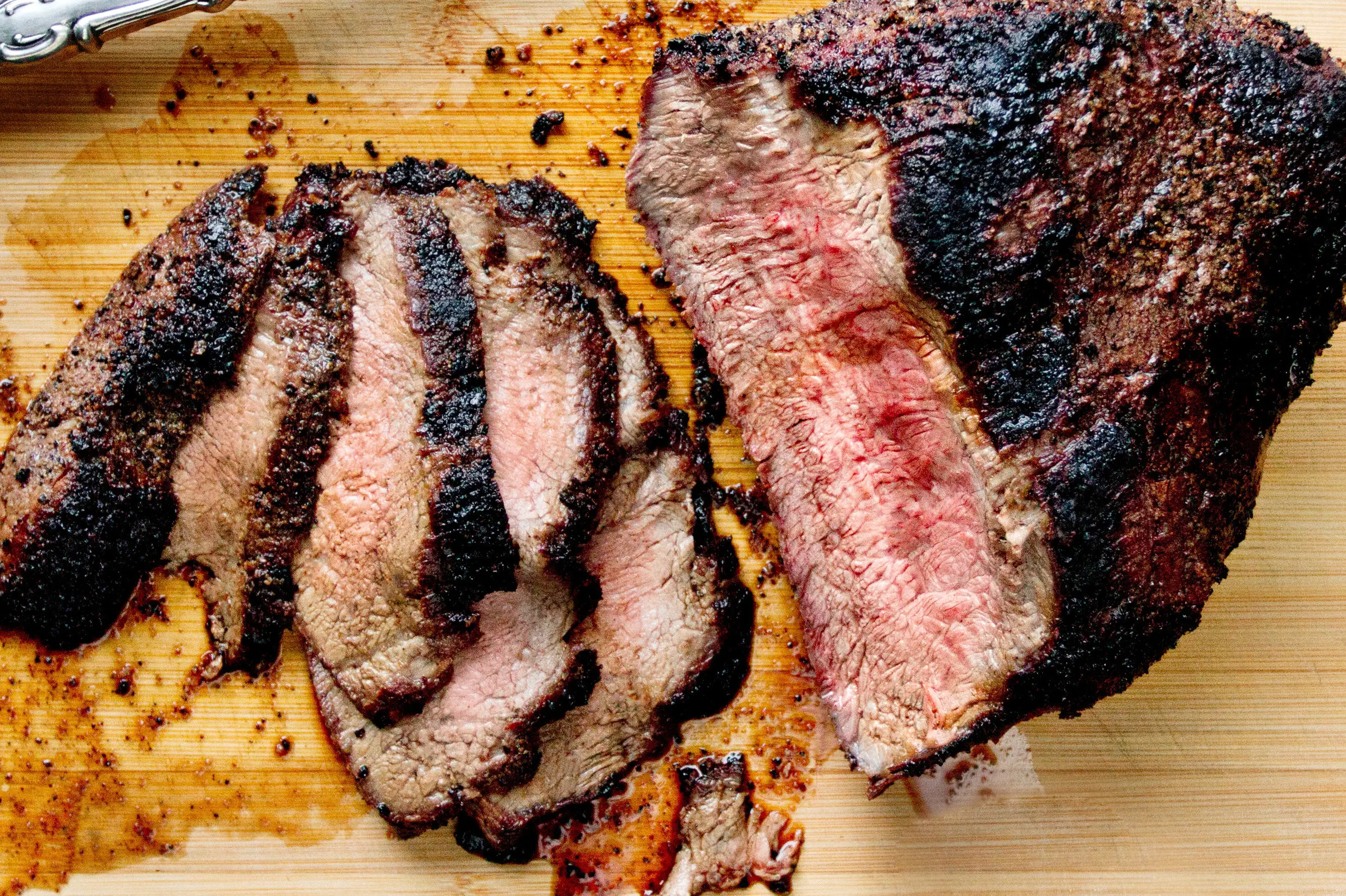
When I need a dinner that feels like takeout but cooks faster than my rice cooker can beep, I reach for bulgogi-style beef. The only hitch is that bulgogi is often made with tender, well-marbled cuts (commonly sirloin, and sometimes ribeye) that are already easy to slice thin. Tri-tip can absolutely work, but only if you respect one very important detail: the grain changes direction across the cut.
This recipe is my weeknight answer for that. You will split the tri-tip where the grain changes, then slice each piece deli-thin against its own grain before it ever touches the marinade. After that, those slices soak up a simple Korean-inspired mix of soy sauce, sugar, garlic, sesame oil, and grated pear, then hit a ripping hot skillet or grill for a fast sear. It is quick enough for a weeknight, but still gives you that sweet-salty, caramelized edge that makes bulgogi so hard to stop eating.
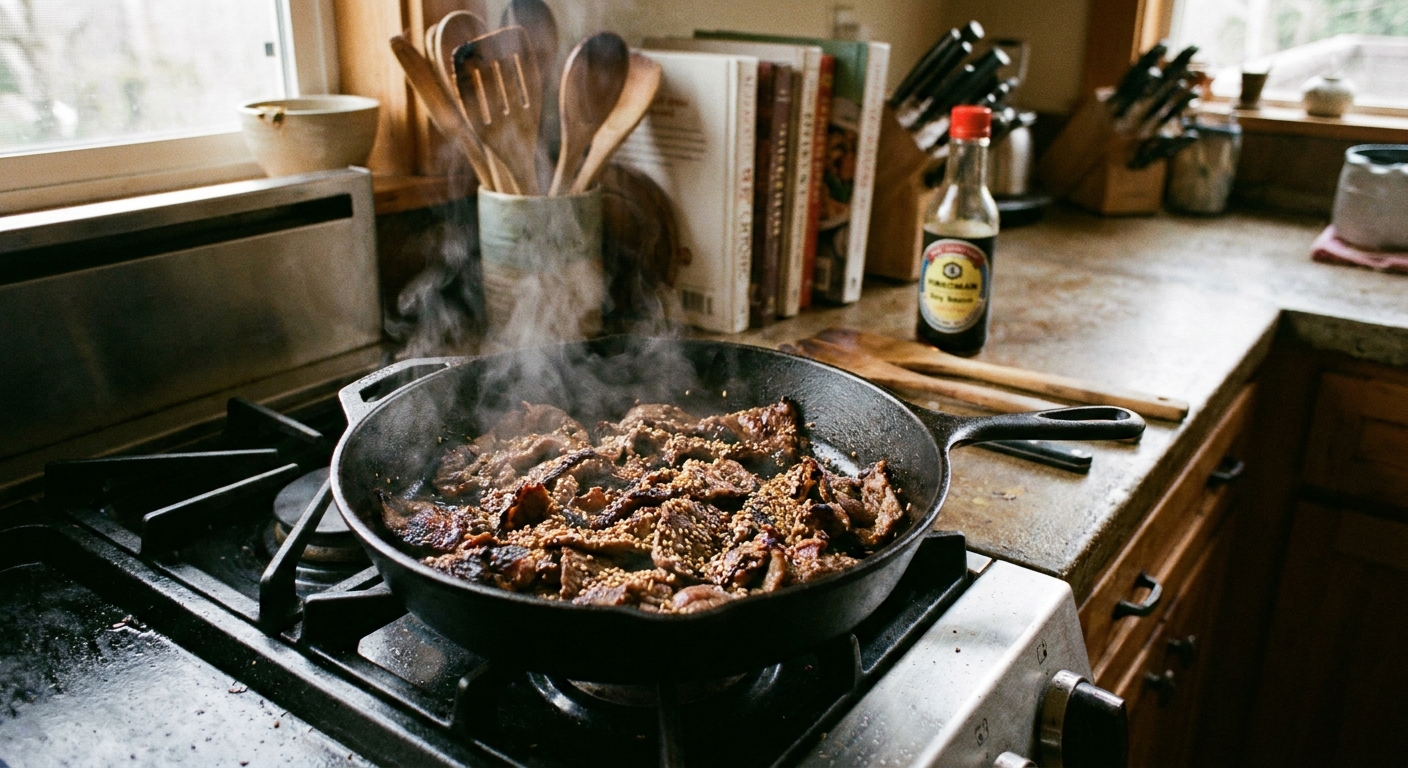
If you are new to tri-tip, you might also like my deeper guides on tri-tip roast and a classic soak-style tri-tip marinade. Bulgogi is different, though, because thin slicing and fast cooking are the whole point, and the marinating time stays in that sweet spot where flavor builds without the slices turning too soft.
The slicing trick
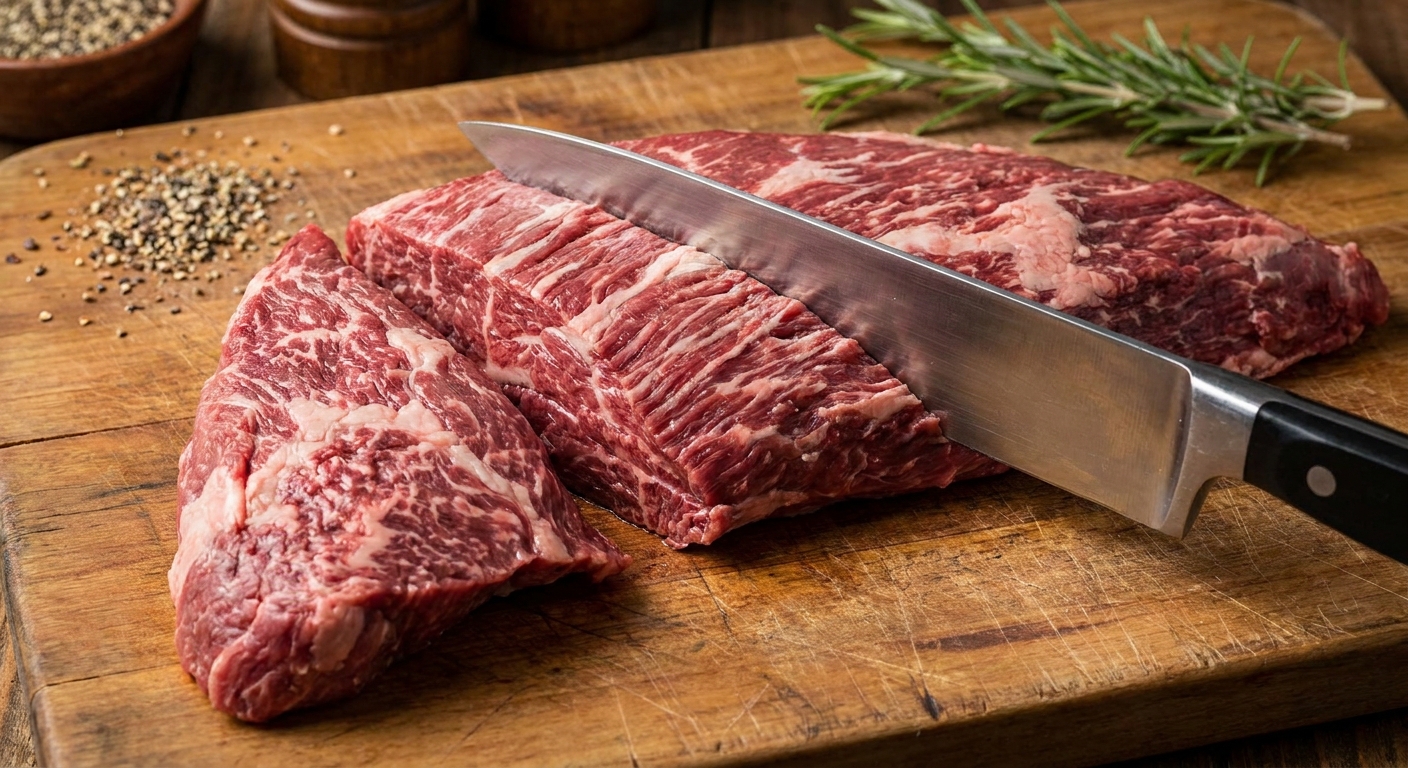
Tri-tip has two distinct muscle directions, which means “slice against the grain” is not a single cut you can apply to the whole roast. Here is the approach that keeps bulgogi tender instead of chewy:
- Chill first: Pop the tri-tip in the freezer for 20 to 30 minutes. You are not freezing it solid, just firming it up so you can shave thin slices cleanly.
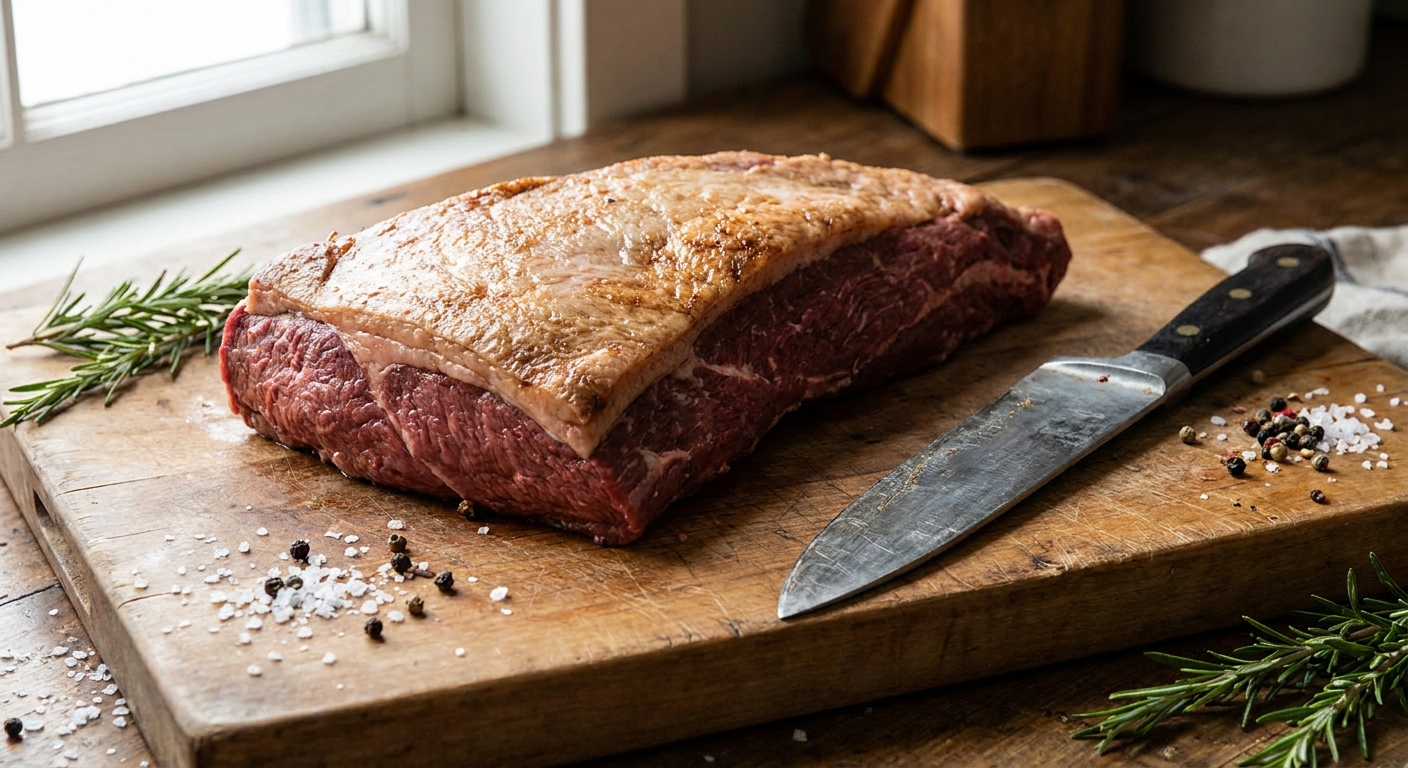
- Find the grain lines: Look for the long muscle fibers running across the surface. You will notice they angle one way on one side, then shift direction near the center.
- Cut the tri-tip into two pieces: Right where the grain direction changes, split the roast into two manageable sections.
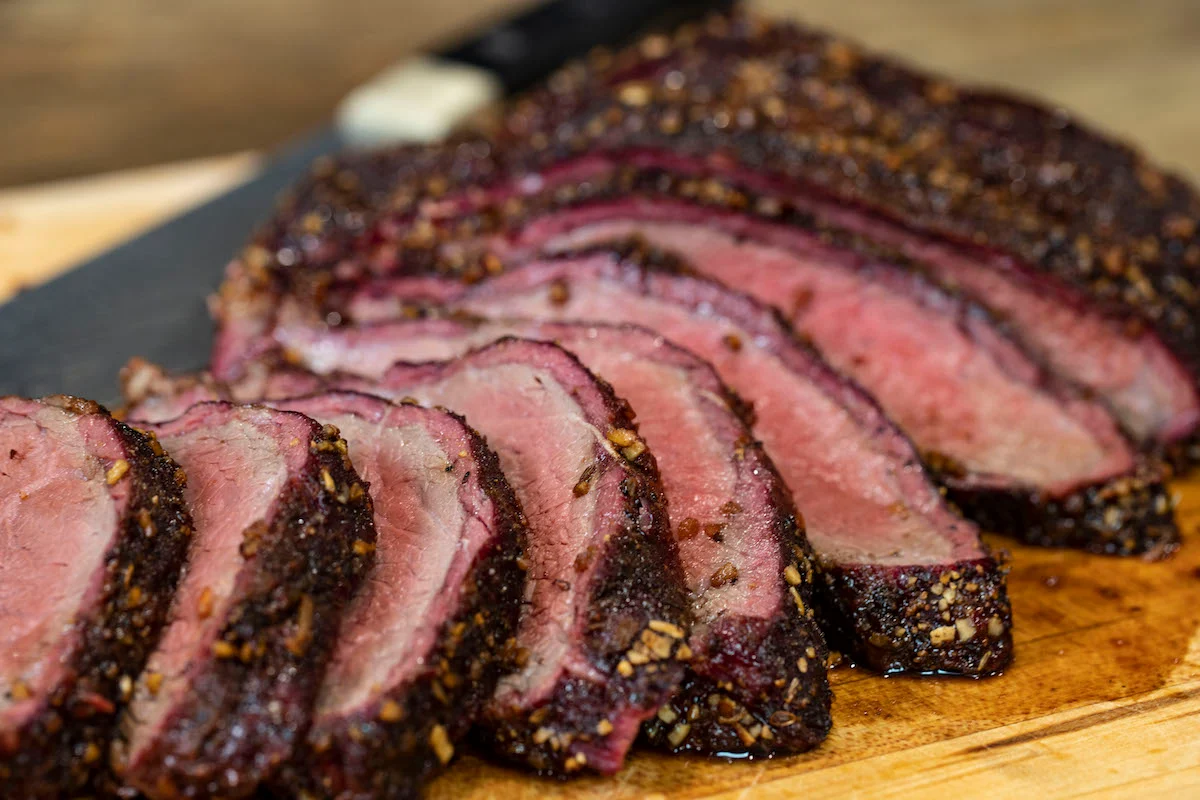
- Slice each section across its own grain: Hold your knife at a slight angle and slice as thin as you can, about 1/8 inch. Thinner is better, and “perfect” matters less than “thin.”
What to expect
This bulgogi cooks fast and finishes with caramelized edges, a savory-sweet glaze, and that garlic-sesame aroma that makes everyone wander into the kitchen asking when dinner will be ready. It is meant to be served with rice and crisp lettuce leaves for wrapping, plus quick toppings like cucumbers, scallions, and a little gochujang if you like heat.
One more reassurance from my own notebook: if your slices are not perfectly paper-thin, do not panic. Keep the pan hotter than you think, cook in batches, and aim for “just cooked through” so the beef stays tender. You will still get that bulgogi-style char and flavor.
Why this works
- Tri-tip is sliced correctly for bulgogi: Splitting the roast where the grain changes direction prevents chewiness.
- Pear tenderizes and sweetens: Grated pear adds subtle fruit sweetness and helps soften the meat without turning it mushy.
- High heat, quick cook: Bulgogi is at its best when it sears fast and caramelizes, not when it simmers.
- Batch cooking keeps it glossy: Cooking in small batches avoids steaming so the marinade reduces into a sticky glaze.
Ingredient notes
- Tri-tip: Buy a well-marbled tri-tip if possible. Fat equals flavor and tenderness, especially with quick cooking.
- Asian pear: The classic choice. If you cannot find it, a ripe Bartlett pear works well. Grate it on the large holes of a box grater so it blends into the marinade.
- Soy sauce: Use low-sodium if you are sensitive to salt, especially since the marinade reduces slightly on the hot pan.
- Brown sugar: Helps with caramelization. You can use white sugar in a pinch, but brown sugar gives a deeper flavor.
- Sesame oil: A little goes a long way. Add it to the marinade for aroma, and finish with extra sesame seeds for crunch.
- Gochujang (optional): Adds heat and fermented depth. Keep it optional so the recipe stays family friendly.
Equipment
- Sharp chef’s knife
- Cutting board
- Large mixing bowl or zip-top bag for marinating
- Box grater (for pear)
- Cast iron skillet or heavy stainless skillet, or a grill with a very hot zone
- Tongs
Pro tips
- Partially freeze the tri-tip: A short chill makes thin slicing dramatically easier.
- Do not marinate forever: 30 minutes is great, 2 hours is even better. Much longer can make the texture soft.
- Wipe excess marinade lightly: You want it coated, not dripping. Too much liquid cools the pan and causes steaming.
- Cook in batches: Give the meat space so it sears. If you crowd the skillet, you lose the signature bulgogi char.
- Finish with freshness: A shower of sliced scallions and toasted sesame seeds at the end makes the whole dish taste brighter.
Substitutes
- No pear: Use a ripe pear, a sweet apple, or 2 tablespoons of pineapple juice. Pear gives the most classic flavor.
- No mirin: Use 1 tablespoon rice vinegar plus 1 tablespoon sugar, or just add a touch more brown sugar.
- Gluten-free: Swap soy sauce for tamari or certified gluten-free soy sauce.
- Less sugar: Reduce brown sugar slightly and rely on the pear for sweetness. You will still get caramelization, just a bit less glaze.
Variations
- Spicy bulgogi: Add 1 to 2 teaspoons gochujang and a pinch of gochugaru (Korean chili flakes) to the marinade.
- Onion-forward bulgogi: Grate 2 tablespoons onion into the marinade for extra savory sweetness.
- Grilled bulgogi: Skewer the slices on metal skewers or use a grill basket. Cook over very high heat for quick char.
- Bowl style dinner: Serve over rice with cucumbers, shredded carrots, kimchi, and a jammy fried egg.
Serving ideas
- Lettuce wraps: Use romaine, green leaf, or butter lettuce with rice, bulgogi, and a dab of gochujang.
- Simple sides: Quick cucumber salad, steamed broccoli, or sautéed greens.
- Rice options: White rice, brown rice, or cauliflower rice. For another easy bowl meal, see my burrito bowl style setup and steal the “build a bowl” mindset.
- Make it a spread: Put everything on the table and let everyone assemble. This is my favorite way to avoid the 5:00 PM dinner panic.
Storage
- Refrigerate: Store cooked bulgogi in an airtight container for up to 3 days.
- Reheat: Reheat quickly in a hot skillet until just warmed through. Microwaving works, but the skillet brings back the caramelized edges.
- Freeze: Freeze cooked bulgogi for up to 2 months. Thaw overnight in the fridge before reheating.
Common mistakes
- Slicing with the grain: This is the number one reason tri-tip bulgogi turns chewy. Split the roast where the grain changes, then slice each piece against its own grain.
- Trying to cook it like a roast: Bulgogi is fast and hot. If you cook it low and slow, you lose the sear and the sauce turns watery.
- Crowding the pan: If the meat overlaps, it steams. Cook in batches and let the pan reheat between rounds.
- Marinating too long: Pear is gentle, but long soaks can still make thin meat overly soft.
FAQ
Can I use tri-tip for bulgogi?
Yes, and it is a great budget friendly option. The key is slicing it very thin and across the grain, and remembering the grain changes direction in tri-tip.
Do I have to use pear?
No, but it helps with both flavor and tenderness. A ripe pear or apple works well. In a pinch, a small splash of pineapple juice can help, but keep it minimal so the meat does not turn mushy.
Skillet or grill?
Either works. A cast iron skillet is easiest for most home kitchens because you can keep heat consistent and catch the glaze as it caramelizes. A hot grill gives great char, especially if you use a grill basket.
How thin is “thin”?
Aim for about 1/8 inch. If you can see light through the edges, you are in the sweet spot. If your slices are thicker, just cook them a touch longer, still over high heat.
Can I prep this ahead?
Yes. You can slice the meat and mix the marinade earlier in the day. Marinate 30 minutes to 2 hours for best texture.
Recipe Summary
Paper-thin tri-tip bulgogi marinated with soy sauce, brown sugar, garlic, sesame, and grated pear, then cooked fast on a very hot skillet or grill. Serve with rice and crisp lettuce for wraps.
Ingredients
- 1 1/2 pounds tri-tip roast
- 1/2 cup low-sodium soy sauce (or tamari)
- 1/4 cup packed brown sugar
- 1 small Asian pear, peeled and grated (about 1/2 cup grated pear)
- 4 cloves garlic, minced
- 1 tablespoon fresh ginger, finely grated
- 2 tablespoons toasted sesame oil
- 2 tablespoons mirin (optional)
- 1 tablespoon rice vinegar
- 3 scallions, thinly sliced (whites and greens), divided
- 1 tablespoon toasted sesame seeds, plus more for serving
- 1 to 2 teaspoons gochujang (optional)
- 1 tablespoon neutral oil (avocado, canola, or grapeseed), for cooking
- Steamed rice, for serving
- Butter lettuce or romaine leaves, for serving
- Sliced cucumbers or quick pickles, for serving (optional)
Instructions
- Firm up the meat for easier slicing: Place the tri-tip in the freezer for 20 to 30 minutes until slightly firm but not frozen solid.
- Slice across the grain (tri-tip changes direction): Set the tri-tip on a cutting board and look for the direction of the muscle fibers. Cut the roast into two pieces where the grain changes direction. Slice each piece against its own grain as thinly as possible, about 1/8 inch.
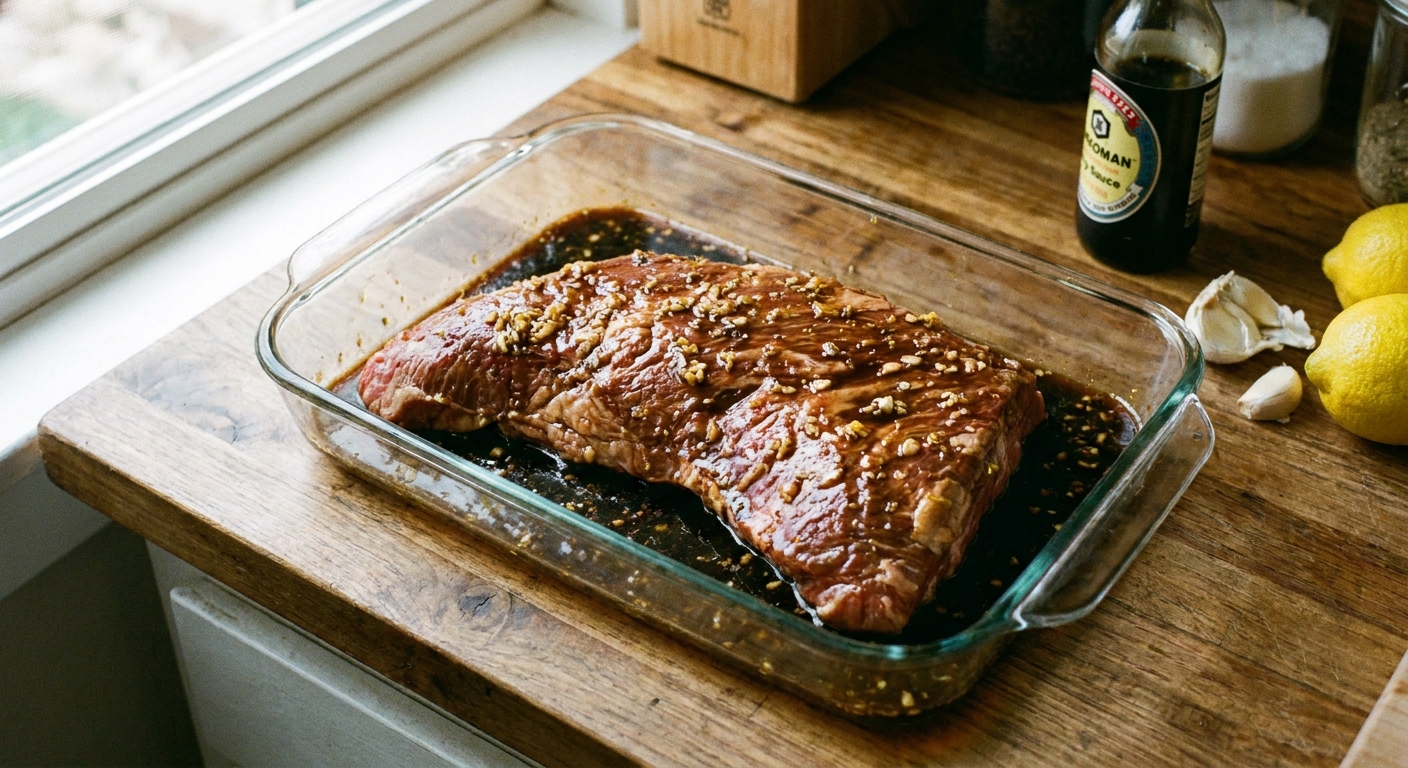
- Make the marinade: In a large bowl (or a zip-top bag), whisk together soy sauce, brown sugar, grated pear, garlic, ginger, sesame oil, mirin (if using), rice vinegar, half of the scallions, sesame seeds, and gochujang (if using).
- Marinate: Add the sliced beef and toss until every piece is well coated. Cover and refrigerate for at least 30 minutes and up to 2 hours.
- Preheat the pan or grill: For a skillet, heat a large cast iron or heavy stainless skillet over high heat until very hot. Add the neutral oil and swirl to coat. For a grill, preheat to high heat and oil the grates or use a grill basket.
- Cook in batches: Remove beef from the marinade, letting excess drip off. Add a single layer to the hot pan or grill. Cook 1 to 2 minutes per side, until browned and caramelized at the edges and the beef is just cooked through. Transfer to a plate and repeat with remaining beef, letting the pan reheat between batches.
- Finish and serve: Sprinkle with remaining scallions and extra sesame seeds. Serve immediately with steamed rice and lettuce leaves for wraps. Add cucumbers or pickles if you like.
Notes
- Best texture window: 30 minutes to 2 hours of marinating gives tender, flavorful beef without turning the thin slices too soft.
- Heat matters: If your pan is not very hot, the beef will release liquid and simmer instead of sear. Preheat longer than you think you need.
- Knife tip: A long slicing motion beats pressing down. Let the blade do the work for thinner, cleaner slices.