Delishing
Chestnuts on an Open Fire

There are few kitchen moments that feel as cozy as pulling warm chestnuts off a real flame, shaking them in a towel, and peeling back shells while they are still steaming. It is romantic in theory and a little chaotic in real life, which is exactly why I love having a simple, reliable setup for fireplaces and campfires.
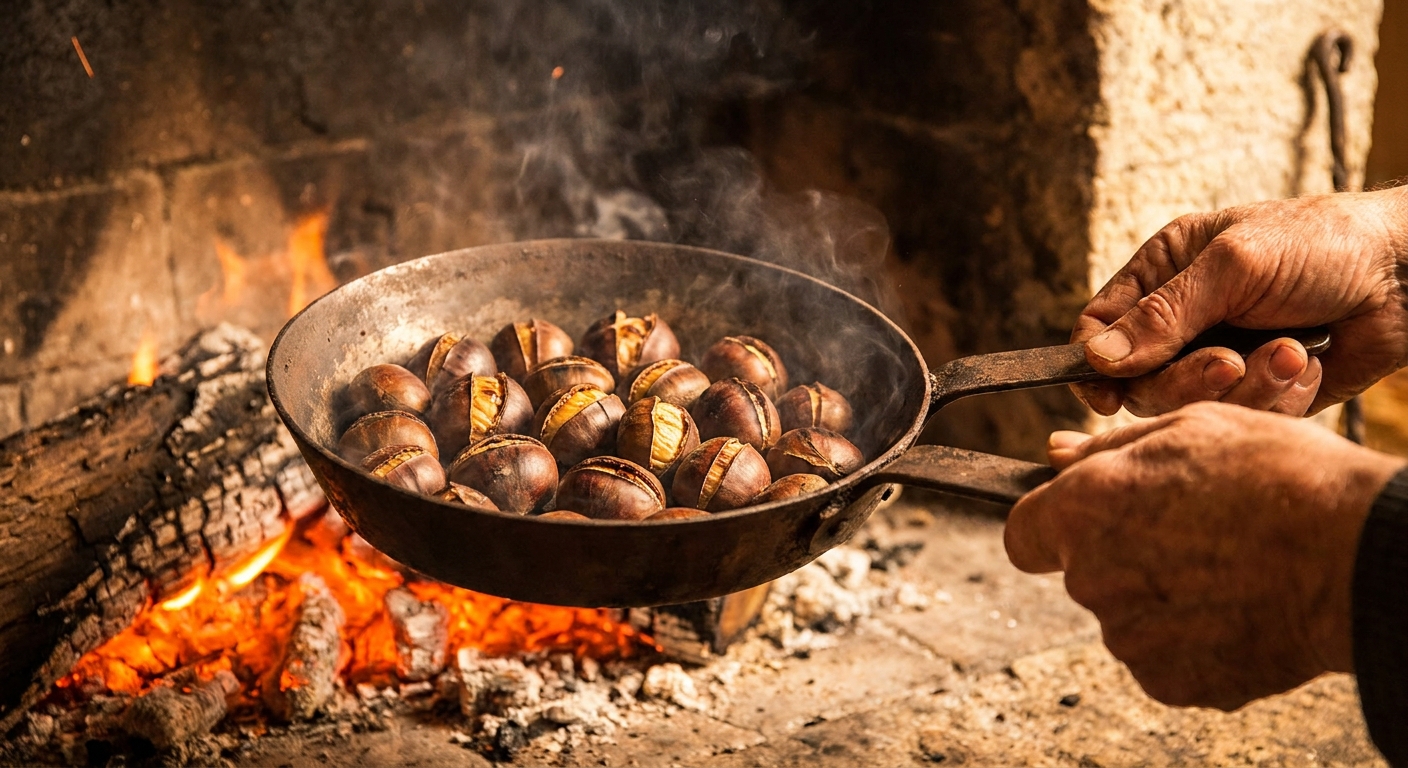
This method is for fresh sweet chestnuts, not horse chestnuts. You will roast them either in a chestnut pan (the classic way) or in a foil pouch (the practical way when you are traveling light). The key details that make this work are: score every nut so it vents safely, keep the nuts close enough to roast but not so close they scorch, and peel while warm so the inner skin does not glue itself to the nut.
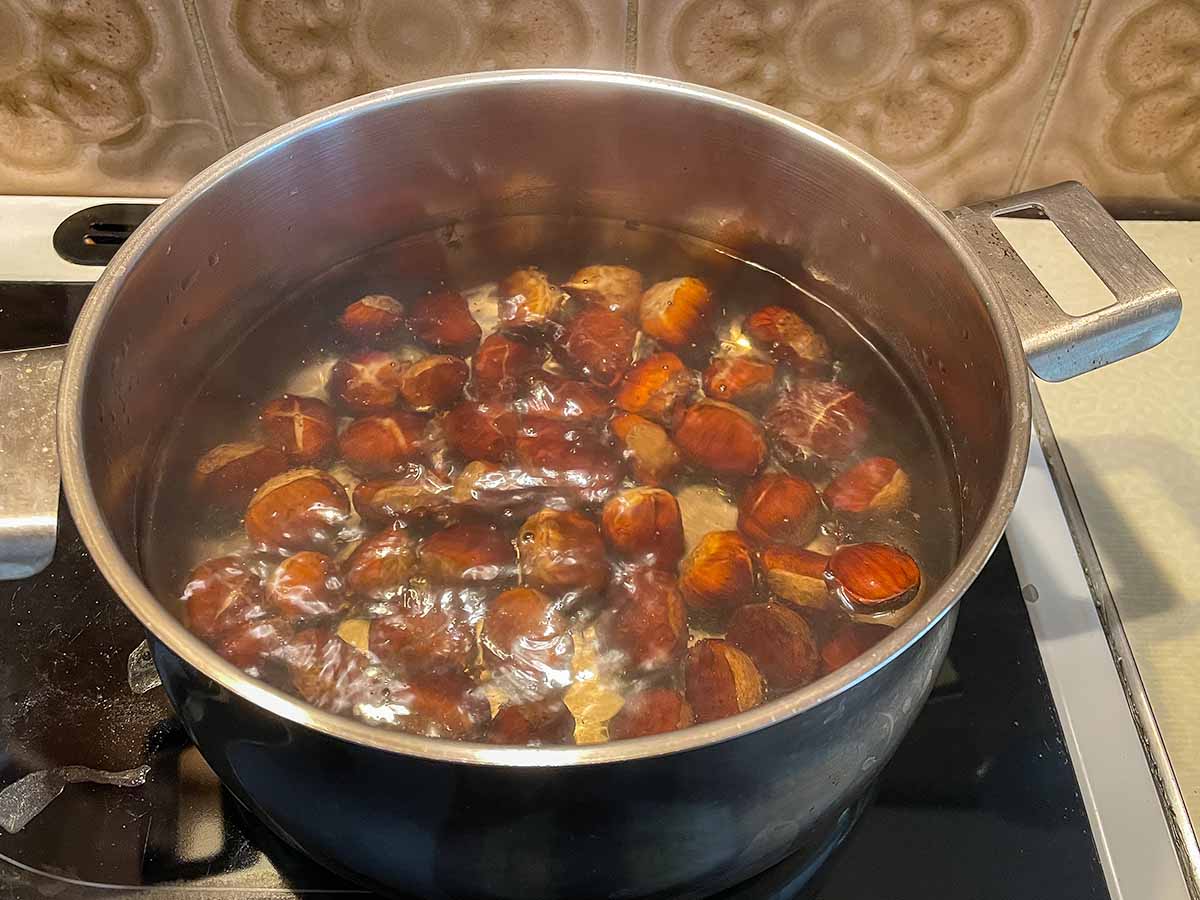
If you want other methods for other days, I also keep appliance options handy: How to Roast Chestnuts for indoor roasting, plus Air Fryer Chestnuts, Boiled Chestnuts, and Microwave Chestnuts.
Fire setup, distance, and timing
Open flame roasting is all about managing heat. A big roaring flame looks dramatic, but you will get better chestnuts from glowing coals or a steady bed of embers. If you are working with a fireplace, let the logs burn down until you have a hot coal base. If you are at a campfire, push hot coals to one side for a safer, steadier roasting zone.
- Best heat: hot embers and small flames, not tall flames.
- Ideal distance: keep the chestnuts about 4 to 6 inches above the coals (or at the edge of the fire where the heat is strong but not blasting).
- How often to turn: shake or stir every 1 to 2 minutes so they roast evenly.
- How long: typically 10 to 18 minutes, depending on nut size and fire intensity.
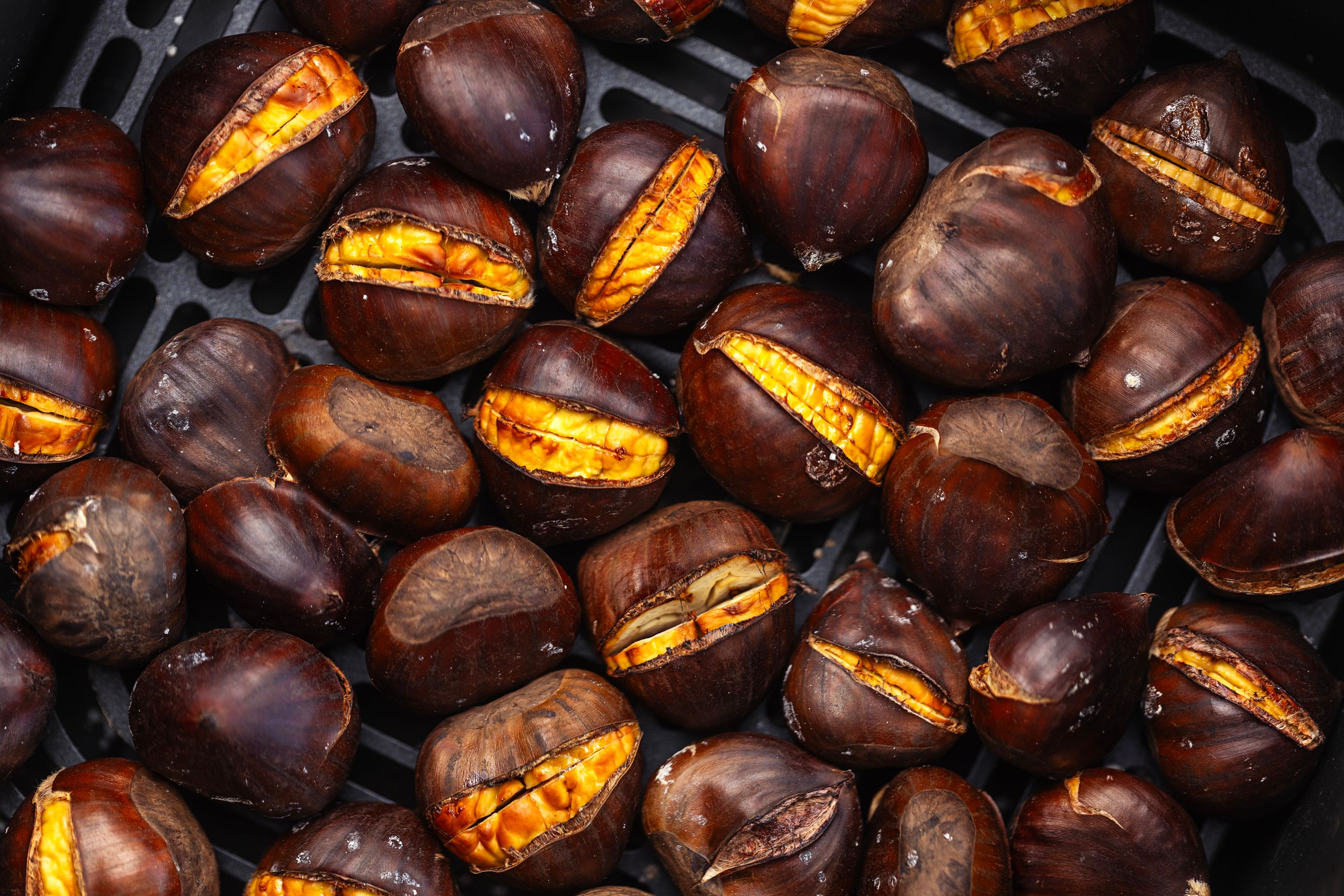
You are looking for shells that split wide at the score and nut meat that feels tender when you squeeze it through a towel. If the shells are blackening fast but the nuts are still hard, you are too close to the heat.
Foil pouch basics
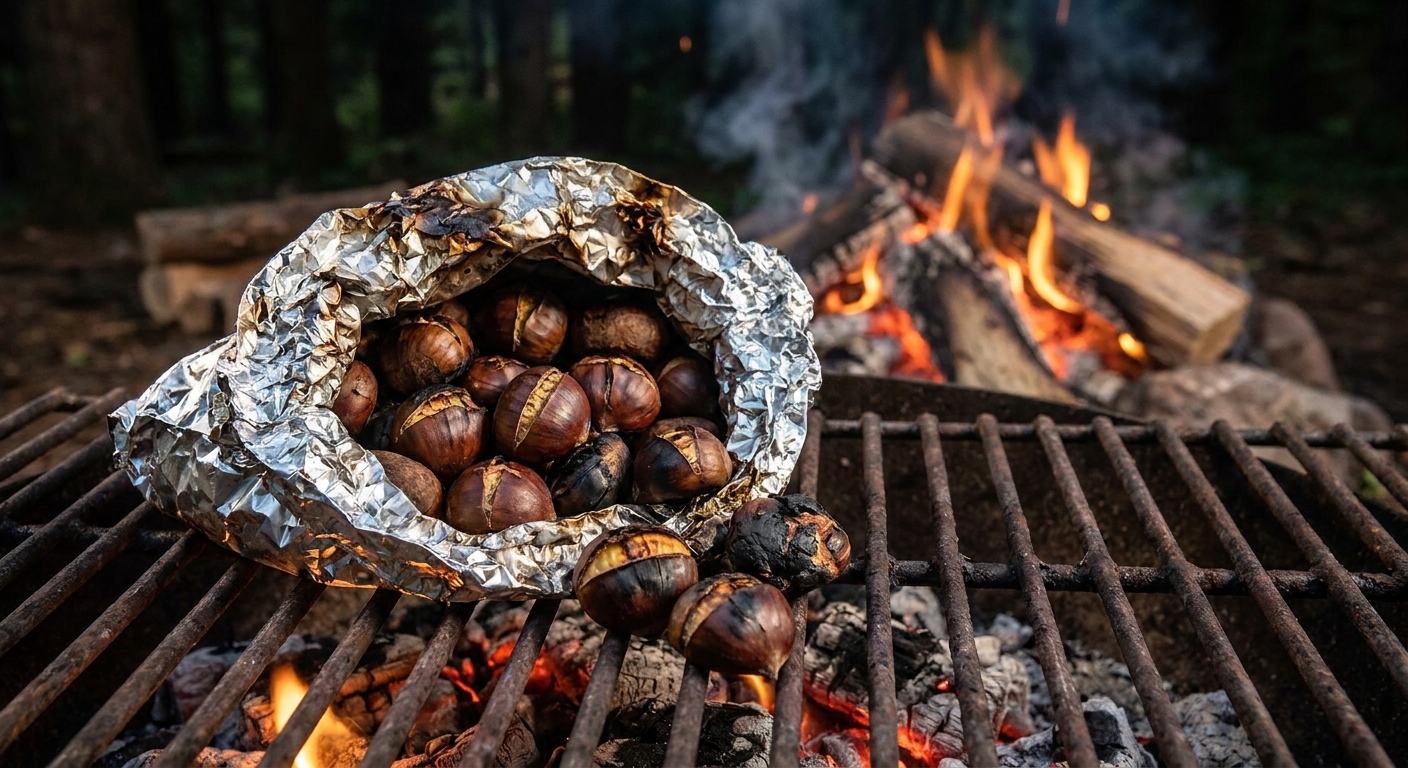
The foil method is my go-to when I do not have a chestnut pan. It is simple, but the little details matter.
- Seal it, but leave space: Build a pouch with enough headroom so hot air can circulate. You want a puffed pouch, not a foil brick.
- No extra vent holes: The chestnuts are already scored, so they have a safe place to release steam. Keeping the pouch sealed helps them roast gently instead of drying out.
- Keep it near embers: Set the pouch on a grate near the coals, or nestle it at the edge of the ember bed. Avoid burying it in the hottest spot unless you plan to rotate constantly.
Most importantly, rotate the pouch often. Foil creates hot spots fast, so a steady roll and reposition every minute or two keeps the batch evenly roasted.
Safety first: score every nut
Please do not skip the scoring. Chestnuts have moisture inside, and in high heat that moisture turns to steam. An unscored chestnut can pop and burst, sending shell fragments outward.
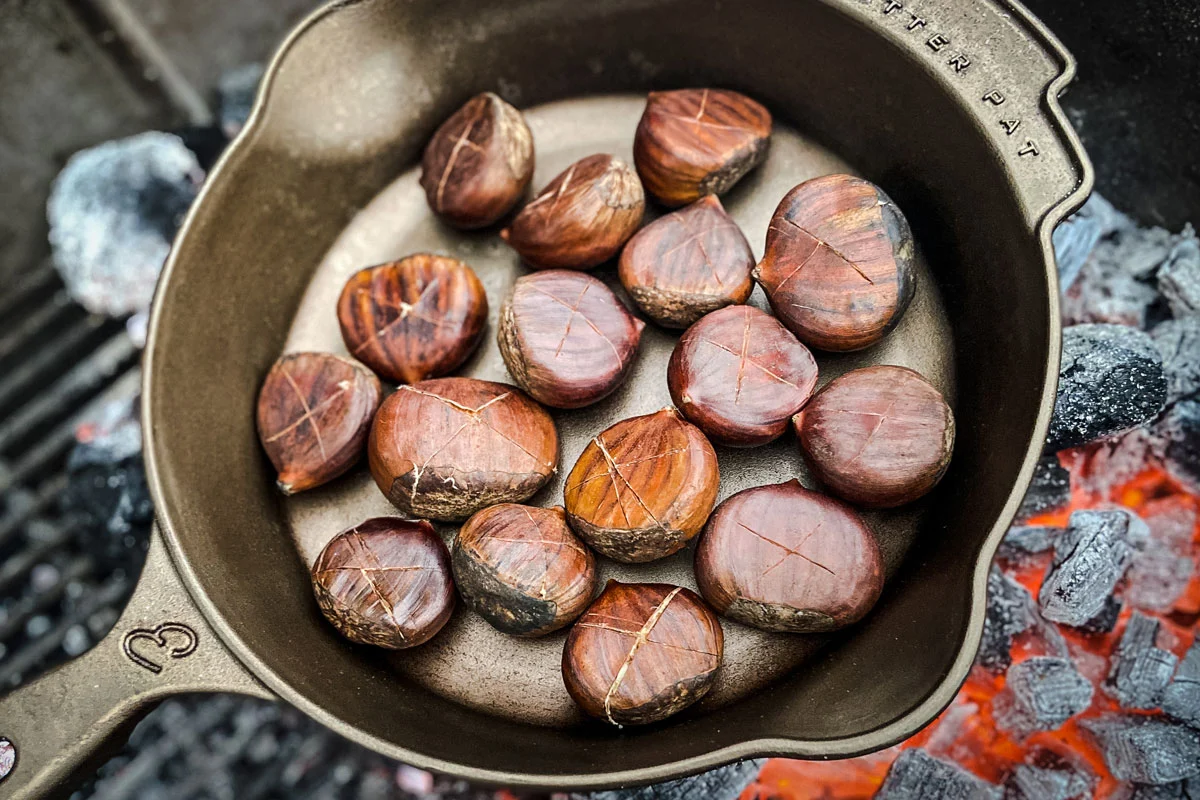
Use a serrated knife or a small sharp paring knife to cut an X on the rounded side of each nut, about 1/2 inch wide and deep enough to cut through the shell. If you only nick the surface, they can still be tough to peel.
Peeling while warm
The peel window is real. Chestnuts are at their friendliest when they are still warm and a little steamy.
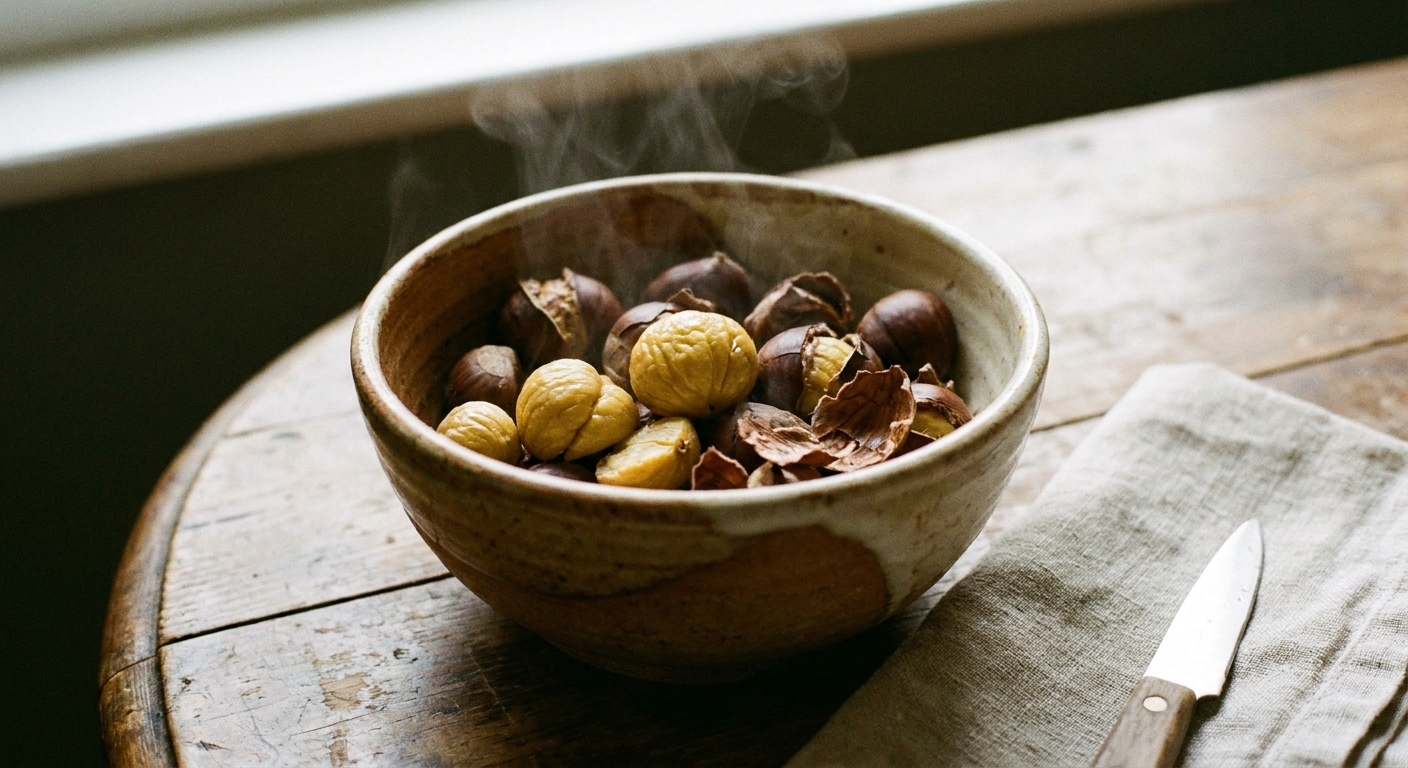
As soon as they come off the fire, tip them into a clean kitchen towel and wrap them up tight for 5 to 10 minutes. That trapped steam loosens both the hard shell and the papery inner skin.
Then peel a few at a time, keeping the rest bundled so they stay warm. If the inner skin clings like glue, the chestnuts usually need either a couple more minutes of roasting or a quick re-steam in the towel.
Why this works
- Scoring vents steam, which prevents popping and also helps the shell pull away for easier peeling.
- Ember heat roasts more evenly than direct flame, giving you tender chestnuts instead of scorched shells.
- Frequent turning prevents hot spots, which is the most common reason for burnt, bitter shells.
- Resting in a towel traps steam so the shells and inner skin loosen while the nuts stay warm.
Ingredient notes
Fresh sweet chestnuts
Choose chestnuts that feel heavy for their size with glossy, unwrinkled shells. Light, rattly chestnuts tend to be dried out inside.
Plan on some duds. Even good bags can have a few that are moldy or hollow. I always buy a little extra.
Water (optional)
If your chestnuts seem a bit dry or you want a gentler roast, a quick 10-minute soak can add a touch of steam. Drain well before roasting so they do not sputter on the fire.
Salt (optional)
Roasted chestnuts are naturally sweet and nutty. A pinch of salt right after peeling makes the flavor pop.
Equipment
- Chestnut pan (perforated, long-handled) for classic fireplace roasting.
- Heavy-duty aluminum foil for a campfire-friendly pouch method.
- Serrated knife or paring knife for scoring.
- Heatproof gloves or long tongs for handling hot equipment safely.
- Clean kitchen towel (or a paper bag) to steam the chestnuts after roasting for easier peeling.
- Instant-read thermometer (optional) if you like extra certainty. Chestnuts are usually nicely tender when the interior is roughly in the 200°F range, but texture is a better guide than a number here.
Pro tips
- Score on the rounded side. That gives you more surface area for the shell to split open.
- Start farther, then move closer. Especially with fireplaces, heat can be intense. Begin at about 6 inches above embers and adjust once you see how fast the shells are coloring.
- Turn constantly at the beginning. The first few minutes determine whether you scorch. After the shells start splitting, you can turn a bit less obsessively.
- Steam before peeling. As soon as they are roasted, wrap them tightly in a towel for 5 to 10 minutes. Peel while they are still warm.
- Peel in two steps. Remove the hard shell first, then the papery inner skin. If the inner skin fights you, the nuts either cooled down or need 2 to 3 more minutes over the heat.
Substitutes
- No chestnut pan: Use the foil pouch method or a cast iron skillet set on a grate over embers. (If you use a skillet, keep them moving and expect a little more char on the shells.)
- No towel: Use a paper bag, a lidded bowl, or wrap in foil for a few minutes to trap steam.
Variations
- Cinnamon sugar chestnuts: Toss peeled warm chestnuts with a little melted butter, cinnamon, and sugar.
- Smokier campfire chestnuts: Roast closer to the embers for a shorter time, turning constantly. You will get deeper smoky aroma, but watch for scorched shells.
- Herb butter finish: Toss peeled chestnuts with melted butter and finely chopped rosemary or thyme.
Serving ideas
- Eat warm with a pinch of flaky salt.
- Chop and fold into chestnut stuffing for a toasty, sweet-savory bite.
- Puree into chestnut soup for a cozy starter.
- Rough chop and sprinkle on salads, grain bowls, or roasted vegetables for a seasonal crunch.
Storage
Roasted and peeled
Store peeled chestnuts in an airtight container in the refrigerator for up to 3 to 4 days.
Freezing
Peeled roasted chestnuts freeze well. Cool completely, freeze in a single layer, then transfer to a freezer bag for up to 3 months.
Reheating
Warm gently so they do not dry out. A quick skillet warm-up over low heat works well, or use your favorite appliance method from our chestnut guides.
Common mistakes
- Not scoring deeply enough: The shell will not open and the inner skin will cling. Cut through the shell, not just a surface scratch.
- Roasting over tall flames: You will get burnt shells and undercooked centers. Aim for embers.
- Holding them too close to the heat: If shells are turning black in minutes, back up. Charred shell can make the nuts taste bitter.
- Not turning often: Chestnuts scorch in hot spots. Shake and stir every 1 to 2 minutes.
- Letting them cool before peeling: Chestnuts peel best warm. Steam them in a towel and peel right away.
FAQ
How do I know when chestnuts are done roasting?
Look for shells that have split wide open at the score and nut meat that feels tender and not chalky. If you peel one and it is still firm like a raw potato, put the batch back over the embers for a few more minutes.
How far from the flame should chestnuts be?
Aim for about 4 to 6 inches above hot embers. If you only have active flames, roast at the edge of the fire where the heat is strong but steadier.
How often should I turn them?
Every 1 to 2 minutes is the sweet spot. With a chestnut pan, that usually means a steady shake. With a foil pouch, use tongs to roll and reposition the pouch frequently.
Why are my chestnuts hard to peel?
Usually one of three things happened: they were not scored well, they cooled down before peeling, or they are slightly under-roasted. Wrap them in a towel to steam, then peel while warm. If they still fight you, return them to the heat for 2 to 3 minutes.
Can I roast chestnuts in foil directly in the fire?
You can, but I prefer keeping the pouch near embers, not buried in them. Direct contact can burn the outer shells before the inside turns tender.
Fire-roasted chestnuts with two easy setups: chestnut pan (best for fireplaces) and foil pouch (best for campfires). Turn often, roast over embers, and peel while warm for the easiest shells.
Prep Time: 10 minutes
Cook Time: 10 to 18 minutes
Total Time: 25 to 35 minutes
Servings: 4
- 1 pound fresh sweet chestnuts
- 1 pinch fine salt (optional, to finish)
- 1 tablespoon unsalted butter, melted (optional, to finish)
- Build the right fire. In a fireplace or campfire, let the wood burn down to a bed of hot embers with only small, gentle flames. Create a stable roasting zone where you can safely hold a pan or foil pouch 4 to 6 inches above the coals.
- Score every chestnut. Using a serrated knife or paring knife, cut an X on the rounded side of each chestnut, about 1/2 inch wide. Cut deep enough to slice through the hard shell. This vents steam and prevents popping.
- Choose your roasting setup.
- Chestnut pan method: Add scored chestnuts to a perforated chestnut pan in a single layer.
- Foil method: Place scored chestnuts in the center of a large sheet of heavy-duty foil. Fold into a sealed pouch, leaving a little air space inside for heat circulation.
- Roast near the heat, not in the flames. Hold the chestnut pan over the embers or set it on a grate. For foil, place the pouch on a grate near embers or hold it with long tongs close to the heat. Keep the chestnuts about 4 to 6 inches from the embers.
- Turn often. Shake the pan or rotate the foil pouch every 1 to 2 minutes to prevent scorching and encourage even roasting.
- Roast until split and fragrant. Continue roasting for 10 to 18 minutes, until most chestnuts have split open at the score and the nut inside feels tender when you press through a towel. If shells are blackening fast, move farther from the heat.
- Steam for easier peeling. Immediately pour hot chestnuts into a clean kitchen towel and wrap tightly. Let steam for 5 to 10 minutes.
- Peel while warm. Working with a few at a time, peel off the hard shell and then the papery inner skin. (If the inner skin will not budge, roast the remaining chestnuts 2 to 3 minutes longer, then steam again.)
- Finish and serve. Taste and sprinkle with a pinch of salt if you like. For a richer snack, toss with melted butter. Serve warm.
- Safety note: Do not roast unscored chestnuts. The pressure inside can build and cause them to pop.
- Fire varies: Because every fireplace and campfire burns differently, use the visual cues (split shells, tender centers) as your primary doneness test.
- Peeling tip: Keep the unpeeled roasted chestnuts wrapped in the towel, and peel in small batches so they stay warm and cooperative.