Confused by chestnuts vs water chestnuts? Learn what each one is, how they taste, when you’ll find them, how to prep them, and the best uses (plus substitutes).
Delishing
How to Cook Water Chestnuts

Maya Brooks
Maya Brooks is a dedicated home cook and the lead recipe developer at Delishing, where she shares practical, foolproof meals for everyday life. With over a decade of hands-on kitchen experience, she specializes in creating approachable dishes that fit a variety of dietary needs and modern cooking methods. Maya is passionate about helping busy people get delicious, stress-free food on the table without needing formal culinary training.
Water chestnuts are one of my favorite “secret weapons” for weeknight cooking. They are mild, slightly sweet, and famously crunchy, which means they can make a simple stir-fry or filling feel instantly more exciting. The biggest challenge is not cooking them, it is not overcooking them so they keep that snap.
Water chestnuts: fresh vs. canned
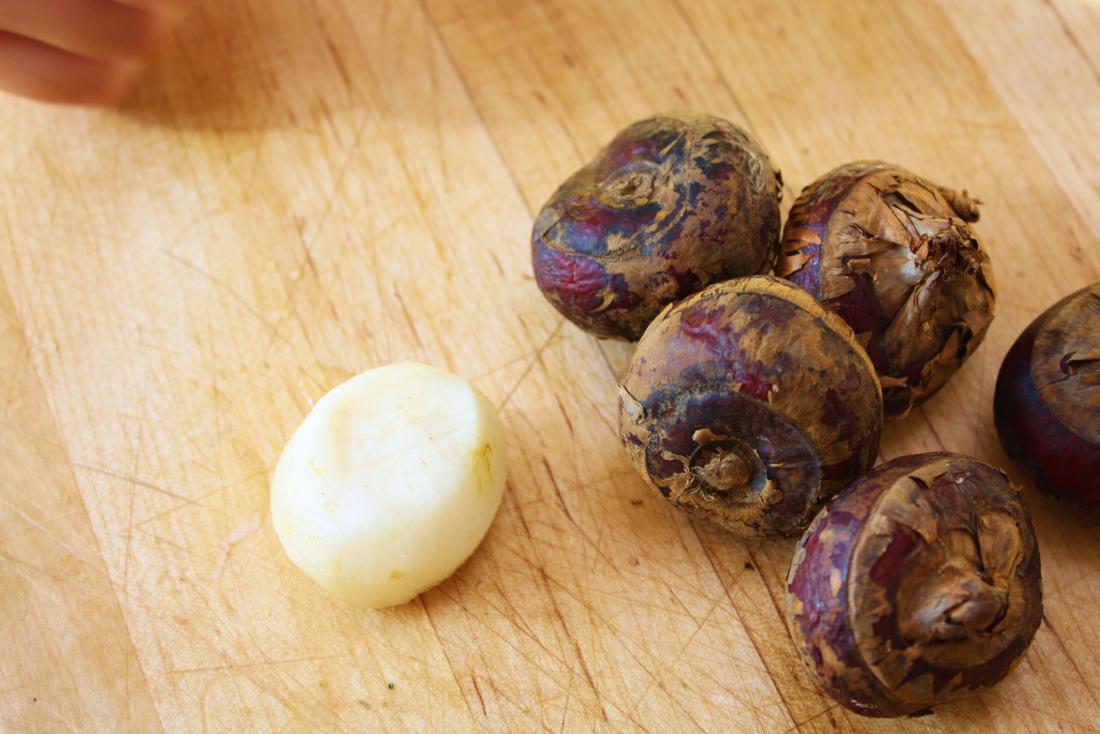
Fresh water chestnuts (often sold in Asian markets) have a cleaner, sweeter flavor and even more crunch. They also take a bit of peeling work.
Canned water chestnuts are the everyday option most of us keep around. They are already peeled and ready to use, but they can taste a little “tinny” unless you rinse them well.
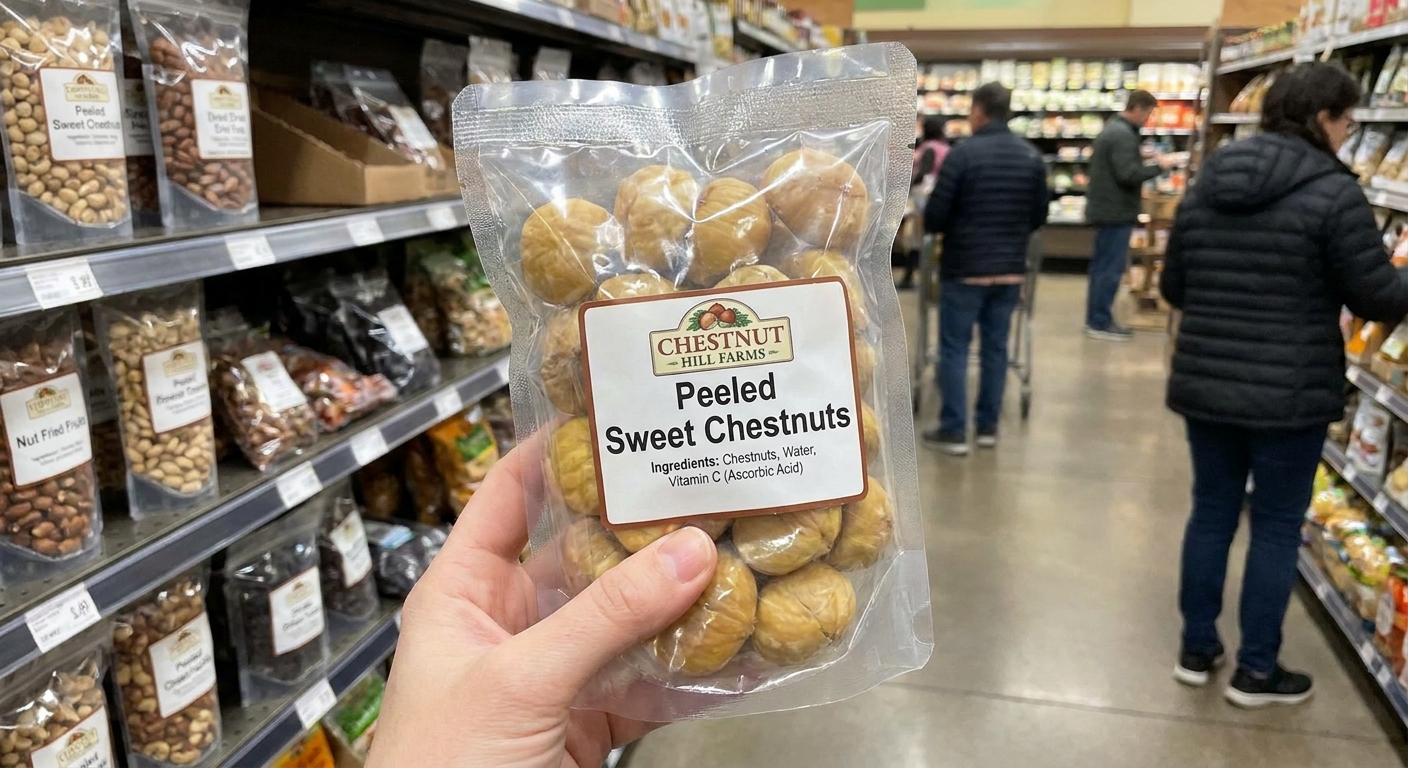
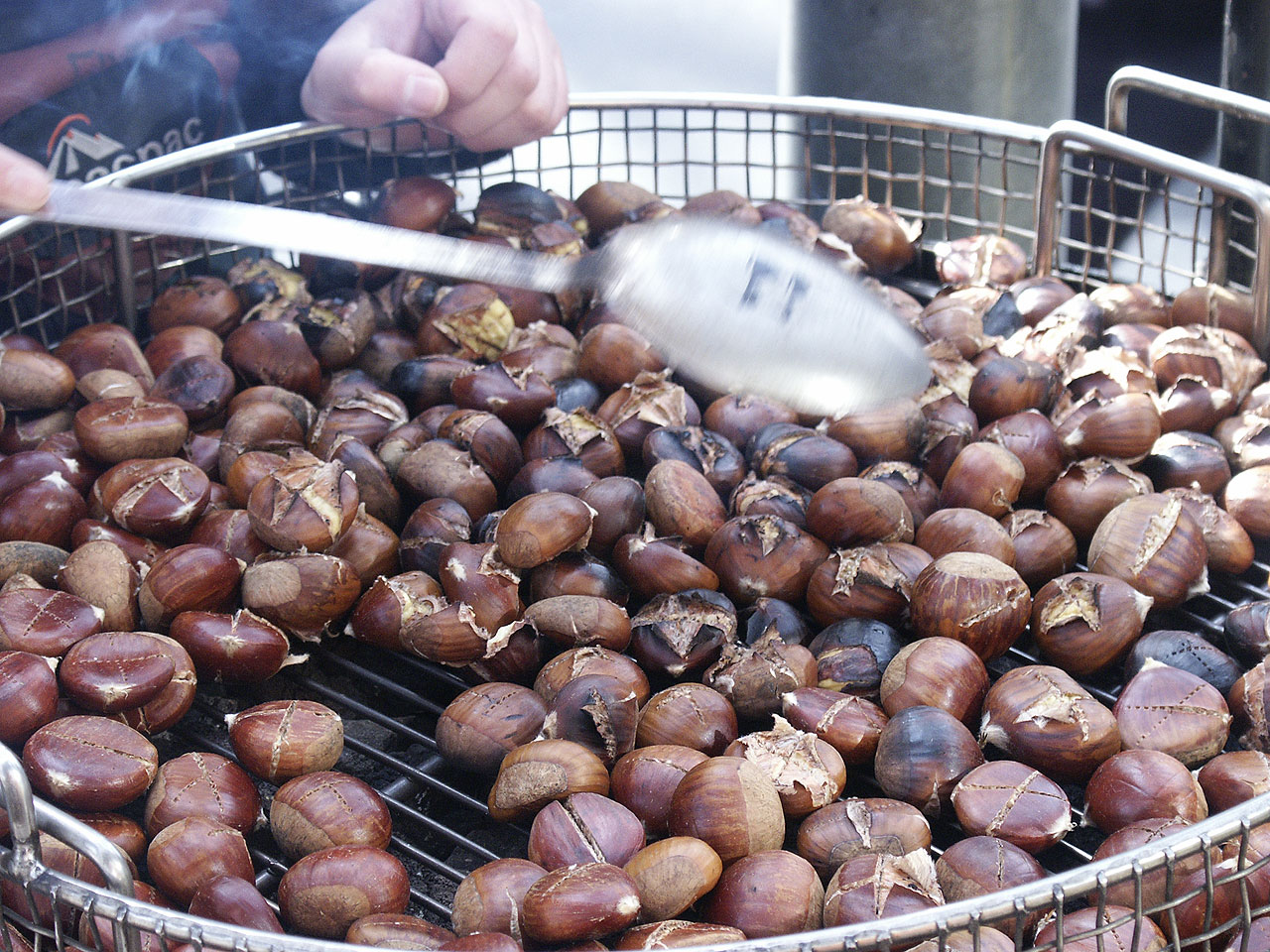
If you are wondering how they compare to true chestnuts (the starchy tree nut), they are completely different ingredients. Water chestnuts are an aquatic vegetable. If you want the deeper dive, see Chestnuts vs. Water Chestnuts.
How to prep water chestnuts
Prepping fresh water chestnuts
Fresh water chestnuts look like small brown bulbs, sometimes with a little tuft or root end. The skin is tough, so you will want a sharp paring knife. Take your time, because that peel can be slippery.
- Rinse the water chestnuts under cool water to remove dirt.
- Trim the ends (top and bottom) so you have flat surfaces.
- Peel the skin off with a paring knife or a vegetable peeler if it grips well.
- Hold in water as you work to prevent browning. I use a bowl of cold water with a small squeeze of lemon if I am prepping ahead.
- Slice or dice for your recipe.
Prepping canned water chestnuts
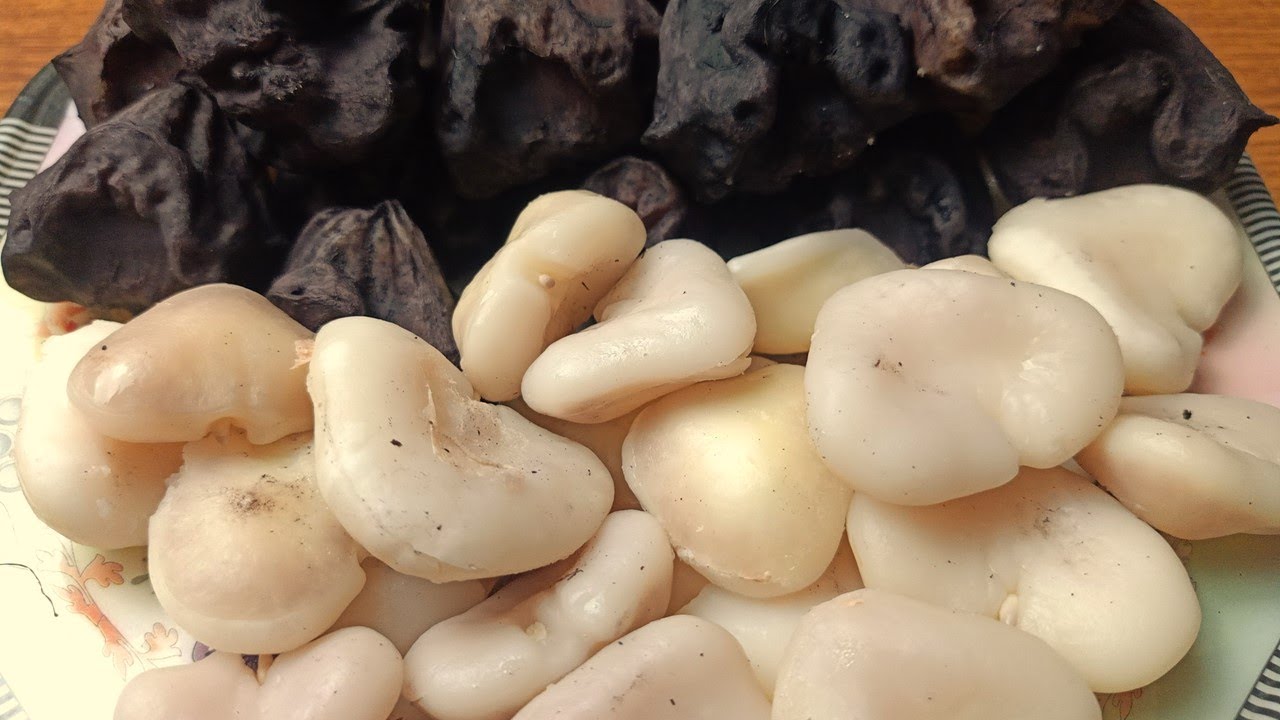
Canned water chestnuts are typically ready to eat straight from the can, but you should follow the label if it specifies heating.
- Drain the can.
- Rinse thoroughly in a colander under cool running water for 20 to 30 seconds to wash off the canning liquid (this is what helps with that “tinny” taste).
- Pat dry if you are stir-frying. Excess moisture can cause steaming instead of searing.
Best ways to cook water chestnuts
Water chestnuts do not need long cooking. Think of them like a “crunch add-in,” not the main ingredient that needs tenderizing.
How to boil water chestnuts
Boiling is useful if you want them warmed through for soups, hot pot-style meals, or gently cooked salad-style dishes.
- Bring water to a boil, then add a pinch of salt.
- Add sliced or whole water chestnuts.
- When the water returns to a boil, start your timer.
- Boil 2 to 4 minutes for canned water chestnuts, just until heated through.
- Boil 4 to 6 minutes for fresh water chestnuts, depending on size.
- Drain immediately. For maximum crunch, you can rinse briefly under cold water to stop the cooking.
My note from the kitchen: If you boil them like a potato, they will not get “tender,” they will just lose their signature snap. Keep it short.
How to stir-fry water chestnuts
This is where water chestnuts shine. The trick is to add them late.
- Prep everything first. Stir-fries move fast, and water chestnuts are a last-minute addition.
- Cook your protein and aromatics (like garlic, ginger, scallions) first.
- Add harder vegetables (carrots, broccoli) next and stir-fry until nearly done.
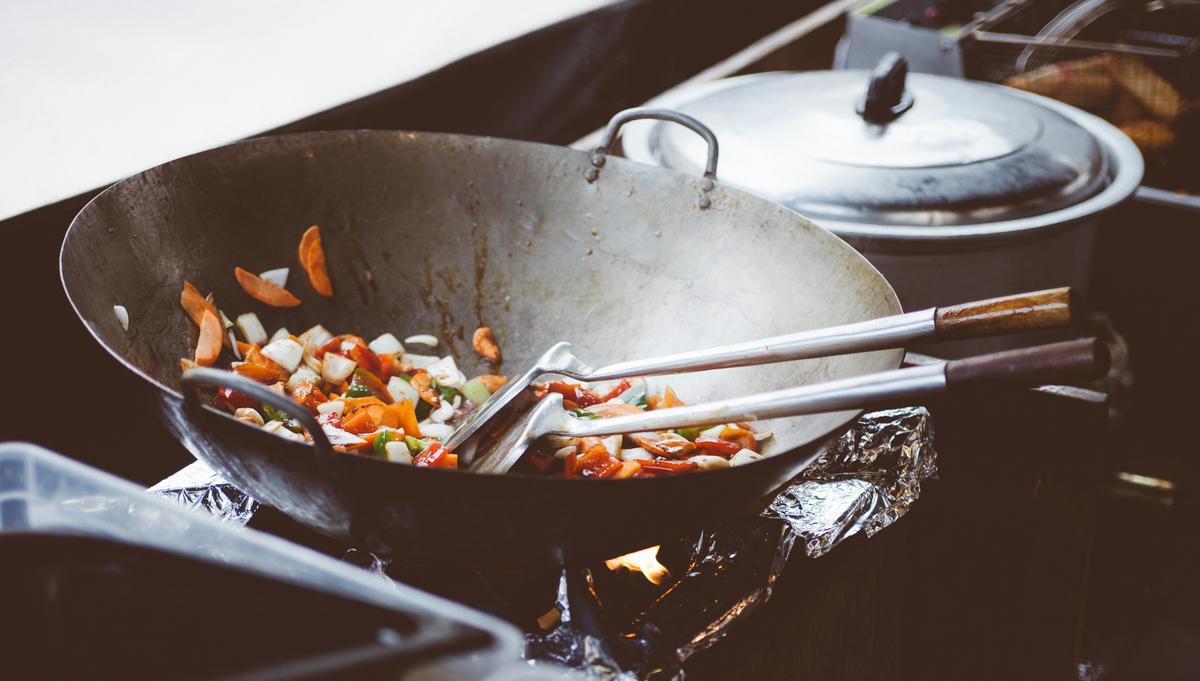
- Add water chestnuts in the last 1 to 2 minutes of cooking, just to warm and coat them in sauce.
- Finish with sauce and toss 30 to 60 seconds more, then serve.
Quick sauté
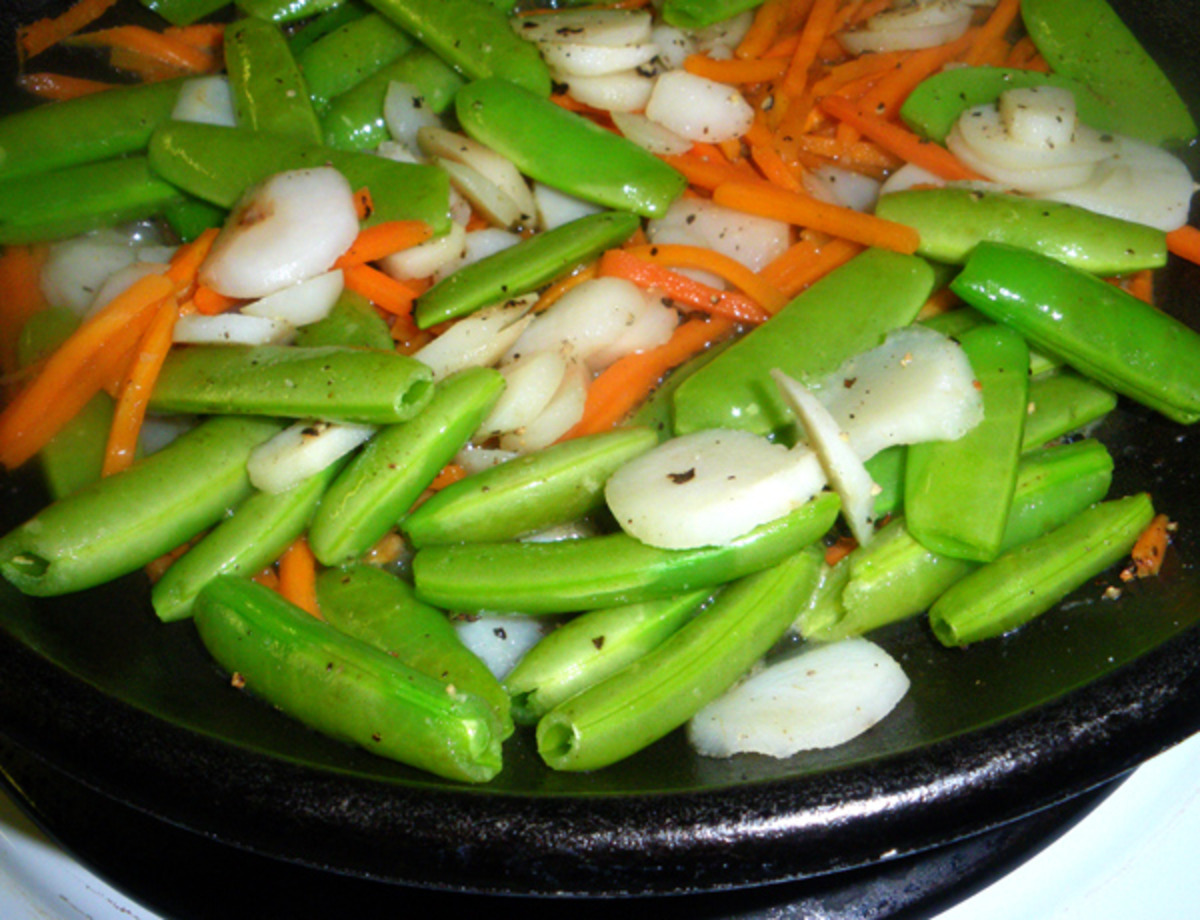
If you just want a warm, crunchy side, sauté sliced water chestnuts in a little oil over medium-high heat for 2 to 3 minutes, season with salt, and finish with toasted sesame oil or a squeeze of lime.
How to keep them crunchy
- Do not overcook. Add them at the end of stir-fries and keep boiling times short.
- Cut size matters. Thin slices soften faster. For maximum crunch, use thicker slices or halves.
- Rinse canned water chestnuts. This improves flavor. For crispness, the big win is keeping cook time short.
- Use high heat for fast cooking. A quick toss in a hot pan keeps texture better than simmering.
- Avoid long holding in hot dishes. If a stir-fry sits on warm, the crunch fades. Serve right away when you can.
Easy serving ideas
Best cuts for each dish
- Thin slices: Best for fried rice and quick sautés (just watch the cook time).
- Thicker slices or halves: Best for stir-fries when you really want that crunch to stand out.
- Small dice: Best for lettuce wraps, dumplings, and fillings, so you get little pops of crunch without big chunks.
Stir-fry ideas
- Classic chicken and veggie stir-fry: Add sliced water chestnuts with the sauce at the end for crunch.
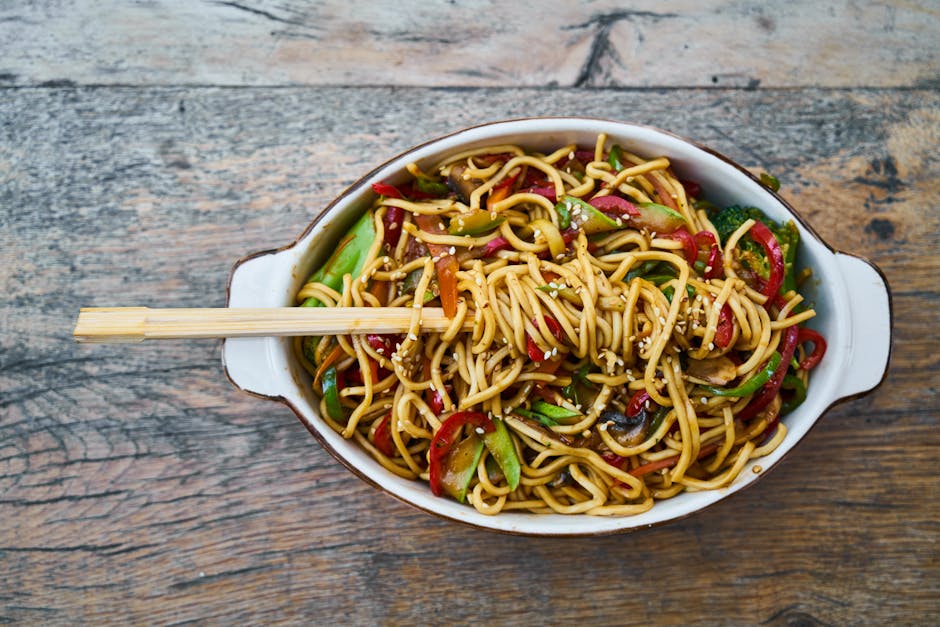
- Veggie-forward stir-fry: Pair with broccoli, snow peas, mushrooms, and a simple garlic-ginger sauce.
- Weeknight shortcut: Toss into leftover fried rice during the last minute of cooking for extra texture.
Filling ideas
- Lettuce wraps: Chop and fold into ground chicken or turkey filling.
- Dumpling or wonton filling: Finely dice for a little pop in each bite.
- Stuffed peppers: Mix diced water chestnuts into the filling for a surprising crunch. If you like a gluten-free option, try the approach from Gluten-Free Stuffed Peppers and add water chestnuts to the mix.
- Dip-style fillings: Chop and stir into a creamy base for texture (especially good in warm party dips).
Storage and make-ahead tips
Fresh water chestnuts
- Unpeeled: Store in the fridge and use while they are still firm and clean-smelling. If they feel slimy, look shriveled, or smell off, toss them.
- Peeled: Keep submerged in cold water in a covered container in the fridge and change the water daily if storing more than a day.
Canned water chestnuts
- After opening: Transfer leftovers to an airtight container, cover with fresh water, and refrigerate.
- Use within 3 to 4 days for best texture and flavor.
FAQ
Do you have to cook canned water chestnuts?
Usually, no. They are typically ready to eat straight from the can (they are heat-processed during canning), but check the label if your brand recommends heating. Either way, I still recommend rinsing them well, and if you are using them in a hot dish, warming them briefly at the end is perfect.
Why did my water chestnuts turn soft?
Almost always, they were cooked too long or simmered in sauce. Add them later, keep cook times short, and avoid letting the dish sit on heat.
Can you freeze water chestnuts?
You can, but the texture usually suffers. Water chestnuts are prized for crunch, and freezing tends to make them softer once thawed. If crunch is the goal, buy fresh or use canned and store properly after opening.