A Journey with Tofu Tofu was that mysterious book on my shelf I never dared to open. My first encounter? A bland brick in a sad sandwich. Kitchen fail…
Delishing
Vegetable Stir-Fried Noodles

Maya Brooks
Maya Brooks is a dedicated home cook and the lead recipe developer at Delishing, where she shares practical, foolproof meals for everyday life. With over a decade of hands-on kitchen experience, she specializes in creating approachable dishes that fit a variety of dietary needs and modern cooking methods. Maya is passionate about helping busy people get delicious, stress-free food on the table without needing formal culinary training.
Background and Personal Connection
Vegetable stir-fried noodles are the culinary equivalent of a little black dress—versatile and perfect for any occasion. I love looking at my hodgepodge of produce and tossing it all in. Whether it's onions, bell peppers, mushrooms, or that lone carrot hiding in the crisper, they're all welcome to join the party.
On chaotic weeknights when dinner needs to happen fast, stir-fried noodles swoop in like a hero. Picture this: you're dragging yourself home after a long day, but in no time, you can whip up something packed with flavor. Toss in a heap of veggies, maybe some tofu if you're feeling fancy, and let that sesame oil work its magic. Even my kids, who sometimes act like vegetables are the ultimate betrayal, can't resist seconds.
The beauty of this dish is its flexibility; you can adapt it based on what you have and how much time you want to spend cooking. You're the artist here, wielding your spatula like a painter with a brush. Whether you keep it simple or go full gourmet, it's pretty much impossible to mess up. In my house, these noodles have become a weeknight staple and a fridge-cleaning savior. All it takes is a splash of soy sauce, a pinch of creativity, and dinner is served—no takeout menu needed.
Cooking Tips and Tricks
For the best vegetable stir-fried noodles, start with the noodles. Cook them al dente—nobody wants limp noodles bringing down dinner. Once cooked, rinse them under cold water to stop cooking and prevent clumping.
For veggies, cut them evenly so they cook at the same rate. Start with those that take longer to cook, like carrots or broccoli, and finish with quicker ones like bell peppers or zucchini. A quick flash in the pan over high heat should keep them crisp.
The sauce is all about balance. A classic mix of soy sauce, sesame oil, and a touch of sugar gives you that savory, umami goodness. If you're feeling adventurous, a splash of rice vinegar or chili paste can elevate the dish. For picky eaters, go easy on the heat and let them add red pepper flakes at the table.
Add your sauce after the veggies are just tender and before tossing in the noodles. This way, everything soaks up the flavors without turning soupy. Top with green onions or sesame seeds, and you've got a meal that'll put everyone in a good mood.
Ingredient Selection
Ingredient flexibility is key for these scrumptious noodles. For the base, choose from classic rice noodles, wheat-based options like egg noodles, or gluten-free alternatives like soba or zoodles. Each brings a different texture, so experiment to find your favorite.
Veggies are the stars here. Broccoli, carrots, and bell peppers are popular choices that hold up well during cooking and offer a nice crunch. But don't stop there—throw in some mushrooms, edamame, or asparagus if you're feeling adventurous.
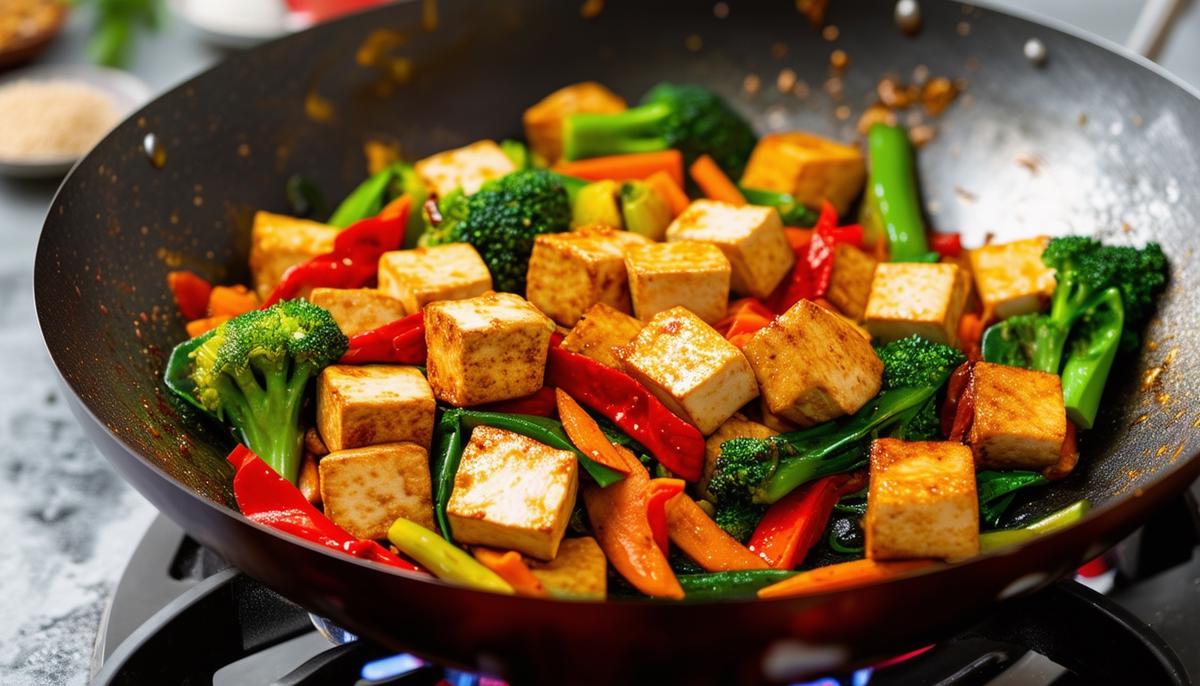
To boost protein, consider adding tofu, tempeh, or chickpeas for a vegan option. Poultry, beef, or shrimp work well for non-vegans. Customize your stir-fry to cater to everyone's preferences, like using tamari or coconut aminos for a soy-free sauce if needed.
Remember, the beauty of this dish lies in its adaptability. Use what you have, try new combos, and have fun with it. You'll end up with a meal that's delicious and suited to your kitchen's unique bounty.
Preparation and Cooking Techniques
Getting a head start in the kitchen can make dinner a breeze. Pre-cook your noodles according to package instructions, drain and rinse under cold water, then toss with a splash of oil to prevent sticking.
Prep your veggies by slicing them into consistent, bite-sized pieces. This ensures even cooking and makes the dish more enjoyable to eat. Keep heartier veggies like carrots and broccoli separate from softer ones like bell peppers, as they'll have different cooking times.
When it's time to cook, focus on sautéing and stir-frying. These techniques are all about speed and heat, giving your veggies a tasty sear that locks in flavor. Start with a hot pan and use high-heat oils like sesame or vegetable oil. Add vegetables in stages—denser ones first, delicate ones later.
Balance flavors with a basic stir-fry sauce of soy, sesame oil, and a touch of sugar. Don't overcrowd the pan, as this can lead to steaming instead of caramelization. Give everything enough room to sizzle and watch the magic happen—each bite will bring that satisfying combo of crispy and tender.
Recipe for Vegetable Stir-Fried Noodles
Ingredients:
- 8 ounces noodles of your choice (rice, egg, soba, or whole wheat)
- 2 tablespoons sesame oil, divided
- 1 tablespoon vegetable oil
- 1 cup broccoli florets
- 1 cup bell peppers, sliced
- 1 cup mushrooms, sliced
- 1 large carrot, julienned
- 4 cloves garlic, minced
- 1 tablespoon ginger, grated
- 1/4 cup soy sauce (or tamari for gluten-free)
- 2 tablespoons rice vinegar
- 1 tablespoon sugar
- 1 tablespoon sriracha or chili paste (optional)
- 1/4 cup vegetable broth or water
- Optional protein: 1 block firm tofu, cubed; or 1 cup cooked chicken or shrimp
- Optional garnishes: sliced green onions, sesame seeds, red pepper flakes, cilantro
Instructions:
- Cook noodles until al dente. Drain, rinse under cold water, and toss with 1 tablespoon sesame oil.
- Heat vegetable oil and remaining sesame oil in a large skillet or wok over medium-high heat. Add garlic and ginger, sauté for 30 seconds.
- Add broccoli, mushrooms, and carrots. Sauté for 3-4 minutes until they start to soften.
- Stir in bell peppers and optional protein. Cook for 2 minutes more.
- Mix soy sauce, rice vinegar, sugar, sriracha (if using), and vegetable broth in a bowl.
- Pour sauce over the vegetables and protein. Toss to coat.
- Add noodles to the pan and combine well. Cook for 1-2 minutes until heated through.
- Serve hot with your choice of garnishes.
Variations:
- Swap tofu for tempeh or chickpeas for a vegetarian protein boost.
- Use a mix of dark and light soy sauce for deeper flavor.
- Add a splash of lime juice for a zesty twist.
Serving and Storage:
- Makes 4 servings.
- Store leftovers in the fridge for up to 3 days.
- Reheat with a splash of water or broth to restore moisture.
Nutritional Information (per serving):
- Calories: 320
- Carbohydrates: 45g
- Protein: 10g
- Fat: 12g
- Fiber: 5g
- Sugar: 6g
- Sodium: 880mg
- Chan EWC, Lim YY, Wong SK, et al. Effects of different drying methods on the antioxidant properties of leaves and tea of ginger species. Food Chem. 2009;113(1):166-172.
- Tapsell LC, Hemphill I, Cobiac L, et al. Health benefits of herbs and spices: the past, the present, the future. Med J Aust. 2006;185(4 Suppl):S4-24.
- Jiang TA. Health Benefits of Culinary Herbs and Spices. J AOAC Int. 2019;102(2):395-411.