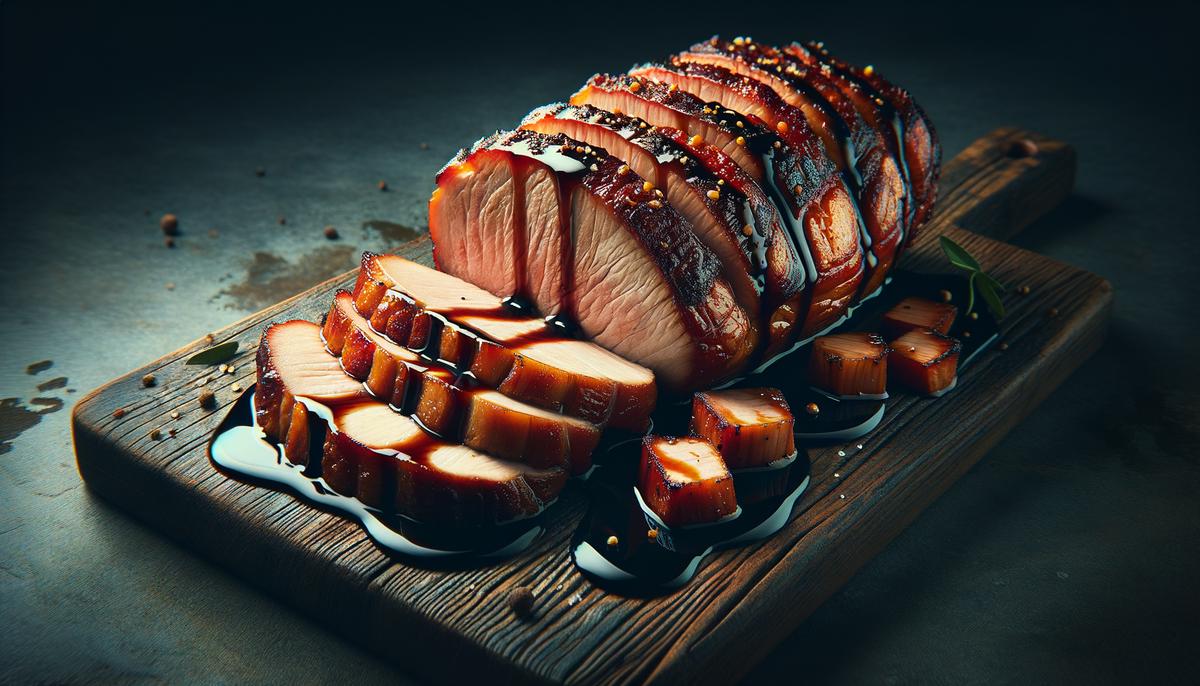
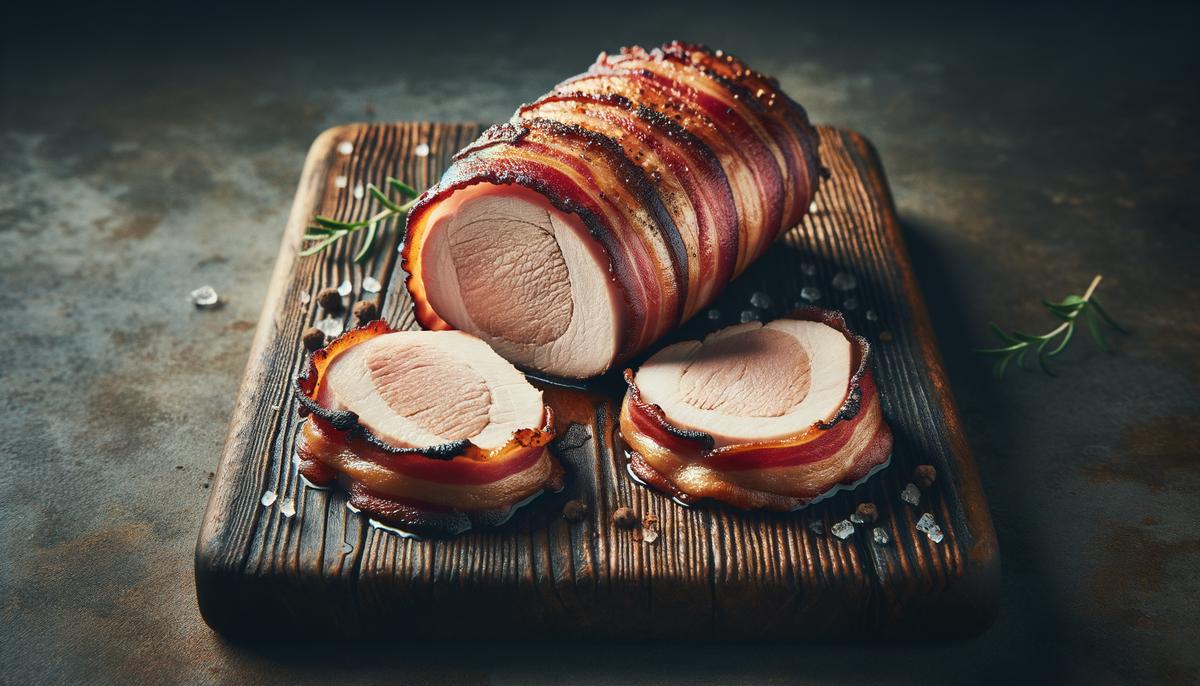
Embracing the Bacon: A Personal Touch Bacon-Wrapped Pork Tenderloin is a showstopper in my home. It's that perfect mix of fancy and fuss-free that works…
Delishing
How to Cook Pork Tenderloin in the Oven

Maya Brooks
Maya Brooks is a dedicated home cook and the lead recipe developer at Delishing, where she shares practical, foolproof meals for everyday life. With over a decade of hands-on kitchen experience, she specializes in creating approachable dishes that fit a variety of dietary needs and modern cooking methods. Maya is passionate about helping busy people get delicious, stress-free food on the table without needing formal culinary training.
When it is 5:00 PM and you need something that feels a little special but still behaves like a weeknight dinner, pork tenderloin is one of my most reliable answers. It is lean, cooks fast, and if you treat it gently (plus a thermometer), it stays juicy.
This is a plain, method-first oven-roasted tenderloin you can season a dozen different ways. I am giving you the exact temp, timing guidance, the 145°F pull, and a rest so you get slices that actually look like the pictures.
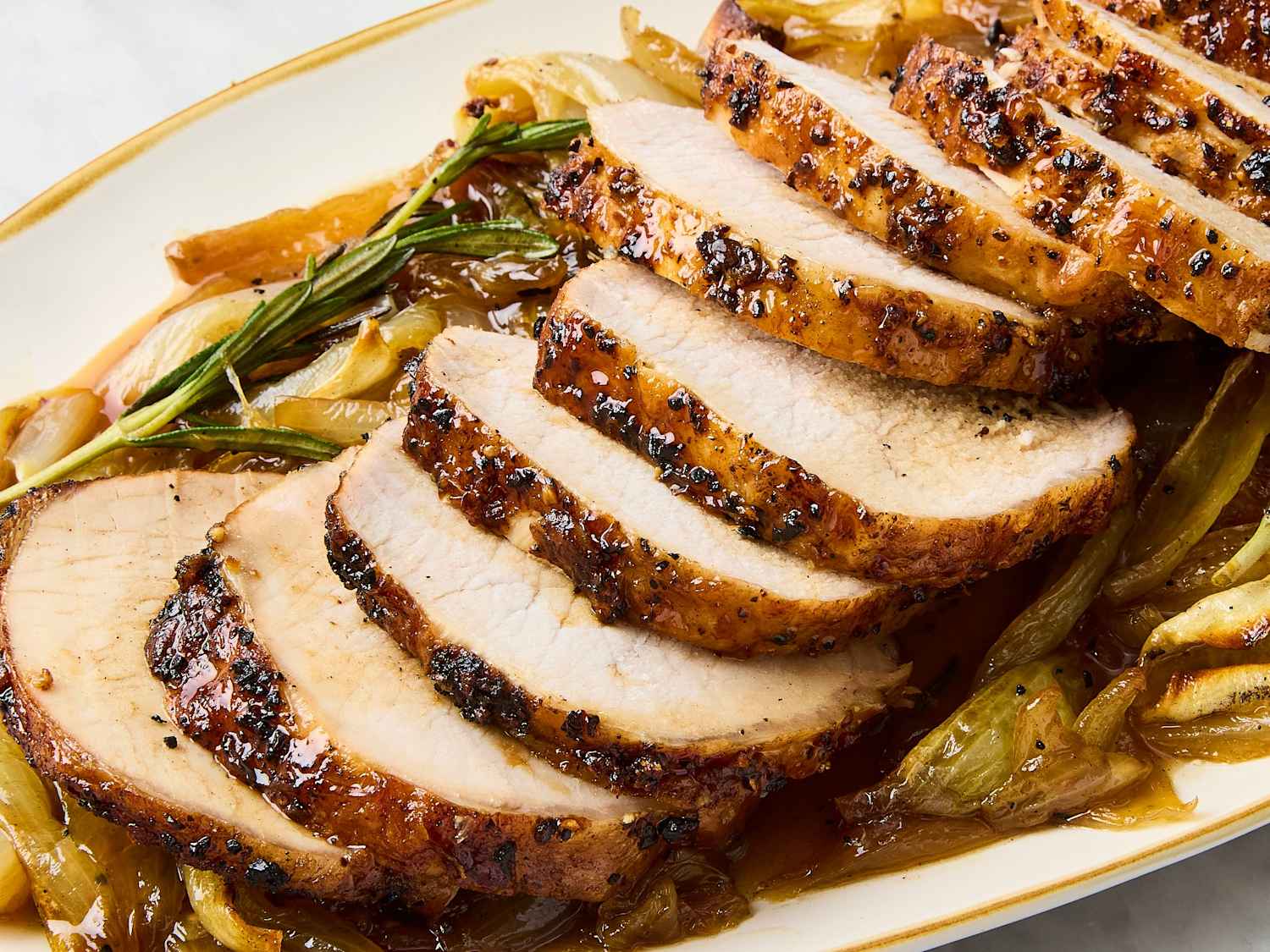
Quick facts
- Oven temperature: 425°F
- Servings: 3 to 4 (from a 1 to 1 1/2 pound tenderloin)
- Sear first: Optional, but recommended for best flavor and color
- Pull temperature: 145°F in the thickest part
- Rest: 10 minutes (for juiciness and easier slicing)
- Timing: Usually 18 to 28 minutes total for 1 to 1 1/2 pounds at 425°F (range only, thickness matters more than weight)
- Convection ovens: Start checking a few minutes early, or reduce heat to 400°F
What you need
Ingredients
- 1 pork tenderloin (about 1 to 1 1/2 pounds)
- 1 tablespoon olive oil (plus 1 tablespoon more if searing)
- 1 teaspoon kosher salt (use a little less if using fine table salt)
- 1/2 teaspoon black pepper
Equipment
- Oven-safe skillet (cast iron is perfect) or a rimmed sheet pan
- Instant-read thermometer (this is the difference between juicy and dry)
- Cutting board and sharp knife
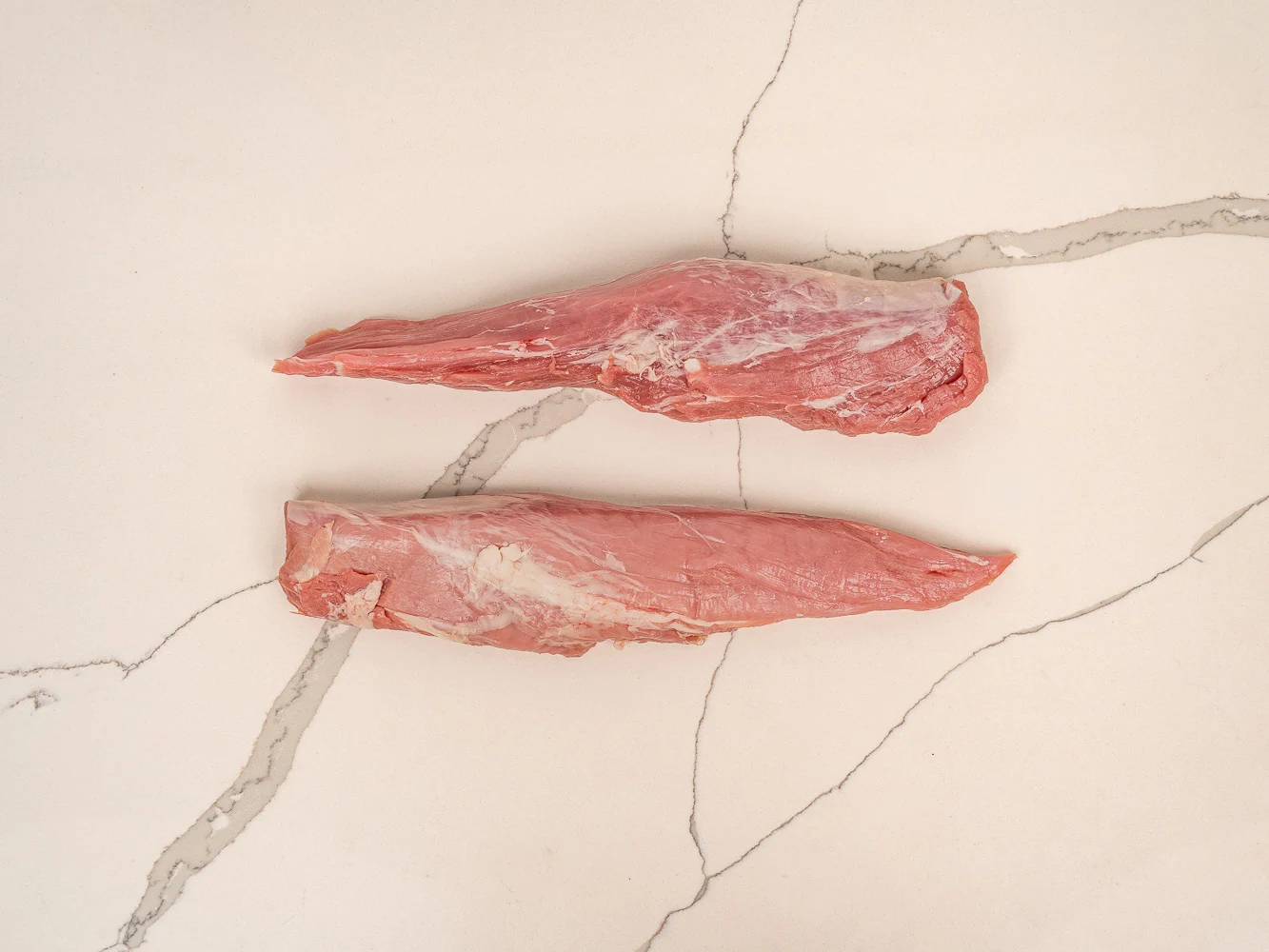
Step-by-step
1) Prep the tenderloin
Heat the oven to 425°F.
Pat the tenderloin dry with paper towels. If there is any visible silver skin (a shiny, tough strip), slide a knife under it and trim it off. Some tenderloins come already trimmed, so do not stress if you do not see much to remove.
Rub with 1 tablespoon olive oil, then season all over with salt and pepper.
2) Decide: sear or no sear?
I recommend searing if you have 5 extra minutes. It adds a deeper flavor and gives you that browned exterior that makes “plain” taste like something you meant to do.
If you are skipping the sear: Place the tenderloin on a lightly oiled sheet pan or in an oven-safe skillet and go straight to roasting.
3) Optional sear
Set an oven-safe skillet over medium-high heat. Add 1 tablespoon olive oil. When it shimmers, add the tenderloin.
Sear, turning every 60 to 90 seconds, until browned on most sides, about 4 to 6 minutes total. (Real-life note: this can get a little smoky. I usually crack a window or run the hood fan.)
4) Roast at 425°F
If you seared in an oven-safe skillet, transfer the skillet to the oven. If you seared in a non-oven-safe pan, move the tenderloin to a sheet pan.
Roast until the thickest part reads 145°F. For the most accurate reading, insert the thermometer into the center of the thickest part, from the side if you can, and make sure the tip is not touching the pan.
- Time estimate: often 18 to 28 minutes total for a 1 to 1 1/2 pound tenderloin at 425°F
- Range only: thickness matters more than weight, so start checking early
My notebook rule: start checking early. I check a 1-pound tenderloin at 15 minutes and a 1 1/2-pound at 20 minutes. Pork goes from perfect to dry faster than you think.
5) Rest (do not skip)
Transfer the pork to a cutting board and rest for 10 minutes. This is a quality move, not just a timing ritual. The juices redistribute, and the temperature can rise a few degrees from carryover heat.
6) Slice and serve
Slice into 1/2-inch slices and serve. If you collected any juices in the pan or on the board, spoon them over the slices.
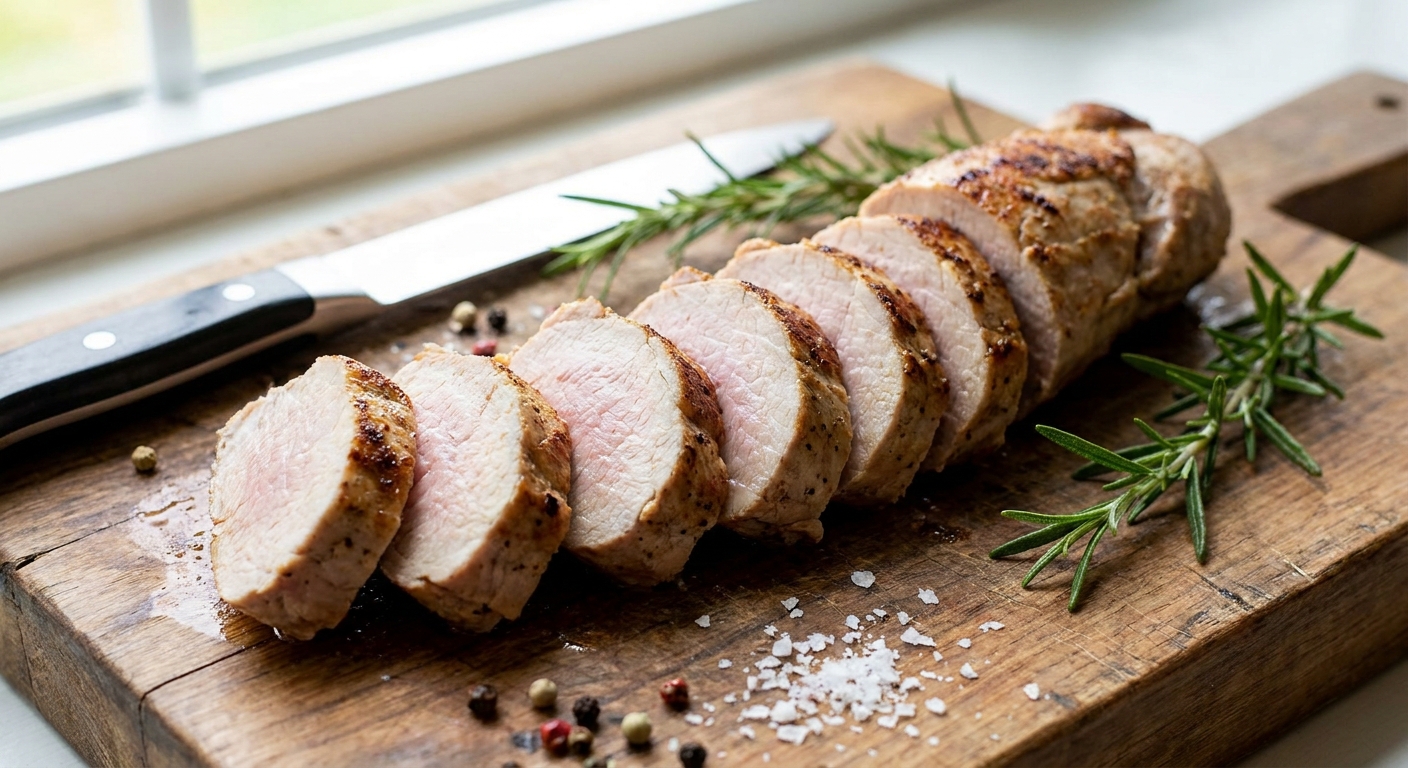
Seasoning variations
This main recipe is intentionally plain. Here are two easy seasoning paths that still keep it weeknight-simple.
Garlic and herb
- Add 1 teaspoon garlic powder
- Add 1 teaspoon dried Italian seasoning (or dried rosemary or thyme)
- Optional: rub with 1 teaspoon Dijon mustard before seasoning for extra tang
Smoky paprika
- Add 1 teaspoon smoked paprika
- Add 1/2 teaspoon onion powder
- Optional: add a pinch of brown sugar for a subtle caramelized edge
Timing and doneness
The most reliable way to cook pork tenderloin is by temperature, not minutes. I know you still need a ballpark, but treat any time estimate as a starting point.
How long it takes
At 425°F, a typical 1 to 1 1/2 pound tenderloin is often done in 18 to 28 minutes. Thickness matters more than weight, so two tenderloins that both weigh 1 1/4 pounds can finish at different times depending on shape.
If you are using a convection setting, you can reduce the oven to 400°F or keep 425°F and simply start checking a few minutes earlier.
Why pull at 145°F?
145°F in the thickest part is the sweet spot for tenderloin. It is safe, juicy, and can be slightly pink in the center, which is normal for tender pork.
If you prefer less pink, you can cook to 150 to 155°F, but expect a slightly drier texture.
Common mistakes
Overcooking
Pork tenderloin is lean, which is great, but it dries out if you push it too far. Use an instant-read thermometer and start checking early.
Confusing tenderloin with pork loin
Tenderloin is long and skinny, usually 1 to 1 1/2 pounds. Pork loin is larger and wider and needs a different cooking plan and more time. If your “tenderloin” is 3 to 5 pounds, it is probably a loin.
Skipping the rest
Resting is not a suggestion if you want juicy slices. Ten minutes is what turns “juicy slices” from a promise into reality.
What to serve with it
I like pairing tenderloin with something crisp or saucy, because the meat is mild and plays well with almost anything. A few Delishing favorites:
- Roasted Brussels sprouts
- Garlic roasted vegetables
- Classic creamy potato salad (great warm or room temp)
FAQ
Should I cover pork tenderloin in the oven?
No. Roasting uncovered helps the exterior brown. If you cover it, you trap steam and soften the crust.
Do I need to brine it?
You do not need to, but a quick dry brine can help. If you have time, season with salt and refrigerate uncovered for 2 to 12 hours, then cook as written.
Can I cook two tenderloins at once?
Yes. Keep space between them on the pan so hot air can circulate. The timing is similar, but still cook to 145°F in the thickest part of each tenderloin.
How do I store and reheat leftovers without drying them out?
Store sliced or whole leftovers in an airtight container for up to 3 to 4 days. Reheat gently, covered, in a 300°F oven with a splash of broth or water in the pan until just warmed through. Microwaving works, but do it at reduced power in short bursts.
Try a flavored version
Once you have the basic method down, you can dress it up easily. If you are in the mood: