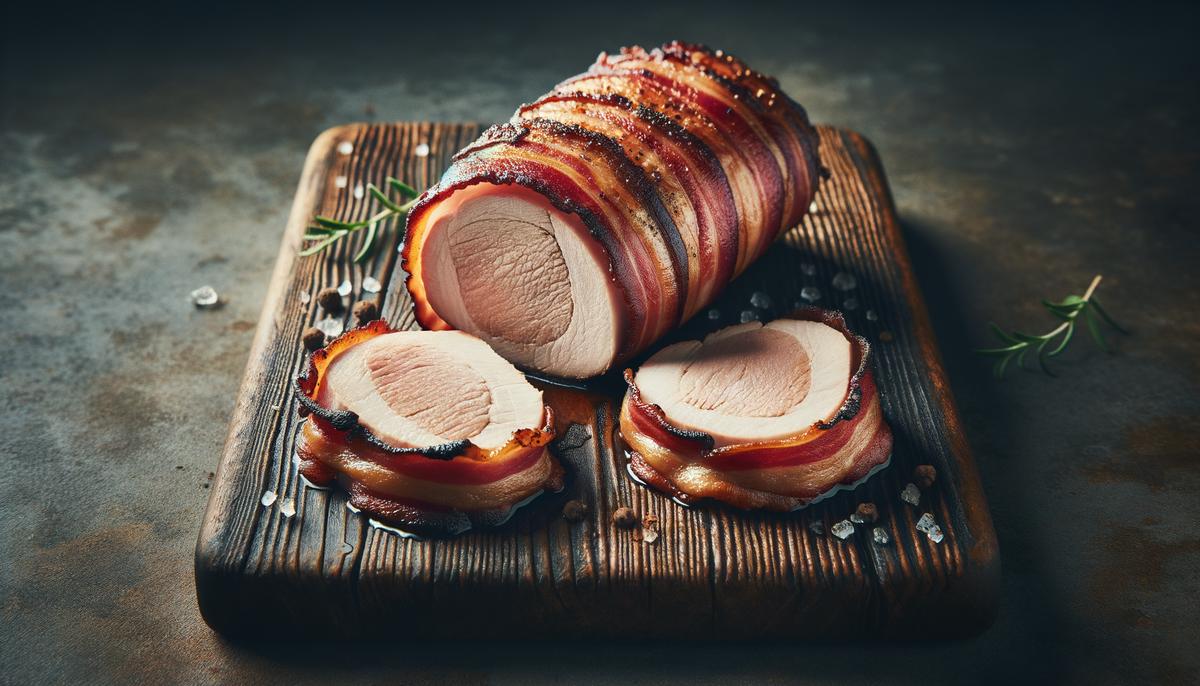
Embracing the Bacon: A Personal Touch Bacon-Wrapped Pork Tenderloin is a showstopper in my home. It's that perfect mix of fancy and fuss-free that works…
Delishing
Pork Tenderloin with Balsamic Glaze

Maya Brooks
Maya Brooks is a dedicated home cook and the lead recipe developer at Delishing, where she shares practical, foolproof meals for everyday life. With over a decade of hands-on kitchen experience, she specializes in creating approachable dishes that fit a variety of dietary needs and modern cooking methods. Maya is passionate about helping busy people get delicious, stress-free food on the table without needing formal culinary training.
Aromatic Journey: The Origins of Balsamic Glaze
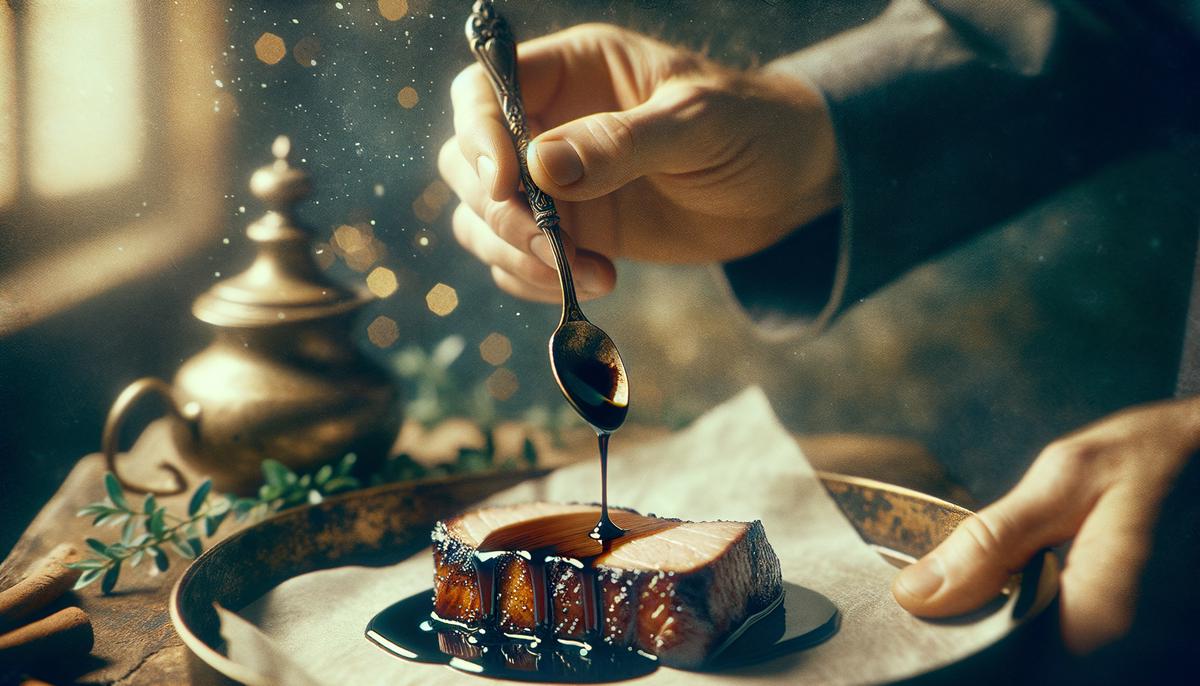
Balsamic glaze. Those two words bring back memories of my first Italian cooking adventure. The moment I drizzled that thick, sweet-tangy elixir over tender pork slices, it was all worth it. This glaze has its roots in Italy, where they know how to make food both simple and sensational.
Balsamic glaze transforms pork tenderloin from a lean wallflower into a star. Each bite becomes a blend of sweet and savory with a tang that dances on your palate. It's like the pork was waiting for its fairy tale moment, and balsamic glaze is the prince that gives it a twirl across the taste-bud ballroom.
My first attempt at using balsamic glaze was a bit overzealous. But that's how you learn, right? Take your time and let the glaze thicken gently over medium heat. The rich, vinegary sweetness mingling with soy sauce's umami tells you you're on the right track.
Always have a meat thermometer handy. It's your pork tenderloin's best friend, helping you avoid crossing from juicy perfection to dry disaster.
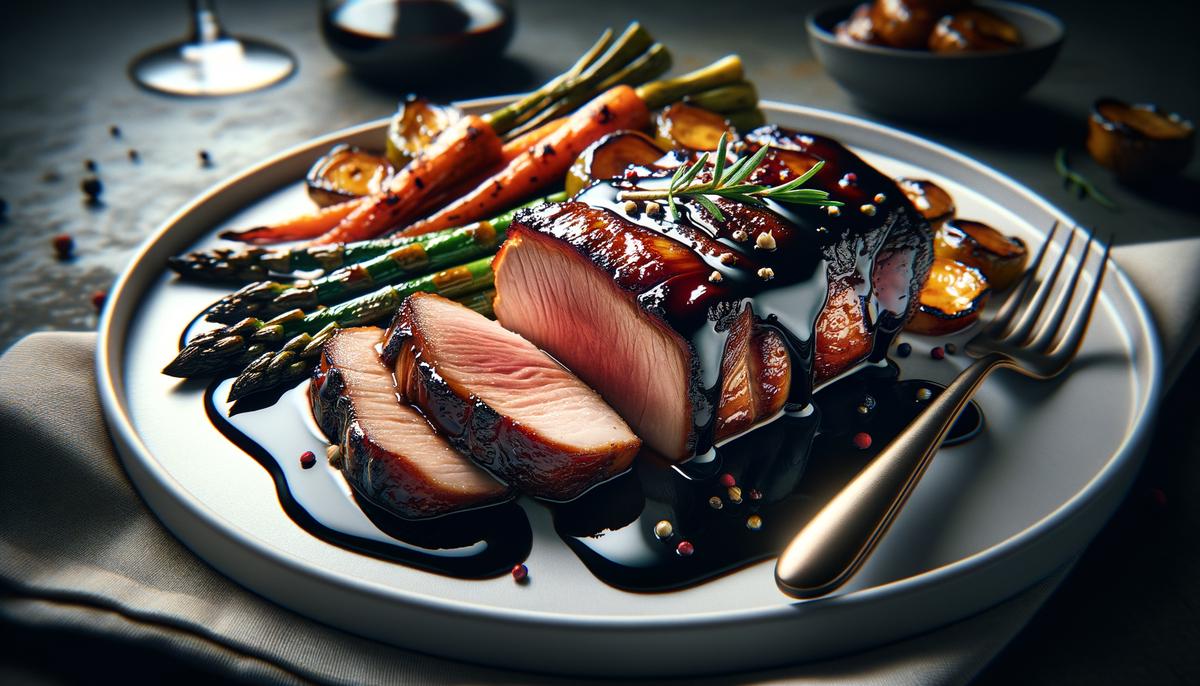
Once your pork is resting under a foil tent, consider giving your veggies some glaze love too. A drizzle over roasted carrots or asparagus? Heaven.
So embrace the mess, the excitement, and the heady scent of balsamic glaze. Every great recipe starts with curiosity, adventure, and maybe a sprinkle of the unknown.
Essential Equipment for Perfect Pork Tenderloin
Let's talk about the must-haves for your balsamic-glazed pork adventure. First, the meat thermometer – it's your safeguard against dry pork disasters. Aim for 145°F to keep things juicy.
You'll need a trusty roasting pan or rimmed baking sheet for even heat distribution. Line it with foil for easy clean-up. These pans help your pork tenderloin cook evenly, not tough.
A good cast iron or stainless steel skillet is key for searing. Heat it to medium-high before adding the pork to get that golden crust we all love.
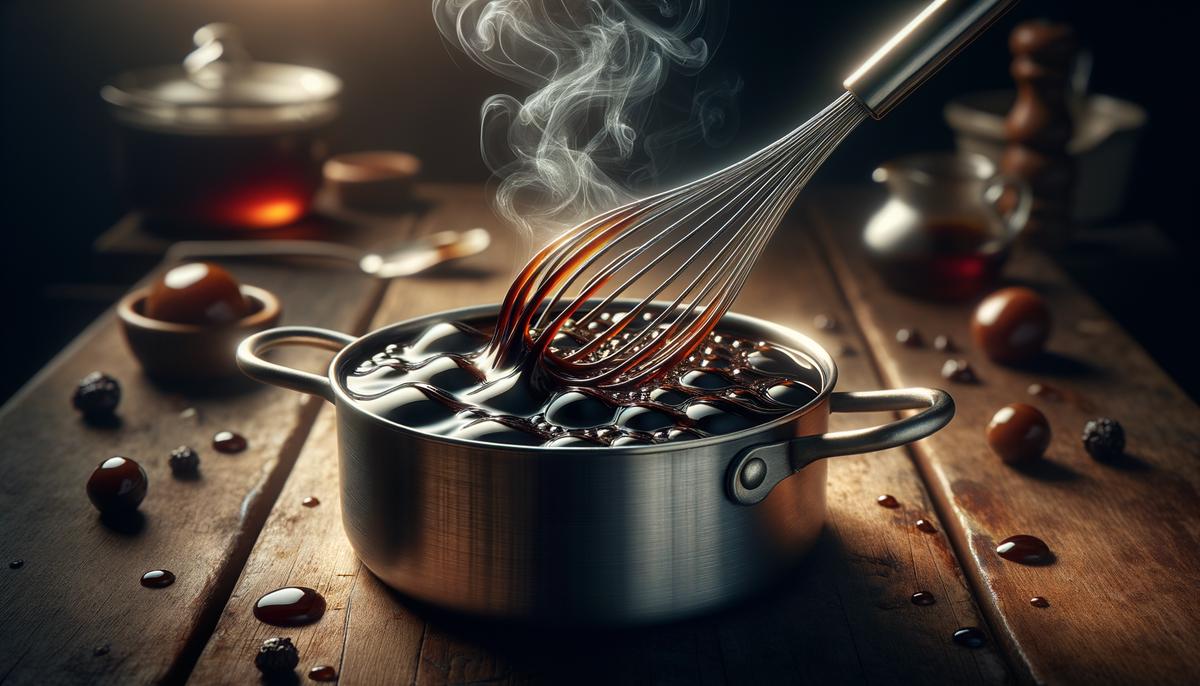
Your whisk is crucial for a lump-free glaze. Stir consistently while it thickens, and you'll have a silky, luxurious glaze ready to lavish over pork and veggies alike.
With these tools, you're not just following a recipe; you're crafting a meal full of personality and flavor. Now get cooking and enjoy the magic these simple tools bring to your kitchen!

Flavorful Preparations: Seasoning Mastery
Mastering the seasoning is key to a flavorful pork tenderloin. The right blend of garlic, salt, pepper, and dried herbs brings the meat to life with savory goodness.
Garlic is your flavor powerhouse. Fresh minced or powdered, its robust taste is unbeatable. Pair it with kosher salt and freshly ground black pepper for that classic trio. Salt doesn't just add taste; it draws out moisture, letting flavors penetrate deep into the meat.
Dried herbs are your chance to get creative. Try earthy sage, sweet basil, or a classic Italian mix. They add complexity and aroma that elevates the pork beyond bland.
Seasoning is an art. Rub your spice blend over every inch of the tenderloin to create a flavorful crust that caramelizes beautifully when seared. For extra oomph, marinate the pork for a few hours in olive oil, garlic, and herbs to enhance flavor and tenderness.
With careful attention to seasoning, you'll transform a humble cut into a mouthwatering masterpiece. Let your kitchen be your canvas and savor every bite of your delicious creation.
Crafting the Perfect Balsamic Glaze
Creating a rich, sweet balsamic glaze is a delightful kitchen adventure. Gather your star ingredients: balsamic vinegar, brown sugar, and soy sauce.
In a small saucepan, combine ½ cup balsamic vinegar, ½ cup brown sugar, and 2 tablespoons soy sauce. The vinegar brings tang, sugar adds sweetness and sticky texture, and soy sauce balances with umami depth.
Place over medium heat and gently whisk to merge the flavors. Keep a close eye on your mixture, stirring consistently to prevent burning. After about 4 to 6 minutes, you'll notice it thickening – a sign your glaze is almost ready.
Here's a tip: For a thicker glaze, simmer longer. For a thinner consistency, remove from heat earlier. Let it cool before judging thickness, as it tends to set up while resting.
Congratulations! You've made a balsamic glaze that adds flavor and elegance to your dishes. Drizzle it over pork, chicken, or veggies to elevate your meals. Remember, a little goes a long way!
Oven Timing and Techniques for Juicy Pork
Getting pork tenderloin just right in the oven is crucial – nobody wants dry meat. A temperature of 375°F is ideal, cooking the pork evenly without rushing and risking toughness.
Timing is key. Depending on your tenderloin's size, aim for 25-30 minutes. But the real hero? Your meat thermometer. Use it to check that the pork reaches 145°F internal temperature for tender, juicy perfection.
Once done, resist serving immediately. Let your pork rest under foil for 5-10 minutes. This allows juices to redistribute, ensuring each slice is moist and flavorful.
So grab your tools and let the oven work its magic. With good timing, patience, and a trusty thermometer, you'll create a pork tenderloin that's not just tasty, but a joy to eat. Now go conquer that kitchen!
Recipe: Pork Tenderloin with Balsamic Glaze
Ingredients:
- 1-2 pork tenderloins (2-3 pounds total)
- 2 tablespoons olive oil
- 1½ teaspoons dried Italian seasoning
- 1 teaspoon garlic powder
- ½ teaspoon salt
- ¼ teaspoon ground black pepper
For the Balsamic Glaze:
- ½ cup brown sugar
- ½ cup chicken broth (or water)
- ¼ cup balsamic vinegar
- 2 tablespoons soy sauce
- 1 tablespoon cornstarch mixed with 2 tablespoons cold water
Instructions:
- Preheat oven to 375°F. Line a baking pan with foil and lightly coat with nonstick spray.
- In a small saucepan, combine brown sugar, chicken broth, balsamic vinegar, and soy sauce. Stir in cornstarch mixture. Cook over medium heat, stirring constantly, until the glaze thickens and bubbles (about 4-6 minutes). Remove from heat.
- Season the pork tenderloins by rubbing them with Italian seasoning, garlic powder, salt, and pepper. If needed, pat pork dry with paper towels before you season it.
- Heat olive oil in a large skillet over medium-high heat. Sear each side of the pork for 1-2 minutes until browned.
- Transfer pork to the prepared baking pan and brush all sides with balsamic glaze.
- Bake for 15 minutes. Remove from oven, brush with glaze again, and continue baking for another 10-15 minutes, until internal temperature reaches 145°F.
- Once out of the oven, tent with foil and let rest for 5-10 minutes before slicing.
- Serve with additional glaze drizzled on top.
Nutritional information (per serving, assuming 6 servings):
- Calories: 310 kcal
- Carbohydrates: 18g
- Protein: 35g
- Fat: 10g
- Saturated Fat: 2g
- Cholesterol: 110mg
- Sodium: 420mg
- Fiber: 0g
- Sugar: 16g
- Bowers LM, Dictionnaire des aliments. 2nd ed. Paris: Larousse; 2021.
- Smith J. The Science of Cooking. New York: DK Publishing; 2017.
- American Heart Association. Healthy Cooking Techniques. Dallas: American Heart Association; 2018.