Delishing
Chestnut Flour Pancakes

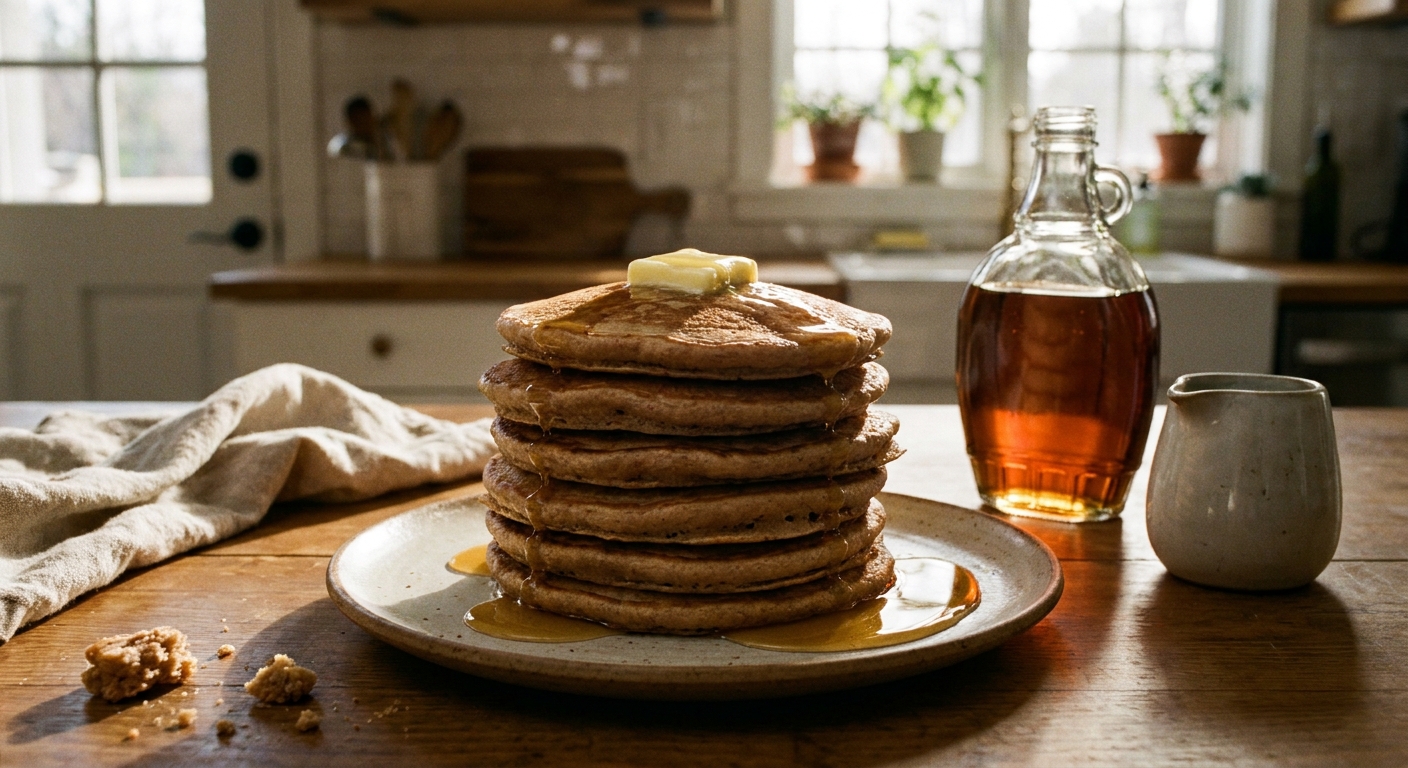
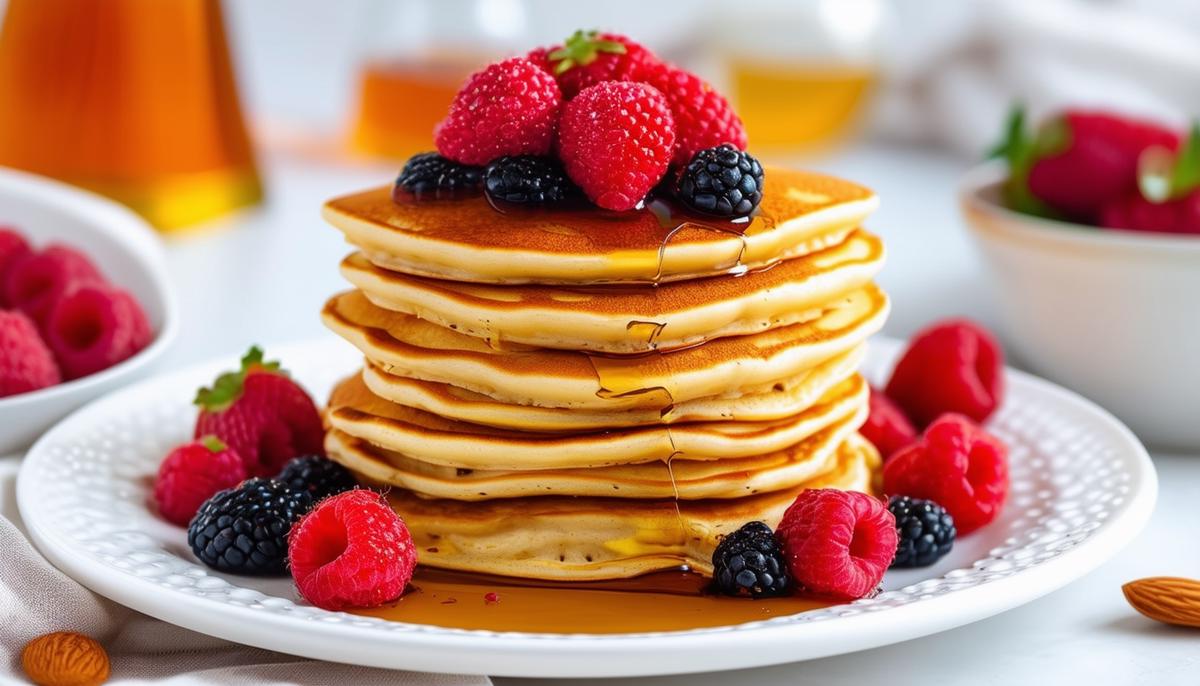
Thick, fluffy chestnut flour pancakes (that actually set in the middle)
Chestnut flour pancakes taste like fall in the best way: naturally sweet, lightly nutty, and a little earthy, like a cross between a pancake and a very tender tea cake. The trick is to treat chestnut flour for what it is: its own gluten-free ingredient that often benefits from a little extra liquid and a short rest. That hydration window helps the batter cook up plush instead of gritty, and helps the middle set instead of staying a little pasty.
I built this recipe for the exact mornings when you want a thick pancake (not a crepe, not a sad flat disk) and you do not want to babysit the skillet. The method is simple: a spoonable, leavened batter, a quick rest, then lower, steadier heat so the outside can brown without the center lagging behind.
Two quick guardrails if you have ever ended up with browned pancakes and a raw line through the middle: the heat is often too high, or the batter did not get enough time to hydrate before it hit the pan. This recipe leans on eggs for structure and a baking powder and baking soda combo for lift (with buttermilk to make the soda count), plus a couple of doneness cues so you know when it is time to flip and when they are truly done.
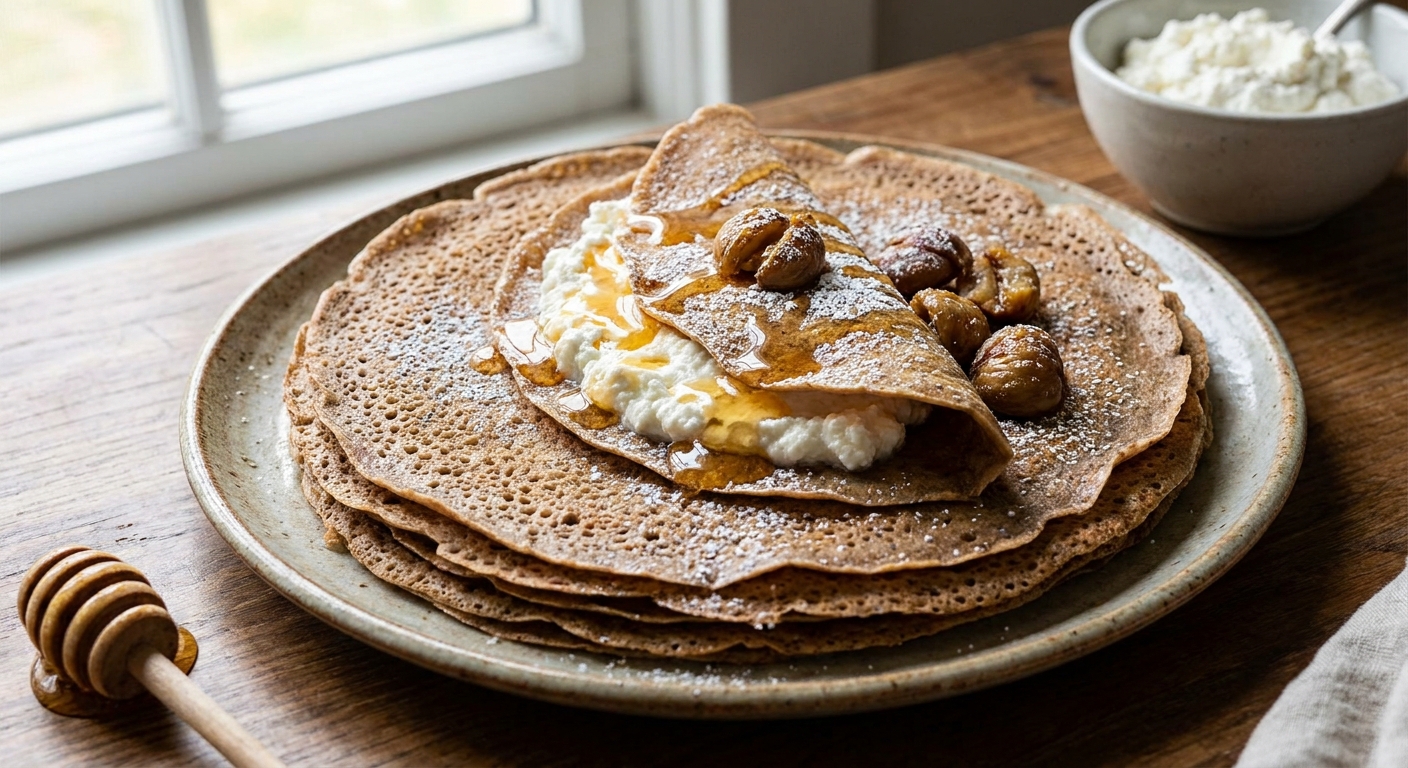
If you are new to chestnuts in general, you might also like my guide on how to roast chestnuts for that classic cozy flavor at home. And if you are looking for thin and delicate instead of thick and fluffy, these chestnut flour crepes are a totally different vibe.
What to expect
- Texture: plush and cakey, with a moist crumb (thicker than classic buttermilk pancakes)
- Flavor: naturally sweet and nutty, even without much sugar
- Batter feel: thicker than you think it should be; it will slowly mound and spread
- Flip cue: edges look set and matte, bubbles rise and pop, and the surface starts to look slightly dry
- Done cue: the pancake feels springy when gently pressed and a thin spatula comes away clean, with no wet batter smearing
Why it works
- Chestnut flour often needs extra liquid. Compared to wheat flour, chestnut flour can absorb more moisture. This recipe uses enough milk to hydrate it, plus a short rest so the batter thickens evenly instead of drying out on the griddle.
- Double lift for gluten-free structure. Baking powder gives the main rise, while a little baking soda works with buttermilk (or a soured milk option) to help the pancakes puff and brown.
- Lower heat, thicker pour. Thicker pancakes need time for the center to set. Medium-low heat and a covered cook (optional but helpful) prevents the outside from over-browning before the middle is done.
- A measured flip cue. Waiting for set edges and popped bubbles helps the pancake hold together and avoids that raw line through the center.
Ingredient notes
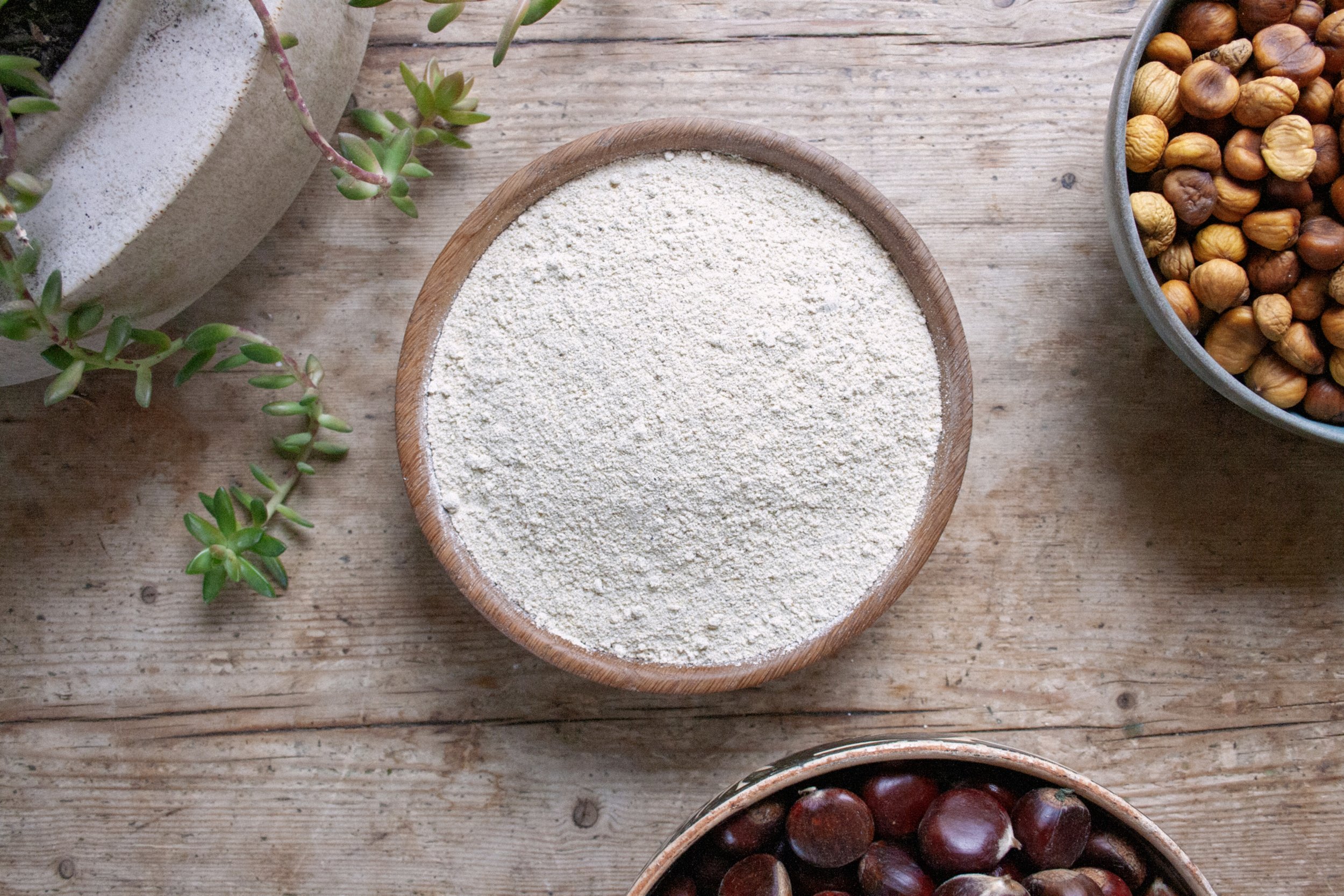
Chestnut flour
Chestnut flour is naturally gluten-free and brings sweetness and a toasty, nutty flavor. It also browns quickly, which is another reason we keep the heat moderate.
Milk and buttermilk
For thick pancakes that still cook through, this batter needs more liquid than a typical wheat-flour pancake batter. Plan on about 1 1/2 cups liquid for 1 cup chestnut flour, plus eggs. If you do not have buttermilk, you can sour milk with lemon juice or vinegar.
Eggs
Eggs provide structure in a gluten-free batter. They help the pancakes hold their height and set in the center.
Sugar (optional)
Chestnut flour is naturally sweet. A small amount of sugar helps browning and rounds out the flavor, but you can reduce it if you like.
Butter
Butter in the batter adds tenderness, and butter on the griddle improves flavor and browning. If your pan runs hot, switch to a little neutral oil to avoid scorching.
Equipment
- Nonstick skillet or griddle (cast iron works too, but keep heat steady)
- Mixing bowl and whisk
- Measuring cups and spoons
- Cookie scoop or 1/4 cup measure for evenly thick pancakes
- Wide spatula
- Lid for the skillet (optional, but great for setting thick centers)
If you want more help choosing pans, see our guide: Nonstick pans ranked.
Pro tips
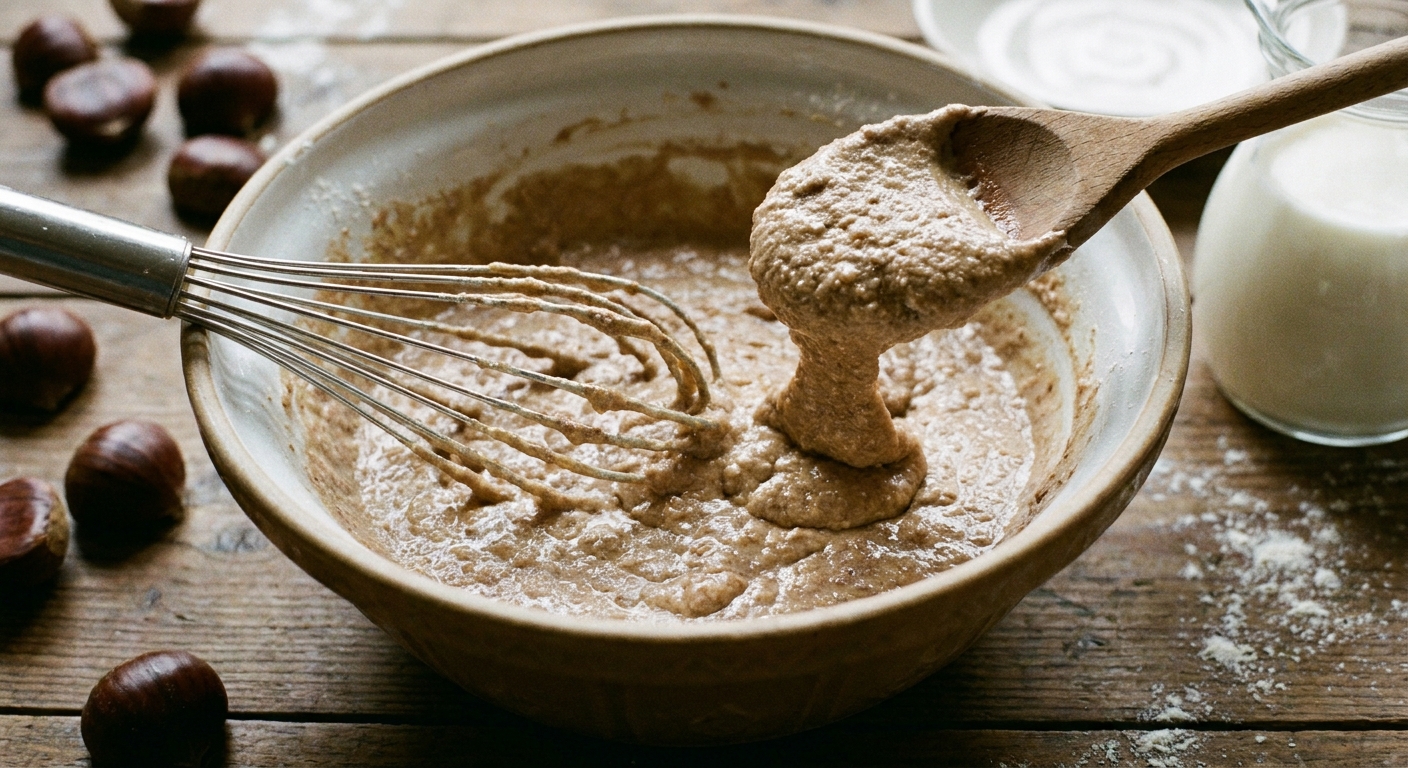
- Make the batter thick on purpose. It should be spoonable, not pourable like crepe batter. If it ribbons off the whisk slowly and leaves a mound that relaxes over a few seconds, you are in the sweet spot.
- Rest the batter 10 minutes. This is not fussy, it is functional. Chestnut flour hydrates during the rest, which helps the pancakes cook up plush instead of gritty.
- Use medium-low heat. Chestnut flour browns faster than wheat flour. Lower heat gives the center time to set.
- The best flip cue: bubbles rise to the surface and pop, the edges look set and matte, and the top looks slightly dry. If the center still looks wet and glossy, give it another minute.
- Want them extra thick? After flipping, cover the pan for 1 to 2 minutes to trap steam and finish setting the middle.
- Keep warm correctly. Hold cooked pancakes on a sheet pan in a 200°F oven so they stay fluffy instead of steaming soft on a plate.
Substitutes
- No buttermilk: Use regular milk plus 1 tablespoon lemon juice or white vinegar. Let it sit 5 minutes before mixing.
- Dairy-free: Use unsweetened oat milk or almond milk plus lemon juice, and replace melted butter with melted coconut oil or a neutral oil.
- Egg-free (results vary): Try a flax egg (1 tablespoon ground flaxseed + 3 tablespoons water per egg). The pancakes will be more delicate and may not rise as high.
- Thicker structure: If you struggle with setting, add 2 to 3 tablespoons tapioca starch or cornstarch to help bind.
If you want to dig deeper into how chestnut flour behaves in different batters and bakes, see how to bake with chestnut flour.
Variations
- Apple-cinnamon: Fold in 1/2 cup finely diced apple and an extra pinch of cinnamon.
- Chocolate chip: Sprinkle mini chocolate chips on the first side right after pouring, so they do not sink.
- Vanilla-brown sugar: Swap the sugar for brown sugar and add 1 teaspoon vanilla extract for a warmer, caramel note.
- Protein boost: Stir in 1 to 2 tablespoons hemp hearts or chopped walnuts.
Serving ideas
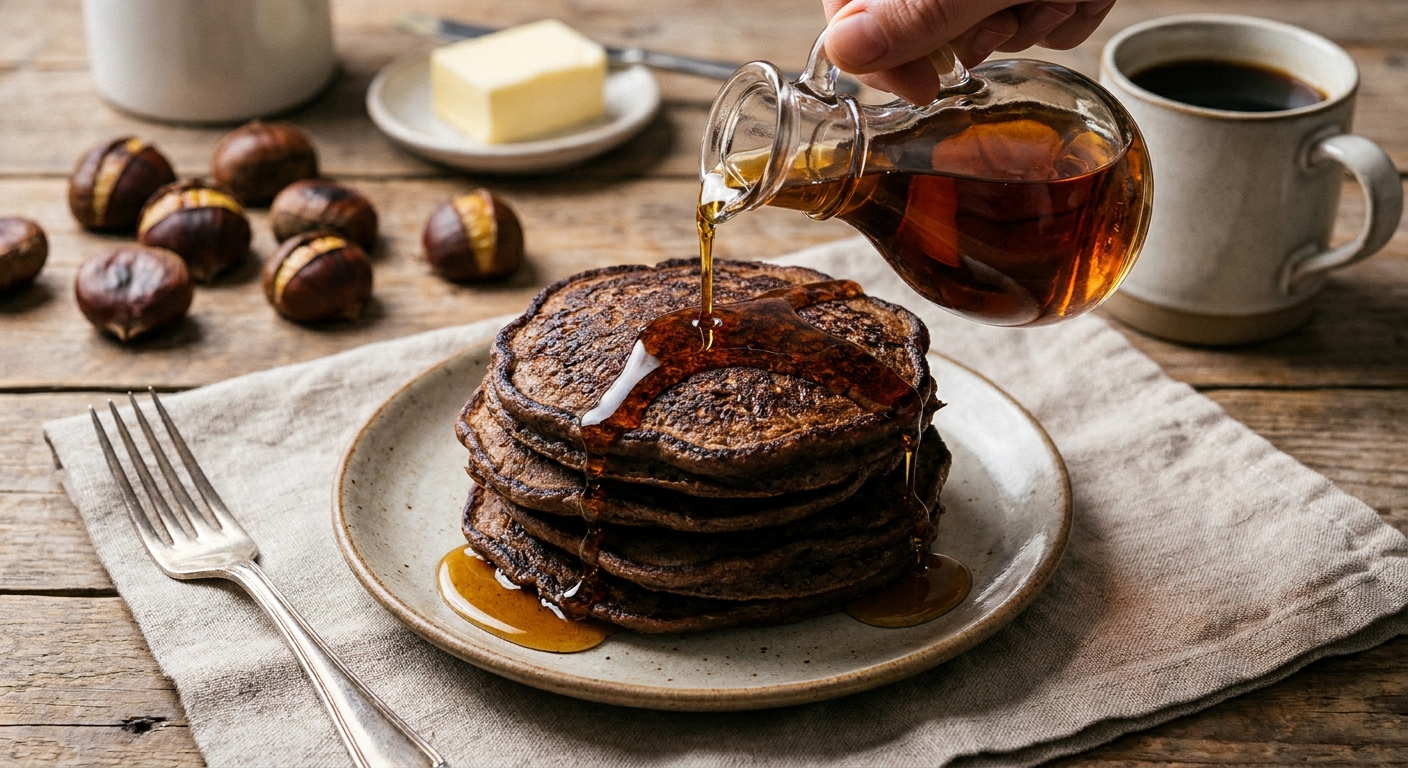
- Butter and maple syrup (classic, and the nuttiness plays so well with maple)
- Greek yogurt and honey with berries
- Warm applesauce and toasted pecans
- Mascarpone or ricotta with a dusting of cinnamon
Storage
- Refrigerate: Cool completely, then store airtight for up to 3 days.
- Freeze: Freeze pancakes in a single layer until firm, then bag with parchment between layers for up to 2 months.
- Reheat: Warm in a toaster on a low setting, or in a 325°F oven until heated through. Microwave works, but the texture softens.
Common mistakes
- Pancakes are too dark outside, undercooked inside: Heat is too high. Turn it down to medium-low and cook longer. Covering after the flip helps a lot.
- Batter gets thicker as it sits: Totally normal with chestnut flour. Add milk 1 tablespoon at a time until it is spoonable again.
- Pancakes spread too much: Batter is too thin or griddle is too hot. Let the batter rest, then stir and add a tablespoon more chestnut flour if needed.
- Gritty texture: Batter did not rest long enough, or the flour is a bit coarse. Rest the batter 10 to 15 minutes and whisk well.
- Pancakes break when flipping: Flipped too early. Wait for set edges and popped bubbles, then slide a wide spatula fully underneath.
FAQ
How much liquid does chestnut flour need for pancakes?
As a reliable starting point, chestnut flour often does well with about 1 1/2 cups liquid per 1 cup chestnut flour, plus eggs. After a 10-minute rest, you may still add a splash more milk, 1 tablespoon at a time, to keep the batter thick but spoonable.
What is the cue to flip thick pancakes?
Look for set, matte edges and bubbles that rise and pop. The surface should look less glossy and slightly dry in spots. If the center still looks wet and shiny, give it another minute.
Are chestnut flour pancakes gluten-free?
Chestnut flour is naturally gluten-free, but this recipe is only gluten-free if you use a certified gluten-free baking powder and avoid cross-contamination in your kitchen.
Why did my chestnut pancakes turn gummy?
The two usual culprits are undercooking (the center needs a longer, gentler cook) or too much liquid. Keep the batter thick, cook on medium-low, and cover the pan briefly after flipping if needed.
Can I make the batter ahead?
You can mix it and refrigerate overnight, but expect it to thicken a lot. In the morning, stir and loosen with milk a tablespoon at a time. For the fluffiest rise, cook soon after mixing once the batter has rested.
Chestnut Flour Pancakes: thick, fluffy pancakes with a cozy nutty sweetness. The batter rests briefly so chestnut flour can fully hydrate, then cooks low and steady for perfectly set centers.
- Prep Time
- 10 minutes
- Cook Time
- 15 minutes
- Total Time
- 25 minutes
- Servings
- 8 pancakes
Ingredients
- 1 cup chestnut flour
- 1 tablespoon granulated sugar (optional)
- 2 teaspoons baking powder
- 1/2 teaspoon baking soda
- 1/2 teaspoon fine salt
- 1 teaspoon ground cinnamon (optional)
- 2 large eggs
- 1 cup buttermilk
- 1/2 cup milk, plus more as needed (see notes)
- 3 tablespoons unsalted butter, melted and cooled slightly
- Butter or neutral oil, for the griddle
Instructions
- Mix dry ingredients. In a medium bowl, whisk together the chestnut flour, sugar (if using), baking powder, baking soda, salt, and cinnamon (if using).
- Mix wet ingredients. In a separate bowl, whisk the eggs until smooth, then whisk in the buttermilk, milk, and melted butter.
- Combine. Pour the wet ingredients into the dry ingredients. Whisk just until no dry pockets remain. The batter should be thick and spoonable, not thin. If it seems unusually stiff, add milk 1 tablespoon at a time.
- Rest the batter. Let the batter rest for 10 minutes at room temperature to hydrate the chestnut flour. After resting, stir once. If the batter has thickened too much, loosen with a splash of milk, 1 tablespoon at a time, keeping it thick.
- Preheat the pan. Heat a nonstick skillet or griddle over medium-low. Add a small pat of butter (or a thin slick of oil) and swirl to coat.
- Cook thick pancakes. Scoop about 1/4 cup batter per pancake onto the pan. Gently nudge the batter into a thick round if needed. Cook until the edges look set and matte and bubbles rise and pop on top, about 2 to 4 minutes.
- Flip with the cue. Flip and cook the second side until browned and the center feels set when lightly pressed, about 2 to 3 minutes. For extra-thick pancakes or if the centers are slow to set, cover the pan for the last 1 to 2 minutes.
- Repeat and serve. Repeat with remaining batter, adding a little more butter or oil as needed and adjusting heat if the pancakes brown too quickly. Serve warm.
Notes
- Liquid amount: Chestnut flour is often thirsty. This recipe starts with 1 1/2 cups liquid (1 cup buttermilk + 1/2 cup milk). After the 10-minute rest, adjust with milk 1 tablespoon at a time to keep the batter thick but spoonable.
- Heat matters: If pancakes are getting dark before the centers set, lower the heat and cook longer. Chestnut flour browns fast.
- Buttermilk substitute: Use 1 cup milk mixed with 1 tablespoon lemon juice or vinegar. Let stand 5 minutes, then use in place of buttermilk.