Backstory and Personal Anecdotes I recall my first attempt at gluten-free pasta with tomato sauce. It was chaos - kids running wild, dogs barking, and me…
Delishing
Vegan Spaghetti Marinara Recipe

Maya Brooks
Maya Brooks is a dedicated home cook and the lead recipe developer at Delishing, where she shares practical, foolproof meals for everyday life. With over a decade of hands-on kitchen experience, she specializes in creating approachable dishes that fit a variety of dietary needs and modern cooking methods. Maya is passionate about helping busy people get delicious, stress-free food on the table without needing formal culinary training.
Journey to the Perfect Marinara
Marinara sauce has a rich history, starting on the sunny shores of Italy where sailors used it as a quick and simple sauce during long voyages. When Italian immigrants brought it to the United States, it was embraced wholeheartedly, and soon marinara found its place in many American households.
I remember my first attempt at homemade marinara sauce. I was in my kitchen, armed with cans of San Marzano tomatoes, fresh basil from the garden, and determined to recreate that perfect sauce I had tasted in a little Neapolitan restaurant years ago. After lots of trial and error, adjusting the balance of garlic and herbs, I finally had a sauce that could rival even the best I had tasted during my travels in Italy.
For vegan spaghetti, I rely on the comforting embrace of my trusty marinara. It's amazing how it can transform a mundane weekday dinner into a vibrant, hearty meal that excites the senses. Adding fresh basil, even the stems, releases a perfume that makes the whole experience feel authentically Italian. Plus, I love knowing that because it's vegan, everyone at my table can enjoy its bold, garlicky goodness without worry.
That time-tested recipe in my well-worn recipe book has served many last-minute dinners and Friday family nights at home. No matter how often I ladle it over spaghetti or use it as a base for a hearty vegan lasagna, it brings that same reliable joy and warmth to our meals.

Choosing Quality Ingredients
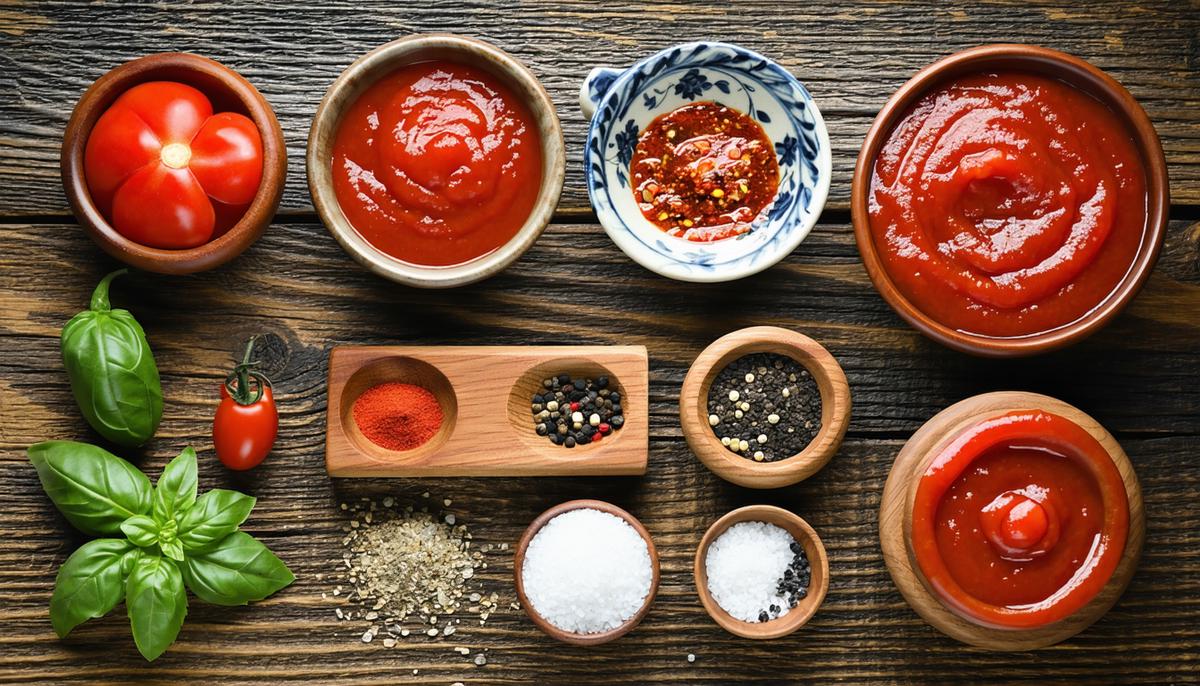
When creating a delightful vegan marinara sauce, the secret lies in selecting excellent ingredients. Start with premium tomatoes—San Marzano, if possible. These tomatoes are prized for their sweetness and low acidity, making them ideal for a balanced sauce. They burst with a rich flavor, unlike any other variety, elevating your sauce from good to memorable.
Pick extra virgin olive oil for its full-bodied flavor and subtle fruitiness that complements the tomatoes without overwhelming them. A quality olive oil doesn't just cook the onions and garlic; it enhances the entire sauce, weaving its notes through every bite.
Fresh herbs, specifically basil, are essential. They're the perfume to your marinara's flavor, adding that unmistakable Italian essence. Use whole sprigs, including the stems, because those stems hold surprising flavor you don't want to miss.
For optional, yet enticing, ingredients—consider capers or nutritional yeast. They add unique depth. Capers give a salty, tangy bite that contrasts beautifully with the sweet tomatoes, while nutritional yeast provides umami richness and a cheesy hint without dairy.
Finding these ingredients isn't as challenging as it might seem. Look for San Marzano tomatoes canned in puree (not juice) at specialty grocery stores or Italian delis. Your local farmers' market is a great spot for fresh, aromatic basil bunches.
Tips for a Hearty Marinara
For those aiming to improve their marinara game, the trick lies in a few simple adjustments and personal touches. Consider the simmer time. Allowing your marinara to gently bubble away for longer—say, 40 minutes instead of 30—lets the flavors blend together in a truly satisfying way.
Balancing sweetness is another key. A little coconut sugar can go a long way to mellow any sharp acidity. Think of it as a gentle nudge towards harmony in your sauce. Of course, you can use a touch of maple syrup or even a tiny pinch of regular sugar if that's what you have on hand.
Texture is all about personal preference. For a chunky, rustic sauce, crush the tomatoes by hand and let them hold their form. If a smooth, silky texture is more your style, use an immersion blender after simmering, and watch it transform into a velvety concoction.
I've found that allowing each ingredient its moment on the heat can also make a big difference. Cooking the tomato paste for a good few minutes before adding the rest imparts a rich, deep flavor that far exceeds the effort. Plus, never underestimate the power of a bit of extra seasoning just before serving. A final splash of olive oil or a dash more salt and pepper can lift the whole dish.
The great thing about marinara is that it's forgiving and versatile. With these tried-and-true tips, you can customize your sauce to fit any meal, mood, or craving.
Pairing Your Marinara
When you're sitting down to a delightful bowl of vegan marinara, it's not just about the sauce—it's about what you pair it with. While classic spaghetti is always a winner, there's a whole world of options to explore that will allow this vibrant sauce to shine in new and exciting ways in your meals.
Nothing beats a hearty bowl of spaghetti topped with your homemade marinara and a sprinkle of vegan parmesan. But why stop there? Consider taking that timeless base and topping it with sautéed mushrooms or a handful of fresh spinach for an extra kick of flavor and nutrition.
If you're feeling adventurous, step outside the traditional pasta box. Eggplant roll-ups are a whole new playground for your sauce—a perfect way to enjoy a hearty meal without the pasta. Simply fill thin slices of eggplant with a ricotta-style vegan cheese, roll them up snug, and let your marinara do the rest.
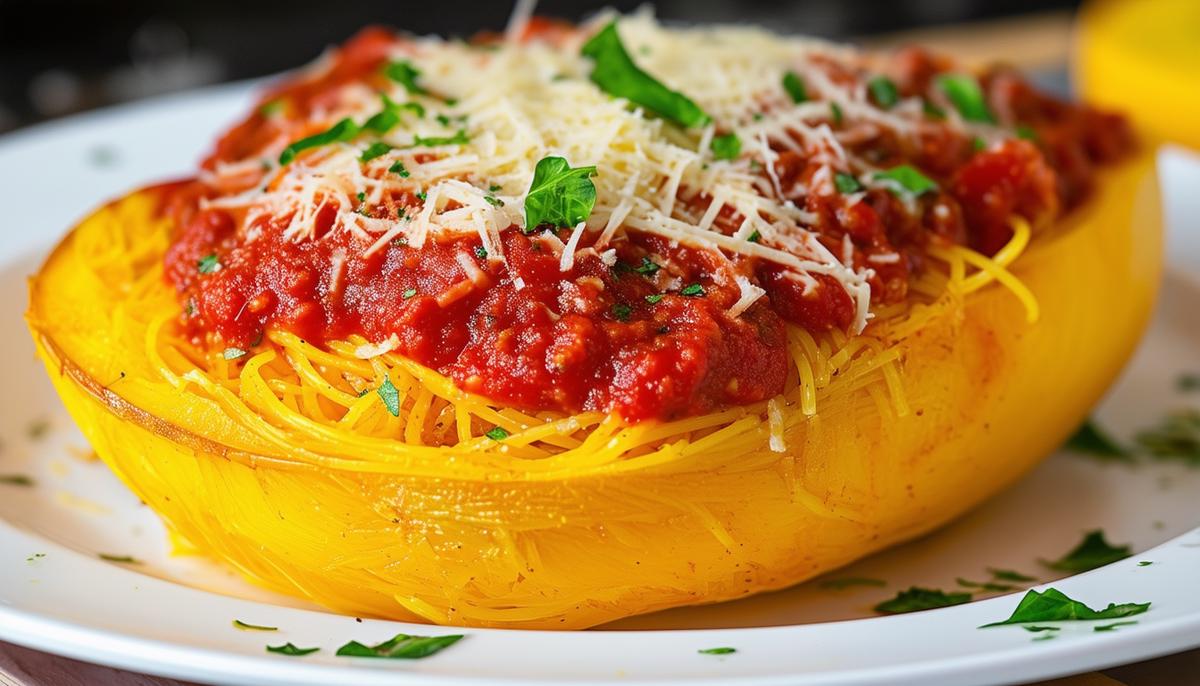
For another twist, try chickpea bolognese. The nuttiness of chickpeas offers a protein boost and a texture that dances beautifully with the sauce and some fresh herbs. Serve it over traditional pasta or, for a lighter flair, zucchini noodles or spaghetti squash.
And let's not forget lasagna—layered with zucchini slices instead of noodles or nestled between sheets of vegan pasta. Each layer of sauce, pasta, and filling works together harmoniously, creating a dish that's juicy and satisfying down to the last slice.
Think beyond the plate. This sauce doesn't need to be limited to main courses. A dollop on a slice of crusty bread with vegan mozzarella or a splash on a warm veggie pizza base can elevate a snack to a feast and serve as an irresistible starter.
Recipe for Vegan Spaghetti with Marinara Sauce
Let's get to the real heart of our kitchen adventure: Vegan Spaghetti with Marinara Sauce.
Ingredients:
- 1 pound spaghetti (use gluten-free if desired)
- 2 tablespoons extra virgin olive oil
- 1 large onion, finely diced (about 2 cups)
- 4 large cloves of garlic, minced (about 3 tablespoons)
- 2 (28-ounce) cans whole peeled San Marzano tomatoes
- 2 tablespoons tomato paste
- ¼ teaspoon dried oregano
- ¼ teaspoon crushed red pepper flakes
- 4 sprigs fresh basil (make sure to include the stems)
- Kosher salt and freshly ground black pepper, to taste
- 2 tablespoons extra virgin olive oil, to finish
Instructions:
- In a large pot of salted boiling water, cook the spaghetti until al dente according to package instructions. Drain, but reserve a cup of cooking water for later.
- While the pasta cooks, in a large Dutch oven, heat 2 tablespoons of olive oil over medium heat. Add in the diced onions and cook until they're soft and translucent, about 4 minutes. Season with a pinch of salt and pepper.
- Stir in the minced garlic, cooking until fragrant for about 1 minute. Add in the tomato paste, and allow it to cook, stirring frequently, for 4 minutes. This infuses the sauce with deep flavor.
- Next, pour in the San Marzano tomatoes. Using a spoon or your hands, break them into sizeable rustic chunks. Add dried oregano, red pepper flakes, and the basil sprigs. Mix well, and season with another pinch of salt and pepper.
- Bring the mixture to a simmer, reduce heat to low, and let the sauce simmer for 30-40 minutes until thickened to your liking, stirring occasionally. The more it simmers, the richer the flavor becomes.
- Once your sauce reaches that beautiful consistency, remove it from heat. Stir in the remaining 2 tablespoons of olive oil, and taste for seasoning. Add more salt and pepper as needed.
- Toss the cooked spaghetti with the sauce, adding some reserved pasta water if needed to loosen the sauce and help it cling to the spaghetti.
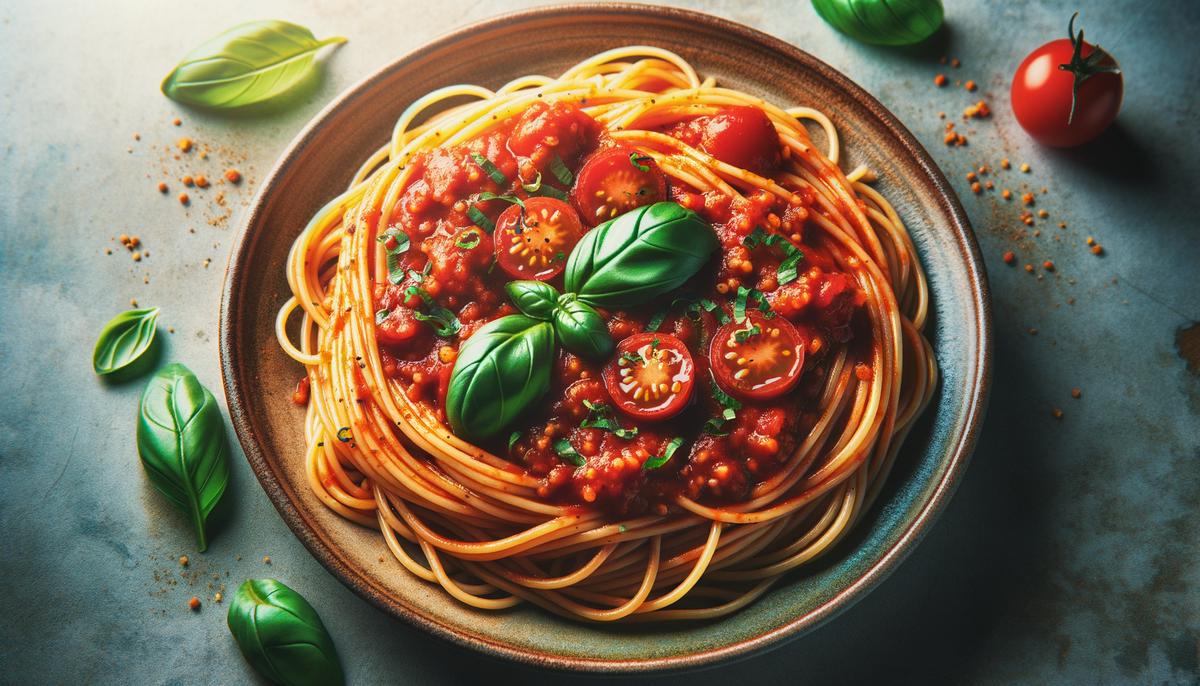
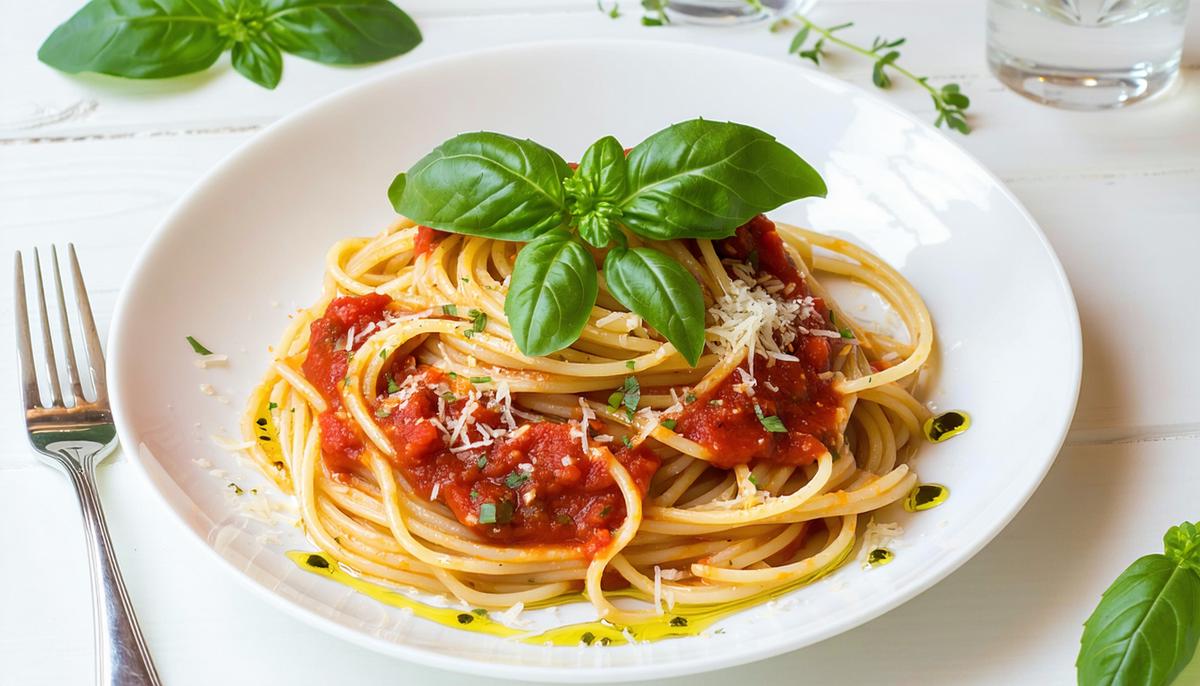
- For serving, garnish with extra basil leaves, a drizzle of olive oil, or your favorite vegan parmesan for that cheesy touch. Dive into your heaping plate of pasta with gusto!
Tips:
- If you're up for experimenting, toss in a handful of sautéed mushrooms or some roasted red peppers for an added burst of flavor.
- Fresh basil is a game-changer, but if it's not available, dried basil can step in (use half the amount as fresh).
- Love a hotter kick? Sprinkle in extra crushed red pepper flakes.
Cooking is all about enjoying the process, so mix, match, and make it your own. Here's to a meal that brings the joy of Italy right into your home, without the fuss but full of flavor!
Nutritional information (per serving, assuming 6 servings):
kcal: 385
Carbohydrates: 67g
Protein: 11g
Fat: 9g
Fiber: 5g
Sugar: 8g
Sodium: 350mg
- Montanari M. Italian Identity in the Kitchen, or Food and the Nation. New York: Columbia University Press; 2013.
- Capatti A, Montanari M. Italian Cuisine: A Cultural History. New York: Columbia University Press; 2003.
- Parasecoli F. Al Dente: A History of Food in Italy. London: Reaktion Books; 2014.