In today's fast-paced world, finding the right balance in our eating habits can feel challenging. With so many dietary options available, it's easy to get…
Delishing
Weight Loss Tips

Maya Brooks
Maya Brooks is a dedicated home cook and the lead recipe developer at Delishing, where she shares practical, foolproof meals for everyday life. With over a decade of hands-on kitchen experience, she specializes in creating approachable dishes that fit a variety of dietary needs and modern cooking methods. Maya is passionate about helping busy people get delicious, stress-free food on the table without needing formal culinary training.
Weight Loss Basics
Weight loss isn't just about the number on the scale. It's about shedding fat while preserving muscle. Your body composition matters more than you might think!
Calories are the currency of weight loss. Your Basal Metabolic Rate (BMR) is the energy your body uses for basic functions, while Total Daily Energy Expenditure (TDEE) includes all your daily activities. To lose fat, you need a caloric deficit - burning more than you eat. It's a balancing act, but don't worry, you've got this!
Measuring progress isn't just about the scale. Keep progress photos or body measurements for a fuller picture. Remember, weight can fluctuate due to water retention, muscle gain, or even what you ate last night. Don't get too hung up on daily numbers.

Healthy Eating for Weight Loss
Ready to make your plate your weight loss sidekick? Let's talk about eating wisely without feeling deprived.
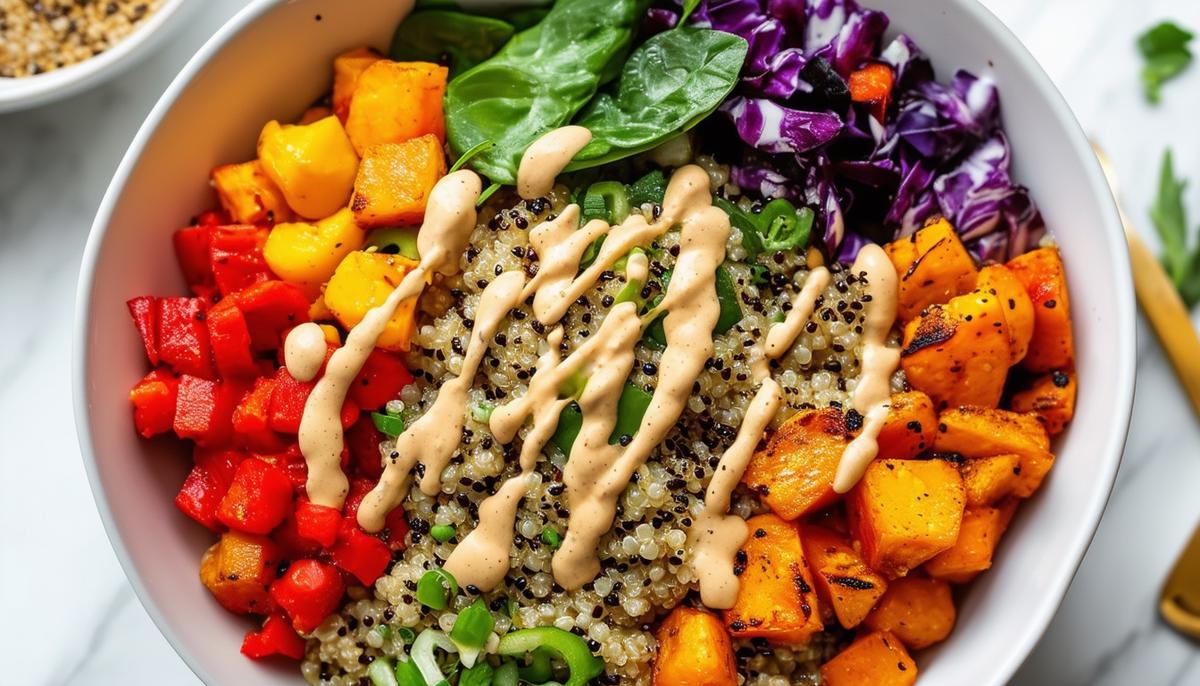
Focus on nutrient-dense foods - they're packed with vitamins, minerals, and fiber. Think colorful veggies, fruits, lean meats, and whole grains. They'll fill you up without weighing you down.
Balance your macronutrients - proteins, carbs, and fats. Each plays a role in keeping you healthy and satisfied:
- Protein helps maintain muscle
- Carbs fuel your brain and body
- Fats keep everything running smoothly
Practice mindful eating. Slow down, savor each bite, and really enjoy your meals. It helps you tune into your hunger signals and avoid overeating.
Don't forget to stay hydrated! Water supports your metabolism and can help curb those sneaky hunger pangs that are really just thirst in disguise.
Remember, eating for weight loss doesn't have to be a chore. With the right choices, it's an exciting journey to a healthier you. Who knew eating could be both delicious and strategic?
Popular Diet Programs
Let's explore some popular diet programs, each with its own quirks and benefits.
- Calorie counting (or Flexible Dieting): Lets you eat what you like within your calorie allowance. It's customizable and science-based, but remember - just because you can eat pizza every day doesn't mean you should!
- Low-Carb/Ketogenic diets: Focus on using fat for energy instead of carbs. They can help regulate insulin levels, but cutting carbs isn't a one-size-fits-all solution.
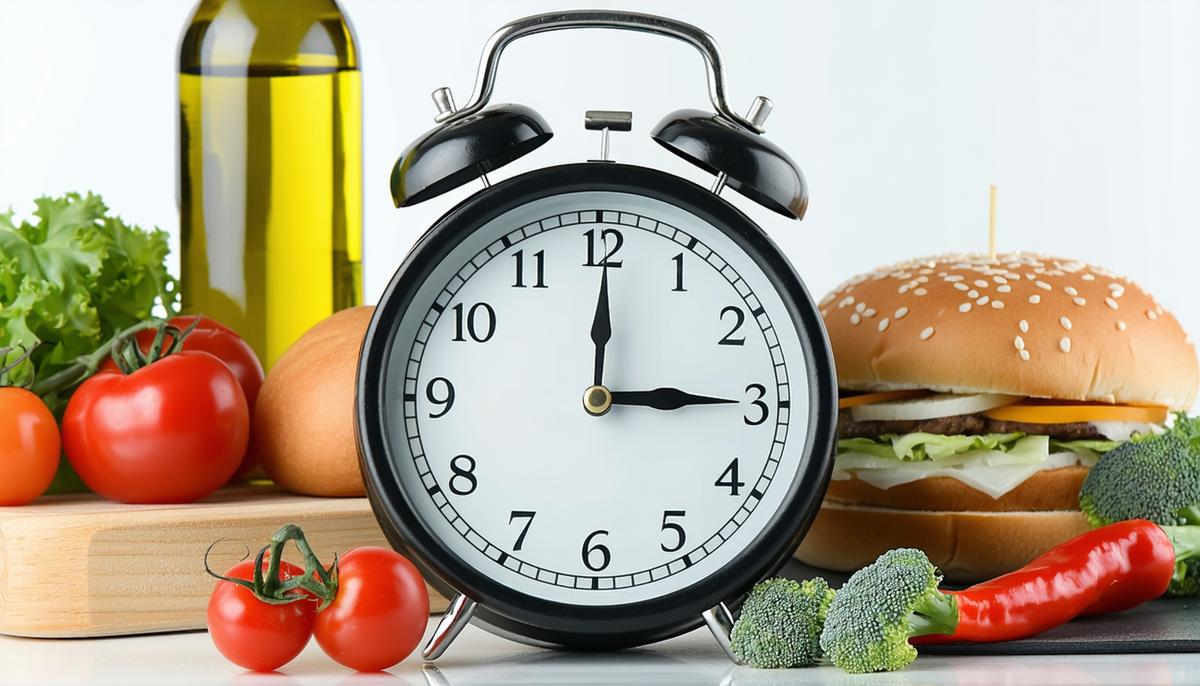
- Intermittent Fasting: Involves choosing specific eating and fasting windows. It can help with hunger regulation and metabolism, but consistency is key to avoid getting hangry.
- Whole30/Paleo: Emphasizes unprocessed foods, like our ancestors ate. It can be a break from preservatives, but going full caveman isn't for everyone.
- Plant-Based/Vegan diets: Load up on veggies, fruits, and plant proteins. They're great for fiber and micronutrients, but watch out for hidden sugars in processed vegan foods.
Each diet has its pros and cons. They're like jeans - you might need to try a few to find your perfect fit. Keep an open mind and find what works best for you and your lifestyle.

Exercise and Movement
Ready to get moving? Exercise isn't just about burning calories - it helps preserve muscle while you lose fat.
Cardio workouts, like running or dancing, are great for burning calories and improving heart health. They'll have you breaking a sweat and feeling energized.
Don't overlook resistance training. Lifting weights might not leave you gasping for air, but it builds muscle, which boosts your metabolism even when you're relaxing.
Then there's NEAT (Non-Exercise Activity Thermogenesis) - all the moving you do in daily life. Taking stairs, gardening, or chasing after kids all count. These small moves add up and fit easily into your day.
Mix it up with a combination of cardio, resistance training, and everyday movement. Find activities you enjoy - it's about creating a stronger, healthier you, not just fitting into old jeans. Your body (and confidence) will thank you!

Biology and Individual Differences
Our bodies are unique, with genes, hormones, and gut microbiomes all playing a part in how we lose weight.
Genetics can influence how easily we store fat, but remember - your lifestyle choices still matter more than your genes.
Hormones like leptin, ghrelin, and insulin manage hunger, fullness, and fat storage. They can sometimes get out of whack, especially if you have excess body fat or are on a strict diet.
Your metabolism isn't just "fast" or "slow" - it's about how adaptable it is. More muscle mass means you burn more calories, even at rest. But your body might slow things down if you cut calories too much for too long.
The gut microbiome - all those bacteria in your digestive system - can affect how you process food and even influence cravings. A balanced microbiome can help with appetite control and nutrient absorption.
What does this mean for you? What works for your friend might not work for you. Your unique biology shapes how you respond to diets and exercise. Listen to your body, be patient, and remember - you're designing the best version of you, quirks and all.
Remember, the journey to a healthier you is all about finding what works best for your body and lifestyle. Embrace the process with optimism and curiosity, knowing that each step brings you closer to a stronger, more vibrant version of yourself.
- Lowe MR, Miller-Kovach K, Phelan S. Weight-loss maintenance in overweight individuals one to five years following successful completion of a commercial weight loss program. Int J Obes Relat Metab Disord. 2001;25(3):325-331.
- Westerterp-Plantenga MS, Nieuwenhuizen A, Tomé D, Soenen S, Westerterp KR. Dietary protein, weight loss, and weight maintenance. Annu Rev Nutr. 2009;29:21-41.
- Wing RR, Phelan S. Long-term weight loss maintenance. Am J Clin Nutr. 2005;82(1 Suppl):222S-225S.
- Butryn ML, Webb V, Wadden TA. Behavioral treatment of obesity. Psychiatr Clin North Am. 2011;34(4):841-859.
- Ley RE, Turnbaugh PJ, Klein S, Gordon JI. Microbial ecology: human gut microbes associated with obesity. Nature. 2006;444(7122):1022-1023.