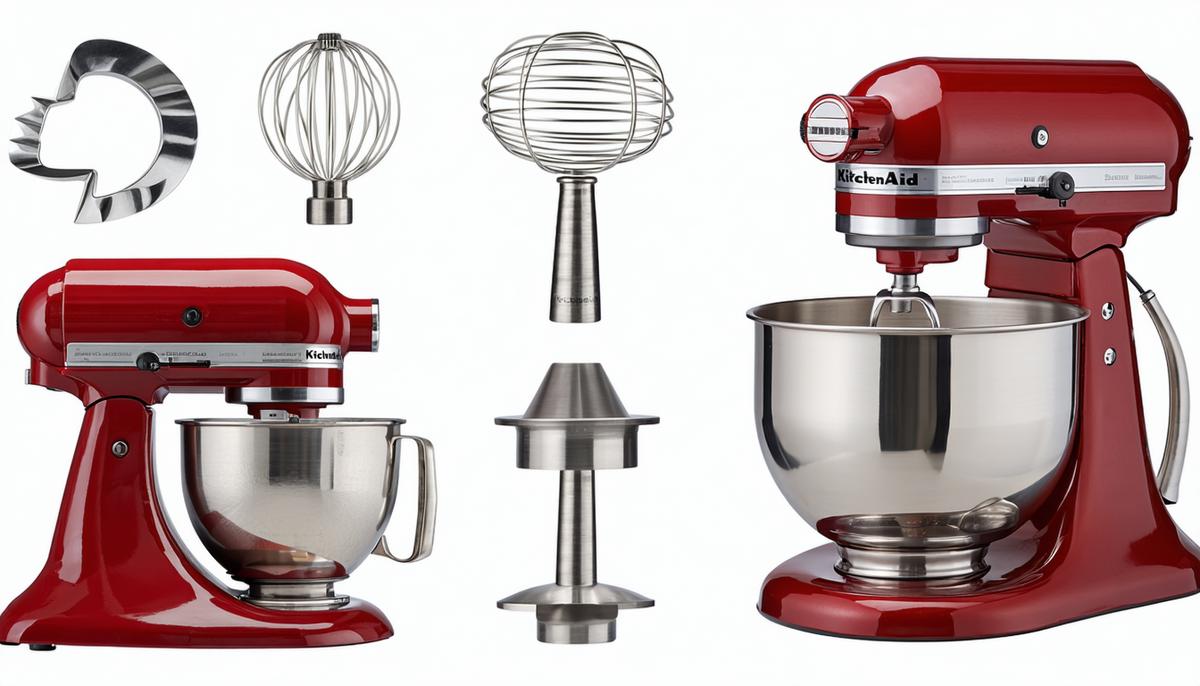
Performance and Power The KitchenAid® Deluxe 4.5 Quart Tilt-Head Stand Mixer is like that trusty bike you had as a kid - reliable and always ready to go…
Delishing
Bake Like a Pro at Home: Your No-Fuss Guide

Maya Brooks
Maya Brooks is a dedicated home cook and the lead recipe developer at Delishing, where she shares practical, foolproof meals for everyday life. With over a decade of hands-on kitchen experience, she specializes in creating approachable dishes that fit a variety of dietary needs and modern cooking methods. Maya is passionate about helping busy people get delicious, stress-free food on the table without needing formal culinary training.
I used to think baking was for people with endless patience and fancy kitchens. My early attempts? Burnt cookies and cakes that sank like my confidence. But I kept going, and now I’m the one pulling out perfect sourdough, vegan berry tarts, or chocolate layer cakes that make my friends think I’m hiding a bakery in my basement.
I cook and bake everything - steak, curries, cupcakes - and love hosting nights where the dessert’s the star. Want to bake like a pro without the drama? This guide’s got the gear, tips, and tricks to make your oven sing.
Your Baking Setup: Gear That Works, Skip the Rest
A killer baking setup doesn’t mean emptying your wallet on every shiny tool. Focus on what’s practical and ditch the clutter. Here’s what you need to nail it.
Essential Tools
A digital kitchen scale is your best friend. Baking’s precise, and weighing ingredients in grams trumps cups every time. It’s the key to fluffy cakes over dense bricks.
Grab a stand mixer or hand mixer. Stand mixers handle doughs, batters, and frostings with ease. Hand mixers are budget-friendly and work for most recipes if bread’s not your thing.
Measuring cups and spoons are non-negotiable. Use glass cups with spouts for liquids and metal or sturdy plastic spoons for dry ingredients. They’re cheap and last.
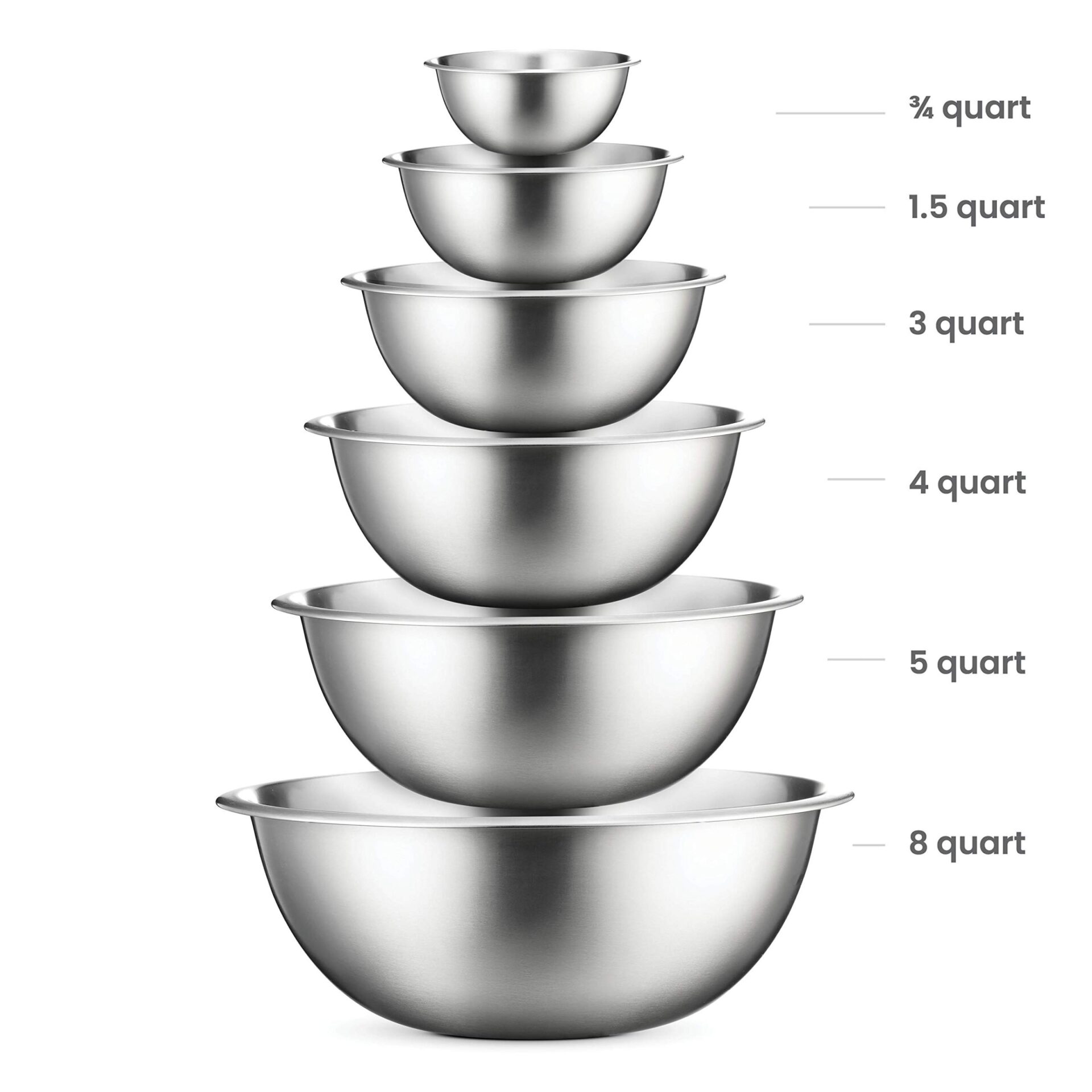
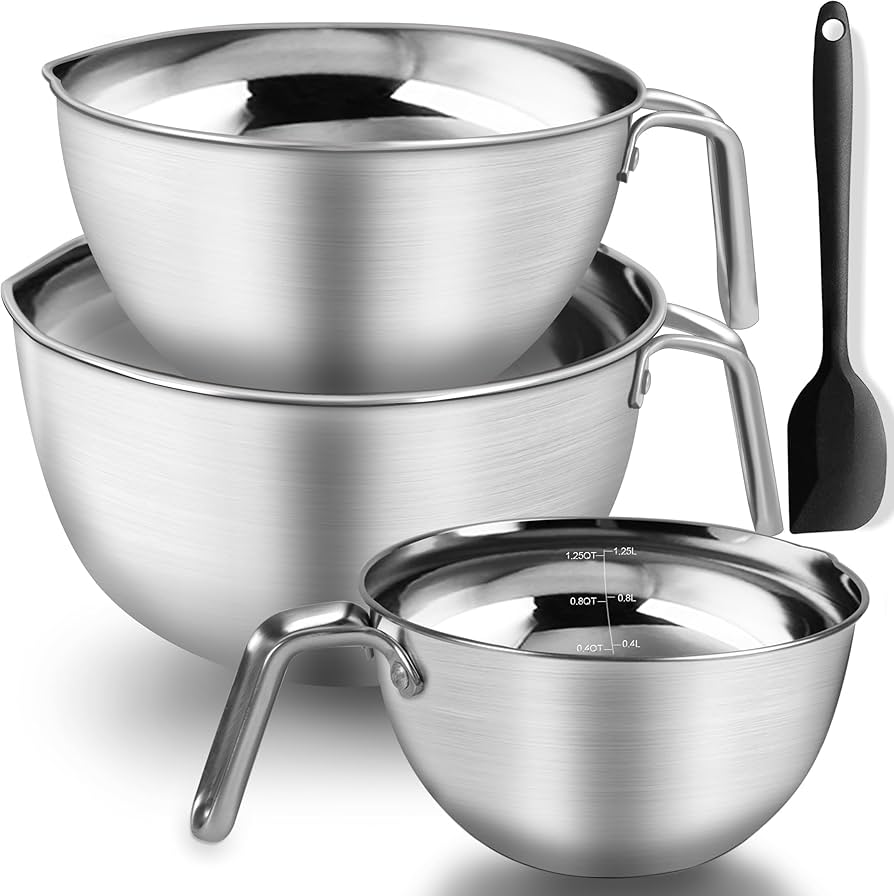
Mixing bowls are must-haves. Get a set of three—glass or stainless steel—for mixing, resting dough, or storing batter. Lids are a bonus.
Baking sheets (half-sheet size) are versatile. Aluminum ones bake cookies, scones, or sheet cakes evenly. Two let you swap trays without waiting.
A cooling rack keeps bakes crisp. Air circulates underneath, so your cookies don’t sog up. Stackable racks save space.
Silicone baking mats or parchment paper make cleanup easy. Mats are reusable for cookies or pastries; parchment’s a quick fix.
You’ll want 9-inch round cake pans. Two or three are perfect for layer cakes or cheesecakes. Aluminum with straight sides bakes evenly.
A 9x5-inch loaf pan is great for banana bread or pound cake. Nonstick’s convenient but not critical.
Don’t skip a whisk and silicone spatula. Whisk for blending dry stuff or whipping eggs; spatula for scraping bowls and folding batter smoothly.
A rolling pin is essential for doughs. Wooden or silicone, straight ones offer better control than handled versions.
A pastry brush is handy for egg washes or glazing. Silicone brushes clean easier than natural bristles.
Tools to Skip
Cake decorating kits are overrated. Unless you’re piping pro-level designs, a zip-top bag with a snipped corner handles frosting just fine.
Single-use pans like mini bundts or novelty shapes collect dust. Stick to pans you’ll use regularly.
Bread machines are bulky and limiting. Your hands or a mixer plus an oven make better loaves with less hassle.
Electric sifters are a waste. A fine-mesh sieve or whisk aerates flour faster without hogging space.
Cookie presses are fussy. Shape dough by hand or with a scoop—it’s simpler and just as effective.
Nice-to-Have Extras
An offset spatula makes frosting cakes or spreading batter a breeze. It’s cheap and feels like a cheat code.
A bench scraper is great for dividing dough or cleaning counters. Metal ones also smooth cake sides.
A food processor speeds up pie crusts or chopping nuts. It’s not essential but saves serious time.
A candy thermometer is useful for caramel or chocolate tempering. Clip-on models are easiest to use.
| Tool | Why It’s Worth It | Why Skip It | Verdict |
|---|---|---|---|
| Digital Kitchen Scale | Precise measurements for consistent results | N/A | Must-Have |
| Stand Mixer | Handles heavy doughs and batters effortlessly | Pricey if you bake infrequently | Worth It |
| Cake Decorating Kit | N/A | Rarely used; zip-top bag works | Skip |
| Offset Spatula | Easy frosting and spreading | N/A | Nice-to-Have |
| Bread Machine | N/A | Bulky, limited versatility | Skip |
| Silicone Baking Mat | Reusable, nonstick, easy cleanup | N/A | Must-Have |
Keep It Streamlined
Store pans in a cabinet, small tools in a drawer, and your mixer on the counter if you bake often. Wipe down surfaces before starting—baking’s messy, and a clean space keeps you sharp. Weigh ingredients directly into your bowl to save on dishes.
Temperature: Don’t Mess This Up
Baking’s a stickler for temperature. Get ingredients or your oven wrong, and your bakes flop. Here’s how to nail it.
Ingredient Temperatures
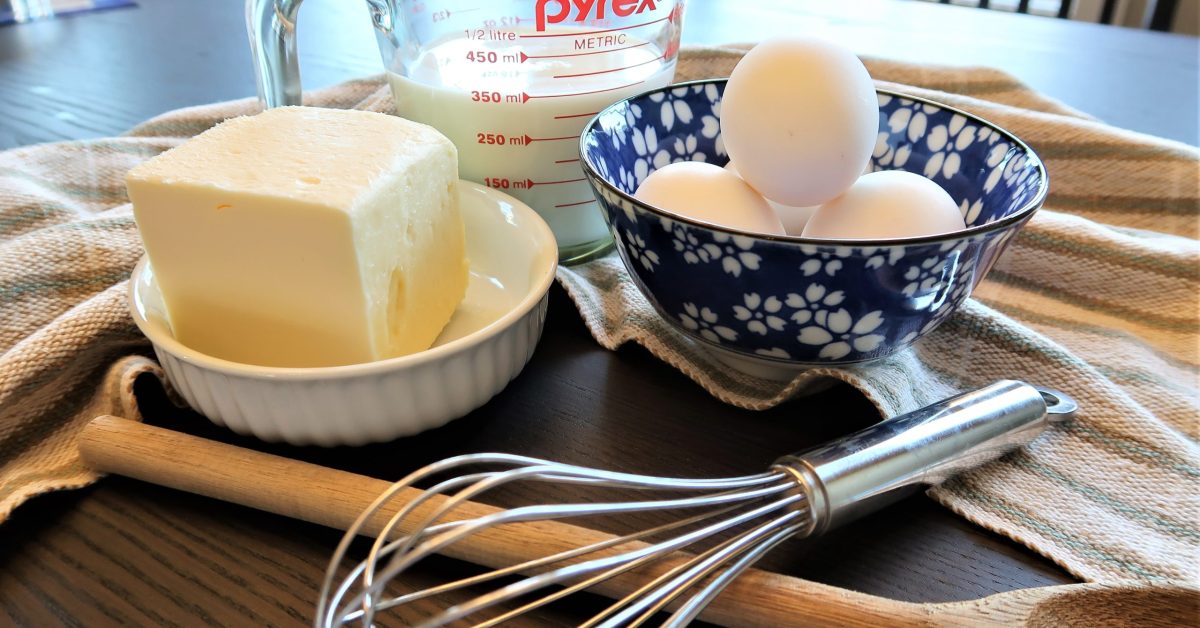
Butter needs to be room temp (65-70°F) for creaming with sugar. It should dent when pressed, not ooze. Let it sit out for 30-60 minutes; microwaving’s a last resort.
Eggs should be room temp, too. They blend better and whip fluffier for cakes or meringues. Set them out for 30 minutes or soak in warm water for 10.
Milk or liquids need to be room temp to mix smoothly. Cold milk can seize butter or curdle batters. Warm slightly if it’s straight from the fridge.
Store flour and dry goods in airtight containers at room temp. Freezing flour’s okay for long-term, but bring it to room temp before using.
For pastries like pie crusts or scones, keep butter and water ice-cold. Chill cubed butter and use ice water for flaky, tender results.
Oven Temperatures
Your oven’s not always honest. Use an oven thermometer to check the real temp—mine runs 15°F hot, and adjusting saved my muffins.
Preheat for 15-20 minutes, even if it beeps sooner. Consistent heat is everything for even baking.
Bake at 325°F for custards or cheesecakes to avoid cracks. Use 350°F for cookies, muffins, or cakes. Try 375°F for brownies or scones, and 425°F for pies or pastries.
Place racks in the middle for even heat. Only use top or bottom racks if the recipe specifies, like for crispy tart shells.
Avoid opening the oven door. It drops the temp fast, deflating cakes or stalling cookies. Use the light and window to check progress.
Cooling Properly
Let cakes cool in their pans for 10-15 minutes before moving to a rack. Moving too soon risks crumbling. Cookies need 2-5 minutes on the sheet to set before transferring.
Flavor and Technique: Make Your Bakes Stand Out
Baking’s more than following a recipe. It’s about flavors that pop and techniques that deliver. I once turned a plain vanilla cake into a crowd-pleaser with a splash of orange zest and a pinch of salt.
Building Flavor
A pinch of salt is non-negotiable, even in sweets. It boosts sweetness and balances flavors. Fine sea salt blends best.
Use real vanilla extract, not the fake stuff. It’s pricier but worth it. A hint of almond extract or citrus zest adds a fun twist.
Spices like cinnamon or cardamom elevate cookies or cakes. Toast them lightly for deeper flavor.
A tablespoon of lemon juice or buttermilk in batters brightens and tenderizes. It’s a small move with big impact.
For chocolate bakes, use quality cocoa or chopped bars. Dutch-processed cocoa gives richer flavor; bar chunks melt into gooey pockets.
Key Techniques
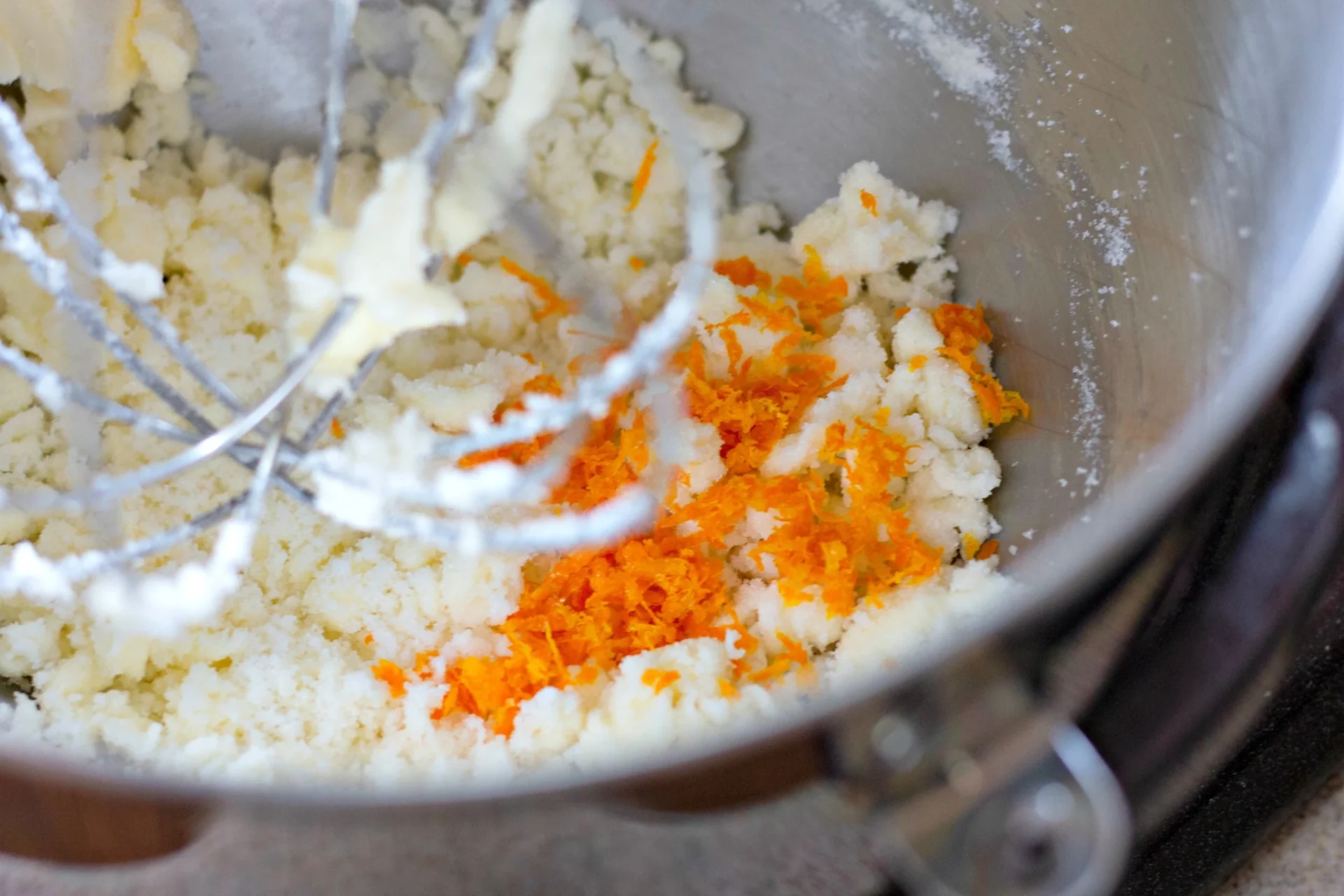
Cream butter and sugar until light and fluffy (3-5 minutes with a mixer). It traps air for tender cakes and cookies. Scrape the bowl to mix evenly.
Fold delicate ingredients like whipped egg whites with a spatula. Cut through the center, scoop under, and turn the bowl to keep things airy.
Knead bread dough until smooth (8-10 minutes by hand). Add flour sparingly—too much makes it tough.
Roll pastry dough on a lightly floured surface, working fast while it’s cold. Roll from the center out, turning the dough for even thickness.
Test doneness with a toothpick for cakes (clean or a few crumbs means done). Cookies should look set but soft—they firm up as they cool.
Texture Tips
For crispy cookie edges, add a bit more sugar or bake hotter. For chewy centers, underbake slightly or use brown sugar.
Flaky pastries need cold butter and minimal handling. Visible butter bits in the dough are a good sign.
Troubleshooting Baking Mishaps
Dense cakes happen from overmixing or too much flour. Mix just until combined and weigh ingredients.
Sunken muffins? Check your oven temp or baking powder’s freshness. Too much leavener can also cause collapse.
Flat cookies come from warm butter or not enough flour. Chill dough before baking.
Cracked cheesecakes are overbaked or cooled too fast. Use a water bath and cool in the oven with the door cracked.
Hosting with Your Bakes
Nothing beats serving warm cookies or a stunning cake to a table full of friends. I live for hosting, and baked goods are my ace.
Make cookie dough or pie crusts a day ahead and chill. Cakes can be baked and frozen (unfrosted) for up to a month.
Offer a mix: brownies for the crowd, tarts for flair, scones for a lighter bite. Everyone leaves happy.
Dust cakes with powdered sugar or drizzle glaze on buns for that bakery look. A simple platter makes it pop.
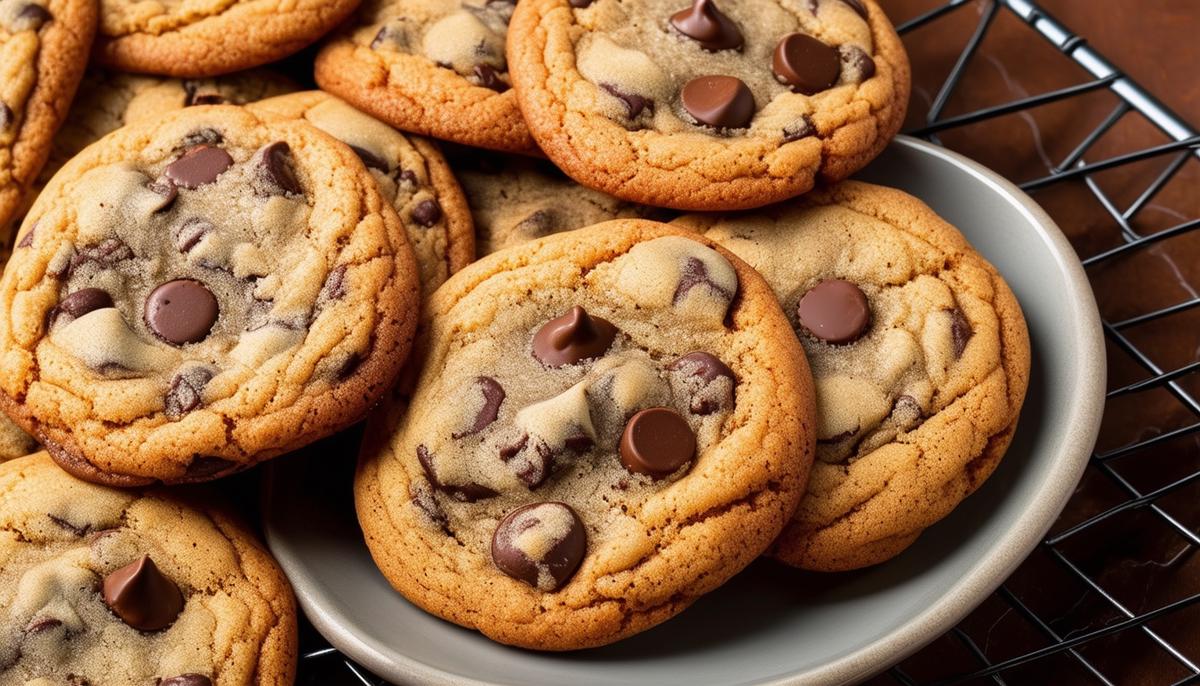
Pair bakes with coffee or ice cream. My favorite? Warm chocolate chip cookies with cold almond milk.
Why Baking Rules
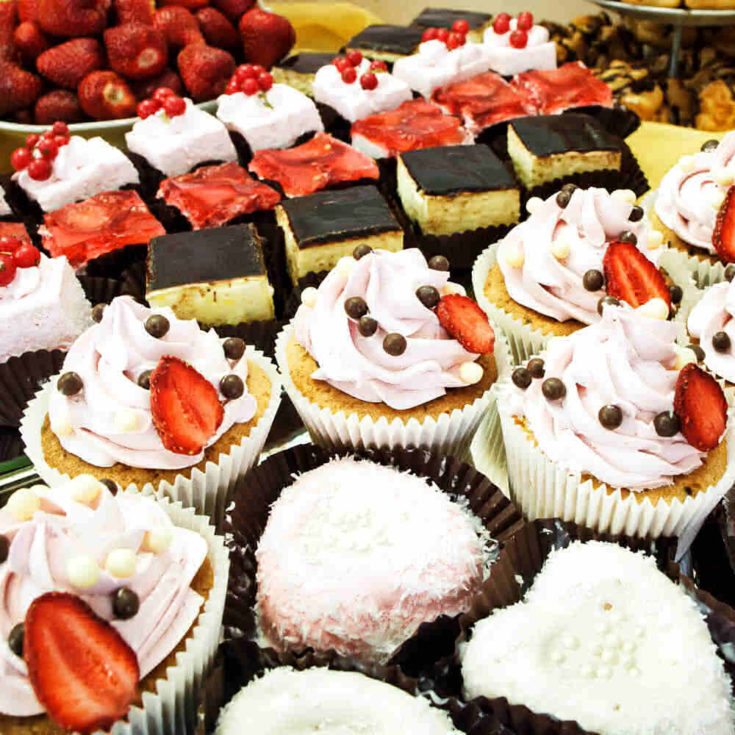
Baking like a pro at home is about creating treats that taste amazing and make people smile. With the right tools, temp control, and a few flavor hacks, you’ll rival any bakery. It’s cheaper than buying desserts, and you get to eat the batter scraps.
So fire up that oven and bake something that makes your kitchen smell like a dream. Got a go-to recipe or hack? Share it in the comments on my blog—I’m always up for new tricks. Here’s to sweet wins, one bake at a time.