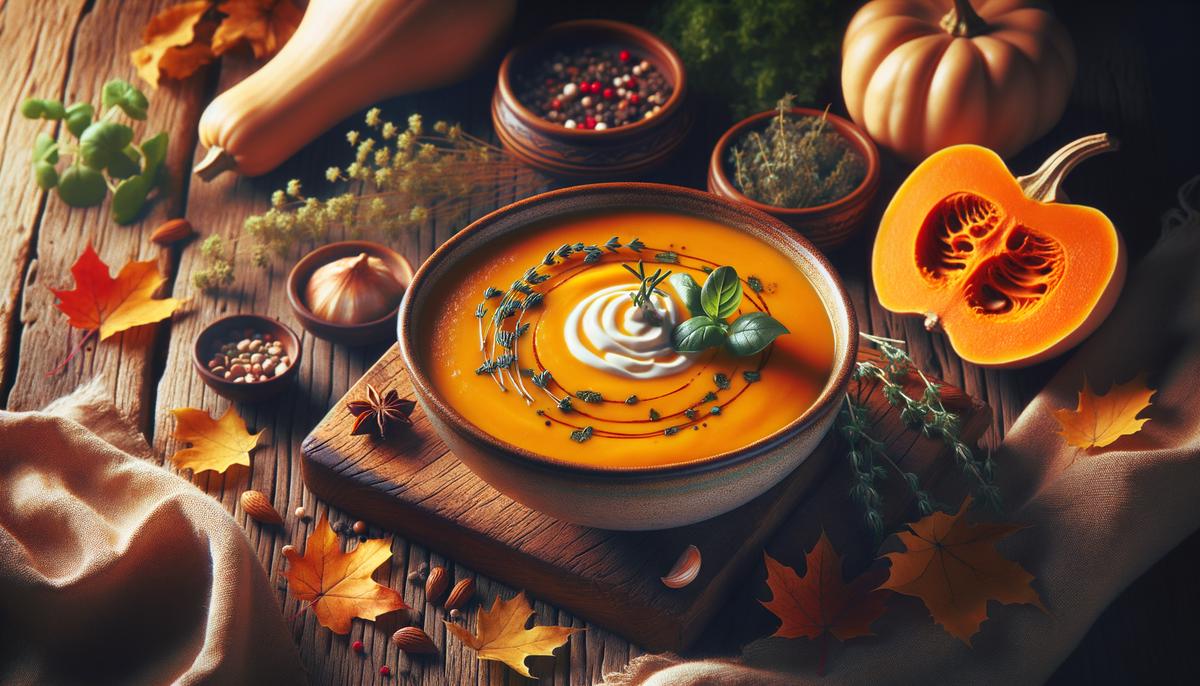
The Cozy Comfort of Butternut Squash Soup Butternut squash soup is like a big, cozy sweater that wraps you up on a crisp fall day, except you get to eat…
Delishing
How To Cook Butternut Squash

Maya Brooks
Maya Brooks is a dedicated home cook and the lead recipe developer at Delishing, where she shares practical, foolproof meals for everyday life. With over a decade of hands-on kitchen experience, she specializes in creating approachable dishes that fit a variety of dietary needs and modern cooking methods. Maya is passionate about helping busy people get delicious, stress-free food on the table without needing formal culinary training.
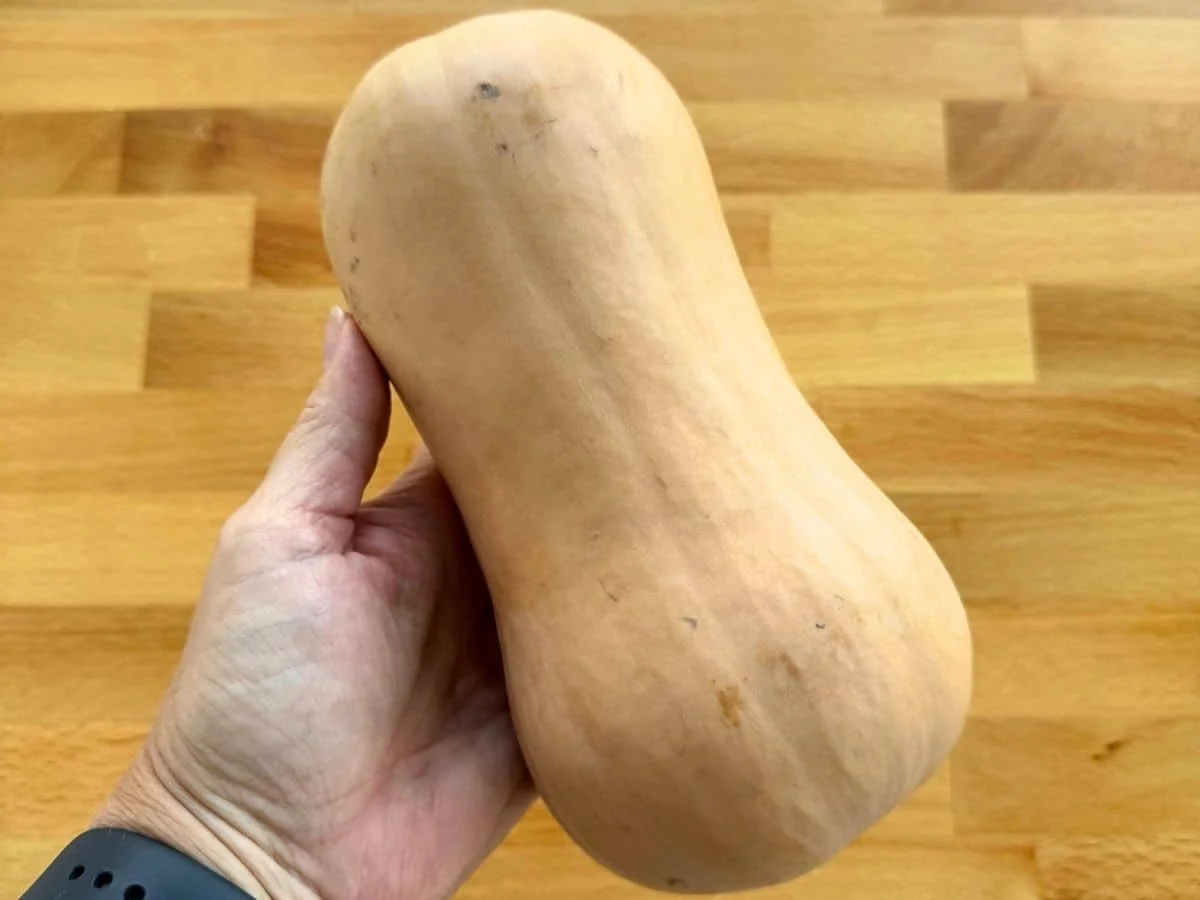
Butternut squash is one of those ingredients I want to use all fall and winter, but I used to avoid it at 5:00 PM because it felt like a wrestling match. The good news is once you know two small tricks (stabilize it first, and soften the skin just a bit), it becomes totally weeknight-friendly. Below is exactly how I cut, peel, and roast butternut squash as halves or cubes, plus the doneness cues I use every time.
What you need
- Butternut squash: 1 medium (about 2 to 3 pounds) is the sweet spot for most sheet pans.
- Sturdy cutting board: A damp paper towel underneath keeps it from sliding.
- Sharp chef’s knife: A dull knife is what makes squash feel scary.
- Y-peeler (or a standard vegetable peeler)
- Spoon for scooping seeds
- Sheet pan and parchment (optional, but makes cleanup easy)
- Oil: olive oil or avocado oil
- Kosher salt and black pepper
Before you cut: 2 quick safety tricks
1) Make it stable first
Squash rolls. Rolling is the enemy. My go-to is trimming the stem end and bottom end first, then setting the squash on a flat end. If it still feels wobbly, slice a thin sliver off one long side to create a small flat spot so it sits steady on the board.
2) Microwave to soften the skin (optional but amazing)
Poke the squash 6 to 8 times with a fork. Microwave 2 to 3 minutes, then let it cool until you can comfortably handle it. This will not cook it fully, but depending on the size of your squash and your microwave, it can slightly soften the outer flesh along with the skin, which is exactly what makes peeling and cutting easier.
How to pick a good squash
- Heavier than it looks: It usually means more dense flesh.
- Matte, firm skin: Avoid shiny skin (often less mature) and any soft spots.
- Size note: Very large squash can take longer to roast, especially as halves.
How to peel butternut squash
I peel butternut squash when I want cubes or a super-smooth mash. If I’m roasting halves, I often skip peeling and just scoop the flesh after roasting.
- Cut off both ends (about 1/2 inch) to create stable, flat surfaces.
- Stand it upright on the wide end.
- Peel top to bottom with a Y-peeler, rotating as you go.
- Go around twice. Butternut squash skin can be thick, and there is often a pale, waxy layer underneath. Peel until you see a uniform pale orange color with no white layer left.
How to cut butternut squash into cubes
This is my everyday method because cubes roast faster and caramelize like candy.
Quick tip: Try to keep your cubes as even as possible so they cook at the same pace.
- Peel the squash (steps above).
- Separate the neck and bulb: Slice crosswise where the straight neck meets the rounder bulb.
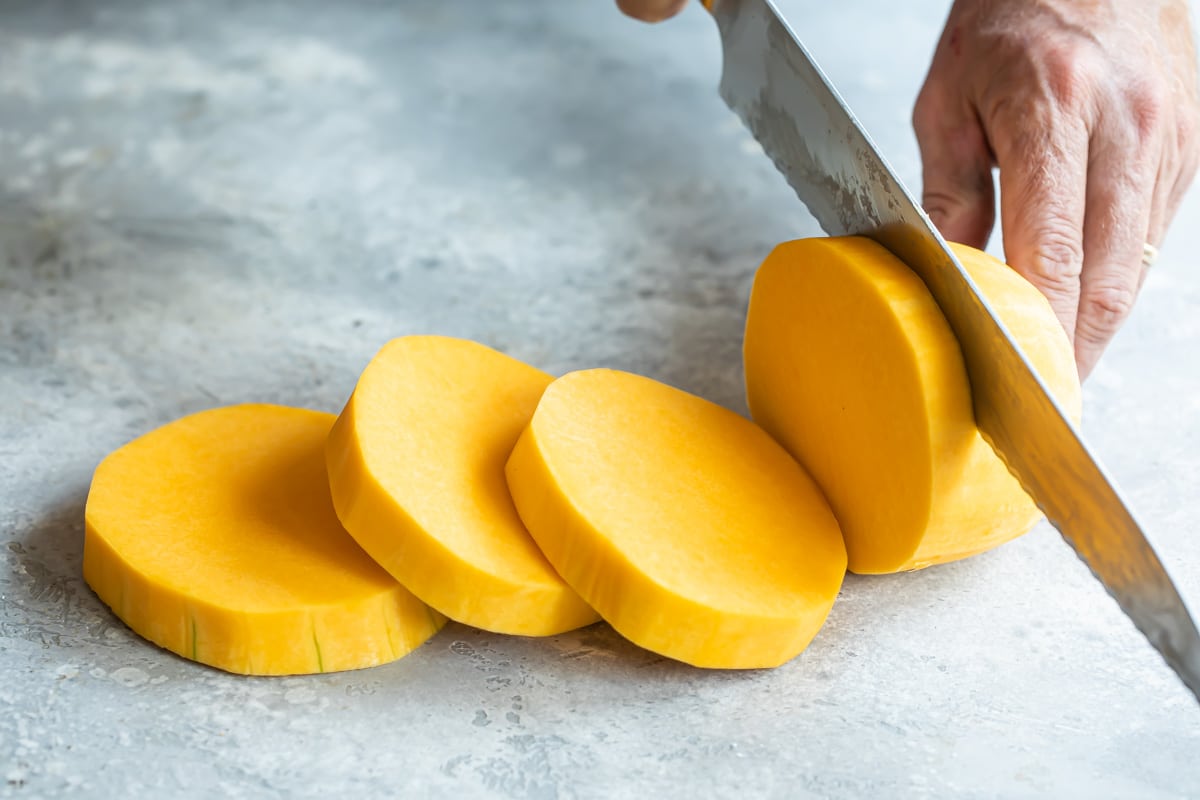
- Cube the neck: Stand the neck piece on a flat end, slice into 1-inch planks, then 1-inch sticks, then 1-inch cubes.
- Seed the bulb: Cut the bulb in half lengthwise. Scoop out seeds with a spoon.
- Cube the bulb: Lay each half cut-side down, slice into 1-inch planks, then sticks, then cubes. The bulb is more curved, so I just take my time here and focus on steady, confident cuts.
My best cube size: 3/4 to 1 inch. Smaller than that can over-brown before the centers soften.
How to roast butternut squash cubes
Temperature and time
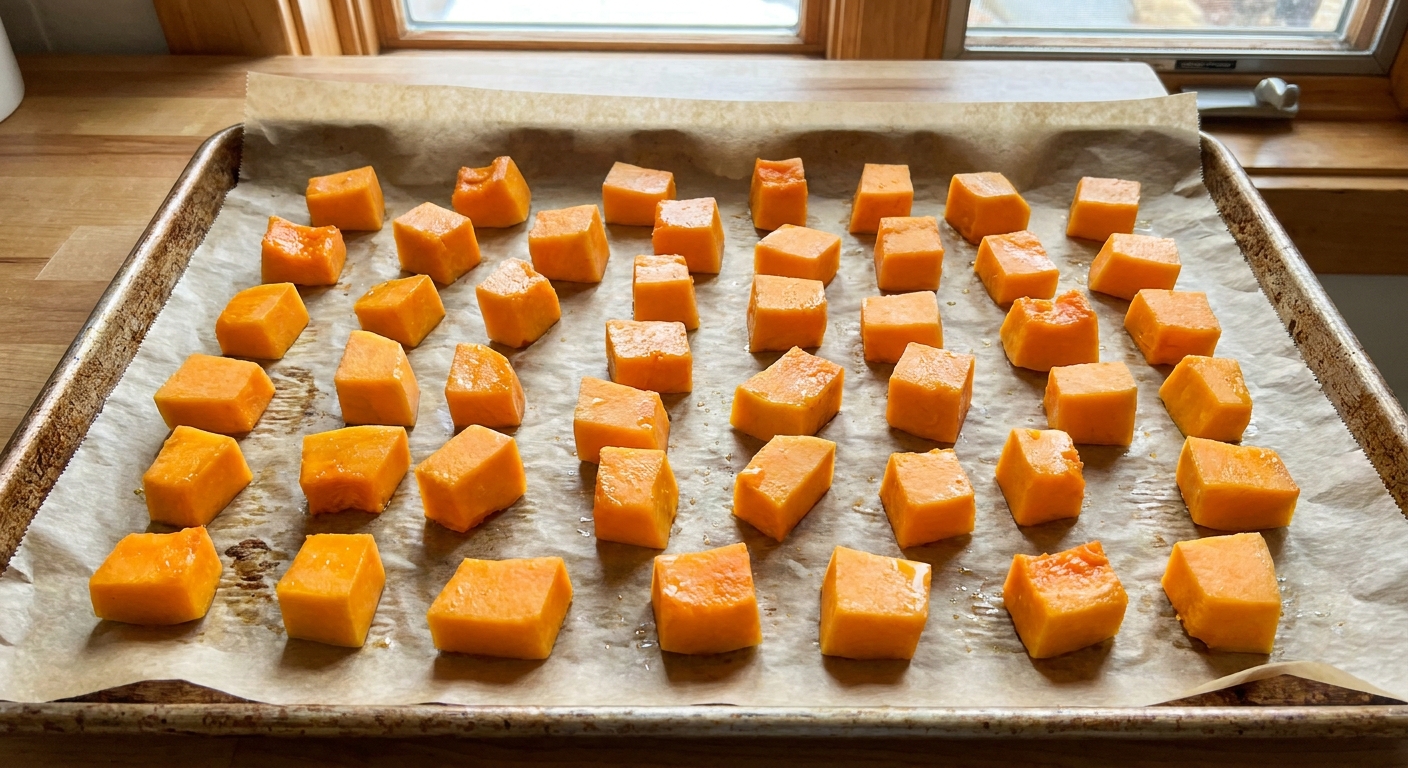
Roast at 425°F for 25 to 35 minutes, tossing once halfway through.
Step-by-step
- Heat the oven to 425°F. If you want extra browning, preheat the empty sheet pan too.
- Toss cubes with 1 to 2 tablespoons oil per medium squash, plus 3/4 teaspoon kosher salt and pepper. If you use Morton kosher salt (denser), start closer to 1/2 teaspoon and adjust to taste.
- Spread into a single layer with space between pieces. Crowding causes steaming.
- Roast 15 minutes, then toss and roast 10 to 20 minutes more.
Doneness cues (what I look for)
- Fork-tender centers: a fork slides in easily with little resistance.
- Caramelized edges: browned corners and a deeper orange color.
- No chalky bite: if it tastes starchy or dry inside, it needs more time.
Easy flavor options
- Classic savory: olive oil, salt, pepper, garlic powder, dried thyme or rosemary.
- Warm and sweet-savory: cinnamon, smoked paprika, and a tiny pinch of brown sugar.
- Spicy: chili powder + cumin + a pinch of cayenne.
Convection oven note
If you use convection (fan), the squash may brown faster. I usually lower the temp by about 25°F or start checking 5 minutes early.
How to roast butternut squash halves
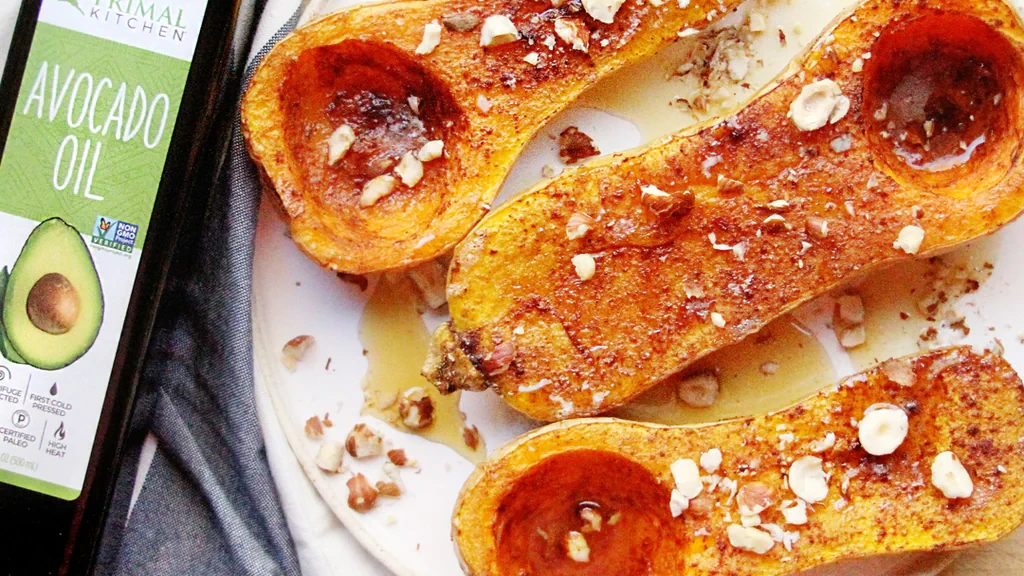
Roasting halves is the lowest-effort path, especially if you want to turn the flesh into mash afterward. You do not need to peel it first.
Temperature and time
Roast at 400°F for 45 to 60 minutes, depending on size.
Step-by-step
- Heat the oven to 400°F.
- Halve the squash lengthwise. If it feels too hard to cut, use the microwave softening trick above first.
- Scoop out seeds with a spoon.
- Season: brush cut sides with oil or melted butter (about 1 tablespoon total), then sprinkle with salt and pepper.
- Roast cut-side down on a parchment-lined sheet pan for deep steaming tenderness, or cut-side up if you want more browning on top.
- Check at 45 minutes, then keep going until fully tender.
Doneness cues
- A paring knife slides into the thickest part with almost no resistance.
- The skin looks slightly wrinkled and the squash feels softer when pressed.
- The flesh scoops easily and looks silky, not stringy.
How to make squash mash
This is my favorite way to use roasted halves without turning dinner into a project.
- Roast halves until very tender (see above).
- Scoop flesh into a bowl.
- Mash with a fork for rustic texture, or use a potato masher for smoother.
- Season to taste: salt, pepper, and either butter and a splash of milk, or olive oil for dairy-free.
Doneness cue: If it mashes but still feels a little grainy, it probably needed 5 to 10 more minutes in the oven.
Serving ideas
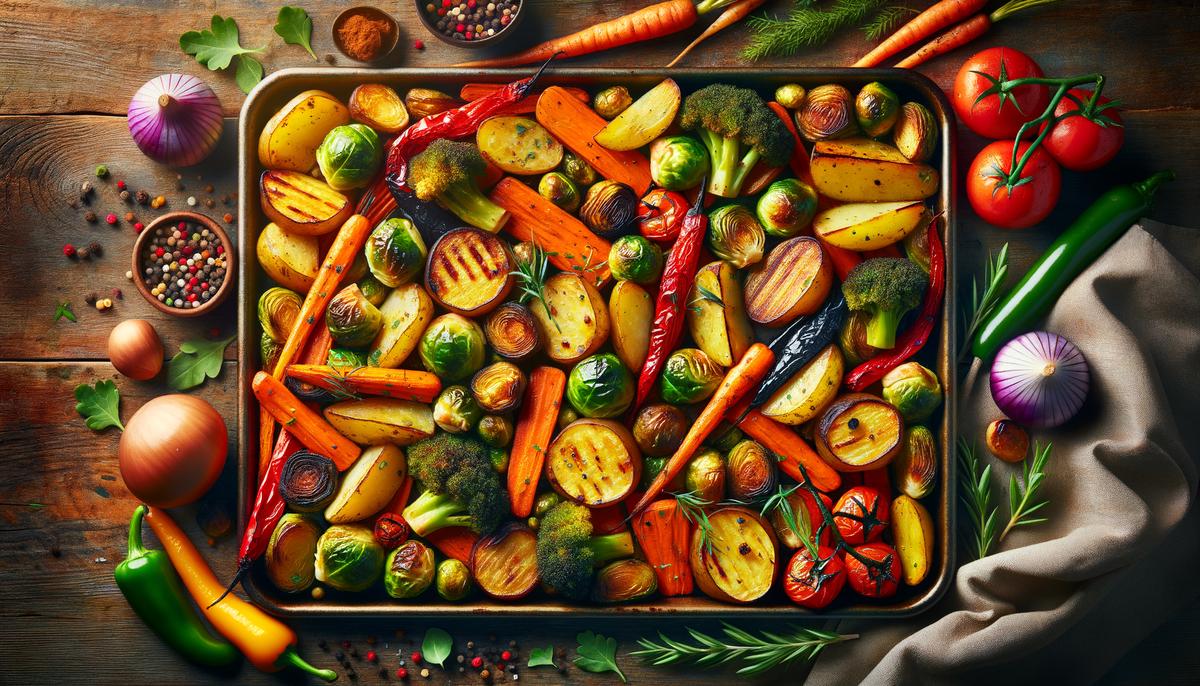
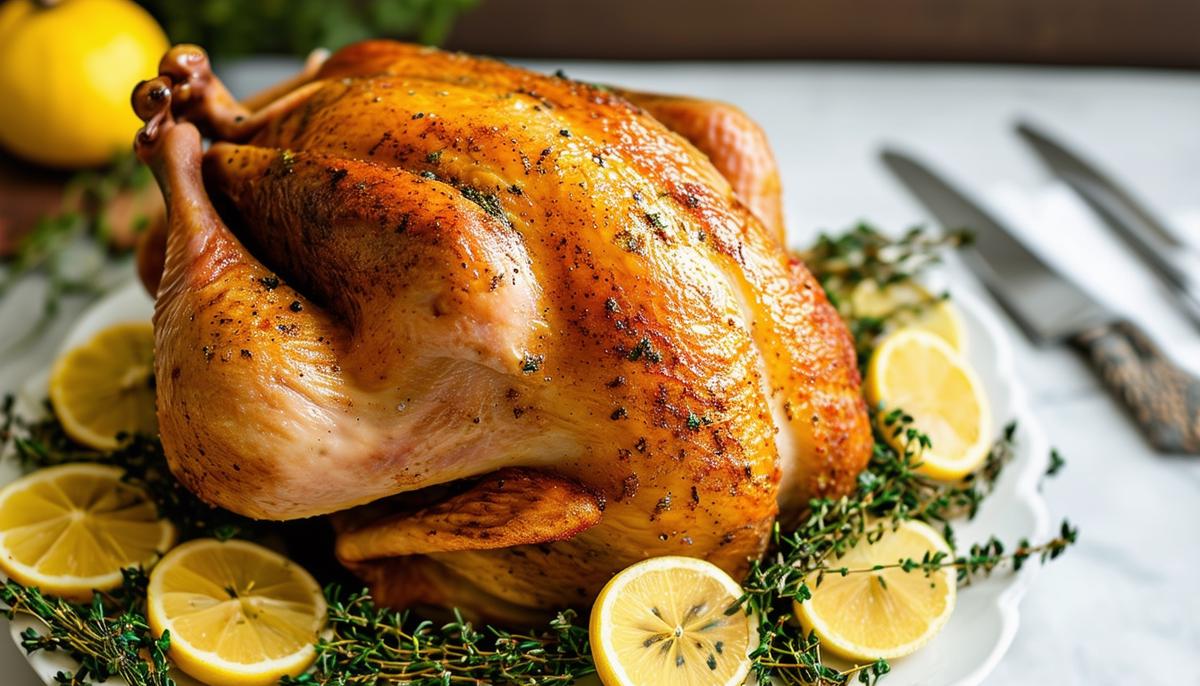
- Easy side dish: Serve roasted cubes alongside Roast Chicken with Lemon Thyme or The Coziest Oven Pot Roast.
- Sheet pan dinner shortcut: Roast cubes on one side of the pan and add sausage and onions on the other for the last 15 minutes.
- Salad add-in: Toss warm roasted squash into a grainy salad with arugula, toasted nuts, and a tangy vinaigrette. It’s great with Quinoa Salad with Black Beans as a base.
- Mash moment: Use butternut squash mash anywhere you’d use mashed potatoes, especially with Garlic Butter Ribeye Steak.
- Taco night twist: Add roasted cubes to Vegan Black Bean Tacos for sweetness and texture.
Storage and reheating
Fridge
Store roasted squash in an airtight container for up to 4 days.
Freezer
Freeze roasted cubes or mash for up to 3 months. For cubes, freeze on a sheet pan first, then transfer to a freezer bag so they do not clump.
Reheating (best methods)
- Oven: 400°F for 8 to 12 minutes to re-crisp edges.
- Skillet: Medium heat with a small splash of oil, stir occasionally until hot and browned.
- Microwave: Fastest, but the edges soften. Still totally fine for mash or bowls.
Troubleshooting
My squash is hard to cut
Microwave it 2 to 3 minutes (pierced first), then let it cool slightly. Also make sure your knife is truly sharp.
My cubes are mushy and not browned
Most common causes: overcrowding the pan, too low oven temp, or not enough oil. Next time use 425°F, spread into a single layer with space, and toss once halfway through.
The outside browned but the inside is still firm
Your cubes are probably too large or your oven runs hot. Cut to 3/4-inch cubes, or drop the oven to 400°F and roast a little longer.
It tastes bland
Squash loves salt. Season more assertively than you think, and finish with something bright like lemon juice or a splash of vinegar right before serving.
FAQ
Do you have to peel butternut squash before roasting?
No. If you roast it as halves, you can roast with the skin on and scoop out the flesh afterward. For cubes, peeling first is easiest.
Can I roast butternut squash at 350°F?
You can, but it takes longer and browns less. Depending on cube size (and how crowded the pan is), expect roughly 40 to 55 minutes for cubes. I prefer 425°F for cubes and 400°F for halves.
How do I know when butternut squash is done roasting?
Cubes are done when a fork slides in easily and the edges are browned. Halves are done when a paring knife glides into the thickest part and the flesh scoops out smoothly.
What can I do with the seeds?
You can discard them, or rinse and pat dry, then roast with oil and salt on a sheet pan at 300 to 325°F until crisp, usually 15 to 25 minutes, stirring once or twice. I start checking around 12 to 15 minutes because they can go from perfect to bitter fast.