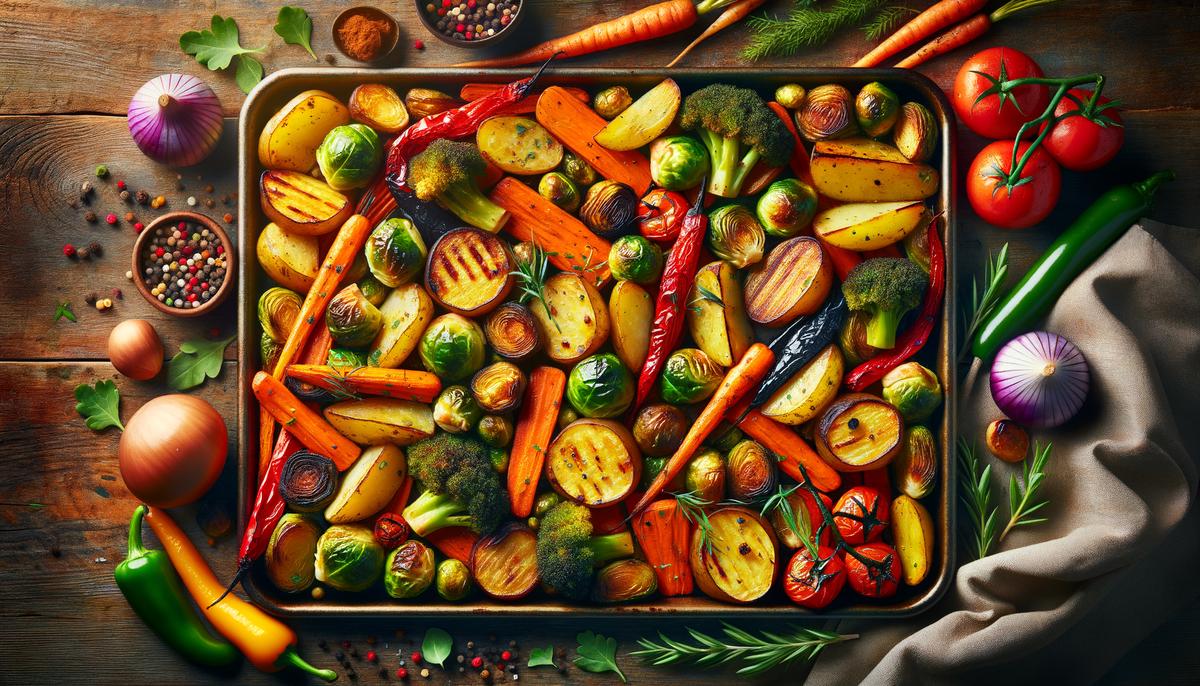
The Art of Roasting Veggies Roasting vegetables is a game-changer in the kitchen. It's easy, versatile, and can turn even the veggie-haters into fans. Pop…
Delishing
How To Cook Beets

Maya Brooks
Maya Brooks is a dedicated home cook and the lead recipe developer at Delishing, where she shares practical, foolproof meals for everyday life. With over a decade of hands-on kitchen experience, she specializes in creating approachable dishes that fit a variety of dietary needs and modern cooking methods. Maya is passionate about helping busy people get delicious, stress-free food on the table without needing formal culinary training.
Beets have a reputation for being fussy and messy, but once you know the rhythm, they are as weeknight-friendly as a baked potato. My biggest “aha” moment came when I stopped trying to peel them raw. Cook first, peel while warm, and suddenly beets go from intimidating to easy.
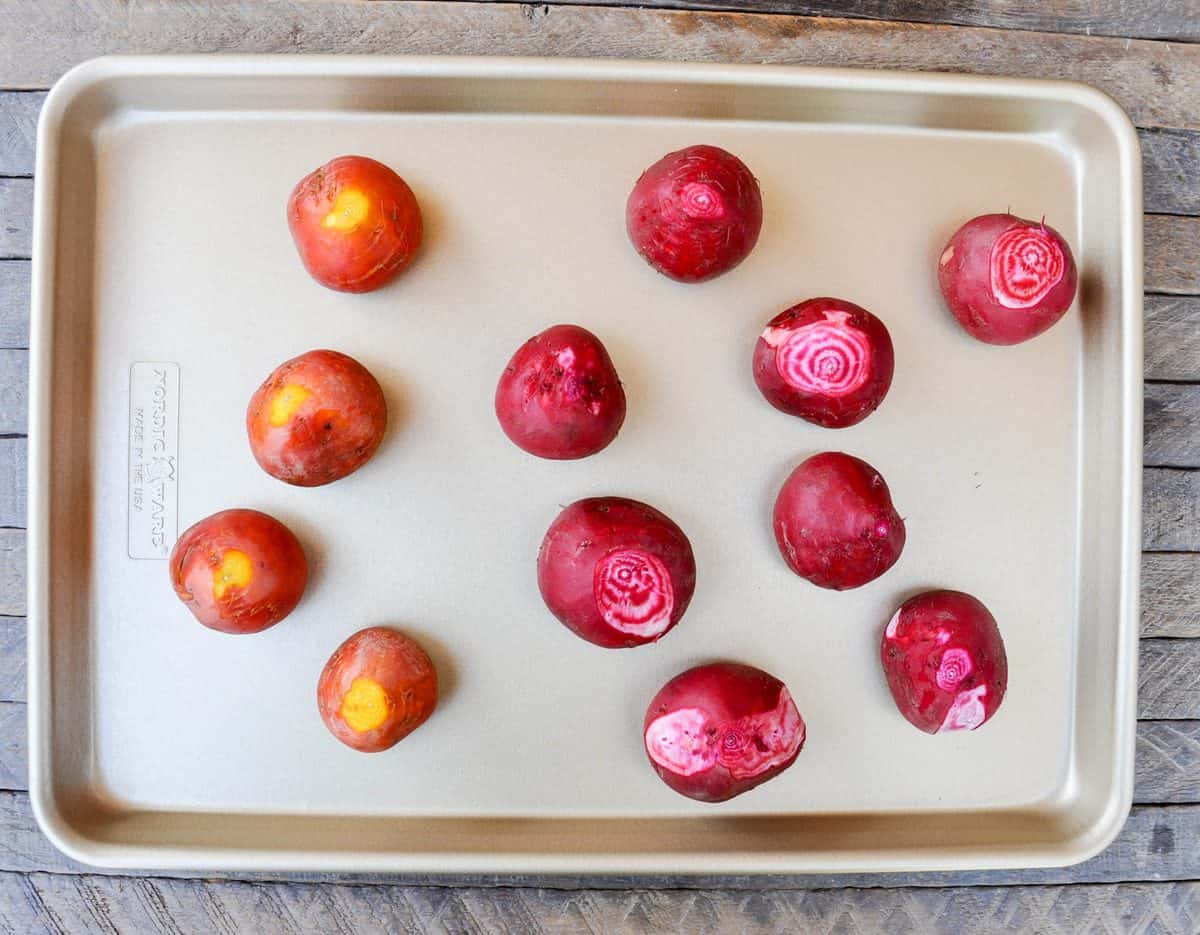
Below are three reliable ways to cook beets (roast, boil, or steam), how to tell when they are done, the least-annoying way to peel them, and a simple butter-and-salt finish that makes them taste like something you would order at a cozy restaurant.
Before you start
Choose beets that cook evenly
- Size matters. Try to pick beets that are similar in size so they finish at the same time. If yours vary a lot, separate them by size and pull the smaller ones earlier.
- Look for firm roots. Soft spots or wrinkles usually mean they are older and can take longer to get tender.
Trim, do not peel
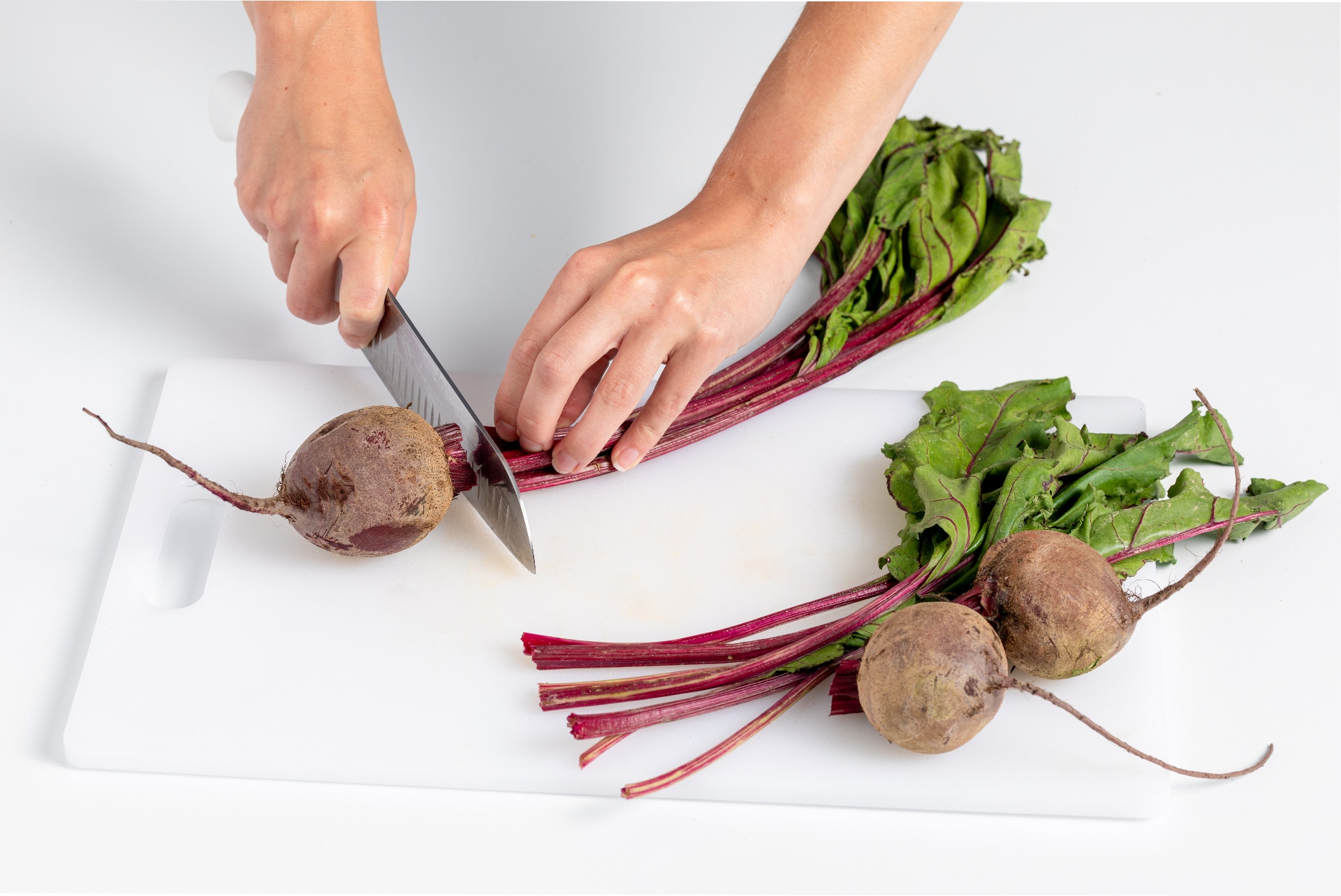
Trim beets like this:
- Cut off the leafy greens, leaving about 1 inch of stem attached.
- Trim the long root tail if it is very long, but do not cut into the beet itself.
- Scrub well under cool water with a brush.
Why leave that little stem? It helps reduce “bleeding” (juice loss) while they cook.
Do not toss the greens. If they are fresh and not wilted, rinse and store them separately. You can saute beet greens like spinach with olive oil and garlic, then finish with salt and a squeeze of lemon.
Roasted beets
If you only learn one method, make it roasting. It concentrates sweetness, keeps the beet flavor rich, and you can cook a whole batch at once.
How to roast beets
- Heat the oven to 400 F (conventional). If you are using convection, 375 F usually works better.
- Prep for roasting: Place scrubbed, trimmed beets on a large piece of foil. Drizzle with a tiny bit of olive oil (optional, but helps). Sprinkle with salt.
- Seal: Wrap tightly into a foil packet. If your beets are very large, make two packets so heat circulates better.
- Roast: Place the packet on a rimmed baking sheet and roast until tender. Start checking early based on the guide below, then keep going in short increments until they are perfect.
- Cool briefly: Let sit 10 minutes, just until you can handle them safely.
Roasting time guide
- Small beets (1 to 2 inches): 35 to 45 minutes (start checking around 35)
- Medium beets (2 to 3 inches): 45 to 60 minutes (start checking around 45)
- Large beets (3 to 4 inches): 60 to 90 minutes (start checking around 60)
Note: Beet variety, exact size, and your oven all matter, so treat the times as a starting point, not a promise.
How to tell roasted beets are done
Slide a paring knife or skewer into the thickest part. It should go in and out with little resistance, like testing a baked potato, and there should be no crunchy center. If you feel a firm core, reseal the foil and keep roasting in 10 to 15 minute increments.
Boiled beets
Boiling is the most hands-off option when you do not want to turn on the oven (no preheat) or you need tender beets for blending into soups or sauces. The tradeoff is a little less concentrated flavor.
How to boil beets
- Trim and scrub (leave that 1-inch stem).
- Add to a pot and cover with 1 to 2 inches of water.
- Optional: Add a generous pinch of salt to the water. It is not required, but it seasons the beets a bit as they cook.
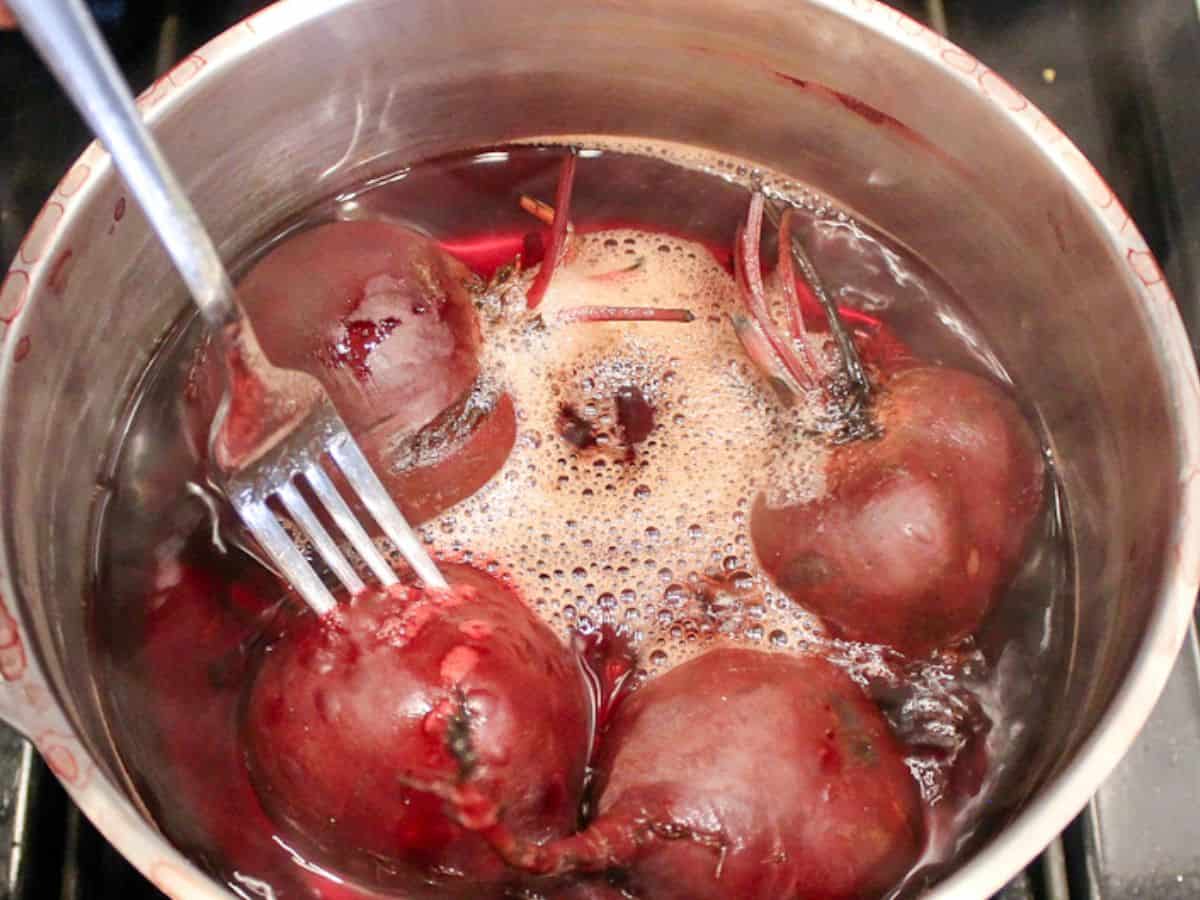
- Bring to a boil, then reduce to a steady simmer.
- Simmer until tender, then drain.
- Cool 10 minutes before peeling.
Boiling time guide
- Small: 20 to 30 minutes (start checking around 20)
- Medium: 30 to 45 minutes (start checking around 30)
- Large: 45 to 60 minutes (start checking around 45)
Note: Older, larger beets can push past these ranges. If they are not ready, just keep simmering and check again soon.
How to tell boiled beets are done
Same test: a knife slides in and out easily. If the outside feels tender but the center fights back, keep simmering and check again in 5 to 10 minutes.
Steamed beets
Steaming is my favorite alternative to roasting when I want something quicker than the oven but with a flavor that stays more beet-forward than boiling.
How to steam beets
- Trim and scrub the beets.
- Add water to a pot with a steamer basket, about 1 inch deep (the water should not touch the basket).
- Add beets, cover, and bring to a simmer.
- Keep a steady steam (gentle simmer, lid on). Check the water level halfway through and add more if needed.
- Steam until tender, then cool 10 minutes before peeling. Start checking early based on the time guide.
Steaming time guide
- Small: 25 to 35 minutes (start checking around 25)
- Medium: 35 to 50 minutes (start checking around 35)
- Large: 50 to 70 minutes (start checking around 50)
How to peel beets
Peeling beets is dramatically easier when they are warm, not cold.
My low-mess peeling method
- Let cooked beets cool just until you can handle them, about 10 minutes.
- Protect your hands: Use disposable gloves if you have them, or keep a paper towel nearby. (Beet juice stains.)
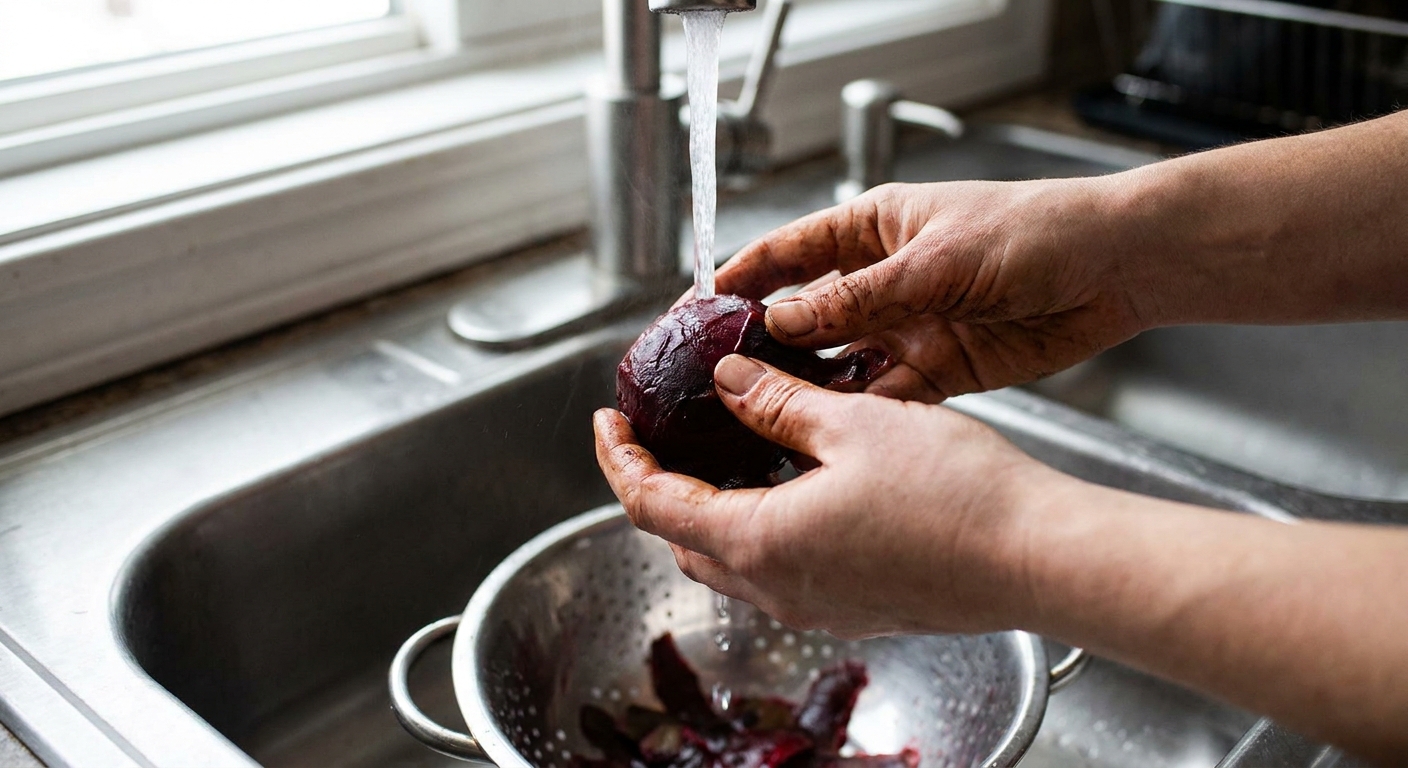
- Rub off the skin: Hold a beet under running water and gently rub the skin with your fingers or a paper towel. It should slip right off.
- Trim the top and root end after peeling if needed.
If the skin will not budge: The beet is undercooked. Put it back in the oven, pot, or steamer for 10 to 15 minutes and try again.
Quick stain tip: Beet juice can cling to porous cutting boards and light counters. Wipe up quickly, then try a little lemon juice or a baking soda paste if a pink tint lingers.
Butter and salt beets
This is the finish I default to when I want beets to taste comforting and classic.
How to do it
- Cook and peel the beets using any method above.
- Cut into wedges, thick slices, or 1-inch cubes.
- Toss while warm with butter and a pinch of salt.
Amounts
- For about 1 pound cooked beets: 1 to 2 tablespoons butter
- Salt: start with 1/4 teaspoon kosher salt, then taste and adjust
Optional, but delicious: A grind of black pepper, a squeeze of lemon, or a pinch of thyme.
How to store cooked beets
In the fridge
- Cool first: Let beets cool to room temperature, then refrigerate promptly in an airtight container.
- Cooked, peeled beets: Store for 3 to 5 days.
- Cooked, unpeeled beets: Also fine for 3 to 5 days, and sometimes a little less messy because the skins protect the flesh.
Tip: If you are batch-cooking, store beets whole and peel and cut as needed. They stay juicier that way.
In the freezer
Yes, you can freeze cooked beets. The texture softens a bit after thawing, so they are best for soups, smoothies, purees, or roasted vegetable bowls.
- Peel, then slice or cube.
- Cool completely.
- Freeze in a single layer on a parchment-lined baking sheet, then transfer to a freezer bag or container.
- Use within 3 months for best quality.
Troubleshooting
Why are my beets taking forever?
Usually it is size or age. Large, older beets can take significantly longer. Make sure you are testing the thickest beet in the batch, not the smallest. Also, if you took them straight from the fridge, they may need a little extra time to get going.
Do I need foil to roast?
I recommend it for most home ovens. Foil traps steam so the beets cook through without drying out. If you prefer, you can roast them in a covered baking dish with a splash of water, but foil is the simplest, most consistent method I have tested.
How do I avoid beet stains?
- Wear gloves or use a paper towel while peeling.
- Use a plastic cutting board if staining bothers you.
- Wash knives and boards right away.
- Wipe up juice quickly, especially on porous surfaces.
What to serve with beets
Once your beets are cooked, they play really nicely with simple proteins and cozy dinners. If you want a few dependable main dish ideas, browse our dinner recipes or keep things easy with a one-pan option from our easy recipes collection.