Delishing
Easy Cheese Sauce

There are a handful of kitchen “utility recipes” I lean on when dinner has to happen fast, and a reliable cheese sauce is high on that list. It’s the difference between plain steamed broccoli and “everyone actually eats the broccoli,” and it turns a baked potato into a real meal.
I developed this version during my busiest years, when I was juggling a full-time job and trying to feed people who couldn’t agree on anything. The goal was simple: one base sauce that can adapt to pasta, nachos, vegetables, or a potato bar, without turning grainy or breaking the moment you look away.

In this guide and recipe, I’ll show you the two things that matter most: temperature control and choosing the right cheese. In practice, that means keeping the heat gentle, avoiding a hard boil, and melting the cheese off the burner using freshly grated cheese that actually wants to melt.
For a few dinner ideas that love a drizzle of cheese sauce, see Baked Potato with Sour Cream (swap toppings as you like) and Garlic Roasted Vegetables. If you are building a snack board, it’s also excellent alongside Air Fryer French Fries.
Why it works
- A gentle roux thickens without clumps. Butter plus flour creates a stable base that keeps the sauce silky.
- Warm milk goes in gradually. Adding milk in small splashes lets you smooth out lumps before they become a problem.
- Cheese melts off the heat. This is the biggest anti-graininess trick. High heat makes proteins tighten and squeeze out fat, which looks gritty or oily.
- A little acidity helps smooth melt. A small amount of Dijon mustard (or hot sauce) supports emulsification and rounds out flavor without tasting “mustardy.”
Ingredient notes
Butter
Unsalted is ideal so you control salt. If you only have salted butter, hold back on added salt until the end.
Flour
All-purpose flour makes the classic base. For gluten-free swaps, see the substitutes section below.
Milk
Whole milk gives the creamiest texture. 2 percent works, but the sauce will feel a little thinner. I avoid skim here unless you plan to finish with extra cheese.
Cheese
Grate your own if you can. Pre-shredded cheese is coated with anti-caking agents that can make sauces less smooth. The best “everyday” cheeses for this sauce are:
- Sharp cheddar for bold flavor (my go-to)
- Monterey Jack for extra smooth melting
- Low-moisture mozzarella for stretch, not much flavor
- Gruyere for a nutty, super-melty upgrade
Cheeses that commonly misbehave: very aged Parmesan (use a small amount), crumbly cheeses, and anything labeled “extra aged” as your main cheese.
Dijon mustard
This is optional but recommended. It will not make your sauce taste like mustard. It just helps the sauce stay cohesive and tastes like “more cheese.”

Equipment
- Small to medium saucepan with a heavy bottom if possible
- Whisk for a smooth roux and milk mixture
- Microplane or box grater for freshly grated cheese
- Measuring cups and spoons
Pro tips for smooth, not grainy cheese sauce
1) Turn the heat down before the cheese goes in
Once the sauce base is thickened, remove the pan from the burner. Then add cheese a handful at a time, whisking until fully melted before adding more.
2) Keep it below a simmer after adding cheese
If you need to rewarm, do it over low heat and stir constantly. Boiling is the fastest route to graininess.
3) Shred cheese finely
Fine shreds melt faster and more evenly, which means less time on heat.
4) Fix texture with small adjustments
- Too thick: whisk in warm milk 1 tablespoon at a time.
- Too thin: simmer the base (before adding cheese) for 1 to 2 minutes more, or add a little extra cheese at the end.
5) For nacho-style sauce, add sodium citrate if you use it
This is completely optional and not required for a great sauce. If you do keep sodium citrate in your pantry, it can make ultra-smooth, very stable cheese sauces. Use only a small amount and follow the product guidance.
Substitutes
Gluten-free
Swap the flour for a 1:1 gluten-free all-purpose flour blend. Another option is cornstarch, but it behaves differently: mix 1 tablespoon cornstarch with 2 tablespoons cold milk and whisk into the warmed milk, then cook until thickened before adding cheese.
Dairy-free
Dairy-free cheese sauces vary wildly by brand, so I do not promise the same melt. If you go this route, use an unsweetened, unflavored plant milk and choose a dairy-free cheese designed for melting. Keep heat very low and expect to thin with extra plant milk.
No Dijon mustard
Use 1 teaspoon hot sauce or a tiny splash of pickle brine. You are aiming for a little tang, not a vinegary sauce.
Variations
Nacho cheese sauce
Add 1 to 2 tablespoons pickled jalapeño brine and 1 to 2 tablespoons diced pickled jalapeños. Use a cheddar and Monterey Jack blend for smoothness.
Mac and cheese base
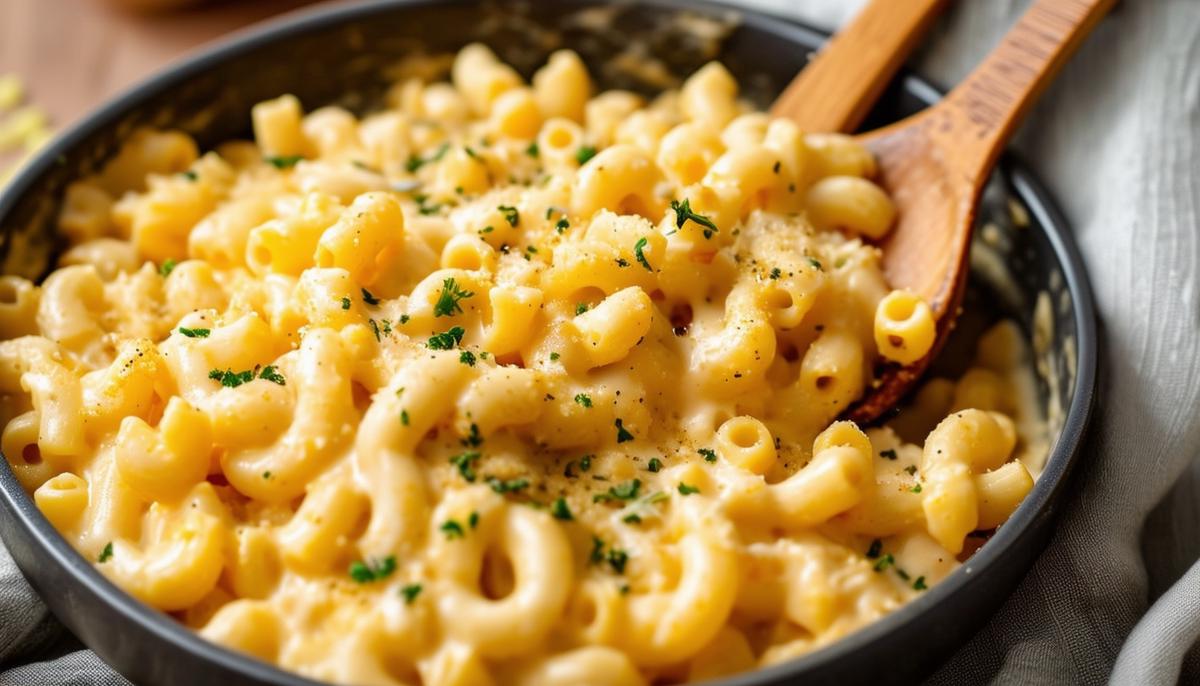
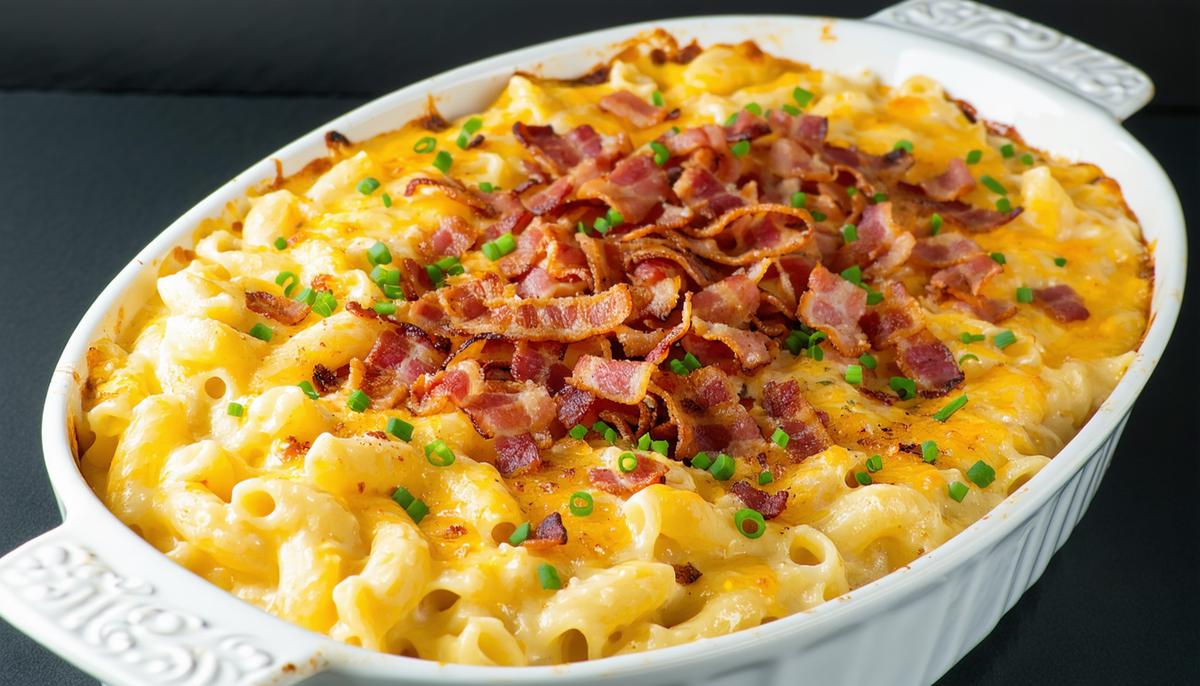
Use half sharp cheddar and half Gruyere. Stir in cooked pasta, then bake if you want a casserole-style finish. If you love baked pasta nights, peek at Baked Ziti with Ricotta for the cozy weeknight energy.
Garlic Parmesan
Whisk 1 small grated garlic clove into the warm sauce base, then use mostly Jack or Gruyere with a smaller amount of Parmesan for flavor.
Smoky cheese sauce
Add 1/4 to 1/2 teaspoon smoked paprika and use smoked cheddar if you can find it.
Serving ideas
- Pasta: Toss with hot cooked pasta and a splash of pasta water to loosen.
- Nachos: Keep it slightly thinner so it drizzles easily, then pour over chips and top.
- Vegetables: Spoon over steamed broccoli or roasted cauliflower. Try it with Roasted Cauliflower with Garlic.
- Baked potatoes: Drizzle over a split potato and top with bacon, scallions, or chili. This pairs perfectly with Beef and Bean Chili.

Storage and reheating
Refrigerate
Store in an airtight container for up to 3 days. The sauce will thicken as it chills.
Reheat gently
Warm in a saucepan over low heat, whisking often. Add warm milk 1 tablespoon at a time until smooth and pourable again. A microwave works in a pinch, but use 20 to 30 second bursts and stir very well between each.
Freezing
I do not recommend freezing roux-based cheese sauce. It can separate and turn grainy when thawed and reheated.
Common mistakes (and quick fixes)
“My sauce is grainy.”
Most often this is from heat that is too high after adding cheese. Take the pan off the heat and whisk in 1 to 2 tablespoons warm milk. If it is still gritty, whisk in a small amount of a melt-friendly cheese like Monterey Jack to help smooth it out.
“It got oily and separated.”
That is usually a boil situation. Lower the heat immediately. Whisk hard, then add a splash of warm milk. If needed, blend with an immersion blender for 10 to 15 seconds to re-emulsify.
“It is too thick to pour.”
Whisk in warm milk a tablespoon at a time until it moves like lava, not like frosting.
“It is too thin.”
Simmer the sauce base longer next time. For now, you can add a bit more shredded cheese (off the heat) or keep it on very low heat and whisk until it thickens slightly.
FAQ
What cheese melts best for sauce?
Cheddar, Monterey Jack, Gruyere, and low-moisture mozzarella are your most reliable options. Blending a flavorful cheese (cheddar) with a super-melty cheese (Jack) gives you the best texture with big flavor.
Why does pre-shredded cheese make sauce gritty?
Many pre-shredded cheeses are coated with anti-caking ingredients. They are great for sprinkling, but they can interfere with smooth melting in sauces.
Can I make cheese sauce without flour?
Yes. You can thicken with cornstarch slurry, or you can make an emulsified sauce using sodium citrate. The roux method is the most accessible and forgiving for everyday cooking.
How do I keep cheese sauce warm for a party?
Keep it on the lowest heat setting possible and stir often, or transfer it to a small slow cooker on warm. Thin with warm milk as needed to maintain a pourable texture.
Easy Cheese Sauce
A flexible, smooth cheese sauce that works for pasta, nachos, vegetables, and baked potatoes. The key is to melt the cheese off the heat to prevent graininess.
Prep Time: 5 minutes
Cook Time: 10 minutes
Total Time: 15 minutes
Servings: About 2 cups (4 to 6 servings, depending on use)
- 2 tbsp unsalted butter
- 2 tbsp all-purpose flour
- 1 1/2 cups whole milk, warmed (plus more to thin)
- 2 cups freshly grated sharp cheddar cheese (about 8 oz)
- 1/2 tsp kosher salt, plus more to taste
- 1/4 tsp garlic powder (optional)
- 1 tsp Dijon mustard (optional but recommended)
- Pinch of cayenne pepper or black pepper (optional)
- Warm the milk. Heat the milk until warm (steaming but not boiling). You can do this in the microwave or a small saucepan. Set aside.
- Make the roux. In a medium saucepan over medium heat, melt the butter. Sprinkle in the flour and whisk constantly for 1 minute, until smooth and lightly foamy.
- Build the base. While whisking, add the warm milk in small splashes at first (about 1/4 cup at a time), whisking smooth between additions. Once the mixture loosens, you can pour in the remaining milk in a steady stream.
- Thicken gently. Cook, whisking often, until the sauce thickens enough to coat the back of a spoon, 2 to 4 minutes. Do not let it boil hard.
- Season the base. Whisk in the salt, garlic powder (if using), Dijon (if using), and cayenne or pepper (if using).
- Melt the cheese off the heat. Remove the pan from the heat. Add the cheese in small handfuls, whisking until fully melted before adding more. Keep whisking until the sauce is glossy and smooth.
- Adjust consistency. For a pourable sauce (nachos), whisk in 1 to 3 tablespoons warm milk. For a thicker sauce (pasta bake or broccoli), let it sit 1 to 2 minutes to tighten up.
- Serve right away. Spoon over vegetables, drizzle on nachos, or toss with hot pasta. If the sauce sits and thickens, loosen with a splash of warm milk and whisk smooth.
- Best anti-grainy rule: keep the heat low and melt the cheese off the burner.
- Cheese choice matters: for the smoothest texture, replace up to half the cheddar with Monterey Jack.
- Scaling: This recipe doubles well. Use a larger pot and keep whisking as the base thickens.