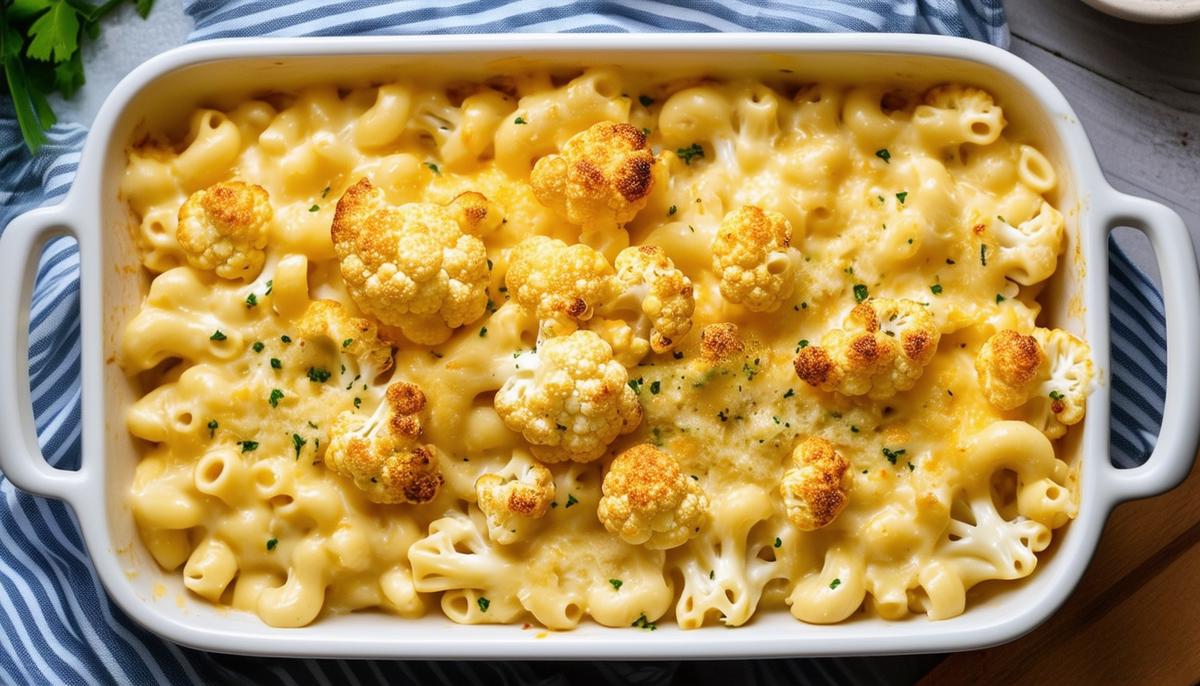
Unveiling the Cauliflower Marvel Cauliflower mac and cheese is like finding a mood ring in a pot of nostalgia—one color gives you the cheesy comfort of…
Delishing
Roasted Cauliflower with Garlic

Maya Brooks
Maya Brooks is a dedicated home cook and the lead recipe developer at Delishing, where she shares practical, foolproof meals for everyday life. With over a decade of hands-on kitchen experience, she specializes in creating approachable dishes that fit a variety of dietary needs and modern cooking methods. Maya is passionate about helping busy people get delicious, stress-free food on the table without needing formal culinary training.
Flavorful Origins and Tips
The joy of roasting turns a simple cauliflower head into culinary magic, draped with caramelized garlic sweetness. This roasted cauliflower fights for its rights at my dinner table - and wins!
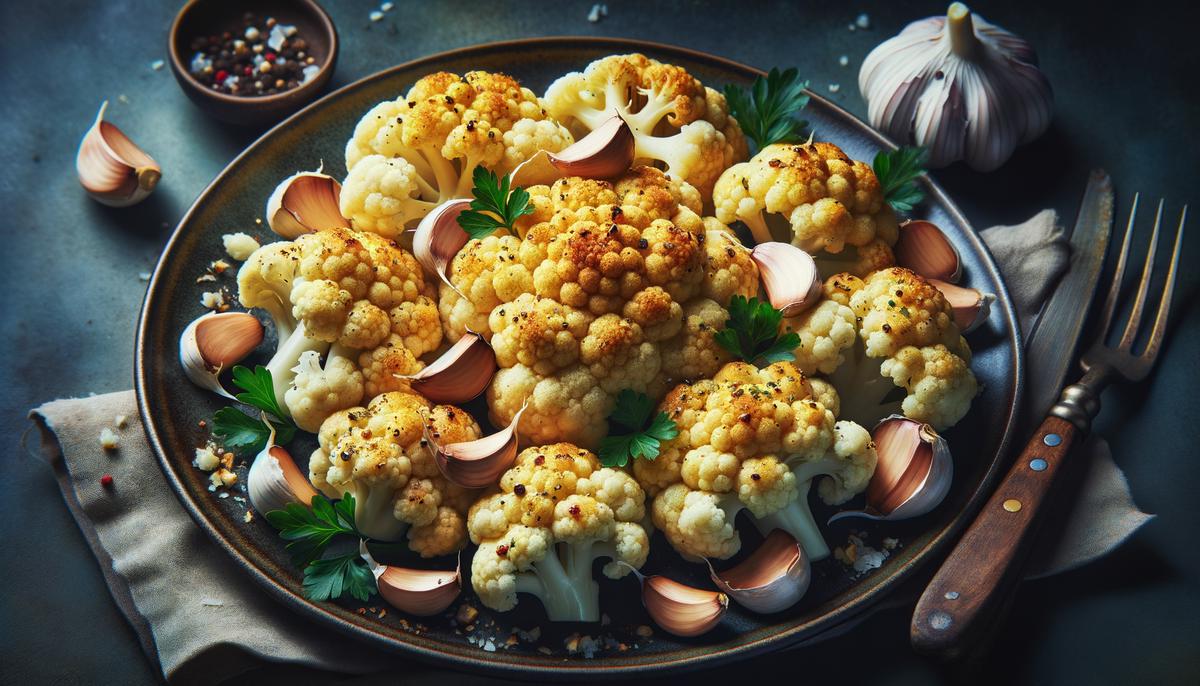
Roasting unleashes an umami burst that enhances cauliflower's nuttiness and transforms garlic into heavenly nuggets. The edges get crispy with a slight char, while the inside stays tender. It's addictive as a Netflix binge, feeling indulgent yet wholesome.
Health benefits? They keep piling on. Cauliflower's packed with fiber to keep your gut happy, plus vitamin C and other nutrients. It's a bear hug for your taste buds and body.
Now, for some pro tips:
- Give those florets breathing space on your baking sheet
- Don't skimp on oil
- Aim for a single layer, not a cozy pile-up, so every piece gets its moment to shine
For dietary needs, sub parmesan with nutritional yeast for a vegan twist, or add low-carb seasoning to keep it keto-friendly.
I first made this on a blustery fall day, and it felt like a mini celebration. It's breezed through family meals and even midnight snacks (yes, cold cauliflower can be delicious, don't @ me). When every bite feels like a triumph over mundane weeknight meals, you know it's something special.
Roasting Techniques and Tricks
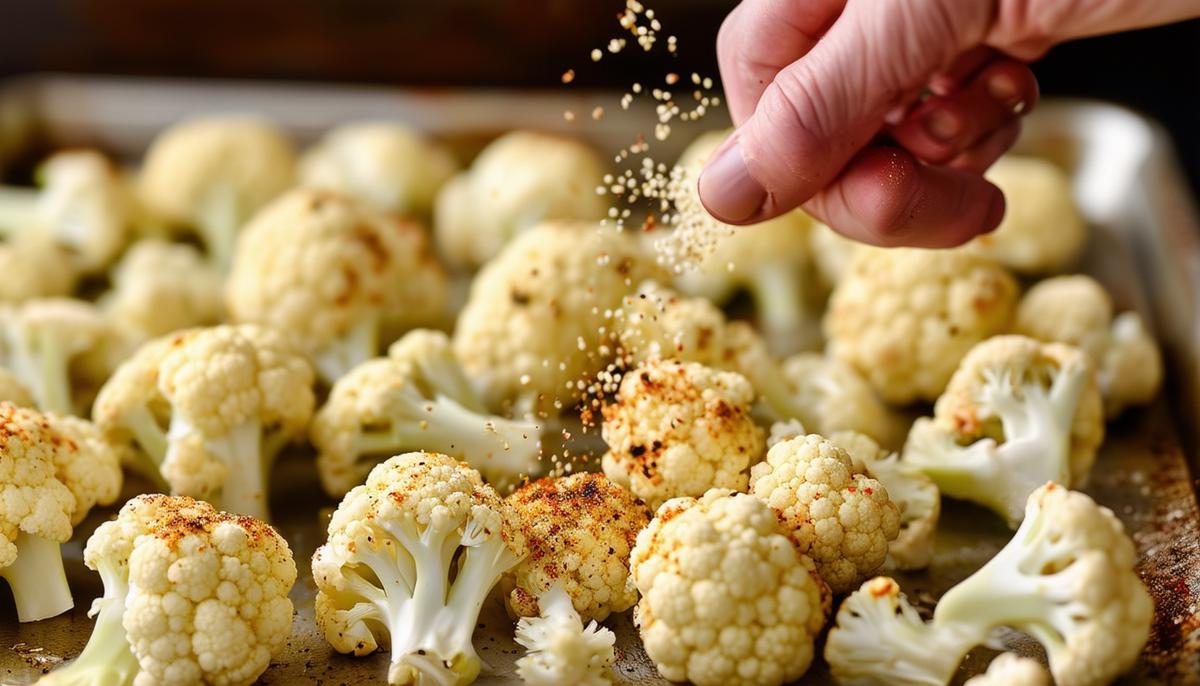
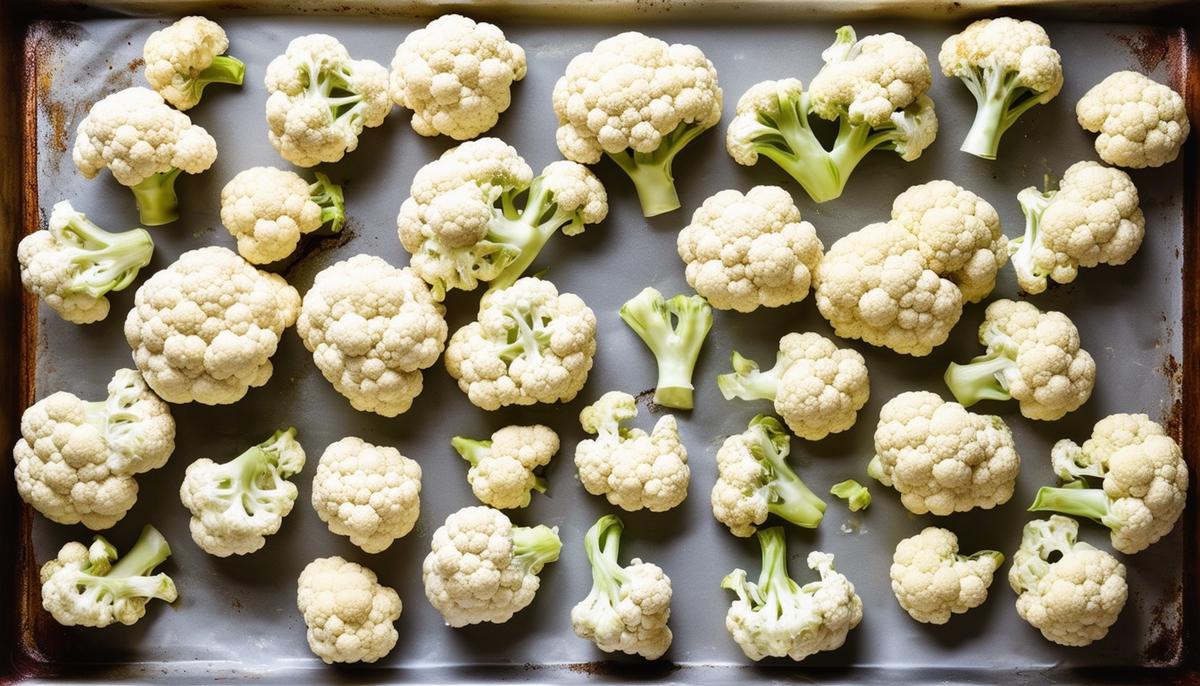
Roasting cauliflower isn't rocket science, but it does need some love. For those gloriously golden, crispy edges, prep matters. Cut the florets into even-sized pieces to maximize crispiness potential. Flat edges? They're your bestie for caramelization.
Fresh or pre-chopped cauliflower both work, but make sure those florets aren't sporting brown spots. Fresh and firm is the goal.
Seasoning-wise, olive oil, salt, and pepper do wonders. Feeling adventurous? A dash of smoked paprika or cumin can jazz things up. But careful - I once overdid the cumin and turned my kitchen into a spice bazaar.
Crank that oven to 450°F for the ultimate flavor transformation. High heat brings out the deep flavors and that satisfying crunch. Don't skimp on oil; it's your ally for beautiful browning.
Space those florets like social distancing champs. Overcrowding leads to steaming, the sworn enemy of crispiness. I once crammed two heads into one pan and ended up with cauliflower stew. Spread 'em out generously for a feast that's both a treat for your taste buds and easy on the eyes.
Pairing and Serving Suggestions
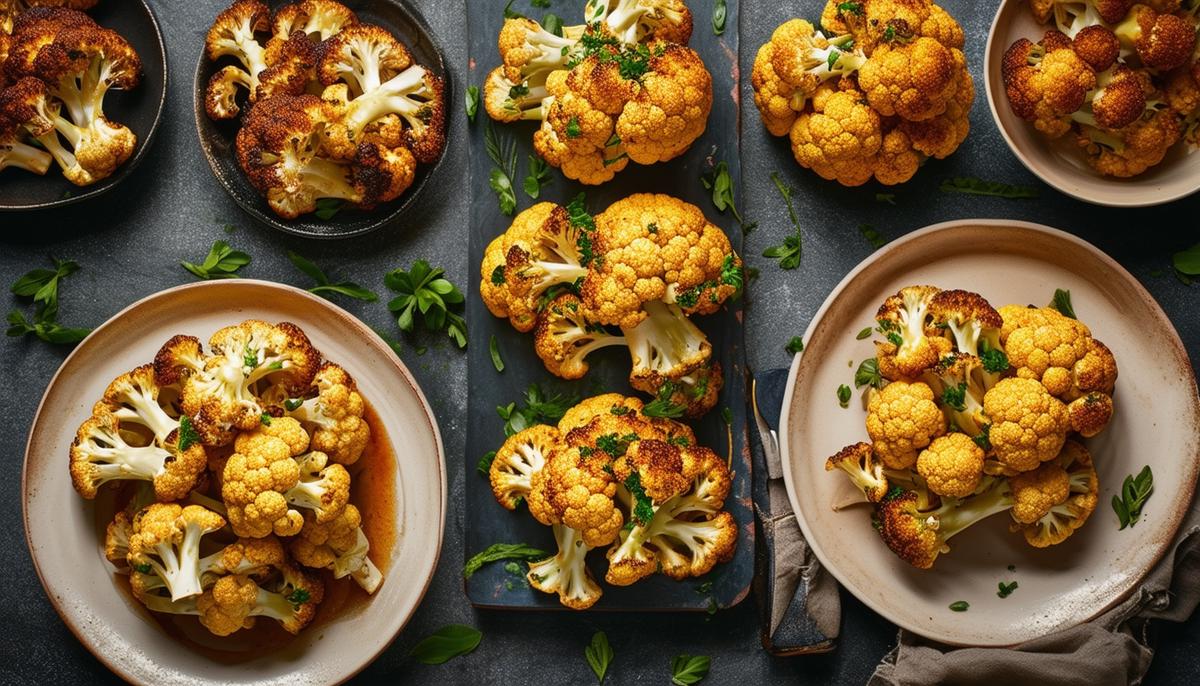
Roasted cauliflower plays well with others, adapting to a range of flavors. Pair it with grilled chicken or steak for a match made in heaven. Or go coastal with flaky roasted fish - the texture contrast will make your taste buds dance.
For a lighter option, toss those florets into a mixed green salad with cherry tomatoes and avocado. A lemon vinaigrette adds brightness, or try a creamy tahini dressing for nutty goodness.
Feeling adventurous? Smoosh those florets in a taco shell with slaw, feta, and hot sauce. Or create a grain bowl with quinoa, chickpeas, and hummus - it's a lunchtime winner.
A sprinkle of fresh herbs like parsley or cilantro adds pop. Sometimes I serve it with chimichurri for an extra zesty kick.
Whether you're entertaining or treating yourself, these ideas will make your roasted cauliflower the star of the show.
Storage and Make-Ahead Advice
To keep your roasted cauliflower fabulous for days, cool it completely before storing. Pop it in an airtight container, and it'll stay crisp in the fridge for up to four days. When reheating, skip the microwave - use the oven at 350°F for about 10 minutes to revive that crispy charm.
For longer storage, freeze it! Cool, then spread on a baking sheet and freeze until firm. Transfer to a freezer bag or container to prevent sticking. When ready to serve, thaw in the fridge overnight and reheat in the oven.
Busy days? Prep ahead by cutting florets and storing them in the fridge. It's a small step that saves time when you're rushing to get dinner on the table. A little storage TLC keeps your roasted cauliflower a dinnertime darling, anytime you crave it.
Main Recipe: Roasted Cauliflower with Garlic
Ingredients:
- 1 medium head of cauliflower, cut into florets
- 3 tablespoons olive oil
- 3 garlic cloves, minced
- 1 1/2 teaspoons paprika
- 3/4 teaspoon kosher salt
- 1/2 teaspoon cracked black pepper
- Juice of 1/2 lemon
- 2–3 tablespoons freshly grated Parmesan cheese (or nutritional yeast for a vegan option)
- 2 tablespoons fresh parsley, chopped
Steps:
- Preheat the oven to 450°F. Place a large rimmed baking sheet on the center rack to heat.
- In a large bowl, toss the cauliflower with olive oil, garlic, paprika, salt, and pepper until evenly coated.
- Carefully spread the cauliflower florets on the preheated baking sheet in a single layer, ensuring they have space to roast evenly.
- Roast for 20 to 25 minutes, tossing once midway, until the florets are lightly charred and tender inside.
- Add grated Parmesan (or nutritional yeast) and sprinkle lemon juice over the cauliflower. Return to the oven for an additional 5 minutes.
- Garnish with fresh parsley before serving.
Nutritional information (per serving, assuming 4 servings):
- Calories: 132 kcal
- Carbohydrates: 8g
- Protein: 4g
- Fat: 11g
- Fiber: 3g
- Sugar: 2g
- Sodium: 410mg
- Vitamin C: 70% DV
- Calcium: 8% DV
- Iron: 4% DV
- Bernstein AM, Titgemeier B, Kirkpatrick K, et al. Major cereal grain fibers and psyllium in relation to cardiovascular health. Nutrients. 2013;5(5):1471-1487.
- Manchali S, Murthy KNC, Patil BS. Crucial facts about health benefits of popular cruciferous vegetables. J Funct Foods. 2012;4(1):94-106.
- Miglio C, Chiavaro E, Visconti A, Fogliano V, Pellegrini N. Effects of different cooking methods on nutritional and physicochemical characteristics of selected vegetables. J Agric Food Chem. 2008;56(1):139-147.