Delishing
Classic Beef and Pork Meatballs

Meatballs are one of those dinners that can rescue a tired weeknight. They feel a little special, but they are built from mostly pantry staples and a single mixing bowl. I started making them regularly when I was juggling a full-time schedule and trying to keep everyone at my table happy. What made it click for me was realizing you do not need fancy techniques. You just need the right balance of meat, breadcrumbs, and moisture, plus one reliable doneness check, and for me that means a quick thermometer read.
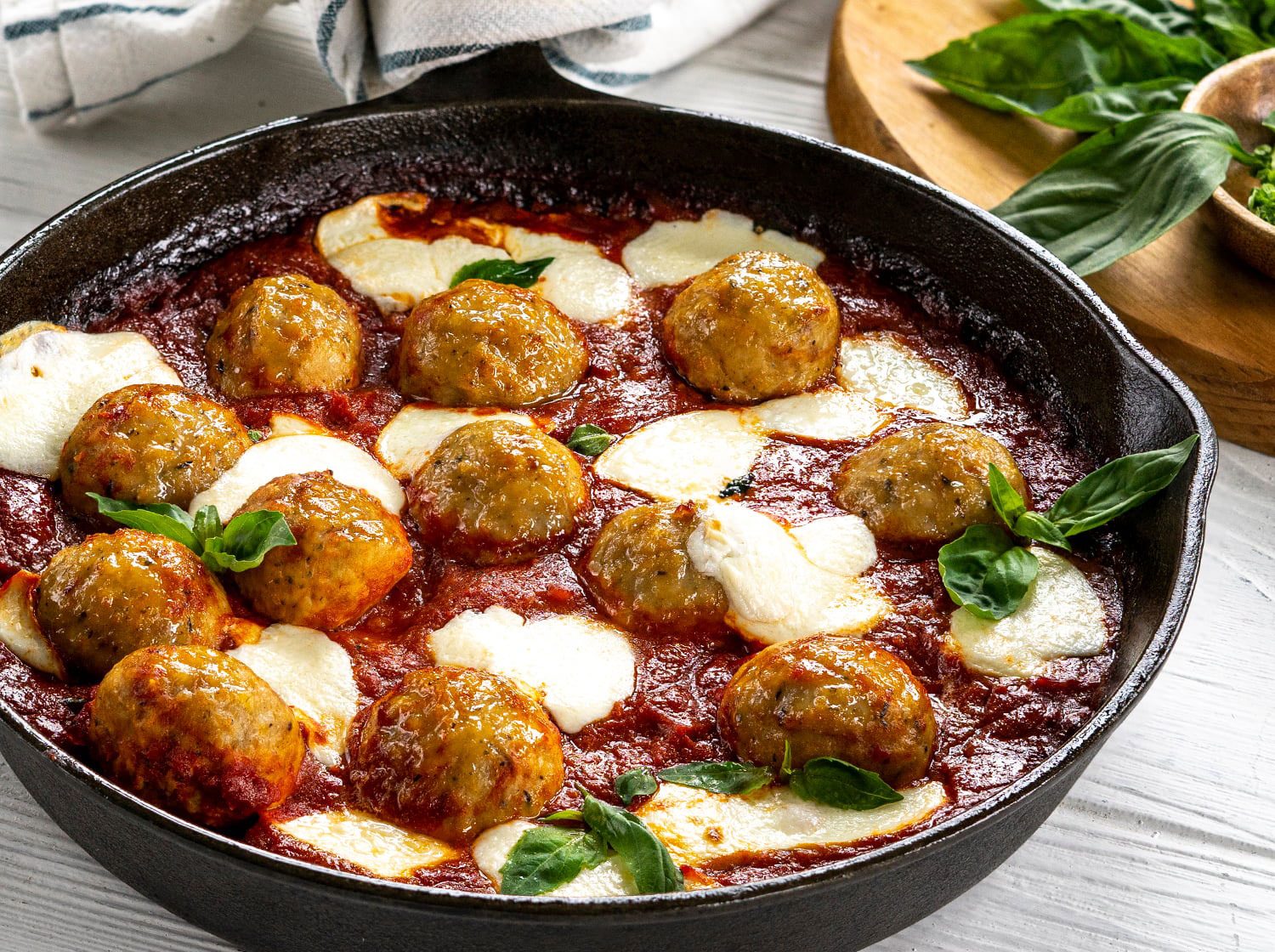
This is my standard, classic version: a beef and pork blend for flavor, enough breadcrumbs to keep them tender, and a simple marinara you can simmer while the meatballs cook. You can go two ways here:
- Stovetop sear then simmer in sauce for those crisp edges and extra savory flavor.
- Oven bake for hands-off cooking when you are doing three other things at once.
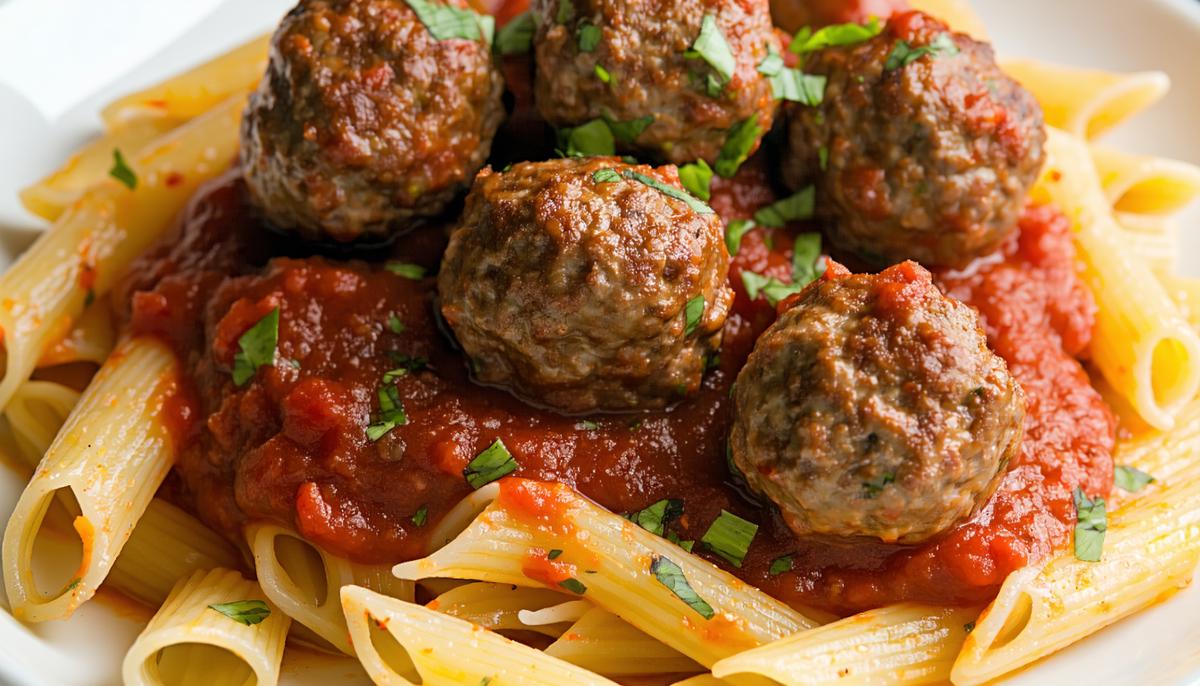
I also included a pan-sauce option for when you sear the meatballs and want to use every bit of that browned goodness. And once they are done, these are just as happy piled over spaghetti as they are tucked into a toasted sub roll. If you need a gluten-free version, keep it simple and use our dedicated recipe: Gluten-Free Meatballs Marinara.
Why it works
- Beef plus pork gives you meaty flavor and better juiciness than beef alone.
- Breadcrumbs plus milk (a quick panade) keeps the texture tender, not bouncy or dry.
- Gentle mixing prevents tough meatballs. You want everything combined, not packed.
- Two cooking paths let you choose crisp seared edges or easy baked consistency.
- Clear doneness cues remove the guesswork, especially when sizes vary.
Ingredient notes
Ground beef: I like 80 to 85 percent lean. Super-lean beef can taste dry unless you compensate with more fat elsewhere.
Ground pork: Adds richness and tenderness. If you have only one meat on hand, see substitutions below.
Breadcrumbs: Use plain or Italian-style. For this batch, 3/4 cup is the sweet spot for tender meatballs that still hold their shape.
Milk: Hydrates the breadcrumbs so they melt into the mixture instead of staying grainy. Whole milk is great, but any milk works.
Egg: Helps bind. One large egg is enough here.
Parmesan: Adds salty, nutty depth. Finely grated melts in best.
Garlic and onion: Grated onion is my “quiet trick” for moisture and flavor. If you do not want to grate, mince very finely.
Crushed tomatoes: The easiest base for a quick marinara that tastes like it simmered longer than it did.
Equipment
- Large mixing bowl
- Box grater or microplane (for onion and garlic)
- Measuring cups and spoons
- Large skillet with lid for searing and simmering (12-inch is ideal) or a rimmed sheet pan for baking
- Instant-read thermometer (best for a stress-free doneness check)
- Spider or tongs for turning meatballs
Pro tips
- Do not overmix. Stir just until everything looks evenly distributed. Overworking makes meatballs tough.
- Wet your hands. A little water keeps the mixture from sticking and helps you roll quickly.
- Aim for even size. About 1 1/2 inches (roughly 2 tablespoons each) cooks evenly and fits nicely in sauce.
- Sear in batches. Crowding steams instead of browning.
- Doneness check: Cook to 160°F in the center for a beef and pork mixture. If you do not have a thermometer, cut one open. The center should be no longer pink and the juices should run clear.
- Let them rest briefly. Even 5 minutes helps the juices redistribute.
Substitutes
- All beef: Use all ground beef if needed. Choose 80 to 85 percent lean for best texture.
- All pork: Works, just a bit richer. Keep an eye on browning since pork can color quickly.
- Breadcrumbs: Panko works too. Start with the same amount, then add a splash more milk if the mixture looks dry.
- Milk: Any dairy milk works. Unsweetened, unflavored non-dairy milk is also fine.
- Parmesan: Pecorino Romano is a great swap, slightly saltier, so taste your seasoning.
- Fresh herbs: Swap parsley for basil, or use 1 teaspoon dried Italian seasoning in a pinch.
If you need gluten-free meatballs, use our dedicated method so the bind and moisture stay balanced: Gluten-Free Meatballs Marinara.
Variations
- Spicy meatballs: Add 1/2 to 1 teaspoon crushed red pepper to the meat mixture, or stir a pinch into the marinara.
- Extra tender: Add 2 tablespoons ricotta to the meat mixture for a softer bite.
- Herby Italian: Add 1 teaspoon dried oregano and a handful of chopped fresh basil.
- Cheesy center: Tuck a small cube of mozzarella into the center of each meatball, then seal well.
- Oven-only dinner: Bake meatballs and warm sauce in a separate saucepan, then combine at the end.
Serving ideas
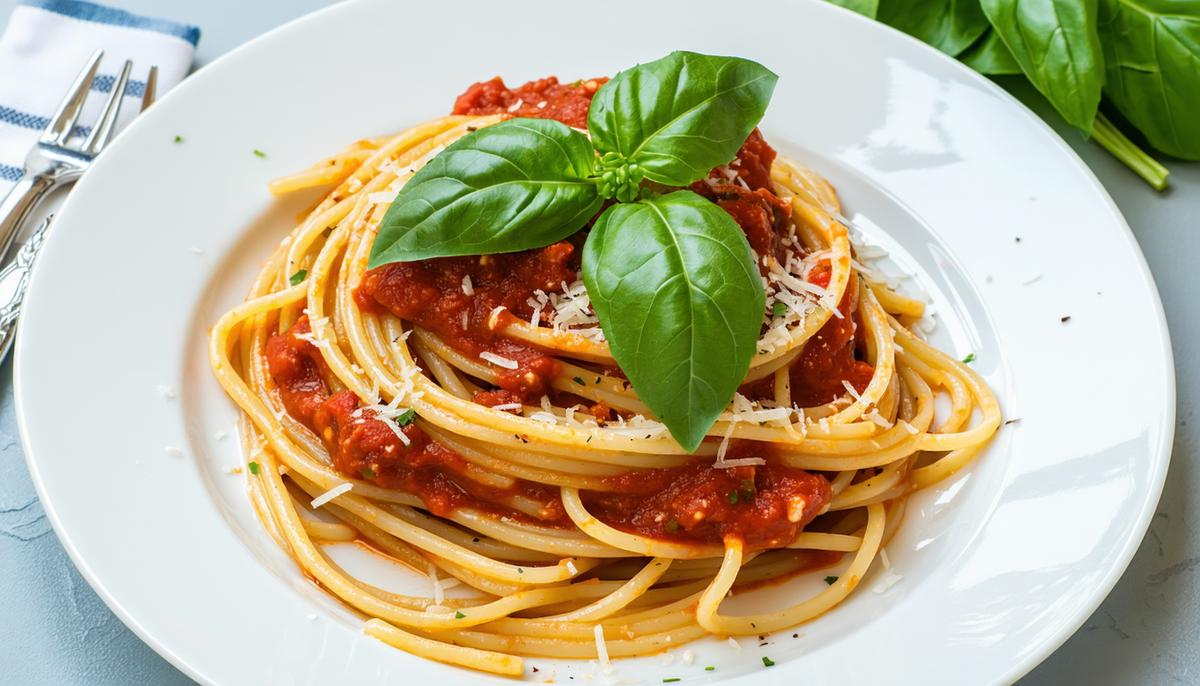
- Classic spaghetti and meatballs: Toss cooked pasta with a bit of sauce, then top with meatballs and extra Parmesan.
- Meatball subs: Pile meatballs and marinara into toasted rolls, then melt mozzarella on top.
- With creamy sides: Try them alongside one-pot mac and cheese for a comfort-food moment.
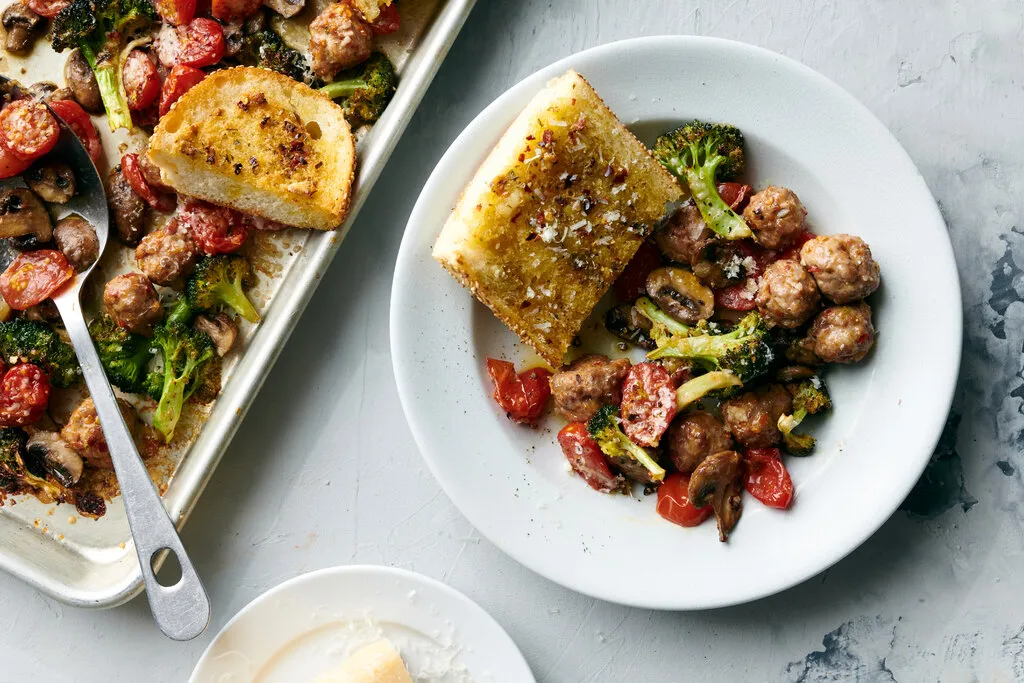
- With veggies: Add a simple side like garlic roasted vegetables for balance.
- Appetizer style: Serve with toothpicks in a warm bowl of marinara for dipping.
Storage and freezing
- Refrigerate: Store meatballs in sauce (or separately) in an airtight container for up to 4 days.
- Freeze: Freeze cooked meatballs on a sheet pan until firm, then transfer to a freezer bag or container for up to 3 months. You can freeze with sauce too.
- Reheat: Warm gently in a covered saucepan over low heat with a splash of water if the sauce has thickened. Or microwave in short bursts, stirring sauce in between.
Common mistakes to avoid
- Packing the meatballs too tightly: Roll just until they hold together. Compressed meat equals dense meatballs.
- Skipping the breadcrumb soak: Dry crumbs can pull moisture from the meat as they cook.
- Overcrowding the pan: Brown in batches so you get real sear and flavor.
- Boiling hard in sauce: A gentle simmer keeps them tender and prevents the sauce from splattering everywhere.
- Guessing doneness: Size varies. Use a thermometer for consistency.
FAQ
Do I have to sear meatballs before simmering?
No, but it adds flavor and a better texture. If you want the easiest route, bake them and then finish in sauce.
What internal temperature should meatballs be?
For this beef and pork blend, cook to 160°F in the center.
Why are my meatballs tough?
The most common causes are overmixing, packing them too tightly, or using meat that is too lean.
Can I cook meatballs in sauce only?
You can, but they will be softer and you miss the browning flavor. If you do simmer only, keep it at a gentle simmer and allow extra time until they reach 160°F.
Can I make these ahead?
Yes. You can form the meatballs and refrigerate them (covered) up to 24 hours before cooking, or cook fully and reheat gently in sauce.
Recipe
Classic Beef and Pork Meatballs with Marinara. Choose stovetop sear then simmer for extra flavor, or bake for a hands-off option. Includes a pan-sauce shortcut if you want to build the marinara right in the skillet.
Prep Time: 20 minutes
Cook Time: 30 minutes
Total Time: 50 minutes
Servings: 4 to 6 (about 18 meatballs)
- For the meatballs
- 1/2 cup whole milk (or any milk)
- 3/4 cup plain breadcrumbs (or Italian-style breadcrumbs)
- 1 pound ground beef (80 to 85 percent lean)
- 1/2 pound ground pork
- 1 large egg
- 1/2 cup finely grated Parmesan cheese, plus more for serving
- 1/3 cup finely grated onion (from about 1/2 small onion)
- 3 cloves garlic, grated or minced
- 1/4 cup chopped fresh parsley
- 1 1/4 teaspoons kosher salt
- 1/2 teaspoon black pepper
- 2 tablespoons olive oil (for searing) or nonstick spray (for baking)
- For the simple marinara
- 2 tablespoons olive oil
- 3 cloves garlic, minced
- 1 (28-ounce) can crushed tomatoes
- 1 teaspoon kosher salt, plus more to taste
- 1/2 teaspoon dried oregano
- Pinch of sugar (optional, to balance acidity)
- 2 tablespoons chopped fresh basil or parsley (optional)
- Optional pan-sauce add-ins (if building sauce in the searing skillet)
- 1/4 cup dry red wine or 1/2 cup low-sodium chicken broth, for deglazing
- Make the breadcrumb soak: In a large bowl, stir together the milk and breadcrumbs. Let sit 5 minutes, until the crumbs look hydrated.
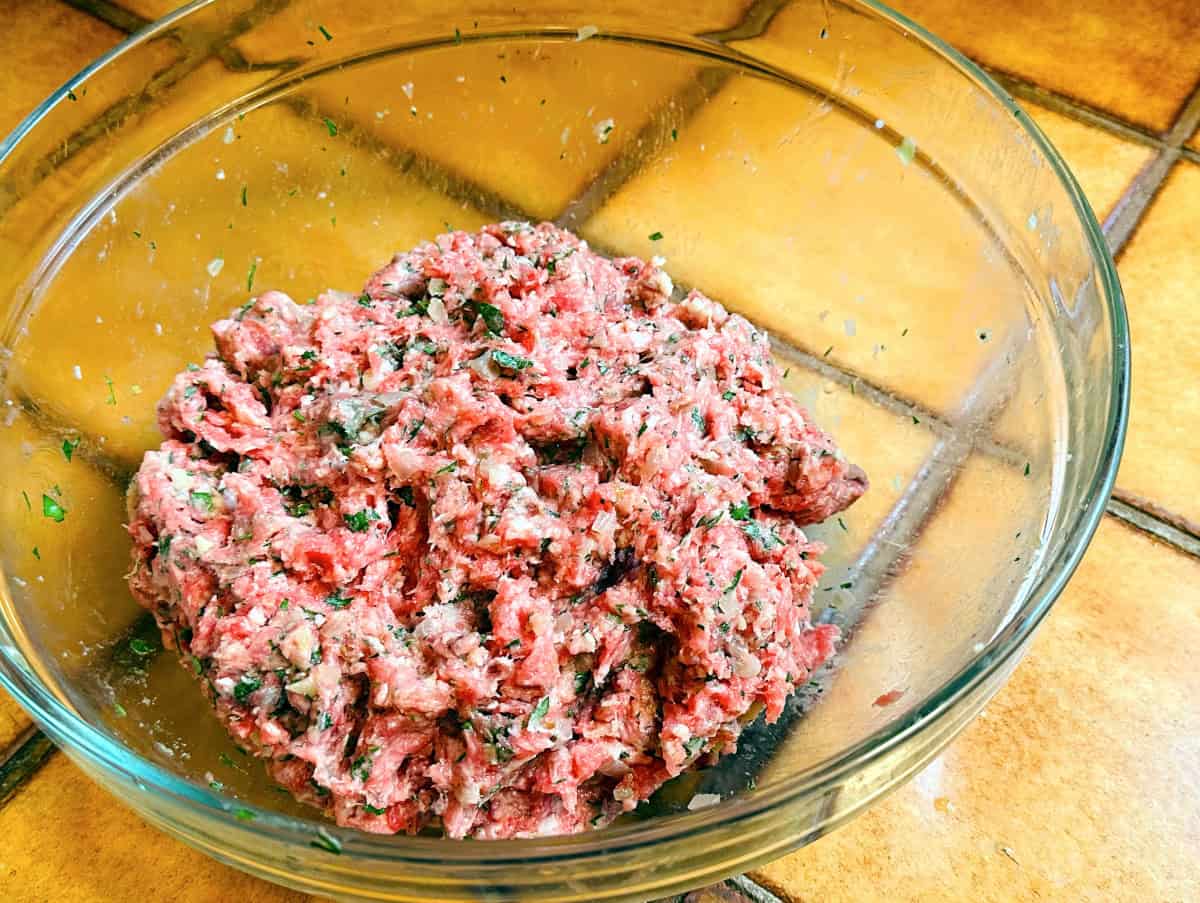
- Mix the meatballs: Add ground beef, ground pork, egg, Parmesan, grated onion, garlic, parsley, salt, and pepper. Mix gently with your hands or a fork just until combined.
- Form: Wet your hands and roll into meatballs about 1 1/2 inches wide (roughly 2 tablespoons each). You should get about 18 meatballs.
- Choose your cooking method:
- Stovetop sear then simmer: Heat 2 tablespoons olive oil in a large skillet over medium-high heat. Add meatballs in a single layer, leaving space between them. Sear 2 to 3 minutes per side, turning carefully, until browned all over. Work in batches if needed. Transfer browned meatballs to a plate.
- Oven bake: Heat oven to 425°F. Coat a rimmed sheet pan with nonstick spray (or brush with oil). Arrange meatballs spaced apart. Bake 14 to 18 minutes, until browned and cooked through, or until they reach 160°F in the center.
- Make the marinara (separate saucepan method): In a medium saucepan over medium heat, warm 2 tablespoons olive oil. Add minced garlic and cook 30 seconds, just until fragrant. Stir in crushed tomatoes, salt, oregano, and sugar (if using). Simmer 10 to 15 minutes, stirring occasionally.
- Pan-sauce option (if you seared the meatballs): After searing and removing the meatballs, carefully pour off excess fat, leaving about 1 to 2 tablespoons in the skillet. Add the garlic and cook 30 seconds. Add wine (or broth) and scrape up browned bits. Stir in crushed tomatoes, salt, oregano, and sugar (if using). Bring to a gentle simmer.
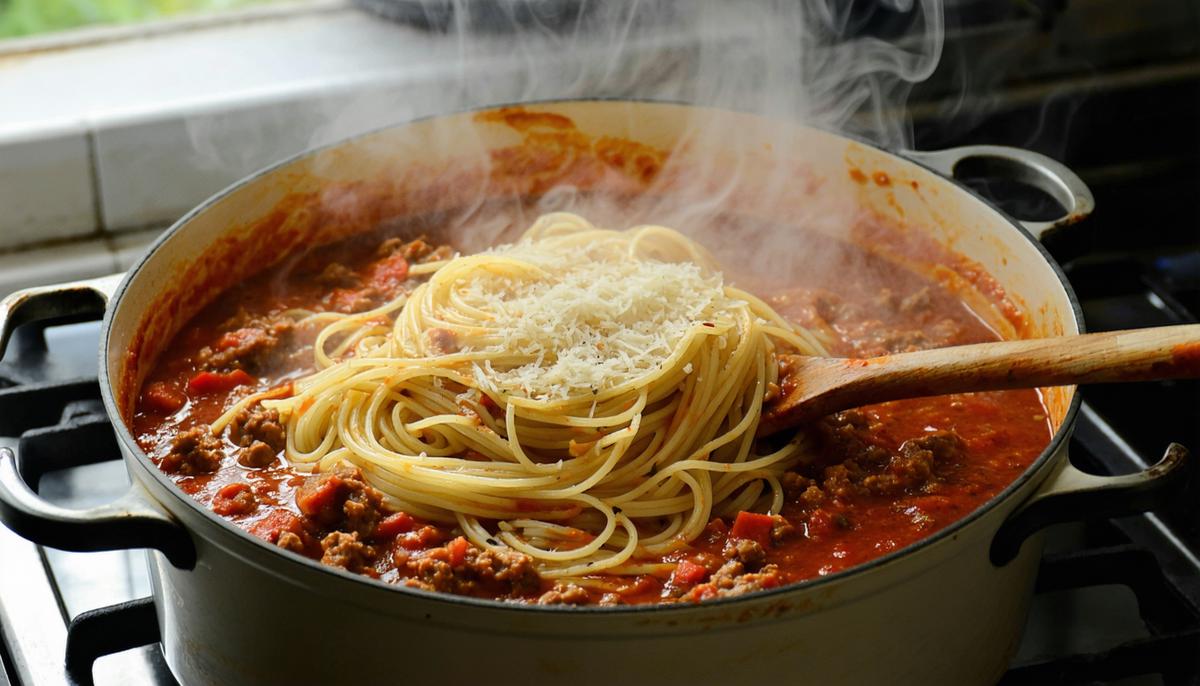
- Finish meatballs in sauce: Add meatballs to the simmering marinara (either in the saucepan or skillet). Cover partially and simmer gently 10 to 15 minutes, turning once or twice, until the meatballs reach 160°F in the center.
- Check doneness: Use an instant-read thermometer in the center of a meatball. If you do not have one, cut one meatball in half. The center should be no longer pink and the juices should run clear.
- Serve: Stir in basil or parsley if using. Taste sauce and adjust salt. Serve over pasta, in sandwiches, or with your favorite sides. Finish with extra Parmesan.
Make ahead: Form meatballs and refrigerate (covered) up to 24 hours before cooking.
Freezing: Freeze cooked meatballs (with or without sauce) up to 3 months. Thaw overnight in the fridge for best texture, then reheat gently.
Texture note: If the mixture feels sticky, that is normal. Avoid adding extra breadcrumbs unless it is truly too wet to roll. Wet hands help a lot.