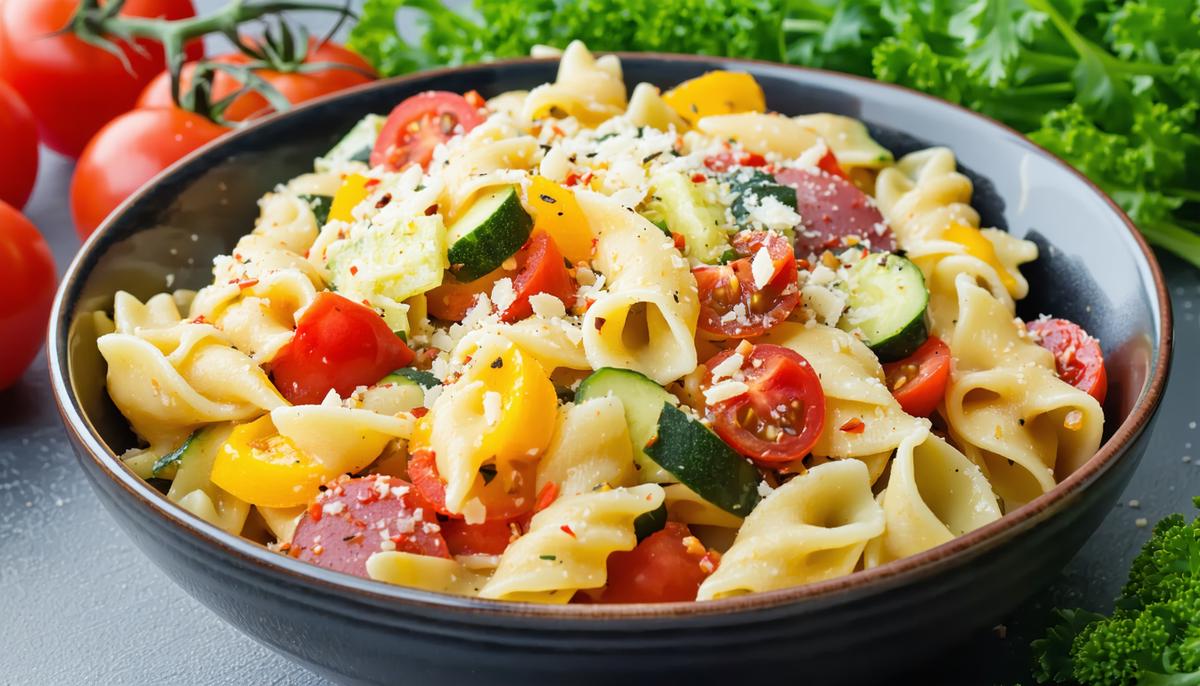
Embrace the Love for Italian Pasta Salad Italian pasta salad has become a staple in my kitchen. Its versatility is a lifesaver for those of us juggling…
Delishing
Mediterranean Orzo Salad

Maya Brooks
Maya Brooks is a dedicated home cook and the lead recipe developer at Delishing, where she shares practical, foolproof meals for everyday life. With over a decade of hands-on kitchen experience, she specializes in creating approachable dishes that fit a variety of dietary needs and modern cooking methods. Maya is passionate about helping busy people get delicious, stress-free food on the table without needing formal culinary training.
Anecdotes and Tips
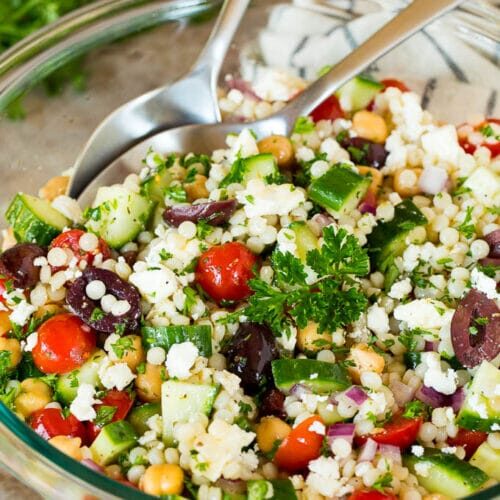
Mediterranean Orzo Salad has become my secret weapon for gatherings. It's that reliable friend you bring to a cookout, assured it'll complement whatever's sizzling on the grill.
I first stumbled across this delightful mix on a quest to distract myself from my usual lettuce-based ensembles. That first bite—zesty lemon mingling with briny olives, sweet bursts from cherry tomatoes, all tied together with creamy feta—made me feel like I'd teleported to a sunlit Greek island.
The brilliance lies in its flexibility. No Kalamata olives? Green olives offer a milder zing. If parsley's not fresh, dill or basil steps in. For feta, go for that dreamy block suspended in oil and herbs. It's worth every bite.
This dish is a meal prep champion. Make it a day ahead, and as those flavors meld together overnight, magic happens. Just give it a good stir before serving.
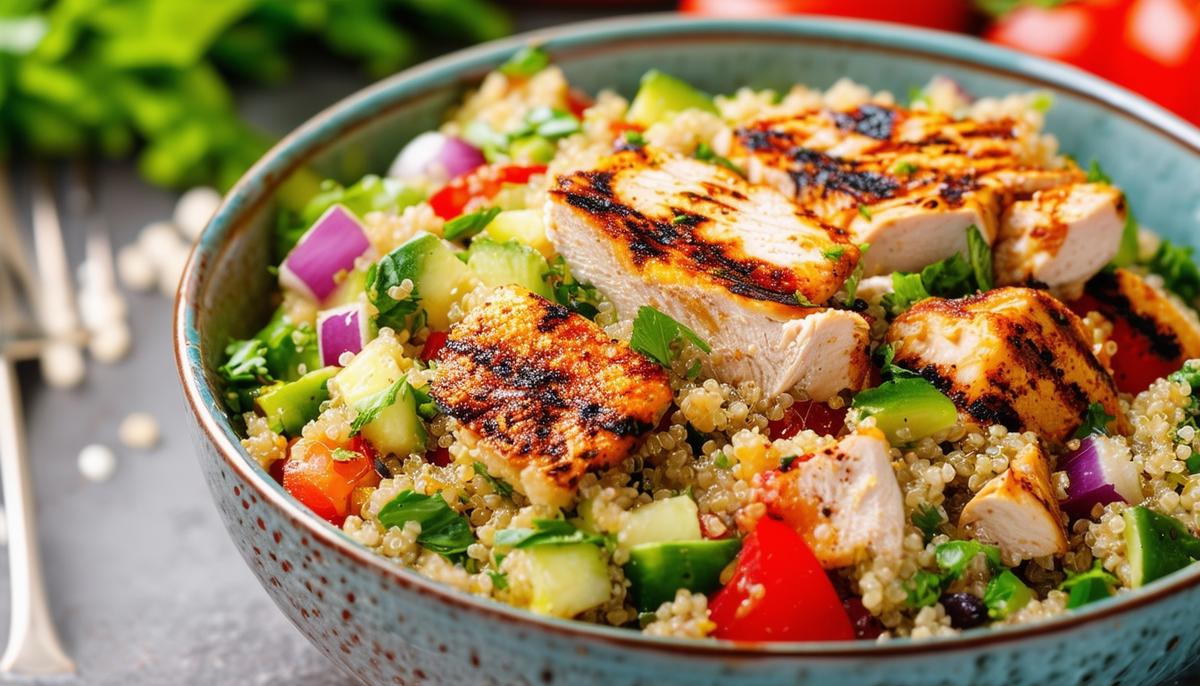
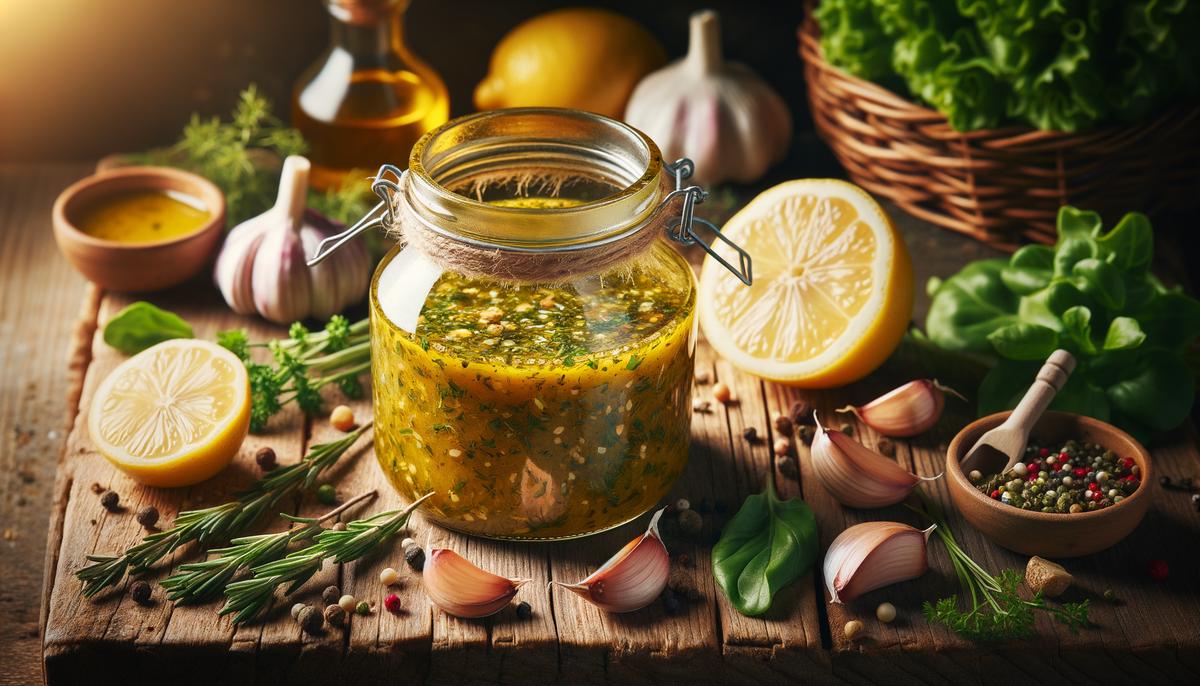
Pair it with grilled chicken, seared salmon, or enjoy it solo. The dressing—extra virgin olive oil, fresh lemon juice, minced garlic, and oregano—shakes up in a mason jar like a perfect harmony. Want some pep? Zest a little lemon into the mix.
For a heartier salad, swap cucumbers with blanched asparagus spears. If using cucumbers, add them when ready to serve. For storage, keep it in an airtight container to savor every bit over the next few days.
So, the next time you need a dish that shows up and supports the main act, invite this Mediterranean orzo salad into your life. Vibrant excursions await, even if they exist solely in that very bite!
The Essence of Orzo
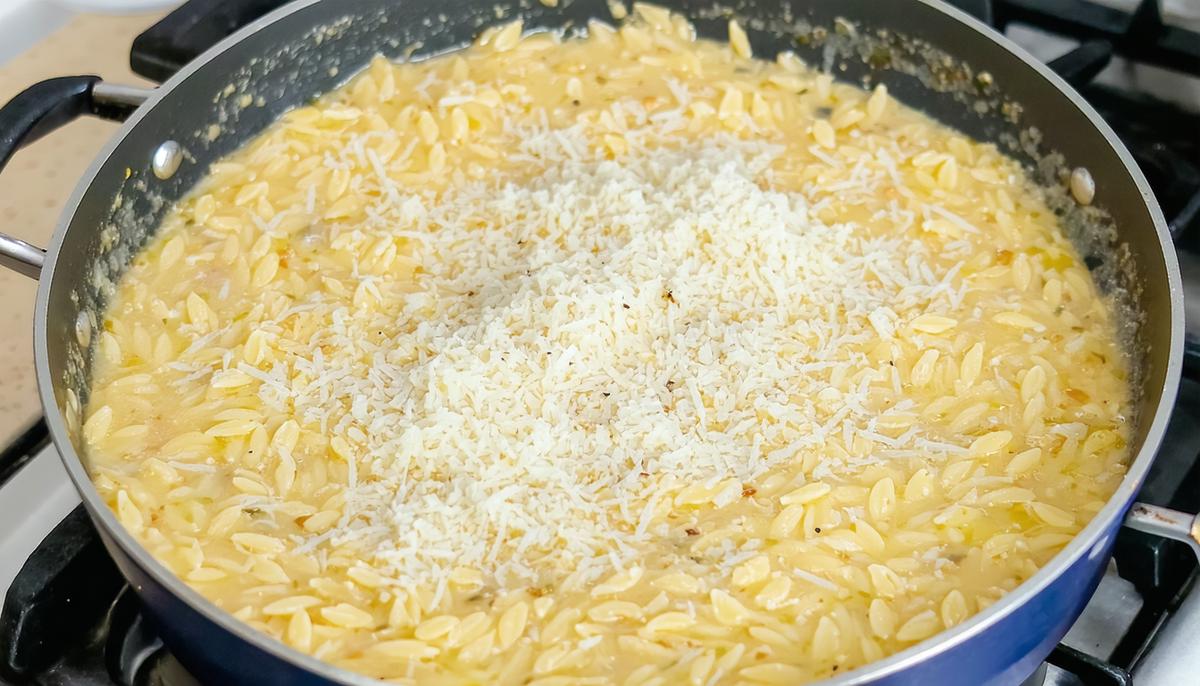
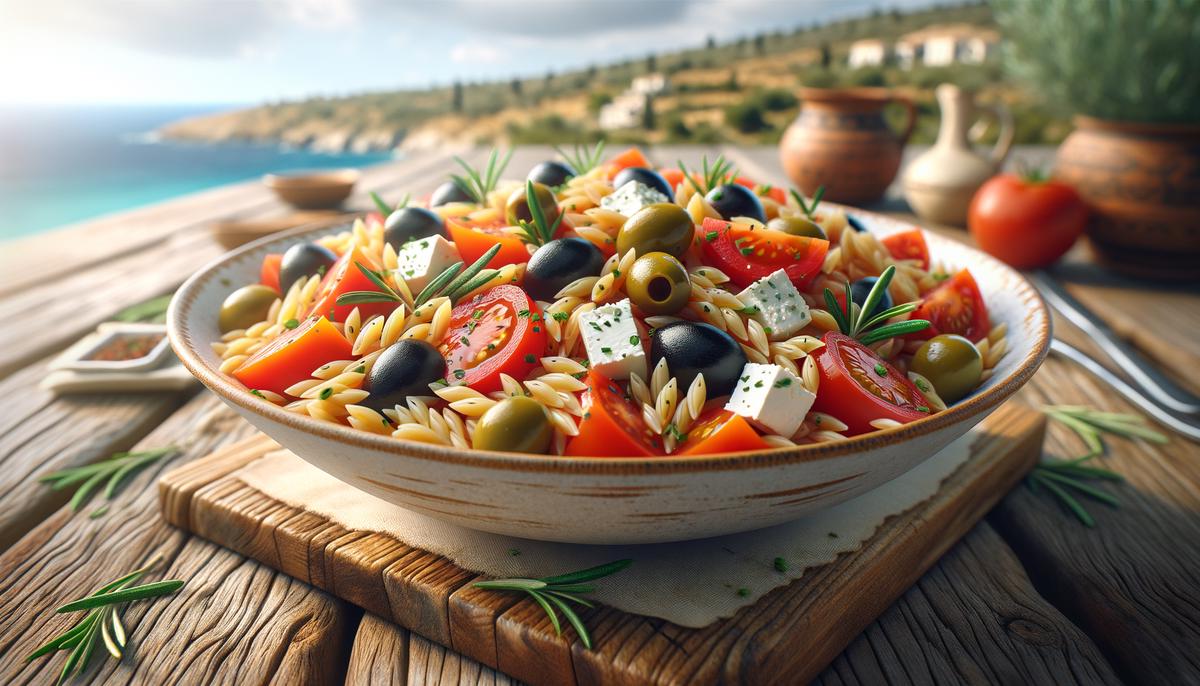
Let's chat about orzo—a little pasta gem that often gets mistaken for rice. Don't let its size fool you; it's packed with unique texture and flavor that earns a top spot in Mediterranean kitchens. Orzo, with its oblong shape, offers a delightful bite that pairs well in everything from soups to risottos, shining especially bright in salads.
What's great about orzo is its ability to absorb flavors. Cook it al dente, and you've got a chewy, satisfying base that blends beautifully with fresh veggies, herbs, and flavorful dressings. Unlike typical pasta shapes which may weigh down a dish, orzo maintains a lightness that's perfect for big, fresh salads or brothy soups.
Orzo boasts the comfort of pasta but offers a rice-like versatility. Unlike rice, which can dominate a dish with its starchy texture, orzo invites more of the surrounding flavors to shine through. And when compared with larger pasta shapes like penne or rigatoni, it offers a subtler, more delicate dining experience.
So, when your taste buds crave that Mediterranean flair, remember orzo as your versatile ally—ready to step up and deliver that unique touch in whatever dish you're looking to create.

Flavorful Ingredients
Each component in this Mediterranean orzo salad brings its own personality to the table. Tomatoes add a sweet burst of juiciness that pairs beautifully with the more savory elements. Olives, especially Kalamata, contribute a tangy brininess that cuts through the richness.
Feta cheese offers a delightful creamy, salty contrast that ties the ingredients together. Cucumbers add a fresh bite, refreshing and cool—just remember to incorporate them just before serving to keep that snap intact.
Parsley and dill introduce a fragrant freshness that lifts the whole salad. Parsley offers a clean, peppery flavor, while dill brings an aromatic, slightly tangy note—a dynamic duo indeed.
Using fresh produce is key here; it elevates the dish, ensuring all the flavors are bright and lively. Choosing vibrant, high-grade ingredients does wonders for the overall experience. Whether you're grabbing the sweetest tomatoes from a farmer's market or opting for that pungent block of feta in the deli, these thoughtful choices are what take your orzo salad from good to exceptional.
Dressing for Perfection
A standout dressing can make all the difference, turning a good salad into something truly memorable. With olive oil, lemon juice, garlic, and oregano, you have a simple yet vibrant dressing that ties the Mediterranean orzo salad together beautifully. Mix fresh lemon juice, a generous swirl of extra virgin olive oil, a minced garlic clove, and a sprinkle of oregano. Give it all a good shake in a mason jar or whisk until blended.
For a different kick, swap the lemon juice with red wine vinegar for an earthier tang. The key is to balance the acidity and richness to complement the salad's ingredients. You want the dressing to draw out the vibrant flavors without overwhelming them.
It's crucial to complement the other flavors in your salad. The dressing should highlight the sweetness of the tomatoes, the brininess of the olives, and the richness of the feta. If you find the taste too potent, a small touch of honey can tone it down and add a mild sweetness. Always season with salt and pepper, but go easy—this dressing already packs a punch with its zesty and aromatic elements.
Remember, the beauty of this dressing lies in its adaptability. Feel free to play around and make it yours. Whether you stick to the original or try a new variation, this dressing will ensure your orzo salad isn't just a side dish but a star on the table.
Preparing the Orzo
Cooking that orzo to perfect al dente is crucial for a delightful texture that complements the punchy flavors of our Mediterranean ensemble. Let's cook up some pasta magic without any fuss.
Grab a hefty pot and fill it with water. You'll want enough for the pasta to move around and cook evenly. Bring the water to a rolling boil and add a generous amount of salt—it amps up the flavor of your orzo, giving it that perfect savory base.
Once your water's bubbling, toss in the orzo and give it a quick stir. This helps it cook evenly and prevents sticking. Set your timer for the package-suggested cooking time but check a minute before. You're aiming for a texture where the orzo is firm but cooked through—a little bite that won't get soggy in the salad.
Once your orzo is just right, drain it thoroughly in a colander. Immediately rinse with cold water to cool it down quickly, stopping the cooking process and keeping it fresh and firm. This step is key in preventing the orzo from turning mushy once mixed with the veggies and dressing.
Once rinsed and cooled, gently shake off the excess water and spread the orzo out on a baking sheet or plate—this helps to keep any clumps at bay. Your orzo is now ready to meet those flavorful ingredients waiting eagerly in the mix.
The Full Recipe
Ingredients:
- 1 ½ cup dry orzo pasta
- 1 pint grape or cherry tomatoes, halved
- 1 cup mini cucumbers, diced
- ½ cup crumbled feta cheese
- ¼ cup pitted Kalamata olives, sliced
- 2 tablespoons capers, drained
- 3 tablespoons fresh parsley, chopped
- 1 clove garlic, minced
- ¼ cup extra virgin olive oil
- ¼ cup fresh lemon juice
- ½ teaspoon dried oregano
- Salt and black pepper to taste
Instructions:
- Cook the orzo pasta according to package directions until al dente. Drain and rinse with cold water to stop the cooking process. Set aside to cool slightly.
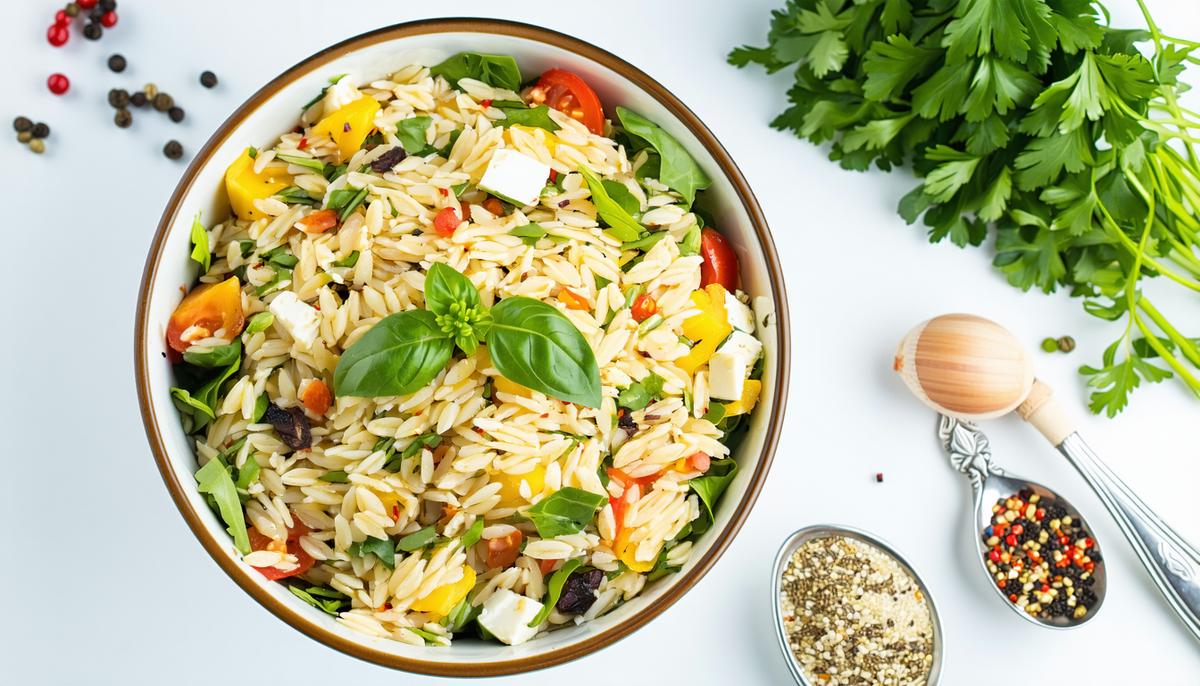
- In a large mixing bowl, combine the cooked orzo, halved tomatoes, diced cucumbers, crumbled feta, sliced olives, capers, and chopped parsley.
- In a separate jar or small bowl, whisk together the minced garlic, olive oil, lemon juice, and oregano. Season with salt and pepper to taste.
- Pour the dressing over the orzo mixture and toss gently to combine all ingredients thoroughly.
- Taste and adjust seasoning if necessary, adding more salt, pepper, or lemon juice according to your preference.
- Cover and refrigerate for at least 30 minutes before serving to allow the flavors to meld together.
- Serve chilled, garnished with additional parsley if desired.
Storage and Serving Tips:
- Store leftovers in an airtight container in the refrigerator for up to 3 days. Stir before serving to redistribute the dressing.
- This salad can be made a day ahead; just give it a good mix before serving.
- Perfect as a side dish or add grilled chicken or shrimp for a complete meal. If bringing to an outdoor event, keep chilled until ready to serve to maintain freshness and flavor.
Nutritional Information (per serving, assuming 6 servings):
- Calories: 280 kcal
- Carbohydrates: 35g
- Protein: 8g
- Fat: 13g
- Saturated Fat: 3g
- Cholesterol: 11mg
- Sodium: 320mg
- Fiber: 2g
- Sugar: 3g
- Trichopoulou A, Lagiou P. Healthy traditional Mediterranean diet: an expression of culture, history, and lifestyle. Nutr Rev. 1997;55(11):383-389.
- Willett WC, Sacks F, Trichopoulou A, et al. Mediterranean diet pyramid: a cultural model for healthy eating. Am J Clin Nutr. 1995;61(6):1402S-1406S.
- Estruch R, Ros E, Salas-Salvadó J, et al. Primary prevention of cardiovascular disease with a Mediterranean diet. N Engl J Med. 2013;368(14):1279-1290.