 delishing
How to Sauté Spinach: A Guide to Perfecting This Versatile Green

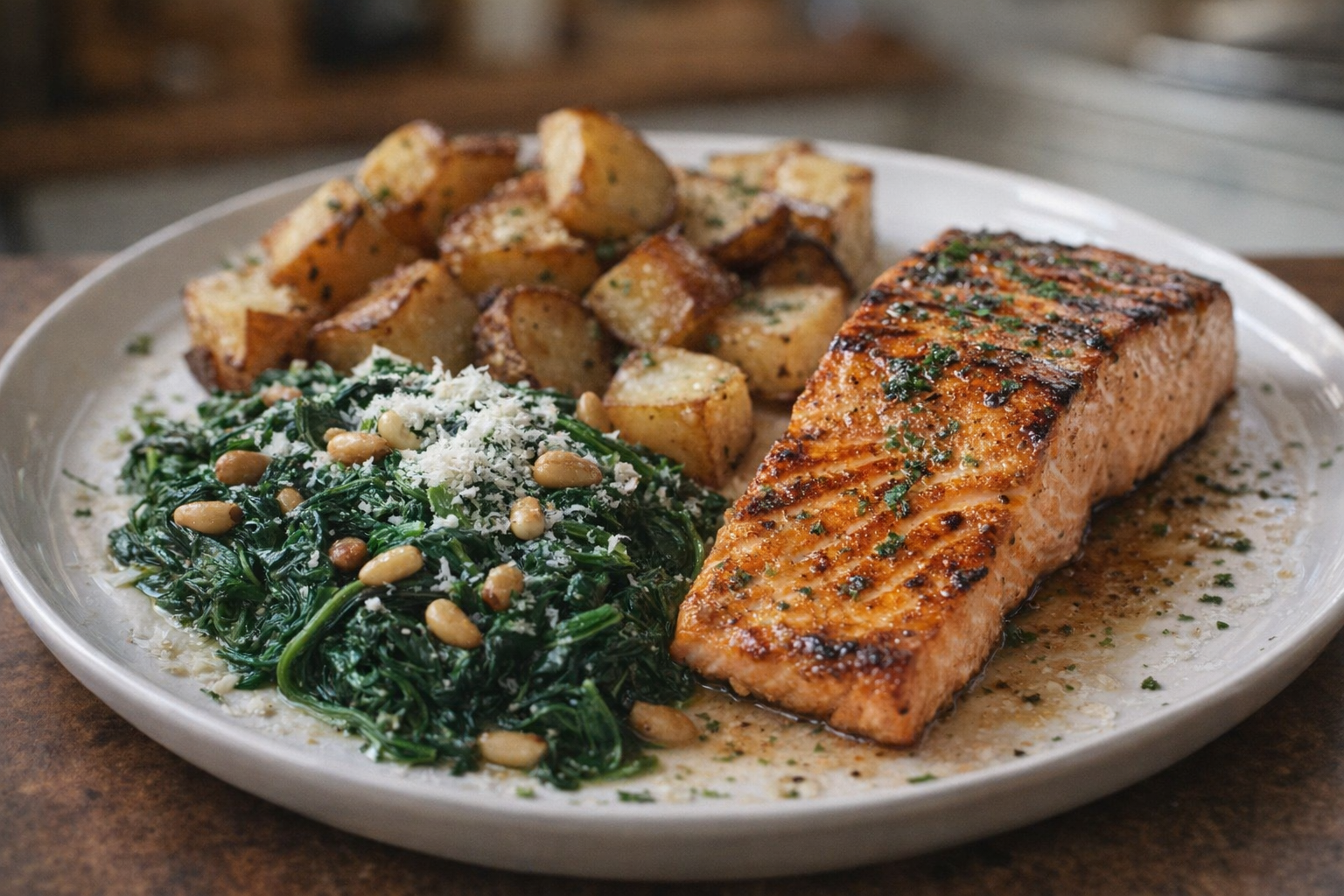
Spinach, often relegated to salads, deserves a spotlight of its own. When sautéed correctly, this leafy green transforms into a savory, slightly sweet, and intensely flavorful side dish or ingredient. Sautéing unlocks spinach's hidden depths, mellowing its inherent bitterness and concentrating its earthy notes. This guide will show you how to achieve perfectly sautéed spinach every time, highlighting the techniques and tips professional chefs use to elevate this humble vegetable.
Sautéing is an ideal cooking method for spinach because it's quick, retains the vegetable's vibrant color, and preserves most of its nutritional value. Unlike boiling, which can leach out flavor and nutrients, sautéing uses high heat and a minimal amount of oil to create a slightly caramelized exterior while keeping the spinach tender.
Understanding Spinach Varieties
When it comes to spinach, you'll primarily find two main types in the grocery store:
- Flat-leaf spinach: This variety has smooth, broad leaves and a mild flavor. It's easy to wash and is a good all-purpose choice for sautéing.
- Savoy spinach: This type has crinkled, curly leaves and a slightly more robust, earthy flavor. It can be a bit more challenging to wash thoroughly due to its textured surface.
- Baby spinach: These are simply younger, smaller leaves of either flat-leaf or savoy spinach. They are very tender and mild, making them ideal for salads or a quick sauté.
Why Cook Spinach This Way?
- Versatility: Sautéed spinach can be served as a side dish, incorporated into omelets, added to pasta dishes, or used as a filling for savory pastries.
- Flavor: Sautéing enhances the natural flavor of spinach, bringing out its subtle sweetness and earthy notes.
- Convenience: Sautéing is a quick and easy cooking method, perfect for busy weeknights. It requires minimal ingredients and cleanup.
Preparation (Mise en Place)
Before you start cooking, proper preparation is key. This ensures a smooth and efficient cooking process.
- Washing the Spinach: Spinach can often be sandy or gritty. Thoroughly wash the spinach under cold running water. For flat-leaf spinach, simply swish the leaves around in a bowl of water, then lift them out, leaving any dirt behind. For savoy spinach, you may need to gently scrub the leaves to remove any trapped dirt. Repeat until the water runs clear.
- Drying the Spinach: Excess water will hinder the sautéing process, causing the spinach to steam instead of brown. Use a salad spinner to remove as much water as possible. You can also pat the spinach dry with paper towels.
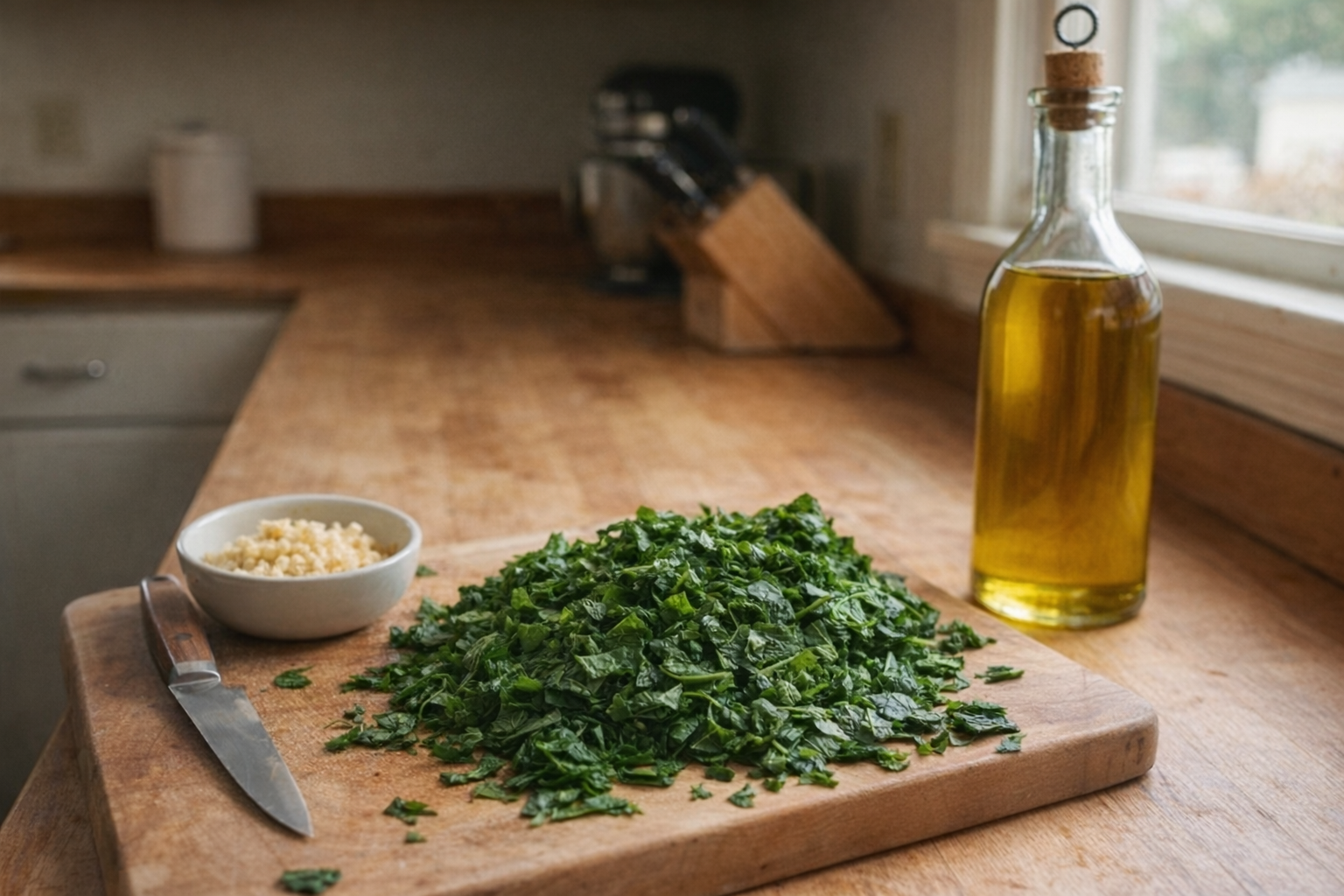
- Chopping (Optional): While you can sauté whole spinach leaves, chopping them makes them easier to manage in the pan and creates a more uniform texture. Roughly chop the spinach into 1-2 inch pieces.
- Garlic Prep: Mince 2-3 cloves of garlic. Mincing ensures even distribution of flavor.
Essential Tools
- Large Skillet: A 12-inch stainless steel or cast-iron skillet is ideal for sautéing spinach. The large surface area allows for even cooking and prevents overcrowding.
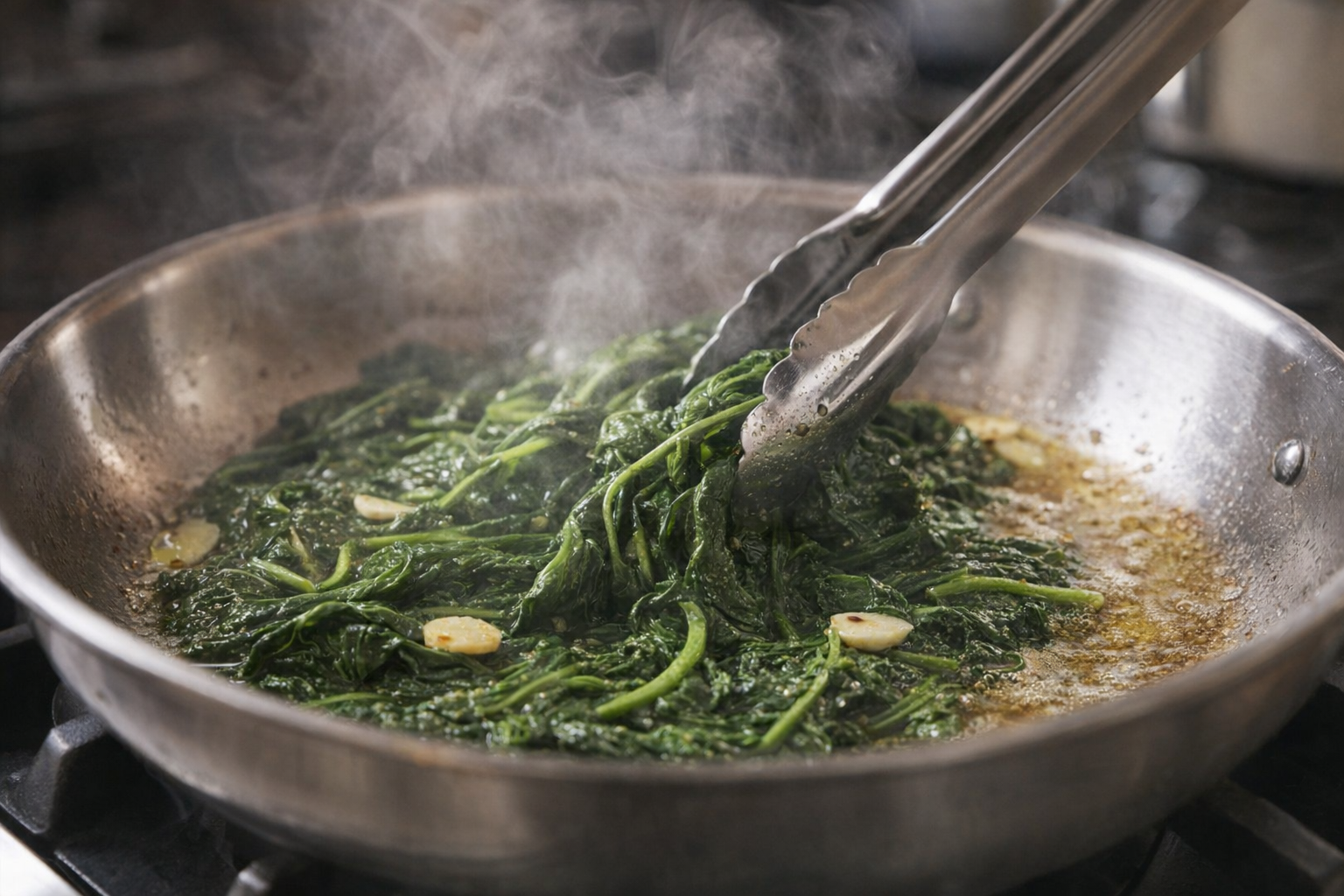
- Tongs: Tongs are essential for tossing the spinach in the pan and ensuring it cooks evenly.
- Cutting Board and Knife: For chopping the spinach and garlic.
- Salad Spinner: To remove excess water from the spinach.
The Cooking Method(s)
Here’s a breakdown of how to sauté spinach perfectly, with variations for added flavor.
Method 1: Classic Garlic Sautéed Spinach
This is the foundational method, allowing the spinach's natural flavor to shine with the help of garlic.
Ingredients:
- 1 pound fresh spinach, washed and dried
- 2-3 cloves garlic, minced
- 2 tablespoons olive oil
- Salt and freshly ground black pepper to taste
- Optional: Red pepper flakes for a touch of heat
- 1 tablespoon lemon juice or balsamic vinegar (optional, for brightness)
- Heat the Oil: Place the skillet over medium-high heat. Add the olive oil and let it heat until it shimmers (about 1 minute). You should be able to feel the heat radiating off the pan if you hold your hand a few inches above it.
- Sauté the Garlic: Add the minced garlic to the hot oil and sauté for about 30 seconds, or until fragrant. Be careful not to burn the garlic, as it will become bitter. The aroma of garlic being cooked in hot oil should fill the kitchen.
- Add the Spinach: Add the spinach to the skillet in batches, if necessary. If the pan is overcrowded the spinach will steam rather than sauté. Toss the spinach with the tongs to coat it with the oil and garlic.
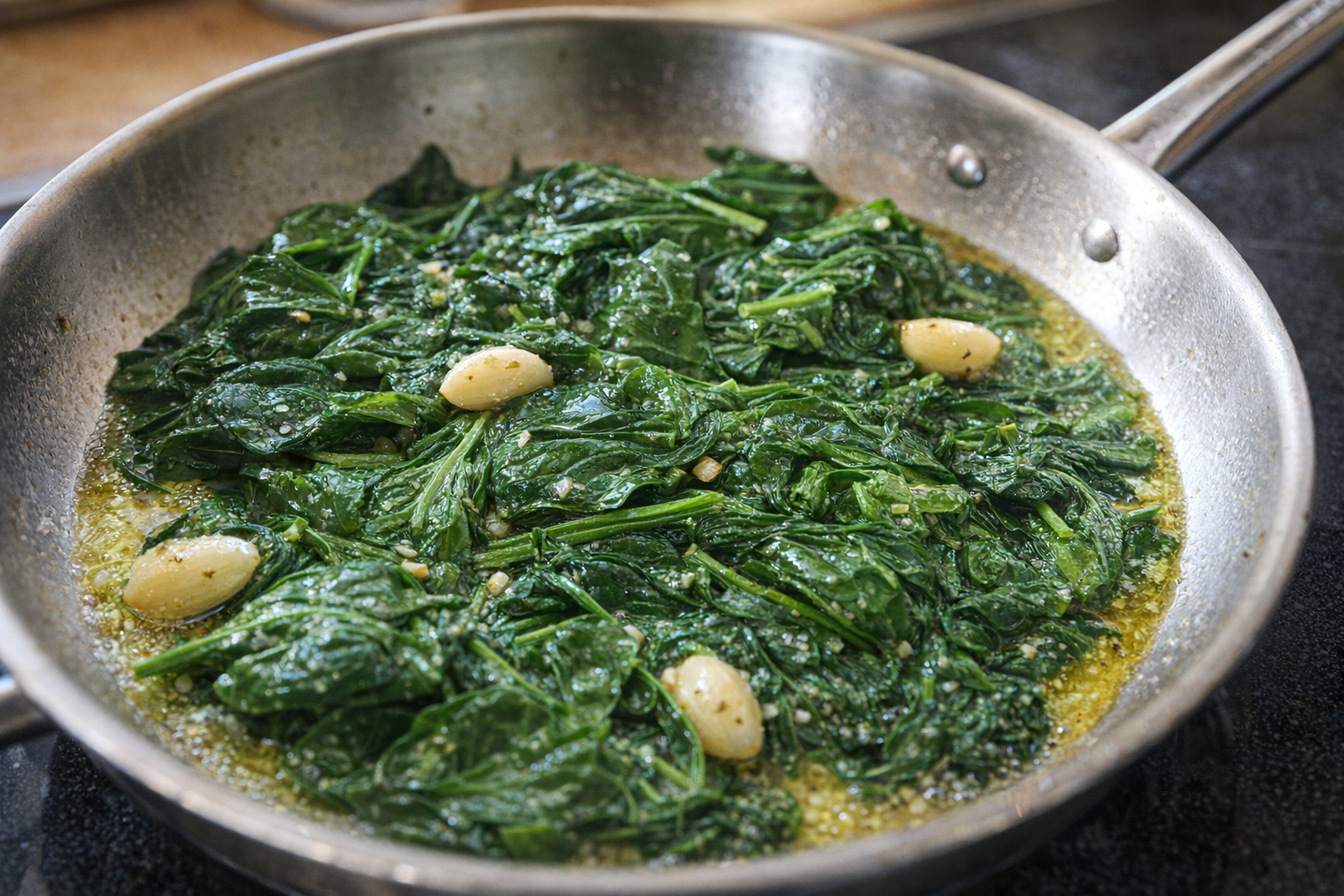
- Cook the Spinach: Continue to cook, tossing frequently, until the spinach is wilted and tender, about 2-3 minutes. The spinach will shrink down significantly as it cooks. Listen for the sound of the spinach sizzling and wilting in the pan.
- Season and Finish: Season the spinach with salt and pepper to taste. If desired, add a pinch of red pepper flakes for a touch of heat and/or a squeeze of lemon juice or a splash of balsamic vinegar for brightness. Toss to combine.
- Serve Immediately: Serve the sautéed spinach immediately as a side dish or use it in your favorite recipes.
Cooking Time & Doneness Guide
- Cooking Time: The total cooking time for sautéed spinach is typically around 3-5 minutes.
- Internal Temperature: Spinach does not need to reach a specific internal temperature.
Visual Cues
The spinach is done when it is wilted, tender, and bright green. It should have shrunk down significantly in volume. Avoid overcooking the spinach, as it can become mushy.
Tips for Perfection
- Don't Overcrowd the Pan: Sautéing works best when the ingredients have enough room to brown. Overcrowding the pan will cause the spinach to steam instead of sauté, resulting in a less flavorful dish. Cook the spinach in batches if necessary.
- Use High Heat: High heat is essential for sautéing. It helps to create a slightly caramelized exterior on the spinach while keeping it tender.
- Don't Overcook: Overcooked spinach can become mushy and lose its flavor. Cook the spinach just until it is wilted and tender.
- Season Generously: Spinach can be bland on its own, so be sure to season it generously with salt, pepper, and any other desired seasonings.
Storage & Reheating
- Storage: Store leftover sautéed spinach in an airtight container in the refrigerator for up to 3 days.
- Reheating: Reheat the spinach in a skillet over medium heat until heated through. You can also microwave it, but it may become slightly watery. To prevent the spinach from losing its texture during reheating, consider adding a little extra olive oil or a splash of water to the pan.
Serving Suggestions
- Side Dish: Serve sautéed spinach as a simple and healthy side dish alongside grilled chicken, fish, or steak.
- Omelets or Frittatas: Add sautéed spinach to omelets or frittatas for a nutritious and flavorful breakfast or brunch.
- Pasta Dishes: Toss sautéed spinach with pasta, olive oil, garlic, and Parmesan cheese for a quick and easy vegetarian meal.
- Stuffing for Chicken or Pork: Use sautéed spinach as a flavorful stuffing for chicken breasts or pork tenderloin.
💡 Pro Tips
- Don't be afraid to experiment with seasonings! A pinch of nutmeg, red pepper flakes, or a squeeze of lemon juice can really enhance the flavor of sautéed spinach.
- If using savoy spinach, make sure to thoroughly wash and dry it, as the crinkled leaves can trap dirt and water.
- Cook the spinach in batches to avoid overcrowding the pan and ensure even cooking.
- For a richer flavor, use butter or a combination of butter and olive oil.
- Add a splash of balsamic vinegar at the end of cooking for a sweet and tangy twist.
Frequently Asked Questions
While fresh spinach is ideal, you can use frozen spinach. Thaw it completely and squeeze out as much excess water as possible before sautéing. This will prevent the spinach from becoming watery in the pan.
If you don't have garlic or prefer a milder flavor, you can substitute shallots or a pinch of garlic powder. Start with about 1/4 teaspoon of garlic powder and adjust to taste. You could also use a small amount of finely chopped onion for a similar effect.
Make sure your pan is properly heated before adding the olive oil. The oil should shimmer and be hot enough to prevent sticking. Using a non-stick skillet can also help. Don't overcrowd the pan, as this lowers the temperature and encourages sticking. Add the spinach in batches if necessary.
Sautéed spinach is best enjoyed immediately, but you can store leftovers in an airtight container in the refrigerator for up to 3 days. Be aware that the texture may change slightly upon reheating.