 delishing
How to Bake Fish in the Oven: A Simple Guide to Flaky Perfection

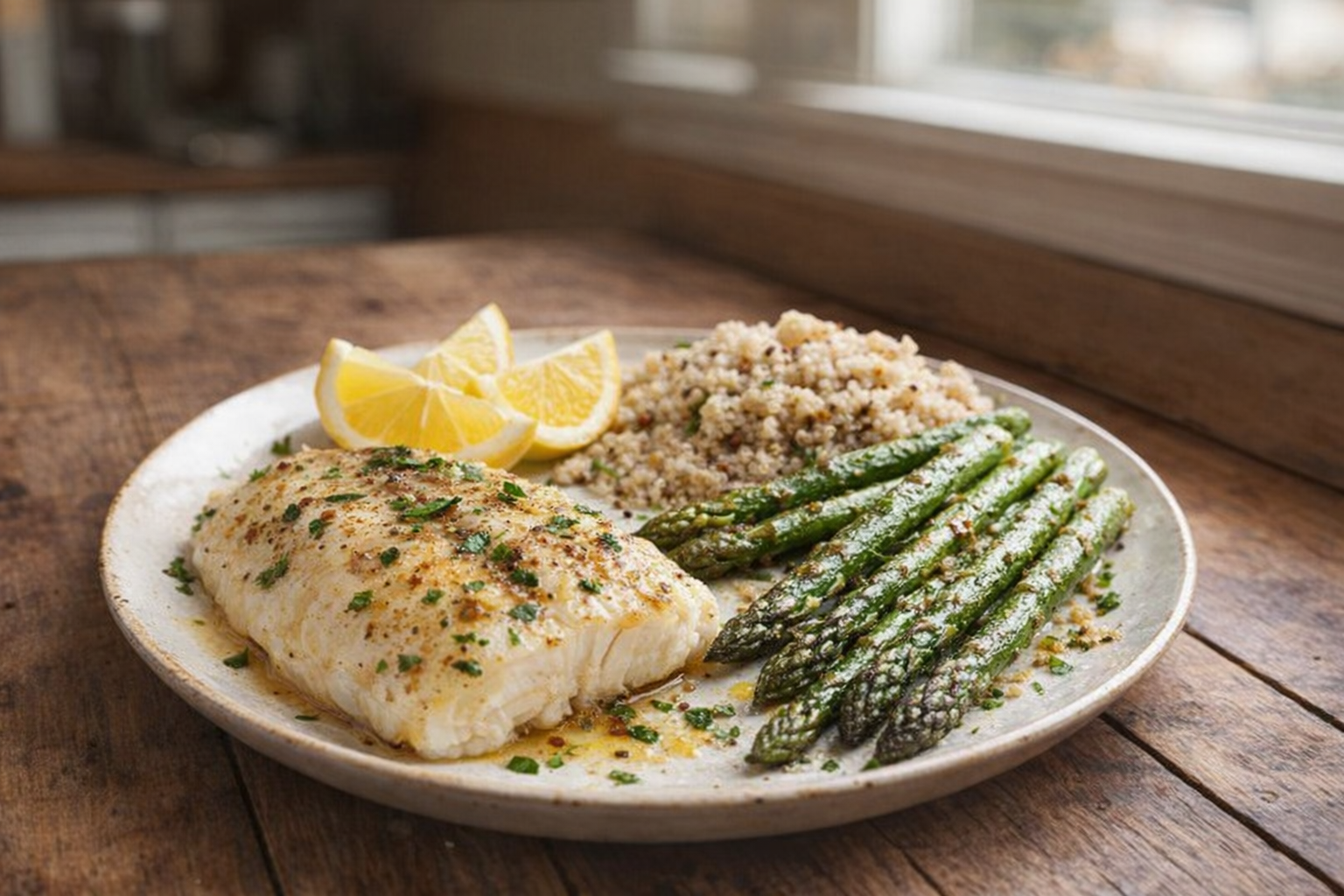
Baking fish in the oven is a culinary cornerstone for achieving a healthy and flavorful meal with minimal effort. The gentle, consistent heat allows the fish to cook evenly, preserving its natural moisture and resulting in a delicate, flaky texture. This method beautifully showcases the inherent flavors of the fish, enhanced by the simple additions of herbs, citrus, and butter.
This guide unlocks the secrets to perfectly baked fish, taking you beyond a basic recipe. We'll explore ingredient selection, preparation techniques, and expert tips to ensure consistent, restaurant-quality results in your home kitchen. Whether you're a seasoned cook or a kitchen novice, you'll gain the confidence to create a delicious and nutritious dish that's perfect for any weeknight.
Understanding White Fish
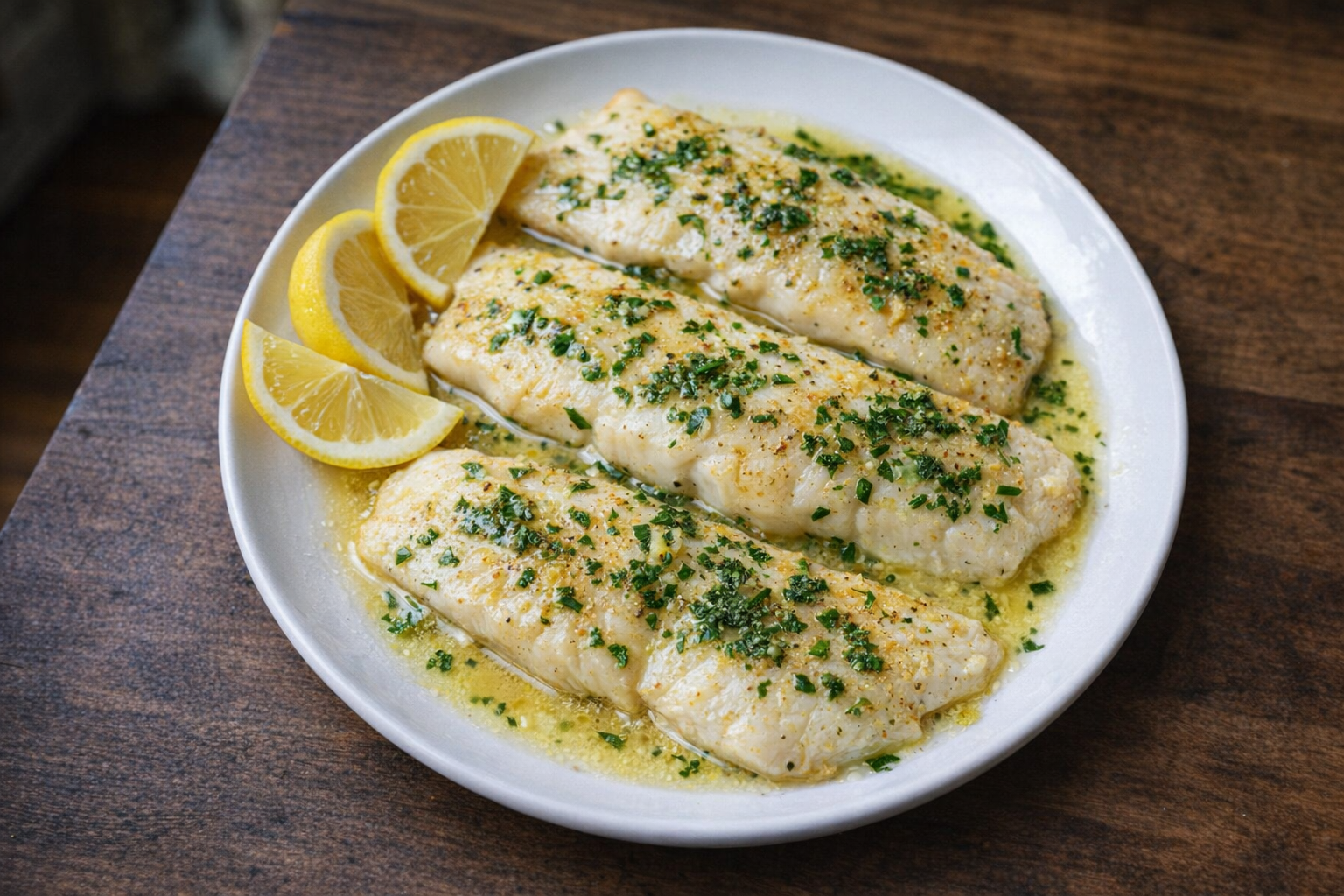
The term "white fish" encompasses a wide variety of species, each with its unique texture and flavor profile. Common choices include cod, tilapia, halibut, haddock, and flounder. When selecting your fish, look for fillets that are firm, moist, and have a translucent appearance. Avoid fish that smells overly fishy or has a slimy texture, as these are signs of age.
- Cod: Known for its mild, slightly sweet flavor and firm, flaky texture. A versatile choice that pairs well with a variety of seasonings.
- Tilapia: An inexpensive and readily available option with a very mild flavor. It's best suited for preparations with bold sauces or seasonings.
- Halibut: A premium white fish with a firm, meaty texture and a delicate, sweet flavor. It's excellent simply baked with butter and herbs.
- Haddock: Similar to cod, but with a slightly sweeter and more delicate flavor.
- Flounder: A thin, delicate fish with a mild flavor. It cooks quickly and is best suited for baking or pan-frying.
Why Cook Fish This Way?
- Versatility: This method works with a wide variety of white fish and flavor combinations.
- Flavor: Baking enhances the natural flavor of the fish, allowing it to shine through. The gentle heat prevents the fish from drying out, resulting in a moist and flavorful dish.
- Convenience: Baking requires minimal hands-on time, making it a perfect choice for busy weeknights. Simply prepare the fish, pop it in the oven, and let it do its magic.
Preparation (Mise en Place)
- Thawing: If using frozen fish, thaw it completely in the refrigerator overnight. Do not thaw at room temperature, as this can promote bacterial growth. You can also thaw fish quickly by placing it in a sealed plastic bag and submerging it in cold water for 30-60 minutes, changing the water every 15 minutes.
- Patting Dry: Once thawed, pat the fish fillets dry with paper towels. This crucial step removes excess moisture, allowing the fish to brown slightly in the oven.
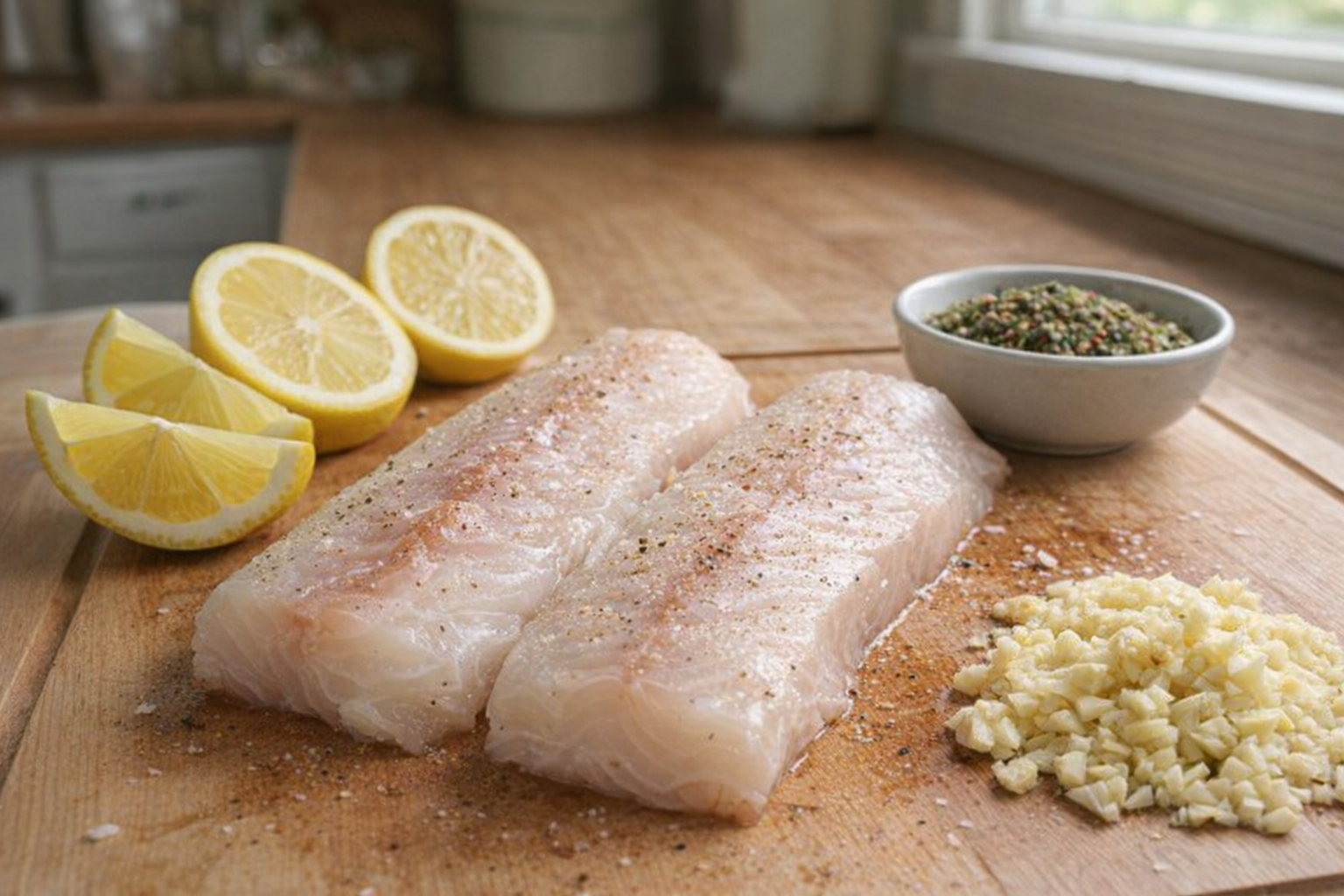
- Slicing Lemon: Thinly slice one large lemon into rounds. This will create a flavorful base for the fish and infuse it with citrus notes.
- Mincing Garlic: Mince three cloves of garlic. The garlic will infuse the melted butter with its pungent aroma and flavor.
- Herb & Spice Blend: Prepare your herb and spice blend of choice, measuring out approximately 1-2 teaspoons. This will add depth and complexity to the flavor of the fish.
Essential Tools
- Baking Dish: A 9x13 inch baking dish is ideal for baking fish fillets. We recommend a glass or ceramic dish for even heat distribution.
- Small Saucepan: Used to melt the butter and infuse it with garlic and lemon zest. A stainless-steel saucepan with a heavy bottom is ideal.
- Zester: A microplane zester is perfect for grating the lemon zest without the bitter white pith.
- Paper Towels: Essential for patting the fish dry.
The Cooking Method
Baking Fish with Lemon-Garlic Butter
This method relies on a flavorful lemon-garlic butter to baste the fish as it bakes, creating a moist and flavorful result.
Ingredients:
- 1 ½ pounds (680g) white fish fillets (cod, tilapia, halibut, etc.)
- 4 tablespoons (57g) butter, unsalted
- 3 cloves garlic, minced
- 1 large lemon, zested and thinly sliced
- ½ teaspoon (3g) sea salt
- ½ teaspoon (1g) black pepper
- 1-2 teaspoons (2-4g) herb and spice blend (Italian seasoning, dill, thyme, rosemary, basil, smoked paprika, etc.)
- 2 tablespoons (3g) minced fresh parsley, for garnish (optional)
- Preheat oven to 425°F (218°C). The high heat ensures a quick cook, locking in moisture and creating a slightly crispy exterior.
- In a small saucepan, melt butter over medium heat. As the butter melts and begins to bubble, the nutty aroma fills the air.
- Add minced garlic to the melted butter and sauté for 60 seconds, until fragrant. Be careful not to burn the garlic; the fragrance will intensify as it cooks.
- Zest the lemon directly into the butter mixture, releasing the bright citrus aroma.
- Arrange lemon slices in a single layer at the bottom of the baking dish. The lemon slices will prevent the fish from sticking and infuse it with citrus flavor.
- Pat fish fillets dry with paper towels. Removing excess moisture helps the fish brown and prevents it from steaming.
- Season both sides of the fish fillets with salt, pepper, and your herb and spice blend. The spices will create a flavorful crust on the fish as it bakes.
- Lay the seasoned fish fillets on top of the lemon slices in the baking dish. Arrange them in a single layer, ensuring they are not overcrowded.
- Spoon or brush the lemon-garlic butter mixture evenly over the fish fillets, ensuring every inch is covered for maximum flavor impact. The butter will melt and create a flavorful sauce as the fish bakes.
- Bake in the preheated oven for 10-12 minutes, or until the fish flakes easily with a fork and is opaque throughout. The fish is done when it easily separates into flakes when gently probed with a fork.
- Garnish with fresh parsley, if desired. Parsley adds a pop of color and freshness to the dish.
- Serve immediately. The fish is best enjoyed while it's hot and flaky.
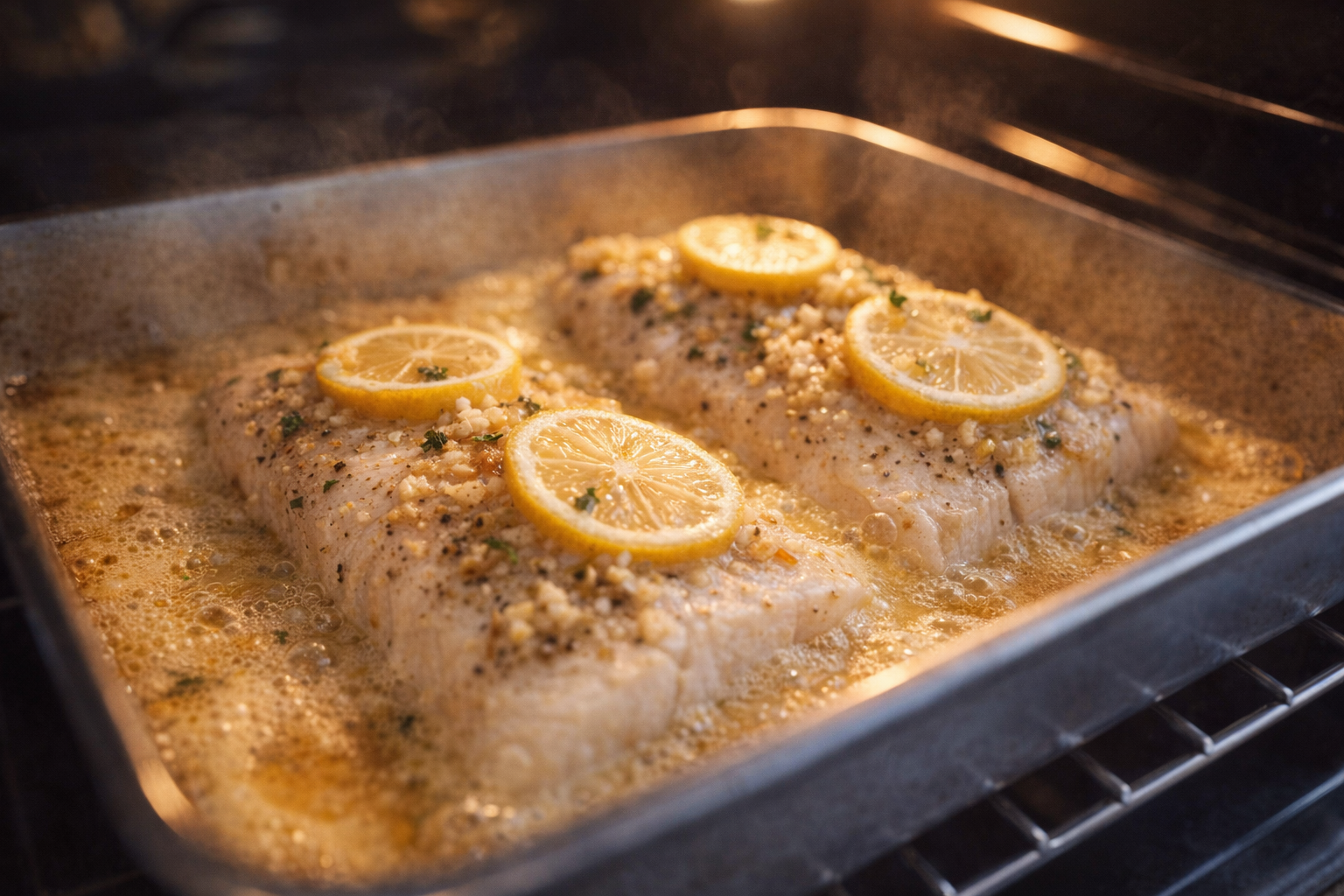
Cooking Time & Doneness Guide
- Cooking Time: Most fish fillets will cook to perfection in 10-12 minutes at 425°F (218°C). Thinner fillets may take as little as 8 minutes, while thicker cuts may require up to 15 minutes.
- Internal Temperature: For fully cooked fish, aim for an internal temperature of 140°F (60°C).
Visual Cues
- Flakiness: The fish should flake easily when gently poked with a fork.
- Opacity: The flesh should be opaque throughout, with no translucent areas.
- Moisture: The flesh should be moist and tender, not dry or rubbery.
Tips for Perfection
- Don't Overcrowd the Pan: Overcrowding the pan will cause the fish to steam instead of bake, resulting in a less desirable texture. Use a large enough baking dish or cook in batches.
- Monitor Closely: Start checking the fish for doneness at the 8-minute mark. It's better to check early than to risk overcooking. Remember that fish continues to cook slightly even after you remove it from the oven.
- Use an Instant-Read Thermometer: An instant-read thermometer is the most reliable way to ensure that the fish is cooked to the correct internal temperature.
- Don't Overcook: Overcooked fish is dry and tough. Remove the fish from the oven as soon as it flakes easily with a fork.
Storage & Reheating
- Storage: Allow the cooked fish to cool completely before storing it in an airtight container in the refrigerator. Properly stored, baked fish will last for 2-3 days.
- Reheating:
- Oven: Preheat oven to 275°F (135°C). Place the leftover fish on a baking sheet lined with parchment paper and bake for 10-15 minutes, or until heated through. Adding a tablespoon or two of water to the baking sheet will help keep the fish moist.
- Microwave: Reheat gently in the microwave in 30-second intervals, checking frequently to avoid overcooking. Add a splash of water or lemon juice to help keep it moist.
Serving Suggestions
- As a Sandwich: Flake the baked fish and serve it on a toasted bun with tartar sauce, lettuce, and tomato.
- With Roasted Vegetables: Serve the baked fish alongside roasted vegetables such as broccoli, asparagus, or carrots for a complete and healthy meal.
- Over Rice or Quinoa: Flake the baked fish and serve it over a bed of rice or quinoa, topped with a squeeze of lemon juice and fresh herbs.
- In Tacos: Flake the baked fish and use it as a filling for fish tacos, topped with shredded cabbage, salsa, and a squeeze of lime.
💡 Pro Tips
- Always pat the fish fillets completely dry with paper towels before seasoning to help achieve a better sear and prevent steaming.
- To ensure even cooking, fold under the thinner tail ends of the fillets so the entire piece has a consistent thickness.
- Check for doneness by gently twisting a fork at the thickest part; the fish is ready when it transitions from translucent to opaque and flakes easily.
- Line your baking pan with parchment paper or a silicone mat to prevent the delicate fish from sticking and breaking apart when serving.
- Place a few thin slices of lemon and a small pat of butter on each fillet to infuse the meat with moisture and bright acidity during the baking process.
Frequently Asked Questions
While the recipe doesn't explicitly state the baking temperature, a general rule of thumb for baking fish is 375°F (190°C). This temperature allows the fish to cook through evenly without drying out too quickly, resulting in a flaky and moist texture.
Yes, you can definitely substitute olive oil for butter. Olive oil is a healthy alternative and will add a slightly different flavor profile to the fish. Use a good quality extra virgin olive oil for the best taste.
The best way to tell if your fish is done is to check its internal temperature with a meat thermometer. It should reach 145°F (63°C). Alternatively, you can gently flake the fish with a fork; it should be opaque and easily flake apart when done.
Leftover baked fish can be stored in an airtight container in the refrigerator for up to 3-4 days. Make sure to cool the fish completely before refrigerating to prevent bacterial growth. Reheat gently in the oven or microwave to avoid drying it out.