 delishing
How to Boil Brussels Sprouts for Perfect Tenderness

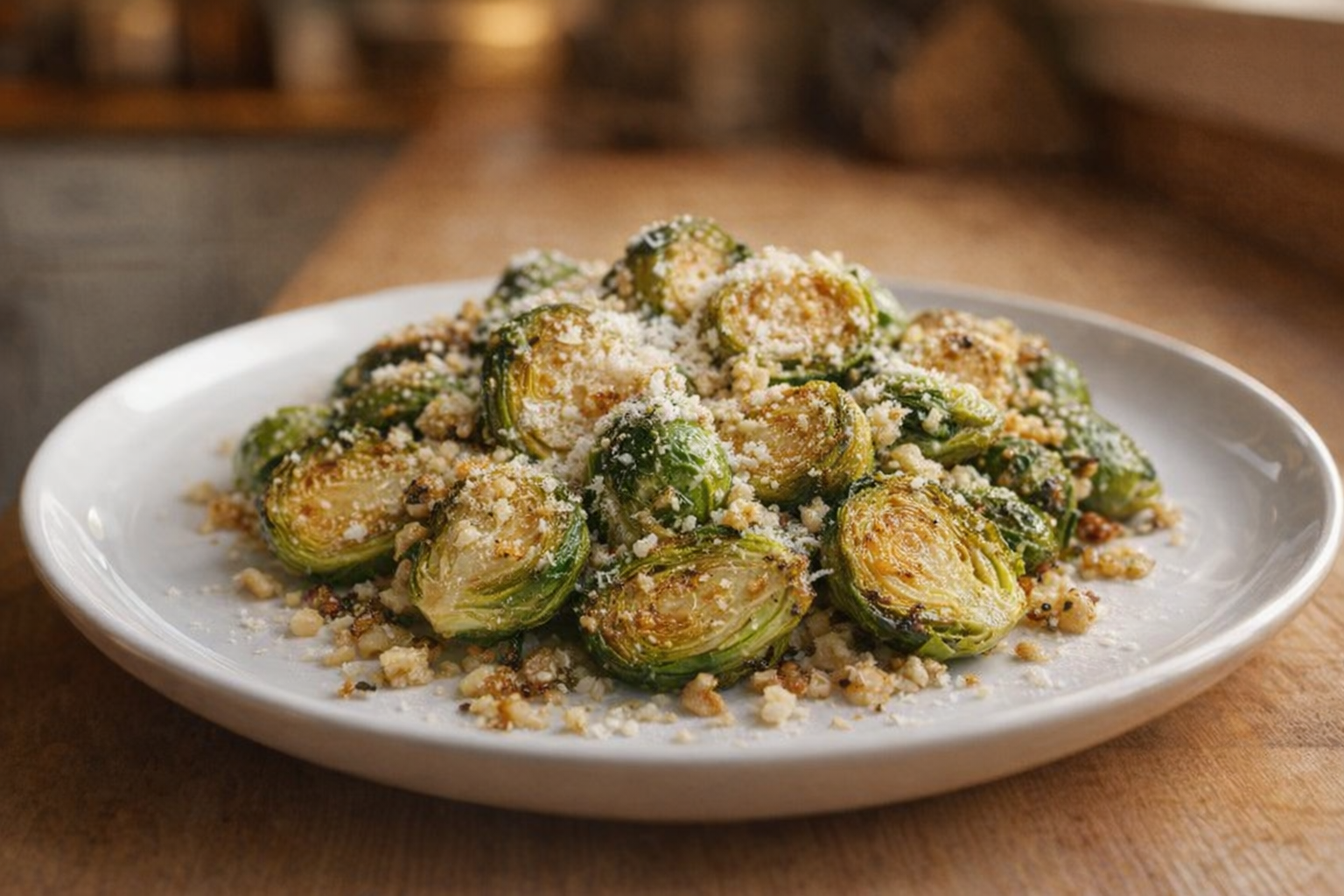
Boiled Brussels sprouts often get a bad rap, associated with mushy textures and a bitter taste. However, when executed correctly, boiling can be a surprisingly effective method for achieving tender-crisp sprouts that are subtly sweet and incredibly versatile. The key is understanding the right timing, proper seasoning, and the crucial step of shocking the sprouts in ice water to halt the cooking process. This guide will walk you through each step, ensuring delicious, vibrant Brussels sprouts every time.
This method relies on a quick boil to tenderize the sprouts without overcooking them, followed by an ice bath to preserve their bright green color and slightly firm texture. Flavor is built through simple yet effective seasonings, creating a blank canvas for your culinary creativity.
Understanding Brussels Sprouts
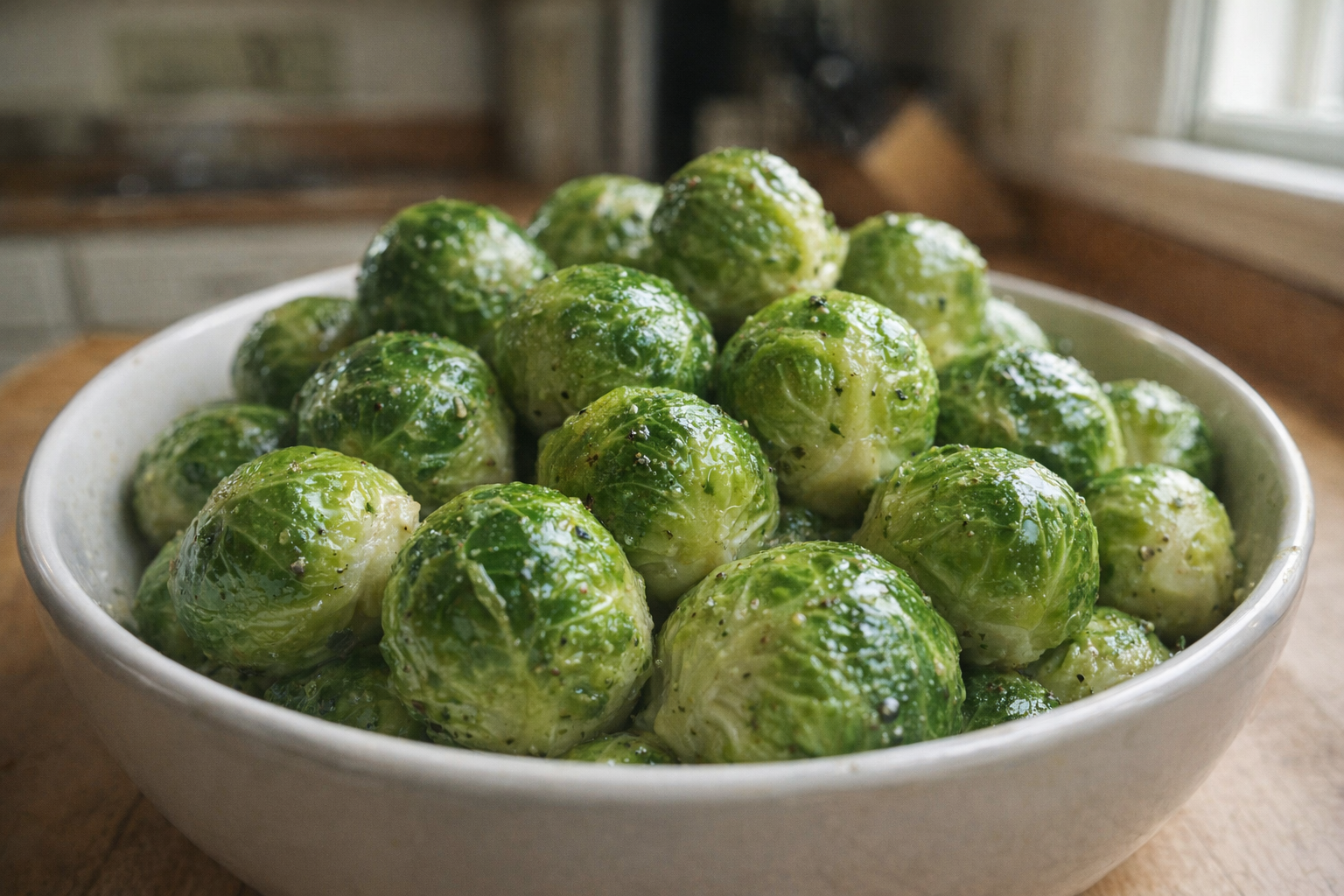
Brussels sprouts, members of the cruciferous vegetable family, are packed with nutrients and offer a unique, slightly nutty flavor. When buying Brussels sprouts, look for sprouts that are firm, compact, and bright green. Avoid those that are yellowing, have loose leaves, or feel soft. Smaller sprouts tend to be sweeter and more tender. You can find them sold loose, in pre-packaged bags, or still attached to the stalk. If possible, opt for loose sprouts or those on the stalk, as you can better assess their quality.
Why Cook Brussels Sprouts This Way?
- Versatility: Boiled Brussels sprouts can be used as a base for a variety of dishes, from simple side dishes to salads and stir-fries.
- Flavor Control: Boiling allows you to infuse the sprouts with seasonings and aromatics during the cooking process.
- Convenience: It's a relatively quick and easy method, perfect for busy weeknights.
Preparation (Mise en Place)
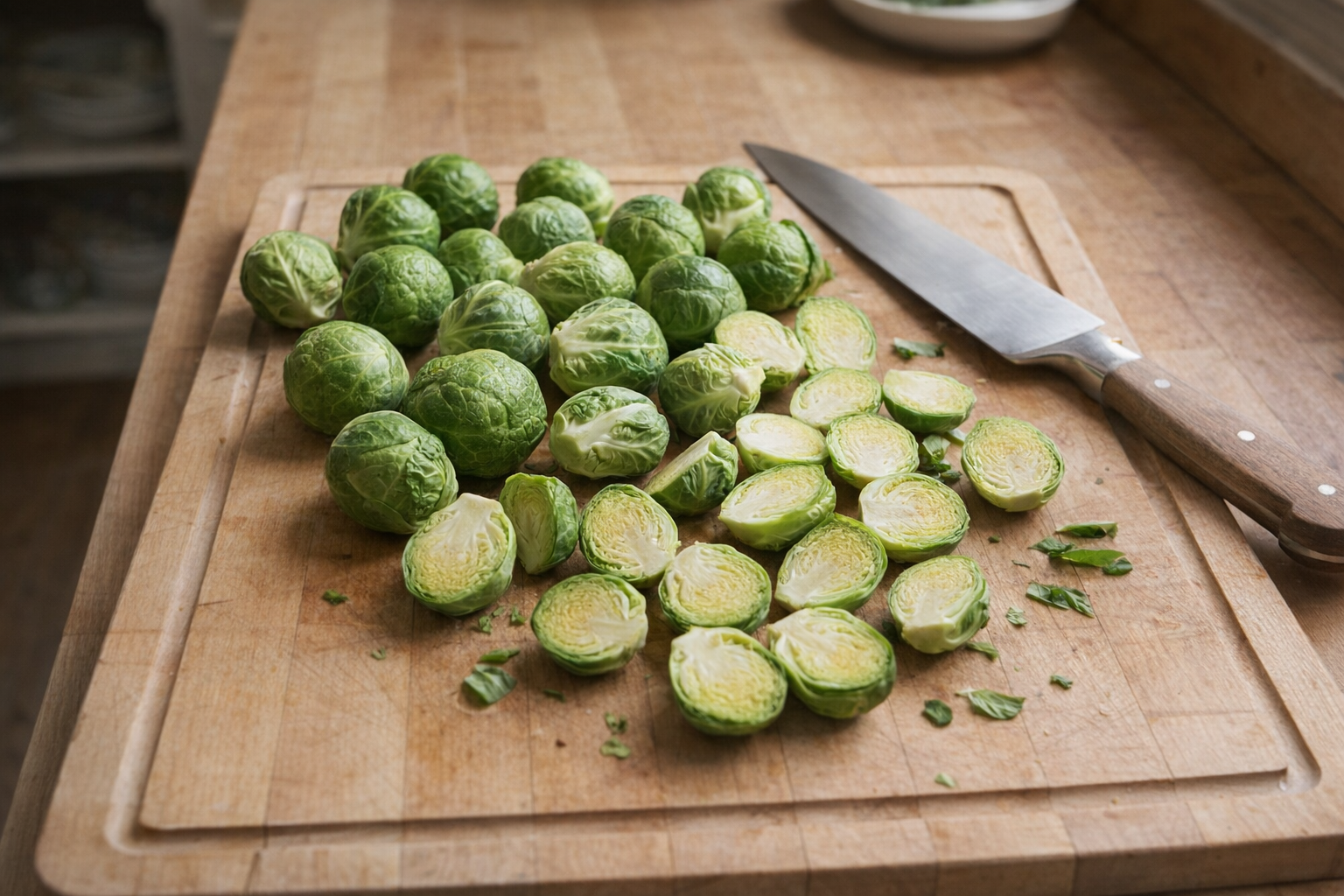
Begin by thoroughly washing the Brussels sprouts under cold running water. Trim the stem end of each sprout, removing any brown or discolored parts. Also, remove any loose or yellowed outer leaves. For even cooking, consider cutting larger sprouts in half or quartering them, ensuring all pieces are roughly the same size.
Essential Tools
- Chef's Knife: For trimming and halving the Brussels sprouts.
- Large Pot: A stainless-steel pot is ideal for boiling. Avoid aluminum, as it can react with the vegetables and affect their color.
- Colander: For draining the cooked Brussels sprouts.
- Mixing Bowl: For the ice bath.
- Slotted Spoon or Tongs: For transferring the sprouts from the boiling water to the ice bath.
The Cooking Method
We'll focus on a single, reliable method for boiling Brussels sprouts to perfection.
Simple Boiled Brussels Sprouts
Ingredients:
- 1 pound (450g) Brussels sprouts, trimmed and halved or quartered
- 4 cups (1 liter) water
- 1 tablespoon salt
- Optional: 1 teaspoon black peppercorns, 2 cloves garlic (smashed), 1 bay leaf
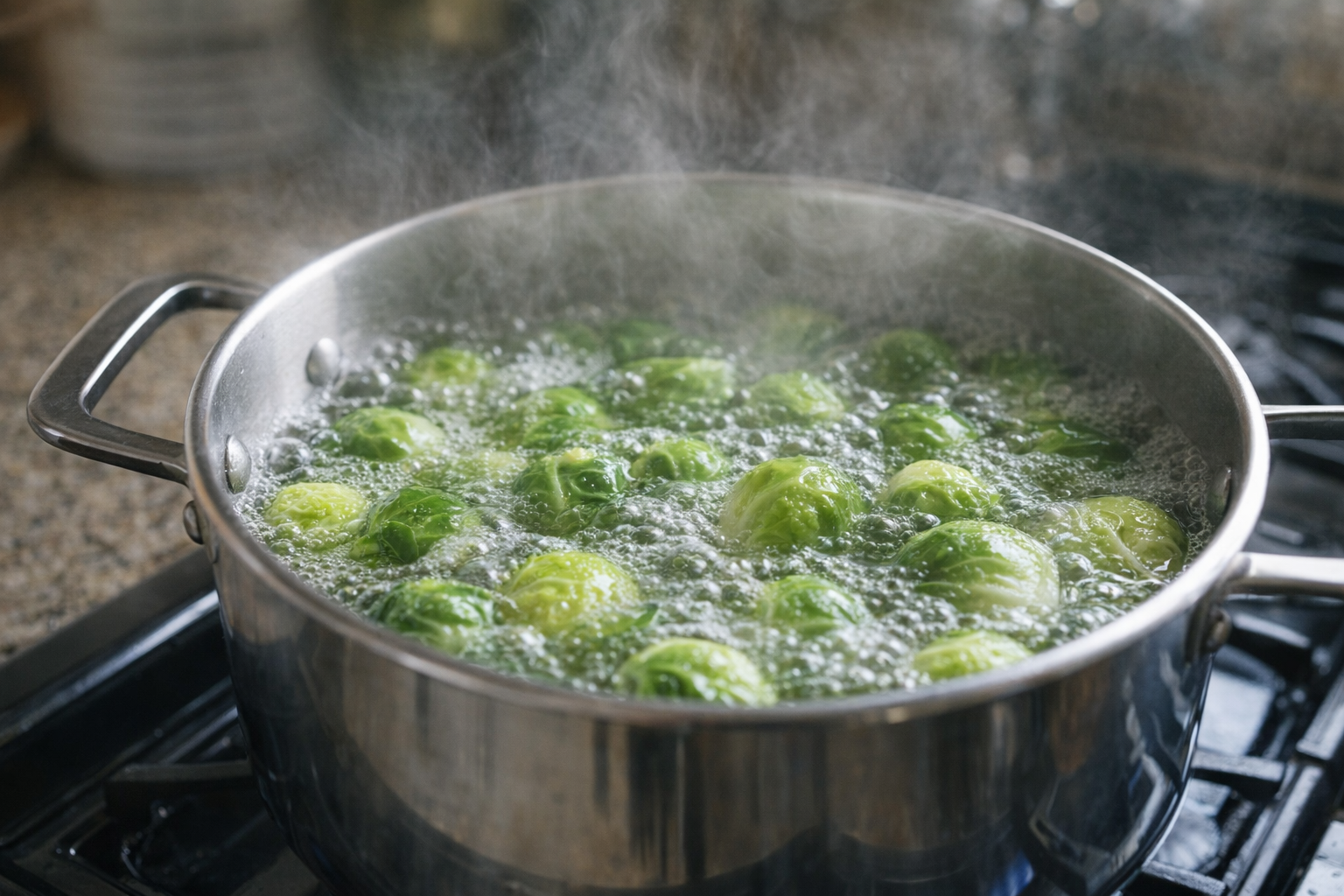
- Prepare the Boiling Water: In a large pot, bring the water to a rolling boil over high heat. Add the salt (and optional peppercorns, garlic, and bay leaf for extra flavor). The salt not only seasons the sprouts but also helps to tenderize them.
- Add the Brussels Sprouts: Carefully add the prepared Brussels sprouts to the boiling water. Ensure they are mostly submerged.
- Cook to Tender-Crisp: Reduce the heat slightly to maintain a gentle boil. Cook for 5-7 minutes, or until the sprouts are tender-crisp. The cooking time will depend on the size of the sprouts. You should be able to pierce them easily with a fork, but they should still have a slight resistance. As they cook, you'll notice a subtle, almost grassy aroma fill the kitchen.
- Prepare the Ice Bath: While the Brussels sprouts are cooking, prepare an ice bath by filling a large mixing bowl with ice and cold water.
- Shock in Ice Water: Once the sprouts are cooked, immediately drain them in a colander. Then, transfer them to the ice bath. The rapid cooling stops the cooking process and preserves the bright green color and crisp texture. Let them sit in the ice bath for 2-3 minutes.
- Drain and Dry: Drain the Brussels sprouts thoroughly and pat them dry with paper towels. This will prevent them from becoming soggy if you plan to sauté or roast them later.
Cooking Time & Doneness Guide
- Boiling Time: 5-7 minutes.
- Internal Temperature: While not typically measured, aim for an internal temperature of around 160°F (71°C) if you prefer a softer sprout.
Visual Cues
The Brussels sprouts are done when they turn a vibrant green and can be easily pierced with a fork with a slight resistance. Avoid overcooking, as they will become mushy and release a sulfurous odor.
Tips for Perfection
- Don't Overcrowd the Pot: Cook the Brussels sprouts in batches if necessary to avoid overcrowding the pot, which can lower the water temperature and result in uneven cooking.
- Use Enough Salt: Salting the water is crucial for both seasoning and tenderizing the sprouts.
- Don't Skip the Ice Bath: This step is essential for stopping the cooking process and preserving the color and texture.
- Dry Thoroughly: Before adding any sauces or seasonings, make sure the Brussels sprouts are completely dry.
Storage & Reheating
Store leftover boiled Brussels sprouts in an airtight container in the refrigerator for up to 3 days. To reheat, you can sauté them in a pan with a little butter or olive oil until heated through. Alternatively, you can microwave them, but be careful not to overcook them, as they can become mushy.
Serving Suggestions
- Sautéed with Garlic and Parmesan: Sauté the boiled Brussels sprouts in a pan with olive oil, minced garlic, and a sprinkle of grated Parmesan cheese.
- Roasted with Balsamic Glaze: Toss the boiled Brussels sprouts with olive oil, balsamic vinegar, and a pinch of salt and pepper. Roast in a preheated oven at 400°F (200°C) for 10-15 minutes, or until slightly browned.
- Added to Salads: Slice the boiled Brussels sprouts and add them to your favorite salad for a nutritious and flavorful boost.
- Mashed Brussels Sprouts: For a twist on mashed potatoes, mash the boiled Brussels sprouts with butter, cream, and seasonings.
Frequently Asked Questions
The strong smell comes from sulfur compounds released during cooking. To minimize this, avoid overcooking them and ensure your kitchen is well-ventilated by opening a window or using a range hood. Adding a splash of vinegar or lemon juice to the boiling water can also help reduce the odor.
Yes, you can use frozen Brussels sprouts, but the cooking time will likely be shorter. Start checking for tenderness after about 5-7 minutes of boiling, as they tend to cook faster than fresh sprouts. Remember to still shock them in ice water to prevent overcooking.
Boiled Brussels sprouts can be stored in an airtight container in the refrigerator for up to 3-4 days. To reheat, you can sauté them in a pan with a little oil or butter, microwave them briefly, or roast them in the oven until warmed through. Avoid overcooking during reheating to maintain their texture.
The ice bath is crucial for stopping the cooking process and preserving the color and texture of the sprouts. If you don't have ice, use the coldest water you can find and run it continuously over the sprouts after boiling. This will help to cool them down quickly, though the result may not be quite as crisp.