 delishing
How to Roast Peanuts: 5 Expert Methods for Perfect Crunch

Roasting peanuts at home is a simple yet rewarding culinary endeavor. The transformation from raw legume to a deeply flavorful, crunchy snack is easily achievable with the right techniques. Different roasting methods cater to various preferences and equipment availability, each yielding a unique textural and flavor profile. Whether you prefer the even heat of an oven, the quick crisping of an air fryer, or the intense flavor of dry roasting, mastering these methods will elevate your snacking game.
Homemade roasted peanuts offer a freshness and customization that store-bought varieties often lack. You control the level of salt, the addition of spices, and the degree of roast. This guide provides a detailed exploration of five distinct roasting methods, empowering you to consistently produce perfectly roasted peanuts tailored to your specific taste.
Understanding Peanuts
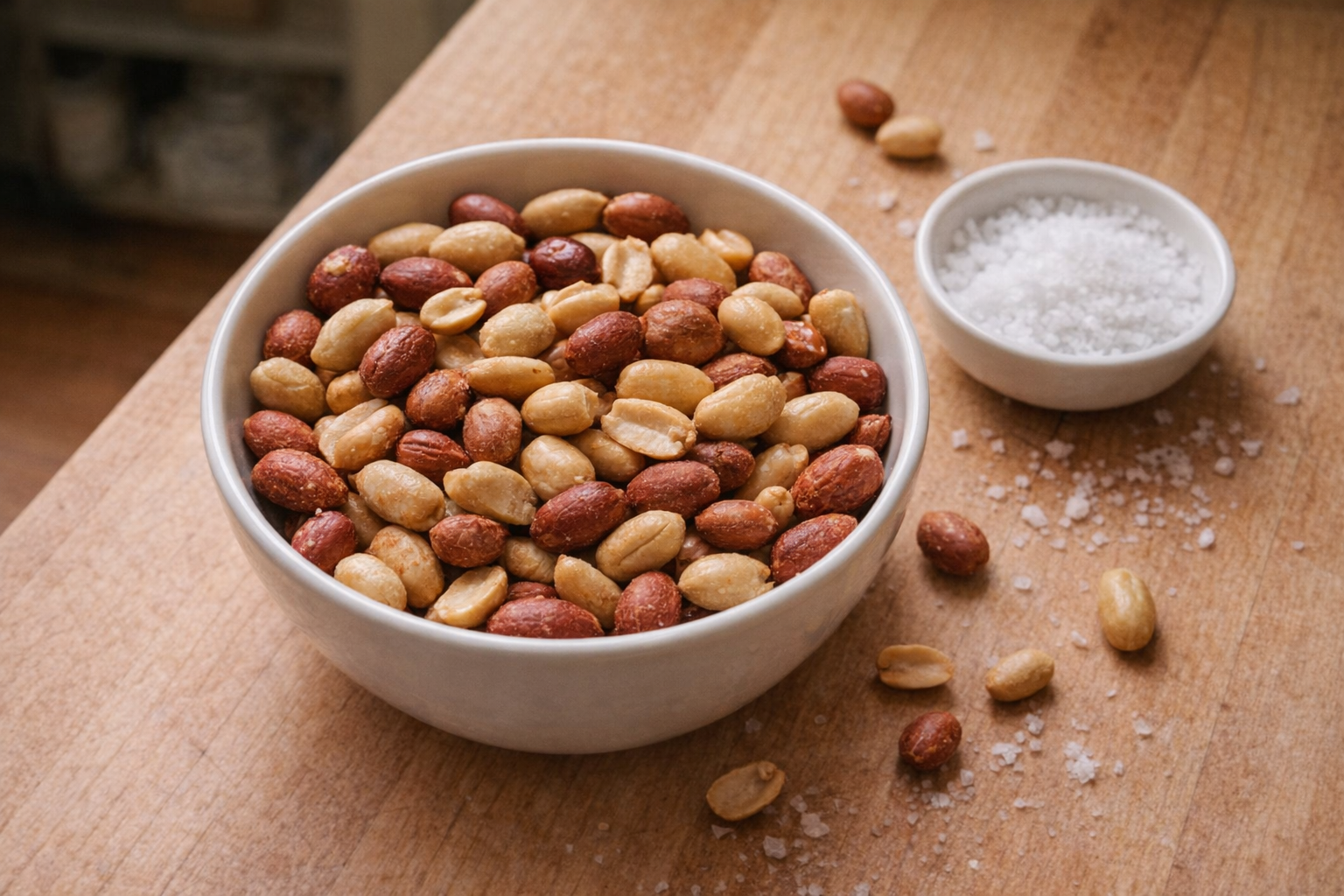
Peanuts, despite their name, are legumes, not nuts. They grow underground and are encased in a pod. When selecting peanuts for roasting, you'll typically encounter two main options:
- Raw, Shelled Peanuts: These are peanuts that have been removed from their shells and may or may not have their skins (red skins). They are ideal for those who want faster cooking and easier seasoning.
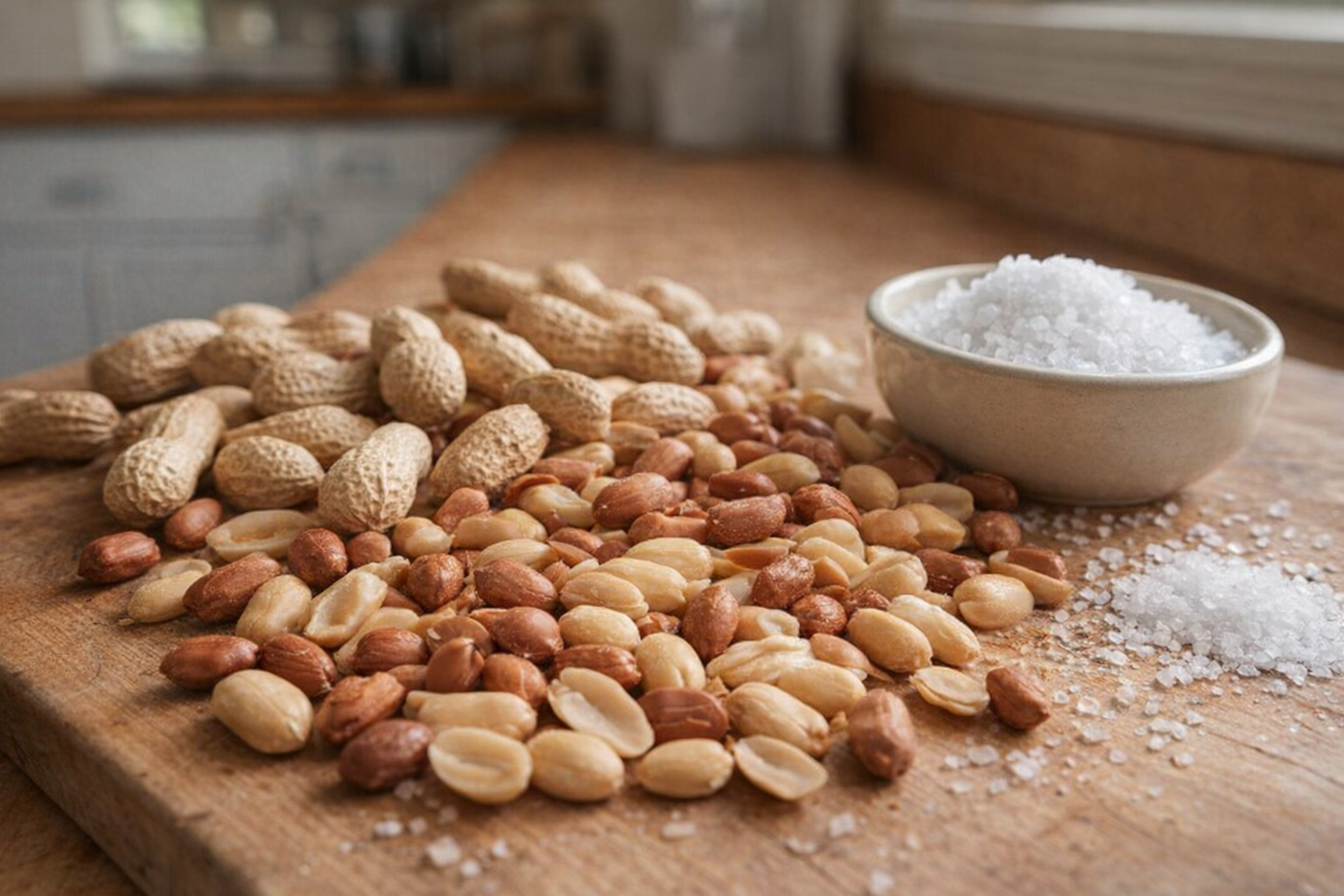
- Raw, Unshelled Peanuts (In-Shell): These peanuts retain their protective outer shell. Roasting them requires a longer cooking time, but many believe the shell helps to retain moisture and enhance flavor during roasting. They are more work to shell after roasting.
Why Cook Peanuts This Way?
- Versatility: Roasted peanuts are a versatile ingredient for snacking, cooking, and baking.
- Flavor Control: Roasting enhances the natural sweetness of peanuts and allows you to customize the flavor profile with seasonings.
- Convenience: Roasting peanuts at home is simple and often more cost-effective than buying pre-roasted nuts.
Preparation (Mise en Place)
The preparation for roasting peanuts is minimal but important:
- Sorting: Remove any discolored or damaged peanuts.
- Rinsing (Optional): While not always necessary, rinsing the peanuts under cool water can remove any surface dust. Pat them dry thoroughly before proceeding, especially for methods that don't use salt.
- Thawing: Ensure peanuts are completely thawed if they were previously frozen.
Essential Tools
- Baking Sheet/Pan: A shallow baking sheet is ideal for oven roasting to ensure even heat distribution.
- Air Fryer: An air fryer basket is needed for the air fryer method.
- Skillet/Pan: A heavy-bottomed skillet or wok is best for pan and dry roasting. Cast iron works well.
- Microwave-Safe Plate: For the microwave method, ensure the plate is microwave-safe.
- Spatula: For stirring the peanuts during roasting.
- Oven Mitts: Essential for handling hot pans.
The Cooking Method(s):
Method 1: Oven Roasted Peanuts
Oven roasting provides consistent heat, resulting in evenly cooked peanuts with a satisfying crunch.
Ingredients:
- 1 pound (450g) raw shelled peanuts (or 1.5 pounds/680g unshelled)
- 1-2 teaspoons sea salt (or to taste)
- 1 tablespoon vegetable oil (optional, for enhanced browning)
Instructions:
- Preheat: Preheat your oven to 350°F (175°C). Ensure the oven rack is in the center position for even heat distribution.
- Prepare the Pan: If using oil, toss the peanuts with the oil in a bowl to lightly coat them. This will promote browning. Spread the peanuts in a single layer on a shallow baking sheet. Avoid overcrowding, as this will lead to steaming rather than roasting.
- Roast: Place the baking sheet in the preheated oven.
- Shelled Peanuts: Roast for 15-20 minutes, stirring every 5 minutes. Listen for a subtle popping sound as the peanuts roast, indicating the release of moisture. The peanuts should develop a light golden color.
- Unshelled Peanuts: Roast for 20-25 minutes, stirring every 5 minutes. The shells should turn a light golden brown.
Method 2: Pan Roasted Peanuts
Pan roasting offers quick preparation and allows for direct control over the roasting process.
Ingredients:
- 2 cups (300g) raw, shelled peanuts
- 4 cups (approximately 1kg) coarse salt
Instructions:
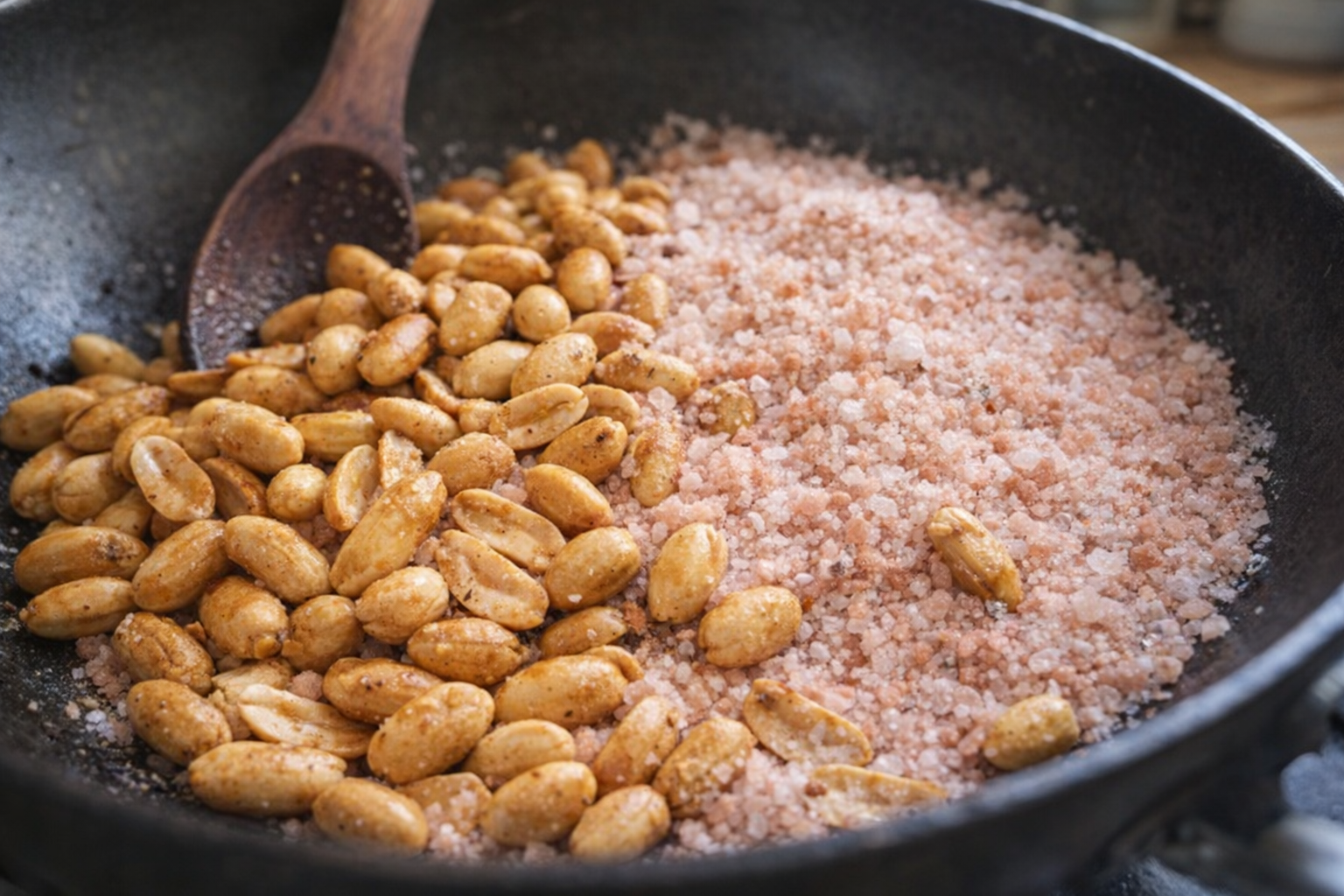
- Prepare the Salt: Pour the salt into a large, heavy-bottomed wok or skillet. Place the pan over medium-high heat.
- Heat the Salt: Heat the salt, stirring occasionally, until it is evenly warm. The salt should feel warm to the touch but not scorching.
- Add Peanuts: Add the peanuts to the warm salt.
- Roast: Stir continuously, ensuring the peanuts are constantly moving within the salt. This prevents burning and promotes even roasting.
- Monitor and Adjust: The peanuts will initially be difficult to stir due to moisture. As they roast, they will become easier to move. Continue roasting for approximately 13 minutes, or until the peanuts develop a slight reddish color. The aroma will transition from a raw peanut smell to a distinct toasted nuttiness.
- Separate and Cool: Carefully pour the salt and peanuts into a sifter or strainer to separate them. Spread the peanuts in a single layer on parchment paper to cool completely.
Method 3: Air Fryer Roasted Peanuts
Air frying provides a crispy texture with minimal oil.
Ingredients:
- 3 cups (450g) raw peanuts
- 1 teaspoon extra virgin olive oil
- 1/2 teaspoon sea salt
Instructions:
- Preheat: Preheat your air fryer to 320°F (160°C).
- Prepare Peanuts: In a large bowl, toss the peanuts with olive oil and sea salt until evenly coated.
- Arrange Peanuts: Place the peanuts in the air fryer basket in a single layer. If necessary, roast in batches to avoid overcrowding.
- Roast: Cook for approximately 15 minutes, shaking the basket every 5 minutes to ensure even roasting. Listen for a gentle crackling sound as the peanuts roast. They should turn a golden hue with medium brown skins.
- Cool: Transfer the roasted peanuts to a large mixing bowl and allow them to cool completely before serving.
Method 4: Microwave Roasted Peanuts
Microwaving offers the fastest method for roasting peanuts.
Ingredients:
- 1 cup (150g) raw, shelled peanuts
- 1/2 teaspoon salt
- 1/4 cup (60ml) water
- Optional: Spice blends or honey
Instructions:
- Prepare Peanuts: Place the peanuts on a microwave-safe plate in a single layer.
- Moisten: Sprinkle the peanuts with water, ensuring they are lightly moistened.
- Microwave: Microwave on high power for 2 minutes. Use caution when removing the plate, as it will be hot.
- Stir: Stir the peanuts thoroughly to ensure even roasting.
- Microwave Again: Microwave for another 2 minutes on high power. The peanuts should look slightly toasted and emit a roasted aroma.
- Cool: Spread the peanuts on a cooling pan and sprinkle with salt. Allow them to cool completely. They will crisp up as they cool.
Method 5: Dry Roasted Peanuts
Dry roasting intensifies the natural flavor of peanuts without added oil.
Ingredients:
- 100g (3.5 oz) raw, unshelled peanuts
Instructions:
- Prepare Pan: Place a skillet or pan over medium heat. Ensure the surface is clean and dry.
- Roast: Add the peanuts to the dry pan. Stir continuously with a spatula to prevent burning.
- Monitor: Roast for approximately 5 minutes, or until the peanuts develop a golden color and release a fragrant, nutty aroma.
- Blanch (Optional): After roasting, cool completely and rub the peanuts between your hands to remove the skins.
- Cool: Allow them to cool completely on a plate or pan.
Cooking Time & Doneness Guide:
| Method | Cooking Time | Internal Temperature | Visual Cues |
|---|---|---|---|
| Oven | 15-25 minutes | N/A | Light golden color, popping sound |
| Pan | ~13 minutes | N/A | Slight reddish color |
| Air Fryer | ~15 minutes | N/A | Golden hue with medium brown skins |
| Microwave | 4 minutes | N/A | Slightly toasted appearance |
| Dry Roast | ~5 minutes | N/A | Golden color, fragrant aroma |
Visual Cues
- Color: Look for a light golden to medium brown color, depending on the roasting method.
- Aroma: A distinct roasted nut aroma is a key indicator of doneness.
- Texture: The peanuts should be firm and slightly crisp to the touch after cooling.
Tips for Perfection:
- Avoid Overcrowding: Whether in the oven, air fryer, or pan, ensure the peanuts are in a single layer to promote even roasting.
- Stir Regularly: Consistent stirring is crucial for preventing burning and ensuring even cooking.
- Adjust Cooking Time: Cooking times may vary depending on your equipment and the size of the peanuts. Monitor closely and adjust accordingly.
- Cool Completely: Allowing the peanuts to cool completely is essential for achieving maximum crispness.
Storage & Reheating:
- Storage: Store roasted peanuts in an airtight container at room temperature for up to 1 month, in the refrigerator for up to 6 months, or in the freezer for up to 1 year.
- Reheating: Reheating is not typically necessary. If desired, you can briefly warm them in a low-temperature oven (250°F/120°C) for a few minutes to restore crispness.
Serving Suggestions:
- Snack: Enjoy roasted peanuts as a simple and satisfying snack.
- Stir-Fry Topping: Sprinkle roasted peanuts over stir-fries for added crunch and flavor.
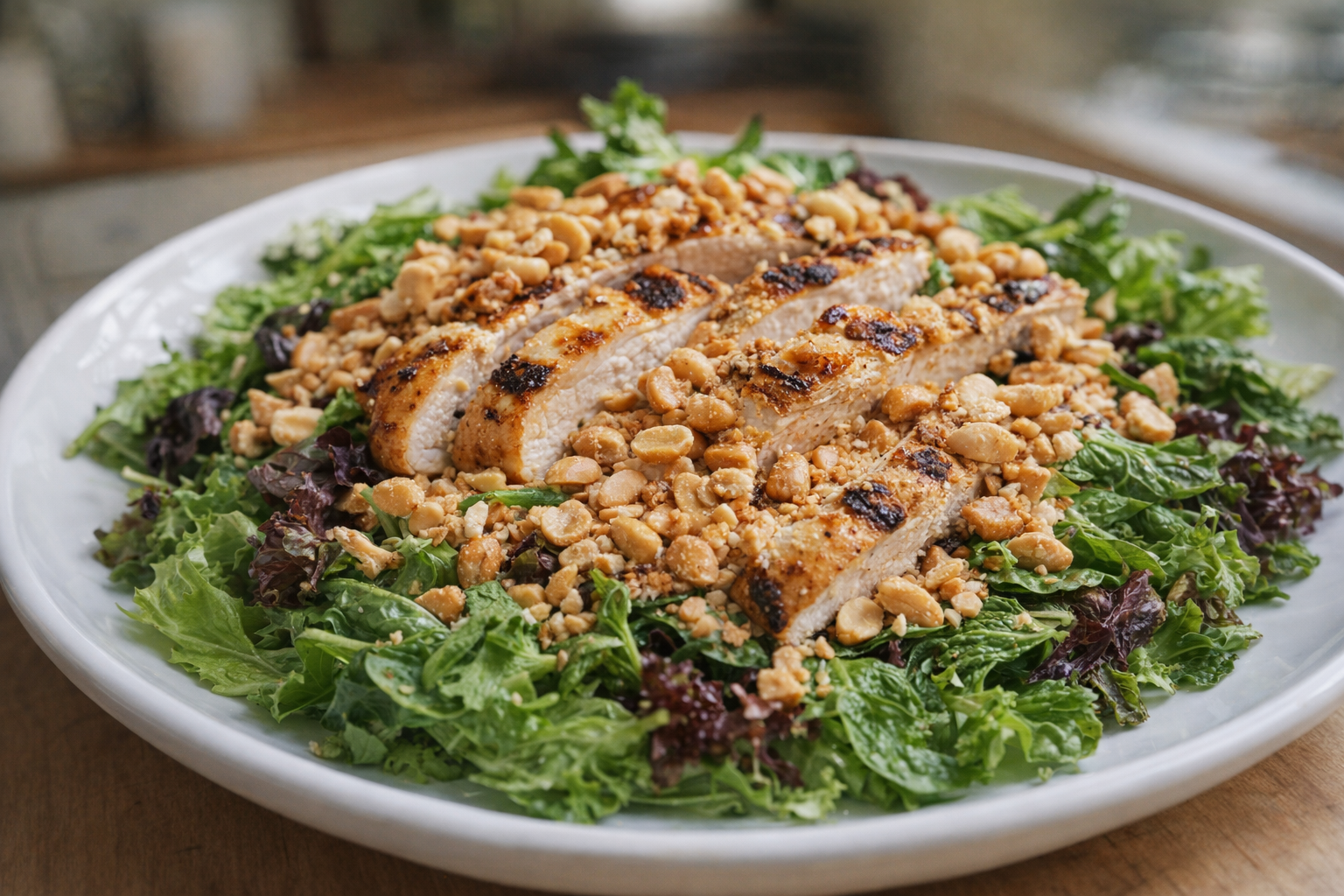
- Salad Garnish: Add chopped roasted peanuts to salads for a textural contrast.
- Peanut Butter: Blend roasted peanuts into homemade peanut butter.
💡 Pro Tips
- Spread the peanuts in a single layer on your baking sheet to ensure even air circulation and a consistent crunch.
- Stir or shake the peanuts halfway through the cooking process to prevent hot spots and ensure they brown uniformly.
- Take the peanuts out of the oven when they are a shade lighter than desired because residual heat will continue the roasting process.
- Allow the peanuts to cool completely on the tray for at least 15 minutes to let the texture fully crisp up.
- Apply salt or spices immediately after roasting while the natural oils are on the surface to help the seasonings stick better.
Frequently Asked Questions
It's not recommended to use salted peanuts for roasting. The additional roasting process can intensify the saltiness, making them overly salty. Always start with raw peanuts to control the final flavor.
Roasted peanuts are done when they have a golden-brown color and a nutty aroma. Taste one to check for the desired crunch; they should be firm and not soft. Be careful, as they continue to roast slightly as they cool.
Store roasted peanuts in an airtight container at room temperature for up to two weeks. For longer storage, you can freeze them in a freezer-safe bag for up to three months, though their texture may change slightly upon thawing.
Rinsing is optional, but recommended to remove any surface dust or debris that may be present on the raw peanuts. Make sure to thoroughly pat them dry after rinsing, especially if you're not using a salted brine, to ensure they roast properly and don't steam.