 delishing
How to Cook Yams: 5 Delicious Methods for Savory and Sweet Dishes

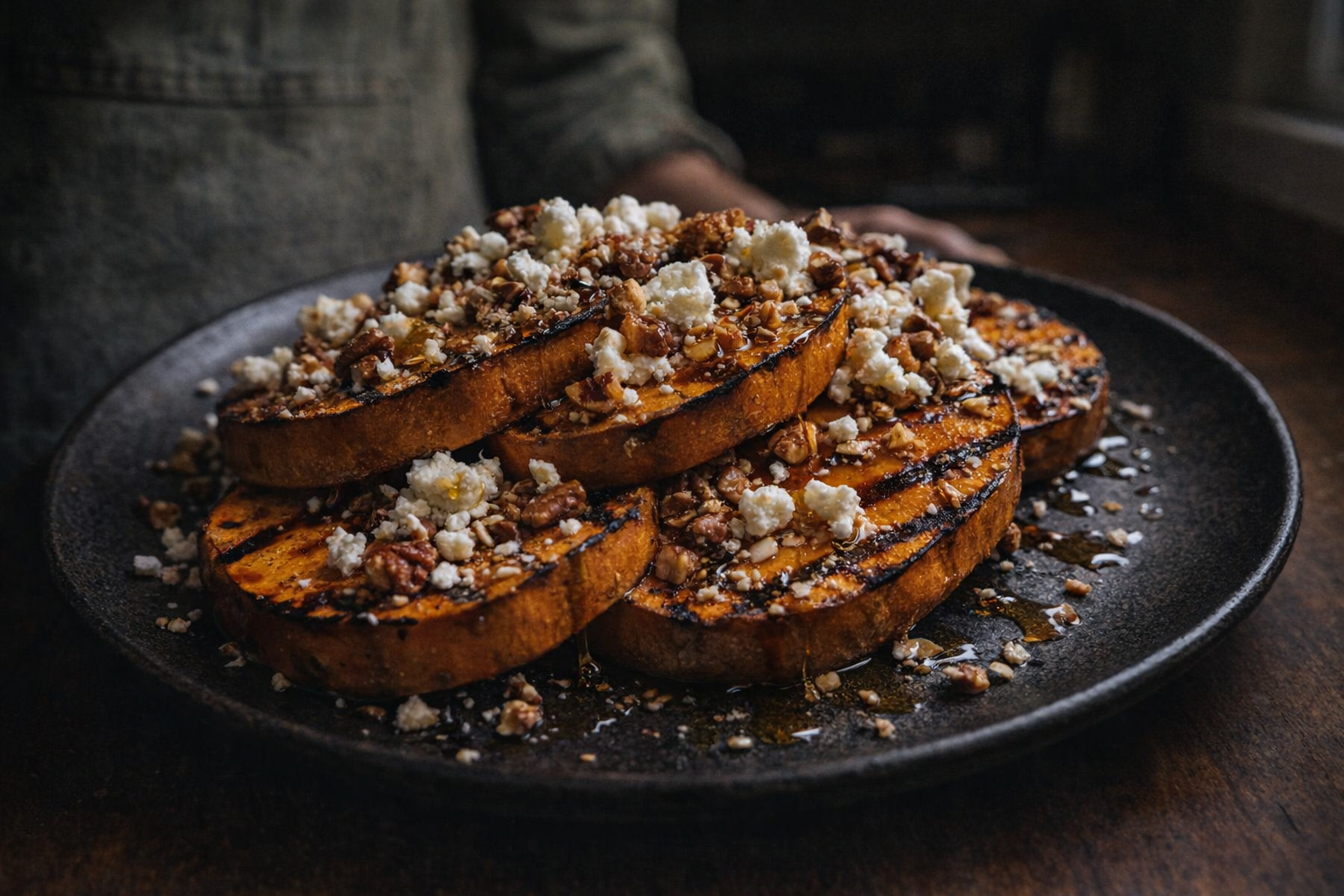
Yams, often confused with sweet potatoes, are starchy tubers with a subtly sweet and earthy flavor. When cooked properly, they boast a creamy texture and a natural sweetness that pairs beautifully with both savory and sweet ingredients. This guide will equip you with the knowledge to master five different cooking methods, ensuring perfect yams every time.
From roasting to frying, each technique unlocks a unique aspect of the yam's flavor profile. Roasting intensifies the sweetness, while frying delivers a satisfying crispy exterior. Boiling and steaming offer gentler approaches, preserving nutrients and creating a tender result, ideal for mashing or salads. Grilling imparts a smoky char, adding a layer of complexity to this versatile vegetable.
Understanding Yams
True yams belong to the Dioscorea genus, and while often used interchangeably with sweet potatoes, they are distinct vegetables. Yams have a rough, brown, bark-like skin and their flesh can range from white to yellow to purple, depending on the variety. They're less sweet and starchier than sweet potatoes. When shopping, look for firm yams without any soft spots, cuts, or bruises. Avoid shriveled yams, as they may be old and dry. Common varieties include:
- White Yams: Mild flavor and drier texture, ideal for soaking up sauces and spices.
- Yellow Yams: Slightly sweeter than white yams with a more pronounced flavor.
- Japanese Yams: Purple flesh with a sweet, chestnut-like flavor. Great for roasting.
Why Cook Yams This Way?
- Versatility: Yams can be incorporated into a wide range of dishes, from simple side dishes to hearty stews and even desserts.
- Flavor: Depending on the cooking method, you can highlight the yam's natural sweetness, earthy notes, or smoky undertones.
- Convenience: Yams are relatively easy to prepare and cook, requiring minimal ingredients and effort.
Preparation (Mise en Place)
Before you begin cooking, proper preparation is key. Start by thoroughly washing the yams under cold running water to remove any dirt or debris. Depending on your recipe and preference, you can peel the yams using a vegetable peeler. Peeling is optional, but it's recommended if the skin is particularly thick or rough. Next, cut the yams into uniform pieces. This ensures even cooking, regardless of the method you choose.
Essential Tools:
- Chef's Knife: A sharp chef's knife is essential for safely and efficiently cutting the yams.
- Vegetable Peeler: For easy peeling, a good quality vegetable peeler is a must-have.
- Cutting Board: A sturdy cutting board provides a safe and stable surface for prepping the yams.
- Mixing Bowls: Useful for tossing the yams with seasonings and oil.

The Cooking Methods
Here are five distinct methods for cooking yams, each offering a unique flavor and texture profile.
Method 1: Roasting
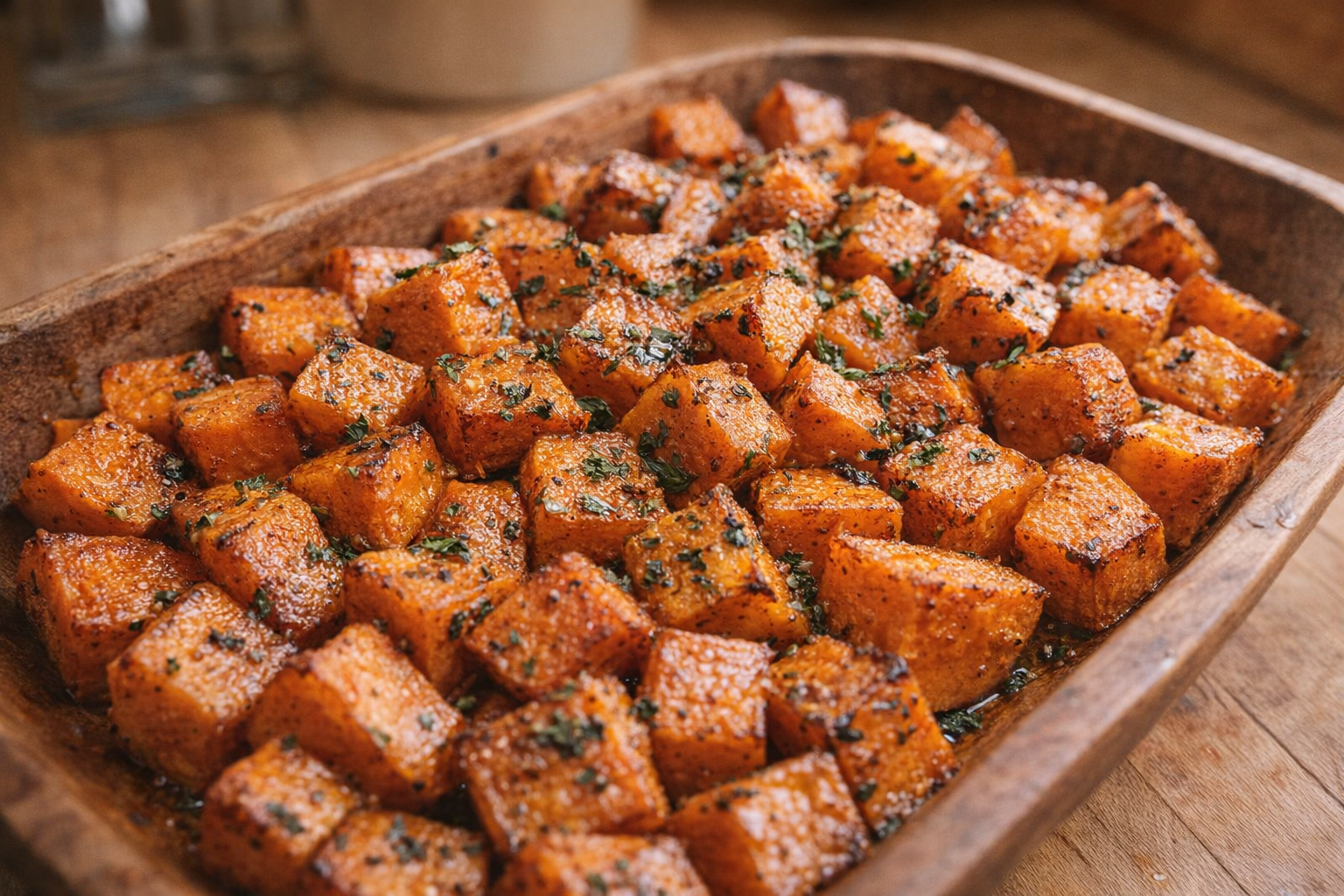
Roasting yams brings out their natural sweetness and creates a slightly caramelized exterior. The dry heat intensifies the flavors, making it a fantastic method for both savory and sweet applications.
Ingredients:
- 2 lbs (900g) yams, peeled and cubed
- 2 tablespoons (30ml) olive oil
- 1 teaspoon (5g) salt
- ½ teaspoon (2.5g) black pepper
- ½ teaspoon (2.5g) garlic powder (optional)
- ½ teaspoon (2.5g) paprika (optional)
- Fresh rosemary or thyme sprigs (optional)
Instructions:
- Preheat your oven to 400°F (200°C). Ensure the rack is in the center position for even heat distribution.
- In a large bowl, toss the cubed yams with olive oil, salt, pepper, garlic powder, and paprika (if using). The oil helps the yams to caramelize and prevents them from drying out. The aroma of the spices mixing with the earthy yam begins to fill the kitchen.
- Spread the seasoned yams in a single layer on a baking sheet. Avoid overcrowding, as this can lead to steaming instead of roasting.
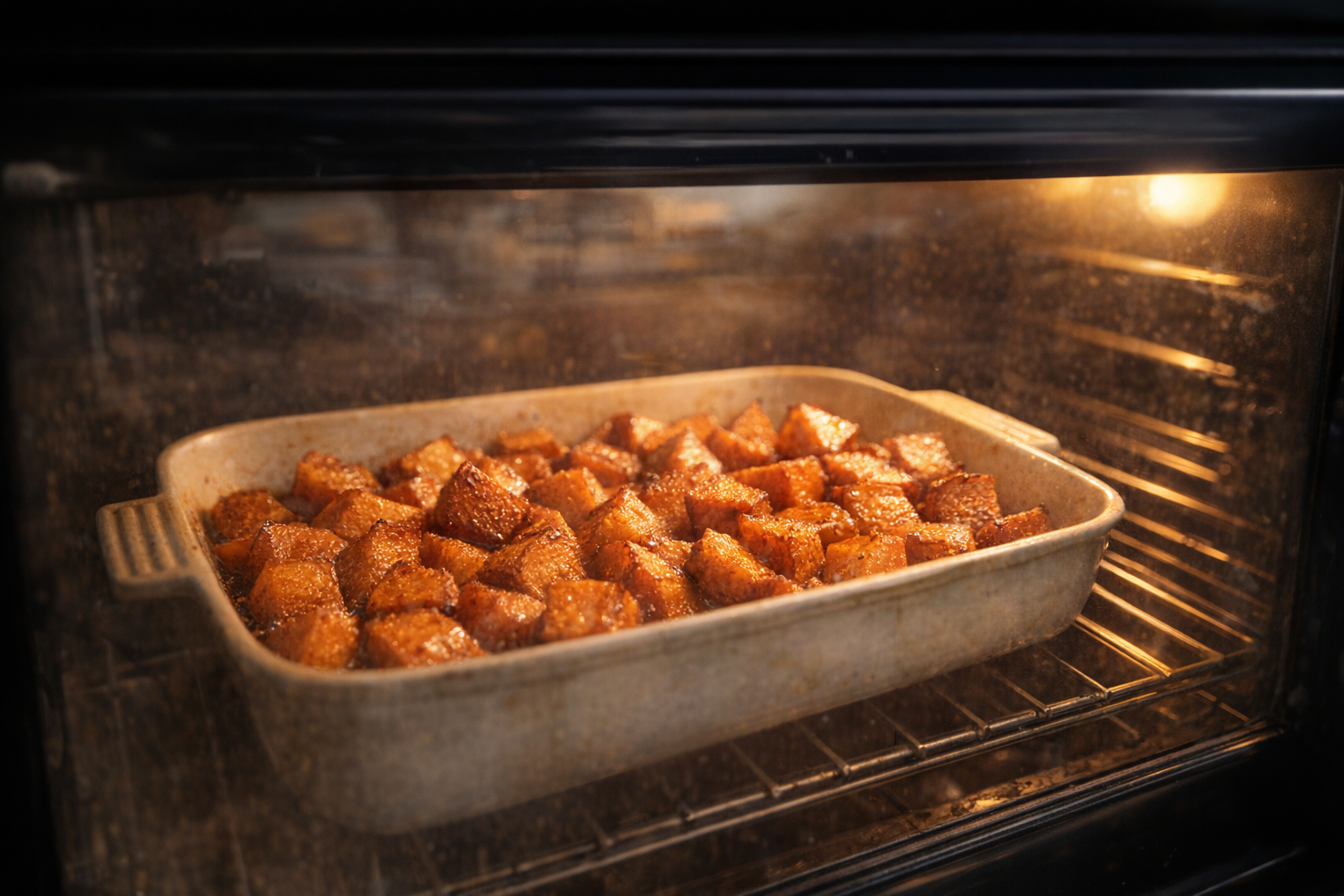
- Roast for 25-30 minutes, flipping halfway through, until the yams are tender on the inside and slightly crispy on the edges. The kitchen fills with a sweet, savory aroma as the yams roast, and the sizzling sound indicates they are caramelizing nicely.
- Remove from the oven and garnish with fresh rosemary or thyme sprigs (if using).
Method 2: Boiling
Boiling is a simple and straightforward method for cooking yams. It's ideal for recipes that require soft, tender yams, such as mashed yams or yam puree.
Ingredients:
- 2 lbs (900g) yams, peeled and cubed
- Water, enough to cover the yams
- 1 teaspoon (5g) salt (optional)
Instructions:
- Place the cubed yams in a large pot and cover with cold water. Adding cold water ensures even cooking.
- Add salt (if using) to the water. Salt enhances the yam's natural flavor.
- Bring the water to a boil over high heat. The sound of the boiling water signals the start of the cooking process.
- Reduce the heat to medium and simmer for 20-25 minutes, or until the yams are fork-tender. The yams should yield easily when pierced with a fork.
- Drain the yams in a colander.
Method 3: Steaming
Steaming is a gentle cooking method that helps preserve the yam's nutrients and natural flavors. It results in tender, moist yams that are perfect for salads or as a healthy side dish.
Ingredients:
- 2 lbs (900g) yams, peeled and cubed
- Water, for steaming
- 1 teaspoon (5g) salt (optional)
Instructions:
- Fill a pot with about 1-2 inches of water and place a steamer basket or insert over the water, ensuring the water doesn’t touch the bottom of the basket.
- Bring the water to a boil over medium-high heat.
- Place the cubed yams in the steamer basket and sprinkle with salt (if using).
- Cover the pot with a lid, reduce the heat to medium, and steam for 20-25 minutes, or until the yams are fork-tender. The steam envelops the yams, cooking them gently and evenly.
- Remove the yams from the steamer and serve.
Method 4: Frying
Frying yams creates a crispy exterior and a soft, creamy interior. This method is perfect for making yam fries or adding a textural contrast to other dishes.
Ingredients:
- 2 lbs (900g) yams, peeled and cut into fries or slices
- ½ cup (120ml) vegetable oil, for frying
- 1 teaspoon (5g) salt
- ½ teaspoon (2.5g) black pepper
- ½ teaspoon (2.5g) paprika or cayenne pepper (optional, for a spicy kick)
Instructions:
- In a large bowl, toss the yam fries or slices with salt, pepper, and paprika or cayenne pepper (if using).
- Heat the vegetable oil in a large skillet or frying pan over medium-high heat. The oil should shimmer and be hot enough to sizzle when a small piece of yam is added.
- Carefully add the yam fries or slices to the hot oil in batches, avoiding overcrowding the pan. Overcrowding lowers the oil temperature and results in soggy fries.
- Fry for 5-7 minutes per batch, turning occasionally, until golden brown and crispy on the outside. The sizzling sound of the yams frying is a clear indication of their progress.
- Remove the fried yams from the oil using a slotted spoon and place them on a plate lined with paper towels to drain any excess oil.
Method 5: Grilling
Grilling yams imparts a smoky flavor and creates beautiful grill marks. This method is ideal for adding a touch of char and complexity to the yams.
Ingredients:
- 2 lbs (900g) yams, peeled and sliced into ½-inch thick rounds or wedges
- 2 tablespoons (30ml) olive oil
- 1 teaspoon (5g) salt
- ½ teaspoon (2.5g) black pepper
- ½ teaspoon (2.5g) smoked paprika (optional, for a smoky flavor)
- 1 tablespoon (15ml) fresh lemon juice (optional)
- Fresh rosemary or thyme sprigs (optional)
Instructions:
- Preheat your grill to medium-high heat (around 375°F to 400°F or 190°C to 200°C). Ensure the grates are clean and lightly oiled to prevent sticking.
- In a large bowl, toss the yam slices with olive oil, salt, pepper, and smoked paprika (if using).
- Place the yam slices directly on the grill grates.
- Cook for about 5-7 minutes per side, or until they develop nice grill marks and are tender inside. The smell of the yams grilling is enticing, and the sight of the grill marks adds to the anticipation.
- Squeeze fresh lemon juice over the yams during the last minute of grilling (if using).
- Remove the grilled yams from the grill and garnish with fresh herbs (if desired).
Cooking Time & Doneness Guide
The cooking time for yams varies depending on the method and size of the pieces. Generally, yams are done when they are fork-tender, meaning a fork can be easily inserted into the flesh without resistance. The internal temperature should reach around 200-210°F (93-99°C).
- Roasted Yams: 25-30 minutes at 400°F (200°C)
- Boiled Yams: 20-25 minutes at a simmer
- Steamed Yams: 20-25 minutes over boiling water
- Fried Yams: 5-7 minutes per batch in medium-high heat
- Grilled Yams: 5-7 minutes per side on medium-high heat
Visual Cues:
- Color: The yams will become more vibrant in color as they cook.
- Texture: The yams will soften and become easily pierceable with a fork.
Tips for Perfection
- Don't Overcrowd: Whether roasting or frying, avoid overcrowding the pan. This traps steam and prevents the yams from browning properly.
- Uniform Size: Cut the yams into uniform pieces to ensure even cooking.
- Season Generously: Yams have a mild flavor, so don't be afraid to season them generously with salt, pepper, and other spices.
- Check for Doneness: Use a fork to check for doneness. The yams should be tender but not mushy.
Storage & Reheating
Cooked yams can be stored in an airtight container in the refrigerator for up to 3-4 days. To reheat, you can microwave them, bake them in the oven, or sauté them in a pan. Microwaving is the quickest option, but baking or sautéing will help retain their texture and flavor. Avoid reheating boiled yams, as they may become mushy.
Serving Suggestions
- Mashed Yams: A classic side dish, mashed yams can be flavored with butter, cream, and spices.
- Yam Fries: A healthier alternative to potato fries, yam fries are delicious with your favorite dipping sauce.
- Yam Salad: Combine cooked yams with greens, nuts, and a vinaigrette for a nutritious and flavorful salad.
- Yam Bowls: Use as a base for grain bowls, topping with protein and veggies.
💡 Pro Tips
- For the best roasted results, toss yam chunks in oil and spread them in a single layer to ensure every piece develops a crisp, caramelized exterior.
- When frying, maintain a consistent oil temperature to prevent the yams from becoming greasy while achieving a perfectly crunchy crust.
- If you are boiling yams for a mash, start them in cold water to ensure the outside does not overcook before the center is soft.
- Enhance the smoky flavor of grilled yams by brushing them with a mixture of butter and spices during the last few minutes of cooking.
- To prevent discoloration after peeling, submerge raw yam slices in a bowl of cold water until you are ready to start the cooking process.
Frequently Asked Questions
Dry roasted yams are often caused by insufficient moisture or too high of a temperature. Try tossing the yams with a generous amount of olive oil or other cooking fat before roasting and make sure your oven temperature isn't too high, around 400°F (200°C) is usually best.
While yams and sweet potatoes are often confused, they are different. Sweet potatoes are generally sweeter and have a softer texture, so the flavor profile of your dish will change. If substituting, consider reducing any added sugar in the recipe to compensate for the sweet potato's higher sugar content.
Cooked yams should be stored in an airtight container in the refrigerator. They will generally keep for 3-5 days. Be sure to let them cool completely before refrigerating to prevent condensation and potential spoilage.
Peeling yams is optional but recommended if the skin is thick or rough. If you prefer to leave the skin on, make sure to scrub the yams very thoroughly to remove any dirt or debris. Leaving the skin on can add a slightly earthy flavor and extra fiber.