 delishing
How to Make Authentic Masala Chai on the Stovetop

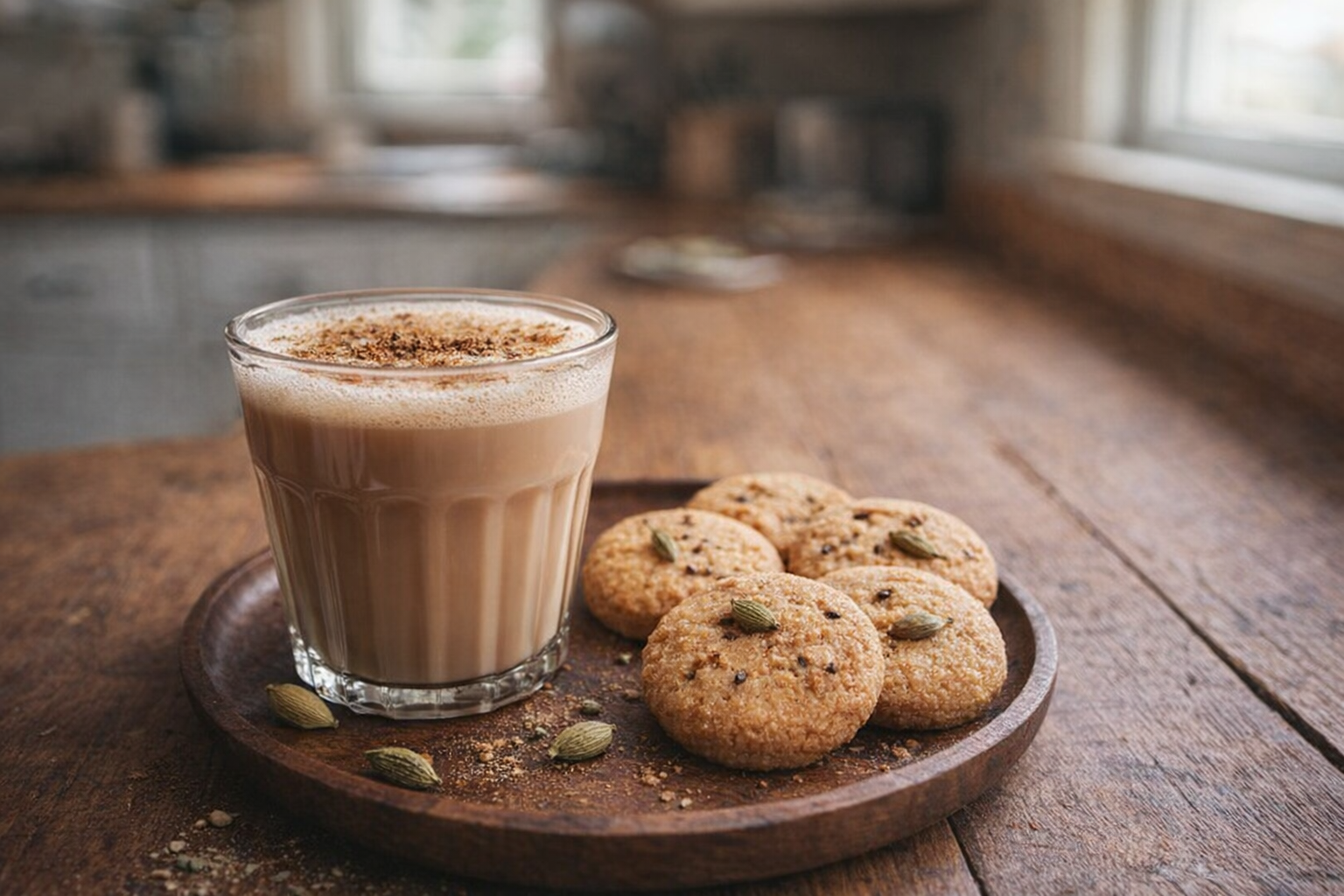
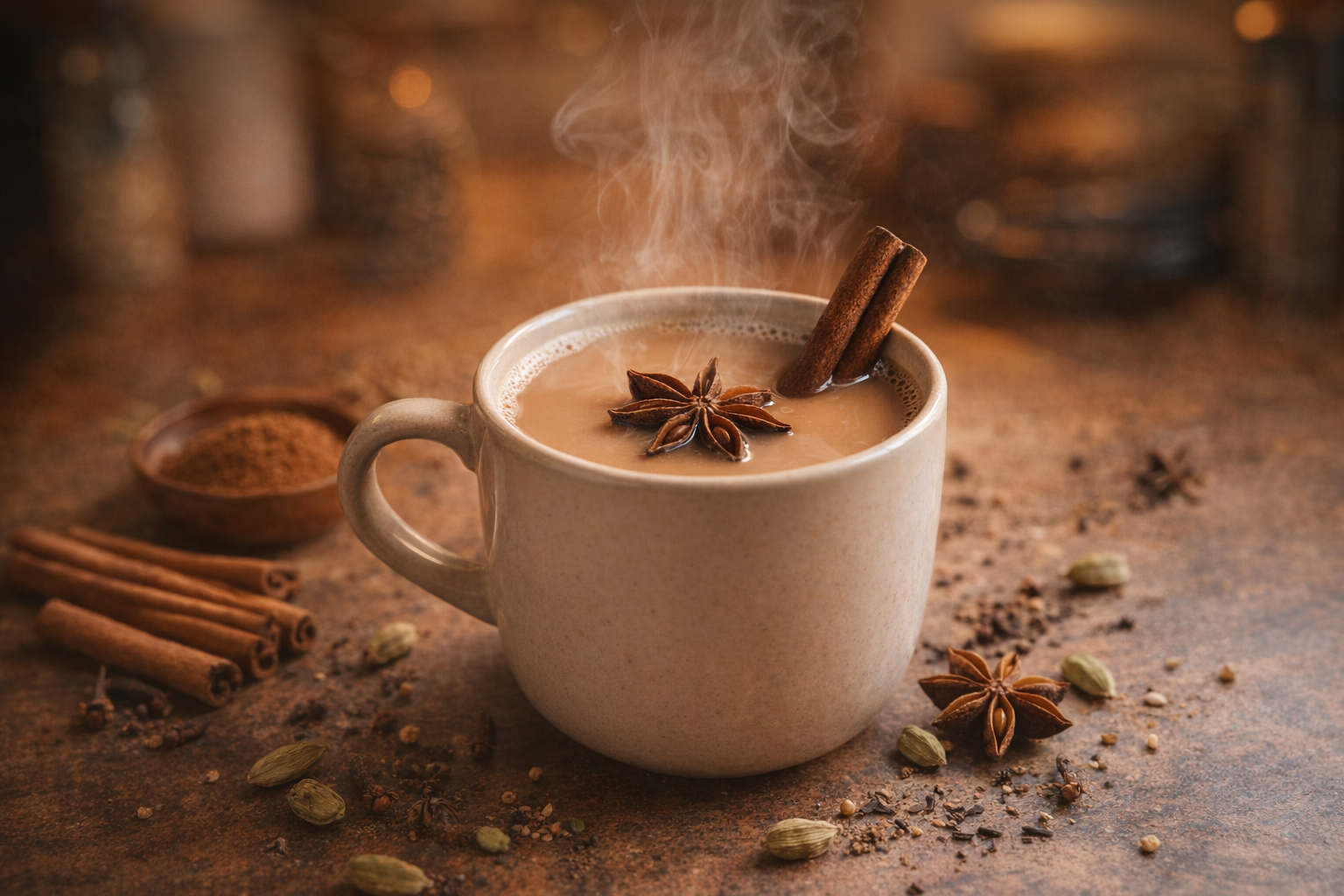
Masala chai, translating to "spiced tea," is a cornerstone of Indian hospitality and daily life. This isn't just tea; it's a complex blend of black tea leaves, aromatic spices, milk, and a touch of sweetener, simmered together to create a beverage that's both comforting and invigorating. The warmth of ginger, the subtle heat of peppercorns, and the fragrant notes of cardamom intertwine with the robust black tea, creating a symphony of flavors that awaken the senses.
This method focuses on extracting the maximum flavor from whole spices and loose-leaf tea by gently simmering them in water before adding milk. This allows the spices to fully infuse the water, creating a potent base that doesn't become diluted when the milk is added. Using whole spices instead of ground provides a fresher, brighter flavor that elevates the entire experience. The result is a richly flavored, creamy cup of masala chai that will transport you straight to the bustling streets of India.
Understanding Black Tea
Black tea forms the backbone of masala chai, providing a strong, grounding flavor that balances the spices. Assam and Darjeeling teas are the most commonly used, each offering a distinct profile. Assam is known for its bold, malty notes and rich color, while Darjeeling is more delicate, with floral and fruity undertones. When choosing your black tea, opt for loose-leaf varieties for optimal flavor extraction. CTC (Crush, Tear, Curl) tea, a processed form often found in tea bags, can also be used, but the flavor will be less nuanced. Experiment with different black teas to find your personal preference for a well-rounded chai.
Why Cook Masala Chai This Way?
- Flavor Depth: Simmering whole spices unlocks their essential oils, creating a more vibrant and complex flavor profile than using pre-ground spices.
- Customization: This method allows for complete control over the spice blend, letting you tailor the chai to your exact preferences. Adjust the amount of ginger for extra warmth or add a pinch of fennel for a subtle anise note.
- Authenticity: This is the traditional method used in many Indian households, resulting in a truly authentic cup of masala chai.
Preparation (Mise en Place)
The key to a great cup of masala chai lies in the preparation. Before you begin, gather your spices and measure out your tea and milk. Freshly grating the ginger will maximize its aroma and flavor.
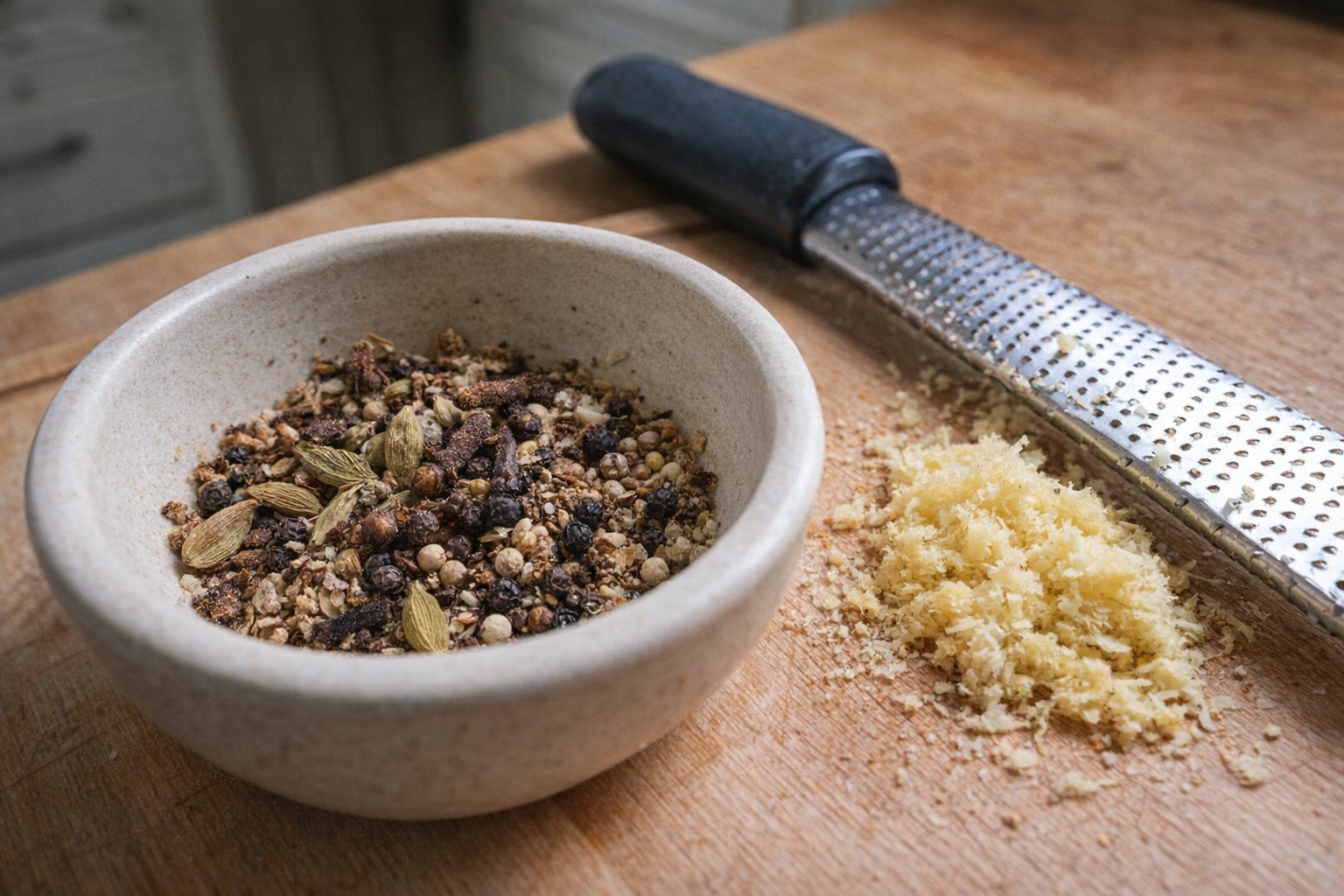
- Crush the spices: Using a mortar and pestle or the flat side of a knife, lightly crush the cardamom pods, cloves, star anise (if using), and peppercorns. This helps release their essential oils.
- Grate the ginger: Grate a small knob of fresh ginger. You'll need about 1-2 teaspoons of grated ginger for optimal flavor.
- Measure the tea: Measure out the loose-leaf black tea. The amount will vary depending on the strength of the tea and your personal preference. Start with 1-2 tablespoons per cup.
- Prepare the milk: Have your milk of choice ready. Whole milk will create the richest, creamiest chai, but other milks like oat or almond milk work well too.
- Measure the sweetener: Have your preferred sweetener on hand, such as maple syrup, honey, or sugar.
Essential Tools
- Small saucepan: A heavy-bottomed saucepan will distribute heat evenly and prevent scorching.
- Mortar and pestle (or knife): For crushing the spices.
- Grater: For grating the ginger.
- Measuring spoons and cups: For accurate measurements.
- Strainer: To strain the chai after brewing.
The Cooking Method(s)
While many variations exist, this method focuses on extracting maximum flavor from the spices before adding the tea and milk.
Authentic Stovetop Chai
Ingredients:
- 4-5 whole green cardamom pods, lightly crushed
- 2 whole cloves, lightly crushed
- 1-2 pieces star anise (optional), lightly crushed
- 4-5 peppercorns (optional), lightly crushed
- 1 cup (240ml) water
- 2-3 slices fresh ginger (or 1-2 tsp ground ginger), grated
- ½ cinnamon stick, broken in half
- 1-2 tbsp loose-leaf black tea (or 1-2 tea bags)
- 1 cup (240ml) milk of your choice
- 2-3 tbsp (or more to taste) maple syrup, honey, sugar, or other sweetener
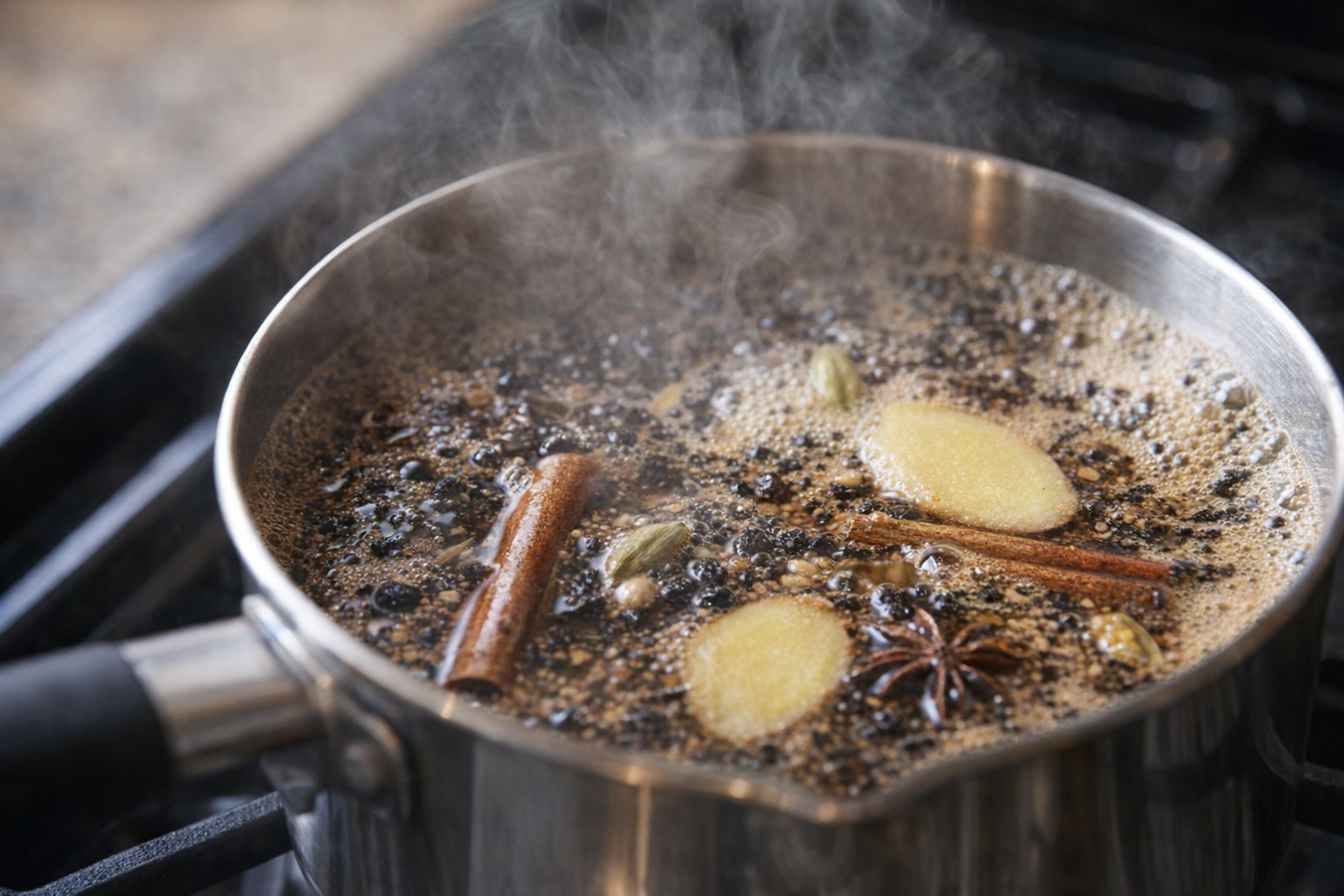
- Simmer the Spices: In a small saucepan, combine the crushed cardamom, cloves, star anise (if using), peppercorns (if using), grated ginger, cinnamon stick, and water. Bring to a gentle simmer over medium heat. The air will fill with the warm, inviting aroma of the spices as they release their essential oils.
- Infuse the Tea: Reduce heat to low and simmer for 5-10 minutes, allowing the spices to fully infuse the water. This step is crucial for developing the depth of flavor.
- Add the Tea: Add the loose-leaf black tea (or tea bags) to the simmering spice mixture. Turn off the heat and let steep for 5 minutes. Do not boil the tea, as this can result in a bitter taste. The tea will slowly unfurl, releasing its color and flavor into the spiced water.
- Incorporate the Milk: Pour in your milk of choice. Return the saucepan to low heat and gently bring the chai to a simmer, stirring occasionally to prevent the milk from scorching. As the milk warms, it will meld with the spiced tea, creating a creamy, harmonious blend.
- Sweeten to Taste: Add your preferred sweetener to taste. Stir until dissolved. Taste and adjust the amount of sweetener as needed to achieve your desired level of sweetness.
- Strain and Serve: Strain the chai through a fine-mesh strainer into your favorite mug. This will remove any loose tea leaves and spice fragments, resulting in a smooth, enjoyable drink.
Cooking Time & Doneness Guide:
- Simmering Spices: 5-10 minutes
- Steeping Tea: 5 minutes
- Heating with Milk: 2-3 minutes (or until just simmering)
Visual Cues
The chai is ready when the milk is heated through and the color is a rich, dark brown. Avoid boiling the chai after adding the milk, as this can cause it to curdle.
Tips for Perfection:
- Use Fresh Spices: Freshly ground or whole spices will provide the most potent and aromatic flavor.
- Don't Boil the Tea: Boiling the tea can result in a bitter taste. Steep the tea in the hot spice mixture off the heat.
- Adjust the Spices to Your Liking: Feel free to experiment with different spice combinations and quantities to create your perfect chai blend.
- Use High-Quality Milk: Whole milk will provide the richest, creamiest texture, but any milk of your choice can be used.
Storage & Reheating:
Leftover masala chai can be stored in an airtight container in the refrigerator for up to 2 days. To reheat, gently warm the chai in a saucepan over low heat, stirring occasionally. Avoid boiling. You can also reheat it in the microwave, but be careful not to overheat it, as this can alter the texture.
Serving Suggestions:
- With Biscuits or Cookies: Serve masala chai with your favorite biscuits or cookies for a comforting afternoon treat.
- With Indian Snacks: Pair masala chai with savory Indian snacks like samosas or pakoras for an authentic experience.
- Iced Chai: Allow the chai to cool completely, then pour over ice for a refreshing iced chai.
- Chai Latte: Froth warm milk and pour it over the chai for a creamy chai latte.
💡 Pro Tips
- Crush whole spices like cardamom pods and black peppercorns just before adding them to the water to release their essential oils and maximize aroma.
- Simmer the spices and loose-leaf tea in water for several minutes before adding milk to ensure a deep, concentrated flavor base.
- Use whole milk for a richer, creamier texture that balances the strong tannins of the black tea and the heat of the ginger.
- Bring the chai to a rolling boil multiple times after adding milk, lifting the pan off the heat to aerate the tea and develop a frothy top.
- Select a strong CTC black tea instead of delicate whole leaves to ensure the tea flavor isn't overpowered by the milk and spices.
Frequently Asked Questions
While whole spices are recommended for the best flavor, you can substitute with ground spices in a pinch. Use about 1/4 to 1/2 teaspoon of each ground spice for every whole spice called for, but remember the flavor won't be as vibrant or fresh.
Yes, you can definitely use alternative milks like almond, oat, or soy milk to make masala chai. Keep in mind that the flavor and texture will be slightly different; some alternative milks may curdle slightly at high heat, so keep the heat on low and stir frequently.
The amount of sweetener used is entirely up to your preference. You can use white sugar, brown sugar, honey, or any other sweetener you like. Add the sweetener gradually to the pot after adding the milk and taste as you go until you reach your desired level of sweetness.
Yes, you can definitely prepare a larger batch of the crushed spice blend and store it in an airtight container in a cool, dark place. However, the spices will lose their potency over time, so it's best to use the blend within a month or two for the best flavor.