 delishing
How to Cook Mussels on the Stove: A Chef's Guide

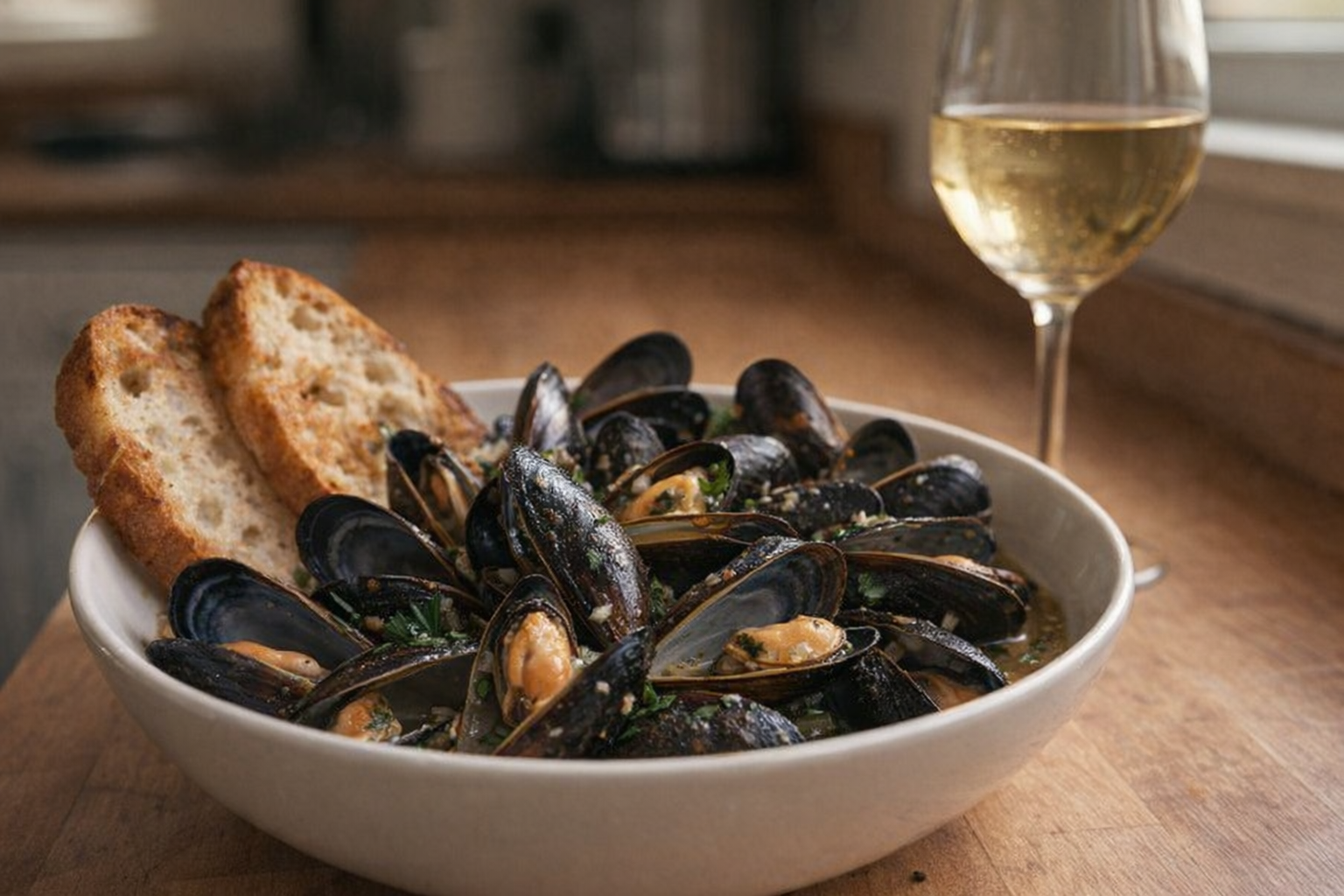
Mussels, with their briny, oceanic flavor, are a delightful and surprisingly simple seafood to prepare at home. This guide focuses on the most efficient and reliable method: steaming on the stovetop. When properly cooked, mussels release a delicate, slightly sweet liquor that complements their tender, yielding texture. The addition of aromatics like garlic and herbs elevates the natural flavors of the mussels, creating a dish that's both elegant and comforting.
Steaming mussels is a time-tested technique because it gently cooks the shellfish in their own juices, preserving their moisture and preventing them from becoming rubbery. This method is also incredibly versatile, allowing you to customize the flavor profile with different broths, wines, and spices. Think of this guide not just as a recipe, but as a foundation upon which you can build countless variations.
Understanding Mussels
When purchasing mussels, you'll typically find two main types: blue mussels (Mytilus edulis) and green-lipped mussels (Perna canaliculus). Blue mussels are the most common and widely available. Look for mussels with tightly closed shells, a sign that they are alive and fresh. The shells should be clean and free of cracks. Avoid any mussels with open shells that don't close when tapped; these are likely dead and should be discarded. The best mussels have a clean, sea-air smell, not overly fishy. Ideally, purchase mussels the day you plan to cook them.
Why Cook Mussels This Way?
- Versatility: Steaming provides a blank canvas for various flavor combinations, from classic white wine and garlic to spicy chorizo and tomato.
- Flavor: Steaming allows the mussels to cook in their own flavorful broth, enhancing their natural sweetness and briny taste.
- Convenience: This method is quick and easy, requiring minimal equipment and cleanup.
Preparation (Mise en Place)
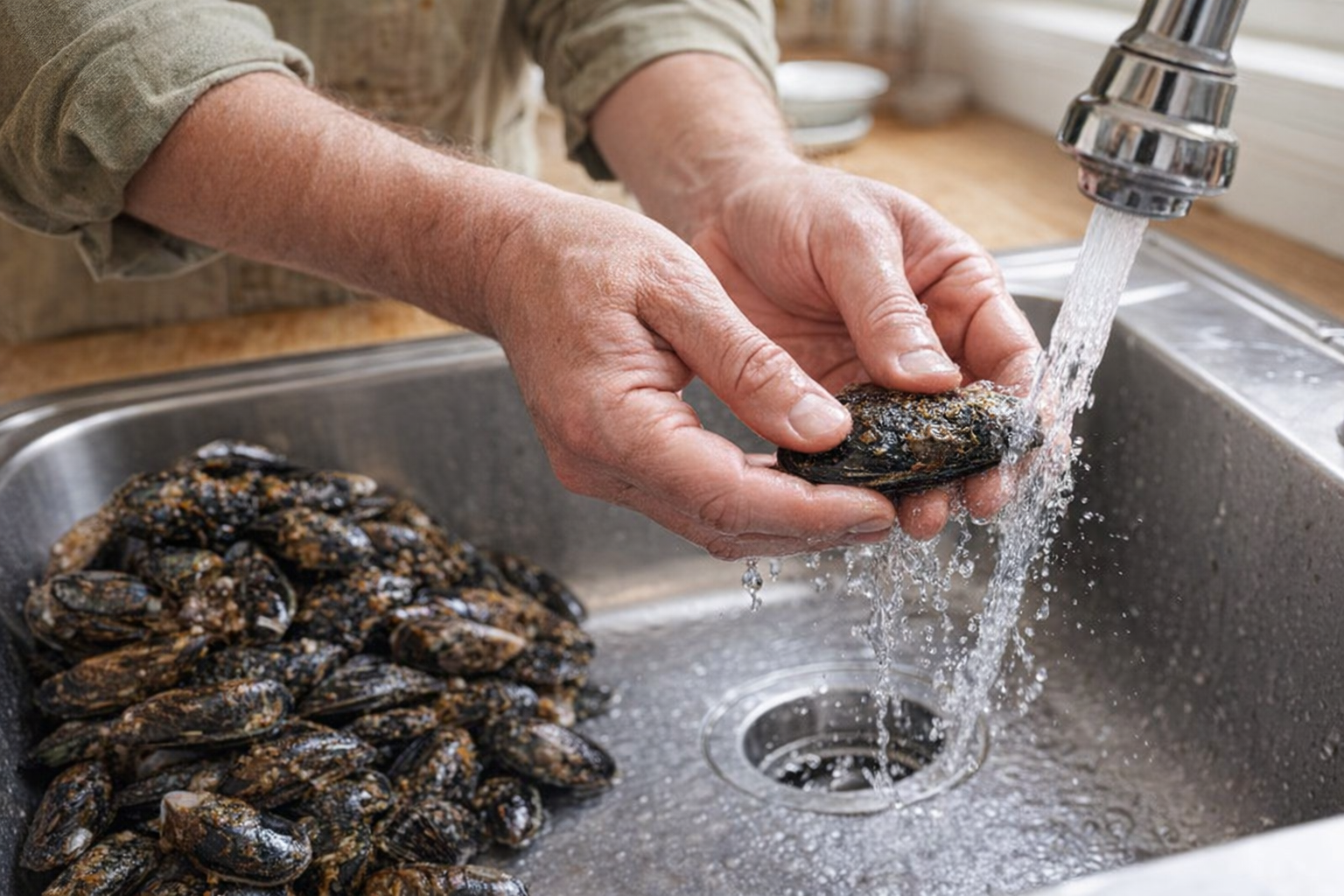
Before you begin cooking, proper preparation is crucial. Start by placing the mussels in a large bowl filled with cold, salted water (about 1/4 cup salt per gallon of water). This helps them purge any sand or grit. Gently scrub the shells with a stiff brush to remove any barnacles or debris. The "beard," a fibrous clump protruding from the shell, should be removed by pulling it firmly towards the hinge of the mussel. Don't do this too far in advance, or the mussel may die.
Essential Tools
- Large Pot with Lid: A wide, heavy-bottomed pot ensures even heat distribution and enough space for the mussels to steam.
- Colander: For draining and rinsing the mussels.
- Stiff Brush: For scrubbing the mussel shells clean.
- Tongs or Slotted Spoon: For removing the cooked mussels from the pot.
The Cooking Method(s): Steaming Mussels
Steaming Mussels with White Wine and Garlic
This classic preparation highlights the natural flavors of the mussels while adding a touch of sophistication.
Ingredients:
- Fresh Mussels: 2 lbs (900g)
- Olive Oil: 2 tablespoons (30ml)
- Shallot: 1 medium, minced
- Garlic: 3 cloves, minced
- Dry White Wine: 1 cup (240ml) - such as Sauvignon Blanc or Pinot Grigio
- Chicken Broth: 1/2 cup (120ml)
- Fresh Parsley: 1/4 cup (15g), chopped
- Lemon Juice: 1 tablespoon (15ml)
- Red Pepper Flakes: 1/4 teaspoon (optional)
- Salt and Black Pepper: to taste
- In a large pot over medium heat, heat the olive oil. Add the minced shallot and garlic and sauté for 2-3 minutes, until softened and fragrant. The aroma of garlic starting to bloom is your cue to proceed.
- Add the white wine and chicken broth to the pot. Bring to a simmer, scraping up any browned bits from the bottom of the pot. These bits, called fond, add depth to your sauce.
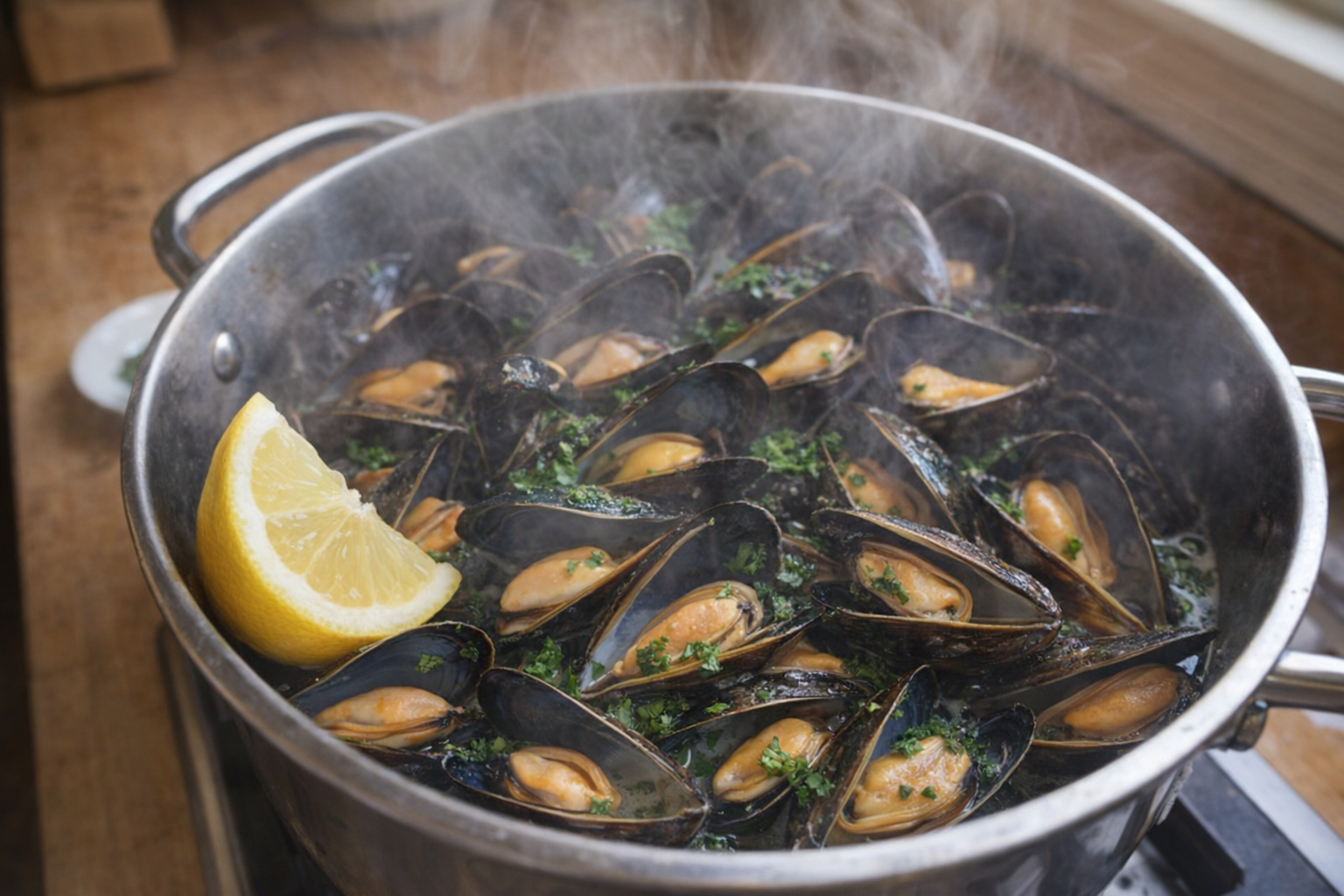
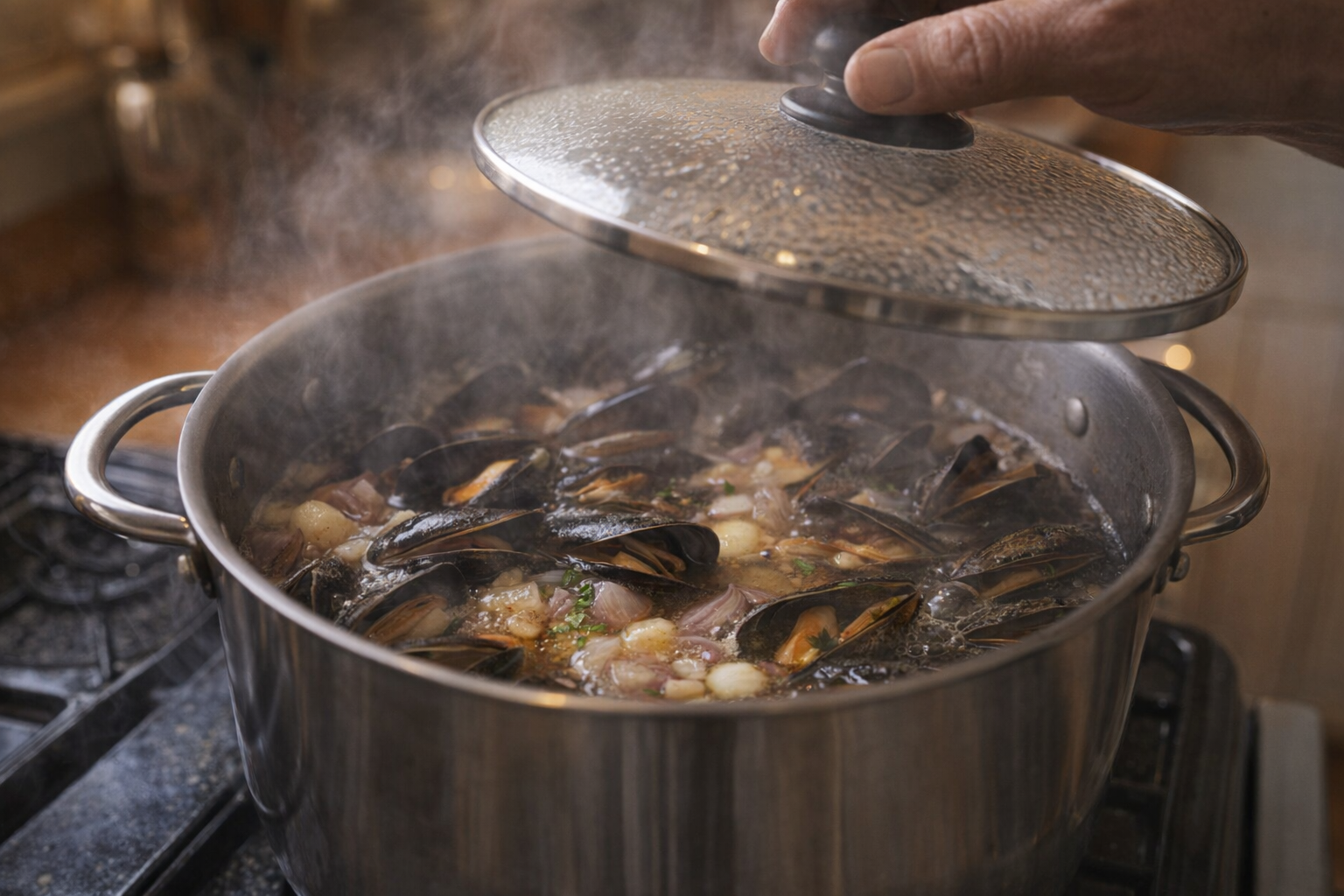
- Add the mussels to the pot. Cover tightly with a lid and steam for 5-7 minutes, or until the mussels have opened. Listen for the gentle hiss of steam escaping the pot, a sign that the cooking process is underway.
- Remove the pot from the heat. Discard any mussels that did not open.
- Stir in the chopped parsley, lemon juice, and red pepper flakes (if using). Season with salt and black pepper to taste.
- Serve immediately, garnished with a lemon wedge.
Cooking Time & Doneness Guide
Mussels typically take 5-7 minutes to steam. Overcooking will make them rubbery.
Visual Cues
The mussels are done when their shells have fully opened. The meat inside should be plump and opaque.
Tips for Perfection
- Don't Overcrowd the Pot: Steam the mussels in batches if necessary to ensure even cooking. Overcrowding lowers the temperature and leads to uneven cooking.
- Use Quality Wine: The flavor of the wine will impact the final dish. Choose a dry, crisp white wine that you would enjoy drinking.
- Adjust Seasoning: Taste the broth after the mussels have steamed and adjust the seasoning as needed.
- Serve Immediately: Mussels are best served hot, right after cooking.
Storage & Reheating
Leftover cooked mussels can be stored in an airtight container in the refrigerator for up to 1 day. To reheat, gently steam them with a little broth or water until heated through. Be careful not to overcook them during reheating. Microwaving is not recommended as it can make them rubbery.
Serving Suggestions
- With Crusty Bread: Serve the steamed mussels with plenty of crusty bread for soaking up the flavorful broth.
- Over Pasta: Toss the mussels and broth with your favorite pasta for a simple and satisfying meal.
- As an Appetizer: Serve the mussels as an appetizer with a side of aioli or dipping sauce.
- With Fries: Pair the mussels with crispy fries for a classic Belgian-inspired dish.
💡 Pro Tips
- Discard any mussels that remain open after being tapped on a hard surface to ensure you are only cooking live shellfish.
- Use a wide, heavy-bottomed pot with a tight-fitting lid to ensure even heat distribution and trap the steam effectively.
- Sauté aromatics like garlic and shallots in butter until translucent before adding the liquid to build a rich flavor base.
- Watch for the shells to open and immediately remove the pot from the heat to prevent the mussels from becoming rubbery.
- Finish the dish by swirling in a cold knob of butter or a splash of heavy cream for a velvety, restaurant-quality sauce.
Frequently Asked Questions
No, mussels that don't open after cooking should be discarded. This indicates that they were likely dead before cooking and may not be safe for consumption.
Absolutely! You can substitute the white wine with chicken broth, vegetable broth, or even a flavorful beer. Adjust the other aromatics to complement your chosen liquid for a unique flavor profile.
Cooked mussels should be stored in an airtight container in the refrigerator and consumed within 1-2 days. Ensure they cool down completely before refrigerating to prevent bacterial growth.
Place the mussels in a bowl of cold, salted water for about 20 minutes to help them purge sand. Scrub the shells with a stiff brush, and firmly pull the beard towards the hinge of the mussel to remove it just before cooking.