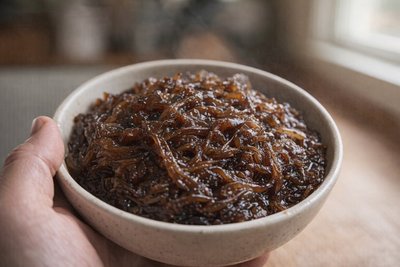
 delishing
How to Cook with Figs: A Culinary Guide to Enhance Sweet and Savory Dishes

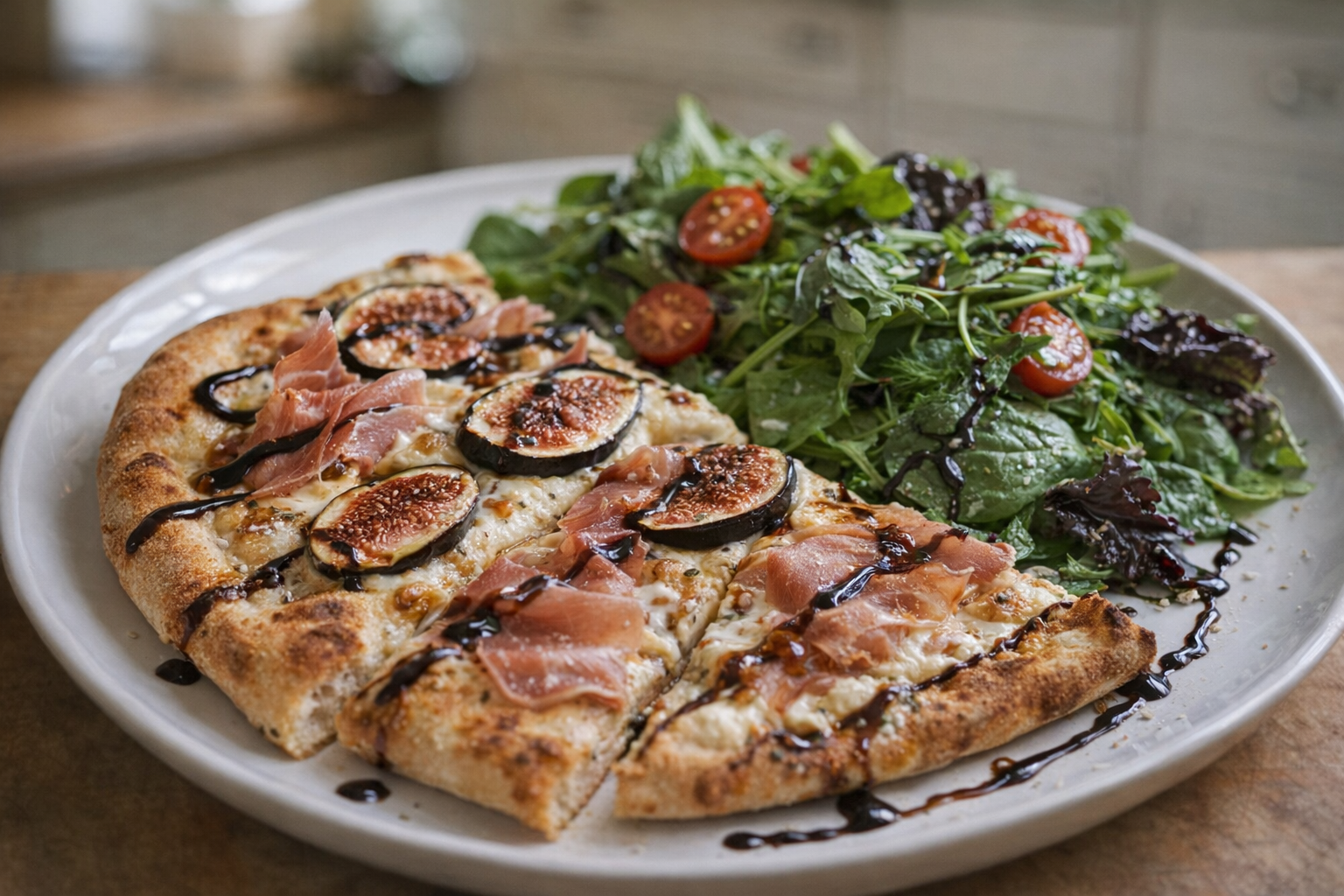
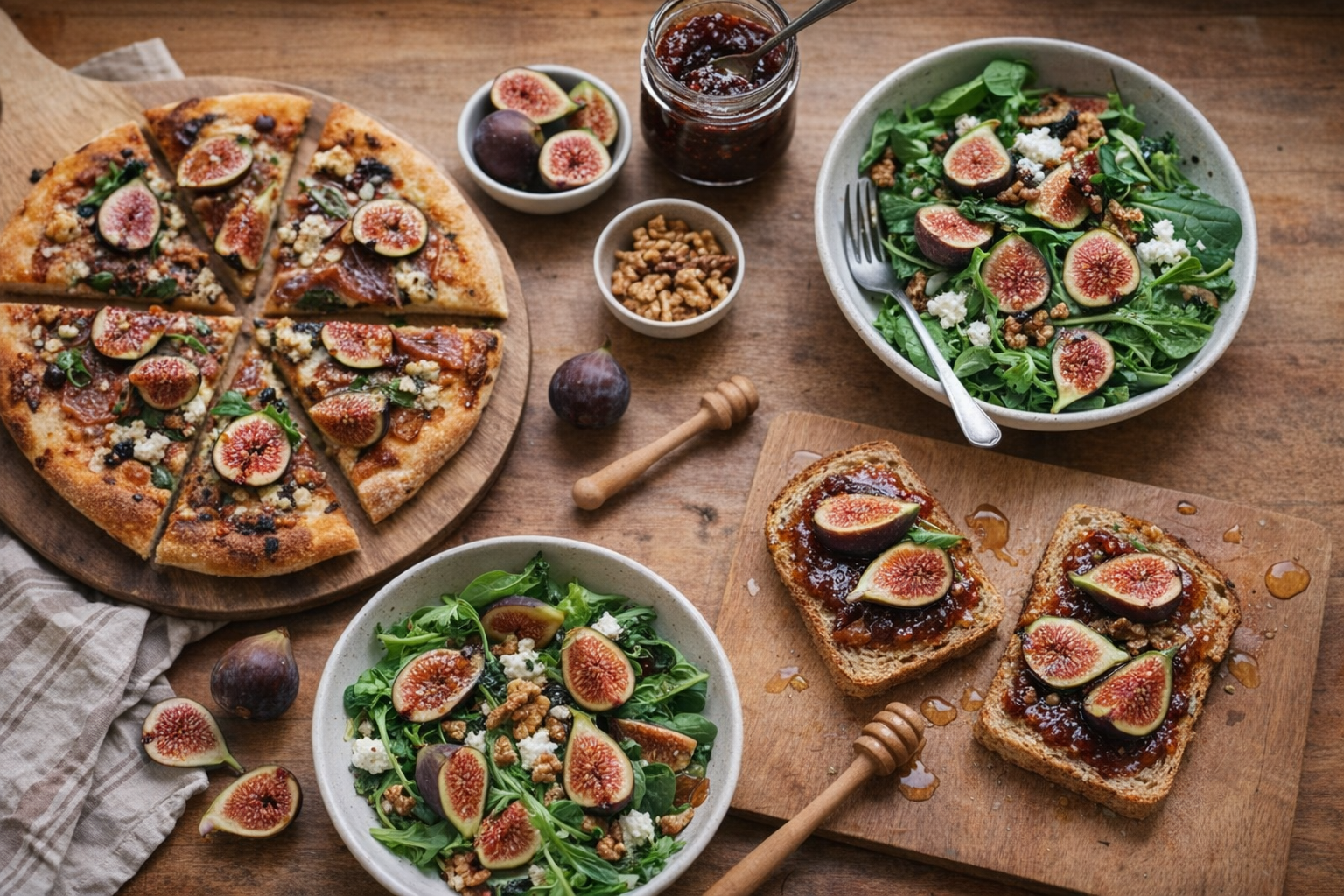
Figs, with their unique sweetness and jammy texture, are a versatile ingredient that can elevate both sweet and savory dishes. This guide explores various ways to incorporate figs into your cooking, transforming them into culinary masterpieces. Figs offer a subtle sweetness that complements salty and savory flavors, while their texture adds a delightful chewiness to any dish. From pizzas and salads to jams and desserts, mastering figs will unlock a world of culinary possibilities.
This guide aims to provide you with the know-how to confidently use figs in your cooking. We'll go beyond simple recipes, explaining the nuances of fig varieties, preparation techniques, and creative serving suggestions. By the end, you'll understand why figs are a sought-after ingredient by chefs and home cooks alike.
Understanding Figs
Figs come in several varieties, each with its own distinct flavor profile and texture. Common types include Black Mission, Brown Turkey, Kadota, and Adriatic. Black Mission figs are known for their intense sweetness and dark purple skin, making them ideal for desserts and jams. Brown Turkey figs are milder and more versatile, suitable for both sweet and savory applications. Kadota figs have a thick, green skin and a subtle flavor, often used in preserves. Adriatic figs are pale green with a light, sweet flavor, excellent for eating fresh or using in salads.
When buying figs, look for fruits that are plump, slightly soft to the touch, and free from blemishes. Avoid figs that are overly squishy or have a sour smell, as these are signs of spoilage. Fresh figs are best enjoyed within a few days of purchase, while dried figs can be stored for several months in a cool, dry place.
Why Cook With Figs This Way?
- Versatility: Figs pair well with a wide range of flavors, from salty meats and cheeses to sweet fruits and spices.
- Flavor Enhancement: Figs add a unique sweetness and depth of flavor to dishes, making them more complex and interesting.
- Nutritional Benefits: Figs are a good source of fiber, minerals, and vitamins, making them a healthy addition to your diet.
Preparation (Mise en Place)
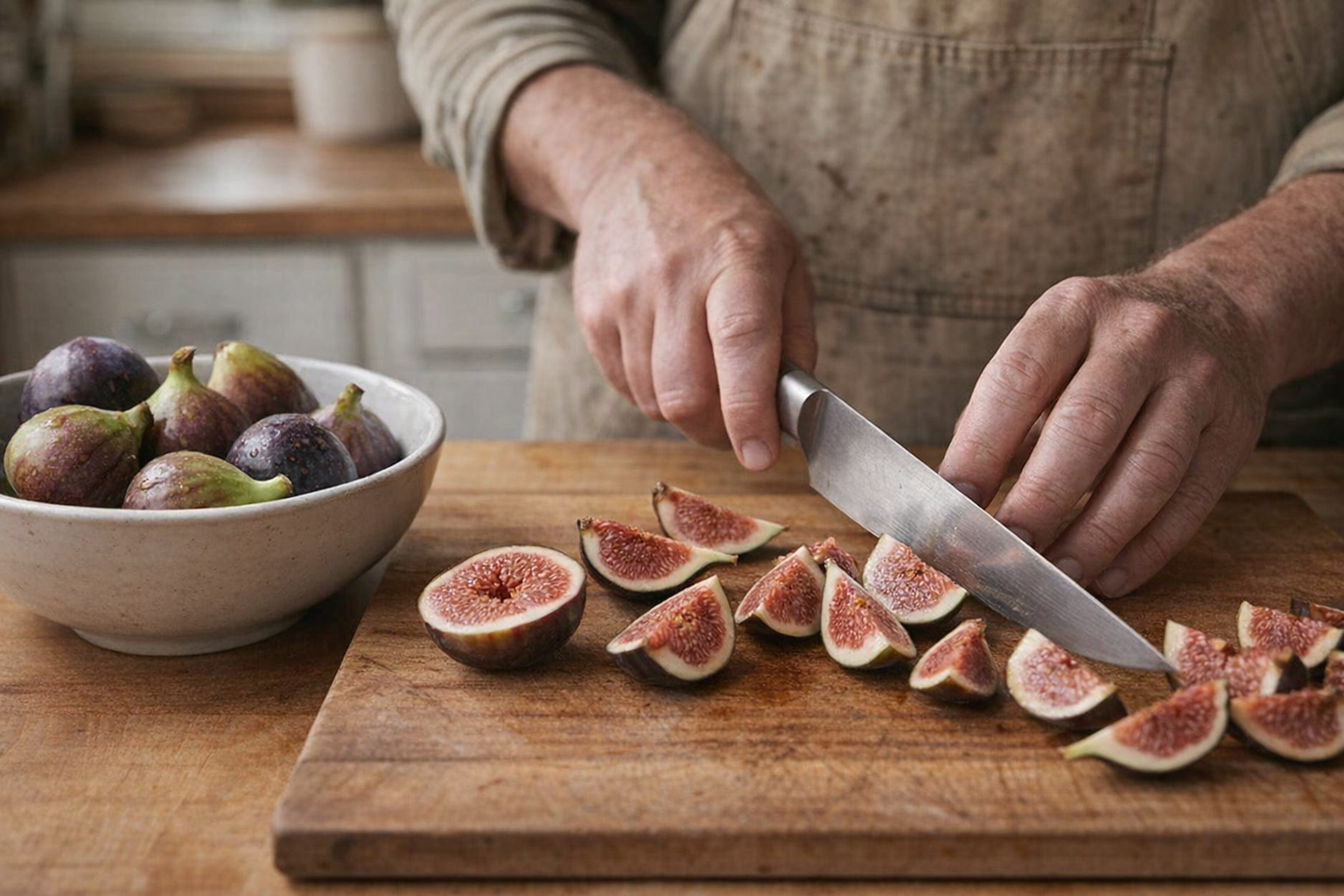
Before using figs in your recipes, proper preparation is key. Start by washing the figs gently under cool water to remove any dirt or debris. Pat them dry with a clean towel. Depending on the recipe, you may need to peel the figs, although the skin is edible and adds texture. For most recipes, simply trim off the stem and slice or chop the figs as needed.
Essential Tools
- Chef's Knife: A sharp chef's knife is essential for slicing and chopping figs with precision.
- Cutting Board: A sturdy cutting board provides a safe and stable surface for preparing figs.
- Mixing Bowls: Various sizes of mixing bowls are needed for tossing salads, making doughs, and preparing sauces.
The Cooking Method(s)
While the provided source lists numerous fig recipes, let's break down the preparation and cooking for two distinct methods: Prosciutto and Fig White Pizza and Fig Jam.
Method 1: Prosciutto and Fig White Pizza
This method showcases the combination of salty prosciutto and sweet figs on a crispy pizza base.
Ingredients:
- 1 pound pizza dough (450g)
- 1 cup mozzarella cheese, shredded (115g)
- 4 ounces prosciutto, thinly sliced (115g)
- 6 fresh figs, sliced
- Salt and pepper to taste
- 2 tablespoons olive oil (30ml)
- Optional: Spicy chili oil or balsamic glaze
- Preheat your oven to 450°F (232°C) with a pizza stone or baking sheet inside. Allow the stone/sheet to heat up for at least 30 minutes for a crispy crust.
- On a lightly floured surface, stretch or roll out the pizza dough to your desired thickness and shape. The dough should be pliable and easy to handle.
- Carefully transfer the dough to a pizza peel or baking sheet dusted with cornmeal. This prevents sticking.
- Drizzle the dough with olive oil, then evenly spread the mozzarella cheese over the surface. The cheese should melt into a creamy base.
- Arrange the sliced figs and prosciutto on top of the cheese. The figs should be evenly distributed to ensure a balance of flavor.
- Season with salt and pepper to taste. The salt will enhance the sweetness of the figs and complement the prosciutto.
- Carefully slide the pizza onto the preheated pizza stone or baking sheet. Listen for the sizzle as the crust hits the hot surface.
- Bake for 12-15 minutes, or until the crust is golden brown and the cheese is melted and bubbly. The edges of the crust should be crisp and slightly charred.
- Remove the pizza from the oven and let it cool for a few minutes before slicing. This allows the cheese to set slightly.
- Drizzle with spicy chili oil or balsamic glaze for extra flavor, if desired. The chili oil adds a touch of heat, while the balsamic glaze provides a tangy sweetness.
Method 2: Fig Jam
This method transforms fresh figs into a sweet and versatile spread.
Ingredients:
- 1 pound fresh figs, stemmed and chopped (450g)
- 1 cup granulated sugar (200g)
- 1/4 cup lemon juice (60ml)
- 1/2 cup water (120ml)
- Optional: Cinnamon stick or vanilla extract
- In a large, heavy-bottomed saucepan, combine the chopped figs, sugar, lemon juice, and water. The heavy-bottomed pan prevents scorching.
- If using, add a cinnamon stick or a few drops of vanilla extract for added flavor. The cinnamon adds warmth, while the vanilla enhances the sweetness.
- Bring the mixture to a boil over medium heat, stirring occasionally. As it heats, the figs will begin to soften and release their juices.
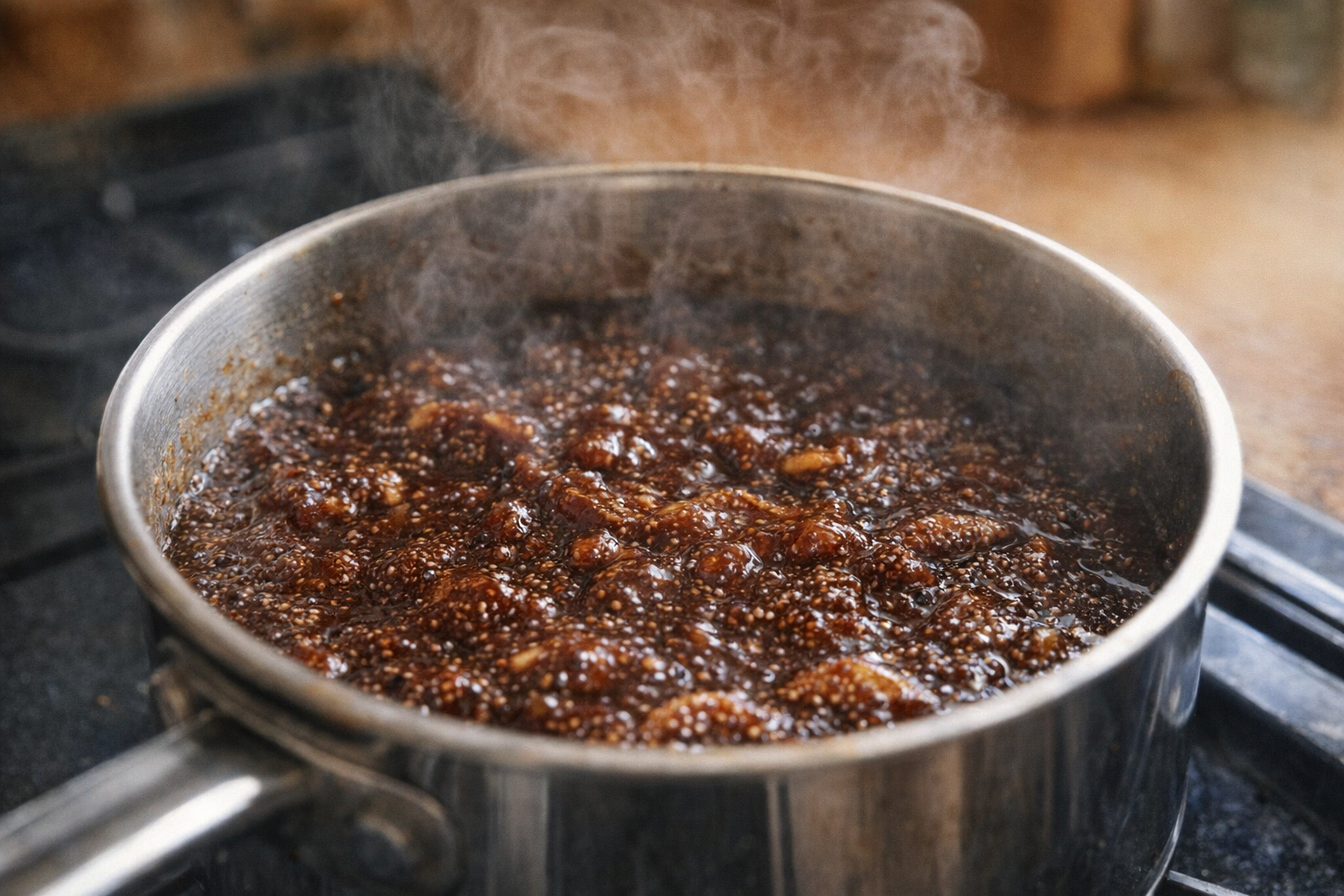
- Reduce the heat to low and simmer for 45-60 minutes, or until the jam has thickened to your desired consistency, stirring frequently to prevent sticking. The jam should be thick enough to coat the back of a spoon.
- Remove from heat and discard the cinnamon stick, if used. The jam will continue to thicken as it cools.
- Let the jam cool slightly before transferring it to sterilized jars. This prevents condensation and helps preserve the jam.
- Store in the refrigerator for up to 2 weeks. Properly stored, the jam will maintain its flavor and texture.
Cooking Time & Doneness Guide
Prosciutto and Fig White Pizza:
- Cooking Time: 12-15 minutes at 450°F (232°C).
- Internal Temperature: Not applicable.
Visual Cues
The crust should be golden brown and crispy, and the cheese should be melted and bubbly.
Fig Jam:
- Cooking Time: 45-60 minutes.
- Internal Temperature: Not applicable.
Visual Cues
The jam should be thick enough to coat the back of a spoon and have a glossy appearance.
Tips for Perfection
- Don't Overcrowd the Pizza: Overcrowding the pizza can lead to a soggy crust. Use just enough toppings to cover the surface without weighing it down.
- Stir Fig Jam Frequently: Stirring the fig jam frequently prevents it from sticking to the bottom of the pan and burning.
- Use Ripe Figs: Ripe figs have the best flavor and texture for both pizza and jam.
Storage & Reheating
Prosciutto and Fig White Pizza:
- Storage: Store leftover pizza in an airtight container in the refrigerator for up to 3 days.
- Reheating: Reheat pizza in a preheated oven at 350°F (175°C) for 5-10 minutes, or until heated through. You can also reheat it in a skillet over medium heat for a crispy crust.
Fig Jam:
- Storage: Store fig jam in sterilized jars in the refrigerator for up to 2 weeks.
- Reheating: Not applicable, as fig jam is typically served cold or at room temperature.
Serving Suggestions
Prosciutto and Fig White Pizza:
- As an Appetizer: Serve slices of the pizza as a flavorful appetizer for parties or gatherings.
- With a Salad: Pair the pizza with a fresh green salad for a complete and balanced meal.
- Drizzled with Honey: Drizzle the pizza with honey for an extra touch of sweetness.
Fig Jam:
- On Toast: Spread fig jam on toast for a simple and satisfying breakfast or snack.
- With Cheese: Serve fig jam with a cheese platter, pairing it with creamy cheeses like brie or goat cheese.
- As a Dessert Topping: Use fig jam as a topping for ice cream or yogurt.
💡 Pro Tips
- For the pizza, don't overload the dough with toppings, as this can make the crust soggy.
- When making fig jam, stir frequently to prevent sticking and scorching.
- If you like a bit of heat, add a drizzle of spicy chili oil to the finished fig pizza.
- When buying fresh figs, look for plump and slightly soft fruits.
- For a richer flavor in the fig jam, use brown sugar instead of granulated sugar.
Frequently Asked Questions
Yes, you can use dried figs if fresh figs are unavailable. Rehydrate them by soaking them in warm water for about 30 minutes before slicing and adding them to the pizza. Keep in mind that dried figs have a more concentrated sweetness, so use them sparingly.
To prevent sticking, ensure your pizza stone is thoroughly preheated (at least 30 minutes at 450°F) and dust your pizza peel or baking sheet generously with cornmeal before transferring the dough. The cornmeal acts as a barrier between the dough and the surface.
Fig jam, when properly stored in sterilized jars, will last for up to 2 weeks in the refrigerator. Ensure the jars are sealed tightly after cooling. Always check for any signs of spoilage (mold, unusual smell) before consuming.
Absolutely! Fig jam is quite versatile. Consider adding a pinch of ground ginger, a star anise, or a few cloves during the simmering process for added depth of flavor. Just remember to remove any whole spices before jarring the jam.