 delishing
How to Cook Cabbage: The Best Ways

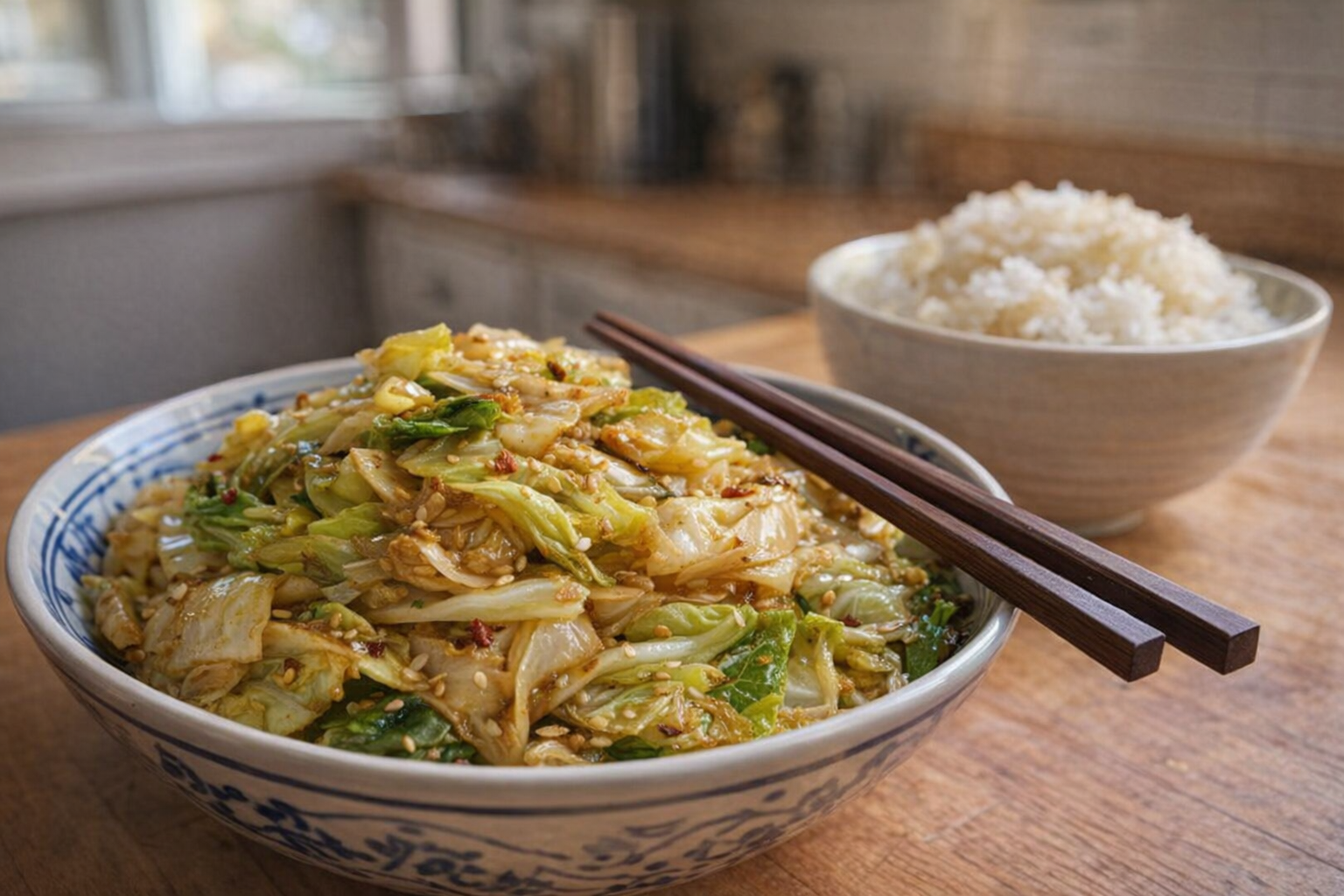
Cabbage, often relegated to side-dish status, is a remarkably versatile vegetable with a subtly sweet and earthy flavor profile. When cooked properly, it offers a delightful tenderness with a hint of satisfying crunch. Mastering cabbage on the stove unlocks a world of culinary possibilities, from comforting braised dishes to vibrant stir-fries.
This guide will walk you through seven distinct methods for cooking cabbage on the stove, each delivering a unique texture and taste. We'll explore roasting, steaming, boiling, sautéing, grilling, stir-frying, and braising, providing expert tips to ensure perfectly cooked cabbage every time.
Understanding Cabbage Varieties
Cabbage comes in several varieties, each with its own nuances in flavor and texture. Knowing the differences will help you choose the best cabbage for your desired cooking method.
- Green Cabbage: The most common type, with a mild, slightly sweet flavor. It's an all-purpose cabbage suitable for most cooking methods. Look for heads that feel heavy for their size and have tightly packed leaves.
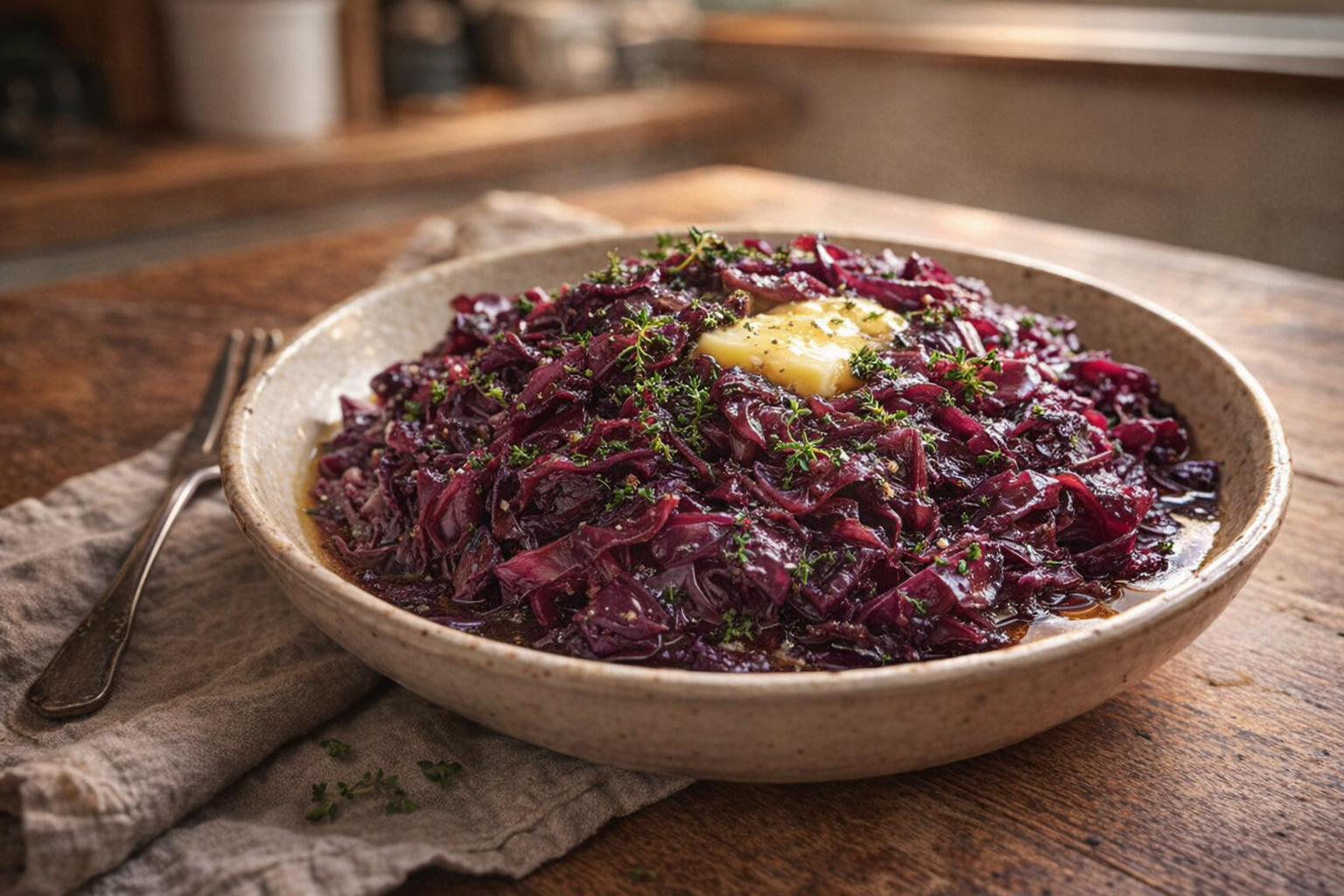
- Red Cabbage: A denser cabbage with a more pronounced earthy flavor and a beautiful deep purple color. It's excellent for braising or pickling. Be aware that it can bleed color during boiling.
- Savoy Cabbage: Known for its crinkled leaves and mild, slightly nutty flavor. Its tender leaves make it ideal for steaming or stir-frying.
- Napa Cabbage: This oblong-shaped cabbage has delicate, slightly sweet leaves. It's often used in Asian cuisines, particularly in kimchi and stir-fries.
What to buy: When purchasing cabbage, choose heads that feel heavy for their size. Avoid cabbages with blemishes, bruises, or wilted leaves. The stem should still be attached, indicating freshness.
Why Cook Cabbage This Way?
Cooking cabbage on the stove offers several advantages:
- Versatility: With multiple cooking methods, you can adapt cabbage to suit any cuisine or preference.
- Flavor: Each method brings out different aspects of cabbage's flavor, from the sweetness of sautéing to the smoky notes of grilling.
- Convenience: Stovetop cooking is quick and easy, making it a perfect weeknight option.
Preparation (Mise en Place)
Proper preparation is key to ensuring even cooking and optimal flavor.
- Cleaning: Wash the cabbage thoroughly under cold running water, removing any dirt or debris.
- Outer Leaves: Peel off any tough or damaged outer leaves.
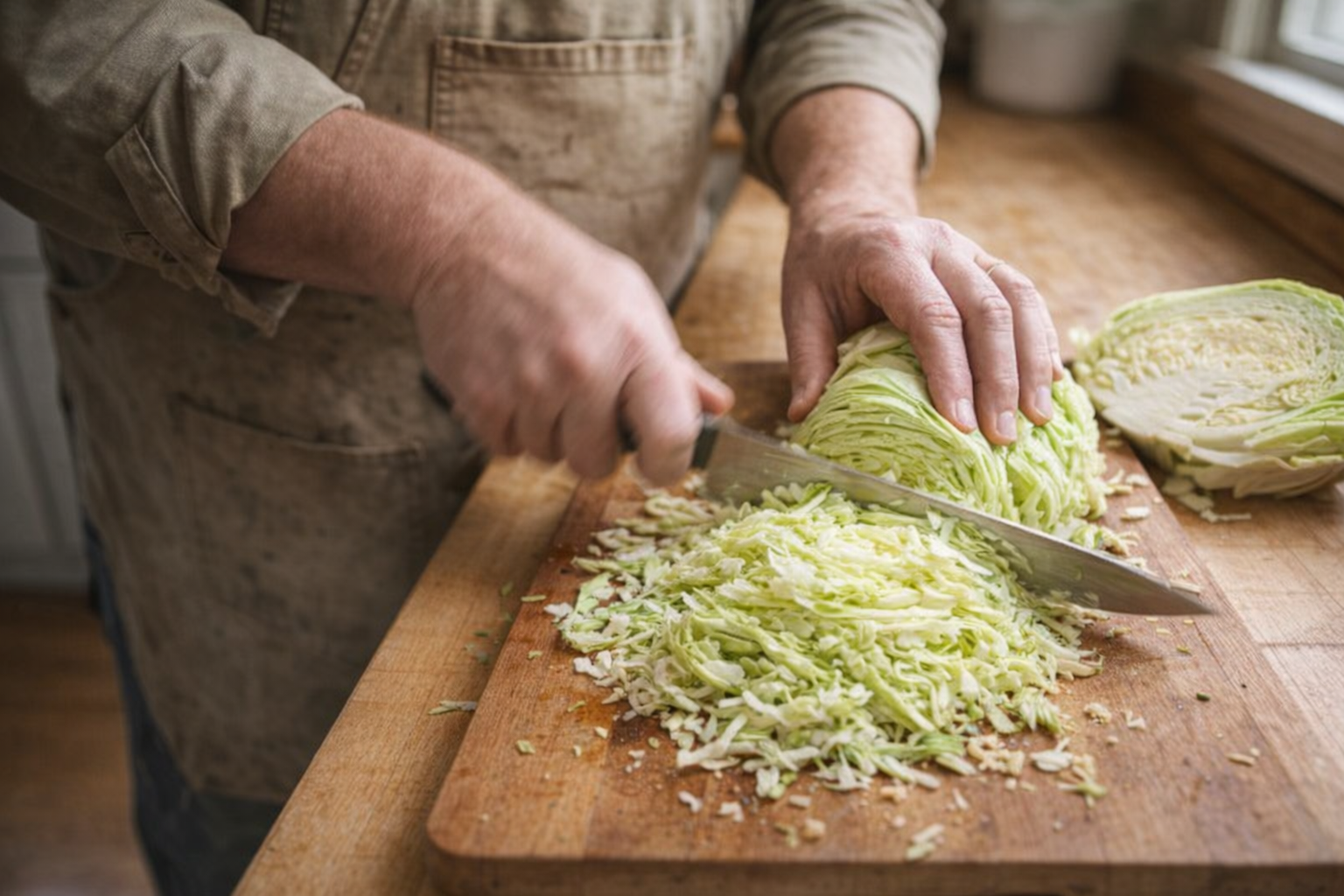
- Cutting: Cut the cabbage according to the chosen cooking method (wedges, slices, or chunks).
- Core Removal: For most methods, trimming the tough core is recommended.
Essential Tools
- Chef's Knife: For precise and safe cutting.
- Cutting Board: A stable surface for preparing the cabbage.
- Large Skillet or Pot: Depending on the cooking method, a skillet or pot with a lid is essential.
- Tongs or Spatula: For turning and stirring the cabbage during cooking.
The Cooking Method(s)
Here are seven different methods for cooking cabbage on the stove, complete with detailed instructions:
Method 1: Roasting
Ingredients:
- 1 medium head of cabbage, cut into wedges
- 2 tablespoons olive oil (30ml)
- 1/2 teaspoon salt
- 1/4 teaspoon black pepper
- 1/4 teaspoon cumin powder
- 1/4 teaspoon red pepper flakes (optional)
- 1/4 teaspoon garlic powder
- 1 tablespoon lemon juice (15ml)
- 1 tablespoon chopped fresh parsley (15ml)
- Preheat your oven to 450°F (230°C).
- In a mixing bowl, toss the cabbage wedges with olive oil, salt, pepper, cumin powder, red pepper flakes (if using), and garlic powder. Ensure the spices are evenly distributed.
- Arrange the cabbage wedges on a baking sheet in a single layer. Avoid overcrowding.
- Roast for 15 minutes, then flip the wedges and roast for another 15-20 minutes, or until the cabbage is tender and slightly browned. The kitchen will fill with a savory aroma as the cabbage caramelizes.
- Remove from the oven and drizzle with lemon juice. Garnish with fresh parsley before serving.
Method 2: Steaming
Ingredients:
- 1 tablespoon butter (15g)
- 1/2 onion, chopped
- 1/2 bell pepper, chopped
- 1/2 head of cabbage, chopped into large chunks
- 2 cloves garlic, crushed
- 2 sprigs fresh thyme
- 1/4 teaspoon chili flakes (optional)
- 1/4 teaspoon salt
- 1/4 teaspoon black pepper
- Fill a deep pot with about an inch of water and bring it to a boil.
- Place the chopped cabbage, thyme, and crushed garlic in a steaming basket.
- Place the steaming basket over the boiling water, cover the pot with a lid, and steam for 8-10 minutes, or until the cabbage is tender.
- While the cabbage is steaming, melt the butter in a skillet over medium heat.
- Add the chopped onion and bell pepper to the skillet and cook until softened, about 5 minutes. The onions will become translucent and fragrant.
- Pour a little water into the pan, then add the steamed cabbage and stir to combine.
- Reduce the heat to low, add chili flakes (if using), cover the skillet with a lid, and cook for another 2-3 minutes to allow the flavors to meld.
- Remove from heat, add a teaspoon of butter, and serve immediately.
Method 3: Boiling
Ingredients:
- 1 tablespoon oil (15ml)
- 1/2 teaspoon salt
- 1/4 teaspoon black pepper
- 1/4 teaspoon cumin seeds
- 1/4 teaspoon carom seeds (ajwain)
- 1/4 teaspoon black sesame seeds
- 1/4 teaspoon red chili flakes
- 1 medium head of cabbage, chopped into four wedges
- 1/2 onion, chopped
- 2 cloves garlic, minced
- 2 cilantro stems, chopped
- 1 tablespoon fresh parsley, chopped
- Chop the cabbage into four large wedges.
- Heat the oil in a deep pot over medium heat.
- Add cumin seeds, carom seeds, black sesame seeds, and red chili flakes. Allow them to temper for a few seconds until they become fragrant.
- Add the chopped onion, minced garlic, cilantro stems, salt, and fresh parsley. Cook until the onion and garlic are tender and fragrant, about 3-5 minutes.
- Pour water or broth into the pot (enough to almost cover the cabbage). Bring to a boil.
- Reduce the heat to medium-low and simmer for 3-5 minutes to extract the flavors into the water.
- Add the cabbage wedges and bring the water back to a boil.
- Cover the pot and boil for 5-7 minutes, or until the cabbage is tender but still slightly firm.
- Remove the cabbage from the water. Cut into desired shape, top with butter, and serve.
- The leftover water can be strained and used as a flavorful broth.
Method 4: Sautéing
Ingredients:
- 2 tablespoons unsalted butter (30g)
- 1 tablespoon oil (15ml)
- 1/2 teaspoon salt
- 1/4 teaspoon black pepper
- 1 tablespoon apple cider vinegar (15ml)
- 1/2 head of cabbage, thinly sliced
- Fresh thyme sprigs, for garnish
- Cut the cabbage in half and trim the core.
- Thinly slice the cabbage into ribbons.
- Heat the unsalted butter in a large skillet over medium-high heat.
- Add the oil to the skillet. Once heated, add the sliced cabbage and salt.
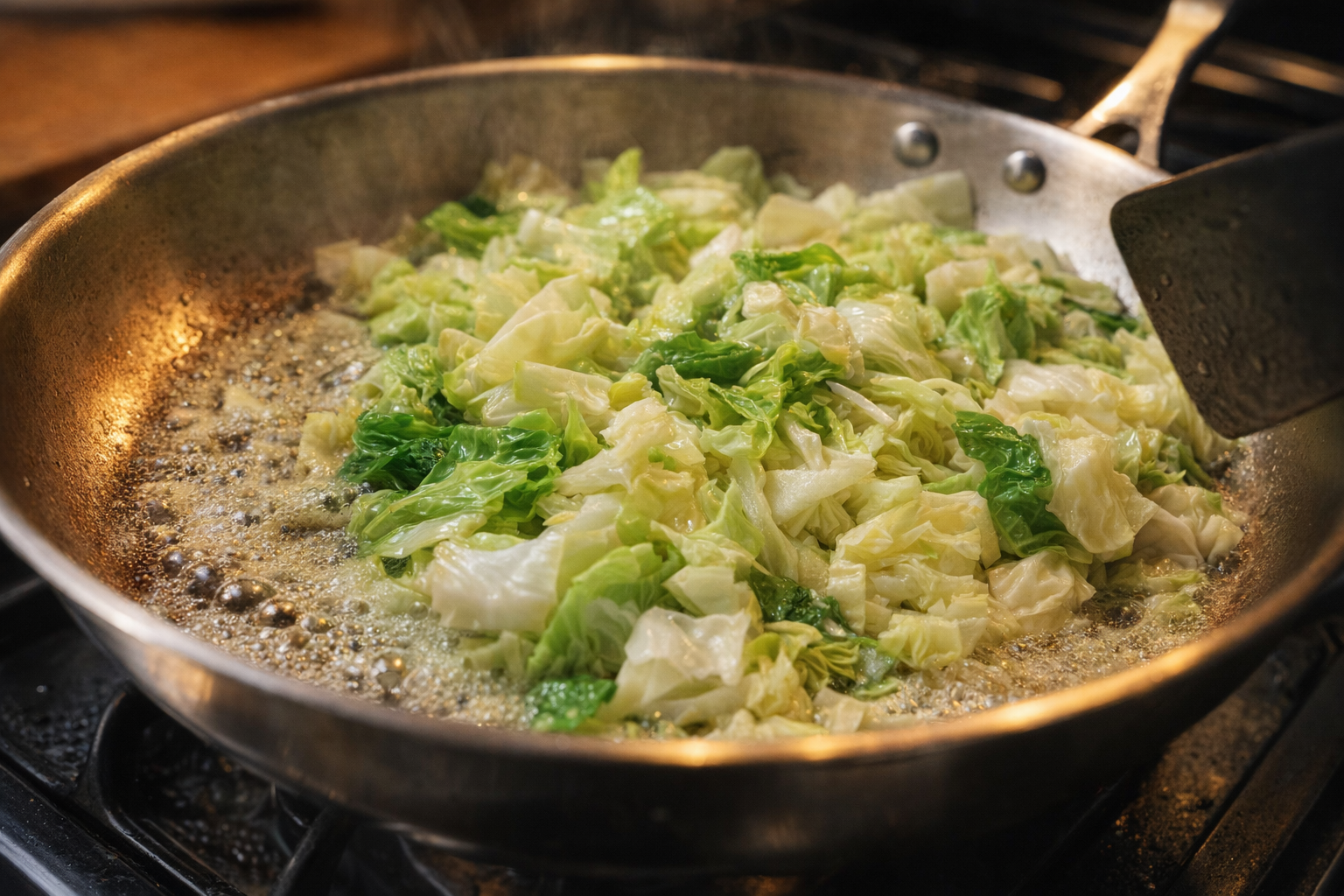
- Season with black pepper and sauté for 8-10 minutes, stirring frequently, until the cabbage is tender and slightly browned. The cabbage will shrink in volume and develop a slightly sweet flavor.
- Continue to sauté until the cabbage browns, then cover the skillet with a lid and let it caramelize undisturbed for a few minutes.
- Turn off the heat and add apple cider vinegar to deglaze the pan.
- Season with more salt and pepper, if desired.
- Garnish with fresh thyme and serve hot.
Method 5: Grilling
Ingredients:
- 2 tablespoons oil (30ml)
- 1/2 teaspoon salt
- 1/4 teaspoon black pepper
- 1/4 teaspoon cumin powder
- 1 medium head of cabbage, cut into wedges
- 1 tablespoon maple syrup (15ml)
- 1/4 teaspoon onion powder
- 1/4 teaspoon garlic powder
- 1 tablespoon lemon juice (15ml)
- In a mixing bowl, whisk together oil, onion powder, garlic powder, lemon juice, and maple syrup. Set aside.
- Remove the hard outer leaves of the cabbage and wash it thoroughly.
- Cut the washed cabbage into thin wedges, keeping the core intact.
- Preheat the grill to medium-high heat (375-450°F or 190-230°C).
- Use a pastry brush to brush the oil mixture on both sides of all the cabbage wedges.
- Sprinkle with salt and pepper.
- Place the wedges on the grill.
- Grill the first side for 5-6 minutes, then flip and grill the other side for another 5-6 minutes, or until the cabbage is tender and has grill marks.
- Plate the grilled cabbage and drizzle with the remaining oil mixture.
- Serve grilled and hot to enjoy the best blend of flavors.
Method 6: Stir-Frying
Ingredients:
- 2 tablespoons oil (30ml)
- 1/2 teaspoon salt
- 1/4 teaspoon black pepper
- 1/4 teaspoon cumin powder
- 1/2 medium head of cabbage, thinly sliced
- 1/2 onion, sliced
- 2 cloves garlic, minced
- 1 tablespoon lemon juice (15ml)
- Cut the cabbage in half and trim the core.
- Slice the cabbage into thin ribbons.
- Heat the oil in a large skillet or wok over medium-high heat.
- Add the sliced onion and minced garlic and cook until softened and fragrant, about 2-3 minutes.
- Add the sliced cabbage and salt. Turn the heat down to medium.
- Season with black pepper and stir-fry for 10-12 minutes, stirring frequently, until the cabbage is tender.
- Cover the pan with a lid and keep stirring in small intervals until the cabbage turns tender.
- Turn off the heat and season with more salt and pepper, if desired.
- Squeeze half a lemon over the cabbage and plate.
- Garnish with chopped fresh parsley and thyme and serve hot.
Method 7: Braising
Ingredients:
- 1/2 cup water (120ml)
- 2 tablespoons oil (30ml)
- 1/2 teaspoon salt
- 1/4 teaspoon black pepper
- 1 tablespoon white vinegar (15ml)
- 1/2 medium head of cabbage, cut into thick chunks
- 1/2 onion, sliced
- 2 cloves garlic, minced
- 1 tablespoon butter (15g)
- 1 teaspoon sugar (4g)
- 1/4 teaspoon cumin seeds
- Fresh herbs, for garnish
- Cut the cabbage into thick chunks and discard the trimmed core.
- Slice the onion and mince the garlic.
- Heat the oil in a large skillet or Dutch oven over medium heat.
- Add the cumin seeds and cook for a few seconds until fragrant.
- Add the sliced onion and minced garlic and cook until softened, about 3-5 minutes.
- Add the cabbage chunks and stir until the cabbage and onions turn translucent.
- Pour water over the cabbage to almost submerge it.
- Add vinegar, sugar, and salt. Cook covered on low heat, stirring occasionally, until the cabbage is almost soft.
- Remove the lid completely and stew the cabbage until the water is almost dried out and the cabbage is completely soft.
- Plate the cabbage in a bowl. Add a little of the cabbage water. Garnish with fresh herbs and serve hot.
Cooking Time & Doneness Guide
- Roasting: 30-35 minutes at 450°F (230°C).
- Steaming: 8-10 minutes.
- Boiling: 5-7 minutes for wedges, 10-15 minutes for a whole head.
- Sautéing: 10-12 minutes.
- Grilling: 10-12 minutes.
- Stir-Frying: 10-12 minutes.
- Braising: 25-30 minutes.
Visual Cues
The cabbage is done when it is tender but still slightly firm. You should be able to easily pierce it with a fork. For roasting and grilling, look for browning and slight charring on the edges.
Tips for Perfection
- Don't Overcrowd: Whether roasting, sautéing, or stir-frying, avoid overcrowding the pan. This will steam the cabbage instead of allowing it to brown. Cook in batches if necessary.
- Season Generously: Cabbage can be bland on its own, so don't be afraid to season it generously with salt, pepper, and other spices.
- Acid is Key: A splash of vinegar or lemon juice at the end of cooking brightens the flavor of cabbage and balances its sweetness.
- Choose the Right Cabbage: Green cabbage is an all-rounder as it can be used for any type of cooking.
Storage & Reheating
- Storage: Cooked cabbage can be stored in an airtight container in the refrigerator for up to 3-4 days.
- Reheating: Reheat cabbage in a skillet over medium heat or in the microwave. Avoid overheating, as it can become mushy.
Serving Suggestions
- As a Side Dish: Serve alongside roasted meats, poultry, or fish.
- In Slaws: Shred cooked cabbage and add it to your favorite slaw recipe.
- In Soups and Stews: Add cooked cabbage to soups and stews for extra flavor and nutrients.
- As a Filling: Use cooked cabbage as a filling for dumplings, spring rolls, or pierogies.
💡 Pro Tips
- Remove the tough outer leaves and the dense core before slicing to ensure even cooking and a better texture.
- Cut the cabbage into uniform ribbons so that all pieces soften at the same rate when sautéing or stir-frying.
- Add a splash of apple cider vinegar or lemon juice near the end of cooking to brighten the earthy flavors and balance the sweetness.
- Stop cooking as soon as the cabbage turns translucent and tender to maintain a satisfying hint of crunch.
- Leave the root end intact when cutting cabbage into wedges for roasting or grilling to keep the leaves from falling apart.
Frequently Asked Questions
The color change is due to the alkaline water reacting with the pigments in red cabbage. To prevent this, add a small amount of acid, like vinegar or lemon juice, to the boiling water. This will help preserve the vibrant red color.
While you can use frozen cabbage, it will have a softer texture than fresh cabbage. It's best suited for braising or stir-frying, where a bit of extra moisture is welcome. Avoid using frozen cabbage for methods where you want a crisp texture, like sautéing.
Store leftover cooked cabbage in an airtight container in the refrigerator. It's best consumed within 3-4 days. Reheat thoroughly before eating to ensure food safety.
If you can't find Napa cabbage, you can substitute with Savoy cabbage or even green cabbage. Savoy will be the closest in texture, while green cabbage will need to be cooked a bit longer to soften. Just be sure to slice the green cabbage thinly.