 delishing
How to Cook With Leeks: A Beginner's Guide

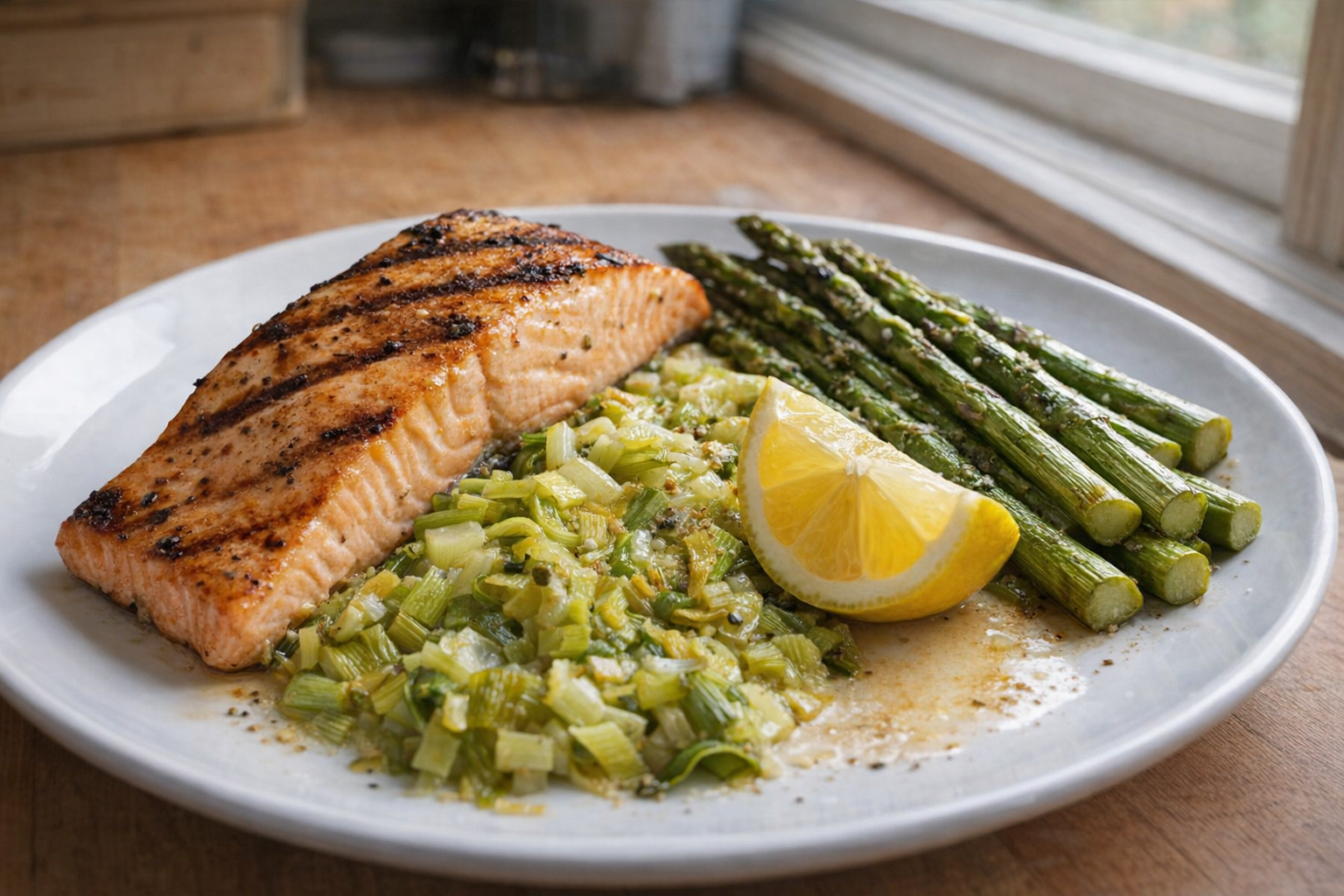
Leeks, with their subtle onion-like flavor and delicate sweetness, are a versatile ingredient that can elevate a wide range of dishes. When cooked properly on the stove, they transform from a sometimes overlooked vegetable into a culinary star. The key is understanding how to coax out their inherent flavors without overpowering them, resulting in a dish that is both refined and comforting.
This guide will walk you through selecting, preparing, and cooking leeks to perfection. We'll explore various cooking methods, from sautéing to simmering, providing you with the knowledge and techniques to confidently incorporate leeks into your everyday cooking. Whether you're a seasoned chef or a home cook looking to expand your repertoire, mastering leeks will undoubtedly enhance your culinary journey.
Understanding Leeks
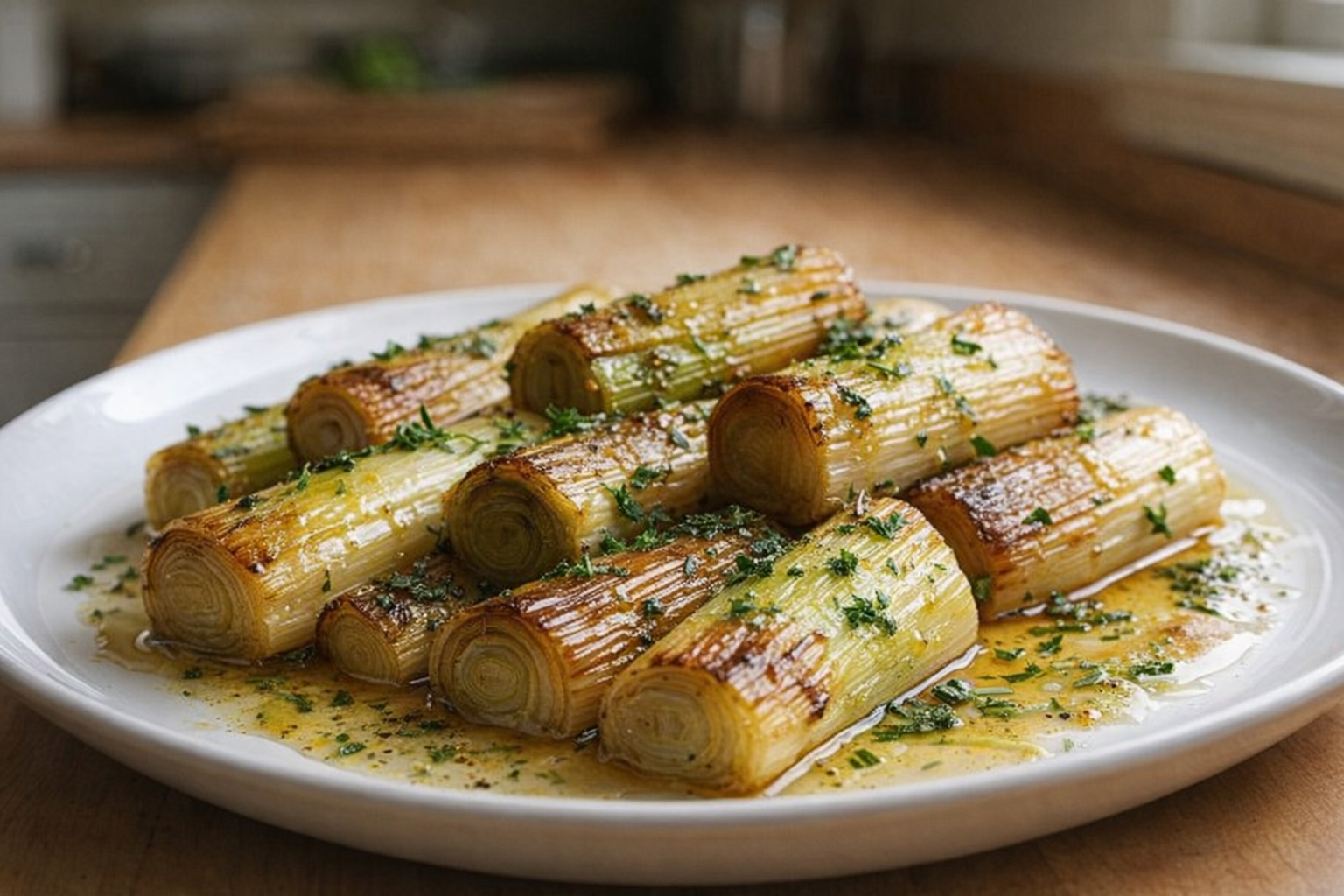
Leeks belong to the Allium family, closely related to onions, garlic, and shallots. Unlike onions, however, leeks have a milder, sweeter flavor that intensifies with cooking. When buying leeks, look for firm, straight stalks with a bright white base that transitions into vibrant green leaves. Avoid leeks that are yellowing, wilting, or excessively dirty. Smaller to medium-sized leeks (around 1-1.5 inches in diameter) tend to be more tender and flavorful.
There are various types of leeks available, but the most common varieties are the 'American Flag' and 'Giant Musselburgh.' The American Flag is a standard variety, while the Giant Musselburgh is known for its larger size and slightly stronger flavor. Regardless of the variety, ensure the leeks feel firm and heavy for their size, indicating freshness.
Why Cook Leeks This Way?
- Versatility: Leeks can be used in countless dishes, from soups and stews to quiches and side dishes.
- Flavor Enhancement: Their subtle sweetness adds depth and complexity to any recipe without overpowering other ingredients.
- Convenience: Stovetop cooking offers precise control over the cooking process, allowing you to achieve the desired texture and flavor.
Preparation (Mise en Place)
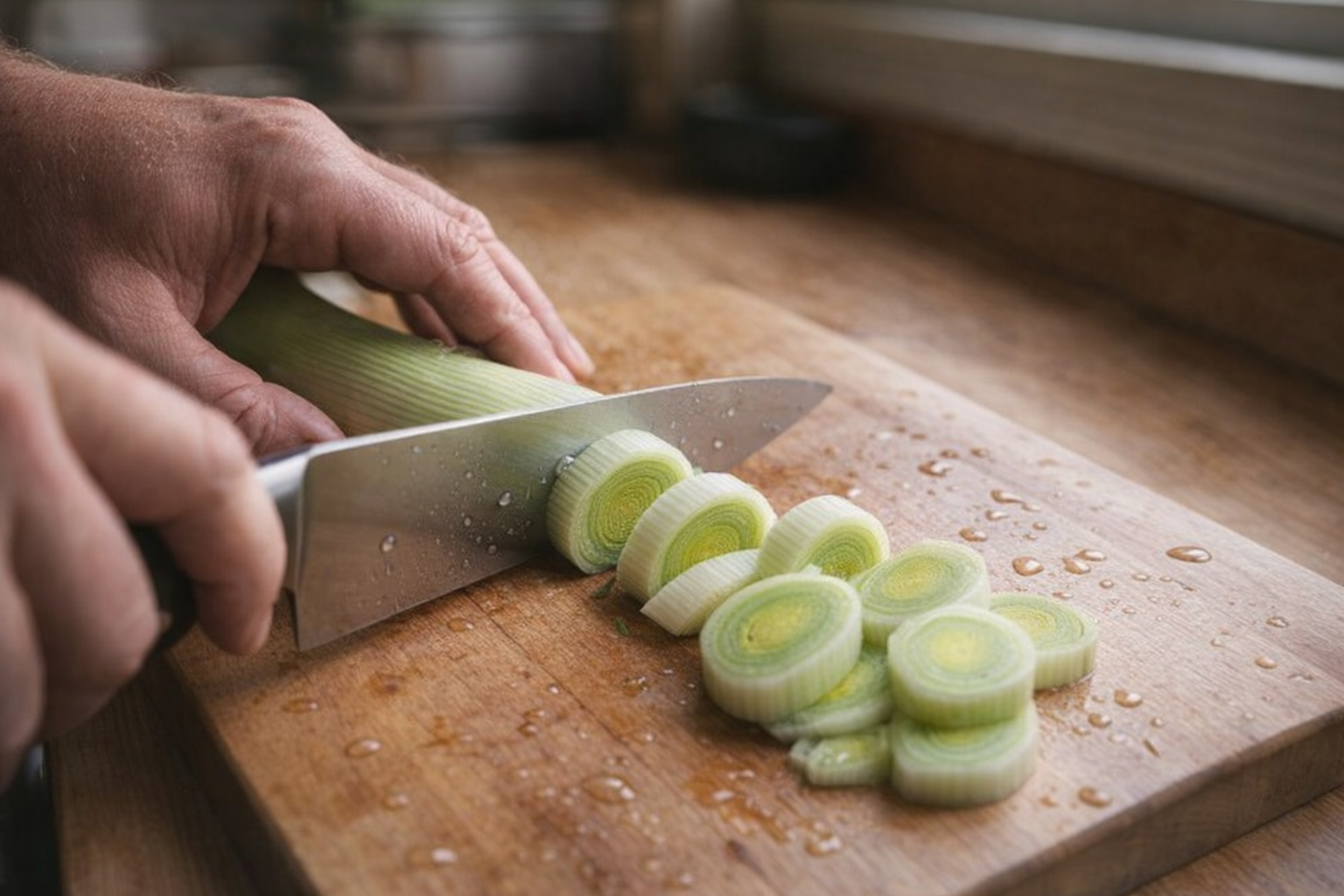
Leeks are notorious for trapping dirt and grit between their layers, so proper cleaning is crucial. Begin by trimming off the root end and the tough, dark green tops (reserve the tops for making stock!). Next, slice the leek lengthwise from the white base through the light green portion. Separate the layers and rinse thoroughly under cold running water, ensuring all traces of dirt are removed. Pat the leeks dry with paper towels before proceeding with your chosen cooking method.
Essential Tools
- Chef's Knife: For trimming and slicing the leeks.
- Cutting Board: A stable surface for safe and efficient cutting.
- Colander: For rinsing the leeks.
- Paper Towels: For drying the leeks after washing.
The Cooking Method(s):
Method 1: Sautéed Leeks
Sautéing brings out the natural sweetness of leeks and creates a tender, slightly caramelized texture.
Ingredients:
- 2 medium leeks, thoroughly cleaned and sliced
- 2 tablespoons olive oil or butter
- 1 clove garlic, minced (optional)
- Salt and freshly ground black pepper to taste
- 1 tablespoon fresh thyme or parsley, chopped (optional garnish)
Instructions:
- Heat the olive oil or butter in a large skillet over medium heat. The oil should shimmer slightly, indicating it's hot enough.
- Add the sliced leeks to the skillet and stir to coat them evenly with the oil.
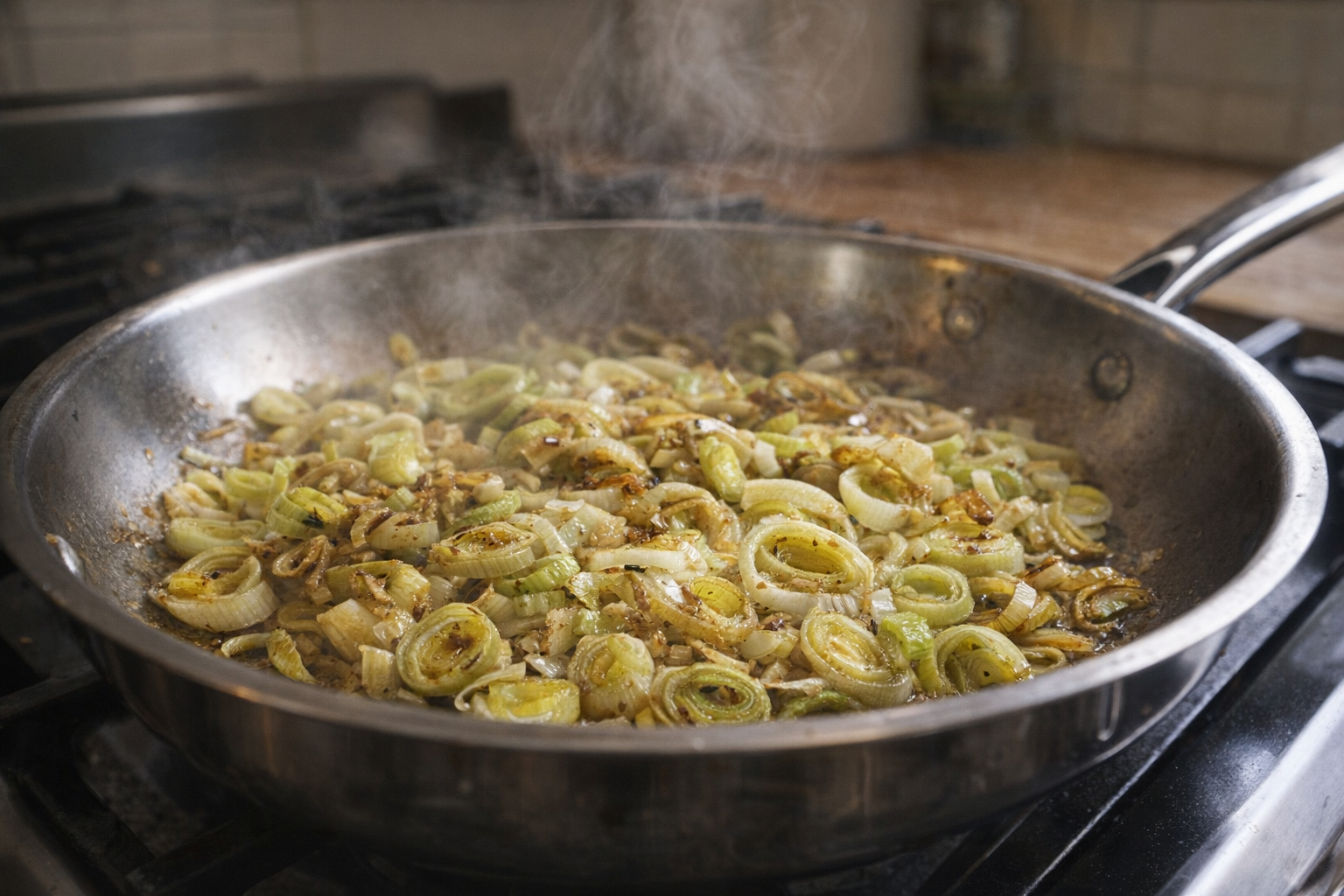
- Cook the leeks for 10-15 minutes, stirring occasionally, until they are softened and lightly caramelized. The leeks should be fragrant and slightly translucent.
- If using garlic, add it during the last 2-3 minutes of cooking and stir until fragrant.
- Season the sautéed leeks with salt and pepper to taste.
- Garnish with fresh thyme or parsley before serving, if desired. The aroma of the herbs will enhance the overall flavor.
Cooking Time & Doneness Guide:
- Sautéing: 10-15 minutes, until softened and lightly caramelized.
- Internal Temperature: Not applicable, as leeks are vegetables.
Visual Cues
The leeks should be tender and slightly translucent, with a golden-brown color. Avoid overcooking, which can make them mushy.
Tips for Perfection:
- Don't Overcrowd the Pan: Cook the leeks in batches if necessary to ensure even cooking. Overcrowding can lead to steaming instead of sautéing.
- Use Medium Heat: Cooking over too high heat can cause the leeks to burn before they soften.
- Stir Frequently: Stirring prevents the leeks from sticking to the pan and ensures even cooking.
- Season Generously: Leeks benefit from a generous seasoning of salt and pepper to bring out their flavor.
Storage & Reheating:
Store leftover sautéed leeks in an airtight container in the refrigerator for up to 3 days. Reheat gently in a skillet over medium heat or in the microwave until warmed through. Avoid overheating, which can make them mushy.
Serving Suggestions:
- As a Side Dish: Serve sautéed leeks as a simple side dish alongside roasted chicken, fish, or pork.
- In Soups and Stews: Add sautéed leeks to soups and stews for added flavor and depth.
- In Quiches and Frittatas: Incorporate sautéed leeks into quiches and frittatas for a savory and flavorful twist.
- On Bruschetta: Top toasted bread with sautéed leeks, goat cheese, and a drizzle of balsamic glaze for a delicious appetizer.
💡 Pro Tips
- Always slice leeks lengthwise and rinse them thoroughly under cold running water to remove any dirt or sand trapped between the layers.
- Use only the white and pale green parts for sautéing or simmering, saving the tough dark green tops to flavor homemade stocks.
- Sauté leeks over medium-low heat to ensure they soften slowly without browning, which preserves their delicate sweetness and prevents bitterness.
- Cut the leeks into uniform pieces to ensure they cook at the same rate and provide a consistent texture in your final dish.
- Add a small amount of butter or oil and a pinch of salt at the start of cooking to help the leeks sweat and release their full flavor.
Frequently Asked Questions
If you can't find leeks, you can substitute with onions, shallots, or even scallions. Onions will provide a similar, though stronger, flavor, so use about half the amount called for in the recipe. Shallots are a milder substitute and can be used in equal amounts to leeks.
To prevent mushy leeks, avoid overcrowding the pan and cook them over medium heat, allowing them to gently soften and caramelize. Make sure to pat them dry after cleaning, as excess moisture can contribute to a mushy texture. Also, don't overcook them; they should be tender but still retain some shape.
You can store unwashed leeks in the refrigerator for up to two weeks. To keep them fresh, wrap them loosely in a plastic bag or damp paper towel before placing them in the crisper drawer. Avoid washing them until just before you're ready to use them, as excess moisture can cause them to spoil more quickly.
Yes, you can definitely use the dark green parts of the leek! While tougher than the white and light green parts, they are excellent for flavoring stocks and broths. Be sure to wash them thoroughly, as they tend to be quite gritty, and chop them coarsely before adding them to your stock.