 delishing
How to Boil Chicken Thighs for Flavorful Soups and Stews

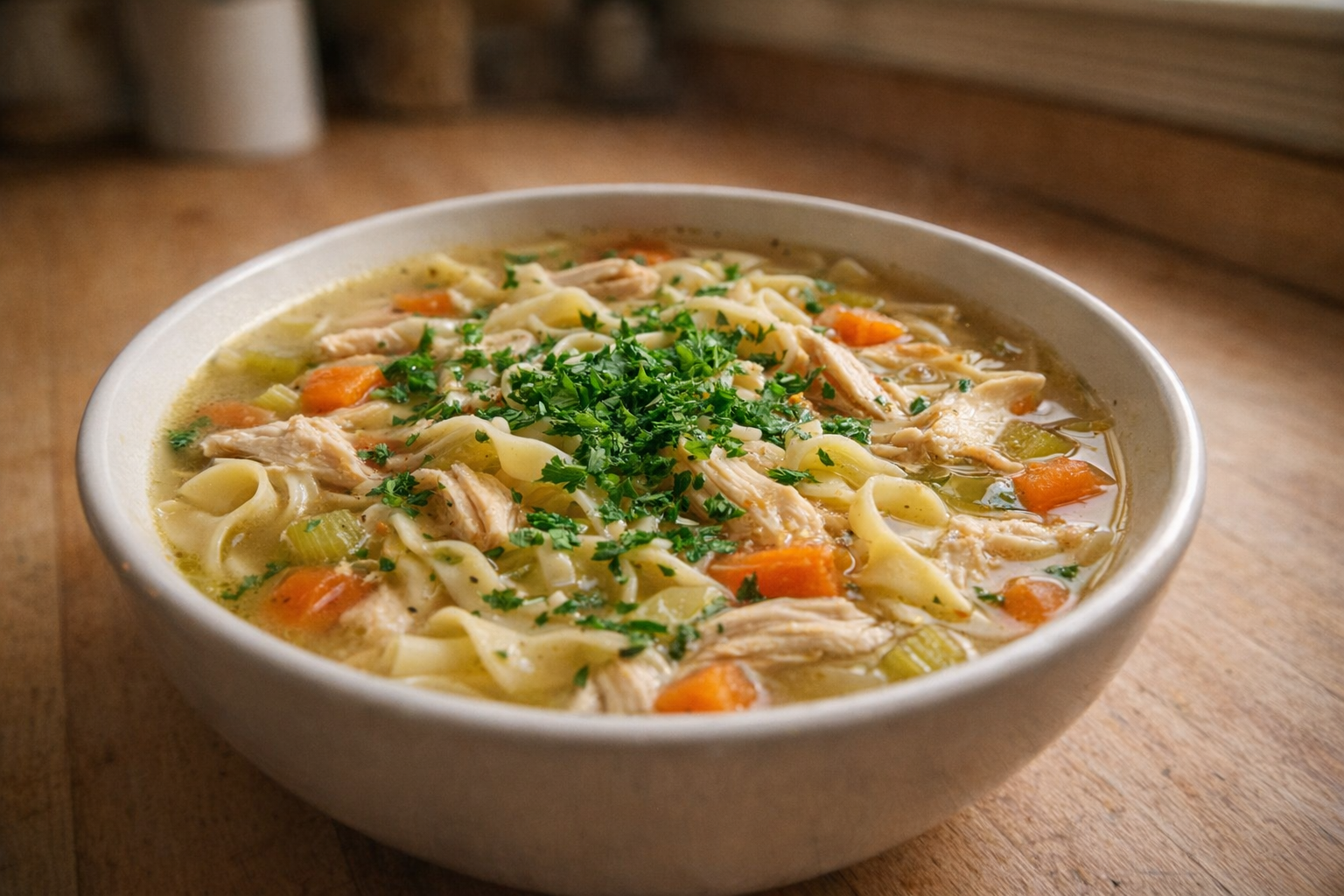
Boiling chicken thighs might seem basic, but mastering this technique unlocks a world of flavorful possibilities. The resulting tender meat and rich broth form the perfect foundation for comforting soups and hearty stews. Don't underestimate the power of a well-executed boil; it’s the secret to unlocking the full potential of this budget-friendly protein.
Boiling chicken thighs isn't just about cooking them; it's about creating a flavorful base. The slow simmering process gently extracts the savory goodness from the bone-in thighs, infusing the water with depth and richness. This liquid gold becomes the backbone of your soup or stew, elevating it from ordinary to extraordinary.
Understanding Chicken Thighs
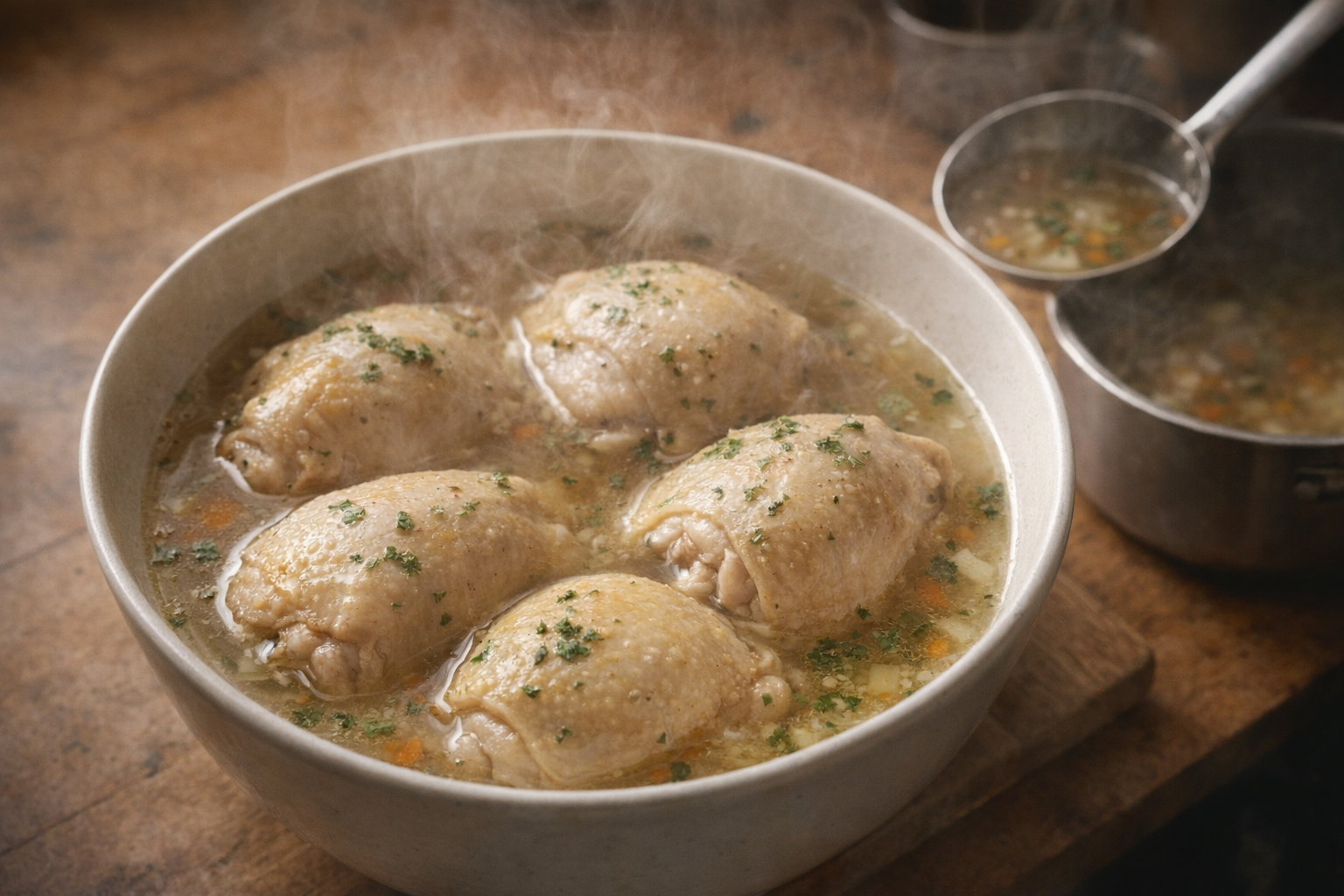
When it comes to chicken thighs, you have a few choices: bone-in, skin-on; bone-in, skinless; and boneless, skinless. For soups and stews, we strongly recommend bone-in, skin-on thighs. The bone contributes significantly to the broth's flavor, and the skin, while often discarded after boiling, renders fat that adds richness.
- Bone-in, Skin-on: The best option for maximum flavor in soups and stews. The bone adds depth, and the skin provides richness. Choose thighs that are plump, firm, and have a healthy pink color.
- Bone-in, Skinless: A leaner option that still provides some bone flavor.
- Boneless, Skinless: Convenient but yields the least flavorful broth.
Why Cook Chicken Thighs This Way?
- Versatility: Boiled chicken thighs are incredibly versatile. Use the meat in soups, stews, salads, tacos, or even as a simple protein addition to a grain bowl.
- Flavor: Boiling extracts maximum flavor from the bones and meat, creating a rich and flavorful broth.
- Convenience: It’s a hands-off cooking method that requires minimal active time. Set it and forget it (almost!).
Preparation (Mise en Place)
- Thawing (if using frozen): The safest way to thaw chicken thighs is in the refrigerator overnight. For faster thawing, place the sealed chicken in a cold water bath, changing the water every 30 minutes. Never thaw chicken at room temperature.
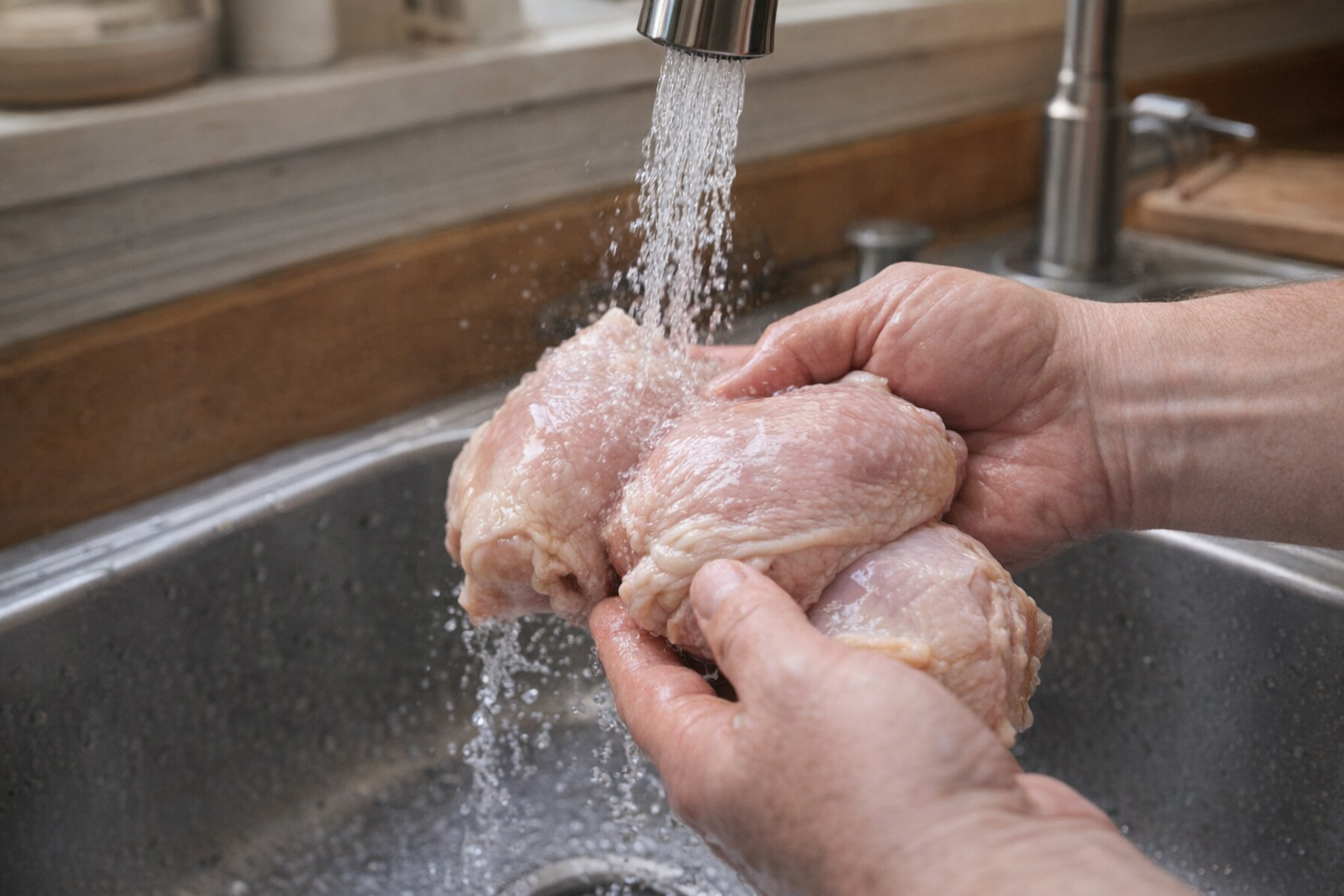
- Rinsing: Rinse the chicken thighs under cold running water and pat them dry with paper towels. This helps remove any surface bacteria.
- Optional Trimming: Trim any excess fat or skin if desired.
Essential Tools
- Large Stockpot (6-8 quarts): Crucial for simmering the chicken without overcrowding. Overcrowding lowers the water temperature and results in unevenly cooked chicken. A heavy-bottomed pot ensures even heat distribution.
- Tongs: To safely add and remove the chicken from the hot water.
- Chef's Knife & Cutting Board: For preparing vegetables like onion, garlic, and ginger, which will add flavor to the broth.
- Ladle: For skimming any foam or impurities that rise to the surface during cooking.
The Cooking Method(s)
The following details the steps for how to boil chicken thighs to maximize flavor and tenderness.
Basic Boiled Chicken Thighs for Soup and Stew
Ingredients:
- 1.5-2 pounds (approx. 700-900g) bone-in, skin-on chicken thighs
- 1.5-2 liters (6-8 cups) water
- 1-2 teaspoons (5-10g) salt
- 3-5 cloves garlic, crushed
- 1 medium onion, quartered
- 1-2 inches (2.5-5cm) ginger, crushed
- 2-3 bay leaves
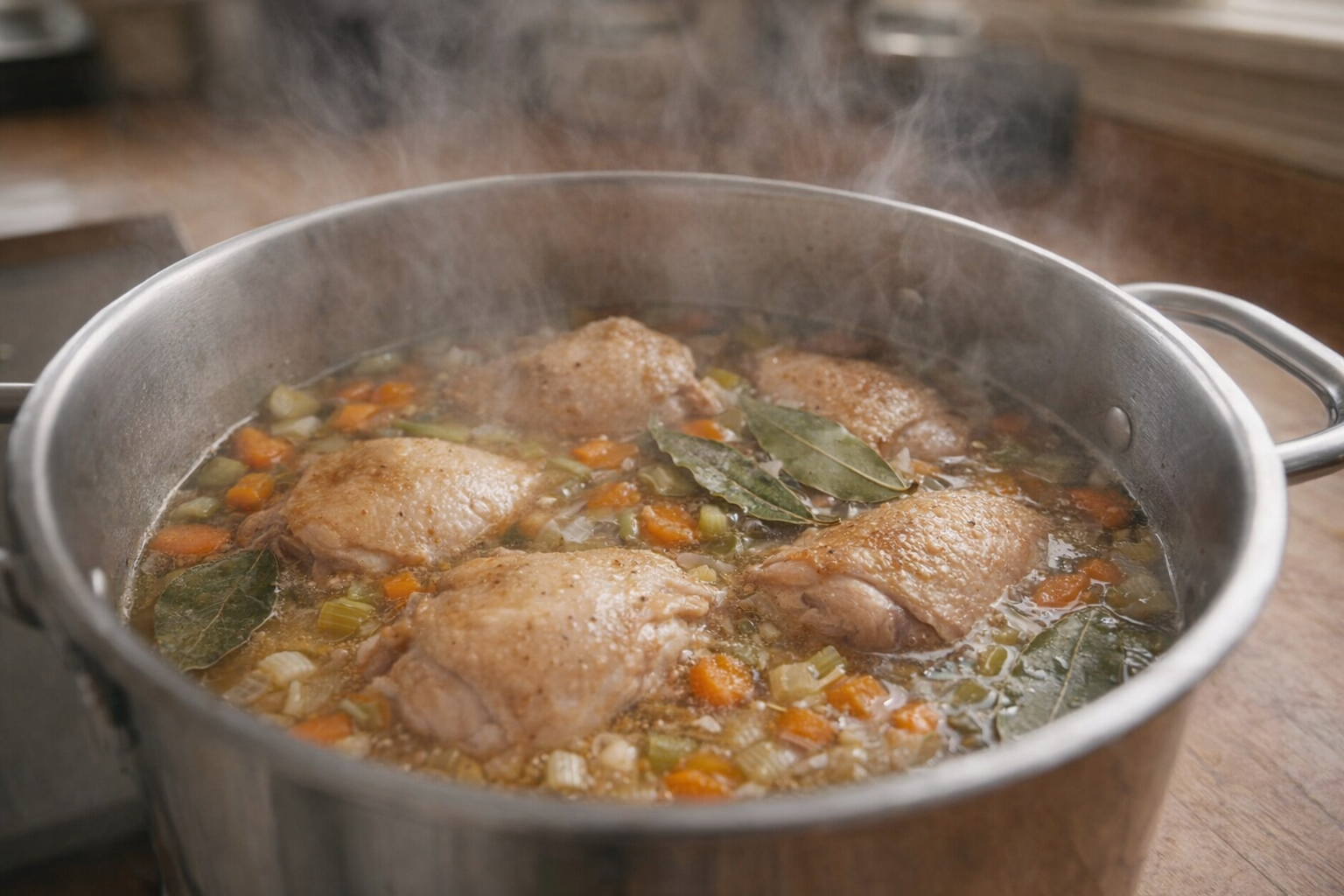
- Combine Ingredients: Place the chicken thighs in the stockpot. Add water, salt, garlic, onion, ginger, and bay leaves. Ensure the chicken is fully submerged; add more water if needed.
- Bring to a Boil: Bring the water to a rolling boil over high heat. Once boiling, reduce the heat to a gentle simmer.
- Simmer: Cover the pot and simmer for 25-30 minutes, or until the chicken is cooked through. You will see a lot of foam and scum forming on the surface; use a ladle to skim this off and discard it. The liquid should be just barely bubbling.
- Check for Doneness: The chicken is done when it reaches an internal temperature of 165°F (74°C). Use a meat thermometer to check the thickest part of the thigh, avoiding the bone.
- Rest: Turn off the heat and let the chicken rest in the broth for 10 minutes. This helps retain moisture and makes the chicken more tender.
- Remove & Shred (Optional): Remove the chicken thighs from the pot with tongs. Let them cool slightly before shredding the meat from the bone. Reserve the broth for soup or stew.
Cooking Time & Doneness Guide
- Total Cooking Time: 25-30 minutes at a gentle simmer.
- Internal Temperature: 165°F (74°C)
Visual Cues
The chicken meat should be opaque and easily pull away from the bone. The juices should run clear when pierced with a fork. If the juices are pink, continue cooking for a few more minutes and recheck.
Tips for Perfection
- Don't Overcrowd the Pot: Ensure the chicken thighs are in a single layer with enough water to cover them. Overcrowding lowers the water temperature, leading to uneven cooking.
- Simmer, Don't Boil Vigorously: A gentle simmer ensures tender chicken. A rolling boil can make the chicken tough and dry.
- Skim the Scum: As the chicken cooks, impurities will rise to the surface. Skimming these off results in a cleaner, clearer broth.
- Salt the Water Generously: Salt is crucial for seasoning the chicken and the broth. Don't be afraid to add enough.
Storage & Reheating
- Storage: Store leftover boiled chicken thighs in an airtight container in the refrigerator for up to 3-4 days. Store the broth separately.
- Reheating: Reheat the chicken in the microwave, oven, or in a skillet with a little broth. To reheat the broth, simply bring it to a simmer on the stovetop.
Serving Suggestions
- Chicken Noodle Soup: Use the boiled chicken and broth as the base for a classic chicken noodle soup.
- Chicken Salad Sandwiches: Shred the chicken and mix it with mayonnaise, celery, onion, and seasonings for a delicious sandwich filling.
- Chicken Tacos: Shred the chicken and use it as a filling for tacos, topped with your favorite salsa and toppings.
- Chicken and Dumplings: Add the boiled chicken and broth to a pot of dumplings for a hearty and comforting meal.
💡 Pro Tips
- Always use bone-in thighs to ensure the marrow and connective tissues release maximum flavor and body into your cooking liquid.
- Begin by submerging the chicken in cold water and slowly raising the heat to a gentle simmer to prevent the proteins from toughening.
- Enhance the broth's complexity by adding peppercorns, bay leaves, and halved garlic cloves during the boiling process.
- Maintain a steady simmer for about 30 to 40 minutes, which is the sweet spot for tenderizing the dark meat without overcooking it.
- Skim off any gray foam that rises to the surface during the initial boil to create a clear, clean-tasting base for your soup.
Frequently Asked Questions
While you can, chicken breasts will yield a less flavorful broth and drier meat. Chicken thighs, especially bone-in and skin-on, are preferred because they contain more fat and connective tissue that break down during simmering, enriching the broth and keeping the meat moist.
The chicken thighs are done when the internal temperature reaches 165°F (74°C). Use a meat thermometer to check the thickest part of the thigh, avoiding the bone. The meat should also be easily shreddable with a fork.
Both the cooked chicken and the broth can be stored in the refrigerator for up to 3-4 days. Make sure to cool them down completely before transferring them to airtight containers for storage to prevent bacterial growth.
While the skin can be discarded, you can also crisp it up for a tasty snack! Remove the skin carefully, pat it dry, and bake it in a preheated oven at 400°F (200°C) until golden brown and crispy. Alternatively, you can pan-fry it until crispy.