 delishing
How to Roast Broccoli for Peak Flavor and Texture

Introduction
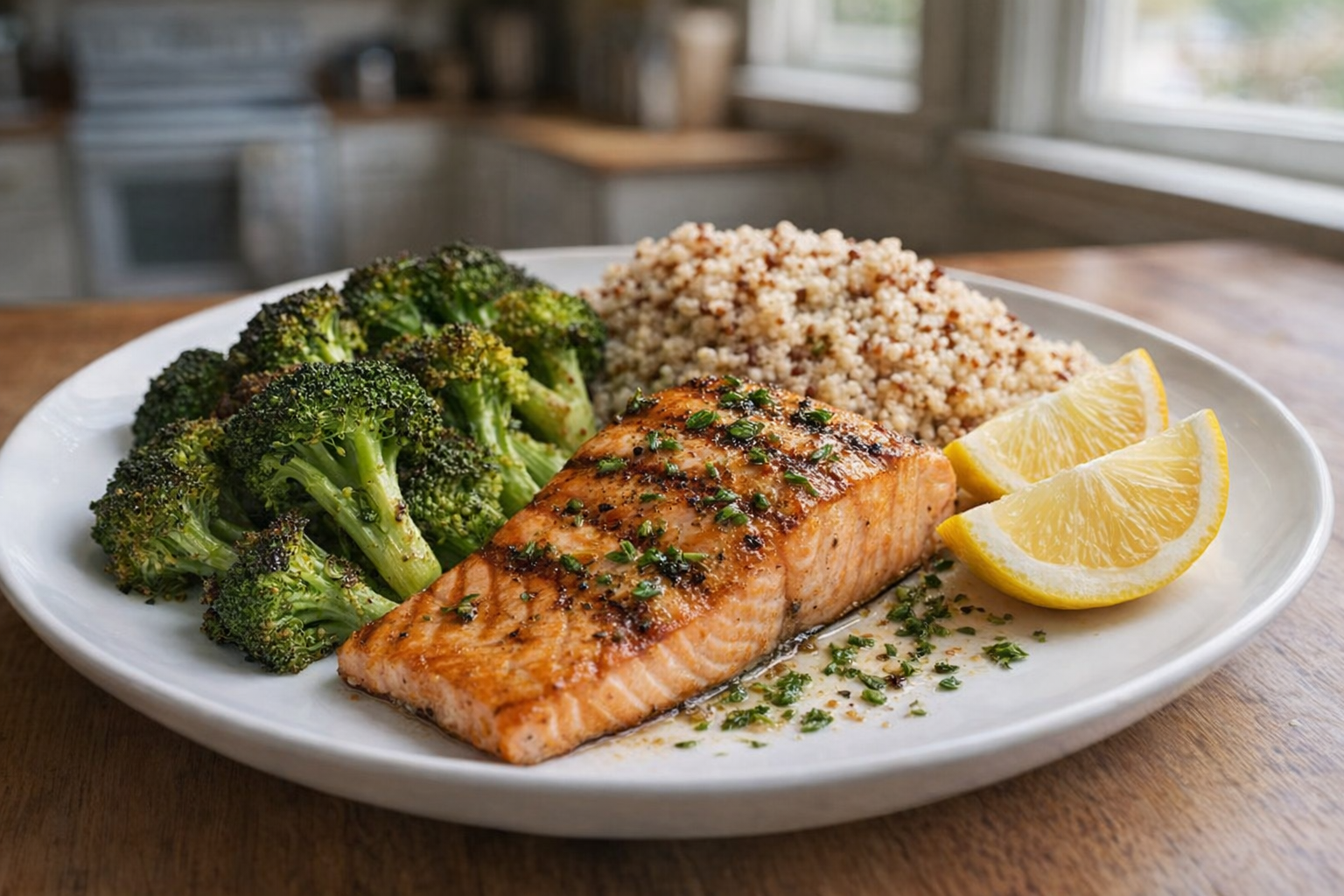
Roasted broccoli transforms this humble vegetable into a flavorful, almost addictive side dish or snack. The high heat caramelizes the natural sugars in the broccoli, creating a slightly sweet and nutty flavor profile that's balanced by the savory notes of olive oil, garlic, and salt. Roasting also concentrates the broccoli's flavor, making it far more appealing than boiled or steamed versions. This method is straightforward and results in tender-crisp florets with slightly charred edges, a texture that elevates the entire experience.
Compared to other cooking methods, roasting distributes heat more evenly, leading to consistent results. The dry heat promotes browning and caramelization, essential for developing complex flavors. Whether you are a seasoned cook or a beginner, mastering roasted broccoli will expand your culinary horizons.
Understanding Broccoli
Broccoli belongs to the Brassica family, which also includes cabbage, cauliflower, and kale. When selecting broccoli, look for firm, compact heads with tightly closed florets. Avoid heads with yellowing or flowering florets, as these indicate that the broccoli is past its prime. Smaller florets tend to be more tender, while larger ones can be a bit tougher.
For roasting, any type of broccoli will work, but standard broccoli (also known as Calabrese broccoli) is most common and readily available. Organic broccoli is a great option if you prefer to avoid pesticides, but conventional broccoli is also perfectly acceptable. The key is to choose fresh, vibrant broccoli that's free from blemishes or soft spots.
Why Cook Broccoli This Way?
- Versatility: Roasted broccoli pairs well with a wide variety of proteins and cuisines, from simple grilled chicken to spicy Asian dishes.
- Flavor: Roasting brings out broccoli's natural sweetness and nutty flavor, creating a satisfying and delicious dish.
- Convenience: Roasting is a hands-off cooking method that requires minimal active time, making it ideal for busy weeknights.
Preparation (Mise en Place)
- Washing: Thoroughly rinse the broccoli head under cold running water to remove any dirt or debris.
- Cutting: Trim the tough stem and cut the broccoli into uniform florets, about 1-2 inches in size. Consistent sizes ensure even cooking.
- Drying: Pat the florets dry with paper towels. Excess moisture will steam the broccoli instead of roasting it.
Essential Tools
- Baking Sheet: A large baking sheet (12x17 inches) provides ample space for the broccoli florets to roast without overcrowding.
- Parchment Paper (Optional): Lining the baking sheet with parchment paper makes cleanup easier and prevents sticking.
- Large Bowl: Used for tossing the broccoli florets with olive oil and seasonings.
The Cooking Method(s)
Roasting Broccoli with Garlic
This is the most popular and straightforward method for achieving perfectly roasted broccoli. The garlic infuses the broccoli with a savory aroma and flavor.
Ingredients:
- 1 large head of broccoli (about 1.5-2 pounds), cut into florets
- 2-3 tablespoons olive oil
- 2-3 cloves garlic, minced
- 1/2 teaspoon salt
- 1/4 teaspoon black pepper
- Optional: Red pepper flakes, lemon wedges
- Preheat Oven: Preheat your oven to 400°F (200°C). High heat is essential for proper caramelization.
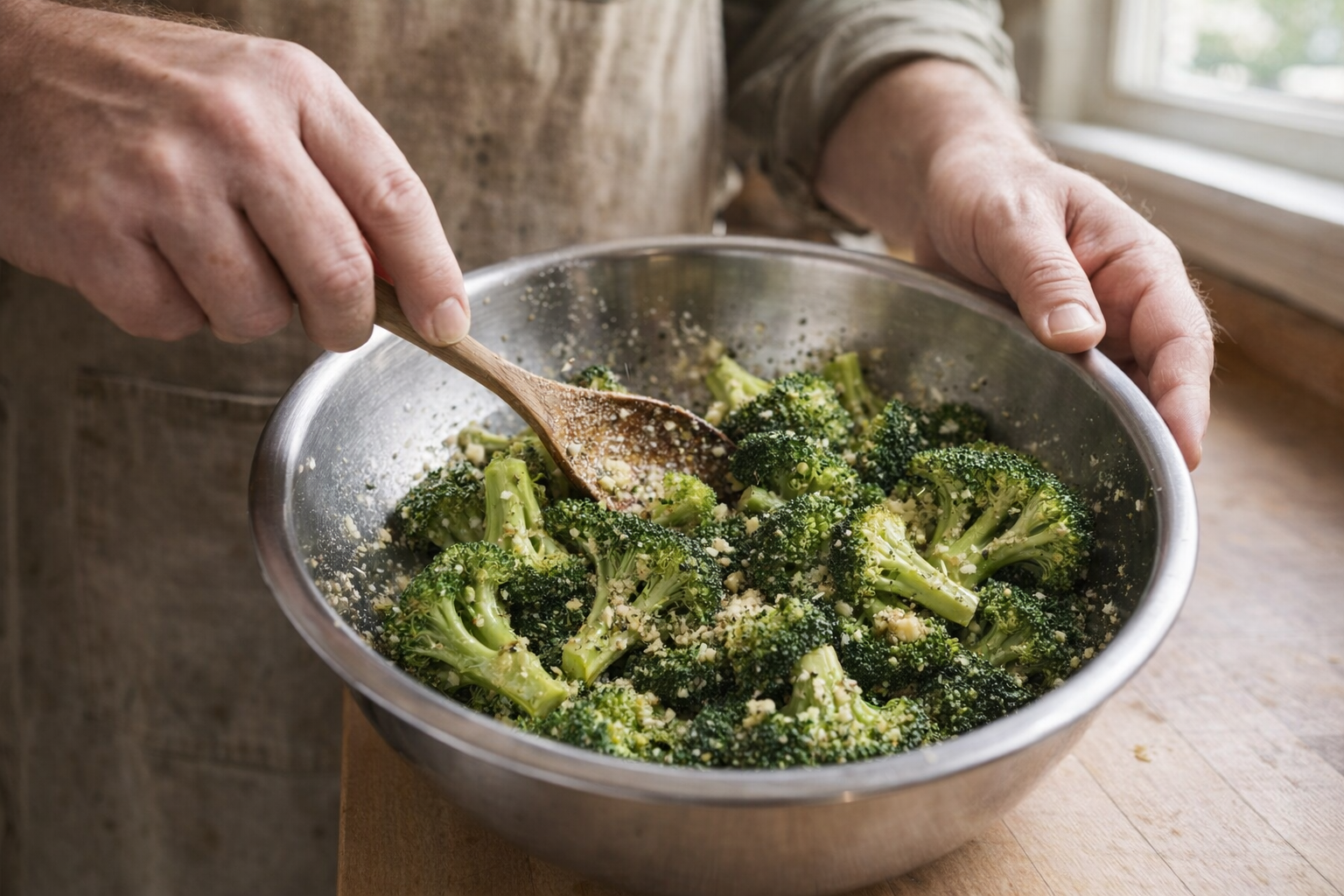
- Season Broccoli: In a large bowl, toss the broccoli florets with olive oil, minced garlic, salt, and pepper. Ensure each floret is coated evenly. The aroma of the garlic will begin to fill the kitchen.
- Arrange on Baking Sheet: Spread the seasoned broccoli in a single layer on the prepared baking sheet. Avoid overcrowding, as this will steam the broccoli instead of roasting it.
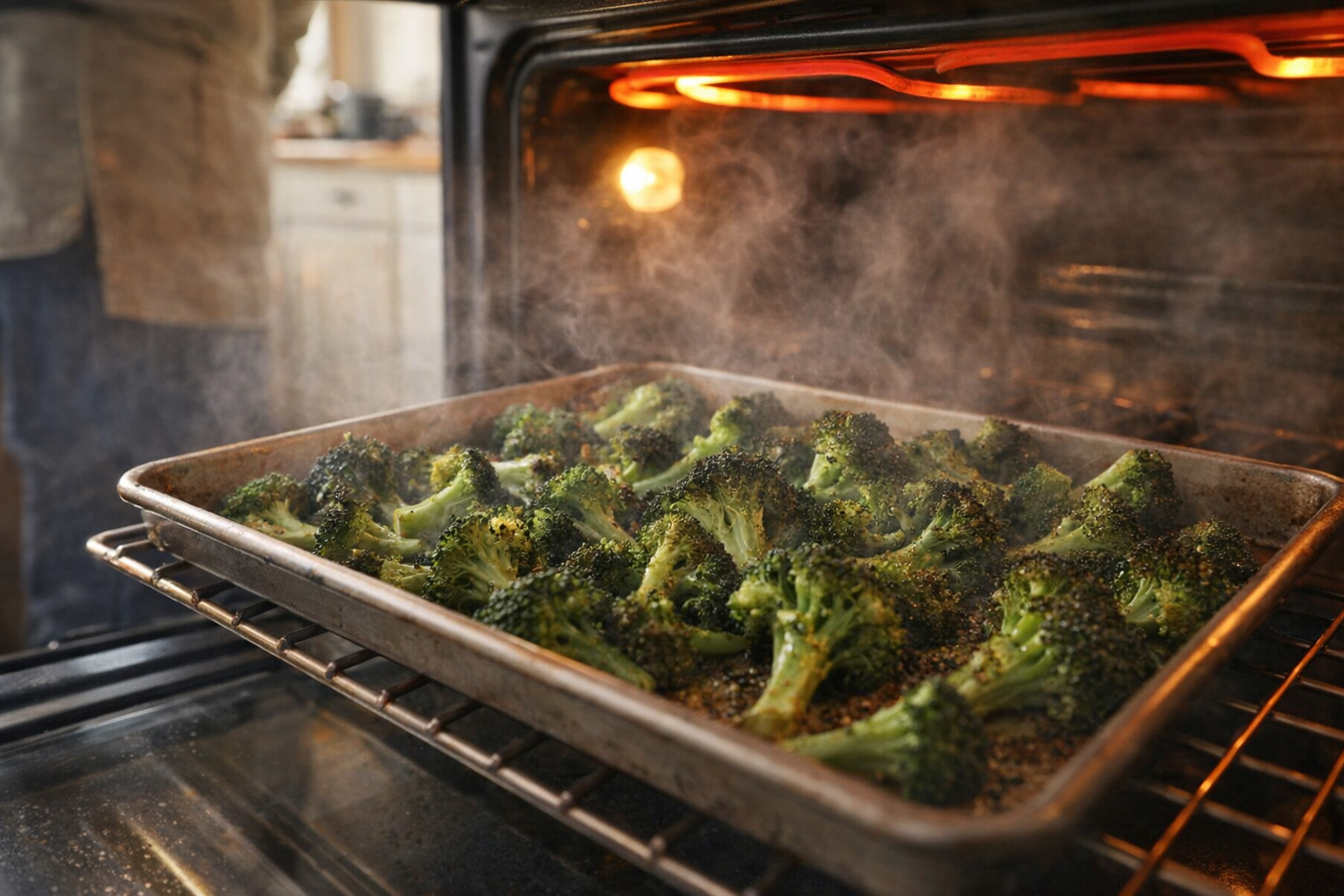
- Roast: Roast for 20-25 minutes, or until the broccoli is tender-crisp and the edges are golden brown and slightly charred. The sound of the broccoli sizzling in the oven is a good sign.
- Serve: Remove from the oven and serve immediately. Optional: Squeeze fresh lemon juice over the roasted broccoli for added brightness.
Cooking Time & Doneness Guide
- Cooking Time: 20-25 minutes at 400°F (200°C)
- Internal Temperature: Not applicable for vegetables.
Visual Cues
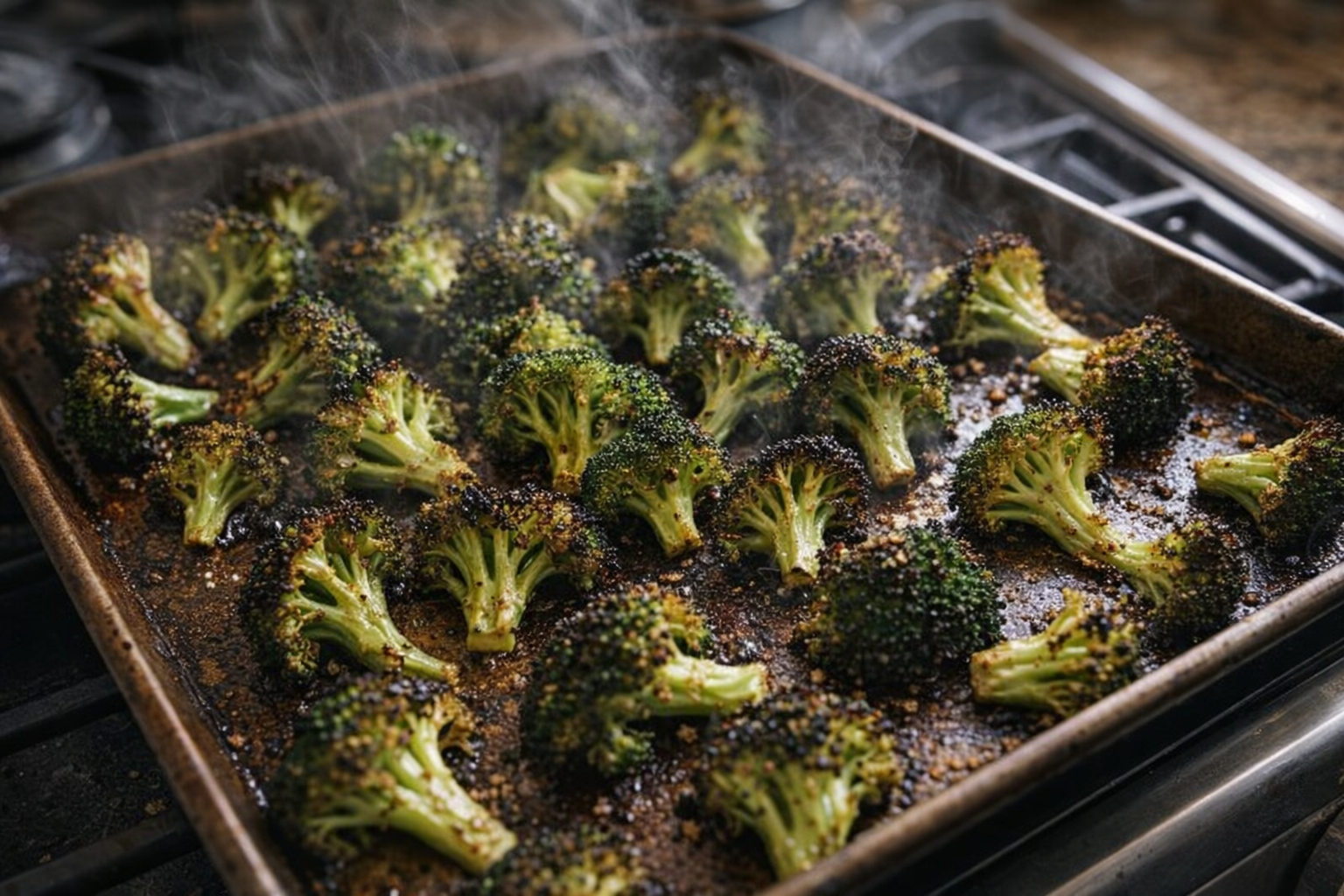
The broccoli should be tender-crisp, easily pierced with a fork, and the edges should be golden brown and slightly charred. Avoid overcooking, as this will result in mushy broccoli.
Tips for Perfection
- Don't Overcrowd the Pan: Overcrowding prevents proper browning. Use two baking sheets if necessary.
- Dry the Broccoli: Excess moisture will steam the broccoli instead of roasting it.
- Use High Heat: 400°F (200°C) is ideal for caramelizing the broccoli without burning it.
- Toss Halfway Through: Tossing the broccoli halfway through the roasting process ensures even cooking and browning.
Storage & Reheating
- Storage: Store leftover roasted broccoli in an airtight container in the refrigerator for up to 3-4 days.
- Reheating: Reheat roasted broccoli in a 350°F (175°C) oven for 5-10 minutes, or until heated through. You can also reheat it in a skillet over medium heat or in the microwave, but the texture may not be as good. Microwaving can make it soggy.
Serving Suggestions
- As a Side Dish: Serve alongside grilled chicken, steak, or fish.
- In a Salad: Add roasted broccoli to a cold salad with quinoa, chickpeas, and a lemon vinaigrette.
- With Pasta: Toss roasted broccoli with pasta, olive oil, garlic, and Parmesan cheese.
- As a Snack: Enjoy roasted broccoli as a healthy and satisfying snack.
💡 Pro Tips
- For extra crispy broccoli, preheat the baking sheet in the oven before adding the broccoli.
- Consider adding a squeeze of lemon juice or a sprinkle of Parmesan cheese after roasting for added flavor.
- Toss the broccoli with olive oil and seasonings just before roasting to prevent it from becoming soggy.
- Don't be afraid to let the broccoli get slightly charred – that's where the best flavor is!
- If you like a smoky flavor, try adding a pinch of smoked paprika to the seasonings.
Frequently Asked Questions
While fresh broccoli is preferred for the best flavor and texture, you can use frozen broccoli in a pinch. Thaw it completely and pat it very dry with paper towels before tossing it with olive oil and seasonings. Roasting time may be slightly longer.
If your broccoli is browning too quickly, lower the oven temperature by 25 degrees and continue roasting. You can also tent the baking sheet loosely with aluminum foil to prevent further browning while allowing the broccoli to cook through.
Absolutely! Roasting broccoli with other vegetables like carrots, bell peppers, onions, or Brussels sprouts can make a delicious and nutritious side dish. Just be sure to cut the vegetables into similar sizes so they cook evenly. Consider adding root vegetables that take longer to cook a few minutes before adding the broccoli.
The key to preventing soggy roasted broccoli is to ensure that the broccoli florets are thoroughly dry before roasting. Excess moisture will steam the broccoli instead of allowing it to caramelize. Also, avoid overcrowding the baking sheet, as this will trap steam and prevent proper browning.