 delishing
How to Make Gochujang Sauce at Home: A Culinary Guide

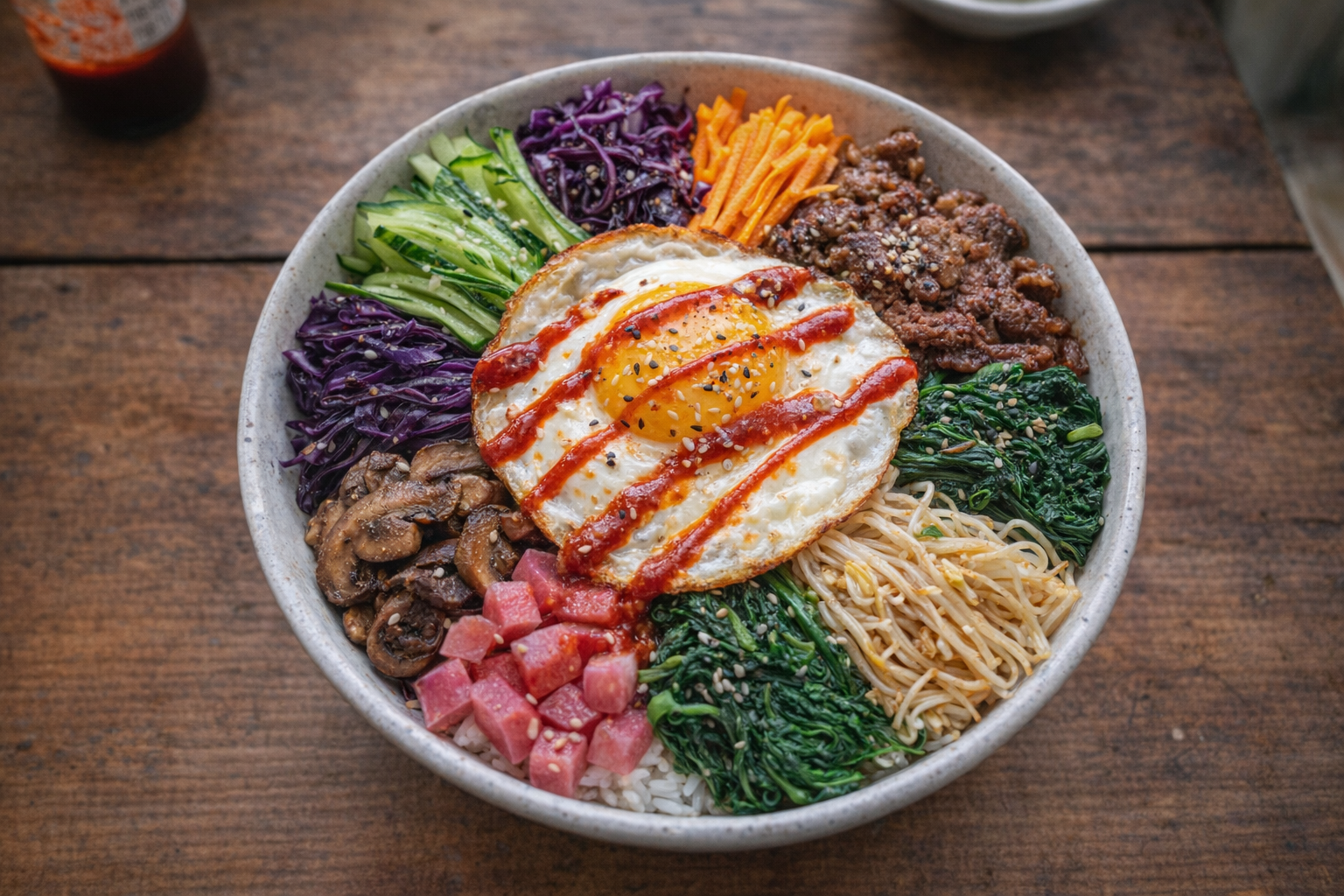
Gochujang sauce is a cornerstone of Korean cuisine, adding a complex flavor profile that is simultaneously sweet, spicy, and savory. While gochujang paste provides the foundational fermented flavor, transforming it into a sauce unlocks a world of culinary possibilities, making it easily drizzled, dipped, or used as a marinade. This method allows for customization, balancing the intense flavors of the paste to suit a wider range of palates.
This guide will teach you how to create a versatile gochujang sauce that elevates everything from simple rice bowls to grilled meats. We'll break down the key ingredients, the simple steps involved, and offer tips for achieving the perfect balance of flavors and textures. You'll learn not just how to make the sauce, but how to master it.
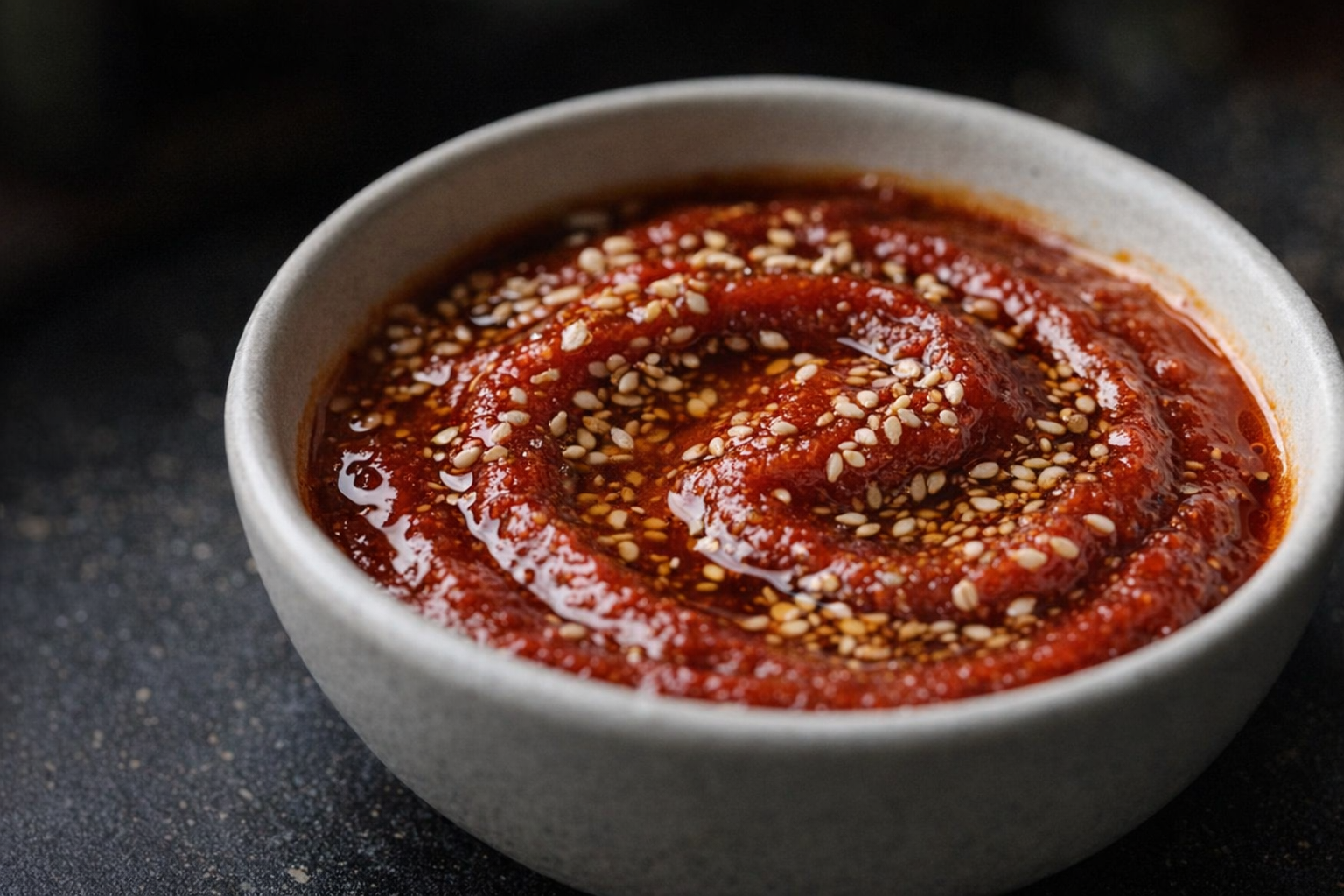
Understanding Gochujang Paste
Gochujang is a fermented Korean chili paste made from red chili powder, glutinous rice, fermented soybeans, and salt. The fermentation process, which can take months or even years, develops its unique umami flavor. Different brands and varieties will vary in spiciness and sweetness. When selecting gochujang, look for a deep red color and a thick, slightly sticky texture. Some brands may include additional ingredients like corn syrup; for a more authentic flavor, choose one with minimal additives. Common brands available include Chung Jung One and Sempio.
Why Cook with Gochujang Sauce This Way?
- Versatility: Gochujang sauce is incredibly versatile, pairing well with meats, vegetables, noodles, and rice.
- Flavor: The sauce delivers a unique combination of sweet, spicy, and savory flavors, adding depth and complexity to any dish.
- Convenience: Making gochujang sauce at home allows you to control the ingredients and adjust the flavor to your liking, creating a personalized condiment that is ready to use whenever you need it.
Preparation (Mise en Place)
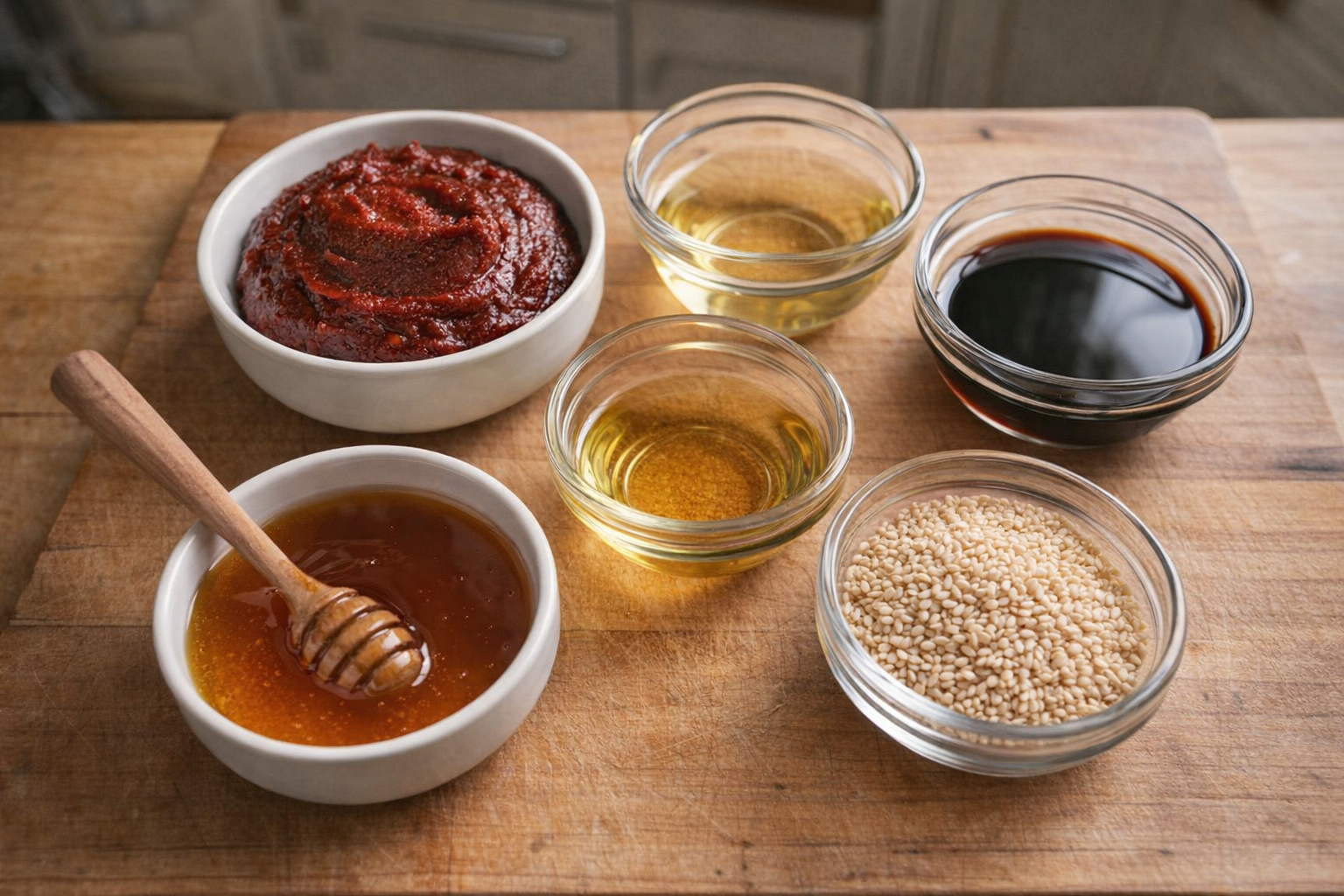
Before you begin, gather all your ingredients and measure them out accurately. This ensures a smooth and efficient cooking process. If your gochujang paste has been refrigerated, allow it to sit at room temperature for about 15-20 minutes to soften slightly, making it easier to mix.
Essential Tools
- Medium Mixing Bowl: A stainless steel or glass mixing bowl is ideal for combining the ingredients.
- Whisk: A whisk is essential for creating a smooth and emulsified sauce.
- Measuring Spoons: Accurate measurements are key to achieving the desired flavor balance.
- Small Jar or Airtight Container: For storing the finished sauce.
The Cooking Method(s)
Method 1: Classic Gochujang Sauce
Ingredients:
- 2-3 tablespoons gochujang paste (30-45ml)
- 1 ½ tablespoons rice vinegar (22.5ml)
- 1 tablespoon honey or maple syrup (15ml)
- 1 tablespoon soy sauce (15ml)
- 1 tablespoon sesame oil (15ml)
- 1 tablespoon toasted sesame seeds (optional) (15ml)
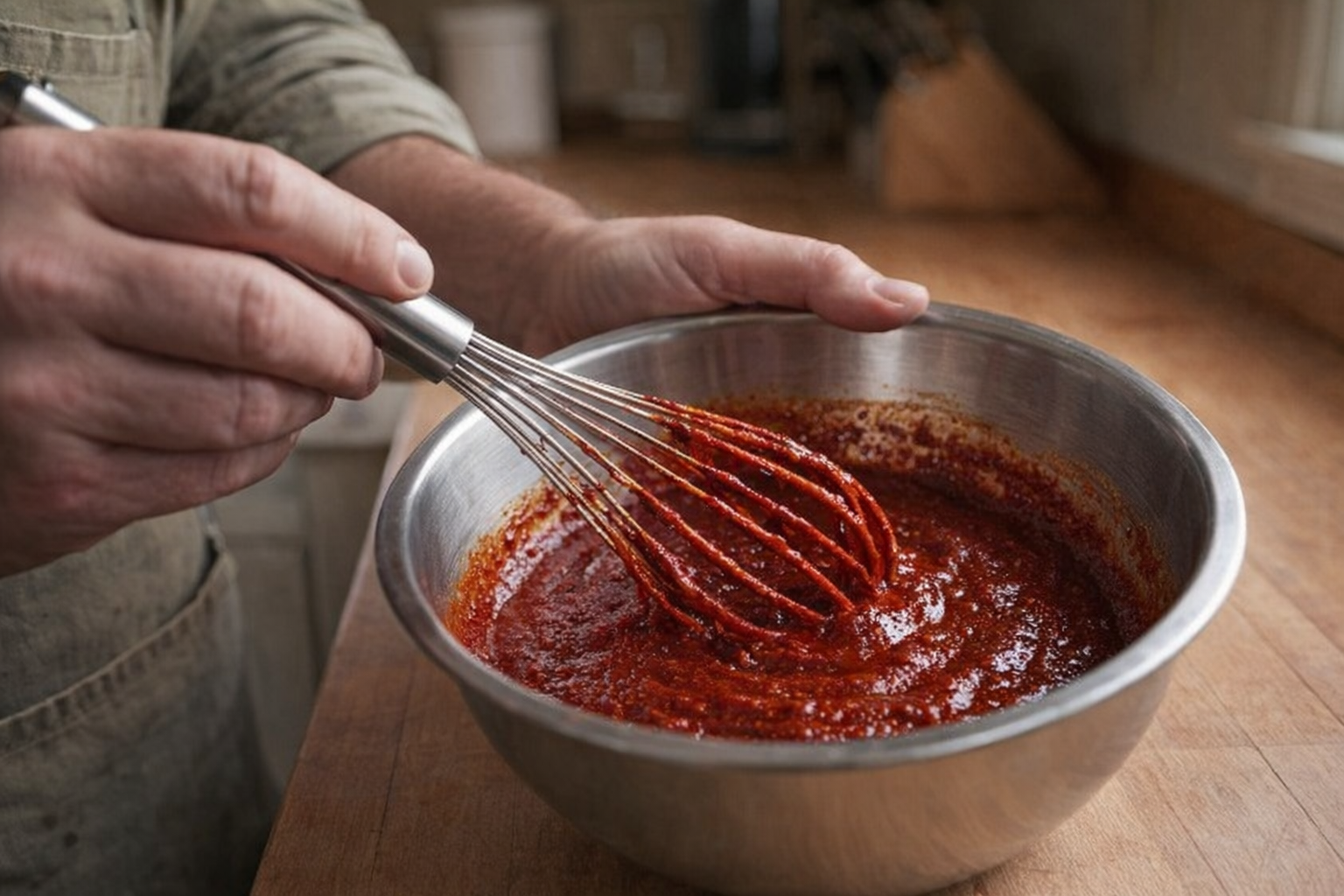
- Combine Gochujang and Rice Vinegar: In a medium mixing bowl, add the gochujang paste. Gradually whisk in the rice vinegar, a little at a time, until the paste starts to break down and smooth out. Ensure there are no lumps remaining. The mixture will smell pungent and slightly sweet.
- Add Sweetener and Soy Sauce: Pour in the honey (or maple syrup) and soy sauce. Whisk continuously until the sweetener is fully dissolved and the sauce appears glossy and uniform. The aroma will deepen, becoming more complex and savory.
- Incorporate Sesame Oil: Drizzle in the sesame oil while whisking constantly. The sauce should emulsify, becoming silky and smooth, coating the back of the spoon. The nutty fragrance of sesame oil will be prominent.
- Adjust Consistency: Check the consistency of the sauce. If it's too thick, add a teaspoon of rice vinegar at a time until it reaches the desired consistency. If it's too thin, add a small amount of gochujang paste.
- Fold in Sesame Seeds (Optional): If using, gently fold in the toasted sesame seeds.
- Rest: Pour the finished sauce into a clean jar or airtight container. Let it rest at room temperature for 15-20 minutes to allow the flavors to meld. The sauce will thicken slightly as it rests.
Cooking Time & Doneness Guide
There is no actual cooking involved in this recipe; it is simply a matter of combining ingredients. However, the resting period of 15-20 minutes is crucial for allowing the flavors to fully develop.
Visual Cues
The finished sauce should have a smooth, glossy sheen and coat the back of a spoon without being too thick or runny. The color should be a vibrant, deep red.
Tips for Perfection
- Start with Quality Gochujang: The flavor of the sauce is heavily dependent on the quality of the gochujang paste. Choose a brand you trust for the best results.
- Taste as You Go: Continuously taste the sauce as you add ingredients, adjusting the amounts to suit your personal preferences.
- Don't Skip the Resting Period: The 15-20 minute resting period allows the flavors to meld and deepen, resulting in a more complex and well-rounded sauce.
- Toast Sesame Seeds: Toasting sesame seeds before adding them to the sauce enhances their nutty flavor.
Storage & Reheating
Store the gochujang sauce in an airtight container in the refrigerator for up to 2 weeks. If you need to store it for longer, you can freeze it in ice cube trays and transfer the frozen cubes to a freezer bag. Frozen gochujang sauce can be stored for up to 3 months. Thaw in the refrigerator overnight before using. The sauce may separate slightly after thawing; simply stir it well to recombine.
Serving Suggestions
- As a Marinade: Use the sauce as a marinade for grilled chicken, pork, or beef.
- As a Dipping Sauce: Serve the sauce as a dipping sauce for dumplings, spring rolls, or vegetables.
- In Bibimbap: Drizzle the sauce over a bowl of bibimbap for an authentic Korean flavor.
- With Stir-Fries: Add a spoonful of the sauce to your favorite stir-fry for a spicy kick.
Frequently Asked Questions
Letting the gochujang paste sit at room temperature for 15-20 minutes will help soften it. You can also add a tablespoon of warm water or rice wine vinegar to the paste and mix it well before adding the other ingredients.
While it's best to stick to the recipe for the most authentic flavor, you can make some adjustments. For example, maple syrup or honey can substitute for sugar, and rice vinegar can be used in place of apple cider vinegar, though the flavor profile will be slightly different.
Homemade gochujang sauce will last for about 1-2 weeks when stored properly in an airtight container in the refrigerator. Make sure the container is clean to prevent contamination and always use a clean spoon when taking sauce from the jar.
If your sauce is too spicy, try adding a touch more of the sweet ingredients like sugar, honey, or maple syrup. Alternatively, adding a little sesame oil or a splash of rice wine vinegar can also help to balance the spiciness.