 delishing
Best Baked Haddock Recipe: Simple & Delicious

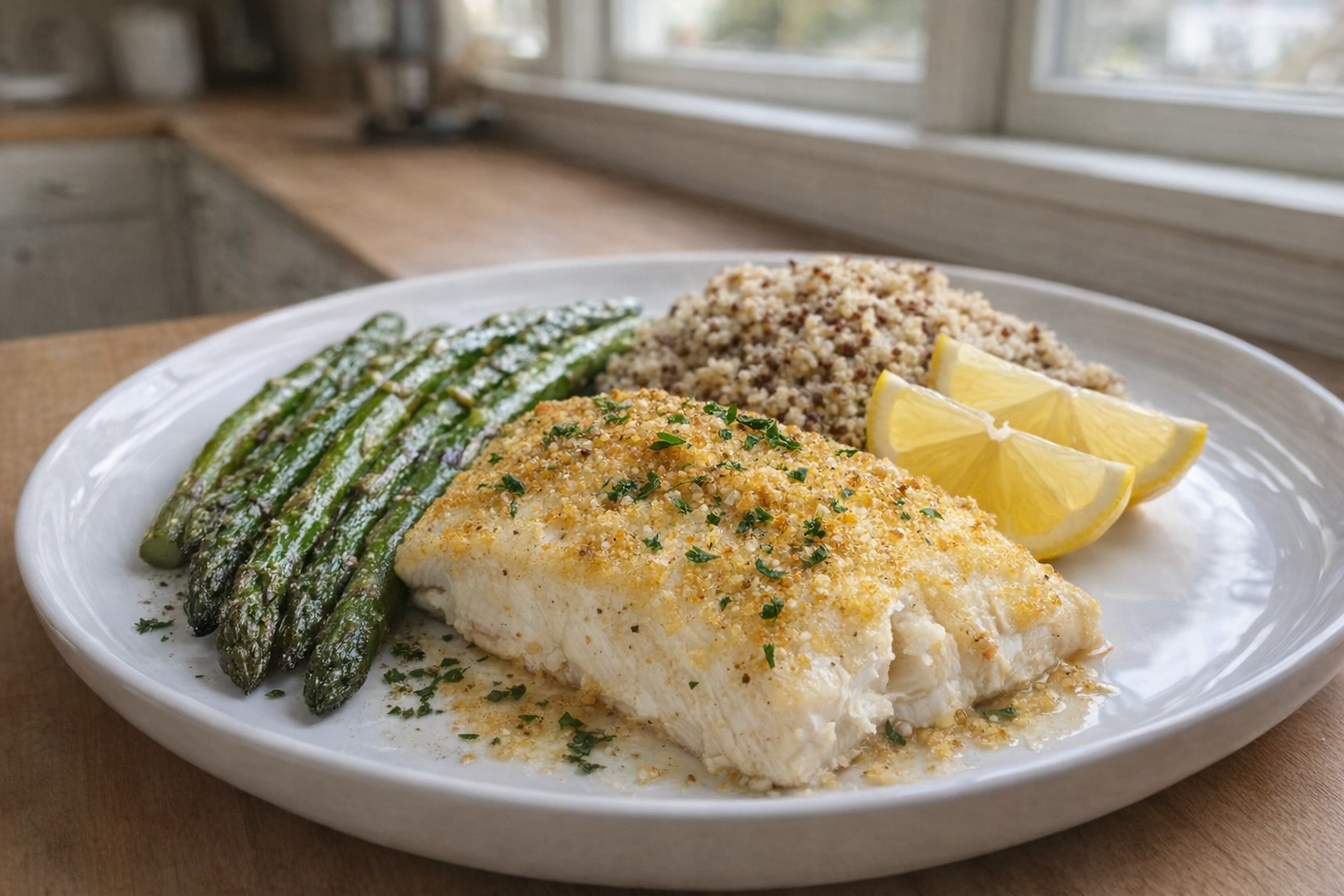
Introduction: Baked haddock offers a sublime seafood experience with its delicate, mild flavor and satisfyingly flaky texture. Baking this lean white fish enhances its natural sweetness, creating a dish that's both healthy and delicious. The gentle heat of the oven ensures the haddock remains moist and tender, unlike some other cooking methods that can dry it out. By adding a simple breadcrumb topping and fresh herbs, you can elevate this simple fillet to a gourmet-level meal.
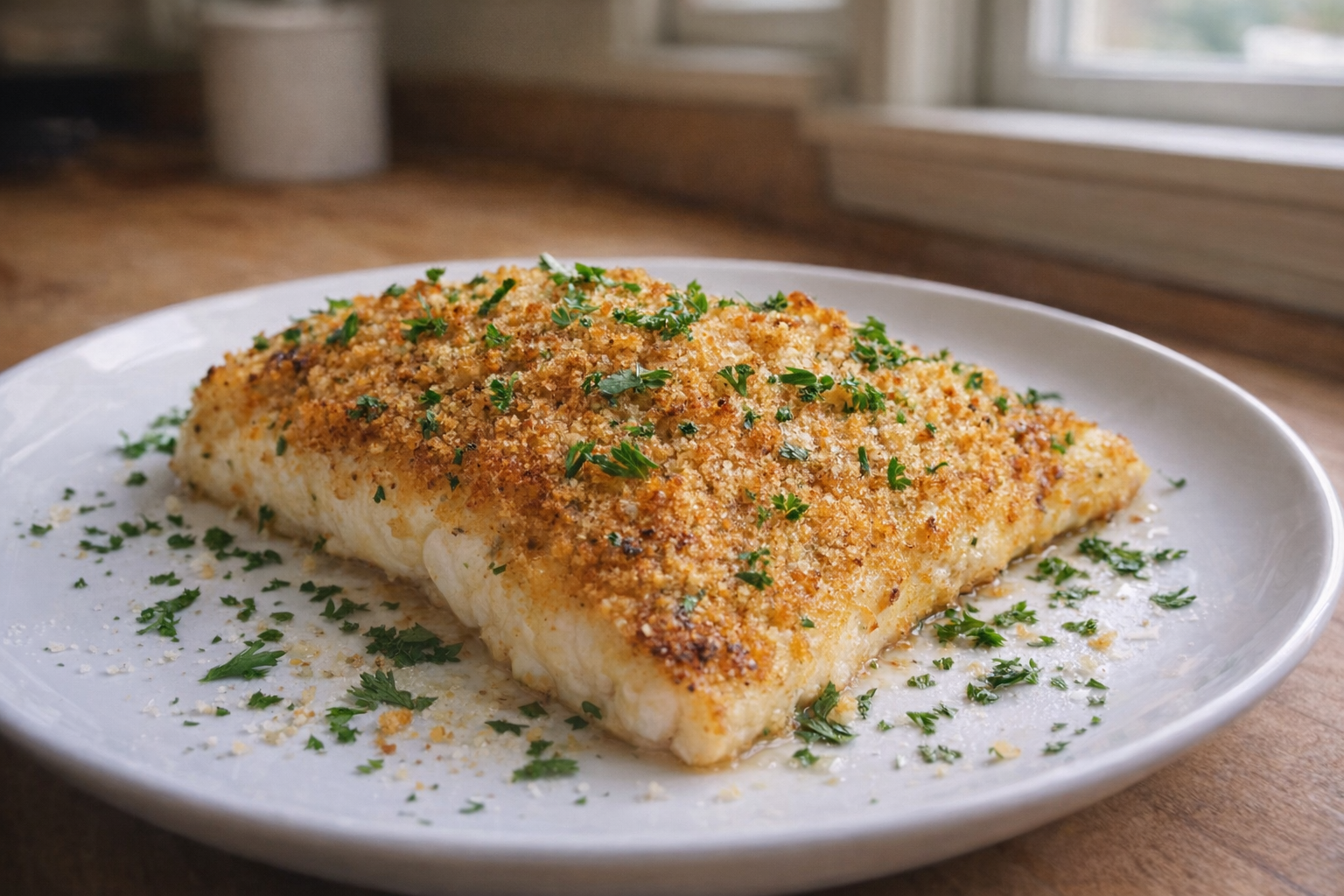
Understanding Haddock: Haddock belongs to the cod family and is a popular choice for its sustainable harvesting practices and nutritional value. When buying haddock, look for firm, translucent fillets with a fresh, sea-like smell. Avoid fillets that appear dull or have a strong, fishy odor. You can purchase fresh or frozen haddock; both work well for baking. Frozen haddock should be thawed completely before cooking for even baking. Common types include:
- Haddock Fillets: The most common cut, perfect for baking.
- Haddock Loins: Thicker cuts from the center of the fillet, ideal if you prefer a meatier texture.
- Smoked Haddock: Offers a distinct smoky flavor and can be used in variations of this recipe.
- Versatility: Haddock's mild flavor makes it a perfect canvas for various seasonings, herbs, and sauces.
- Flavor: Baking preserves the haddock's delicate taste while allowing the breadcrumb topping and seasonings to create a delicious crust.
- Convenience: Baking is a hands-off method, allowing you to prepare other dishes while the haddock cooks.
- If using frozen haddock, thaw it completely in the refrigerator overnight or using the cold water method (submerge the sealed package in cold water).
- Rinse the haddock fillets under cold water and pat them dry thoroughly with paper towels. This removes any excess moisture and helps the breadcrumb topping adhere better.
- Prepare your breadcrumb mixture in a bowl. This typically includes breadcrumbs (panko or regular), melted butter, grated Parmesan cheese, dried herbs (such as thyme, parsley, or oregano), salt, and pepper.
- Preheat your oven to 400°F (200°C).
- Baking Sheet: Provides a flat surface for even cooking.
- Parchment Paper or Aluminum Foil: Prevents the haddock from sticking to the baking sheet and makes cleanup easier.
- Mixing Bowl: For preparing the breadcrumb topping.
- Measuring Cups and Spoons: Ensure accurate ingredient measurements.
- Basting Brush: For applying melted butter evenly over the fillets.
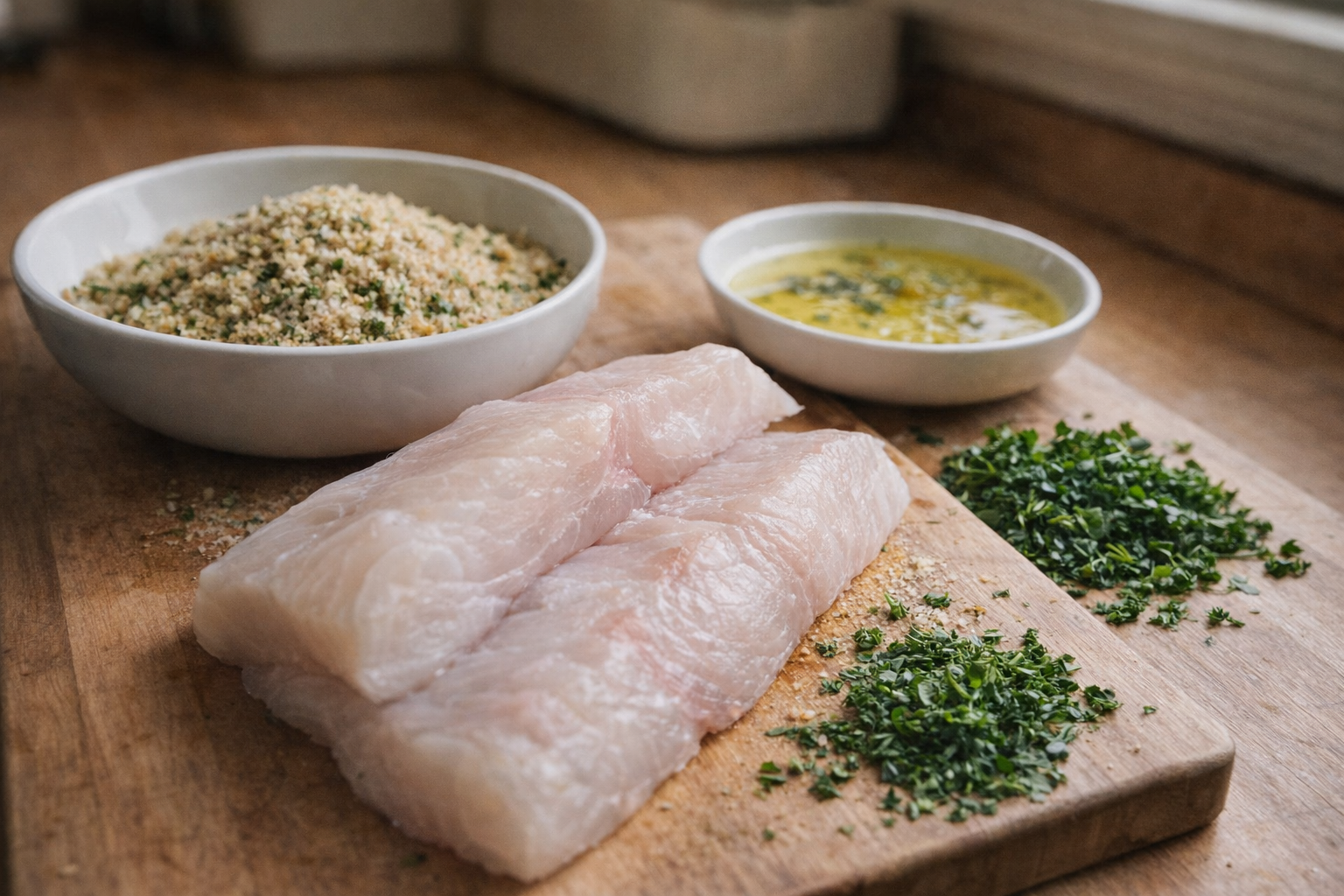
The Cooking Method(s):
Method 1: Classic Baked Haddock
Ingredients:
- 4 Haddock fillets (6-8 ounces each)
- ¾ cup Breadcrumbs (panko or regular)
- ¼ cup Butter, melted
- ¼ cup Olive oil
- 2 teaspoons Salt and pepper (or to taste)
- ¼ cup Parmesan cheese, grated
- ¼ teaspoon Dried thyme
- Optional: Lemon wedges for serving
- Preheat your oven to 400°F (200°C). The oven should be fully heated before the fish goes in, ensuring even cooking.
- Line a baking sheet with parchment paper or aluminum foil. This prevents sticking and makes cleanup easier. The subtle sizzle of the parchment as it heats up is a good sign.
- In a bowl, combine the breadcrumbs, melted butter, olive oil, Parmesan cheese, thyme, salt, and pepper. Mix well until the breadcrumbs are evenly coated. The aroma of the melted butter and herbs will fill your kitchen.
- Place the haddock fillets on the prepared baking sheet. The cool, smooth touch of the fish contrasts with the warmth of the preheated oven.
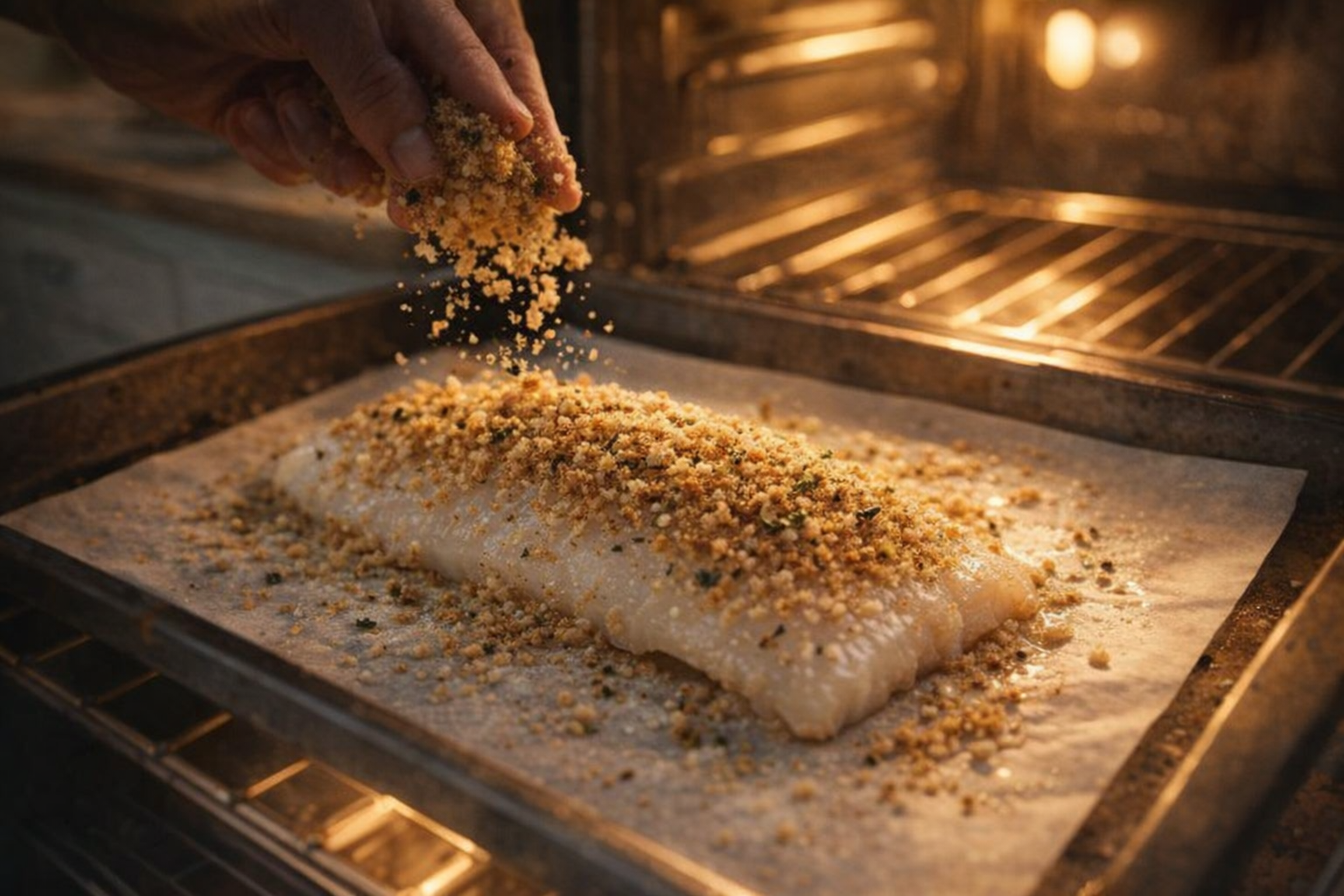
- Spoon the breadcrumb mixture evenly over each fillet, pressing lightly to help it adhere. The breadcrumbs should form a generous layer, promising a crispy topping.
- Bake for 12-15 minutes, or until the haddock is opaque and flakes easily with a fork. The fish will turn from translucent to a solid white, and the breadcrumb topping will become golden brown.
- Remove from the oven and let rest for a minute or two before serving. This allows the juices to redistribute, resulting in a more flavorful and tender fillet.
- Serve immediately with lemon wedges, if desired. The bright acidity of the lemon complements the richness of the baked haddock.
Cooking Time & Doneness Guide
- Baking Time: 12-15 minutes at 400°F (200°C).
- Internal Temperature: 145°F (63°C).
- Visual Cues: The haddock should be opaque throughout and flake easily with a fork. The breadcrumb topping should be golden brown. If the fish is still translucent or resists flaking, continue baking for a few more minutes, checking frequently.
Tips for Perfection
- Don't overbake the haddock, as it will become dry and rubbery. Use a thermometer to ensure it reaches the proper internal temperature.
- Ensure the haddock fillets are dry before adding the breadcrumb topping. This will help the topping adhere better and create a crispier crust.
- Adjust the seasonings to your liking. Add a pinch of garlic powder or paprika for extra flavor.
- For a healthier option, use whole wheat breadcrumbs or almond flour instead of regular breadcrumbs.
Storage & Reheating
Store leftover baked haddock in an airtight container in the refrigerator for up to 2 days. Reheat gently in a preheated oven at 300°F (150°C) for about 10-15 minutes, or until heated through. Avoid microwaving, as this can make the fish tough and rubbery.
Serving Suggestions
- Serve with roasted vegetables, such as asparagus, broccoli, or Brussels sprouts.
- Flake the baked haddock and use it in fish tacos or salads.
- Serve over a bed of rice or quinoa for a complete meal.
- Pair with a side of lemon butter sauce or tartar sauce for added flavor.
💡 Pro Tips
- Pat the haddock fillets dry with paper towels before adding the breadcrumb topping to ensure a crispy crust.
- Don't overcrowd the baking sheet. If the fillets are too close together, they will steam instead of bake.
- Use a digital thermometer to ensure the haddock reaches an internal temperature of 145°F (63°C) for optimal doneness and to prevent overbaking.
- For a richer flavor, brown the butter slightly before mixing it with the breadcrumbs.
- If the breadcrumb topping starts to brown too quickly, tent the baking sheet with aluminum foil.
Frequently Asked Questions
Yes, you can absolutely use frozen haddock. Just make sure to thaw it completely before cooking. The best way to thaw it is overnight in the refrigerator. If you're short on time, you can thaw it by submerging the sealed package in cold water for about an hour, changing the water every 30 minutes.
If you don't have Parmesan cheese, you can substitute it with Pecorino Romano cheese for a similar salty and nutty flavor. Alternatively, you can omit the cheese altogether, but you may want to add a pinch more salt to the breadcrumb mixture to compensate.
The key to preventing dry haddock is to avoid overbaking it. Use a food thermometer to ensure it reaches an internal temperature of 145°F (63°C). Also, pat the fillets dry before adding the breadcrumb topping, as excess moisture can lead to steaming instead of baking.
Yes, you can prepare the breadcrumb topping ahead of time. Store it in an airtight container in the refrigerator for up to 2 days. However, it's best to add the melted butter just before using, as the breadcrumbs can become soggy if mixed with melted butter for too long.